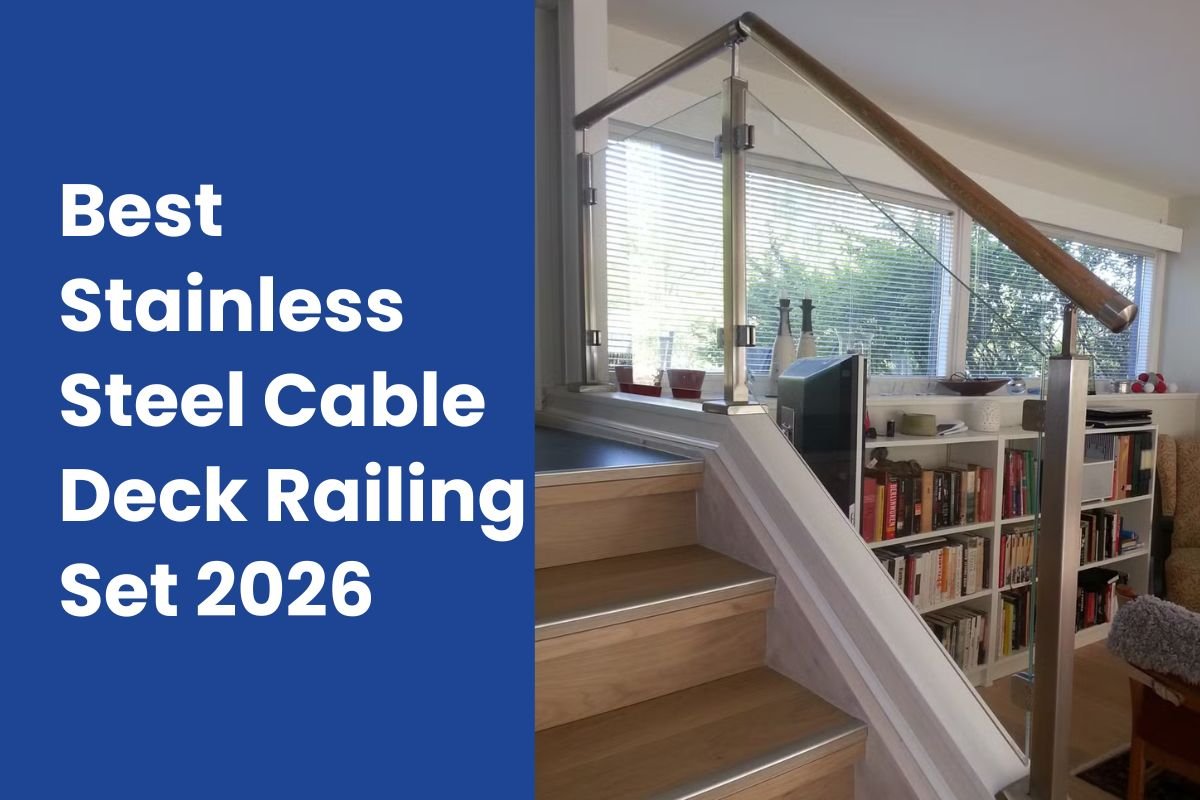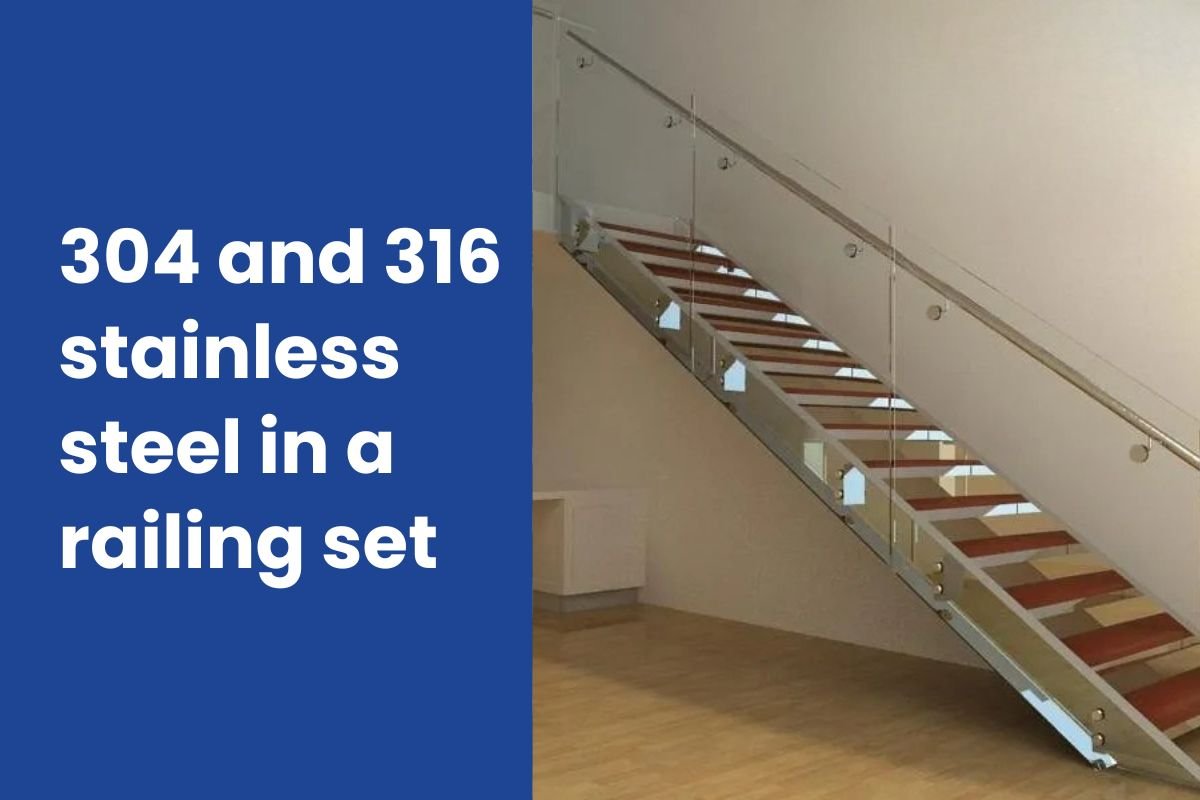
Choosing the right Stainless Steel Cable Deck Railing Set is crucial for both aesthetics and long-term durability. Homeowners and designers often face a common dilemma: should they choose 304 or 316 stainless steel for their deck or balcony railing systems? Understanding the differences between these two popular grades can help you make an informed decision that balances cost, corrosion resistance, and longevity.
In this detailed guide, we explore the distinctions between 304 and 316 stainless steel, their benefits in railing systems, and the applications that suit each type. Additionally, we cover design trends, installation tips, and expert recommendations for 2026.
Stainless Steel Grades
Stainless steel is an alloy of iron, carbon, and chromium. The addition of chromium forms a thin protective layer that prevents rusting. Wikipedia states that stainless steel is highly resistant to corrosion, making it ideal for both indoor and outdoor applications. Among stainless steel grades, 304 and 316 are the most commonly used in cable railing systems.
304 Stainless Steel
304 stainless steel, also known as 18/8 stainless steel, contains 18% chromium and 8% nickel. It is widely used in residential applications due to its affordability and strong corrosion resistance in normal environments. However, it can be susceptible to corrosion in highly salty or marine conditions.
316 Stainless Steel
316 stainless steel includes an additional 2–3% molybdenum, which significantly enhances its corrosion resistance, especially against chlorides and salty air. This makes it the preferred choice for coastal and high-humidity environments.
Learn more at Which is Better: 304 or 316 Stainless Steel?.
Key Differences Between 304 and 316 Stainless Steel for Railing Sets
| Feature | 304 Stainless Steel | 316 Stainless Steel |
|---|---|---|
| Corrosion Resistance | Good, suitable for most indoor/outdoor use | Excellent, ideal for coastal/marine environments |
| Cost | Lower, more budget-friendly | Higher, premium grade |
| Molybdenum Content | 0% | 2–3%, enhances chloride resistance |
| Ideal Applications | Residential decks, indoor railings | Outdoor decks, marine environments |
| Longevity | 10–15 years in harsh conditions | 20–30 years or more |
For detailed insights, visit 304 vs 316 Stainless Steel Handrails.
Why Stainless Steel Cable Deck Railing Sets Use 304 or 316
The selection of stainless steel grade directly affects the railing system’s durability, maintenance, and visual appeal.
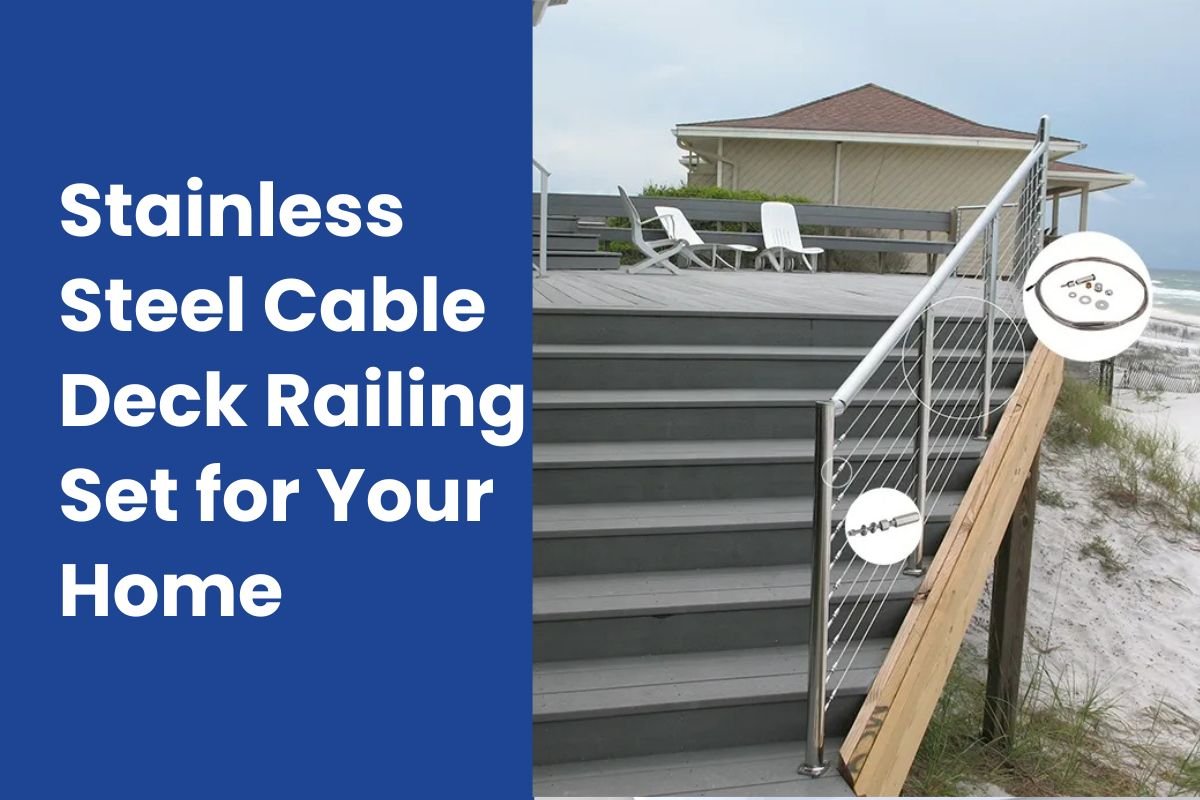
- 304 Stainless Steel Cable Deck Railing Set: Suitable for standard outdoor decks where the climate is moderate. Affordable and durable enough for residential projects.
- 316 Stainless Steel Cable Deck Railing Set: Perfect for areas with high exposure to saltwater or coastal air. Offers exceptional longevity and requires minimal maintenance, making it ideal for luxury installations.
Learn more about the benefits of 316 grade in Durability Benefits of 316 Stainless Steel Handrails.
Applications of 304 vs 316 Stainless Steel Cable Deck Railing Sets
Residential Decks
For suburban homes away from coastal areas, 304 stainless steel is often sufficient. It balances performance and cost effectively.
Coastal Properties
Homes near oceans benefit from 316 stainless steel due to its superior resistance to saltwater corrosion. This ensures the Stainless Steel Cable Deck Railing Set maintains its appearance and structural integrity over time.
Commercial Spaces
For high-traffic areas like restaurants or hotels, 316 stainless steel provides better longevity and reduces long-term maintenance costs.
Indoor Installations
Both 304 and 316 stainless steel work well indoors. The choice often comes down to budget and aesthetic preferences.
For specialized components, check What Are 316 Stainless Steel Glass Clamps?.
Installation Tips for Stainless Steel Cable Deck Railing Sets
Installing a cable deck railing system requires precision and quality components. Here are some best practices:
- Choose the Right Hardware: Use high-quality fittings, turnbuckles, and posts to ensure tension stability.
- Proper Tensioning: Ensure cables are taut to prevent sagging. This is especially critical for longer spans.
- Consider Environmental Factors: In coastal areas, prioritize 316 stainless steel to reduce maintenance.
- Follow Manufacturer Guidelines: Whether using Stainless Steel Deck Cable Railing Kit Wire Staircase Railing or DIY kits, adherence to instructions ensures durability and safety.
DIY enthusiasts can explore Stainless Steel DIY Interior Cable Railing Systems for Decks for convenient installation solutions.
Design Trends for 2026
Modern design trends emphasize minimalism and open spaces. Stainless steel cable railings contribute to this aesthetic while providing strength and safety.
- Black-Coated Cables: Offer a bold, modern look.
- Integrated Lighting: LED lights along the top rail enhance ambiance and safety.
- Mixed Materials: Combining wood and stainless steel creates a unique, contemporary design.
Stay updated with Top Trends Stainless Steel Cable Railing Systems 2026.
Pros and Cons of 304 and 316 Stainless Steel Cable Deck Railing Sets
304 Stainless Steel Pros
- Cost-effective
- Good corrosion resistance in moderate climates
- Easy to maintain
304 Stainless Steel Cons
- Less durable in coastal areas
- May show signs of rust faster under harsh conditions
316 Stainless Steel Pros
- Superior corrosion resistance
- Long lifespan in coastal and humid environments
- Minimal maintenance
316 Stainless Steel Cons
- Higher upfront cost
- Slightly more challenging to source than 304 in some regions
Maintenance Tips
To maximize the life of your Stainless Steel Cable Deck Railing Set, consider the following:
- Regularly clean with mild soap and water.
- Check cable tension every 6–12 months.
- Apply stainless steel polish for added shine.
- Inspect hardware for wear and replace if necessary.
Summary
Choosing between 304 and 316 stainless steel for your Stainless Steel Cable Deck Railing Set depends on your environment, budget, and design preferences. 304 offers an affordable, reliable solution for most residential projects, while 316 provides superior durability in harsh, coastal conditions. By understanding the differences and selecting the appropriate grade, you can enjoy a safe, aesthetically pleasing railing system for decades.
For further information, explore 304 vs 316 Stainless Steel Handrails and consult unikim for personalized recommendations.
FAQs
Which stainless steel grade is best for a cable deck railing set near the ocean?
316 stainless steel is the best choice for coastal areas due to its superior resistance to saltwater corrosion, ensuring your railing set remains durable and attractive.
Can 304 stainless steel be used outdoors?
Yes, a Stainless Steel Cable Deck Railing Set made from 304 stainless steel is suitable for outdoor use in non-coastal, moderate climates.
How often should I maintain stainless steel cable railings?
Regular cleaning with mild soap and water every few months, along with tension checks, keeps both 304 and 316 stainless steel railings in optimal condition.
Are cable railing systems safe for children and pets?
Yes, when installed properly, a stainless steel cable deck railing set provides a safe barrier without obstructing views.
What is the cost difference between 304 and 316 stainless steel railing sets?
316 stainless steel is generally 15–30% more expensive than 304 due to its superior corrosion resistance and longevity.