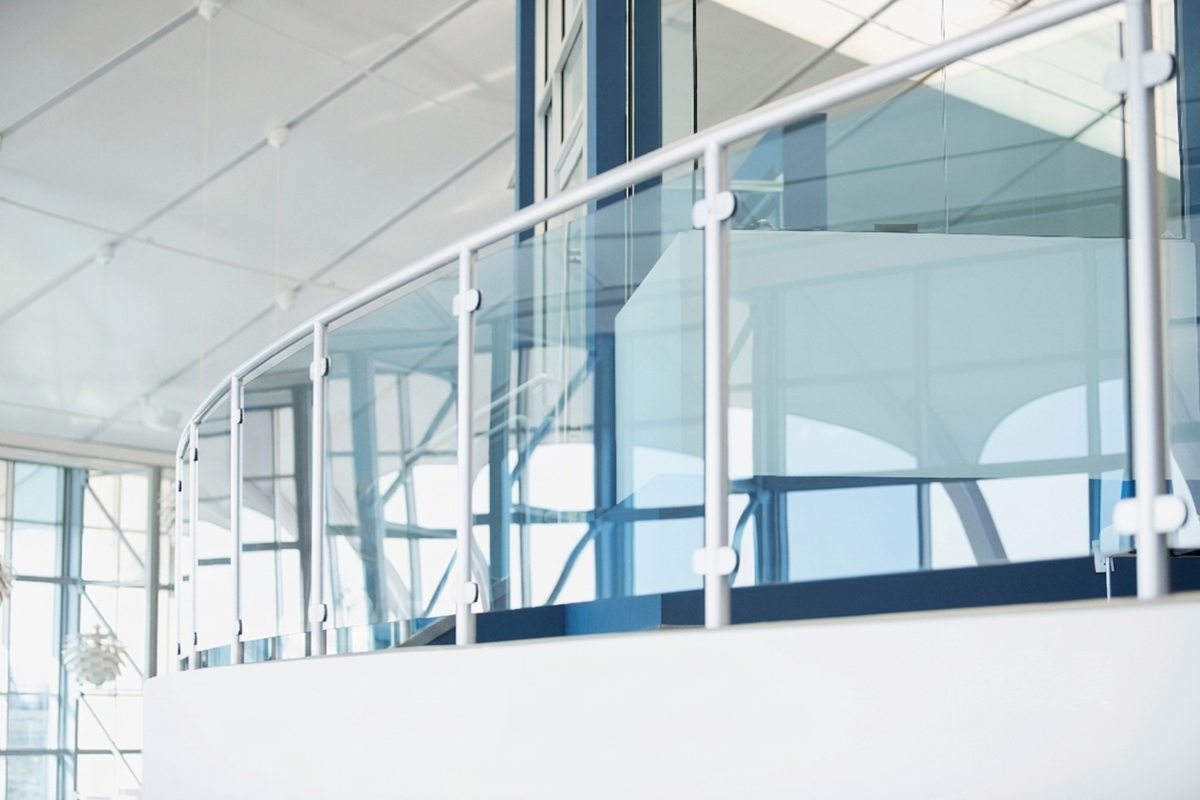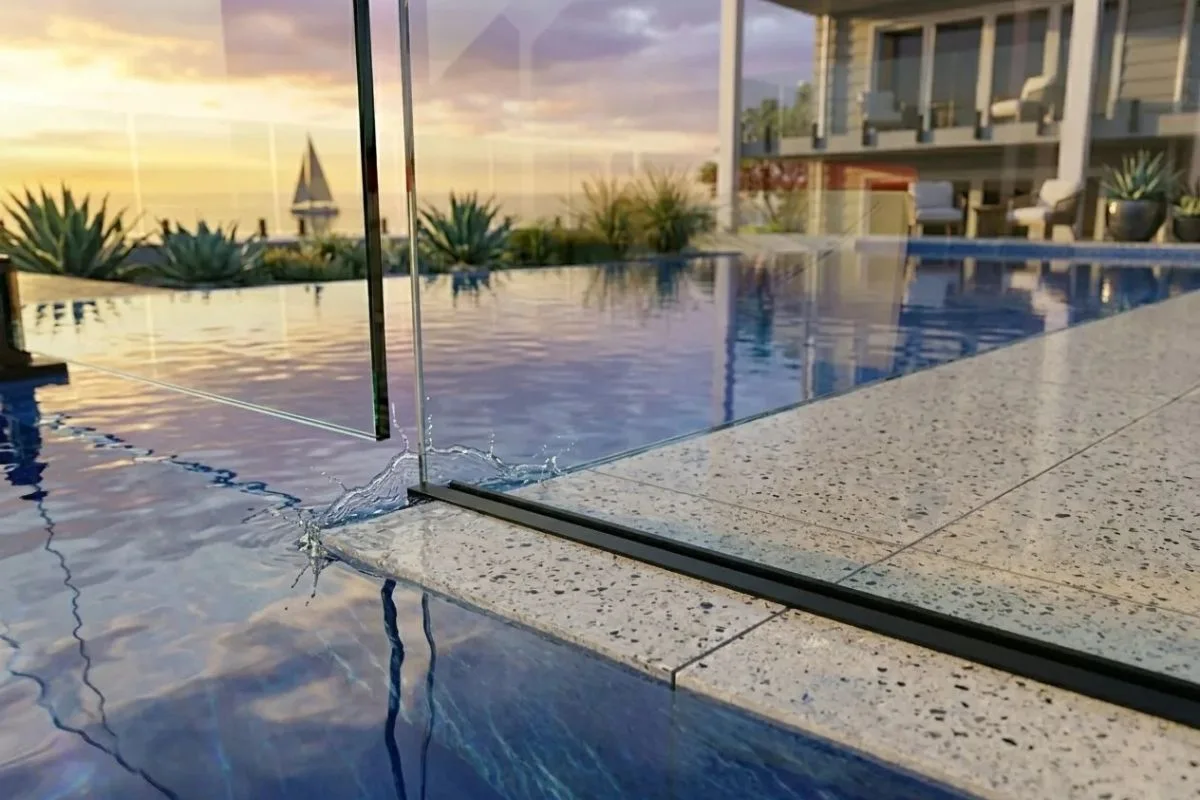
In today’s architectural and construction landscape, glass railing systems have moved far beyond being a design luxury. They are now a functional, safety-driven, and brand-defining element in residential, commercial, and mixed-use projects. At the heart of every reliable glass railing system lies one critical component OEM Glass Railing Hardware.
Choosing the right OEM partner is not just about price. It affects product quality, safety compliance, delivery timelines, reputation, and long-term profitability. Whether you are a distributor, contractor, architect, or brand owner looking to scale, understanding how to evaluate and partner with the right OEM supplier can define your competitive edge.
This in-depth guide explains how OEM glass railing hardware works, why supplier selection matters, and what criteria separate reliable manufacturers from risky ones. Along the way, we’ll reference real-world manufacturing practices, global supply chain trends, and proven strategies used by successful railing brands.
OEM Glass Railing Hardware in Modern Construction
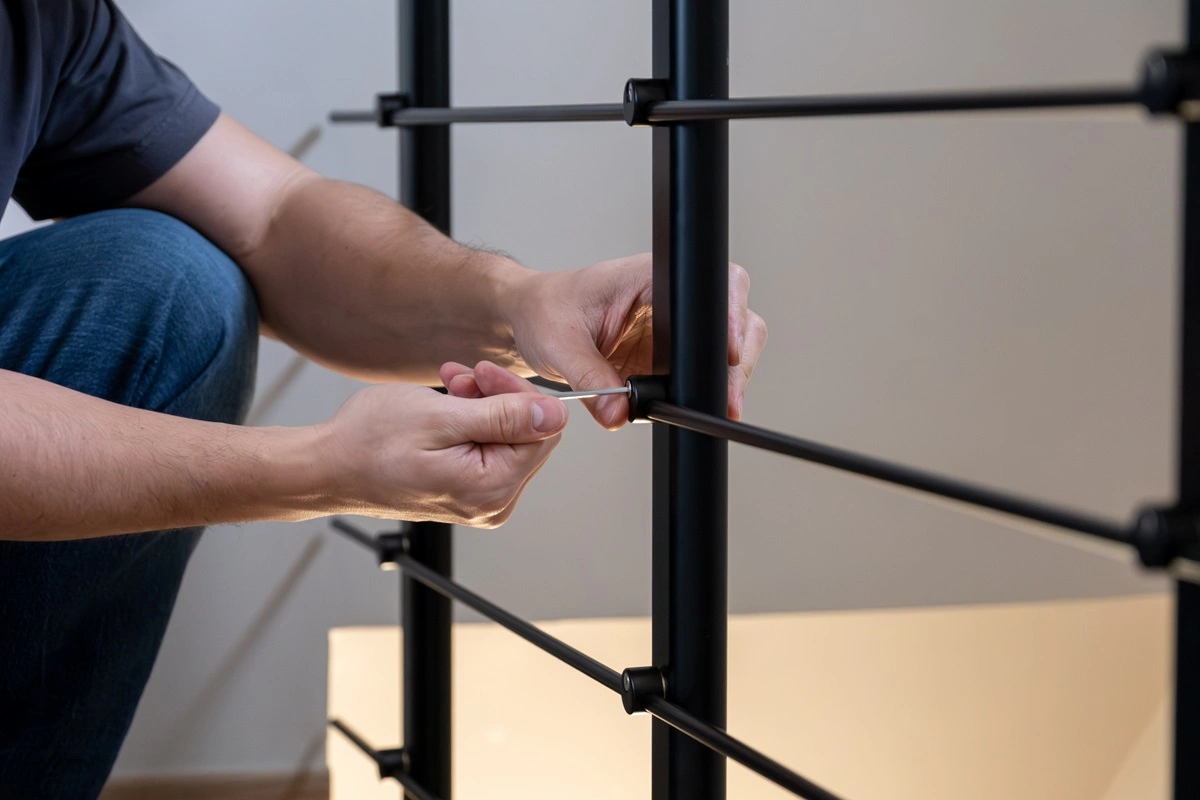
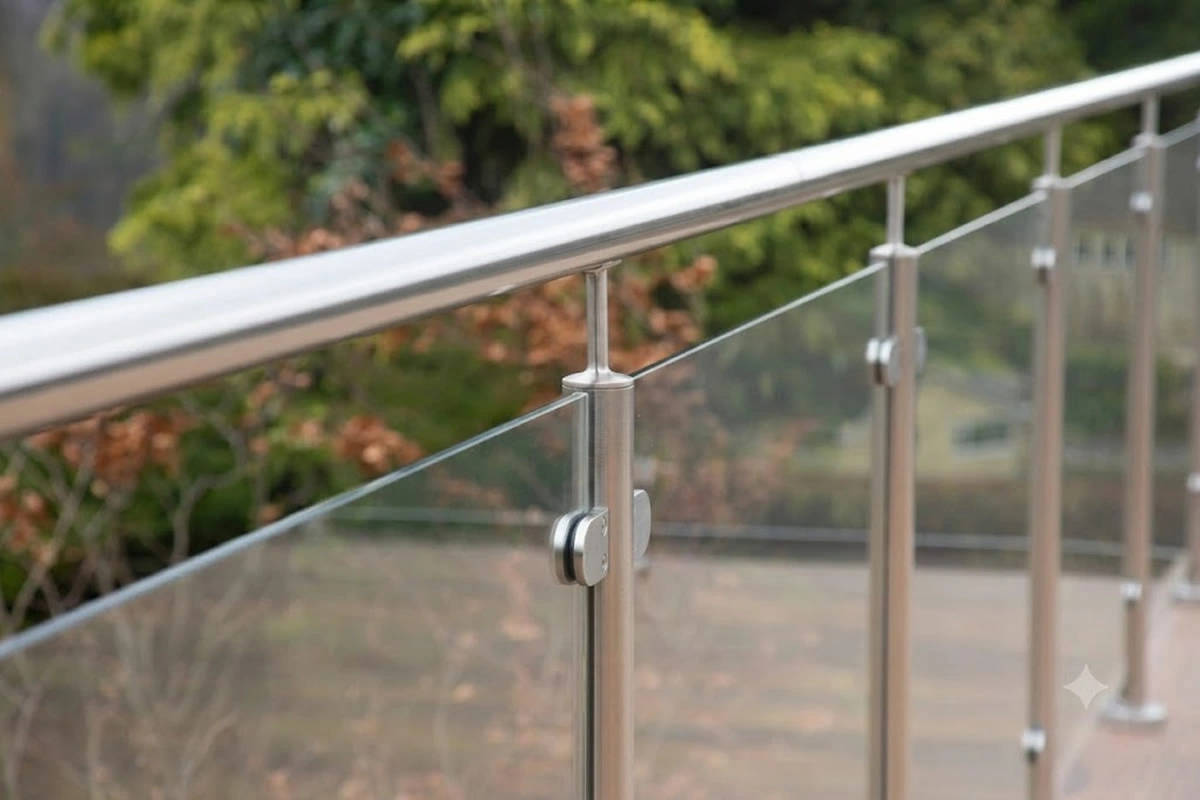
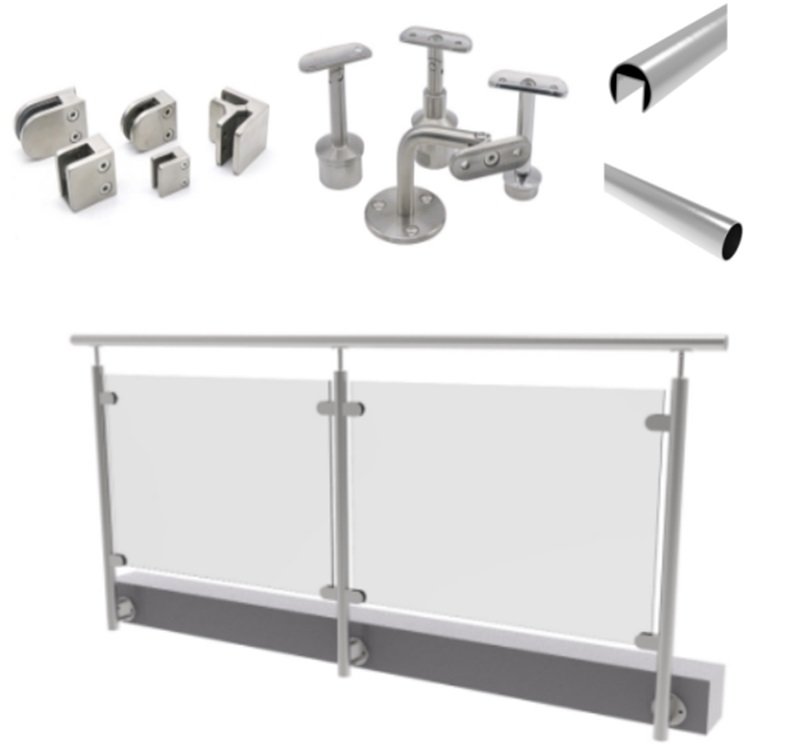
OEM Glass Railing Hardware refers to railing components manufactured by a supplier but branded, specified, or customized for another company. These components include glass clamps, posts, base shoes, spigots, handrails, connectors, and sliding door hardware systems.
Unlike off-the-shelf products, OEM solutions allow brands to control design specifications, material grades, surface finishes, compliance standards, and packaging. This flexibility makes OEM partnerships attractive for companies seeking consistency and scalability.
As architectural trends evolve toward minimalism and transparency, demand for precision-engineered railing hardware continues to rise. According to industry data from global construction market analyses, the architectural glass market is projected to grow steadily through 2030, driven by urbanization and commercial renovation projects.
Why OEM Glass Railing Hardware Matters More Than Ever
Glass railings are structural safety systems, not decorative add-ons. The hardware must handle wind loads, impact resistance, and long-term exposure to environmental stress. Poor-quality components can lead to failures, legal disputes, and irreversible brand damage.
A trusted OEM partner ensures that every piece of hardware meets engineering tolerances, material integrity, and international safety codes. This is especially critical in markets such as North America and Europe, where inspections and liability requirements are strict.
Companies that rely on OEM Glass Railing Hardware also benefit from predictable pricing, design continuity, and faster time-to-market. Instead of reinventing manufacturing infrastructure, brands can focus on marketing, distribution, and customer relationships.
Key Components Typically Included in OEM Glass Railing Hardware
OEM suppliers usually manufacture a complete ecosystem of components rather than isolated parts. This system-level approach reduces compatibility issues during installation.
A standard OEM glass railing package often includes base-mounted systems, side-mounted profiles, stainless steel posts, glass clamps, handrails, and integrated sliding door hardware. For example, U-Railing’s OEM & ODM stainless steel glass sliding door hardware solutions are designed to integrate seamlessly with modern railing systems, ensuring visual consistency and mechanical reliability.
Material Quality: The Backbone of Reliable OEM Glass Railing Hardware
Material choice defines performance. Most premium OEM Glass Railing Hardware uses stainless steel due to its strength, corrosion resistance, and aesthetic appeal. According to technical overviews on stainless steel properties, grades like 304 and 316 are widely used in architectural applications.
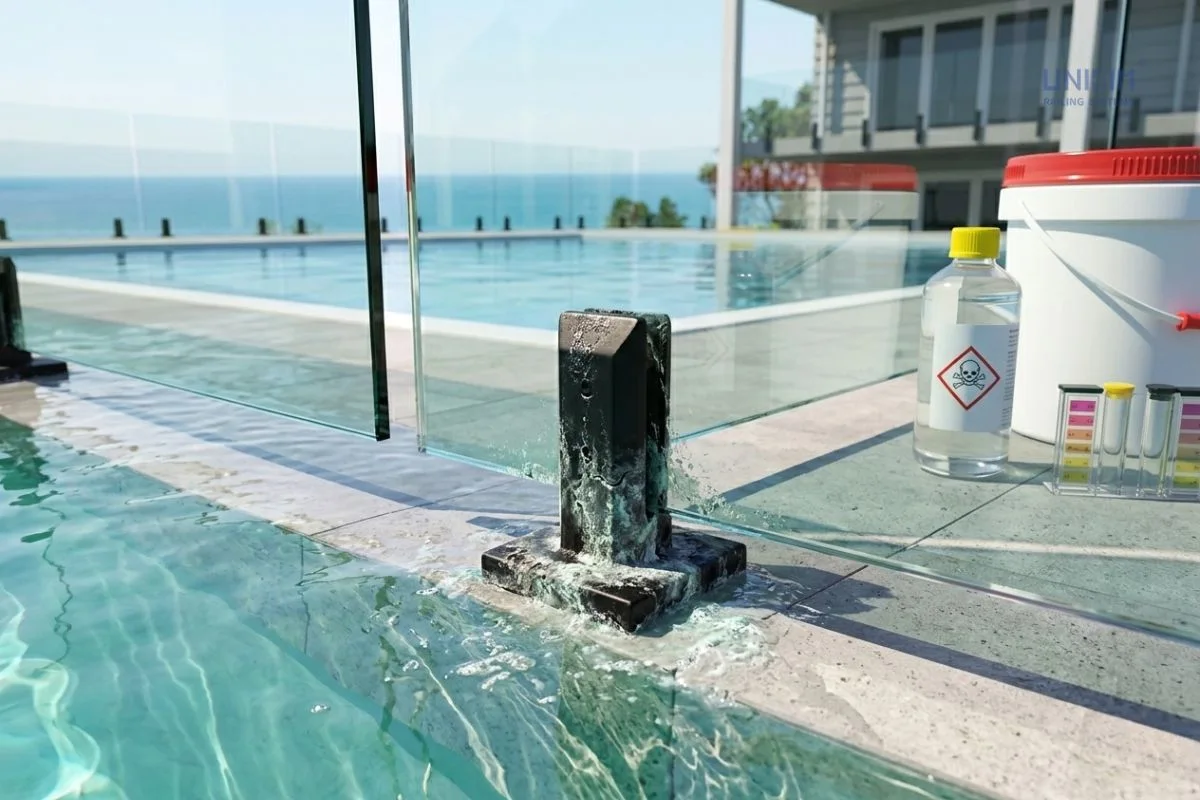
Grade 304 is suitable for interior and mild exterior environments, while grade 316 offers enhanced resistance to salt, moisture, and chemicals. This makes it ideal for coastal areas, rooftop decks, and high-humidity installations.
A serious OEM supplier will provide material certificates, mill test reports, and traceability documentation. These details may seem minor, but they play a major role in inspections, warranties, and long-term durability.
Compliance and Certification: Non-Negotiable for OEM Partners
Any supplier claiming expertise in OEM Glass Railing Hardware must demonstrate compliance with relevant standards. These often include ASTM, ANSI, ISO, and regional building codes depending on the target market.
Certification is not just paperwork. It reflects tested load capacity, impact resistance, and installation safety. OEM suppliers who actively invest in testing show a long-term commitment to quality rather than short-term cost cutting.
When reviewing suppliers, request testing reports and verify whether products have been used in regulated markets like Canada or the United States. For example, U-Railing’s insights into best glass railing systems for decks in Canada highlight the importance of meeting regional safety requirements.
Manufacturing Capabilities That Separate Top OEM Suppliers
Not all manufacturers operate at the same level. A reliable OEM partner combines modern machinery, skilled technicians, and consistent quality control processes.
Advanced CNC machining ensures tight tolerances. Automated polishing and finishing lines improve surface consistency. More importantly, in-house quality inspections reduce batch variation, which is a common problem when outsourcing to fragmented suppliers.
Reputable manufacturers like those showcased on Made-in-China OEM platforms often highlight their factory scale, export experience, and production workflows. Visual proof, such as factory walkthrough videos from professional railing manufacturers on YouTube, helps buyers assess operational maturity.
OEM Customization: Where Brand Identity Is Built
Customization is the real value of OEM Glass Railing Hardware. Beyond dimensions and finishes, OEM partners can adapt designs to match architectural trends, regional preferences, and brand positioning.
Surface finishes such as brushed, mirror-polished, matte black, or powder-coated options allow brands to stand out visually. Custom packaging, laser engraving, and private labeling further reinforce brand identity.
This flexibility also supports innovation. As highlighted in Unikim’s analysis of top trends in stainless steel cable railing systems for 2026, brands that work closely with OEM manufacturers can respond faster to design shifts and emerging customer demands.
Cost Structure and Pricing Transparency in OEM Glass Railing Hardware
Price matters, but understanding cost structure matters more. Reliable OEM suppliers break down pricing based on material grade, machining complexity, finishing processes, and order volume.
Below is a simplified comparison table illustrating how material choice affects OEM hardware costs and performance:
| Stainless Steel Grade | Cost Level | Corrosion Resistance | Typical Applications |
|---|---|---|---|
| 304 | Medium | Moderate | Indoor, mild outdoor |
| 316 | Higher | Excellent | Coastal, rooftop, marine |
Choosing the cheapest option may reduce upfront costs, but it often increases long-term risks. Brands focused on durability and reputation typically favor OEM Glass Railing Hardware that balances cost with lifecycle performance.
Logistics, Lead Times, and Supply Chain Reliability
Global sourcing introduces complexity. Delays in shipping, customs clearance, or production can disrupt entire project timelines.
A dependable OEM partner communicates clearly about lead times, production schedules, and packaging standards. They also offer scalable capacity, ensuring that growth does not compromise consistency.
Many established brands rely on long-term partnerships rather than transactional purchasing. This approach allows suppliers to plan inventory, optimize workflows, and maintain stable pricing.
Sustainability and Ethical Manufacturing Practices
Sustainability is no longer optional. Architects, developers, and end clients increasingly ask about environmental impact.
Responsible OEM Glass Railing Hardware suppliers adopt waste-reduction practices, efficient energy use, and recyclable packaging. Stainless steel itself is highly recyclable, which adds to its appeal in sustainable construction.
Ethical labor practices also matter. Transparent factories with proper certifications reduce reputational risks for brands operating in global markets.
Why U-Railing Is a Strategic OEM Partner
U-Railing stands out by combining engineering expertise, OEM flexibility, and global market understanding. The company’s product ecosystem covers everything from base-mounted railing systems to sliding glass door hardware, ensuring system-wide compatibility.By aligning manufacturing precision with architectural trends, U-Railing helps brands deliver reliable solutions across residential and commercial projects. Their educational resources, including insights into the top benefits of stainless steel cable systems, further demonstrate industry leadership.Companies seeking tailored solutions can explore OEM collaboration opportunities directly through the unikim contact page.
Summary
Selecting the right OEM Glass Railing Hardware supplier is a strategic decision that affects safety, quality, brand reputation, and growth potential. The best partners offer certified materials, advanced manufacturing, customization flexibility, and transparent communication.By prioritizing long-term value over short-term cost savings, brands can build reliable railing systems that perform beautifully for years. Companies like unikim demonstrate how thoughtful OEM collaboration transforms hardware into a competitive advantage visit unikim and contact us.
FAQs
What is OEM Glass Railing Hardware and who needs it?
OEM Glass Railing Hardware refers to custom-manufactured railing components produced for brands that want control over design, quality, and branding.
How do I verify the quality of OEM Glass Railing Hardware?
Quality verification involves checking material certificates, compliance testing reports, and past project references from the OEM Glass Railing Hardware supplier.
Is OEM Glass Railing Hardware more expensive than standard products?
OEM Glass Railing Hardware may have higher upfront costs, but it often delivers better durability, fewer failures, and stronger brand value over time.
Can OEM Glass Railing Hardware be customized for regional codes?
Yes, experienced OEM Glass Railing Hardware manufacturers design products to meet specific building codes and safety standards.
What industries benefit most from OEM Glass Railing Hardware?
Architectural firms, contractors, developers, and railing brands all benefit from OEM Glass Railing Hardware due to scalability and consistency.