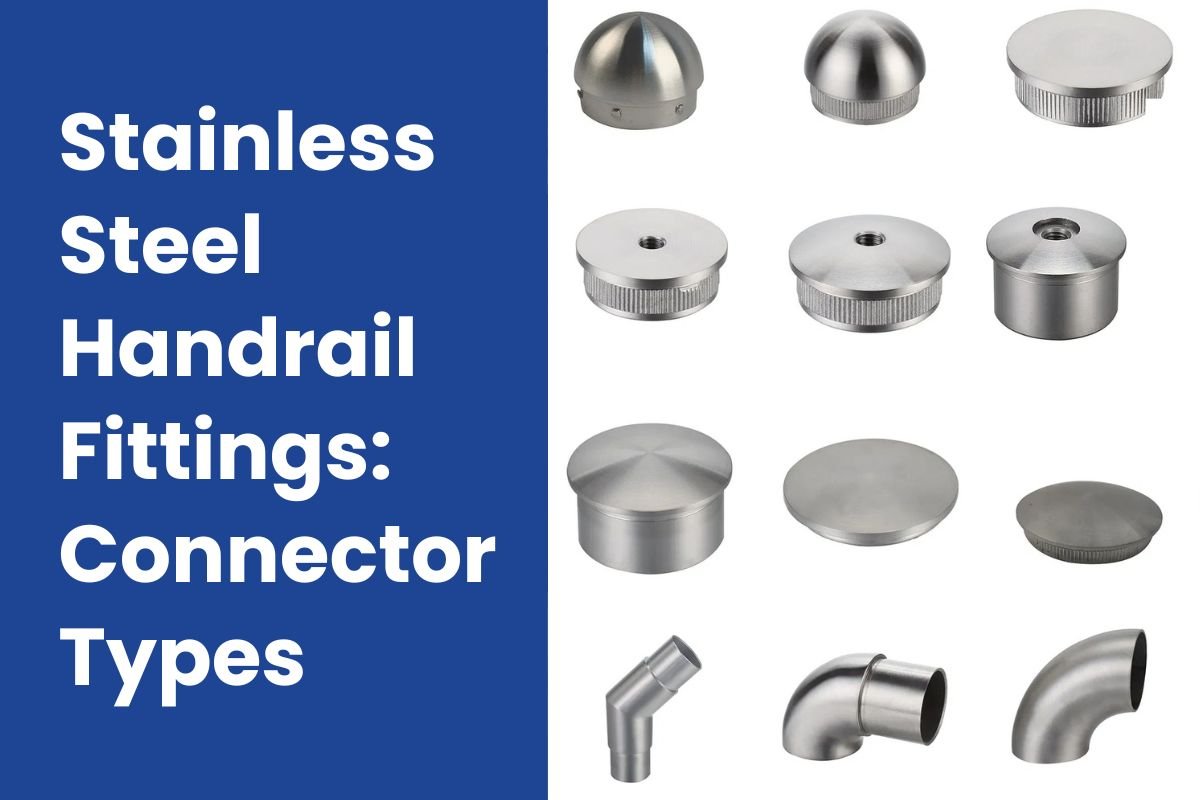
When people admire a beautifully finished railing system, their attention usually goes to the glass panels, the handrail profile, or the overall architectural style. What often goes unnoticed, yet plays a decisive role in performance and longevity, is the quality of the stainless steel handrail fittings hidden within the structure.
Connector fittings are the backbone of any handrail system. They determine how securely rails meet posts, how smoothly corners align, and how well the entire structure withstands daily use, weather exposure, and building movement. Choosing the right connector types is not just a technical decision—it directly affects safety, aesthetics, and long-term value.
This in-depth guide explores the most important connector types used in modern stainless steel railing systems, how they work, where they perform best, and why material quality matters. Whether you are designing a residential staircase, a commercial balcony, or a glass balustrade system, understanding these fittings helps you build smarter and more confidently.
Why Stainless Steel Handrail Fittings Matter More Than You Think
A handrail system is only as strong as its weakest connection. Even premium stainless steel tubes or posts can fail if connectors are poorly designed or incorrectly matched to the application. High-quality stainless steel handrail fittings ensure load transfer remains consistent across joints, reduce vibration, and preserve alignment over time.
According to industry safety guidelines, railing systems must withstand horizontal loads ranging from 200 to 500 pounds depending on building codes and use cases. Connector fittings bear a significant share of that stress. When selected correctly, they distribute force evenly instead of concentrating it at vulnerable points.
Stainless steel itself adds another layer of reliability. As explained in this overview of stainless steel material properties, chromium content creates a passive oxide layer that resists corrosion, making stainless steel ideal for indoor and outdoor railing applications.
Connector Types in Stainless Steel Handrail Fittings
Connector fittings are designed around specific structural challenges. Straight runs, corners, transitions, terminations, and mounting points all require different solutions. Let’s break down the most commonly used connector types and how they function in real-world railing systems.
Straight Connectors for Seamless Rail Extensions
Straight connectors are used to join two handrail sections in a continuous line. While they appear simple, their precision is critical. A poorly aligned straight connector can create visible seams, weak points, or uncomfortable hand transitions.
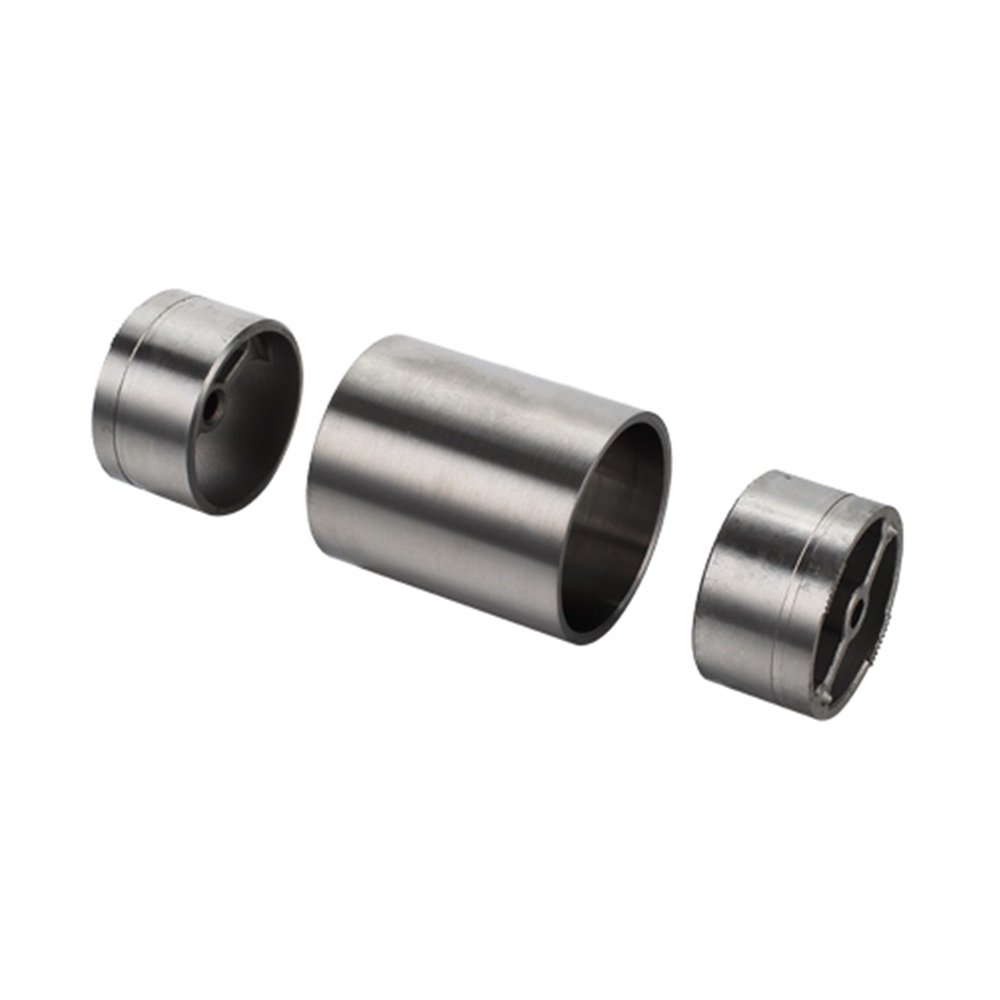
High-quality straight connectors are often internal sleeves or external couplers machined to tight tolerances. In modern systems, they allow long handrail spans without compromising structural integrity or visual flow.
For square-profile systems, products like the stainless steel square modern handrail mounting connector fitting integrate cleanly with contemporary designs while maintaining a flush appearance. These fittings are frequently used in residential staircases, commercial corridors, and balcony railings where long, uninterrupted handrail runs are required.
Elbow and Corner Connectors for Directional Changes
Corners are where railing systems face the most stress. Every change in direction introduces torsion and shear forces that must be absorbed safely. Elbow connectors are engineered to manage these forces while maintaining alignment and aesthetics.
Common configurations include 90-degree, 135-degree, and adjustable elbows. Adjustable models are especially valuable in custom installations where angles vary due to architectural constraints.
In glass railing systems, corner connectors often integrate with post brackets to maintain clean sightlines. When paired with compatible systems from custom glass balustrade fittings, these connectors ensure both safety and visual continuity without bulky hardware.
Handrail Brackets as Structural Anchors
Handrail brackets connect the rail to posts, walls, or glass panels. While often categorized separately, brackets function as connector fittings because they form load-bearing joints within the system.
Square-shaped brackets, such as the handrail bracket square shaped handrail fittings, are widely used in modern railing designs. They offer a strong mechanical connection while matching minimalist architectural trends.
In glass railing systems, removable brackets are increasingly popular. Products like removable handrail brackets for glass railing systems allow for easier maintenance, panel replacement, or future design updates without dismantling the entire structure.
Post Tube Brackets and Structural Transitions
Post tube brackets connect vertical posts to horizontal handrails. These fittings are essential in stair balustrades and deck railings where height transitions occur.
A well-engineered example is the Unikim stainless steel handrail post tube bracket for stair balustrade, which provides secure attachment while accommodating slope changes on staircases. These fittings are designed to maintain consistent load transfer from the handrail into the post and ultimately into the building structure.
In outdoor applications, post tube brackets must also manage thermal expansion. Stainless steel’s stability makes it ideal for climates with temperature fluctuations, especially when combined with marine-grade alloys.
End Caps and Termination Connectors for Safety and Finish
Termination points are often overlooked, yet they play a crucial safety role. End caps close off open rail ends, preventing sharp edges and moisture intrusion.
Beyond safety, end caps complete the visual design. Clean, flush terminations signal attention to detail and professional installation. The stainless steel square handrail end caps offered by urailing.com are designed to integrate seamlessly with square-profile systems, providing both protection and a refined finish.
Connectors for Glass-Integrated Handrail Systems
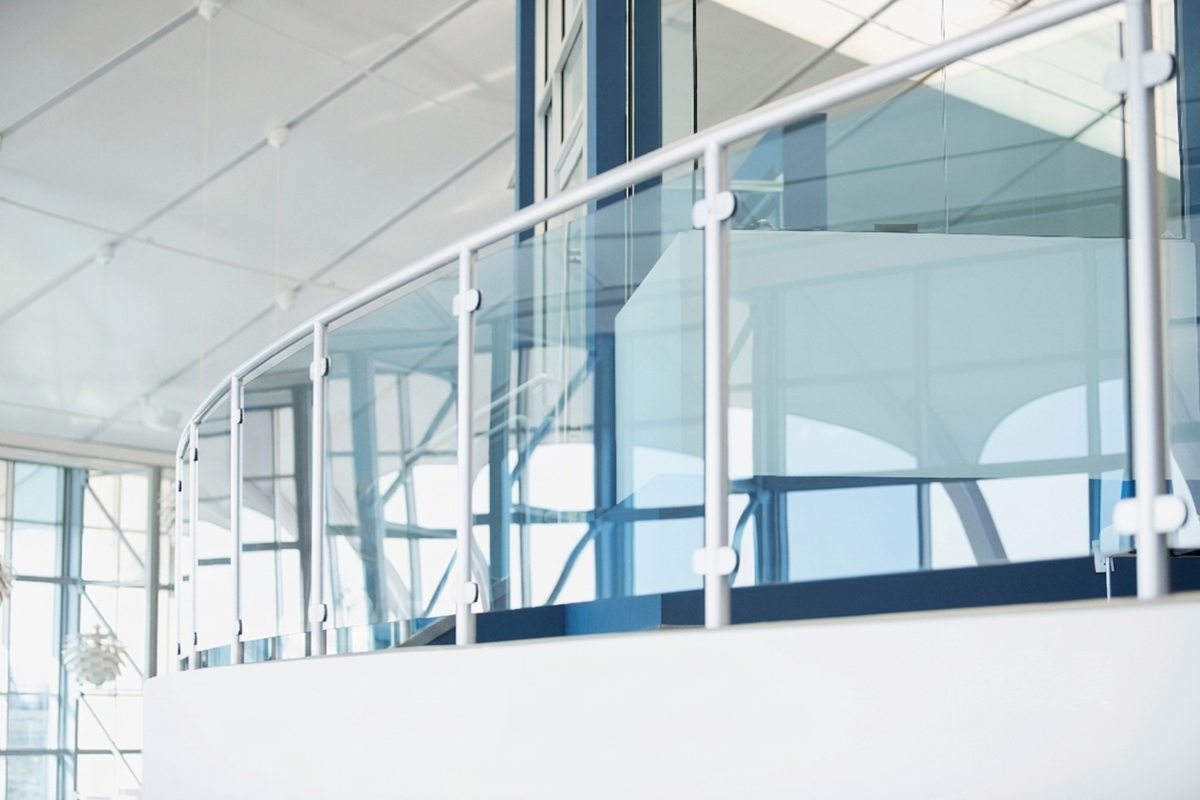
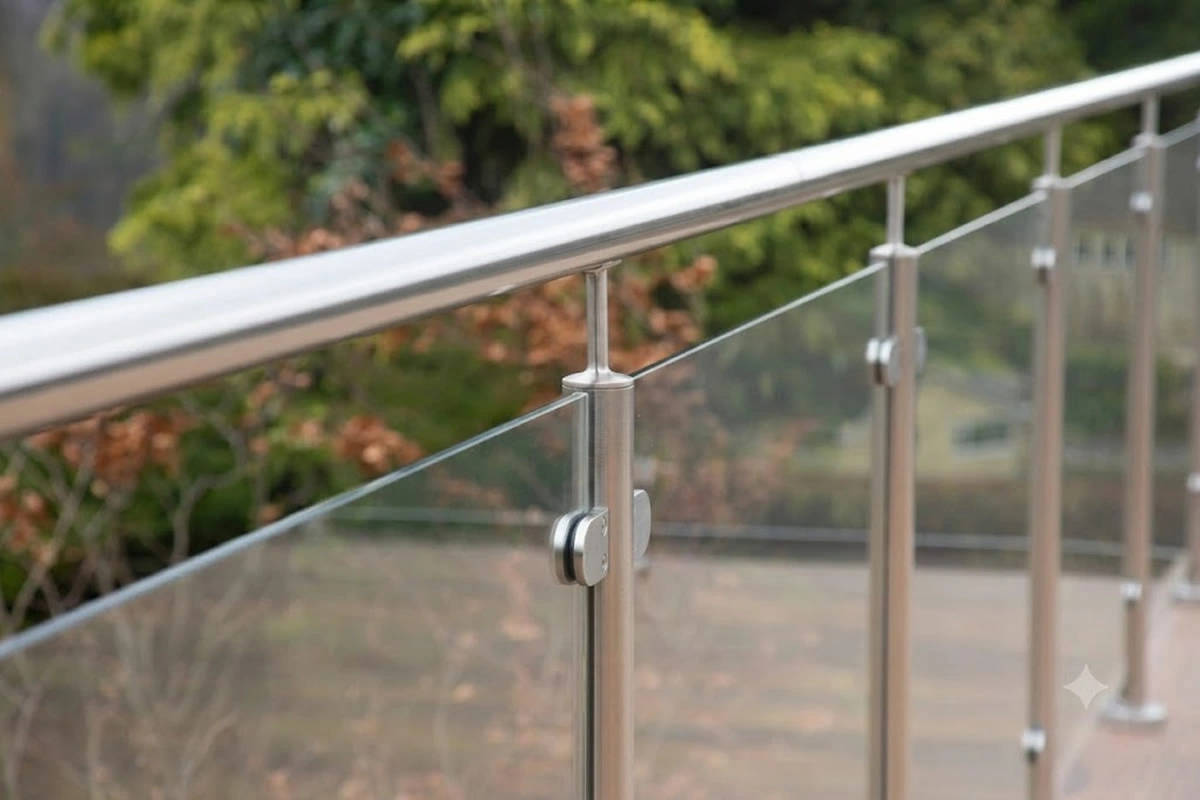
Modern architecture increasingly favors glass balustrades paired with stainless steel handrails. In these systems, connectors must interface between metal and glass without compromising strength or clarity.
Specialized fittings like the Unikim SS railing connector handrail glass fittings are engineered to grip glass panels securely while isolating metal components to prevent stress fractures. These connectors are essential in applications such as balconies, staircases, and decks where transparency and safety must coexist.
For homeowners and builders exploring glass solutions, insights from best glass railing systems for decks in Canada highlight how connector choice directly affects durability in harsh climates.
Material Grades and Why They Affect Connector Performance
Not all stainless steel handrail fittings are created equal. The grade of stainless steel used in connectors determines corrosion resistance, strength, and lifespan.
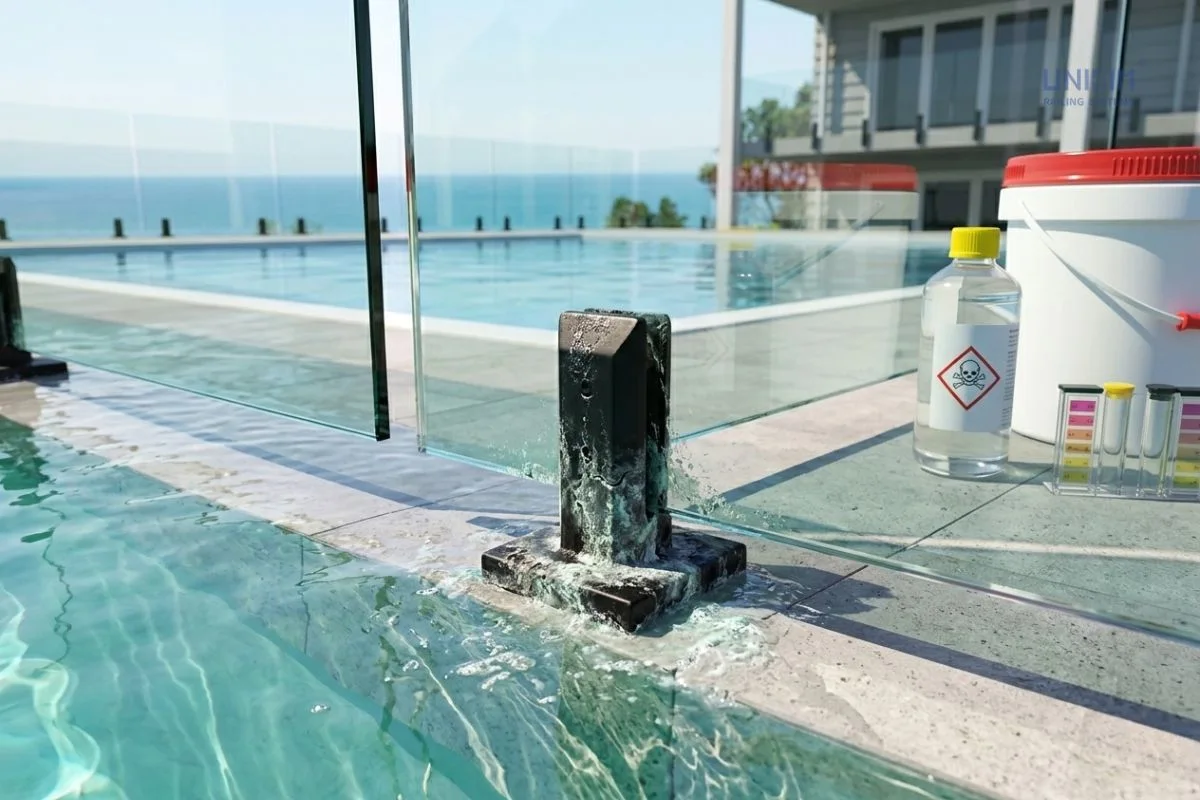
Grade 304 stainless steel performs well indoors and in mild environments. However, for outdoor, coastal, or high-humidity settings, Grade 316 is preferred due to its molybdenum content, which enhances resistance to chlorides.
A detailed explanation of these advantages can be found in durability benefits of 316 stainless steel handrails, which applies equally to connector fittings exposed to the same conditions.
Design Trends Influencing Connector Selection
Connector design is evolving alongside architectural trends. Minimalist profiles, concealed fasteners, and matte finishes are reshaping how fittings are selected.
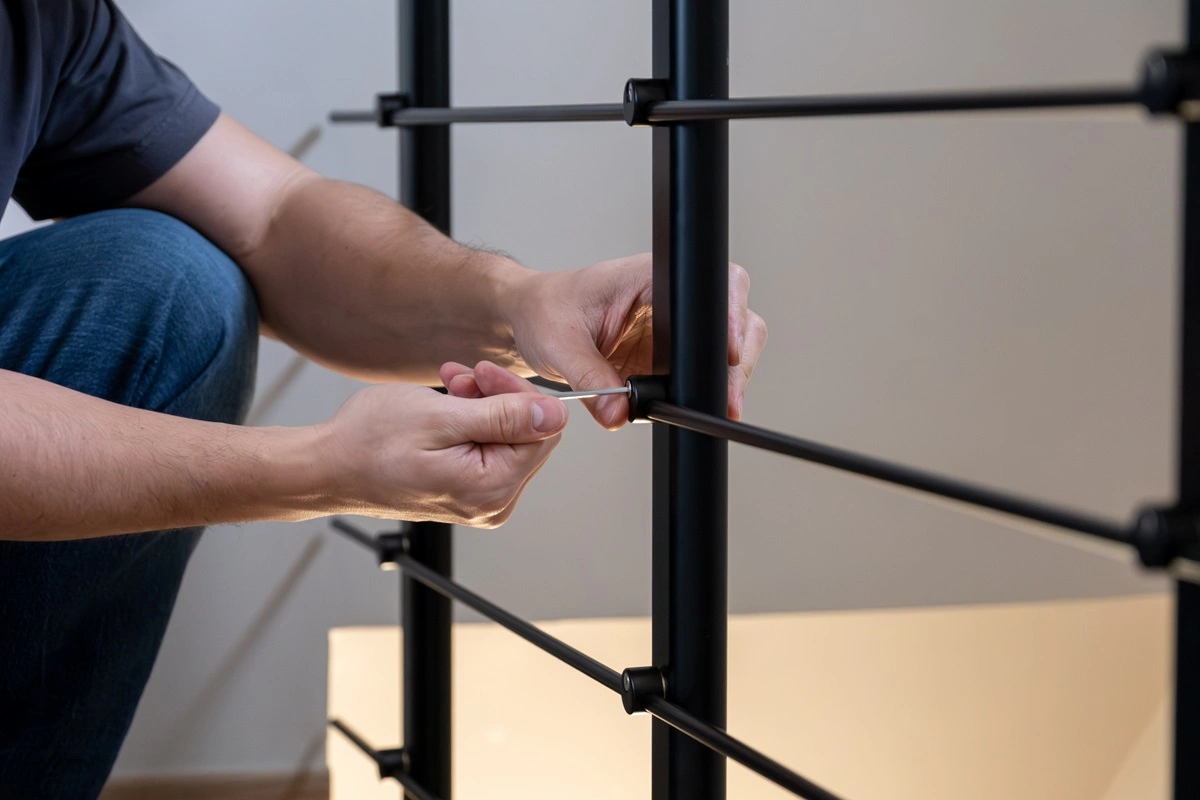
Matte black finishes, for example, are increasingly popular in modern interiors. Pairing stainless steel connectors with powder-coated surfaces, as seen in sleek secure matte black handrail solutions, allows designers to achieve bold aesthetics without sacrificing strength.
Meanwhile, concealed connectors are gaining traction in luxury residential projects where visual simplicity is paramount. These fittings hide mechanical joints while maintaining full structural performance.
Quality Standards and Manufacturing Considerations
Precision manufacturing is critical for stainless steel handrail fittings. Poor machining leads to misalignment, stress points, and premature failure.
Reputable manufacturers, such as those showcased on Unikim’s manufacturing platform, emphasize CNC machining, consistent alloy composition, and surface finishing standards. These factors directly influence how connectors perform during installation and over decades of use.
Educational resources like the Unikim Railings YouTube channel also demonstrate how connector design affects real-world installations.
How to Choose the Right Connector Types for Your Project
Selecting connector types is not about choosing the most expensive option. It’s about matching the fitting to the structural demand, environment, and design intent.
Straight runs benefit from internal connectors that preserve clean lines. Corners require reinforced elbows. Glass systems demand specialized clamps. Outdoor installations call for corrosion-resistant grades. When all these factors align, the result is a railing system that looks refined and performs reliably.
For tailored advice or custom solutions, reaching out through the unikim ensures expert guidance specific to your project needs.
Summary
A railing system’s strength, safety, and appearance depend heavily on the connectors holding it together. From straight connectors and elbows to glass-specific fittings and termination caps, stainless steel handrail fittings define how well a system performs over time. By choosing the right connector types, material grades, and designs, builders and homeowners can ensure their railing systems remain secure, compliant, and visually striking for years to come. Get For more information visit unikim and contact us.
FAQs
What are the most common connector types used in stainless steel handrail fittings?
The most common connector types in stainless steel handrail fittings include straight connectors, elbow connectors, post tube brackets, handrail brackets, and end caps, each designed for specific structural functions.
Are stainless steel handrail fittings suitable for outdoor use?
Yes, stainless steel handrail fittings made from Grade 316 stainless steel are ideal for outdoor use due to their superior corrosion resistance in moisture-rich environments.
How do glass railing connectors differ from standard handrail fittings?
Glass-specific stainless steel handrail fittings are designed to interface safely with glass panels, often incorporating rubber gaskets or isolation components to prevent stress damage.
Do connector fittings affect handrail safety ratings?
Absolutely. Properly selected stainless steel handrail fittings ensure load requirements are met and prevent joint failure, directly impacting overall railing safety.
Can stainless steel handrail fittings be replaced without removing the entire system?
Many modern stainless steel handrail fittings, especially removable brackets, allow partial disassembly for maintenance or upgrades without dismantling the full railing.