
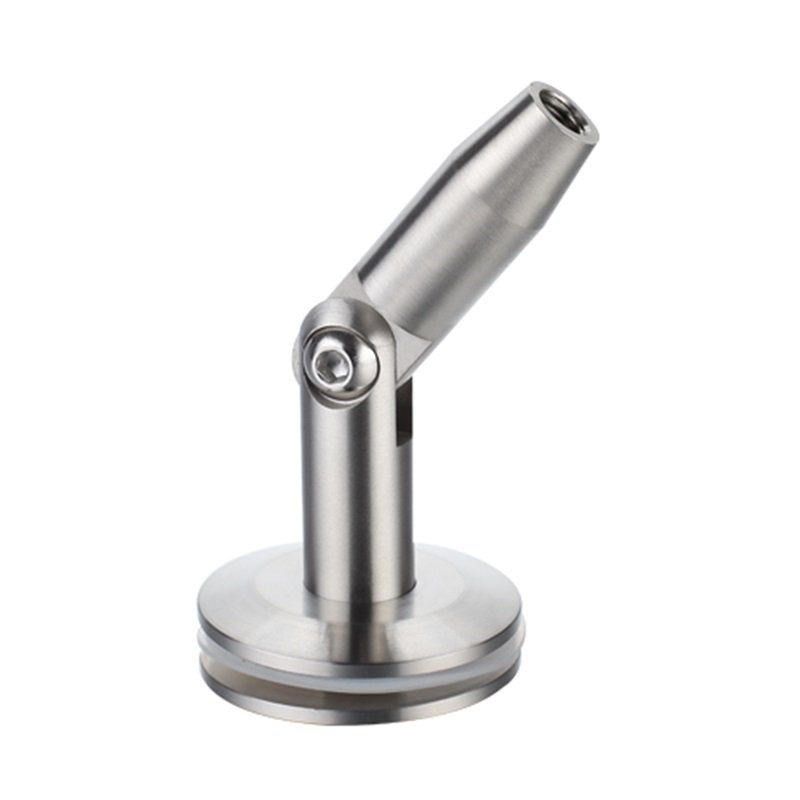
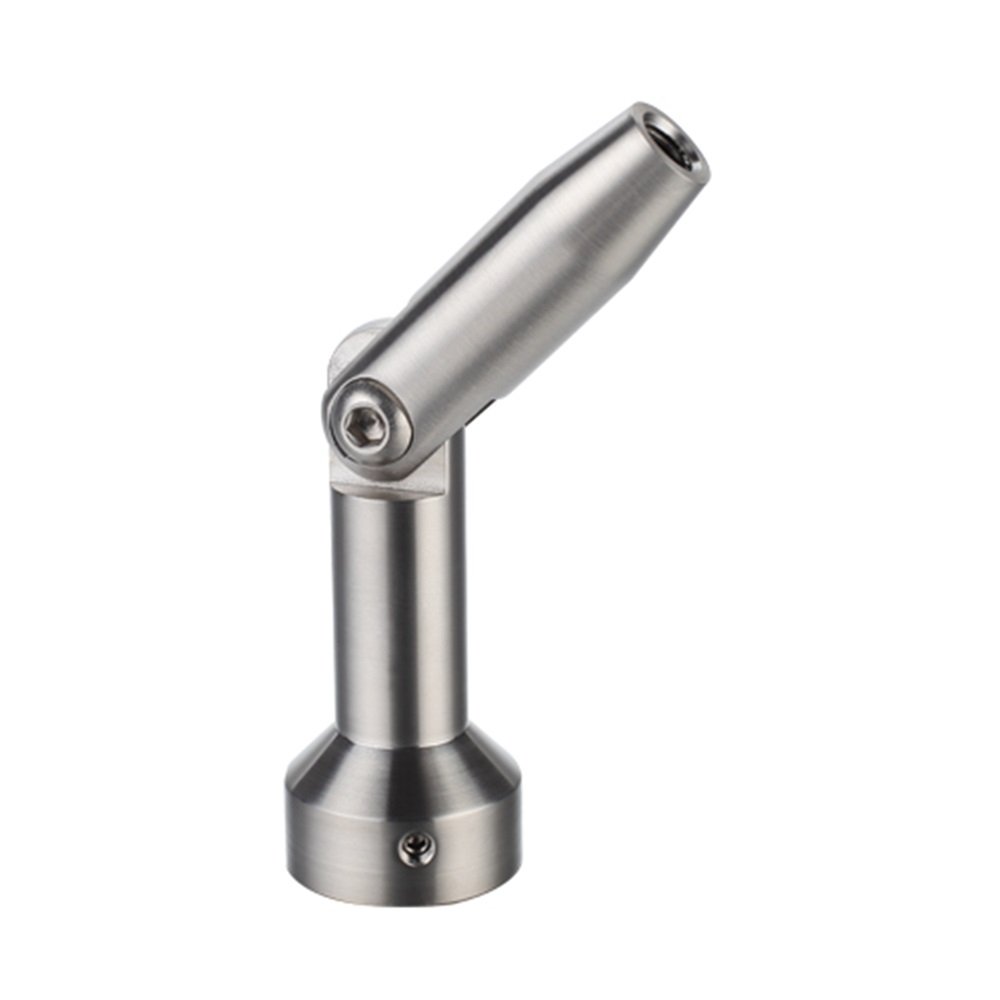
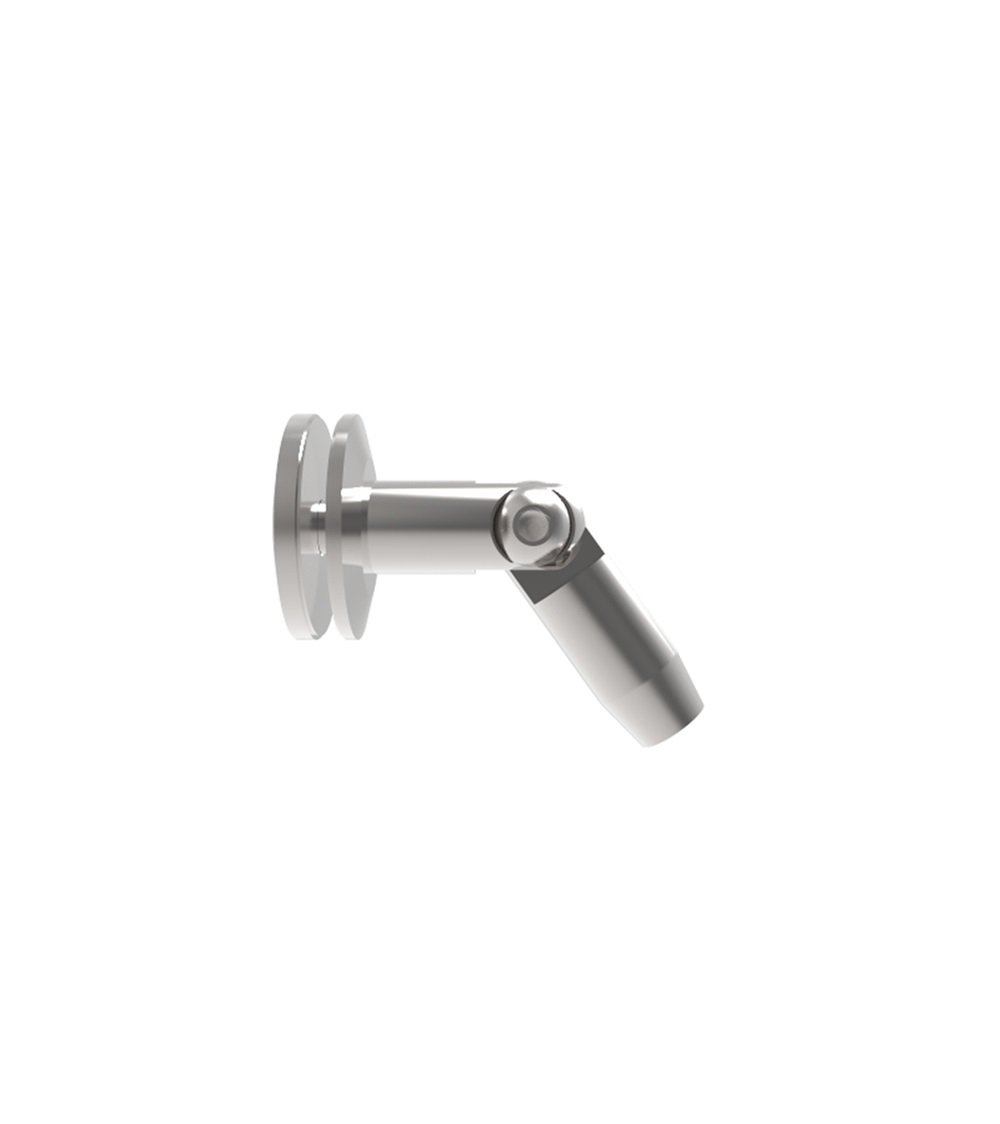
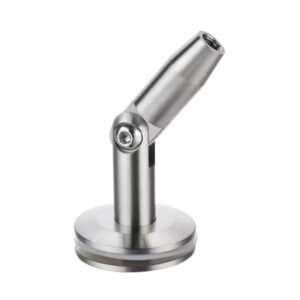
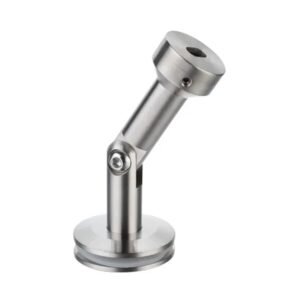
UNIKIM’s Glass to Glass Stainless Steel Canopy Fittings offer a sophisticated, frameless solution for modern architectural designs. Crafted from premium-grade 304 or 316 stainless steel, these canopy fittings provide maximum structural integrity while creating a stunning “floating glass” aesthetic. They specifically connect two glass panels seamlessly, eliminating the need for bulky metal frames that obstruct natural light. Engineered to withstand harsh environmental conditions, these connectors feature a corrosion-resistant finish—available in polished or satin—to ensure long-lasting elegance. Perfect for residential entrances and high-end commercial storefronts, UNIKIM hardware guarantees a secure, minimalist, and weather-resistant overhead shelter.
Features
-
High-Grade Material: We utilize aerospace-grade SS304 and SS316 stainless steel for superior rust resistance and high tensile strength.
-
Precision Engineering: Each fitting includes high-quality, temperature-resistant gaskets that ensure a firm, cushioned grip on 10mm to 17.52mm tempered glass.
-
Aesthetic Versatility: Available in diverse finishes, including Mirror Polished, Satin Brushed, and Matte Black, to complement any building facade.
-
Adjustable Alignment: The smart design allows for slight gradient adjustments, ensuring perfect rainwater runoff and easy installation.
Core Benefits
-
Enhanced Natural Light: By using glass to glass canopy fittings, you maintain complete transparency, brightening entryways without the shadows of traditional frames.
-
Unmatched Durability: Unlike plastic or wood alternatives, our stainless steel components do not warp, rot, or discolor over time, even in coastal environments.
-
Architectural Value: Installing a frameless glass canopy significantly boosts curb appeal and increases the market value of both commercial and residential properties.
-
Low Maintenance: The sleek surface of the hardware requires only a simple wipe-down every few months to maintain its pristine, professional shine.
Versatile Applications
-
Commercial Entrances: Ideal for retail outlets, office buildings, and hotels to create a welcoming, professional first impression.
-
Residential Awnings: Enhances modern homes by providing rain protection over front doors, patios, and terrace walkways.
-
Public Infrastructure: Provides sleek, durable weather protection for transit stops and outdoor building connectors.
FAQs
1. How do glass to glass canopy fittings handle high wind loads?
Engineers design canopy fittings to distribute structural tension evenly across the glass panels and supporting rods. When you use high-tensile 316 stainless steel, the hardware can withstand significant uplift and downward pressure from wind or snow. Proper installation with tempered laminated glass ensures the system remains rigid and safe during extreme weather events without vibrating.
2. Is SS304 or SS316 better for outdoor canopy hardware?
While both grades are durable, SS316 stainless steel is the superior choice for outdoor canopy fittings, especially in coastal or high-pollution areas. It contains molybdenum, which provides specialized resistance to chlorides and salt spray. For inland residential projects with lower exposure to harsh chemicals, SS304 offers an excellent balance of strength and cost-effectiveness.
3. Can I install a glass canopy without a bulky metal frame?
Yes, UNIKIM’s glass to glass canopy fittings allow for a frameless design that relies on point-supported hardware. By using tie rods and glass connectors, you create a “floating” effect where the glass panels support each other. This minimalist approach maximizes transparency and natural light while providing the same structural safety as traditional, heavy-framed awning systems.
4. How do you prevent leaks between glass panels in a canopy?
To prevent leaks, installers use specialized clear weather-resistant silicone or H-shaped gaskets between the panels joined by glass to glass fittings. Additionally, adjusting the fittings to create a slight slope—usually 1 to 5 degrees—ensures that rainwater flows toward the outer edge rather than pooling at the seams, keeping the area below completely dry.

Reviews
There are no reviews yet.