When planning a deck, balcony, staircase, or commercial project, one decision shapes both safety and aesthetics: choosing the right railing posts. Many homeowners and contractors today compare stainless steel with Aluminum Railing Posts to find the best balance between durability, cost, and design flexibility.
Both materials have strong reputations. Stainless steel is known for strength and a premium finish. Aluminum is prized for lightweight construction and corrosion resistance. However, the right choice depends on your environment, budget, maintenance expectations, and architectural goals.
In this detailed guide, we’ll break down everything you need to know before investing in Aluminum Railing Posts or stainless steel alternatives. By the end, you’ll understand which material suits your project and why leading manufacturers like unikim focus heavily on high-performance aluminum systems.
Why Aluminum Railing Posts Are Gaining Popularity
Over the last decade, demand for Aluminum Railing Posts has grown significantly in residential and commercial construction. Industry reports show aluminum usage in building construction continues to rise due to sustainability and corrosion resistance advantages.
But why exactly are so many architects choosing aluminum over stainless steel?
The answer lies in performance-to-weight ratio, long-term maintenance costs, and environmental adaptability.
Lightweight Yet Strong
Aluminum weighs about one-third as much as steel. This lighter weight reduces structural load while maintaining impressive strength. For balconies and rooftop decks, this matters.
Despite being lightweight, modern extruded aluminum posts meet international safety standards. Powder-coated finishes also enhance surface durability.
Superior Corrosion Resistance
Unlike untreated steel, aluminum naturally forms a protective oxide layer. This layer prevents rust from penetrating deeper into the material.
Stainless steel also resists corrosion, but its performance depends on grade. According to the detailed overview on Stainless Steel – Wikipedia, corrosion resistance varies significantly between 304 and 316 grades.
In coastal environments, lower-grade stainless steel may develop surface staining. High-quality Aluminum Railing Posts, however, perform reliably even in humid or salty air when properly coated.
Stainless Steel Railing Posts
Before comparing further, it’s important to understand what stainless steel offers.
Stainless steel contains chromium, which creates corrosion resistance. It delivers exceptional tensile strength and a sleek, modern appearance.
Architects often use stainless steel in luxury commercial buildings or industrial-style homes. However, price and installation complexity may influence your final decision.
If you’re comparing mounting systems, you may also explore URailing’s detailed comparison guide on stainless steel vs aluminum handrail post brackets.
Aluminum Railing Posts vs Stainless Steel: Side-by-Side Comparison
Below is a simplified performance comparison to help clarify the differences.
| Feature | Aluminum Railing Posts | Stainless Steel Posts |
|---|---|---|
| Weight | Very lightweight | Heavy |
| Corrosion Resistance | Excellent (powder-coated) | Excellent (depends on grade) |
| Cost | More affordable | Higher material cost |
| Installation | Easy and fast | More labor-intensive |
| Maintenance | Minimal | Occasional polishing |
| Design Flexibility | Highly customizable | Modern industrial look |
| Sustainability | Highly recyclable | Recyclable but energy-intensive |
This comparison highlights why Aluminum Railing Posts often provide better overall value for residential projects.
Cost Comparison: Initial vs Long-Term Investment
Budget plays a major role in material selection.
Stainless steel typically costs 20–35% more than aluminum per linear foot. Fabrication and installation may increase total expenses further.
However, aluminum reduces long-term costs through:
- Minimal maintenance
- No rust treatment
- Lower labor during installation
For larger residential developments, these savings can become substantial.
URailing offers competitively priced aluminum systems, including the premium custom top rail handrail aluminum U tube pipe with slot designed for glass railing installations.
Design Flexibility and Modern Architecture
Design freedom matters just as much as durability.
Aluminum Railing Posts support various infill options including:
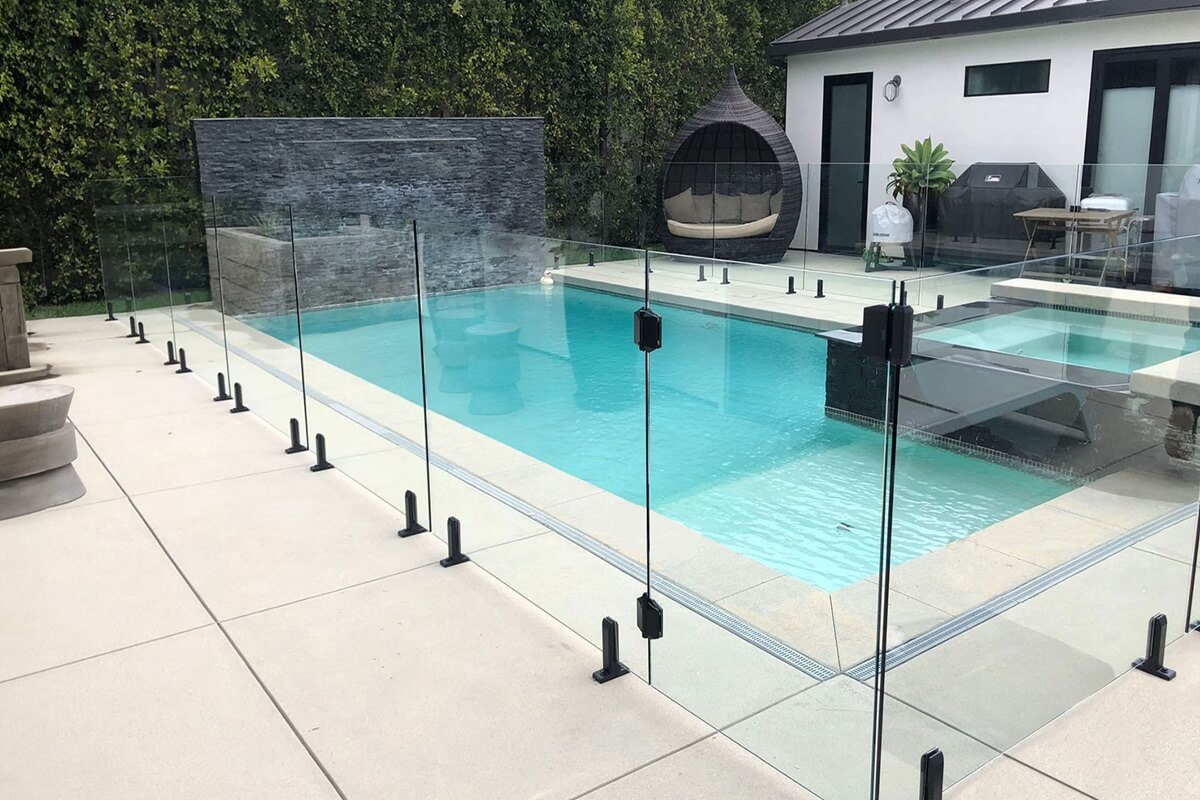
- Tempered glass panels
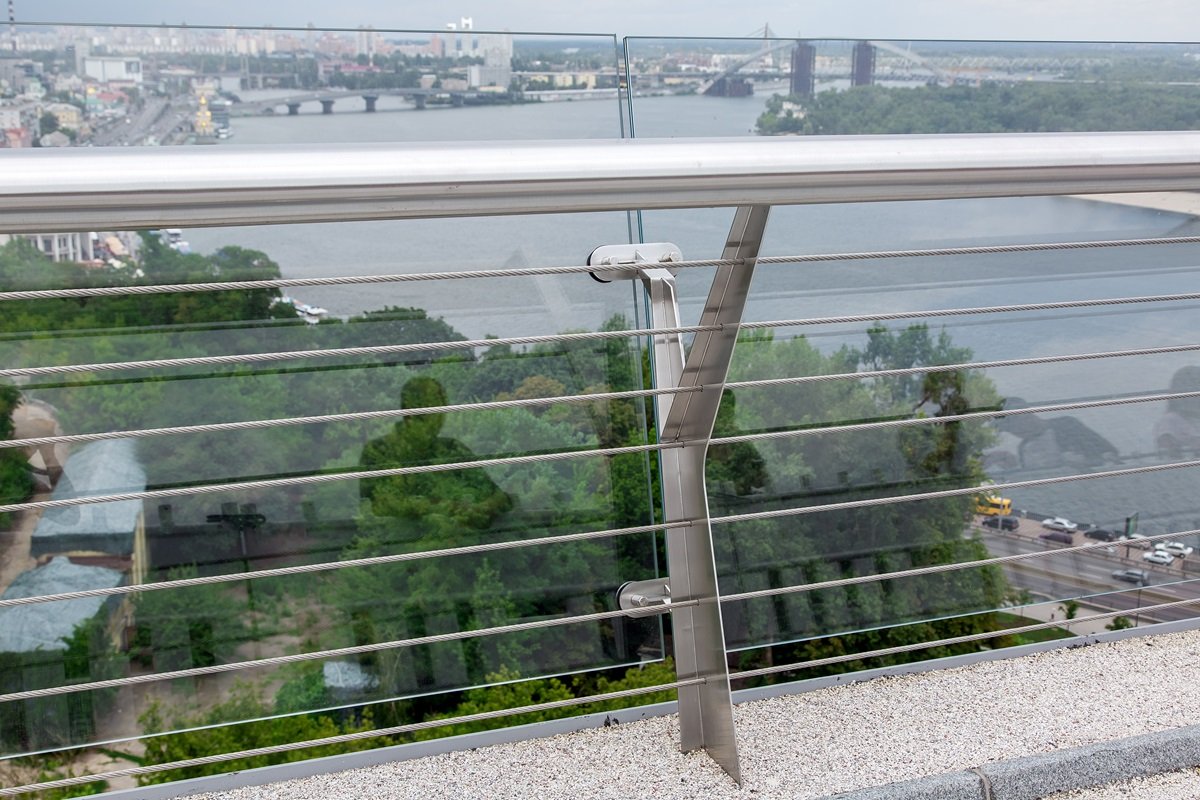
- Cable railing systems
- Vertical balusters
If you are planning a glass system, you can explore the full guide on what is an aluminum glass railing system.
Aluminum also allows powder coating in multiple colors. This enables seamless matching with sliding doors, windows, and exterior cladding.
For example, aluminum systems integrate beautifully with modern aluminum sliding glass doors, creating a cohesive architectural finish.
Stainless steel, while elegant, typically offers fewer color variations unless coated.
Installation Considerations
Installation time impacts labor costs and project timelines.
Because Aluminum Railing Posts are lightweight, installers handle them more easily. This reduces fatigue and speeds up alignment.
Stainless steel requires stronger mounting hardware and sometimes welding. That increases technical complexity.
URailing manufactures precision components such as the stainless steel aluminum slot tube pipe fitting manufacturer product line to ensure compatibility across systems.
Faster installation means fewer delays and lower project overhead.
Environmental Sustainability
Modern construction emphasizes sustainability.
Aluminum is 100% recyclable without losing structural integrity. Recycling aluminum consumes about 5% of the energy required to produce new aluminum.
Stainless steel is also recyclable, but its production process consumes significantly more energy.
Therefore, from a sustainability perspective, Aluminum Railing Posts often provide a lower environmental footprint.
Weather Performance: Which Performs Better Outdoors?
Outdoor conditions vary dramatically across climates.
In coastal regions with salt spray, aluminum performs extremely well when anodized or powder coated.
Stainless steel grade 316 is ideal for marine environments, but it comes at a higher cost.
In humid or rainy regions, aluminum requires virtually no intervention.
For extreme cold climates, both materials perform well structurally. However, aluminum’s thermal expansion rate is slightly higher, so professional installation remains essential.
Maintenance Requirements
Maintenance affects lifetime ownership cost.
Aluminum Railing Posts require occasional cleaning with mild soap and water. Powder-coated surfaces resist fading and peeling.
Stainless steel may need polishing to remove fingerprints or surface staining, especially in commercial settings.
Over 10–15 years, aluminum typically demands less effort and expense.
Strength and Safety Standards
Safety compliance is non-negotiable.
Both aluminum and stainless steel railing posts can meet international building codes when engineered correctly.
Modern extruded aluminum posts undergo rigorous structural testing. When paired with tempered glass or cable systems, they provide reliable load-bearing support.
Manufacturers such as Unikim Railings, visible on their official YouTube channel, showcase load testing demonstrations that highlight aluminum’s strength performance.
When Should You Choose Aluminum Railing Posts?
Aluminum is often ideal if:
- You prioritize budget efficiency
- You want lightweight installation
- You need color customization
- You live in humid or coastal areas
- You prefer minimal maintenance
For residential decks, balconies, patios, and rooftop spaces, Aluminum Railing Posts offer excellent long-term value.
When Stainless Steel May Be Better
Stainless steel might be suitable if:
- You desire a polished industrial aesthetic
- Your project demands extremely high structural loads
- Budget flexibility allows premium materials
Luxury hotels, corporate buildings, and high-traffic public structures sometimes favor stainless steel for branding reasons.
Choosing the Right Supplier Matters
Material choice alone does not guarantee performance. Manufacturing precision and quality control matter equally.
When sourcing railing systems, verify:
- Certification compliance
- Powder coating quality
- Structural testing documentation
- After-sales support
For reliable aluminum systems and project consultation, you can contact URailing directly through their official contact page.
You may also explore global manufacturing perspectives through platforms such as Made-in-China supplier profiles to understand international production standards.
Summary
Choosing between stainless steel and Aluminum Railing Posts depends on your project goals.
If you want lightweight installation, lower cost, excellent corrosion resistance, and flexible design options, aluminum is usually the smarter choice. Stainless steel offers strength and a luxury appearance but often comes with higher cost and maintenance requirements. For most residential and light commercial projects, Aluminum Railing Posts provide the best combination of performance, aesthetics, and value. Explore complete aluminum railing systems today at unikim and find the perfect solution for your next project.
FAQs
Are Aluminum Railing Posts strong enough for commercial buildings?
Yes. Modern Aluminum Railing Posts meet international load standards when engineered properly. Many commercial properties use reinforced aluminum systems for durability and compliance.
Do Aluminum Railing Posts rust over time?
No. High-quality Aluminum Railing Posts resist rust because aluminum forms a protective oxide layer. Powder coating adds extra protection against moisture and salt.
Are Aluminum Railing Posts cheaper than stainless steel?
In most cases, Aluminum Railing Posts cost less upfront and reduce long-term maintenance expenses compared to stainless steel.
Can Aluminum Railing Posts support glass panels?
Absolutely. Many modern Aluminum Railing Posts integrate seamlessly with tempered glass systems and slot tube fittings.
How long do Aluminum Railing Posts last?
With proper installation and minimal cleaning, Aluminum Railing Posts can last 20–30 years or longer in most climates.