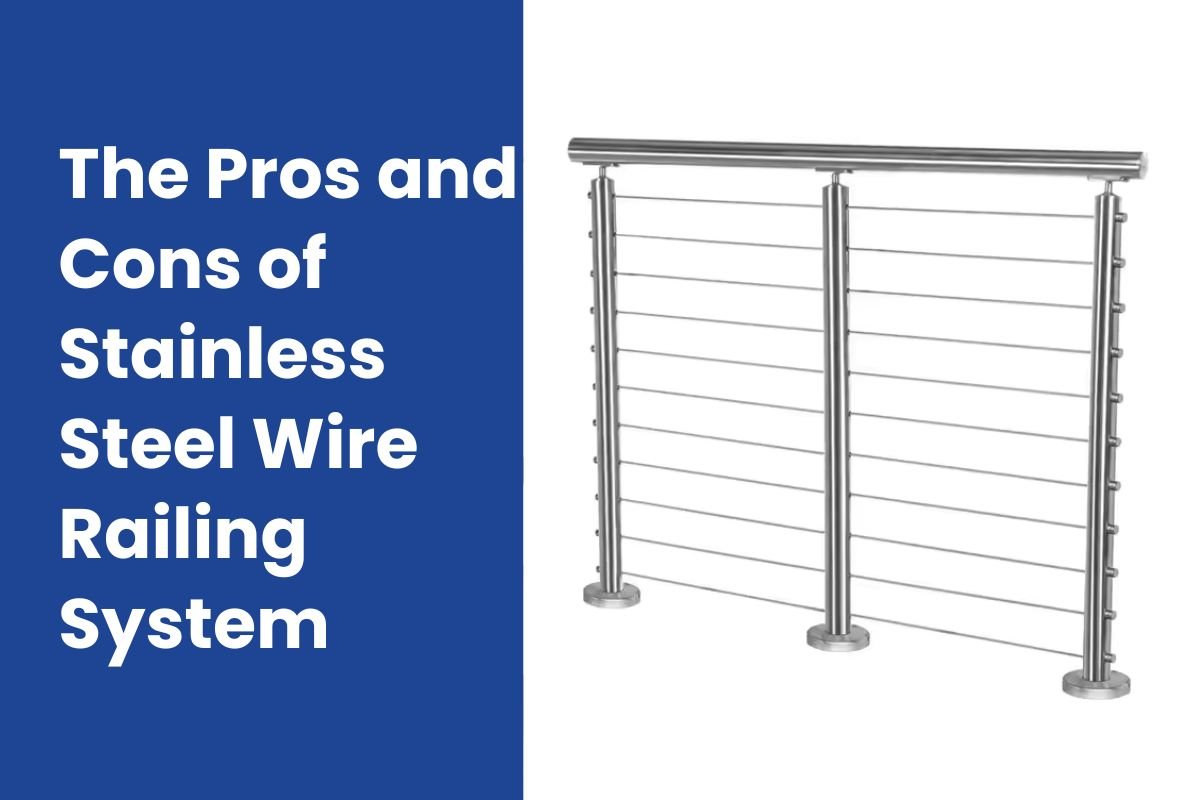
When it comes to modern architecture, few railing solutions strike the perfect balance between strength and style like the Stainless Steel Wire Railing System. Sleek, minimal, and built for performance, it has become a popular choice for decks, balconies, staircases, and commercial spaces worldwide.
Homeowners love its clean lines. Architects value its structural integrity. Contractors appreciate its durability and ease of installation.
But like any building material, a Stainless Steel Wire Railing System comes with both advantages and limitations. Before investing in one, it’s essential to understand how it performs in real-world conditions.
In this in-depth guide, we’ll explore the pros, cons, performance data, maintenance requirements, safety factors, cost considerations, and whether it’s the right fit for your project.
What Is a Stainless Steel Wire Railing System?
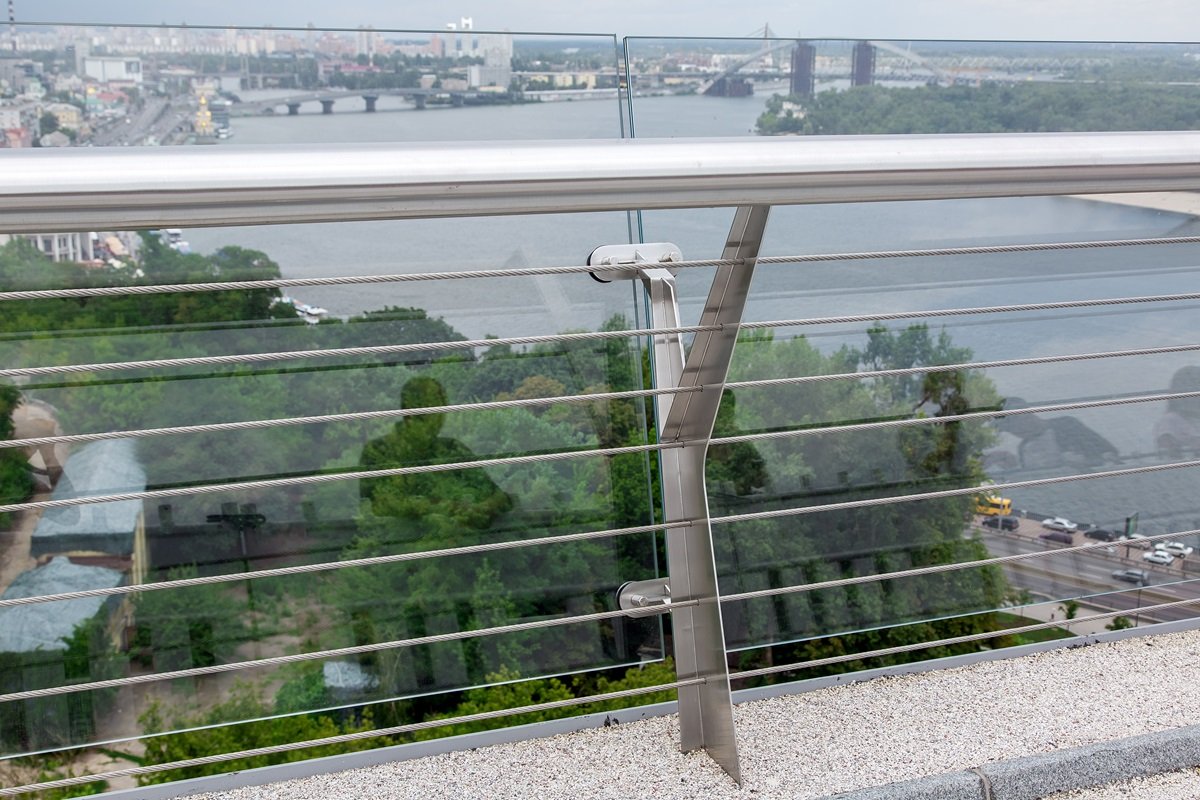
A Stainless Steel Wire Railing System uses horizontal or vertical stainless steel cables instead of traditional balusters to create a barrier along decks, balconies, or staircases. Unlike conventional wood or glass railings, this system relies on tensioned wire ropes anchored between posts.
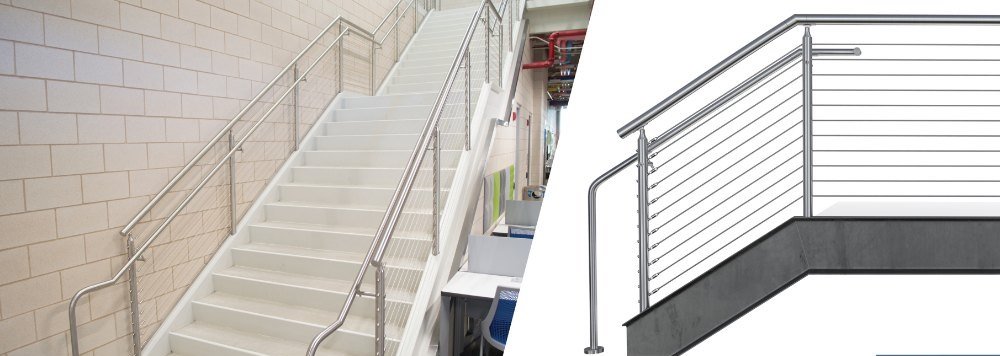
Traditional railings often use decorative balusters, defined in architectural terms as vertical molded shafts (see detailed explanation on Wikipedia). In contrast, wire railing systems create an open, modern aesthetic while maintaining safety.
The core material—Stainless steel—is known for its corrosion resistance and high tensile strength. Marine-grade stainless steel (usually 316) offers even greater protection in coastal or humid environments.
At unikim, these systems are designed for both residential and commercial applications, combining modern design with engineering precision.
Why the Stainless Steel Wire Railing System Is So Popular
Over the past decade, demand for cable railing systems has surged. According to global construction trend analyses, modern minimalist designs are among the fastest-growing architectural styles.
The Stainless Steel Wire Railing System supports this trend because it:
• Maximizes visibility
• Enhances natural light
• Requires minimal visual bulk
• Complements wood, metal, and concrete structures
Architects frequently pair these systems with hardwood decks or floating staircases to create open-concept outdoor living spaces.
If you explore global manufacturers like Made-in-China, you’ll see how widely adopted cable railing has become across different markets.
Pros of Stainless Steel Wire Railing System
Modern, Minimalist Aesthetic
The strongest selling point of a Stainless Steel Wire Railing System is its clean appearance.
Traditional wood railings can feel bulky. Glass railings can look heavy. Cable systems, however, nearly disappear from view. The thin horizontal lines preserve scenic views and create a contemporary feel.
This makes them ideal for:
• Waterfront decks
• Mountain homes
• Rooftop terraces
• Modern commercial buildings
The visual openness also increases property appeal and resale value.
2. Exceptional Durability and Strength
Stainless steel wire cables are engineered for tension. High-quality 316 stainless steel cables can withstand thousands of pounds of force.
Marine-grade stainless steel offers:
• High resistance to corrosion
• Excellent structural stability
• Long service life
• Resistance to rust and oxidation
According to material studies referenced on Wikipedia, chromium content in stainless steel creates a passive oxide layer that prevents corrosion.
This means a properly installed Stainless Steel Wire Railing System can last 20–30 years or more with proper maintenance.
3. Low Maintenance Requirements
Compared to wood railings that require staining and sealing, a Stainless Steel Wire Railing System requires minimal upkeep.
Routine cleaning usually involves:
• Mild soap
• Water
• Soft cloth
URailing also provides detailed guidance in their maintenance guide: maintain unikim cable wire railing system
This simple cleaning routine keeps cables looking polished for years.
4. Weather Resistance
Outdoor railings must survive harsh weather.
Rain, snow, humidity, UV rays, and salt air all damage traditional materials over time. Stainless steel performs exceptionally well in these conditions.
Marine-grade systems are ideal for:
• Coastal homes
• Lakeside decks
• High-humidity regions
For example, URailing’s Outdoor Wire Rope Railing System is specifically engineered for patios and exterior spaces: outdoor wire rope railing system cable railing kit for patio
5. Versatility in Design
A Stainless Steel Wire Railing System adapts to multiple configurations:
• Horizontal cable
• Vertical cable
• Staircase installations
• Balcony railings
• Interior partitions
It integrates seamlessly with wood posts, aluminum posts, or stainless steel posts.
You can explore premium hardware components here: cable wire railing systems hardwares for deck stair railing.
The flexibility in fittings and tensioners allows custom layouts for nearly any project.
6. Compliance with Building Codes
When properly installed, a Stainless Steel Wire Railing System meets international building codes. Most residential codes require cables to be spaced so that a 4-inch sphere cannot pass through.
Correct tension is critical. Professional-grade tensioners ensure cables remain tight and compliant.
URailing’s stainless steel tensioners are designed specifically for secure installation: stainless steel balcony balustrade cable railing tensioner wire rope fittings
Cons of Stainless Steel Wire Railing System
Despite its advantages, a Stainless Steel Wire Railing System is not perfect for every project.
Let’s examine the drawbacks.
1. Higher Initial Cost
Compared to basic wood railing, cable systems often cost more upfront.
Here’s a simplified comparison:
| Railing Type | Average Cost per Linear Foot |
|---|---|
| Wood | $30–$60 |
| Aluminum | $50–$90 |
| Stainless Steel Wire Railing System | $75–$150 |
| Glass | $100–$200 |
However, long-term maintenance costs for wood can exceed initial savings.
2. Requires Precise Installation
A Stainless Steel Wire Railing System depends on correct tension.
Improper installation can result in sagging cables. That affects both safety and appearance.
Professional installation or high-quality kits help avoid these issues. If you need assistance, Unikim’s team is available via their contact page: contact.
3. Not Ideal for Climbing Prevention in Some Homes
Horizontal cables may encourage climbing in households with small children.
Vertical cable configurations reduce this risk.
Careful design planning ensures safety remains a priority.
4. Fingerprint Visibility
Stainless steel surfaces can show fingerprints.
However, brushed finishes minimize this issue. Routine cleaning easily resolves it.
Stainless Steel Wire Railing System vs Other Materials
Let’s compare performance factors.
Durability
Stainless steel outperforms wood in longevity and weather resistance. Glass matches durability but requires more cleaning.
Maintenance
Wood demands sanding and sealing. Aluminum resists rust but may scratch. it require occasional washing.
Aesthetics
Wire railing offers open views. Wood feels traditional. Glass provides transparency but increases weight.
Environmental Impact
Stainless steel is 100% recyclable, making this a sustainable option.
Ideal Applications for Stainless Steel Wire Railing System
Residential:
• Decks
• Balconies
• Staircases
• Garden terraces
Commercial:
• Hotels
• Office buildings
• Shopping centers
• Restaurants
For design inspiration and installation videos, visit the official YouTube channel:
Unikim Railings YouTube Channel
How to Choose the Right Stainless Steel Wire Railing System
Consider these factors:
Grade of stainless steel (304 vs 316)
Cable thickness (1/8″, 3/16″)
Post material compatibility
Local building codes
Environmental conditions
High-quality systems from unikim ensure long-term reliability and professional support.
Maintenance Best Practices
To extend the lifespan of your Stainless Steel Wire Railing System:
Clean quarterly in coastal areas
Inspect tension annually
Use non-abrasive cleaners
Rinse salt residue promptly
Regular maintenance protects the passive oxide layer that prevents corrosion.
Summary
The Stainless Steel Wire Railing System stands out as one of the most durable, modern, and visually appealing railing solutions available today.
It offers exceptional strength, corrosion resistance, and low maintenance. While the initial investment may be higher than wood, the long-term performance and aesthetic value justify the cost.
For homeowners and developers seeking a sleek, long-lasting solution, this system remains a top-tier choice.
Explore premium systems and hardware at unikim to find the right fit for your next project.
FAQs
Is a Stainless Steel Wire Railing System safe for homes with children?
Yes, a properly installed it is safe when cables are spaced correctly and tensioned tightly. Vertical designs reduce climbing risks.
How long does a Stainless Steel Wire Railing System last?
A high-quality this made from marine-grade steel can last 20–30 years with proper maintenance.
Does a Stainless Steel Wire Railing System rust?
Standard steel rusts, but this resists corrosion due to its chromium content. Marine-grade options perform best in coastal environments.
Is installation complicated?
Installation requires precision. However, many homeowners successfully install this using professional-grade kits.
How often should I maintain my railing?
Most this installations require simple cleaning a few times per year.