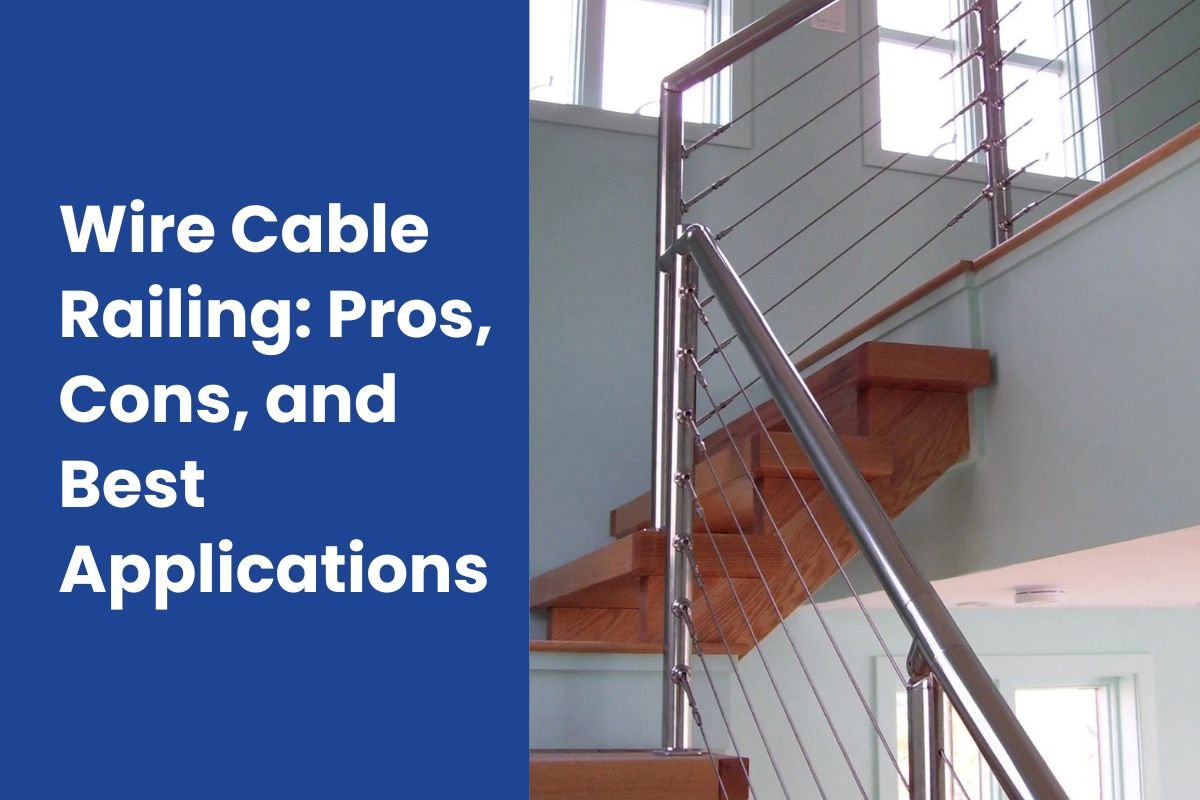
Homeowners, architects, and builders are moving away from bulky barriers and toward systems that protect without blocking the view. This shift is exactly why wire cable railing has become one of the fastest-growing railing solutions for residential and commercial projects alike.
From rooftop decks overlooking the ocean to sleek indoor staircases, wire cable railing blends safety, durability, and minimalist design in a way few railing systems can match. But like any architectural feature, it isn’t perfect for every situation.
In this in-depth guide, we’ll explore what wire cable railing is, its advantages and limitations, how it compares to other railing systems, and where it performs best. Whether you’re planning a deck upgrade or specifying materials for a large project, this article will help you make a confident, informed decision.
What Is Wire Cable Railing?
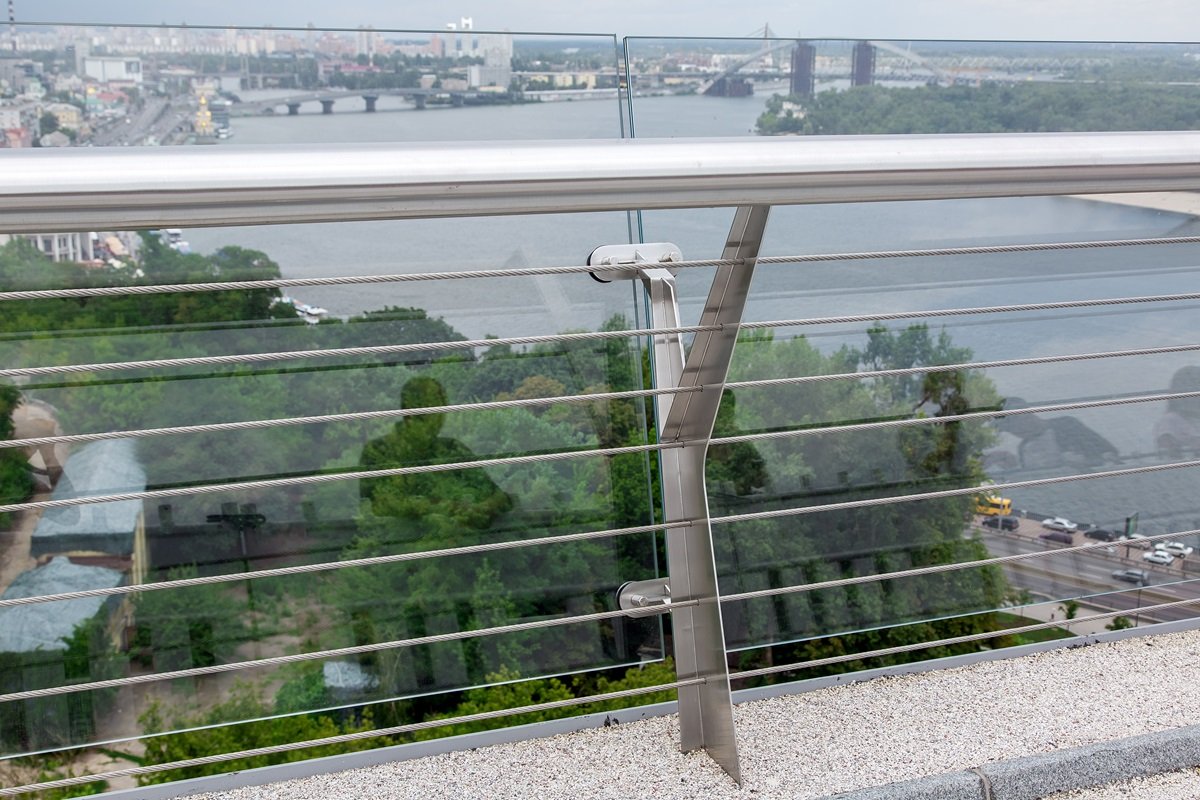
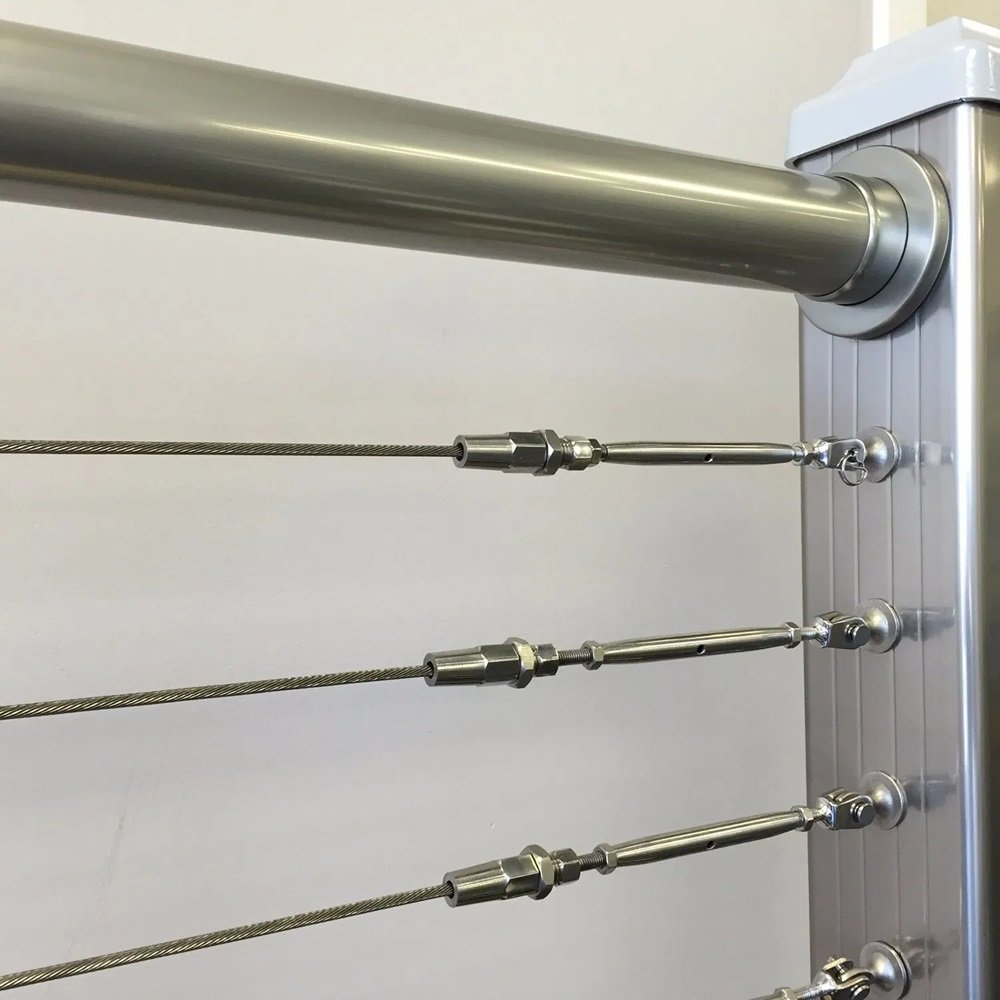
At its core, wire cable railing is a railing system that uses horizontal or vertical stainless steel cables instead of traditional balusters or panels. These cables are tensioned between posts to form a secure barrier while maintaining clear sightlines.
According to the overview on Wikipedia’s cable railing resource, the system gained popularity in marine and industrial environments before entering mainstream architectural design. Today, it’s a favorite for decks, balconies, staircases, and terraces.
Most modern systems use marine-grade stainless steel, a material known for corrosion resistance, strength, and longevity. Stainless steel itself is widely recognized for its durability and low maintenance, as detailed on Wikipedia’s stainless steel page. To better understand the system’s components and installation logic, you can explore URailing’s detailed guide on what a cable railing system is.
Why Wire Cable Railing Has Become So Popular
The rise of wire cable railing isn’t a design trend—it’s a response to how people use their spaces today. Homes are larger, decks are elevated, and views matter more than ever.
Unlike solid railings that visually divide spaces, cable systems allow light and air to pass through freely. This creates a feeling of openness without sacrificing safety.
Another factor driving popularity is versatility. Whether installed on wood posts, metal frames, or concrete structures, wire cable railing adapts easily to different architectural styles.
Pros of Wire Cable Railing Systems
Unobstructed Views
The most obvious advantage of wire cable railing is visibility. Thin stainless steel cables nearly disappear when viewed from a distance, making them ideal for decks overlooking water, mountains, or landscaped yards.
This is especially valuable for outdoor living areas where visual connection to the surroundings enhances the experience.
Modern, Timeless Aesthetic
Wire cable railing fits seamlessly into contemporary, industrial, and even rustic designs. It pairs well with wood, glass, steel, and concrete, allowing designers to achieve a clean, architectural look without excessive ornamentation.
Unlike trendy materials that age quickly, cable railing maintains a timeless appeal.
Durability and Weather Resistance
High-quality wire cable railing systems use stainless steel cables and fittings engineered to resist rust, corrosion, and UV exposure. In coastal or high-humidity environments, this durability becomes critical.
URailing’s outdoor wire rope railing system, designed specifically for patios and decks, demonstrates how marine-grade materials perform reliably over time. You can view the product here.
Low Maintenance
Compared to wood balusters or painted metal railings, wire cable railing requires minimal upkeep. Occasional cleaning and periodic tension checks are usually sufficient to keep the system looking and functioning like new.
This makes it a cost-effective choice over the long term.
Code-Compliant Safety
When installed correctly with proper spacing and tension, wire cable railing meets most residential and commercial building codes. The key is professional design and installation using certified hardware.
URailing’s stainless steel cable railing tensioners are engineered for precise tension control, ensuring both safety and compliance. These fittings are available here.
Cons of Wire Cable Railing to Consider
Initial Installation Complexity
Wire cable railing systems require accurate measurements, precise drilling, and proper tensioning. Unlike pre-assembled railing panels, cable systems demand attention to detail during installation.
For DIY projects, this learning curve can be challenging without proper guidance.
Higher Upfront Cost
While maintenance costs are low, the initial investment for this can be higher than traditional wood or aluminum railings. Stainless steel cables and fittings are premium materials, and quality hardware matters.
However, many homeowners find the long-term value offsets the upfront expense.
Child Safety Considerations
Horizontal it can create a ladder-like effect if improperly designed. Building codes often require specific spacing and tension to prevent climbing hazards.
In households with young children, vertical cable layouts or alternative railing systems may be worth considering.
Wire Cable Railing vs Other Railing Systems
| Feature | Wire Cable Railing | Glass Railing | Wood Railing |
|---|---|---|---|
| View Clarity | Excellent | Excellent | Limited |
| Maintenance | Low | Moderate | High |
| Cost | Medium–High | High | Low |
| Durability | Very High | High | Moderate |
| Modern Appeal | Strong | Strong | Traditional |
For homeowners comparing options, URailing also offers insights into glass alternatives in their guide on the best glass railing systems for decks.
Best Applications for Wire Cable Railing
Outdoor Decks and Patios
Decks benefit tremendously from this, especially when elevation and scenery are involved. The system enhances safety without enclosing the space visually.
URailing’s deck cable railing kits are specifically designed for staircases and elevated platforms. You can explore one of their solutions here.
Balconies and Terraces
For urban apartments and condos, wire cable railing provides a modern edge while meeting strict safety requirements. Its slim profile maximizes usable space on smaller balconies.
Indoor Staircases
Inside the home, this adds architectural interest without overpowering the interior. It pairs especially well with open-riser stairs and contemporary layouts.
Commercial and Public Spaces
Restaurants, hotels, and office buildings often use wire cable railing for mezzanines and stairwells. The system balances aesthetics with durability, making it ideal for high-traffic environments.
URailing’s range of cable wire railing hardware supports these demanding applications. Their product selection is available here.
Material Quality Matters More Than Ever
Not all it systems are created equal. Inferior cables can stretch, corrode, or fail under tension. That’s why reputable manufacturers emphasize certified stainless steel and precision engineering.
Companies like Unikim, a global stainless steel solutions provider, have set benchmarks in material quality. You can learn more about their manufacturing capabilities through their official profile and see real installations on their YouTube channel.
Summary
Wire cable railing has earned its place as a top choice for modern architecture. Its ability to combine safety, durability, and unobstructed views makes it ideal for decks, balconies, staircases, and commercial spaces. While installation requires precision and quality materials, the long-term benefits are undeniable. For homeowners and builders seeking a sleek, reliable solution, wire cable railing offers a balance of form and function that few systems can rival. If you’re unsure about specifications or need professional advice, URailing encourages direct consultation through their contact page.
FAQs
Is wire cable railing safe for residential use?
Yes, it is safe when installed correctly and tensioned according to code requirements, making it suitable for homes and multi-story buildings.
How long does wire cable railing last outdoors?
With high-quality stainless steel components, it can last decades, even in coastal or high-humidity environments.
Does wire cable railing require frequent maintenance?
it requires minimal maintenance, usually limited to cleaning and occasional tension checks.
Can wire cable railing be installed on wood posts?
Yes, it works well with wood posts when proper reinforcement and hardware are used.
Is wire cable railing more expensive than traditional railings?
Upfront costs can be higher, but it often provides better long-term value due to durability and low maintenance.