Stainless steel railing systems are widely used in modern architecture. They appear in residential decks, commercial buildings, coastal walkways, and luxury balconies. Their popularity comes from a simple combination: strength, corrosion resistance, and clean aesthetics.
However, when choosing railing hardware, many designers and homeowners face a common question: Should you choose 304 or 316 stainless steel?
The difference matters more than most people expect. In particular, 316 stainless steel railing systems have become the preferred choice for outdoor and coastal installations because of their superior corrosion resistance and long-term durability.
In this comprehensive guide, we will explore the differences between 304 and 316 stainless steel railing hardware. You will learn about material composition, corrosion resistance, real-world applications, and how to choose the best option for your project.
To understand the metal itself, you can explore the detailed explanation of stainless steel, which explains the chromium-based alloy structure responsible for corrosion resistance.
If you are new to railing systems, this introduction to what a railing system is can help clarify the basic components and structure used in modern architectural railings.
Stainless Steel Railing Hardware
Before comparing the two grades, it helps to understand what stainless steel railing hardware includes.
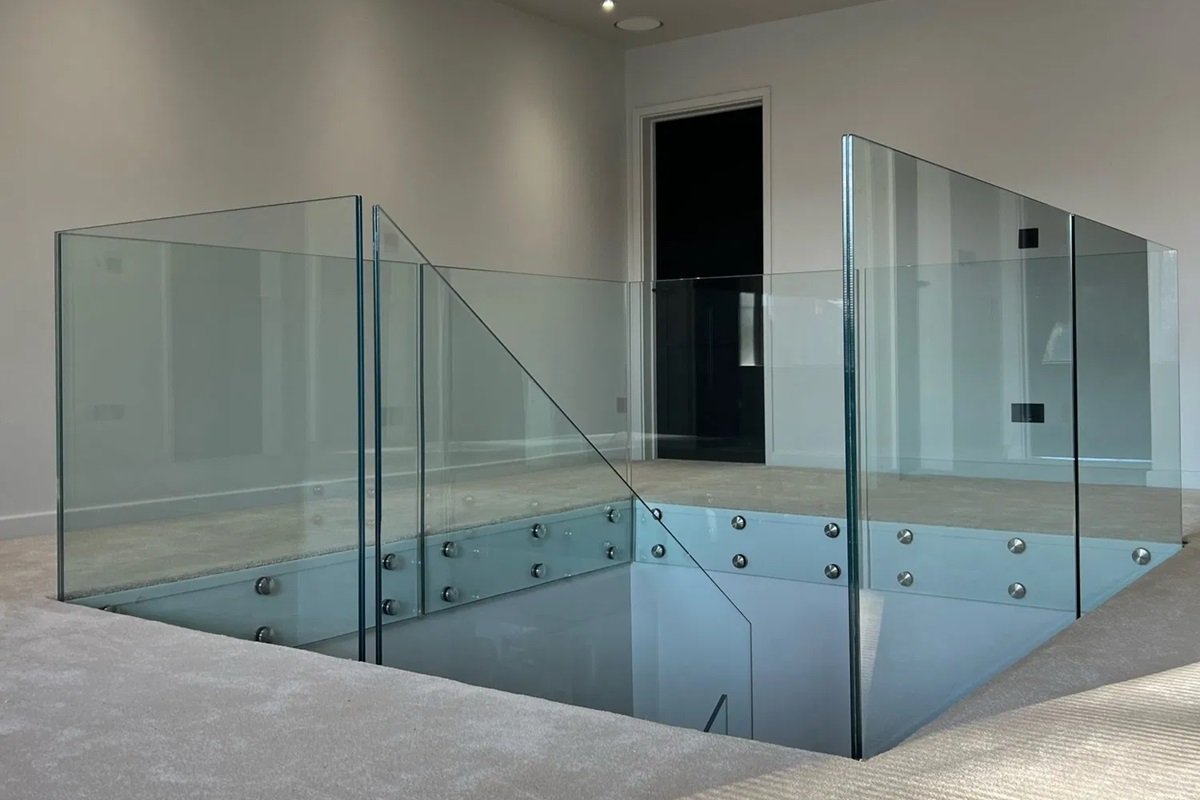
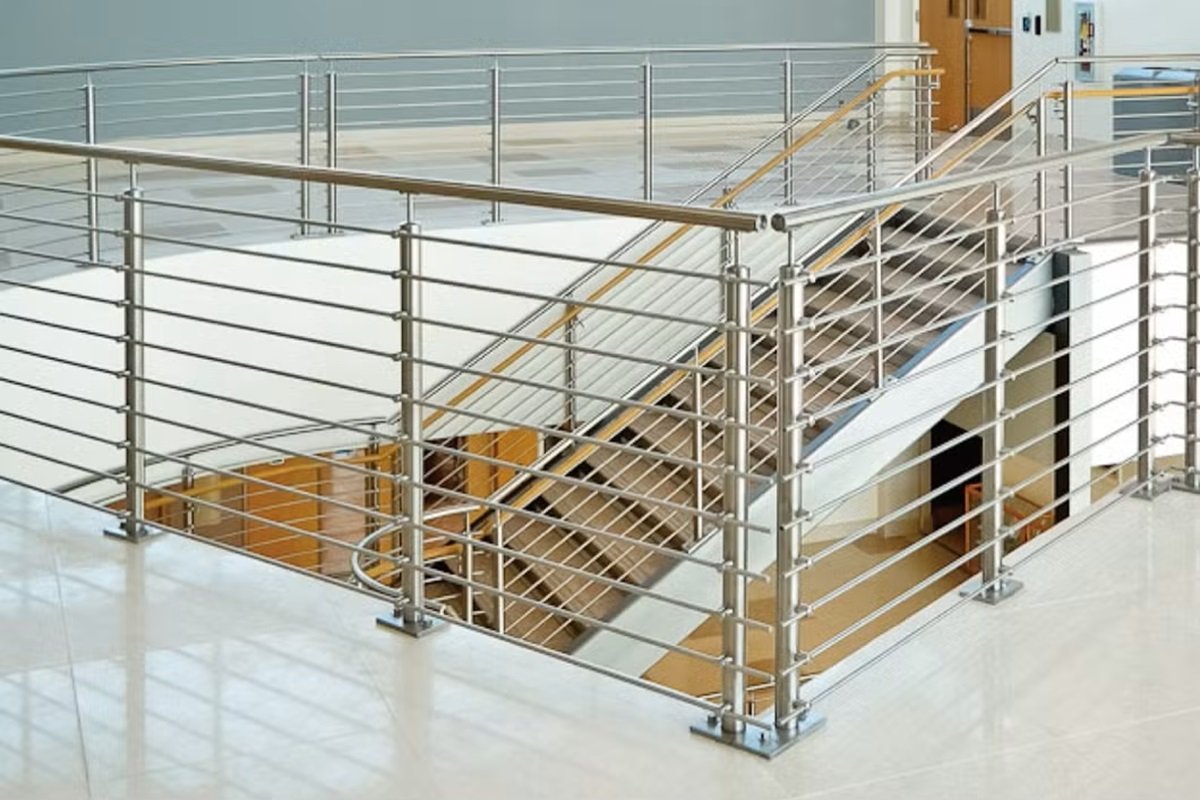
A modern railing system consists of several integrated components. These components typically include posts, cables, glass clamps, spigots, connectors, and handrails.
Each piece must withstand mechanical stress, weather exposure, and long-term environmental corrosion.
High-quality manufacturers produce these components using stainless steel alloys that resist rust while maintaining structural strength. This is why 316 stainless steel railing hardware is frequently specified in demanding outdoor environments.
* Made of high quality material AISI304 and AISI316
* More strong & sturdy and safe
* Suit for indoor and outdoor
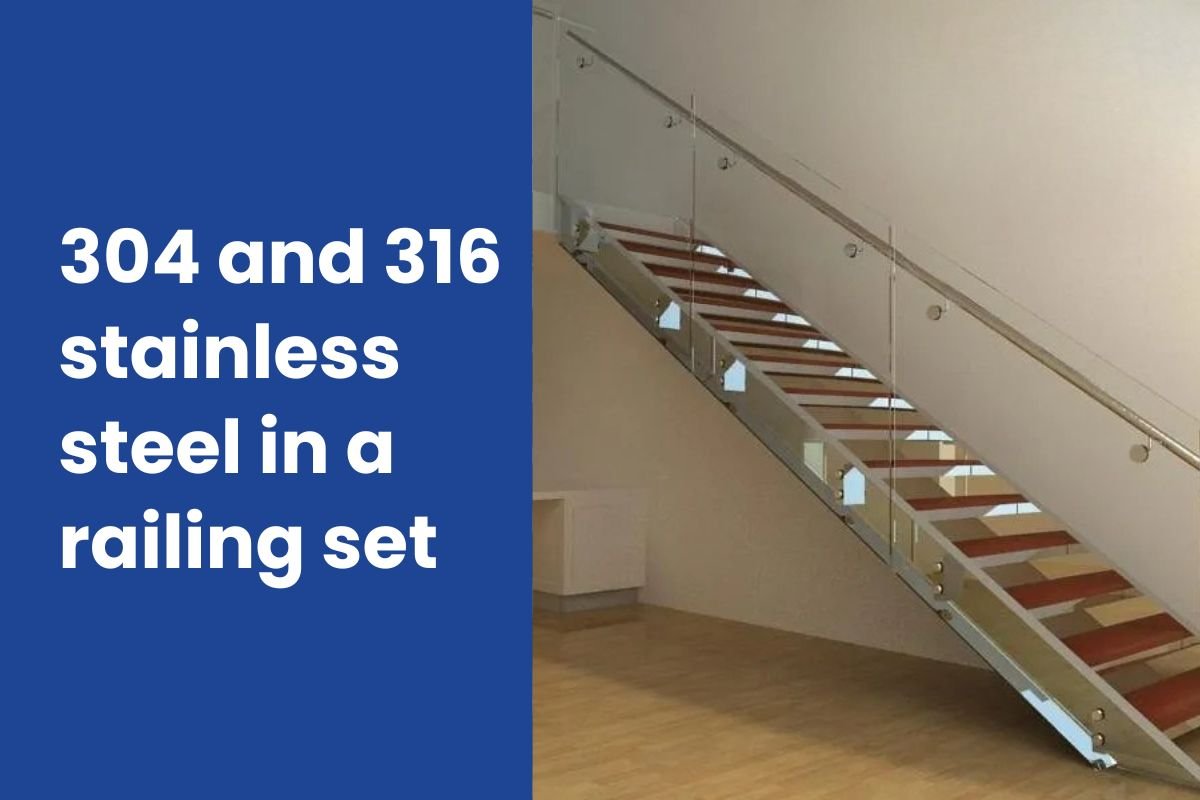
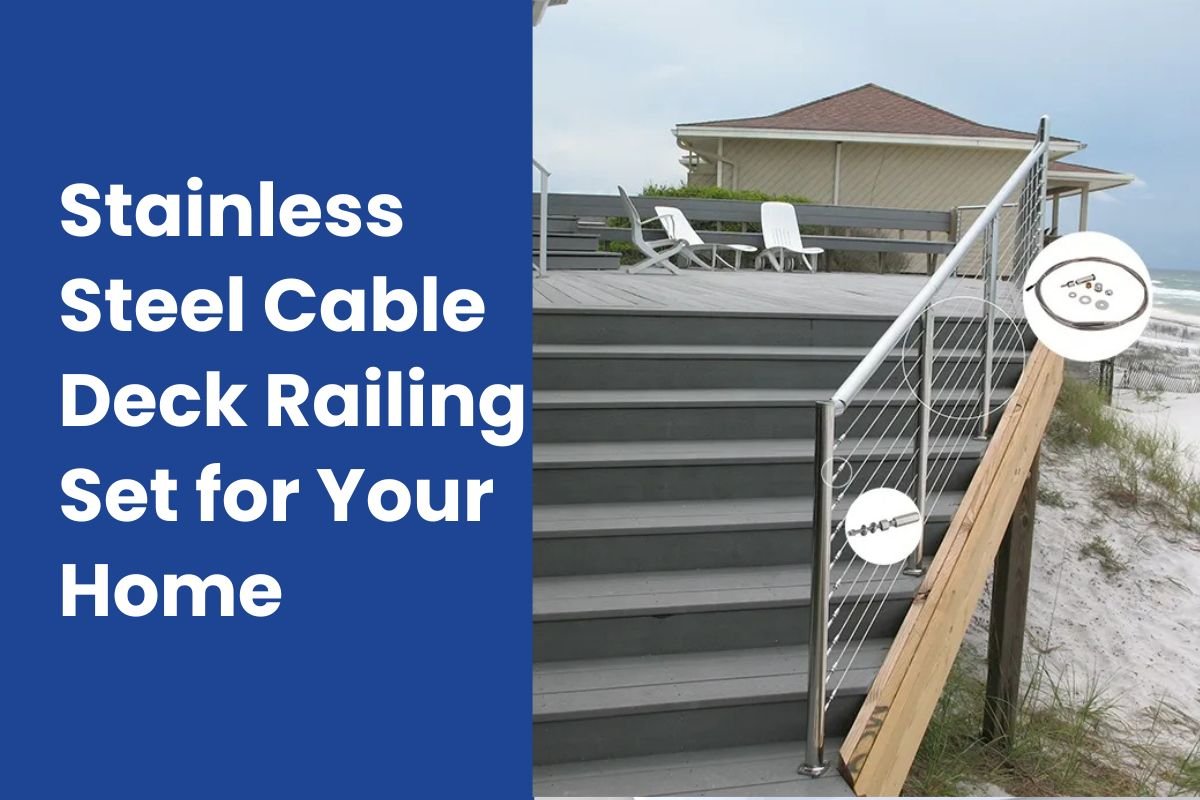
For example, many modern deck systems use stainless steel cable assemblies such as those featured in the 304/316 stainless steel cable deck railing set.
These systems combine durability with minimal visual obstruction, making them popular in contemporary architecture.
What Is 304 Stainless Steel Railing Hardware?
304 stainless steel is the most commonly used stainless steel alloy worldwide.
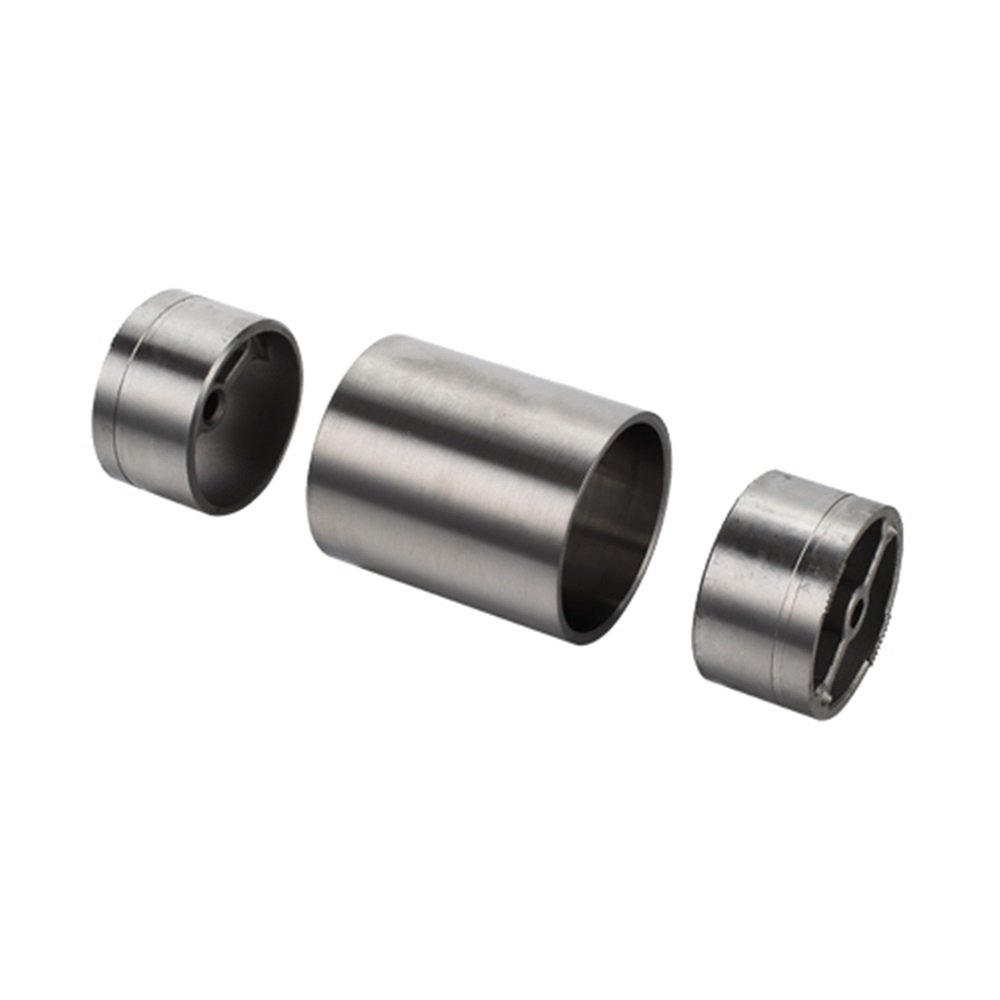
It contains approximately 18% chromium and 8% nickel, which gives the material good corrosion resistance and excellent structural strength.
Because of its versatility, 304 stainless steel appears in countless applications. These range from kitchen equipment to industrial equipment and architectural structures.
When used in railing systems, 304 stainless steel performs well in indoor environments and mild outdoor conditions.
However, when exposed to marine environments, salt spray, or high humidity, 304 stainless steel may eventually develop corrosion spots.
This limitation is why many architects prefer 316 stainless steel railing hardware for outdoor installations.
What Is 316 Stainless Steel Railing Hardware?
316 stainless steel is often referred to as marine-grade stainless steel. The primary difference between 316 and 304 is the addition of molybdenum, typically around 2–3 percent.
This element dramatically improves corrosion resistance.
Because of this chemical composition, 316 stainless steel railing hardware performs much better in environments with salt exposure, humidity, and chemical pollutants.
Marine environments, coastal homes, and waterfront properties often require 316 stainless steel railing systems to maintain long-term structural integrity.
For example, specialized glass mounting components like those explained in the 316 stainless steel glass clamps for outdoor railings are specifically designed for demanding outdoor installations.
304 vs 316 Stainless Steel: Key Differences
While both grades belong to the same stainless steel family, their performance characteristics differ significantly.
The following comparison table highlights the key differences between these materials.
| Property | 304 Stainless Steel | 316 Stainless Steel |
|---|---|---|
| Chromium Content | ~18% | ~16–18% |
| Nickel Content | ~8% | ~10–14% |
| Molybdenum | None | 2–3% |
| Corrosion Resistance | Good | Excellent |
| Marine Environment | Limited | Ideal |
| Cost | Lower | Higher |
Although both materials resist corrosion, 316 stainless steel railing hardware provides stronger protection in harsh outdoor environments.
This is especially important for coastal installations where salt spray accelerates corrosion.
More insights about coastal performance can be found in this article on why 316 stainless steel square lines dominate coastal railings.
Why 316 Stainless Steel Railing Is Ideal for Outdoor Installations
Outdoor railings face constant exposure to rain, humidity, and airborne pollutants.
In coastal areas, salt particles carried by wind can significantly accelerate corrosion.
Because of its molybdenum content, 316 stainless steel railing systems resist chloride corrosion far better than 304 stainless steel.
This resistance helps prevent pitting corrosion, which occurs when saltwater breaks down the protective chromium oxide layer.
As a result, architects frequently specify 316 stainless steel railing hardware for balconies, seaside decks, marina walkways, and outdoor staircases.
Another advantage is that 316 stainless steel maintains its appearance longer, reducing maintenance costs over time.
Applications of 316 Stainless Steel Railing Systems
Because of their durability, 316 stainless steel railing systems are used in a wide range of architectural applications.
Coastal homes rely on these railings for balconies and decks exposed to salt spray.
Commercial buildings use them for outdoor staircases and rooftop terraces.
Marinas and waterfront promenades also require 316 stainless steel railing hardware to withstand constant marine exposure.
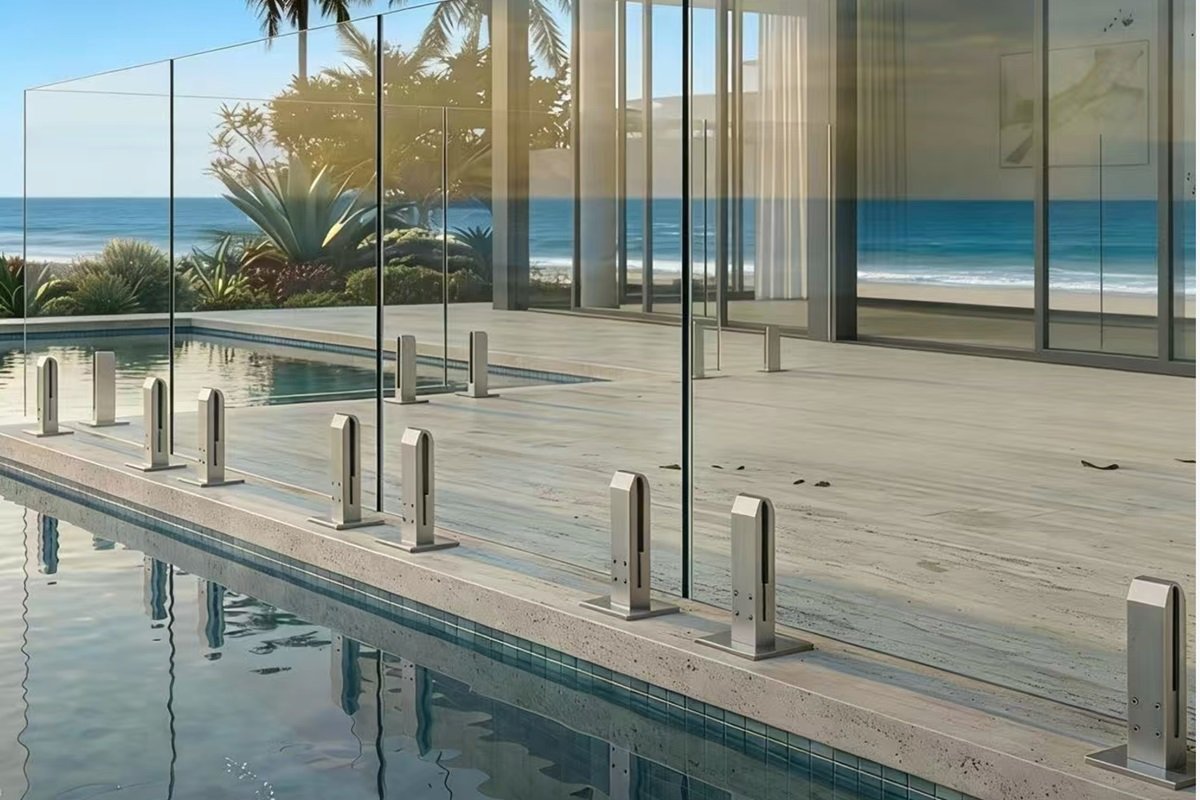
In many cases, these installations use components such as stainless steel spigots, which secure glass panels while maintaining a modern, minimalist appearance.
You can explore installation considerations in this guide to 316 stainless steel glass spigots for outdoor installations.
The Growing Popularity of Modern Stainless Steel Railings
Architectural trends over the past decade have shifted toward minimalist designs.
Glass panels, cable railings, and slim metal posts now dominate contemporary residential and commercial construction.
These systems provide clear sightlines while maintaining safety and structural support.
Because these designs often involve outdoor installations, 316 stainless steel railing systems have become increasingly popular.
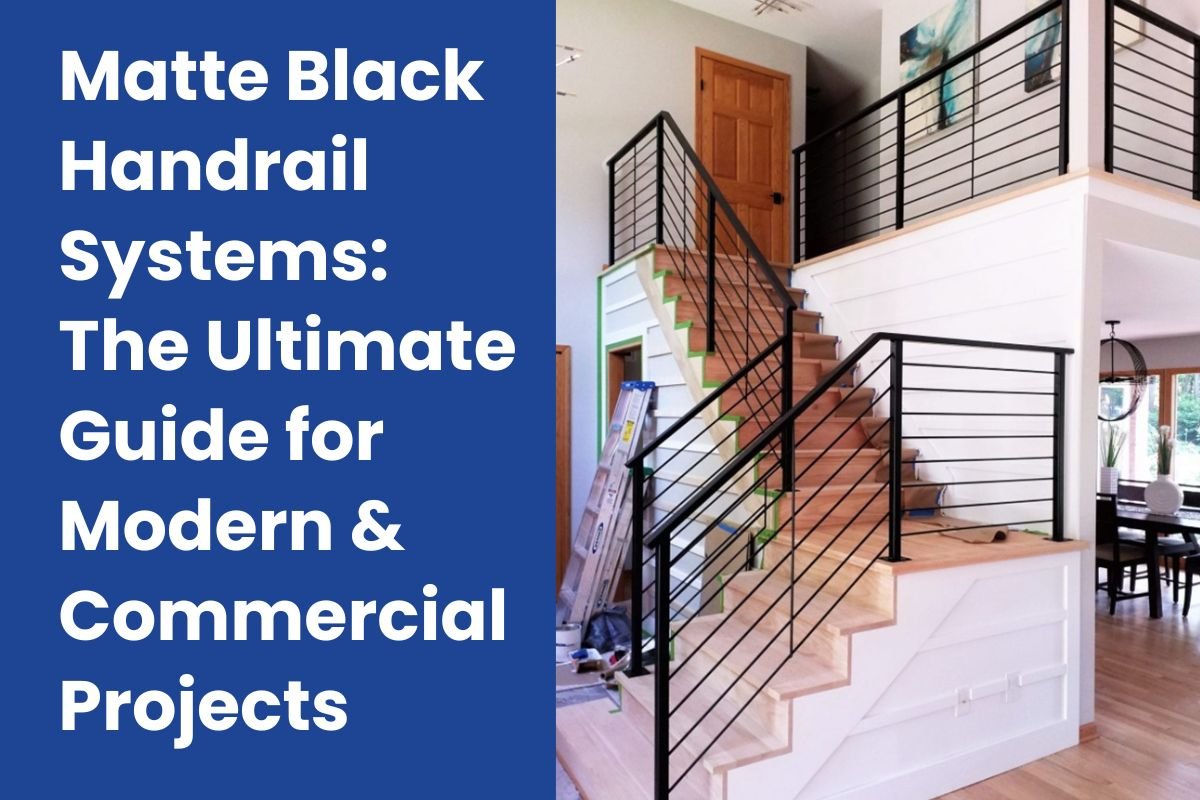
Additionally, stainless steel pairs well with modern finishes such as matte black coatings. These coatings offer additional aesthetic options without compromising durability.
One example is the stylish matte black handrail system used in many contemporary homes and commercial spaces.
Maintenance Differences Between 304 and 316 Stainless Steel
Both stainless steel grades require relatively little maintenance compared with other railing materials.
However, outdoor installations require occasional cleaning to remove salt deposits, dust, and environmental contaminants.
Regular washing with mild soap and water helps maintain the appearance of the metal.
Even though 304 stainless steel can perform well outdoors, 316 stainless steel railing hardware generally requires less maintenance in coastal environments.
This advantage makes it the preferred long-term solution for many property owners.
Cost Considerations for Stainless Steel Railing Hardware
Cost is another important factor when choosing between 304 and 316 stainless steel.
Because 316 stainless steel contains additional alloying elements, it typically costs 15–30% more than 304 stainless steel.
However, the higher initial cost often pays off over time.
In harsh environments, replacing corroded railing hardware can be far more expensive than installing 316 stainless steel railing systems from the beginning.
This long-term durability is one reason architects frequently recommend 316 stainless steel for outdoor and coastal projects.
Choosing the Right Stainless Steel Railing System
Selecting the best railing system depends on several factors. Indoor installations usually perform well with 304 stainless steel.
Outdoor installations in dry climates may also use 304 stainless steel successfully. However, projects located near the ocean, lakes, or humid regions should almost always use 316 stainless steel railing hardware.
Understanding these environmental factors ensures the railing system maintains both safety and visual appeal for many years. If you need assistance selecting the right system for your project, the team behind unikim offers guidance and product recommendations tailored to specific installation environments. For project inquiries or product information, you can also reach out through the contact page. Additional resources, installation videos, and demonstrations can also be found on the official unikim YouTube channel.
Summary
Choosing the right railing hardware is essential for both safety and durability. While 304 stainless steel offers excellent performance in many environments, 316 stainless steel railing systems provide superior corrosion resistance, especially in outdoor and coastal conditions.
The addition of molybdenum gives 316 stainless steel greater protection against salt exposure and environmental damage.
For homeowners, architects, and builders seeking long-term durability, 316 stainless steel railing hardware remains one of the most reliable and widely recommended choices in modern architectural design. Get for more information visit unikim and contact us.
FAQs
What is the main advantage of 316 stainless steel railing?
The primary advantage of 316 stainless steel railing is its superior corrosion resistance, especially in marine and coastal environments where salt exposure is common.
Is 316 stainless steel railing worth the higher cost?
Yes, in many outdoor installations 316 stainless steel railing is worth the investment because it lasts longer and requires less maintenance.
Can 304 stainless steel railing be used outdoors?
Yes, 304 stainless steel railing can be used outdoors in mild environments. However, 316 stainless steel railing performs better in humid or coastal climates.
How long does 316 stainless steel railing last?
When properly installed and maintained, 316 stainless steel railing systems can last several decades without significant corrosion.
Do glass railings require 316 stainless steel hardware?
Glass railings installed outdoors often use 316 stainless steel railing hardware because it provides better corrosion resistance and structural reliability.