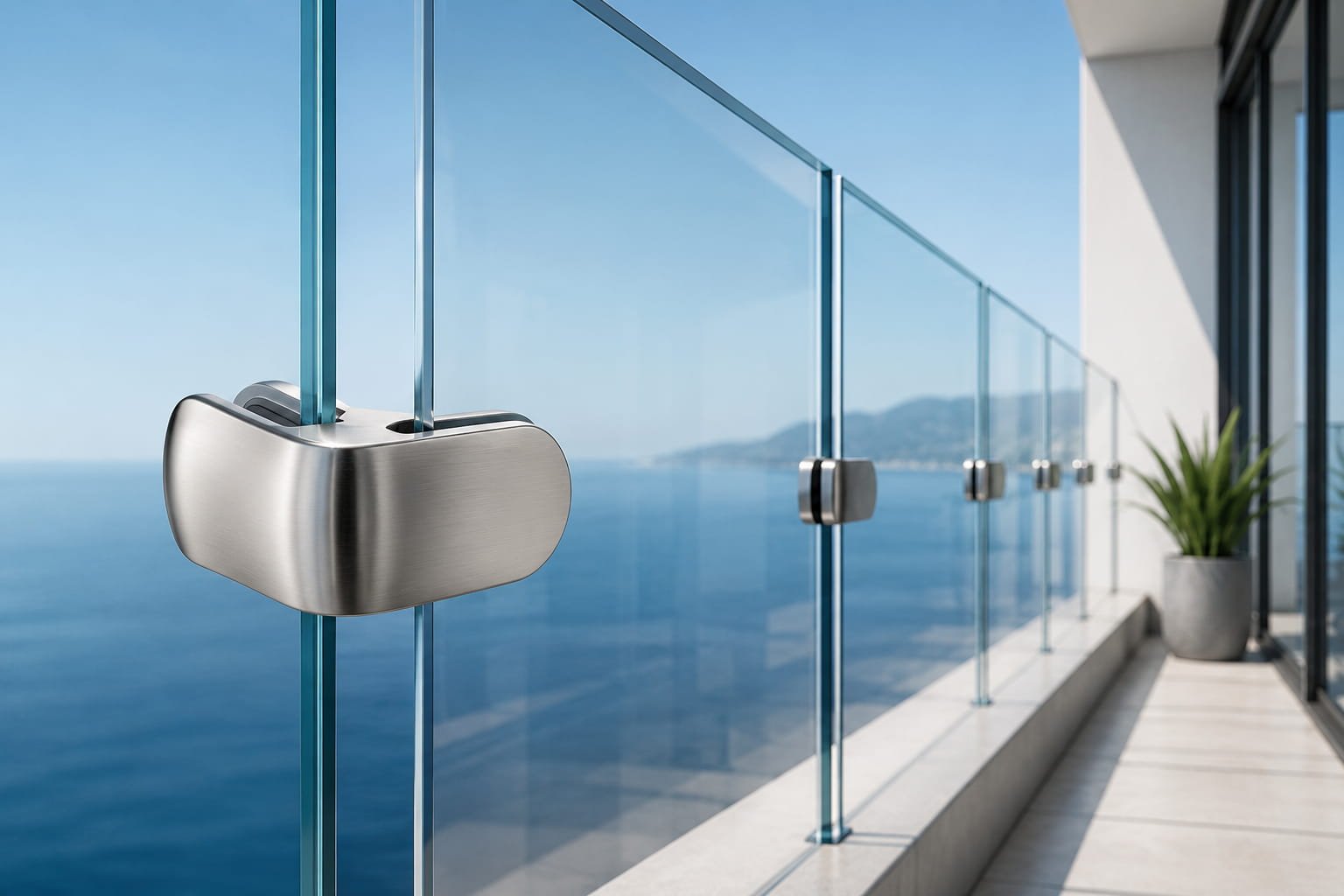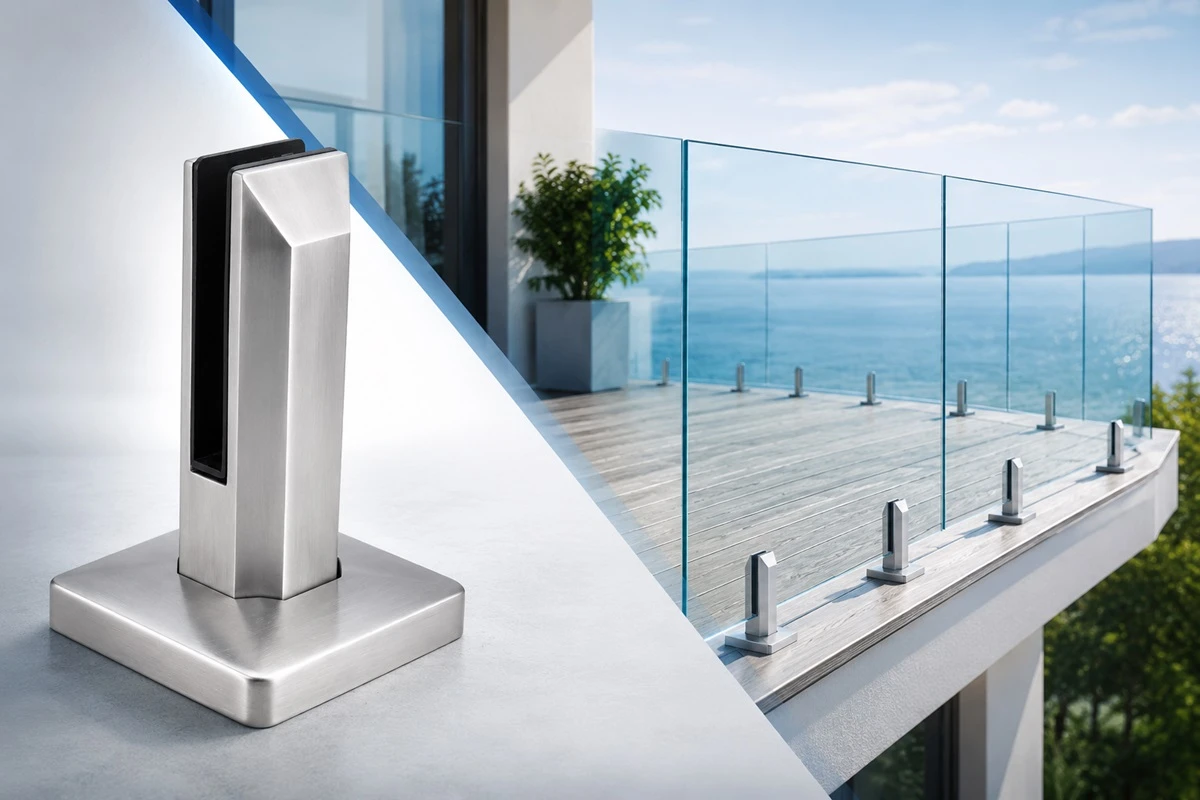
A railing system is more than a row of posts beside a staircase. It is a complete safety and architectural assembly that reduces fall risk, guides movement, defines edges, and improves a space. You will find railing systems on stairs, balconies, decks, terraces, ramps, walkways, and pool areas.
The best systems balance safety, structural performance, durability, and design. This guide explains the parts, types, materials, codes, installation needs, and maintenance factors that shape a reliable specification.
What Is a Railing System?
A railing system is an engineered assembly installed along an exposed edge or travel path. It helps protect people from falls and may also provide a graspable handrail, support infill, guide pedestrians, and create a finished boundary.
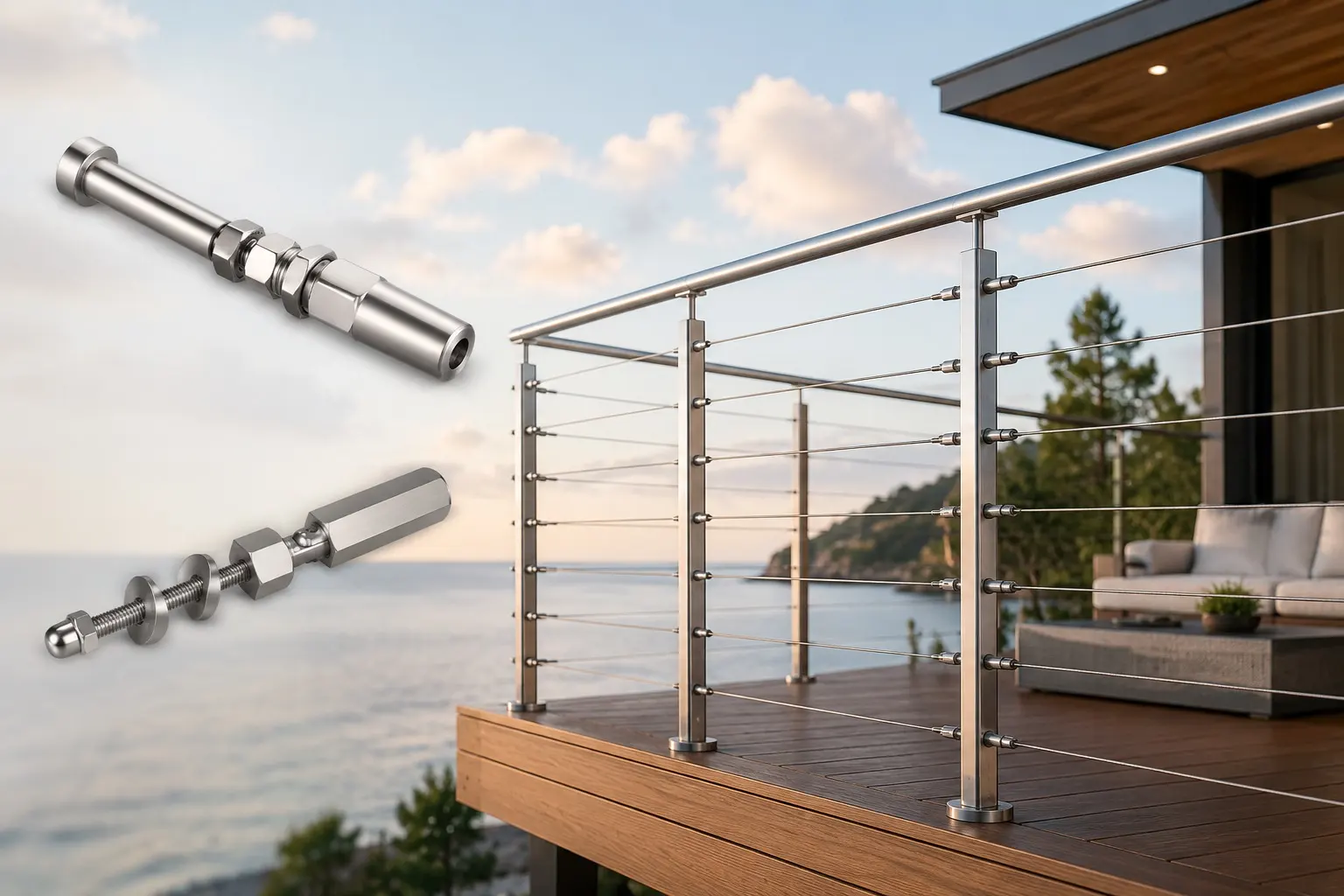
Most systems combine several components rather than relying on one rail. Posts transfer forces into the supporting structure. A top rail connects the assembly. Infill closes the open space between posts. Brackets, clamps, tensioners, base plates, fasteners, and anchors hold everything together.
A strong post cannot compensate for a weak anchor. Thick glass cannot fix an unsuitable base shoe, while quality cable still needs correct spacing and tension. Every component must work as one coordinated assembly.
UNIKIM offers complete product families through its railing systems and architectural hardware website, including glass, stainless steel, cable, post-and-handrail, and matte black options.
Why a Railing System Matters
The first job of any railing system is safety. Elevated surfaces create fall hazards near stairs, balconies, decks, landings, and ramps. The railing forms a physical boundary around the safe walking area.
Railings also shape how a building feels. Frameless glass can make a balcony appear larger. Cable can preserve a landscape view, while matte black posts add strong contrast.
Durable materials reduce repair frequency. Replaceable fittings simplify maintenance, and modular components can make installation or future repairs easier.
Main Parts of a Railing System
Understanding the basic parts makes product selection and quotation comparison easier.
Posts and Structural Supports
Posts are the primary vertical supports in many railing designs. They carry loads from the handrail and infill, then transfer those forces into the floor, stair stringer, deck framing, concrete slab, or steel structure.
Posts may use top, side, fascia, embedded, or welded mounting. The right method depends on the substrate, edge distance, waterproofing, space, and design load.
Projects that need visible structural posts can explore UNIKIM’s post and handrail system products. These products include stainless steel posts, clamps, brackets, and related components for stair, balcony, and deck applications.
Top Rails and Handrails
A top rail ties the upper part of the barrier together. A handrail gives users a continuous surface to grasp while using stairs or ramps. Sometimes one component performs both functions, but building rules may treat them differently.
Shape matters because users must hold the handrail securely. Round tubes, shaped profiles, wood caps, and slotted stainless steel tubes are common. The finished run should feel stable, smooth, continuous, and free from sharp projections.
Infill
Infill occupies the space between the posts, top rail, and floor. Its purpose is to limit openings while creating the desired visual effect.
Common infill options include tempered or laminated glass, stainless steel cable, vertical balusters, rods, perforated panels, mesh, and decorative metalwork. The architectural history and definition of a baluster explains the traditional vertical element.
Each infill behaves differently. Glass acts as a panel, cable depends on controlled tension, and balusters depend on spacing and connection strength.
Fittings, Connectors, and Tensioners
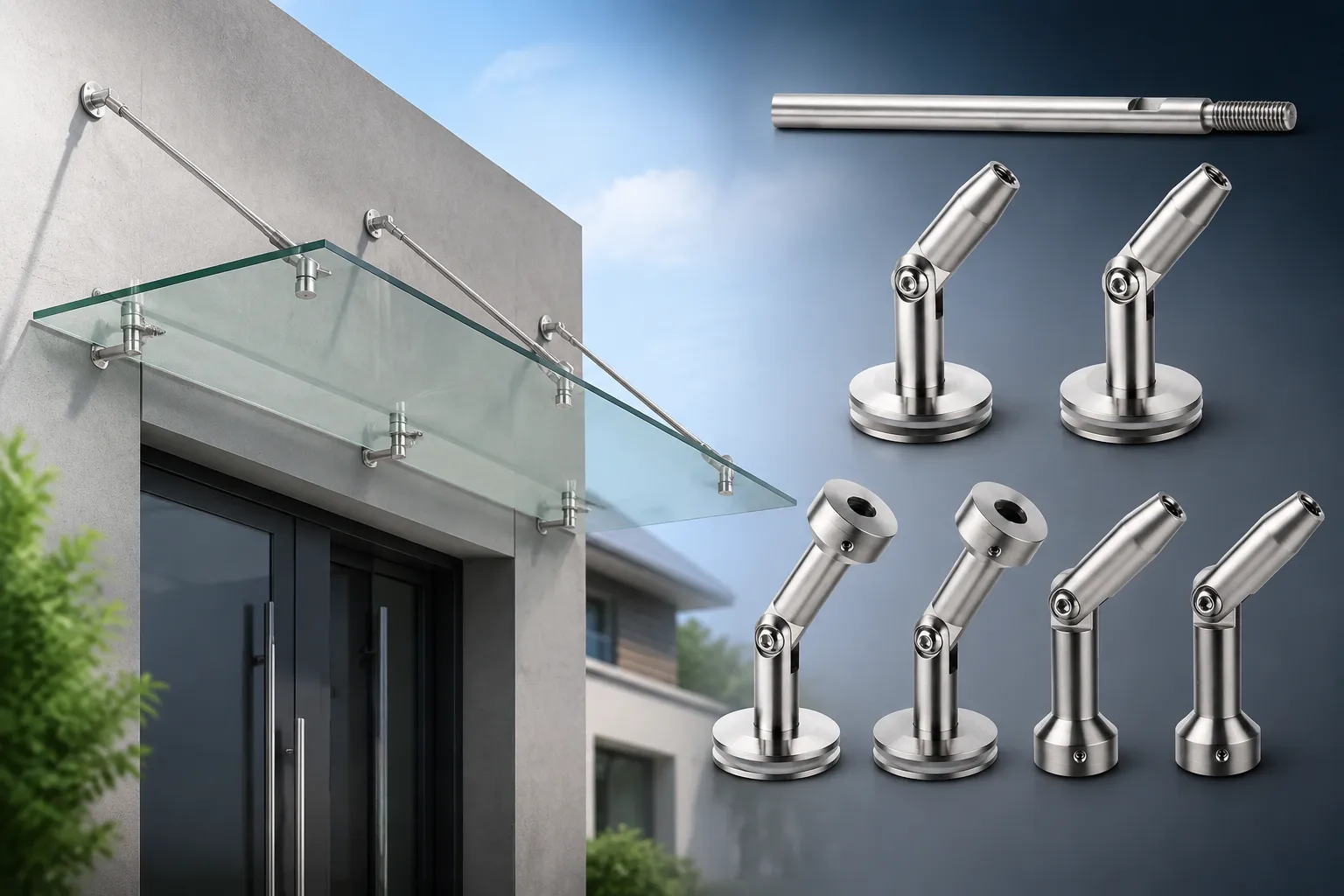
Glass clamps, spigots, standoffs, elbows, cable tensioners, brackets, and cap rails create the connections between larger components.
For cable projects, buyers can compare complete cable railing systems with individual stainless steel cable products. A complete system is often easier to coordinate because cable diameter, terminals, tensioners, posts, and end conditions must match.
Base Plates, Fasteners, and Anchors
The connection to the building is critical. Base plates distribute force, anchors secure the assembly, and covers conceal the fixing. Concrete, structural steel, timber, and composite framing require different solutions, with attention to waterproofing, corrosion, edge distance, and embedment.
From modern glass railings to classic wrought iron designs, railing systems come in various materials and styles to suit different environments.
Types of Railing Systems
Railing systems come in various types, each suited for different applications and design preferences. Here are some of the most popular types:
Glass Railing Systems
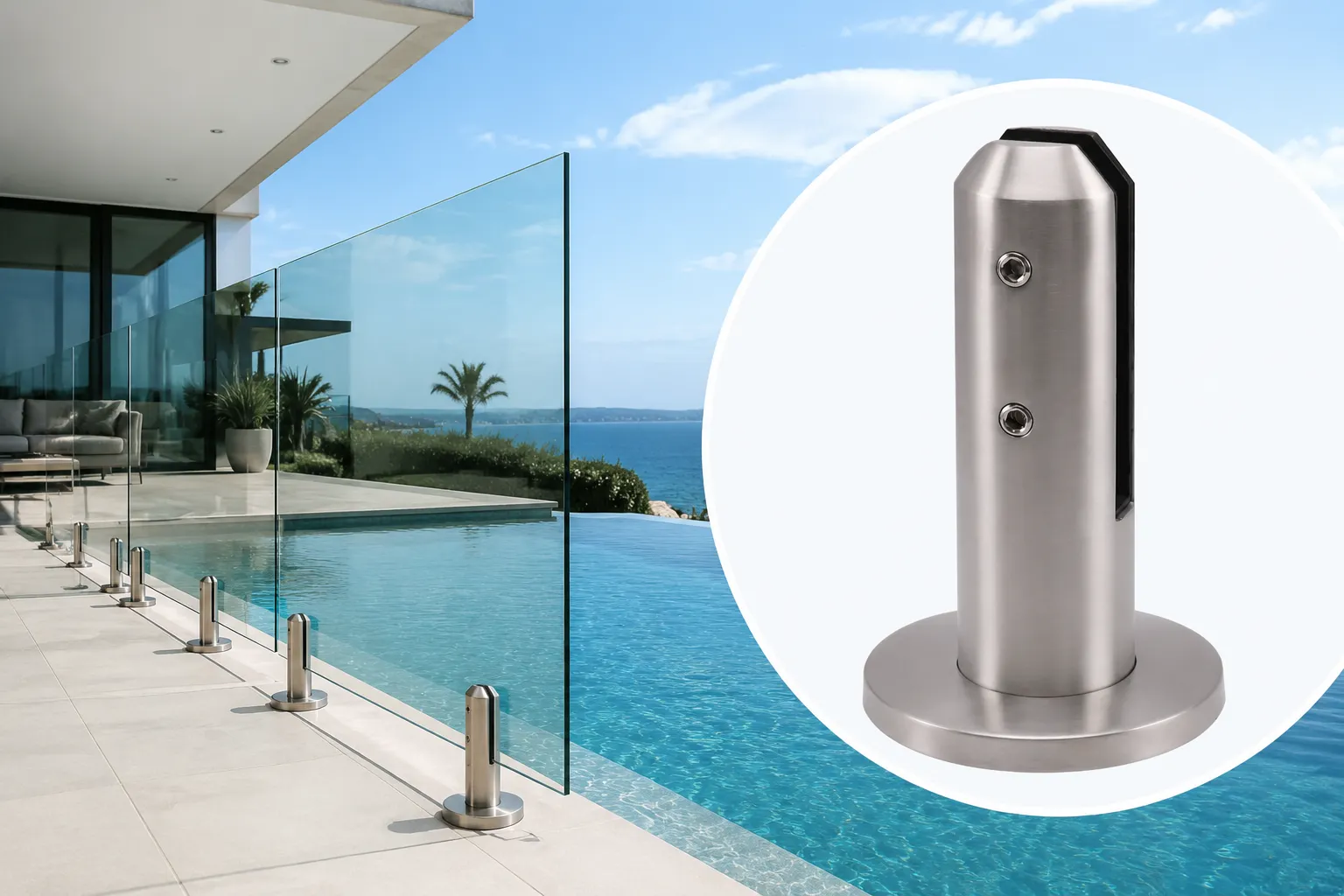
Glass railing systems are a top choice for those seeking a contemporary and minimalist look. They are often used in pool areas, balconies, and decks to provide an unobstructed view while ensuring safety. The frameless glass railing design is particularly popular for its clean and elegant appearance. You can explore a wide range of glass railing systems at URAILING.
Stainless Steel Railing Systems
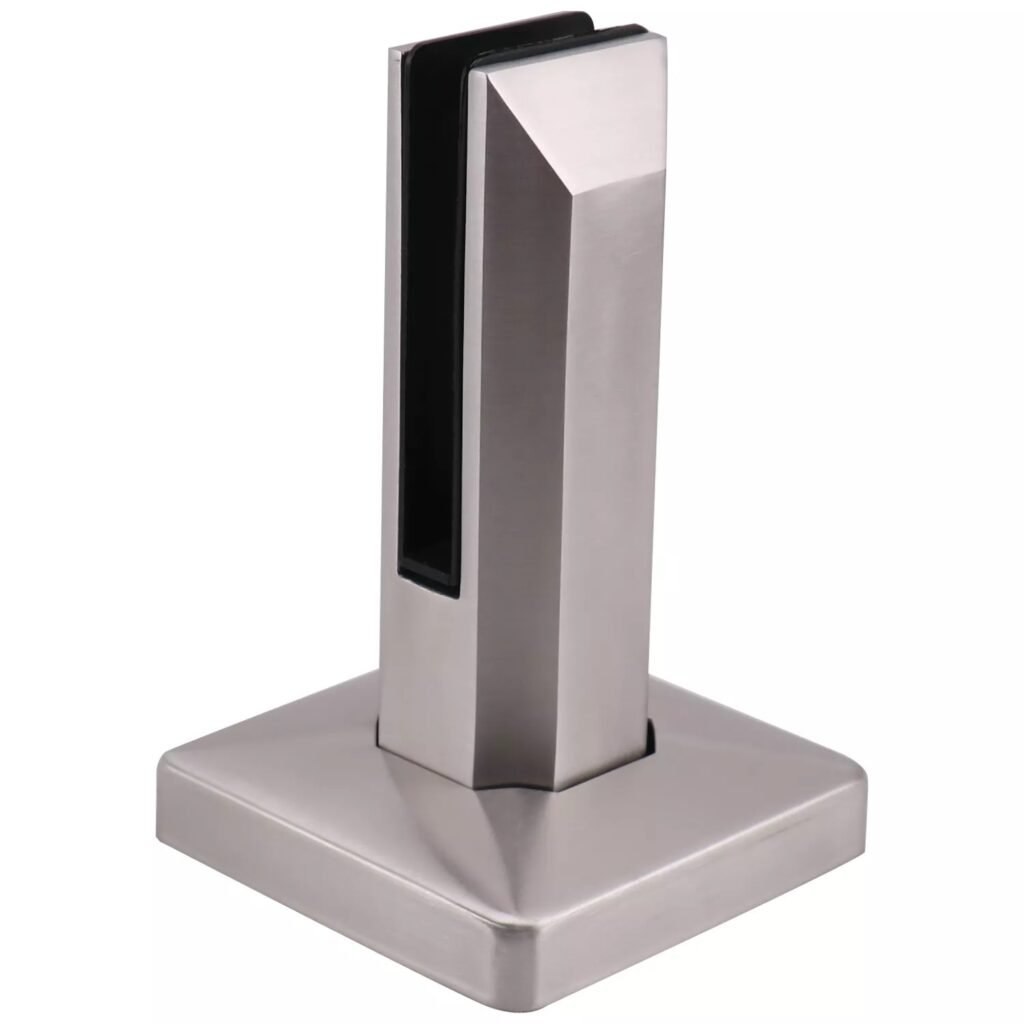
Known for their strength and durability, stainless steel railing systems are ideal for both indoor and outdoor use. They are resistant to corrosion, making them perfect for areas exposed to moisture, such as pool fences and outdoor staircases. Check out this stainless steel glass railing clamp for a seamless installation: Glass Railing Clamp Spigot.
Wood Railing Systems
Wooden railing systems offer a classic and timeless appeal. They are commonly used in traditional homes and outdoor spaces like decks and porches. While wood requires regular maintenance to prevent weathering, its natural beauty makes it a popular choice.
Aluminum Railing Systems
Aluminum railings are lightweight, durable, and resistant to rust, making them a practical choice for outdoor applications. They are available in a variety of styles and finishes, allowing for customization to match any design theme.
Concrete Railing Systems
Concrete railings are robust and often used in public infrastructure like bridges due to their crashworthiness.
Frameless Railing Systems
Frameless railings use tempered glass panels without visible frames for a clean aesthetic.
Where Can the Railing System Be Used?
Railing systems are versatile structures that enhance safety and aesthetics across various spaces. They are commonly installed in:
- Staircases – Provides support and prevents accidental falls.
- Balconies – Adds safety without obstructing the view.
- Patios – Enhances outdoor spaces while offering a protective barrier.
- Decks – Ensures security, especially in elevated outdoor areas.
- Porches – Improves curb appeal while keeping entryways safe.
- Pool Areas – Prevents accidental slips and falls near water.
- Playgrounds – Creates a secure boundary for children’s play areas.
- Other Elevated Spaces – Used in terraces, rooftops, and bridges for added protection.
Railing systems not only serve as a safety measure but also enhance design aesthetics. Available in materials like wood, metal, glass, and plastic, they can be customized to match different architectural styles and functional requirements.
Are Railings Really That Important?
Railings play a crucial role in safety, security, and design. They help prevent falls, keep intruders away, and enhance the appearance of homes and buildings. Whether used on balconies, staircases, or decks, railings provide both protection and aesthetic appeal.
Materials Used in Railing Systems
Choosing the right material for a railing system depends on factors such as durability, aesthetics, and maintenance requirements. Here’s a comparison of common materials:
| Material | Durability | Maintenance | Aesthetic Appeal | Best Used For |
|---|---|---|---|---|
| Glass | High | Low | Modern & Sleek | Balconies, Pools, Decks |
| Stainless Steel | Very High | Low | Contemporary & Industrial | Commercial Buildings |
| Wood | Moderate | High | Classic & Traditional | Homes, Cottages |
| Aluminum | High | Low | Versatile | Residential & Commercial |
| Wrought Iron | High | Medium to High | Elegant & Vintage | Staircases, Entrances |
Summary
In conclusion, a railing system is an essential component of any property, offering both safety and aesthetic benefits. Whether you choose a glass railing system for its modern appeal or a stainless steel railing for its durability, the right railing system can transform your space. At UNIKIM, we offer a wide range of high-quality railing systems to suit your needs. Explore our collection today and take the first step toward enhancing your property’s safety and beauty.
For more information, visit our About Us page or contact us for personalized assistance. Don’t forget to check out our glass railing systems and other products to find the perfect solution for your space.
FAQs Railing Systems
1. What is the purpose of a railing system?
A railing system is designed to provide safety, support, and aesthetic appeal in areas with a risk of falling, such as staircases, balconies, and pool areas.
2. Which material is best for a railing system?
The best material depends on your specific needs and preferences. Glass railings are ideal for a modern look, while stainless steel and aluminum railings are durable and low-maintenance.
3. How do I maintain a glass railing system?
Regular cleaning with a glass cleaner and periodic inspections for damage are essential to maintain a glass railing system.
4. Can I install a railing system myself?
While it is possible to install a railing system yourself, it is recommended to hire a professional to ensure proper installation and safety.