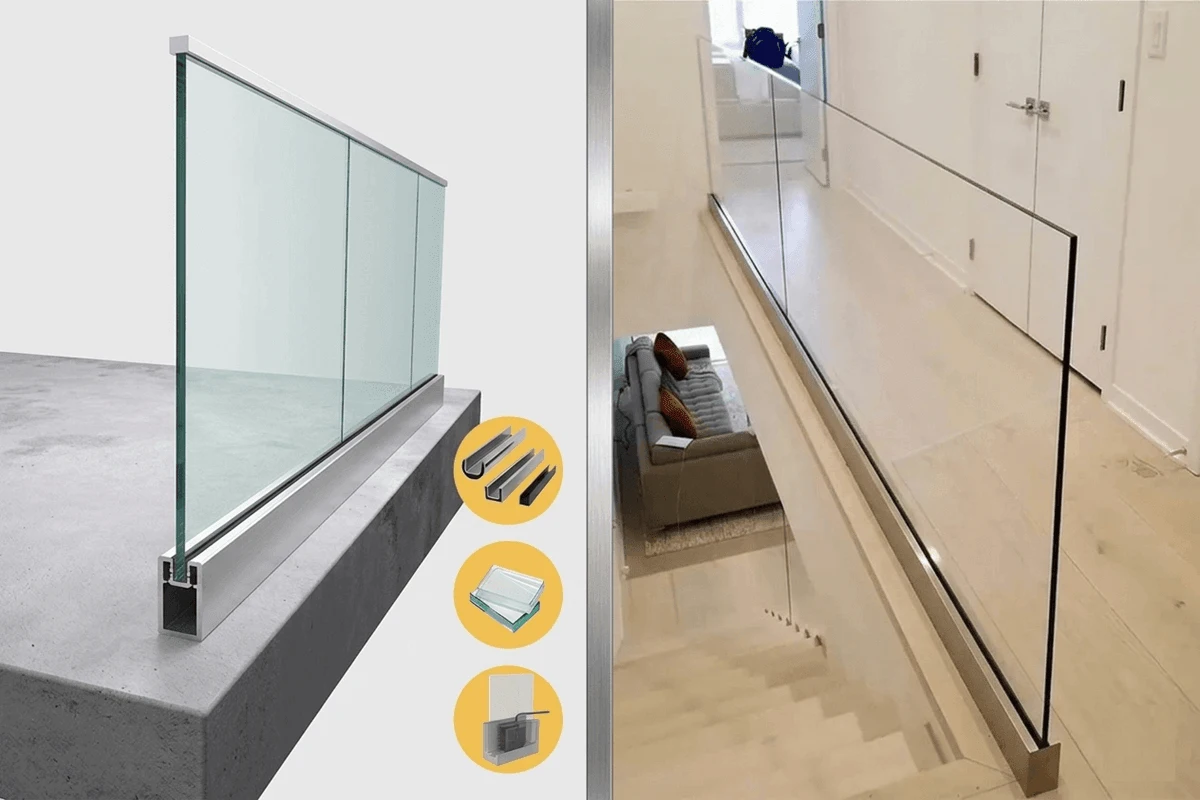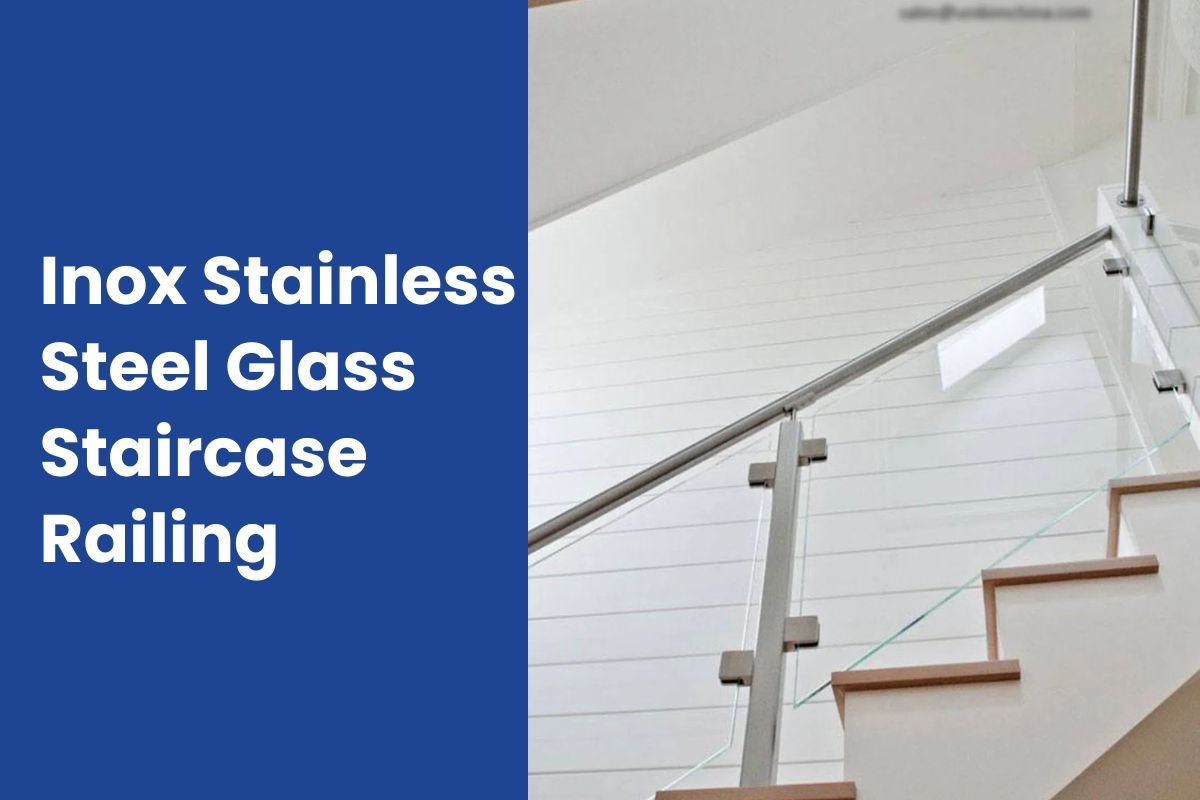
The glass staircase has become a symbol of contemporary architecture, blending functionality with aesthetic appeal. Among the various materials used in staircase design, Inox stainless steel stands out for its durability, sleek appearance, and versatility. This blog delves into the world of Inox stainless steel glass staircase railings, exploring their benefits, design possibilities, installation process, and more. Whether you’re a homeowner, architect, or designer, this guide will provide valuable insights into why this combination is a game-changer in modern interiors.
What is an Inox Stainless Steel Glass Staircase Railing?
An Inox stainless steel glass staircase railing is a premium railing system that combines the strength of stainless steel with the elegance of glass panels. The term “Inox” refers to stainless steel’s resistance to oxidation, making it ideal for both indoor and outdoor applications. Designers create these railings to ensure safety while simultaneously enhancing the visual appeal of staircases, balconies, and other spaces.
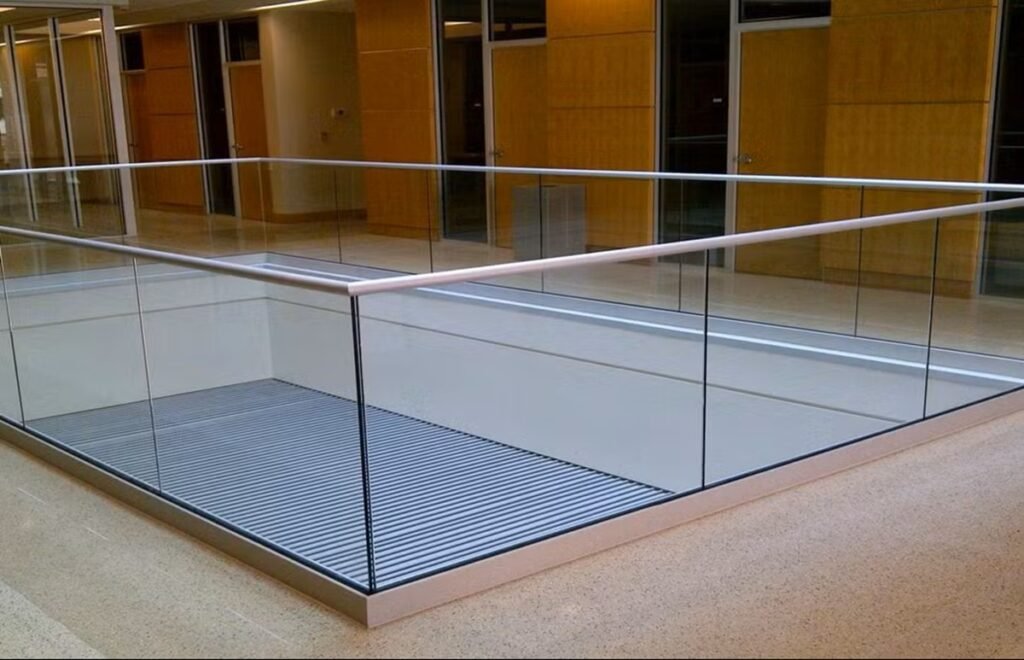
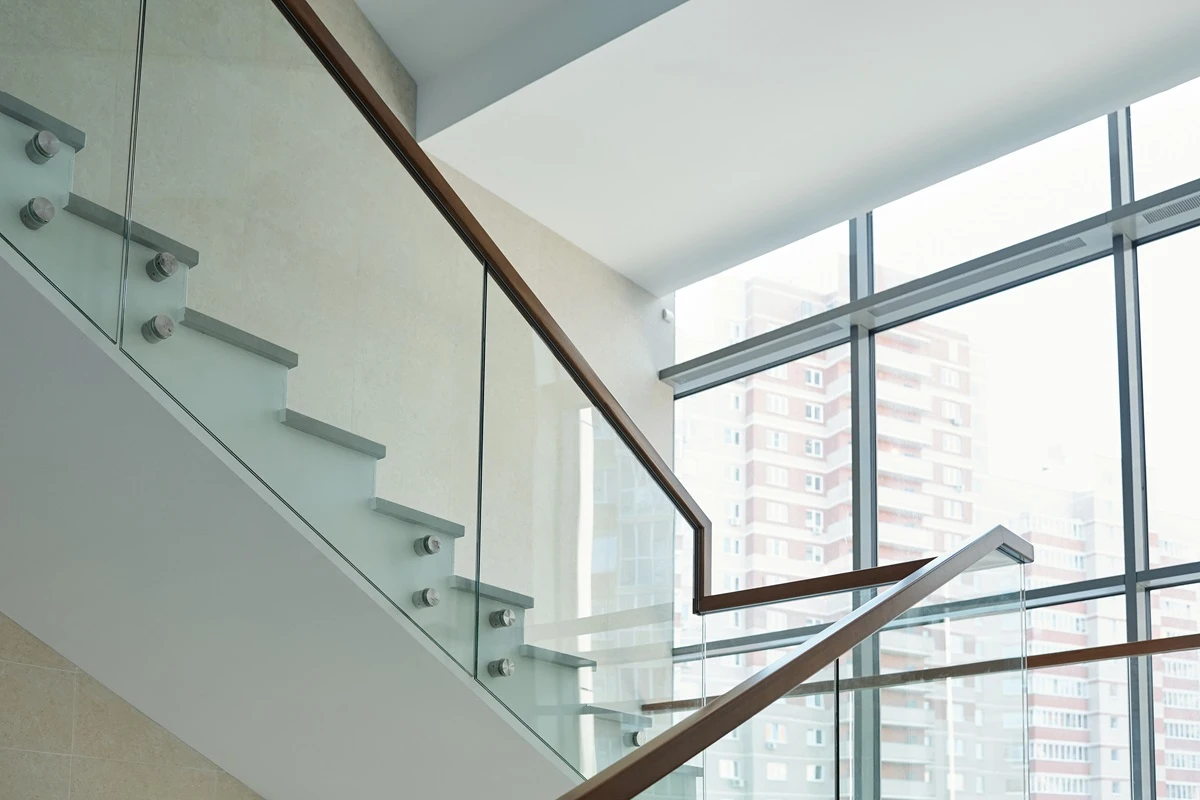
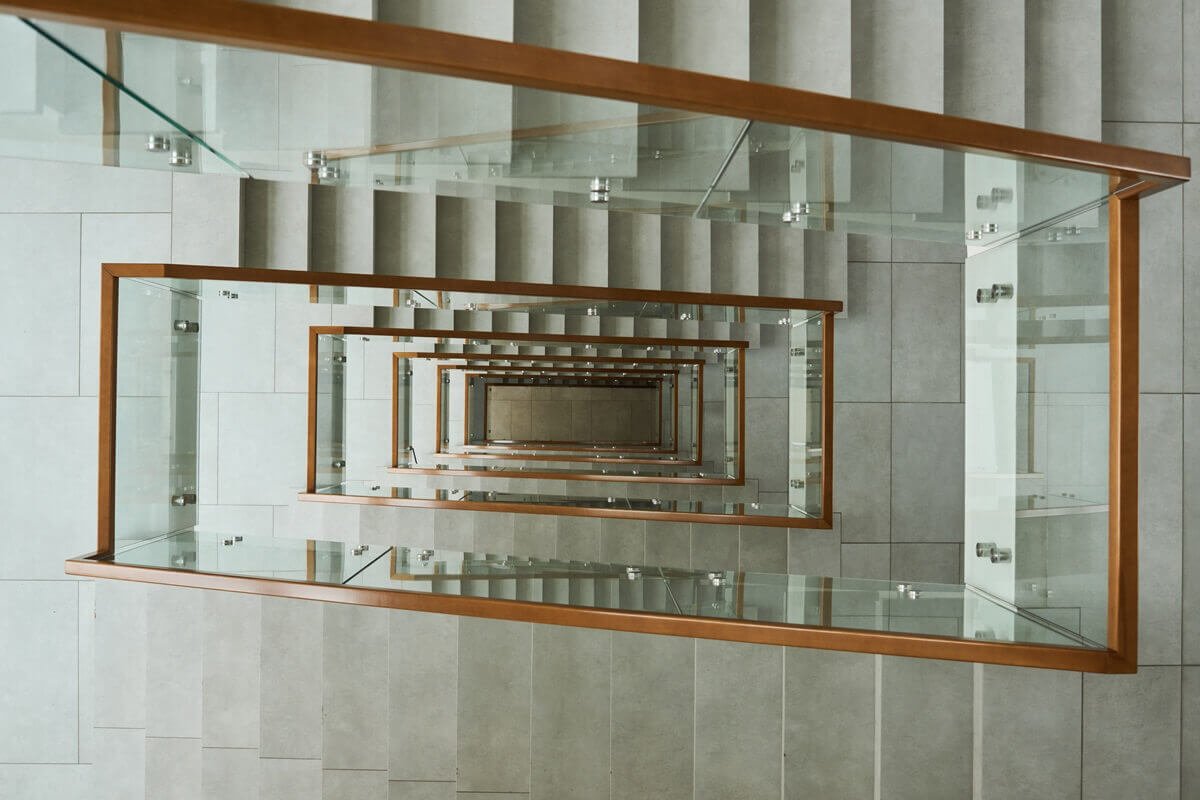
Adjustable glass clamps or stainless steel slot tube fittings typically secure the glass panels, ensuring a secure and seamless installation. This combination creates a minimalist yet sophisticated look that complements modern architectural styles.
Why Choose Inox Stainless Steel Glass Staircase Railings?
Durability and Longevity
Inox stainless steel is renowned for its resistance to corrosion, rust, and wear. Unlike other materials, it maintains its shine and structural integrity even in harsh environments. This makes it an excellent choice for both indoor and outdoor staircases.
Aesthetic Appeal
The sleek, polished finish of stainless steel paired with transparent glass panels creates a visually stunning effect. This combination allows natural light to flow through, making spaces appear larger and more open.
Low Maintenance
Stainless steel and glass are easy to clean and require minimal upkeep. A simple wipe with a damp cloth is usually sufficient to keep the railing looking pristine.
Safety and Functionality
Glass panels provide a clear view of the staircase while acting as a sturdy barrier. Stainless steel fittings ensure the railing remains stable and secure, even under heavy use.
Versatility in Design
From straight staircases to spiral designs, Inox stainless steel glass railings can be customized to fit any architectural style. They are also compatible with various glass types, including tempered and laminated glass, for added safety.
The Advantages of Glass Staircase Systems with Stainless Steel Components
Implementing a glass staircase with inox stainless steel components delivers numerous advantages that extend far beyond surface-level aesthetics. These systems represent a substantial investment in property value, occupant safety, and long-term durability.
Enhanced Natural Light Distribution stands as one of the most compelling reasons to choose glass staircase systems. Traditional wooden or metal balustrades create visual barriers that obstruct light flow between floors and rooms. Glass panels, by contrast, allow sunlight to penetrate deep into interior spaces, reducing dependence on artificial lighting during daylight hours.
Superior Durability and Longevity characterize properly installed inox stainless steel and glass combinations. While initial installation costs may exceed traditional alternatives, the lifecycle economics favor glass staircase systems dramatically. The stainless steel components require minimal maintenance beyond periodic cleaning, and glass panels maintain optical clarity for decades without yellowing, cracking, or degradation.
Architectural Versatility enables glass staircase systems to complement virtually any design aesthetic, from ultra-modern minimalism to transitional styles that blend contemporary and traditional elements.
Safety Standards Compliance ensures that professionally installed glass staircase railings meet or exceed building codes across jurisdictions. Modern glass staircase systems utilize tempered safety glass with thickness ranging from 10mm to 19mm, depending on panel dimensions and local regulations. When properly specified and installed by experienced professionals like those at Urailing, these systems provide protection equivalent or superior to traditional railing materials while maintaining transparency.
Increased Property Value represents a tangible financial benefit that extends beyond aesthetic preferences. Real estate market data consistently demonstrates that homes featuring modern, high-quality finishes command premium prices and spend less time on market.
Exploring Glass Clamp Systems for Staircase Railings
The connection between glass panels and supporting structures relies on specialized hardware known as glass clamps, which represent engineering marvels that balance aesthetic minimalism with structural performance. These components serve as the critical interface where architectural vision meets practical reality, and their selection significantly impacts both the visual outcome and long-term performance of glass staircase installations.
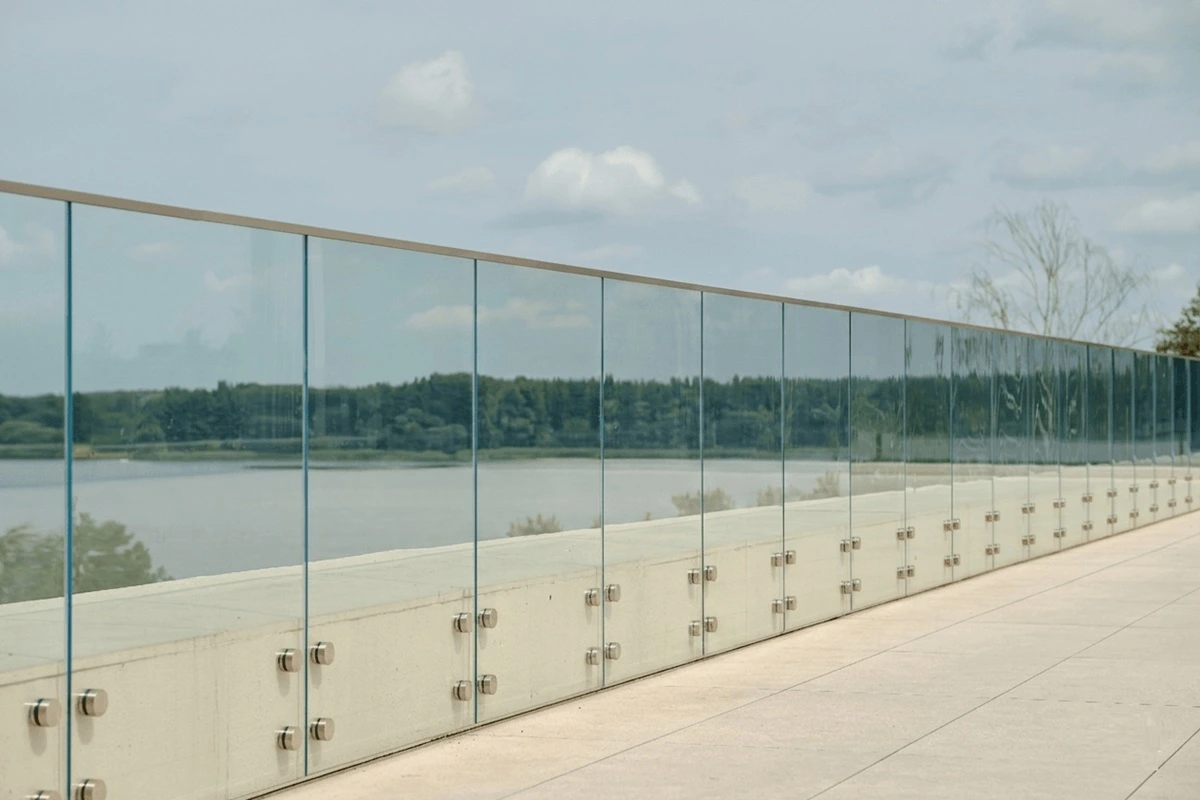
Glass clamp systems come in numerous configurations, each designed for specific applications and aesthetic preferences. Point-fixed glass clamps utilize discrete mounting points that attach directly through or around glass panel edges, creating a floating appearance where glass seems to hover without visible continuous support.
Channel-mounted systems provide an alternative approach where glass panels slide into aluminum or stainless steel channels affixed to floors, handrails, or both. This method offers advantages in situations requiring frequent panel removal for maintenance access or where building codes mandate specific edge protection profiles.
Surface-mounted glass clamps represent the most versatile category, attaching to side-mounted posts, newels, or wall surfaces while gripping glass panel edges through mechanical pressure. Products like the Unikim hot sales inox glass 90-degree balustrade exemplify this approach, offering adjustability to accommodate minor variations in glass thickness or installation alignment. These clamps typically feature rubber or silicone gaskets that cushion the glass, preventing direct metal-to-glass contact that could create stress points.
Adjustable glass clamps address the practical realities of construction where theoretical perfection rarely translates to field conditions. Even with precise measurements and careful planning, minor variations in floor levels, wall plumb, or glass fabrication dimensions occur.
The Architectural Revolution: Why Inox Glass Railings Dominate Modern Design
The modern architectural landscape defines itself through an appreciation for light, open spaces, and clean lines. Architects and designers are replacing the bulky, traditional balustrade systems of the past with materials that provide an almost invisible barrier. These materials allow for an unobstructed view and ensure a seamless flow of natural light.This is where the Glass Staircase railing, specifically one utilizing Inox Stainless Steel components, shines as the superior choice.
The Unbeatable Synergy of Inox and Glass
The term “Inox” is a French abbreviation for inoxydable, which translates to non-oxidizable, or rust-proof, synonymous with stainless steel. This combination creates a railing system that is both structurally sound and visually stunning.
- Transparency and Light: Glass panels, secured by sleek Inox fittings, create an illusion of space and maximize the penetration of natural light, which is a core tenet of modern, sustainable design.
- Minimalist Aesthetic: The inherently clean and slender nature of stainless steel allows the focus to remain on the architectural structure and the surrounding environment, perfectly aligning with minimalist and industrial-chic trends.
- Enduring Appeal: Unlike wood or wrought iron, which can degrade or require frequent painting, Inox stainless steel maintains its pristine, high-end appearance for decades with minimal intervention, offering a timeless look.
The surge in popularity is no accident; industry insights, such as those analyzed by Accio in 2025, consistently show that glass railings dominate search interest and sales volume, underscoring their appeal to both residential and commercial sectors.
Core Materials: Inox Stainless Steel and Safety Glass
The longevity and performance of a Glass Staircase railing system are fundamentally dependent on the quality of its materials. Choosing the correct grade of Inox stainless steel and the appropriate type of safety glass is essential for compliance and durability.
The Strength and Purity of Inox Stainless Steel
Stainless steel is an iron alloy with a minimum of 10.5% chromium, which creates a passive film on the surface that self-heals in the presence of oxygen, providing its renowned corrosion resistance. For railing systems, two primary grades are universally recommended:
| Stainless Steel Grade | Chromium & Nickel Content (Approx.) | Molybdenum Content | Primary Application & Corrosion Resistance |
| AISI 304 | 18% Cr, 8% Ni | None | Indoor or mild outdoor environments. Excellent strength and cost-effectiveness. |
| AISI 316 | 16% Cr, 10% Ni | 2-3% | Outdoor and harsh/marine environments. The molybdenum provides superior resistance to chlorides and pitting corrosion. |
For outdoor applications, particularly near coastal areas or industrial zones, opting for AISI 316 Stainless Steel is a critical choice to prevent a phenomenon known as “tea staining” or surface corrosion. uRailing ensures the use of high-quality Inox for all components, including glass clamp fittings, to guarantee a long-lasting, rust-resistant solution.
The Imperative of Safety Glass for Staircases
Glass in a balustrade is not merely a decorative infill; it is a structural barrier that must meet stringent safety regulations. Never use annealed (standard) glass for a railing system. The standard options are:
- Tempered (Toughened) Glass: This glass is subjected to intense heating and rapid cooling, making it approximately four to five times stronger than standard glass. If it breaks, it shatters into small, blunt, granular fragments, significantly reducing the risk of injury. Standard thicknesses for railings are 10mm and 12mm.
- Laminated Glass: This is a type of safety glass that holds together when shattered. It consists of two or more plies of glass bonded together by an interlayer (typically PVB or SGP). If the glass is broken, the interlayer holds the fragments in place.
- Laminated Tempered Glass: This is the most recommended and safest option for frameless Glass Staircase applications, especially when there are no posts (structural glass). It combines the high strength of tempered glass with the containment of laminated glass. Typical thicknesses for frameless applications range from $17.52\text{mm}$ to $21.52\text{mm}$.
Safety Note: Building codes often dictate the minimum required glass type and thickness based on the system (framed vs. frameless) and the occupancy classification (residential vs. commercial). Always consult local building codes.
Design Variations and Systems for the Glass Staircase
The versatility of Inox stainless steel allows for a wide array of design possibilities, from virtually invisible frameless systems to robust post-supported structures. The choice of system dramatically impacts the aesthetic, cost, and installation complexity.
Frameless Glass Railing Systems (Maximum Transparency)
This system is the pinnacle of minimalist design, offering an almost entirely clear barrier with no vertical posts to obstruct the view. The glass panels are secured using a structural aluminum shoe channel or high-strength base fittings.
- Structural Channel Systems: A continuous metal channel (typically aluminum with a stainless steel cladding) is fastened to the floor or staircase stringer. A sophisticated system of shims and wedges inserts and secures the glass in place.
- This method is exceptionally secure and creates a sleek, uninterrupted line. uRailing offers fittings designed to complement this aesthetic.
- Spigot Systems: Individual, heavy-duty stainless steel clamps, or “spigots,” bolt directly into the sub-structure to hold the glass panels. This method creates a clean, ‘floating’ glass effect, making it a popular choice for balconies and decks. Designers can also adapt this technique for staircases to achieve a sleek and modern look.
- Stand-Off Pin Systems: The glass is secured to the side of the staircase structure (fascia-mounted) using precision-machined stainless steel “stand-off” pins. This technique ensures a clear tread width and is structurally elegant, with the glass appearing to float beside the stairs.
Post-Supported Glass Railing Systems (Enhanced Stability and Economy)
In this traditional-style system, vertical Inox stainless steel posts offer the primary structural support, and the glass panels fit securely between them.
- Post and Glass Clamp System: This is one of the most common and cost-effective methods. Pre-drilled glass panels are secured to the posts using reliable glass clamp fittings. These clamps, such as the high-quality adjustable ones available from Unikim and offered by uRailing, are manufactured from Inox 304 or 316 and come in various shapes (square, round) and finishes (satin, polished).
- Slot Tube Railing: In this design, the glass panels are inserted directly into a continuous, slotted Inox handrail and/or bottom rail. This semi-frameless look provides a clean edge protection and excellent linear strength.
Hybrid Systems and Design Features
Modern designs frequently incorporate elements from various systems to achieve a unique look:
- Mixed Railing Infill: While focusing on glass, the Inox frame can also support other infills like cables. For stair sections where maximum transparency is not the only goal, some clients opt to combine glass with a sleek stainless steel cable system for a more industrial or nautical feel. uRailing provides all the necessary components for a cohesive design.
- Integrated LED Lighting: A major trend for 2025 is the inclusion of integrated lighting. Designers often recess LED strips into the handrail or base channel, transforming the Glass Staircase into a stunning, functional piece of architectural art. This approach enhances both safety and ambiance.
Components of a High-Quality Inox Glass Staircase Railing System
A truly premium railing system relies on the precision and quality of every single component. At uRailing, we emphasize that the strength of the system is only as good as its smallest part.
| Component | Material (Inox Grade) | Function | Internal Link Example |
| Glass Clamps | AISI 304/316 | Securely hold the glass infill panels to the posts or walls. Crucial for safety. | Glass Clamp |
| Posts/Balusters | AISI 304/316 | Provide the main vertical structural support for the entire system. | N/A (Part of the system) |
| Handrail | AISI 304/316 | Provides an easy-to-grip surface for safety and code compliance. Can be round, square, or slotted. | Stainless Steel Slot Tube Fitting for Stair Railing |
| Fittings & Connectors | AISI 304/316 | Include elbows, wall flanges, end caps, and base plates to join components securely. | N/A (An essential part of the system) |
| Glass Panels | Tempered/Laminated | The primary infill material, providing a safe, transparent barrier. | N/A (The focus of the railing) |
| Cable Infill | AISI 316 | An alternative infill for a modern, low-profile barrier. | Stainless Steel Cable Railing |
The Role of Connectors: The quality of connection fittings—the parts that allow for transitions, corners, and floor mounting—is paramount. Precision-engineered components, often manufactured through the lost-wax casting process by world-class suppliers like Unikim China (whose products can be found on unikimchina.en.made-in-china.com/), ensure structural integrity and a clean, seamless finish that defines a high-end installation. A prime example is a China Factory Inox Stainless Steel Glass Staircase Railing fitting that guarantees a perfect fit for even complex stair geometries.
Installation and Compliance: Securing Your Glass Staircase
Installing a Glass Staircase railing is a specialized task that requires precision, adherence to safety standards, and the correct hardware.While professionals highly recommend installation, understanding the key steps ensures the project meets all safety and aesthetic requirements.
The Six Critical Steps to Railing Installation
- Site Assessment and Layout: Accurate measurement of the staircase pitch, run, and rise is fundamental. The layout determines the placement of posts, base channels, or stand-off pins to ensure even spacing and structural load distribution. Accurate measurements are non-negotiable for glass panels, which cannot be cut or modified after tempering.
- Mounting the Hardware: The structural hardware (posts or base channel) must be securely anchored to the substrate (wood, concrete, or steel). This requires the use of appropriate, high-grade fasteners, such as wedge anchors for concrete or lag bolts for wood. The alignment must be perfectly plumb (vertical) and level as this dictates the final look of the glass.
- Installing Glass Panels: In frameless systems, installers carefully place the glass into the U-channel or onto the stand-off pins. For post-supported systems, they install the glass clamp fittings on the posts, position the glass, adjust it, and tighten it according to the manufacturer’s torque specifications.
- Alignment and Adjustments: This crucial phase involves minute adjustments using shims, wedges, and the adjustability of certain glass clamp designs to ensure all glass panels are perfectly parallel and aligned across the entire run of the staircase.
- Handrail Attachment (if applicable): The Inox handrail is attached to the glass (via a cap rail) or directly to the posts. Connections must be robust, often involving internal splice sleeves and structural adhesive or welding for maximum safety and rigidity. For a Glass Staircase application, a solid, ergonomically comfortable handrail is vital for user safety.
- Final Sealing and Cladding: High-modulus sealant is used for weatherproofing and securing the glass in channel systems. Finally, decorative Inox cladding or trim is added to the channel to achieve a polished, finished appearance.
Navigating Building Codes and Safety Load Requirements
All railing systems must comply with local and international building codes, which mandate minimum structural load requirements. These loads are generally specified as:
- Uniform Load: A minimum horizontal force applied to the handrail.
- Concentrated Load: A single, non-concurrent force applied to any point on the handrail.
- Infill Load: A force applied to the glass panel infill over a specified area.
Structural calculations are essential for frameless systems. Engineers need to determine the required glass thickness and mounting hardware to ensure the system can handle the design loads effectively, even in the absence of a top handrail. A premium supplier will be able to provide the necessary product specifications and testing certificates.
The uRailing Commitment: Quality, Innovation, and Service
At uRailing, we are dedicated to providing the highest quality Inox stainless steel and glass railing solutions, sourced from top-tier, certified manufacturers like Unikim. Our mission is to combine the best in architectural elegance with uncompromised safety and durability.
We understand that a Glass Staircase is a focal point of any project. That is why we provide a comprehensive range of products, from precision-machined glass clamp systems and elegant cable railings to a selection of stainless steel fittings designed for easy and secure installation.
- Product Excellence: We only offer products that meet or exceed international quality standards, ensuring your project is structurally sound and aesthetically perfect.
- Technical Support: Our team provides the research-based knowledge and technical specifications you need for correct product selection and code compliance.
- Global Sourcing & Partnership: Through strong partnerships, such as with Unikim Railings (which you can learn more about on their YouTube channel), we bring world-class hardware directly to your project.
To discuss your next Glass Staircase project, explore our full product catalog, or find the perfect stainless steel cable railing solution, please Contact our expert team today.
Summary
Inox stainless steel glass staircase railings are a perfect blend of strength, elegance, and functionality. Their durability, low maintenance, and versatility make them a popular choice for modern interiors and exteriors. Whether you’re renovating your home or designing a commercial space, these railings offer a timeless solution that enhances both safety and aesthetics.
For premium-quality glass clamps, stainless steel cable systems, and other railing accessories, visit URailing. Explore our wide range of products, including adjustable glass clamps and stainless steel slot tube fittings, to elevate your staircase design.
Ready to transform your space? Contact us today at URailing Contact for expert advice and customized solutions.
FAQs
Q1: Is an Inox Glass Staircase Railing safe, especially with children?
A: Absolutely. When correctly specified and installed, Inox Glass Staircase railings are exceptionally safe. The use of Tempered Laminated Glass is crucial; it is highly impact-resistant, and should it break, the interlayer holds the pieces together, preventing the opening of the barrier.
Q2: What is the difference between Inox 304 and Inox 316 for outdoor applications?
A: Inox 316 is superior for all outdoor and corrosive environments. The primary difference is the addition of Molybdenum in the 316 alloy. This element offers outstanding resistance to chloride corrosion, which results from exposure to salt (such as in coastal areas or from road salts) and industrial pollutants. For any exterior or high-humidity interior application, Inox 316 stainless steel is the required, long-term investment.
Q3: Can a frameless Glass Staircase system be installed without a top handrail?
A: Yes, but it depends on the local building code and the glass type. Many codes allow for a “structural glass” system (usually Laminated Tempered Glass of to be installed without a top handrail if the base channel or mounting system is designed and certified to withstand the full code-mandated uniform and concentrated loads. Always confirm this requirement with a local structural engineer and building inspector.
Q4: How do I ensure my Inox Glass Railing won’t rust?
A: Rust prevention is a combination of material choice and proper maintenance. 1. Choose the Right Grade: Use Inox 316 for all exterior and wet areas. 2. Clean Regularly: Remove surface contaminants (dirt, salt, industrial residue) with mild soap and water. 3. Avoid Abrasives: Never use steel wool or metal brushes, as these embed iron particles that will rust. A quality stainless steel polish can also help maintain the protective passive layer.
Q5: How can I connect different elements of my railing system, like corner posts?
A: High-quality, modular stainless steel fittings seamlessly connect components. For example, connecting a handrail around a corner involves using a precision-engineered Inox elbow fitting, which can be secured with mechanical fasteners or structural adhesive to achieve a clean, professional finish.Reputable suppliers like uRailing offer a full suite of fittings for every angle and transition.