A Cable Wire Railing System is a sleek, modern, and durable solution for decks, staircases, and outdoor spaces. It combines functionality with aesthetics, offering unobstructed views while ensuring safety. However, like any other outdoor fixture, it requires regular maintenance to retain its beauty and functionality. In this blog, we’ll explore everything you need to know about maintaining your Unikim Cable Wire Railing System, from cleaning tips to troubleshooting common issues.
Understanding Your Cable Wire Railing System
A cable railing system consists of horizontal or vertical stainless steel cables tensioned between posts to create a protective barrier. Unlike traditional railings with solid balusters, cable systems offer unobstructed views while meeting building code requirements. The Unikim system from urailing.com features marine-grade stainless steel components designed to withstand harsh weather conditions, UV exposure, and daily wear.
The basic components include terminal posts, intermediate posts, cable wire (typically 1/8″ or 3/16″ diameter), tensioning hardware, and end fittings. Each element plays a role in the system’s structural integrity and visual appeal. The cables themselves are usually constructed from 316 stainless steel, which contains molybdenum for superior corrosion resistance compared to standard 304 stainless steel.
What is a cable railing system?
A cable railing system uses thin stainless steel cables arranged horizontally as infill panels between posts. The cables are spaced typically 3 inches apart to meet International Building Code (IBC) requirements that prevent a 4-inch sphere from passing through. This design provides safety without blocking sightlines, making it perfect for outdoor decks overlooking scenic views or modern interior applications.
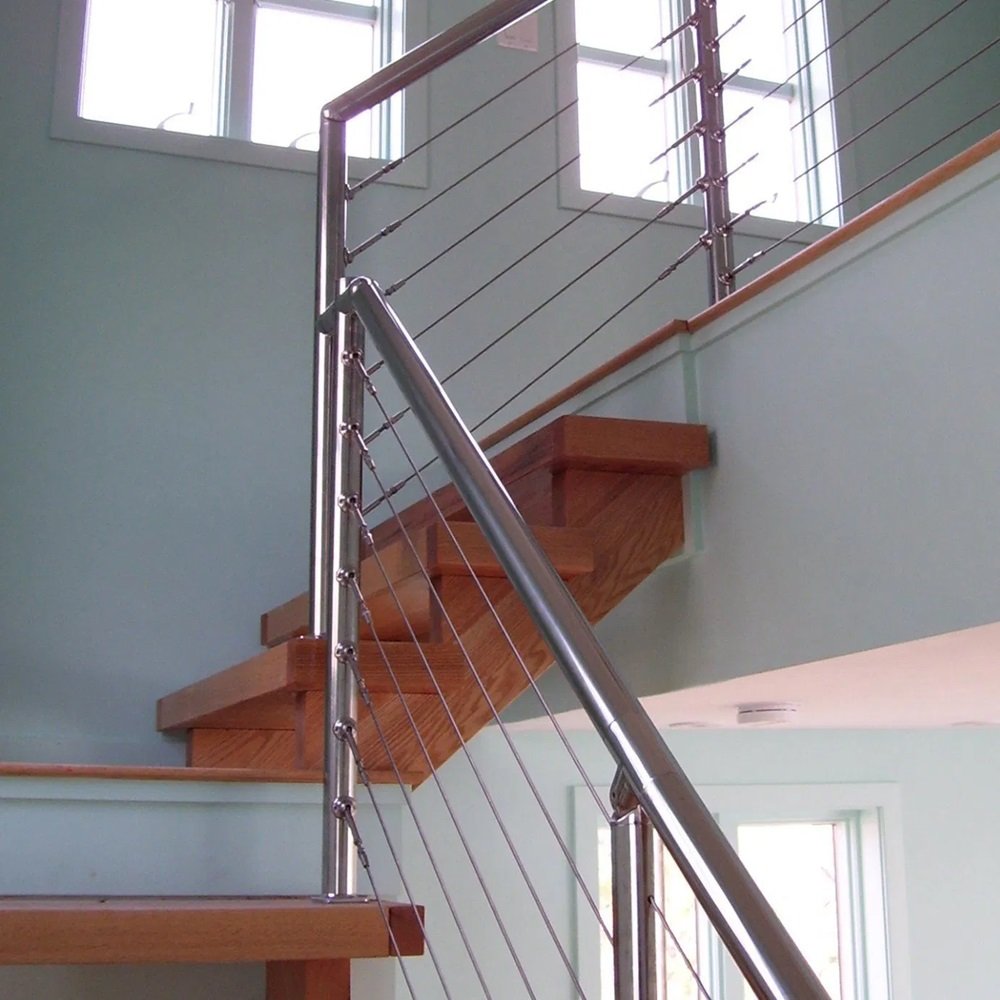
The system functions through tension. Each cable must be properly tightened to prevent sagging and maintain the required spacing. Most systems use either swage fittings (permanently crimped) or mechanical fittings (adjustable) at the cable ends. The cable wire railing system from Unikim incorporates adjustable tensioning mechanisms that allow you to maintain proper cable tautness over time as natural settling occurs.
Why Maintenance Matters for Your Cable Wire Railing System
Maintaining your Cable Wire Railing System is essential for several reasons:
- Prevents Corrosion: Stainless steel cables are resistant to rust, but exposure to harsh weather conditions can still cause wear over time.
- Ensures Safety: Loose or damaged cables can compromise the safety of your railing.
- Maintains Aesthetics: Regular cleaning keeps your railing looking new and enhances the overall appeal of your space.
Step-by-Step Guide to Maintaining Your Unikim Cable Wire Railing System
Regular Cleaning
Dirt, dust, and grime can accumulate on your Cable Wire Railing System, especially in outdoor environments. Here’s how to clean it effectively:
- Materials Needed: Mild soap, warm water, soft cloth or sponge, and a soft-bristle brush.
- Steps:
- Mix mild soap with warm water.
- Dip the cloth or sponge into the solution and gently wipe the cables and posts.
- Use a soft-bristle brush for hard-to-reach areas.
- Rinse with clean water and dry with a soft cloth to prevent water spots.
Avoid using abrasive cleaners or steel wool, as they can scratch the stainless steel surface.
Inspecting for Damage
Regular inspections help identify potential issues before they become major problems.
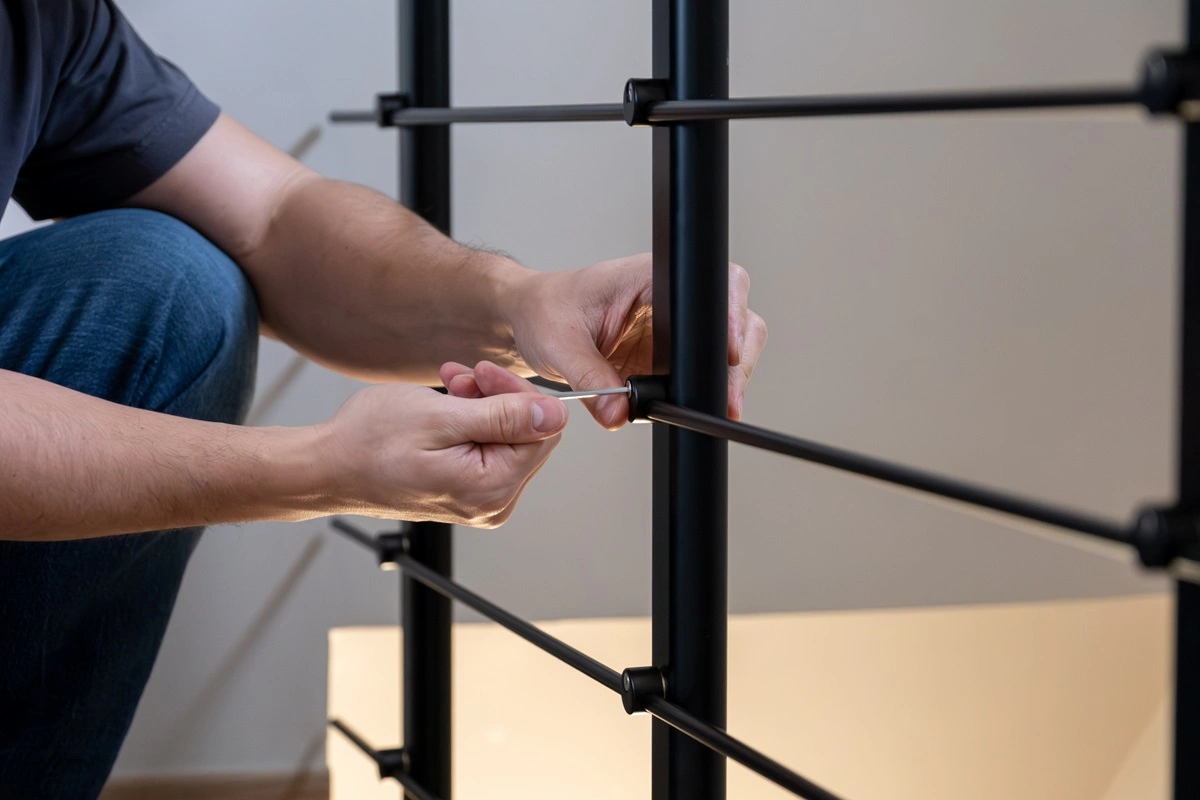
- Check for Loose Cables: Ensure all cables are properly tensioned. If any cable feels loose, tighten it using the appropriate tools.
- Look for Corrosion: Inspect the cables and hardware for signs of rust or wear. Replace any damaged components immediately.
- Examine Posts and Anchors: Ensure the posts and anchors are securely fastened and free from cracks or damage.
Lubricating Moving Parts
If your Cable Wire Railing System includes moving parts, such as removable handrails, lubricate them periodically to ensure smooth operation. Use a silicone-based lubricant for best results.
Protecting Against Weather
While stainless steel is weather-resistant, extreme conditions can still affect its longevity.
- Apply a Protective Coating: Consider applying a stainless steel protectant to shield the cables from moisture and salt air.
- Cover During Harsh Weather: If possible, cover your railing during storms or heavy snowfall to minimize exposure.
Replacing Worn Components
Over time, certain parts of your Cable Wire Railing System may need replacement.
- Cables: If a cable becomes frayed or loses tension, replace it with a new one.
- Hardware: Inspect screws, bolts, and anchors regularly. Replace any that show signs of wear.
Inspecting Your Cable Railing System
Regular inspections catch potential problems before they compromise safety or require expensive repairs. Schedule thorough inspections at least twice yearly—spring and fall work well for most climates. Additionally, perform quick visual checks monthly, especially after severe weather events.
Cable Tension Assessment
Proper cable tension prevents sagging and maintains code-compliant spacing. To check tension, press firmly on a cable midway between posts with your thumb. The cable should feel taut with minimal deflection—generally less than 1/4 inch of movement. Excessive movement indicates the cable needs retensioning.
Cable sag becomes more apparent when you sight down the length of the railing. All cables should run parallel to each other and to the top rail without dips or waves. Pay particular attention to longer spans, as cables naturally sag more over greater distances. The best cable railing system for decks incorporates intermediate posts at appropriate intervals to minimize this issue.
Check the spacing between cables with a 4-inch sphere (a small ball works perfectly). The sphere shouldn’t pass through anywhere along the railing length. Focus on the middle of each span where sagging is most likely. Building codes specify this requirement to prevent small children from slipping through or getting their heads stuck.
Hardware and Connection Points
Terminal posts bear the greatest load in a cable railing system, so inspect their mounting hardware carefully. Check that all lag screws, through-bolts, or flange mounting hardware remain tight. Look for any movement when you push firmly against the post—there should be none. For wood-mounted systems, examine the wood around mounting points for signs of rot, splitting, or deterioration.
Intermediate posts also deserve attention. These posts typically don’t carry as much load but still need secure mounting. Check that set screws or other fasteners holding posts to top and bottom rails remain snug. Verify that decorative post caps are secure and haven’t worked loose.
Examine all cable end fittings and tensioning hardware. Look for signs of corrosion, cracks in the metal, or threads that appear stripped or damaged. Turn each tensioning fitting slightly—it should turn smoothly with consistent resistance. If a fitting turns easily with no resistance, the cable may have broken internally or the threads may be damaged.
Surface Condition Evaluation
Walk the entire length of your railing system examining the surface condition of all components. Look for any signs of corrosion beyond minor surface discoloration. Pitting—small holes or craters in the metal surface—indicates more serious corrosion that needs addressing. While surface tea staining is cosmetic, pitting can compromise structural integrity.
Check for scratches, dents, or damage to cables and posts. Deep scratches that penetrate the passive oxide layer can become corrosion initiation points. While minor surface scratches are inevitable and generally harmless, deeper damage warrants attention.
Inspect around dissimilar metal junctions. When stainless steel contacts carbon steel, aluminum, or other metals, galvanic corrosion can occur. Look for unusual discoloration, rust, or deterioration at these connection points. Proper installation uses isolating washers or bushings to prevent this, but verify these remain in place and intact.
How to Inspect Cable Tension Properly
Cable tension plays a big role in safety and appearance.
What to Look For:
- Visible sagging
- Cables vibrating in the wind
- Posts leaning outward
- Loose hardware
Use your tension gauge and adjust as needed.
If installing new hardware, review:
https://urailing.com/product/cable-wire-railing-systems-hardwares-for-deck-stair-railing/
Tools and Products for Cable Railing Maintenance
Having the right tools and products makes maintenance easier and more effective. Build a basic maintenance kit to keep on hand.
Cleaning Supplies
Mild dish soap serves for routine cleaning. Choose phosphate-free varieties without added moisturizers or harsh chemicals. A bucket, soft sponges, and microfiber cloths complete the basic cleaning kit.
For specialized cleaning, keep stainless steel cleaner on hand. Bar Keeper’s Friend powder offers excellent value and effectiveness for removing tea staining. Marine-grade stainless steel cleaner provides even more aggressive cleaning power when needed. White vinegar works well for mineral deposits and water spots.
Non-abrasive scrubbing pads (white or blue) help with stubborn stains without scratching the finish. Never use steel wool, abrasive scouring pads, or wire brushes on stainless steel—these can embed iron particles that will rust.
Maintenance Tools
A socket wrench set or adjustable wrenches in common sizes (1/2″ and 9/16″ typically) allows you to retension cables. Some installers prefer a cordless ratchet for faster work, though hand tools provide better tension control.
A 4-inch diameter ball or sphere helps verify code-compliant cable spacing. You can purchase plastic test spheres designed specifically for this purpose or use a sports ball of appropriate size.
A cable tension gauge provides objective tension measurements rather than relying on feel. While not necessary for basic maintenance, tension gauges help achieve consistent results, especially when replacing cables or performing major maintenance.
Protective Products
Quality carnauba paste wax protects stainless steel without building up or interfering with the protective oxide layer. Apply twice yearly or more often in harsh environments. Marine-grade waxes designed for stainless steel fittings on boats work excellently for cable railings.
For extreme environments, specialized stainless steel protective coatings offer additional protection. Products like Boeshield T-9 create a protective film that displaces moisture. Apply sparingly and buff well to avoid residue buildup.
Anti-seize lubricant helps prevent threaded hardware from seizing due to corrosion. Apply sparingly to threads during installation or whenever you disassemble and reassemble hardware. Choose marine-grade anti-seize that won’t promote galvanic corrosion.
Different Cable Railing Configurations
Maintenance needs vary somewhat based on your specific installation. Understanding these differences helps target your efforts effectively.
Deck Railings
Deck-mounted cable railings face full weather exposure. These systems require the most vigilant maintenance, particularly in harsh climates. The DIY cable railing systems for decks from Unikim incorporate marine-grade materials specifically for outdoor durability, but still benefit from regular care.
Pay particular attention to the deck surface around post mounting points. Water can penetrate around mounting hardware, leading to wood rot in wooden decks or corrosion in steel decking. Ensure proper flashing and sealing during installation, and inspect these areas regularly.
Stair Railings
Stair-mounted cable systems experience different stress patterns than horizontal deck railings. The inclined installation means gravity works differently on the cables. You may notice that top cables on stairs maintain tension better than lower cables due to the geometry.
Handrails on stair systems receive more direct contact than deck railings. Fingerprints, oils from hands, and general handling can affect the finish more rapidly. Increase cleaning frequency for handrails and consider applying protective wax coatings more often.
Interior Applications
Indoor cable railings face fewer environmental challenges but aren’t maintenance-free. Dust accumulation, fingerprints, and occasional impact from furniture or activities require attention. The benefit is that cleaning can be less frequent and less aggressive than outdoor systems.
Interior systems can sometimes use lower-grade stainless steel (304 instead of 316) since corrosion resistance is less demanding. However, the maintenance principles remain the same. Regular dusting and occasional cleaning maintain appearance without specialized products.
Balcony and Loft Railings
These installations combine aspects of both deck and interior railings. Covered balconies enjoy some weather protection while still experiencing outdoor conditions. Adjust maintenance frequency accordingly—more than interior systems but potentially less than fully exposed deck railings.
Height is a consideration for balcony railings. Upper-level installations may be more difficult to access for maintenance. If you’re uncomfortable working at heights, this is one situation where professional maintenance services make sense.
Where to Find Quality Cable Railing Kits
If you’re looking for a reliable cable railing kit, Unikim offers a range of options for decks, stairs, and patios. Check out their Outdoor Wire Rope Railing System or Cable Wire Railing Systems Hardware for high-quality, easy-to-install solutions.
Summary
Maintaining your Unikim Cable Wire Railing System is simple yet essential for ensuring its longevity, safety, and aesthetic appeal. Regular cleaning, inspections, and timely repairs can keep your railing in top condition for years to come. Whether you’re using a cable railing kit from Amazon or a custom-designed system from Unikim, these tips will help you get the most out of your investment.
For more information on Cable Wire Railing Systems, visit Unikim’s official website or explore their range of products, including Stainless Steel Cable Systems and Removable Handrail Brackets.
By following this guide, you can enjoy the beauty and functionality of your Cable Wire Railing System for years to come. For any further assistance, feel free to contact Unikim or explore their YouTube channel for helpful tutorials.
FAQs
1. How often should I clean my Cable Wire Railing System?
Light cleaning every month and deep cleaning every season helps the railing stay bright.
2. What causes discoloration on stainless steel?
Moisture, salt, humidity, and pollutants.
3. Can I use bleach or acidic cleaners?
No. They damage stainless steel and accelerate corrosion.
4. Can I tighten cables myself?
Yes, with the right tools and adjustment guide.
5. Is a cable railing kit from Amazon compatible?
Some kits fit, but Unikim uses higher-grade materials. For guaranteed compatibility, browse:
6. How long does a Cable Wire Railing System last?
With proper care, several decades
7. Does rain damage cable railing?
Not directly, but dried minerals can cause spots.
8. Do I need professional maintenance?
Not usually, but yearly inspection is a good idea.