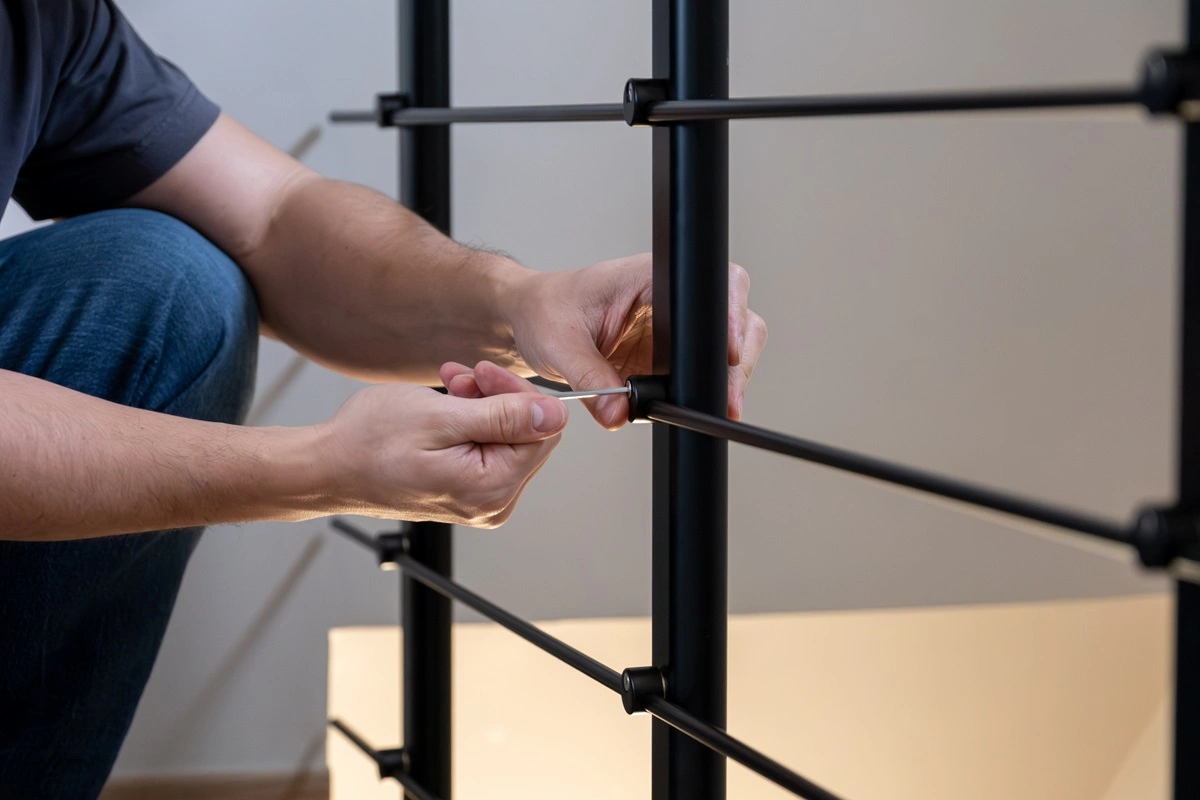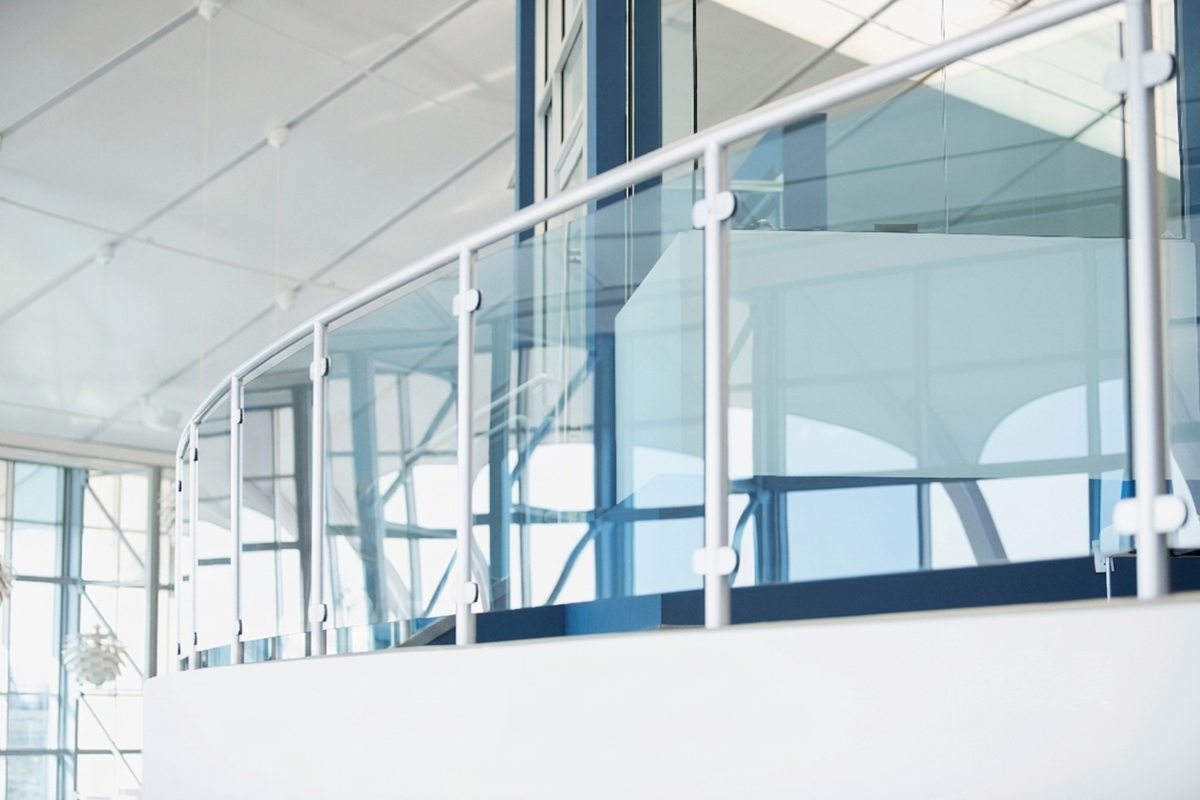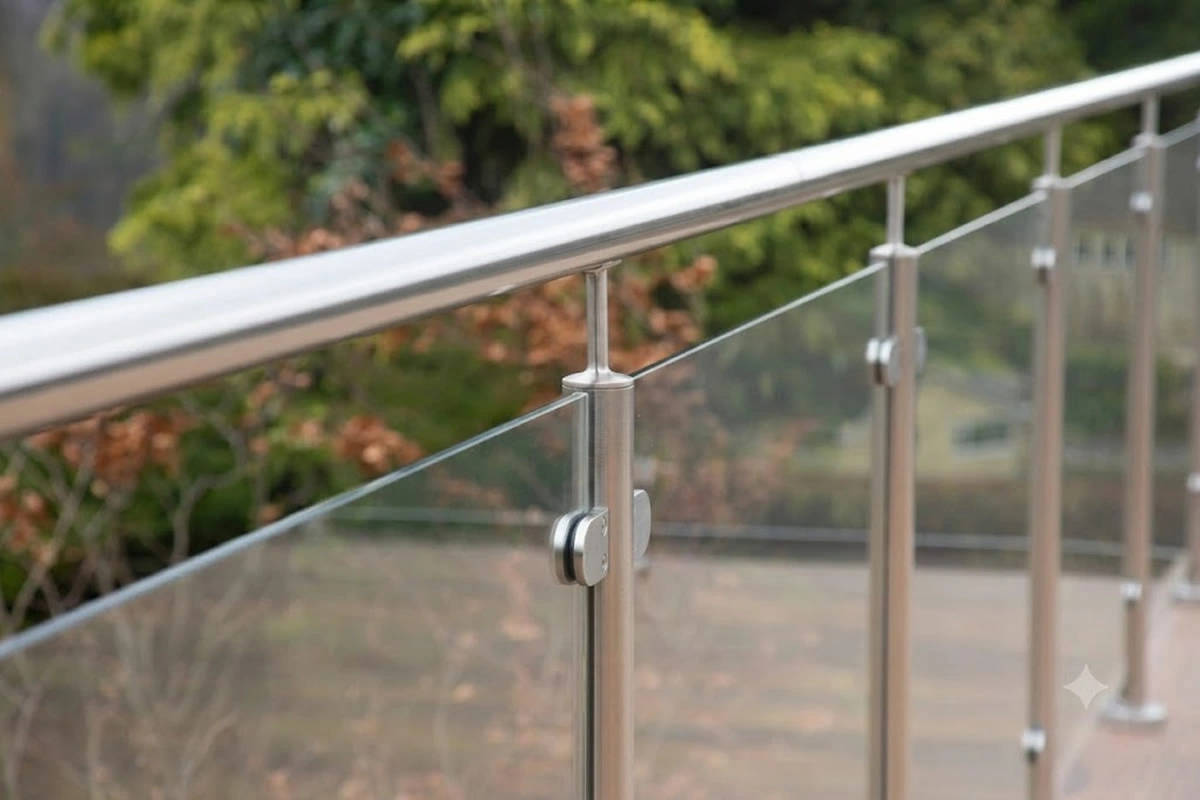
Over the past few years, matte black handrail systems have become one of the most searched architectural trends in North America and Europe. Architects and developers increasingly prefer black stainless steel railing systems for their minimalist aesthetic, durability, and compatibility with glass railing structures.
Compared with traditional brushed stainless steel, matte black stainless steel handrails offer:
- Stronger visual contrast
- A premium modern appearance
- Better integration with glass panels
- Increased design flexibility for residential and commercial projects
If you are a developer, architect, contractor, or distributor looking to source premium railing solutions, this comprehensive guide will help you understand materials, finishes, technical standards, indoor and outdoor performance, and how to choose a reliable manufacturer like UNIKIM.
What Is a Matte Black Stainless Steel Handrail?
A matte black handrail system is typically manufactured from:
- 304 stainless steel (indoor applications): Ideal for indoor applications and protected outdoor environments. This grade offers excellent corrosion resistance for most conditions and provides a cost-effective solution for residential projects.
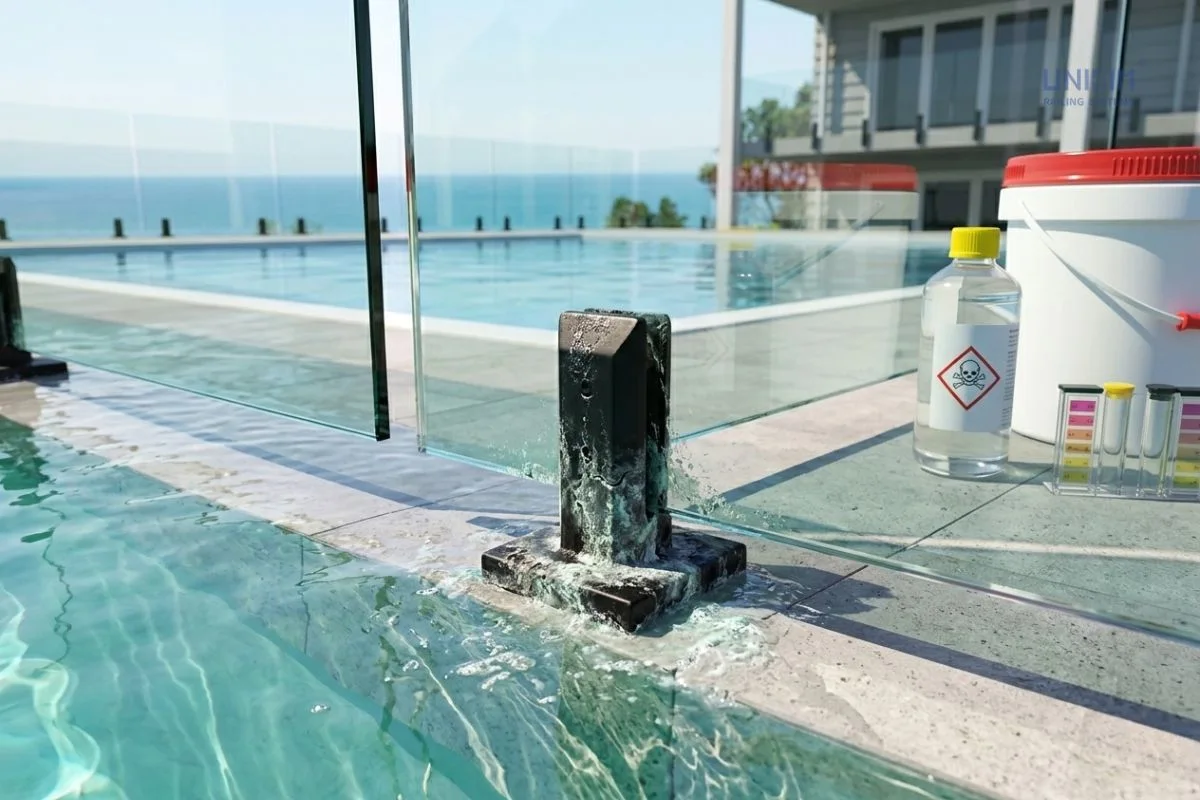
- 316 marine grade stainless steel (outdoor & coastal projects): Essential for outdoor applications, especially in coastal areas or environments with high humidity or exposure to de-icing salts. The addition of molybdenum in 316 stainless steel significantly enhances its resistance to chloride corrosion.
The black finish is achieved through:
- Powder coating
- PVD coating
- Advanced anti-corrosion surface treatment
These processes ensure:
- UV resistance
- Scratch resistance
- Corrosion resistance
- Long-term color stability
For commercial or coastal projects, 316 stainless steel matte black railing systems are strongly recommended.
Technical Specifications of Black Railing Systems
When sourcing a professional black railing supplier, key technical parameters should include:
| Specification | Standard |
| Material | AISI304 / AISI316 |
| Surface Finish | Matte Black Powder Coated |
| Salt Spray Test | 500–1000 hours |
| Load Bearing | Compliant with US / EU building code |
| Application | Balcony, Staircase, Terrace |
Professional manufacturers should also provide:
- Structural load testing reports
- Material certificates
- Welding quality assurance
- ISO production standards
Indoor vs. Outdoor Applications: Selecting the Right Matte Black Handrail System
The environment where your handrail system will be installed significantly impacts the materials and finishes you should choose. Let’s explore the specific considerations for both indoor and outdoor applications.
Indoor Matte Black Handrail Applications
Indoor environments offer more flexibility in material selection, as they’re protected from direct weather exposure. For indoor matte black handrail systems:
Common Applications Include:
- Residential staircases and landings
- Commercial office buildings and retail spaces
- Mezzanines and loft-style interiors
- Museums and galleries where aesthetic appeal is paramount
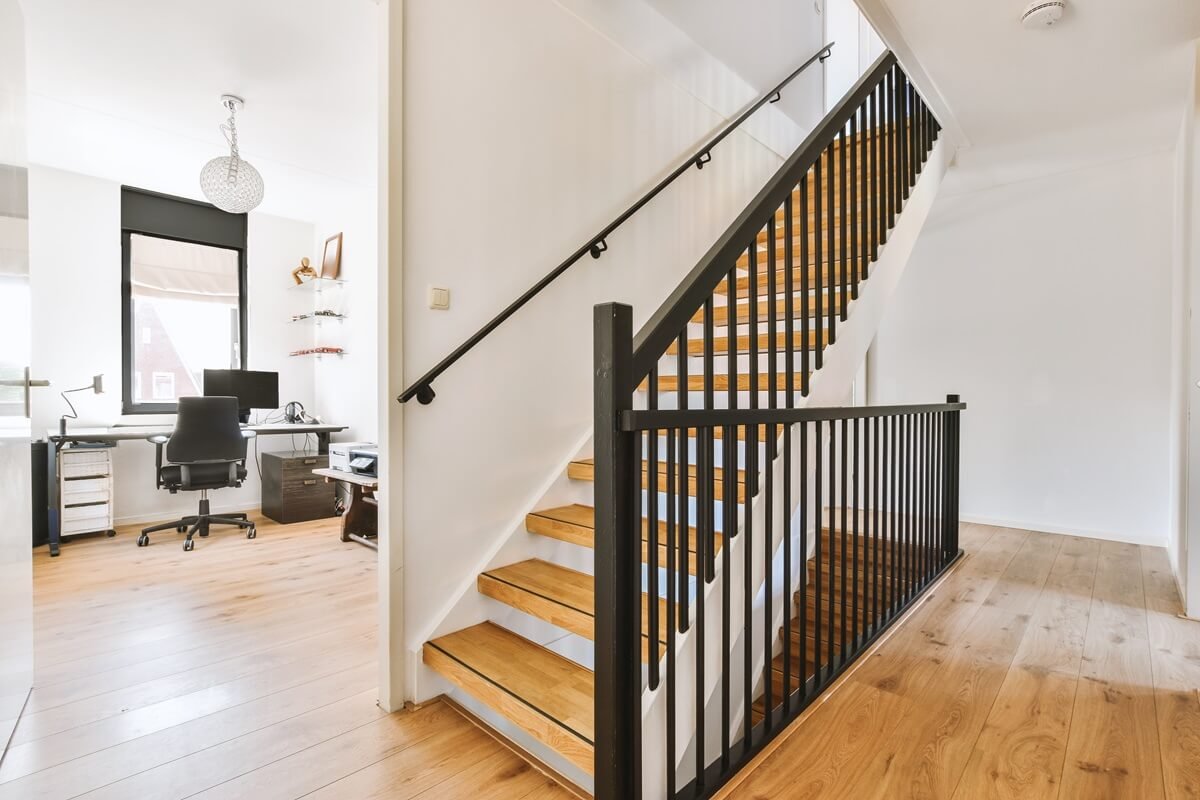
Material Recommendations: For indoor applications, 304 stainless steel with a high-quality powder coating typically provides sufficient durability while offering cost efficiency. The matte black finish creates a striking contrast against interior elements while providing a warm, sophisticated feel that complements various design styles.
Design Considerations: Indoor handrail systems often focus more on aesthetic appeal and integration with interior design elements. The matte black finish pairs exceptionally well with:
- Light-colored walls and surfaces
- Natural wood elements
- Glass partitions and railings
- Modern minimalist interiors
Outdoor Matte Black Handrail Applications
Outdoor environments present significantly more challenges due to exposure to weather elements, temperature fluctuations, and potentially corrosive conditions. For outdoor matte black handrail systems:
Common Applications Include:
- Apartment and condominium balconies
- Rooftop terraces and outdoor dining areas
- Coastal properties and marine environments
- Public walkways and exterior staircases
Material Recommendations: For outdoor applications, 316 marine-grade stainless steel is strongly recommended, even in non-coastal areas. The additional corrosion resistance provided by 316 stainless steel ensures longevity and maintains appearance despite exposure to rain, humidity, and pollutants.
Critical Features for Outdoor Applications:
- Enhanced UV protection to prevent fading
- Superior corrosion resistance for salt air environments
- Thermal stability to handle temperature extremes
- Non-porous surface finish to resist moisture penetration
For outdoor use, always select:
- 316 stainless steel
- Anti-UV coating
- Enhanced anti-rust protection
This significantly extends product lifespan in humid or marine environments.
At UNIKIM, we offer specialized outdoor matte black handrail systems with enhanced protection features specifically designed to withstand harsh environmental conditions while maintaining their aesthetic appeal.
Why Developers Choose Matte Black Handrail Systems
1. Architectural Impact
Matte black pairs beautifully with frameless glass systems. When combined with modern glass clamp assemblies (learn more here: https://urailing.com/what-are-glass-clamp-systems/), the result is a floating visual effect.
2. Premium Property Positioning
Luxury residential developments increasingly feature Matte Black Handrail Systems because they photograph well and enhance marketing materials.
3. Design Versatility
They integrate with:
- Glass panels
- Cable railing systems
- Stainless posts
- Aluminum frames
For bracket selection guidance,
4. Lower Maintenance
High-quality matte finishes reduce fingerprint visibility and cleaning frequency compared with polished stainless steel.
Matte Black vs Brushed Stainless Steel: Which Is Better?
| Feature | Matte Black | Brushed Stainless |
| Visual Impact | Modern & bold | Classic & neutral |
| Market Trend | High growth | Stable |
| Outdoor Durability | Excellent (316) | Excellent |
| Scratch Visibility | Lower | Medium |
For high-end real estate and commercial projects, matte black railing systems are increasingly preferred.
OEM & Custom Matte Black Handrail Manufacturing
If you are a distributor, contractor, or project developer, selecting the right OEM manufacturer is critical. As a leading stainless steel railing manufacturer, UNIKIM provides end-to-end support for architects and distributors.
Look for a supplier who offers:
- Custom dimensions
- Logo engraving
- Packaging customization
- Engineering support
- Fast production lead time
Our Manufacturing Edge
- Customization: We offer custom matte black handrail systems tailored to your specific architectural drawings.
- Quality Control: Every batch undergoes rigorous salt spray and load-bearing testing.
- Comprehensive Range: From golden handrail brackets for a touch of luxury to standard 316 stainless steel brackets, we provide the hardware that completes the vision.
For more inspiration on modern railing trends, you can explore the history of balusters on Wikipedia or watch our latest installation guides on the UNIKIM YouTube channel.
A reliable stainless steel railing manufacturer should provide full technical drawings and export compliance documentation.
Choosing the Right Matte Black Handrail Supplier
Before placing bulk orders, verify:
- Factory certifications
- Surface treatment process
- Quality inspection procedure
- Export experience to US/EU markets
Reliable suppliers will offer:
- Welding quality control
- Material traceability
- Project references
Request a Custom Quote for Matte Black Handrail Systems
If you are sourcing matte black stainless steel handrail systems for residential or commercial projects, our engineering team can assist with:
- Product recommendation
- Custom drawings
- Project quotation
- Sample support
- Request a Quote Today
- Download Product Catalog
- Ask for OEM Pricing
Summary: Why Matte Black Handrail Systems Are the Smart Choice
Matte Black Handrail Systems combine structural strength, modern aesthetics, and long-term durability. They enhance residential and commercial spaces while supporting glass, stainless steel, and cable railing designs.
For developers and distributors, selecting a reliable manufacturer like UNIKIM ensures consistent quality, engineering support, and export-ready compliance.
If you are planning a modern staircase, balcony, terrace, or commercial railing project, Matte Black Handrail Systems offer the perfect balance of style and performance.
To request a quotation or technical consultation, visit:
FAQs
1. Are Matte Black Handrail Systems durable outdoors?
Yes. When manufactured from 316 stainless steel with professional powder coating, Matte Black Handrail Systems withstand marine and high-humidity environments for many years.
2. Do Matte Black Handrail Systems scratch easily?
High-quality coatings offer strong scratch resistance. However, improper installation tools can damage any Matte Black Handrail Systems surface.
3. Can Matte Black Handrail Systems be combined with glass panels?
Absolutely. Matte Black Handrail Systems integrate seamlessly with frameless glass railing structures, creating a clean and modern appearance.
4. What is the typical OEM production lead time?
Most large-scale Matte Black Handrail Systems orders require 50–60 days, depending on customization level and volume.
5. Are Matte Black Handrail Systems compliant with US and EU building codes?
Professional-grade Matte Black Handrail Systems meet load-bearing standards required by US and European building codes when properly engineered.