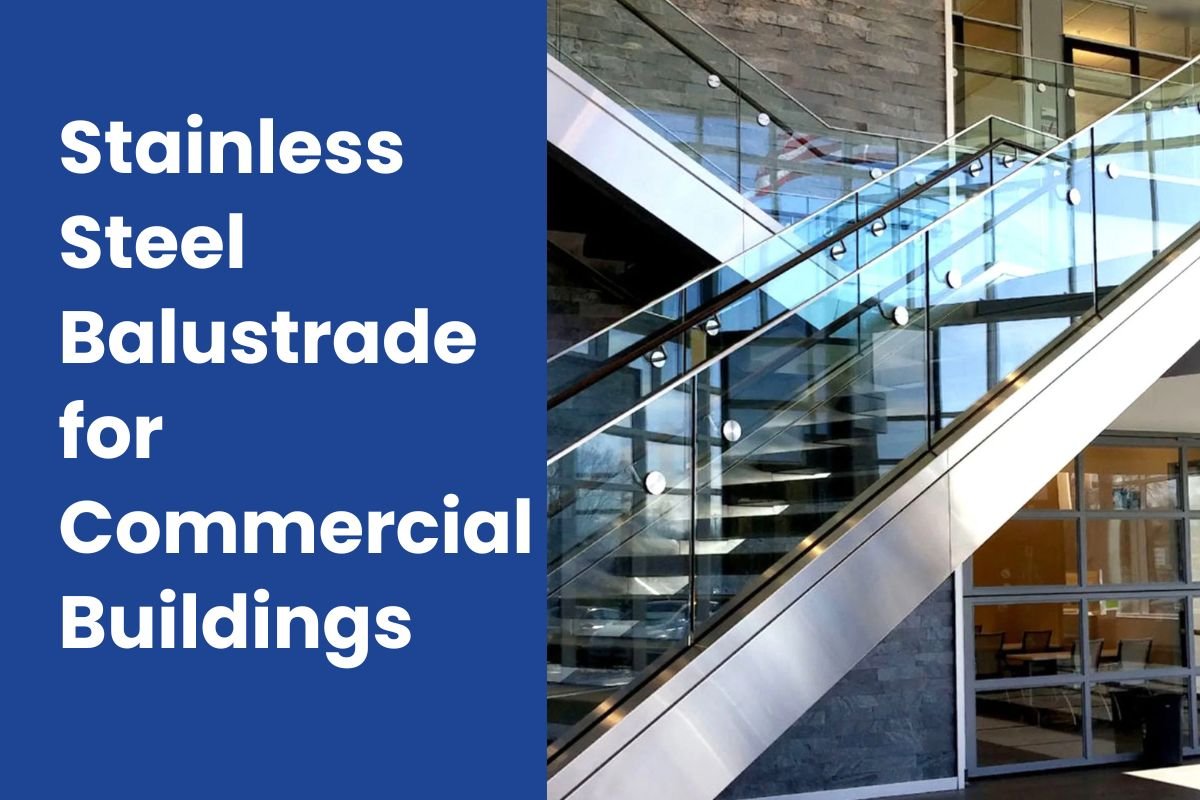
Commercial buildings are judged in seconds. People notice the entrance, the staircases, the balconies, and the safety features long before they read a sign or meet a receptionist. That’s why choosing the right stainless steel balustrade matters more than many architects and property managers realize.
In modern commercial environments—office towers, hotels, shopping malls, airports, hospitals, and mixed-use developments—balustrades are not just protective barriers. They are structural design statements. They shape how a space feels, how long it lasts, and how safe it remains under daily heavy use.
A well-designed stainless steel balustrade delivers strength, corrosion resistance, visual clarity, and long-term savings. It fits contemporary architecture without overpowering it. And when specified correctly, it easily meets strict commercial building codes across regions.
This in-depth guide explores why stainless steel balustrades dominate commercial projects, how they compare to other railing systems, what standards matter most, and how to select the right fittings for lasting performance.
Why Stainless Steel Balustrade Systems Are Ideal for Commercial Buildings
Commercial spaces demand materials that perform under pressure. Unlike residential buildings, commercial structures face constant foot traffic, environmental exposure, and regulatory scrutiny. A stainless steel balustrade meets all three demands with confidence.
Stainless steel’s defining strength lies in its chromium content, which forms a self-healing oxide layer. This layer protects the metal from corrosion, even when scratched or exposed to moisture. According to data referenced in the Wikipedia article on stainless steel, this corrosion resistance is what makes stainless steel essential in architecture, medical environments, and transportation hubs.
From a design perspective, stainless steel feels clean and timeless. It complements glass, concrete, wood, and stone without competing visually. That balance is critical in commercial buildings where branding, lighting, and open sightlines matter.
From a safety standpoint, stainless steel offers excellent load-bearing capacity. It performs well under lateral forces, making it ideal for staircases, balconies, and mezzanines.
Why Choose a Stainless Steel Balustrade?
When planning a commercial building project, one of the most important decisions involves selecting the right railing system. The choice impacts not only safety but also the overall design appeal of the property. Here’s why a stainless steel balustrade stands out as the best option:
1. Unmatched Durability
Stainless steel is engineered to resist corrosion, rust, and wear, making it ideal for high-traffic commercial environments. Unlike wood or iron, it doesn’t warp or weaken over time. For example, Unikim’s stainless steel balustrade kits are designed to last for decades without losing their shine.
2. Modern Aesthetic Appeal
Commercial spaces thrive on contemporary design. Stainless steel balustrades provide a sleek, polished look that pairs beautifully with glass, concrete, or wood. If you’re considering a stylish combination, explore custom glass balustrade fittings to achieve a seamless modern finish.
3. Low Maintenance Costs
Property managers appreciate solutions that reduce upkeep. Stainless steel requires minimal cleaning—just soap and water—making it a cost-effective choice for malls, hotels, and office towers.
4. Safety and Compliance
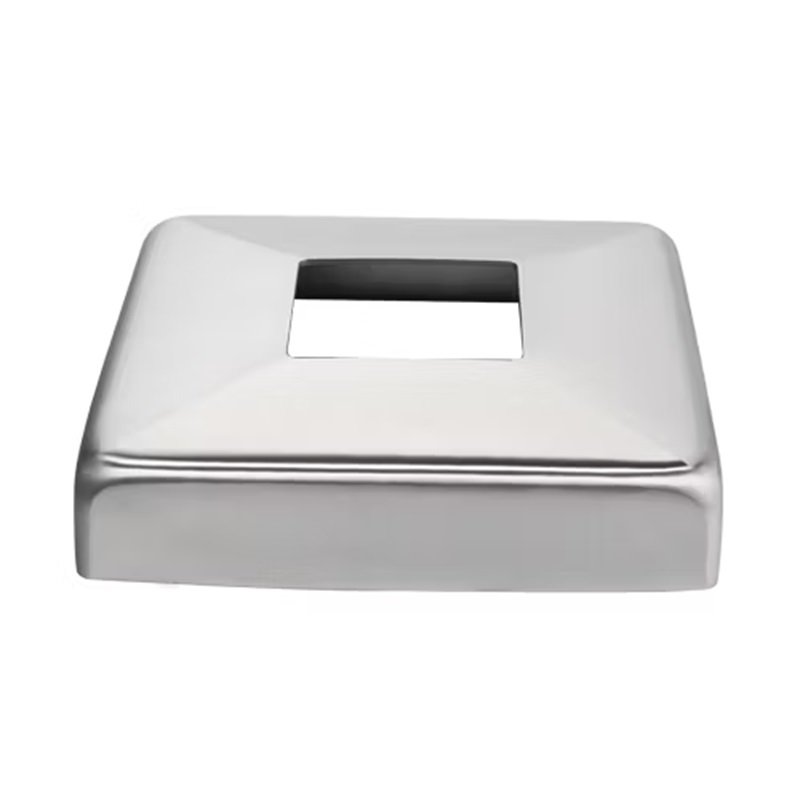
Balustrades are not just decorative; they are essential safety features. Stainless steel provides the strength needed to meet building codes and protect occupants. Products like the Unikim Stainless Steel Handrail Post Tube Bracket ensure secure installations that comply with safety standards.
5. Eco-Friendly Choice
Sustainability is a growing priority in construction. Stainless steel is 100% recyclable, making it an environmentally responsible option for modern architecture.
6. Versatility in Design
From minimalist glass-and-steel combinations to industrial matte finishes, stainless steel balustrades adapt to diverse architectural styles. Explore glass adaptor balustrades for versatile design solutions.
Stainless Steel Balustrade vs Other Commercial Railing Materials
To understand why stainless steel dominates commercial projects, it helps to compare it with common alternatives.
Stainless Steel vs Aluminum Balustrades
Aluminum is lightweight and corrosion-resistant, but it lacks the structural strength required for high-traffic commercial zones. Aluminum systems often need thicker profiles to meet load requirements, which can compromise aesthetics.
A stainless steel balustrade, on the other hand, achieves higher strength with slimmer profiles. That means cleaner lines, better transparency when paired with glass, and longer service life.
Stainless Steel vs Mild Steel Balustrades
Mild steel is strong but vulnerable. Without constant coating and maintenance, it rusts quickly in commercial environments. Over time, repainting and repairs increase lifecycle costs.
Stainless steel eliminates that issue entirely. It does not require paint for protection, making it ideal for indoor and outdoor commercial use.
Stainless Steel vs Glass-Only Systems
Glass alone cannot provide structural stability. Commercial balustrades always rely on a structural frame. Stainless steel provides that frame without visually overwhelming the glass panels.
For projects requiring transparency and safety, stainless steel and glass form one of the most effective architectural pairings available today.
The Role of Balustrades in Commercial Architecture
The term “balustrade” refers to a system of posts, rails, and infill panels designed to prevent falls while maintaining visibility. The word itself originates from the shape of early stone balusters, as explained in the Wikipedia entry on balusters.
In commercial buildings, balustrades serve three core purposes:
Safety compliance is the first priority. Commercial balustrades must meet regional building codes related to height, spacing, load resistance, and handrail continuity.
Visual continuity comes next. Modern commercial design favors open spaces and natural light. A stainless steel balustrade allows architects to protect edges without closing off views.
Brand perception is the final piece. High-quality materials communicate professionalism, durability, and attention to detail—qualities every commercial building wants to project.
Why Stainless Steel Balustrade Systems Excel in High-Traffic Areas
Commercial buildings operate at a different scale. Staircases in office buildings may see thousands of users daily. Shopping malls experience constant lateral pressure along balcony edges. Airports deal with rolling luggage, cleaning machines, and fluctuating temperatures.
A stainless steel balustrade handles all of this without structural fatigue.
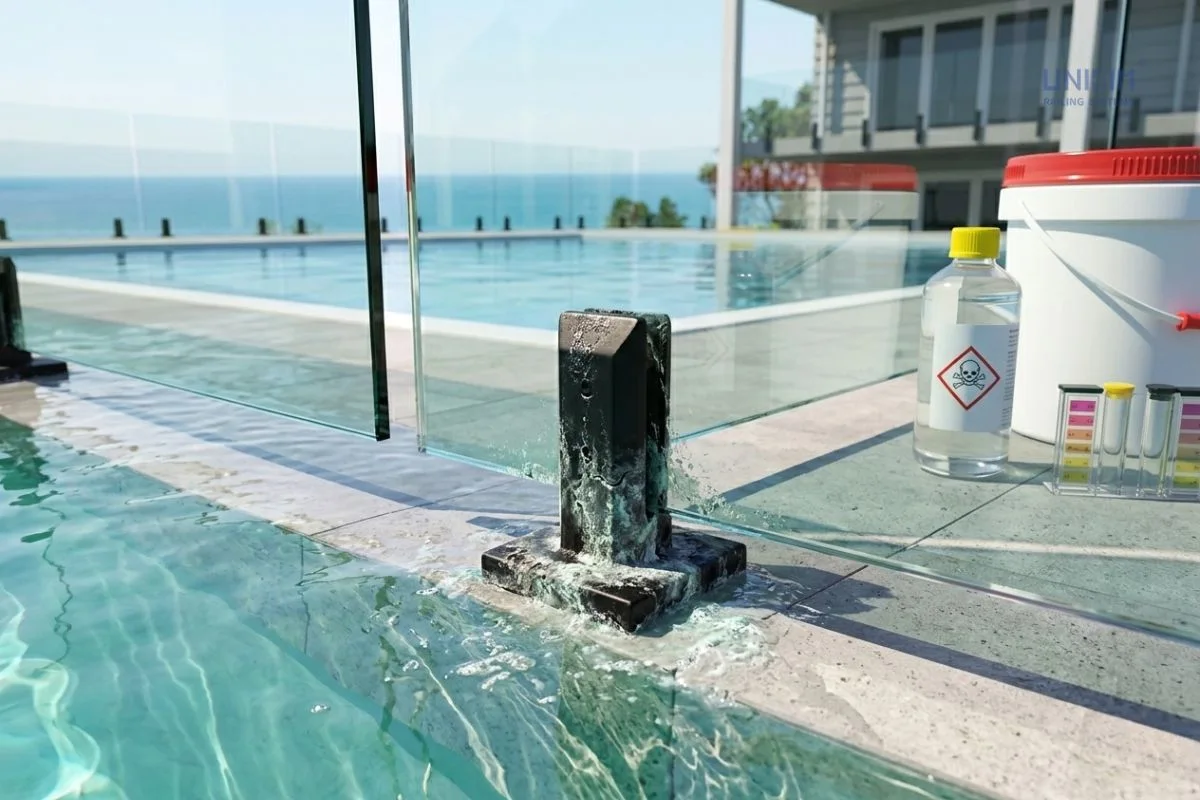
Stainless steel grades like 304 and 316 are widely used in commercial construction. Grade 304 offers excellent corrosion resistance for indoor use, while grade 316 performs better in coastal or high-humidity environments due to its molybdenum content.
This durability translates into real cost savings. Studies on commercial lifecycle costing consistently show that stainless steel components require fewer replacements and repairs over decades of use.
Stainless Steel Balustrade Designs for Modern Commercial Buildings
Design flexibility is one of stainless steel’s strongest advantages.
In office buildings, stainless steel balustrades often appear with frameless or semi-framed glass infills to maintain openness. In hotels, brushed or satin finishes add warmth without sacrificing durability. Retail environments frequently use polished stainless steel accents to reflect light and enhance visual energy.
At URailing, design adaptability is built into the system approach. Their solutions allow architects to select fittings, post styles, and glass adaptors that match both functional needs and visual intent.
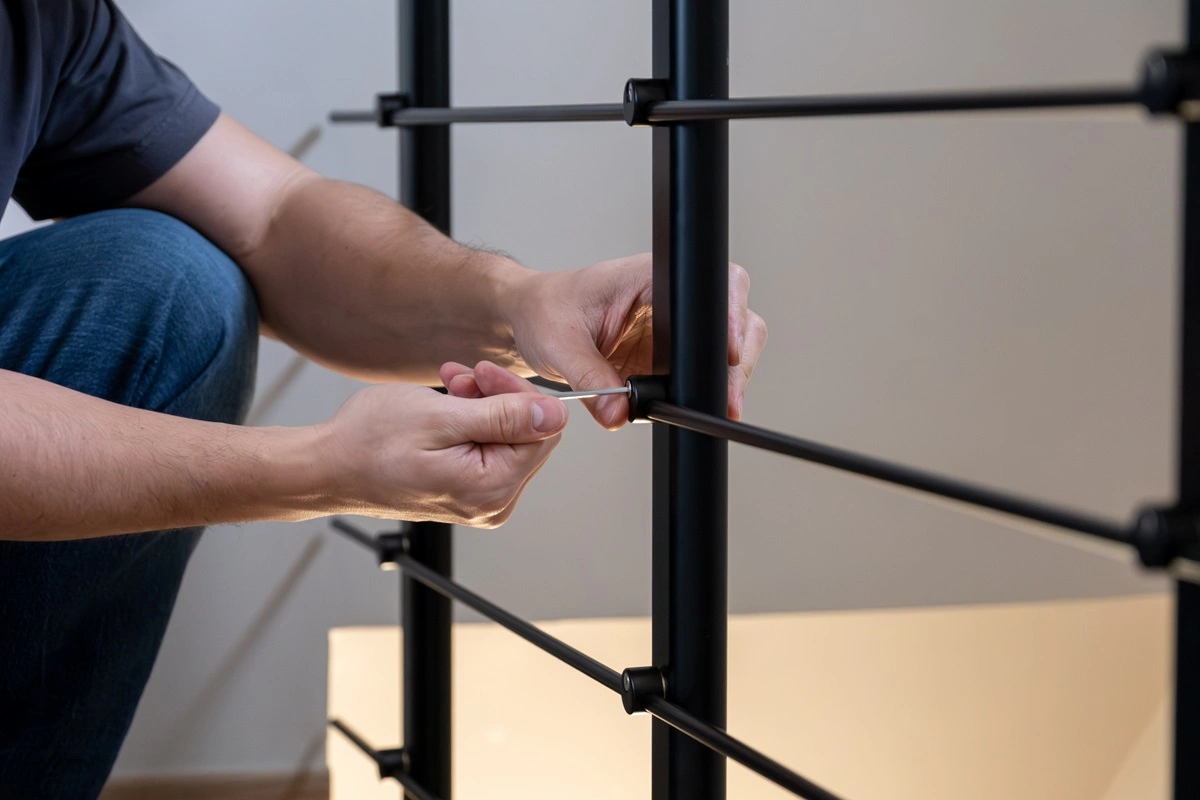
For example, stainless steel through bar holders integrate seamlessly into pipe balustrade systems while maintaining clean horizontal lines. These components are commonly used in commercial staircases and mezzanines where structural clarity matters.
Key Components of a Commercial Stainless Steel Balustrade System
A stainless steel balustrade is more than just posts and rails. Each component plays a role in performance, safety, and appearance.
Handrail posts form the vertical structure. Their spacing, diameter, and anchoring method determine load capacity. Stainless steel posts are commonly anchored using mechanical fasteners or embedded plates, depending on the slab design.
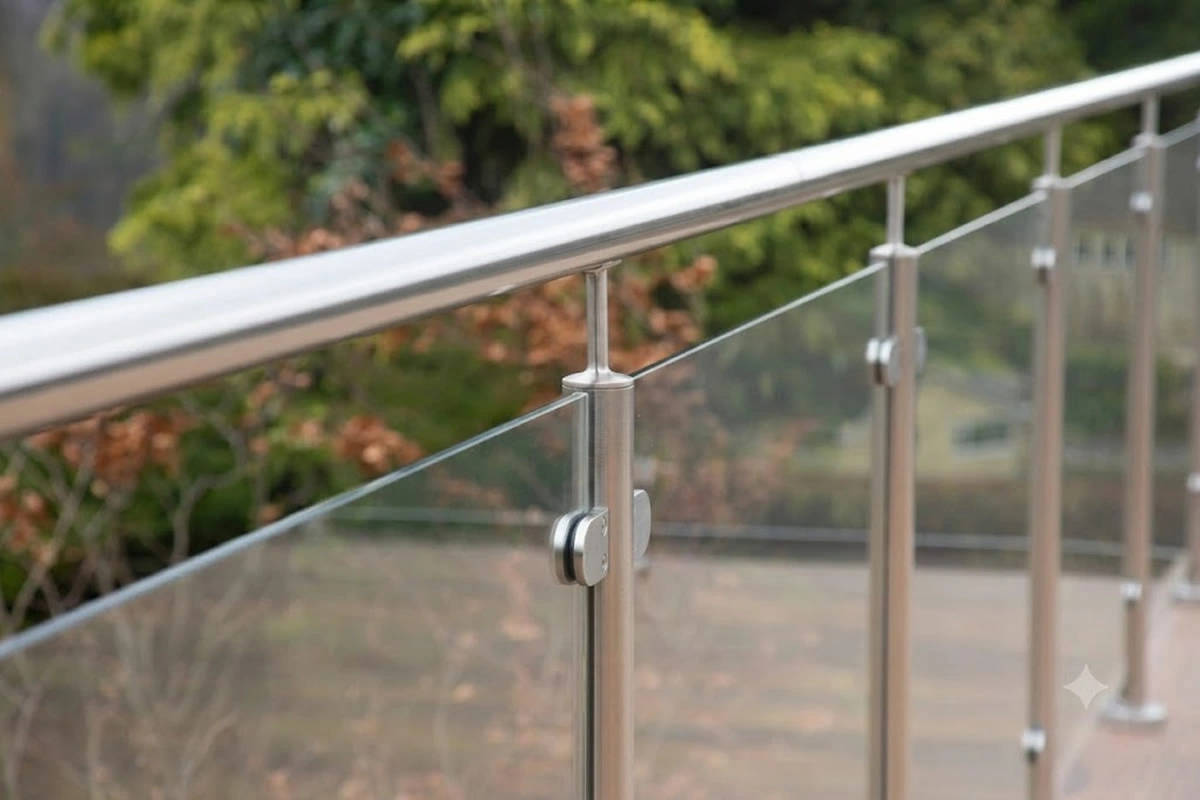
Glass adaptors hold the infill panels securely while allowing slight movement under load. High-quality adaptors distribute pressure evenly across the glass surface, reducing stress points.
Through-bar holders support horizontal rails or pipes. These elements contribute both to safety and design continuity.
URailing offers a wide range of precision-engineered fittings, including the stainless steel through bar holder pipe balustrade railing fittings, which are specifically designed for commercial load requirements.
Stainless Steel and Glass: A Proven Combination for Commercial Safety
Glass has become a defining element of modern commercial architecture. However, glass alone cannot meet safety standards without reliable structural support.
A stainless steel balustrade provides that support while remaining visually discreet.
Glass infill panels are typically made from tempered or laminated safety glass. Stainless steel fittings secure these panels without drilling excessive holes, preserving structural integrity.
If you’re evaluating glass options, URailing’s guide on how to choose the right glass balustrade offers practical insights for commercial projects.
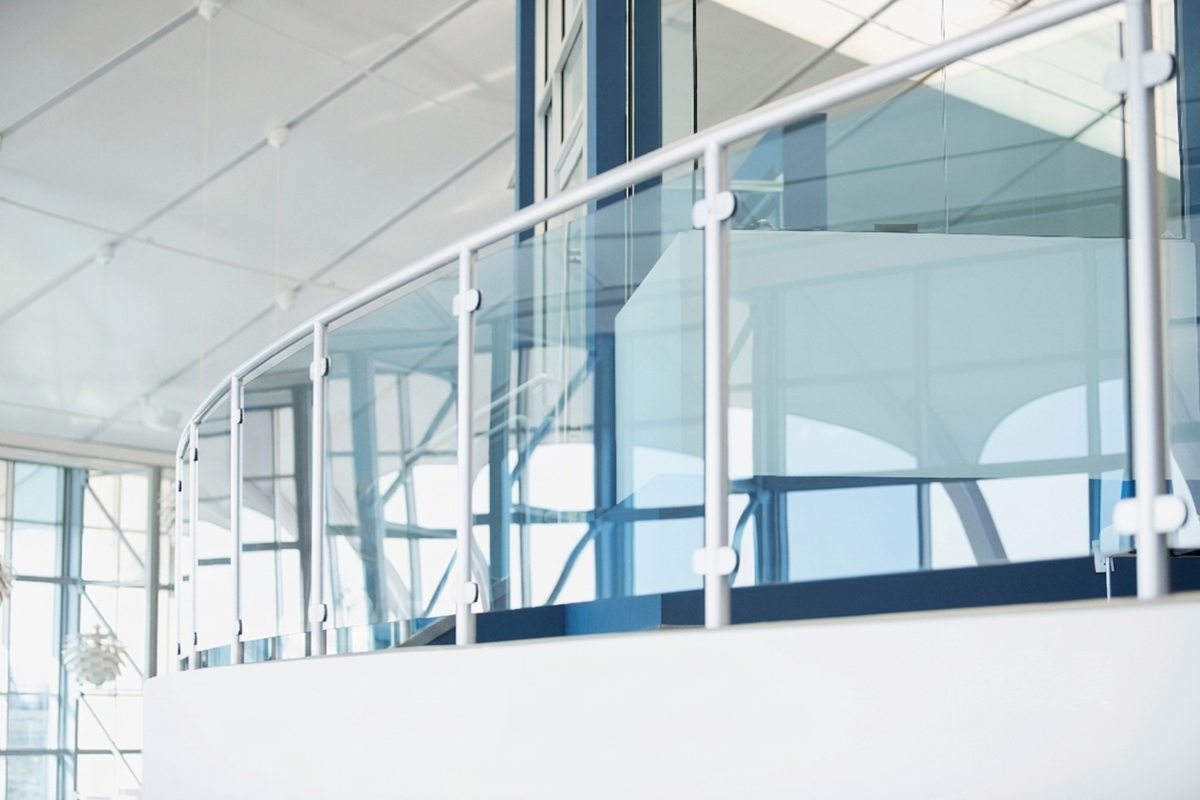
This combination works especially well in atriums, escalator surrounds, and upper-level walkways where uninterrupted sightlines enhance the user experience.
Compliance and Building Codes for Commercial Stainless Steel Balustrades
Commercial balustrades must meet strict regulations. These vary by region, but the principles remain consistent.
Most codes specify minimum height requirements, typically around 1100 mm for commercial applications. Load resistance standards often require balustrades to withstand horizontal loads exceeding 1.5 kN per meter.
A properly designed stainless steel balustrade meets these standards with ease. Its high tensile strength allows slimmer profiles to achieve required load ratings without visual bulk.
Professional manufacturers test fittings and posts under simulated load conditions to ensure compliance. This is where choosing a reliable supplier matters.
Why URailing Stainless Steel Balustrade Systems Stand Out
URailing specializes in stainless steel and glass railing solutions for demanding environments. Their product ecosystem supports customization without compromising safety.
Their stainless steel balustrade kits combine durability with architectural aesthetics, offering a streamlined solution for commercial contractors.
Components like the UNIKIM stainless steel handrail post tube bracket allow for secure installation while maintaining clean visual lines.
For projects requiring tailored solutions, URailing’s custom glass balustrade fittings provide flexibility in spacing, angles, and finishes.
The company’s experience in international manufacturing is reflected in their collaboration with platforms like Made-in-China and educational content on their YouTube channel.
Sustainability and Stainless Steel in Commercial Construction
Sustainability is no longer optional in commercial projects. Stainless steel aligns well with green building goals.
It is 100% recyclable without loss of quality. Many stainless steel products contain a high percentage of recycled content. Its long service life reduces material replacement, lowering environmental impact over time.
A stainless steel balustrade also supports energy-efficient design by enabling open layouts that maximize natural light.
Cost Considerations and Long-Term Value
Stainless steel balustrades may have a higher upfront cost compared to basic materials. However, commercial construction decisions should always consider lifecycle value.
Maintenance costs are minimal. Cleaning usually requires only mild detergents. There is no need for repainting or rust treatment.
When amortized over decades, stainless steel often proves more cost-effective than cheaper alternatives that require frequent repairs or replacements.
Installation Best Practices for Commercial Projects
Precision matters during installation. Even the best stainless steel balustrade system performs poorly if installed incorrectly.
Professional installers ensure proper anchoring, correct post spacing, and consistent handrail alignment. Expansion allowances are also critical in large commercial structures.
URailing provides detailed installation support and technical guidance, helping contractors achieve consistent results across large projects.
Summary
stainless steel balustrade offers unmatched durability, safety, and design flexibility for commercial buildings. It performs under heavy use, meets strict codes, and enhances architectural appeal without demanding ongoing maintenance.
For architects, developers, and facility managers seeking long-term value, stainless steel remains one of the smartest investments in commercial construction.
To explore professional-grade solutions, visit unikim or reach out through their contact page for expert guidance.
FAQs
Are stainless steel balustrades suitable for outdoor commercial buildings?
Yes, a stainless steel balustrade is ideal for outdoor commercial use, especially when using corrosion-resistant grades like 316 stainless steel.
How long does a stainless steel balustrade last in commercial environments?
With proper installation, a stainless steel balustrade can last 30–50 years or more with minimal maintenance.
Do stainless steel balustrades meet commercial safety codes?
A properly engineered stainless steel balustrade meets or exceeds most international commercial building safety standards.
Can stainless steel balustrades be customized for branding?
Yes, a stainless steel balustrade can be customized in finish, profile, and glass integration to align with commercial branding.
Are stainless steel balustrades expensive to maintain?
No, maintaining a stainless steel balustrade is cost-effective and typically requires only routine cleaning.