Choosing the perfect glass balustrade for your architectural or renovation project is more than just selecting a stylish design. It’s about safety, durability, cost‑effectiveness, and long‑term performance. Whether you’re working on a residential balcony, commercial stairway, or outdoor terrace, this complete guide will help you make a confident, informed choice.
In this article, we’ll explore design options, structural considerations, materials, installation tips, and maintenance needs — all while showing how the right glass balustrade can enhance both aesthetics and functionality.
What Is a Glass Balustrade?
A glass balustrade is a transparent barrier used as a safety railing system in stairs, balconies, decks, patios, and other elevated areas.
Unlike traditional railings, glass balustrades offer unobstructed views while safeguarding against falls. They’re ideal for modern architecture and can dramatically improve the perceived space and design flow.
Why Choose a Glass Balustrade?
Glass balustrades are increasingly popular for several reasons. Not only do they create a sleek visual appeal, but they also deliver structural strength and safety that meets modern building standards.
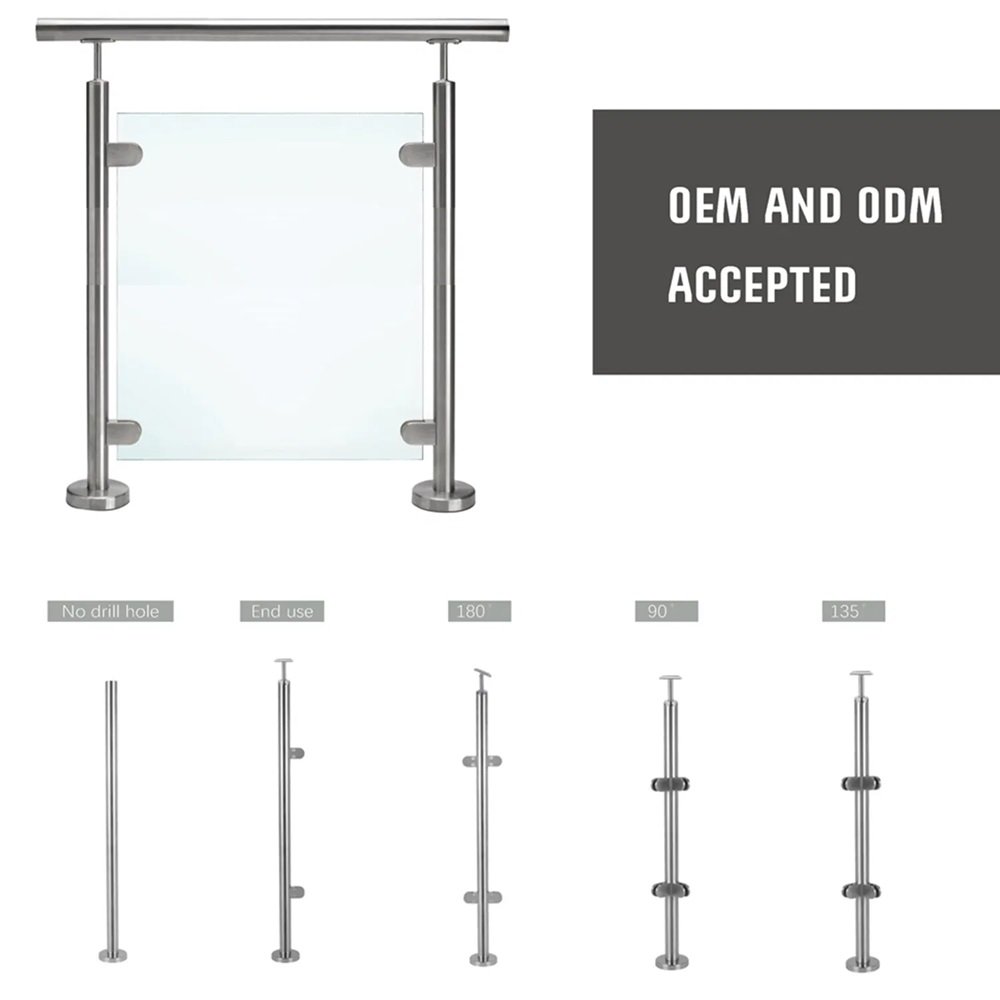
Enhanced Aesthetics
Glass balustrades make areas appear larger and more open. They blend seamlessly with interior and exterior designs — from minimalist homes to luxury resorts.
Clear Views and Natural Light
Glass allows light to travel through without obstruction. Whether it’s a beachfront property or an urban apartment balcony, a glass balustrade preserves the view.
Durability and Safety
High‑quality glass used in balustrade systems is tempered or laminated to resist impact and break safely if ever damaged.
Low Maintenance
Unlike wood railings that rot or metal railings that corrode, glass is easier to clean and stands up to weather changes. You can find expert advice on care methods at How to Maintain Stainless Steel Glass Balustrades.
Glass Balustrade Types: Choosing the Best Style
Design selection depends on user needs, budget constraints, and project demands. Below are the most common styles:
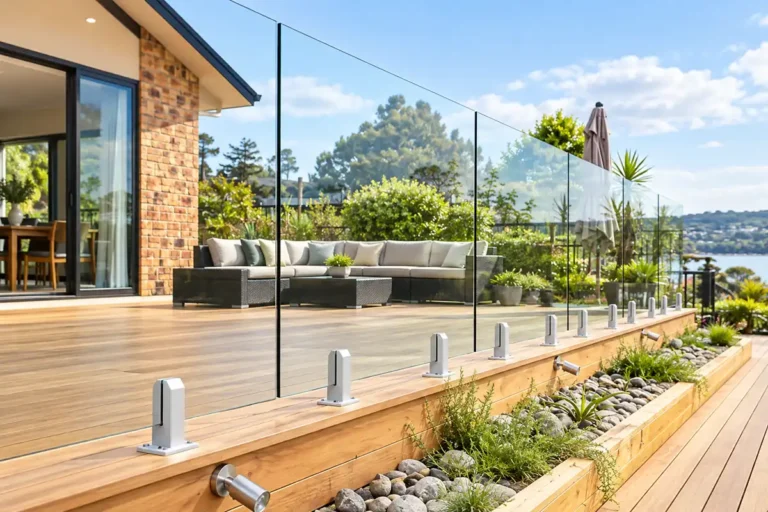
Frameless Glass Balustrades
Frameless glass balustrades use hidden fixings or minimal hardware to provide a clean, uninterrupted view.
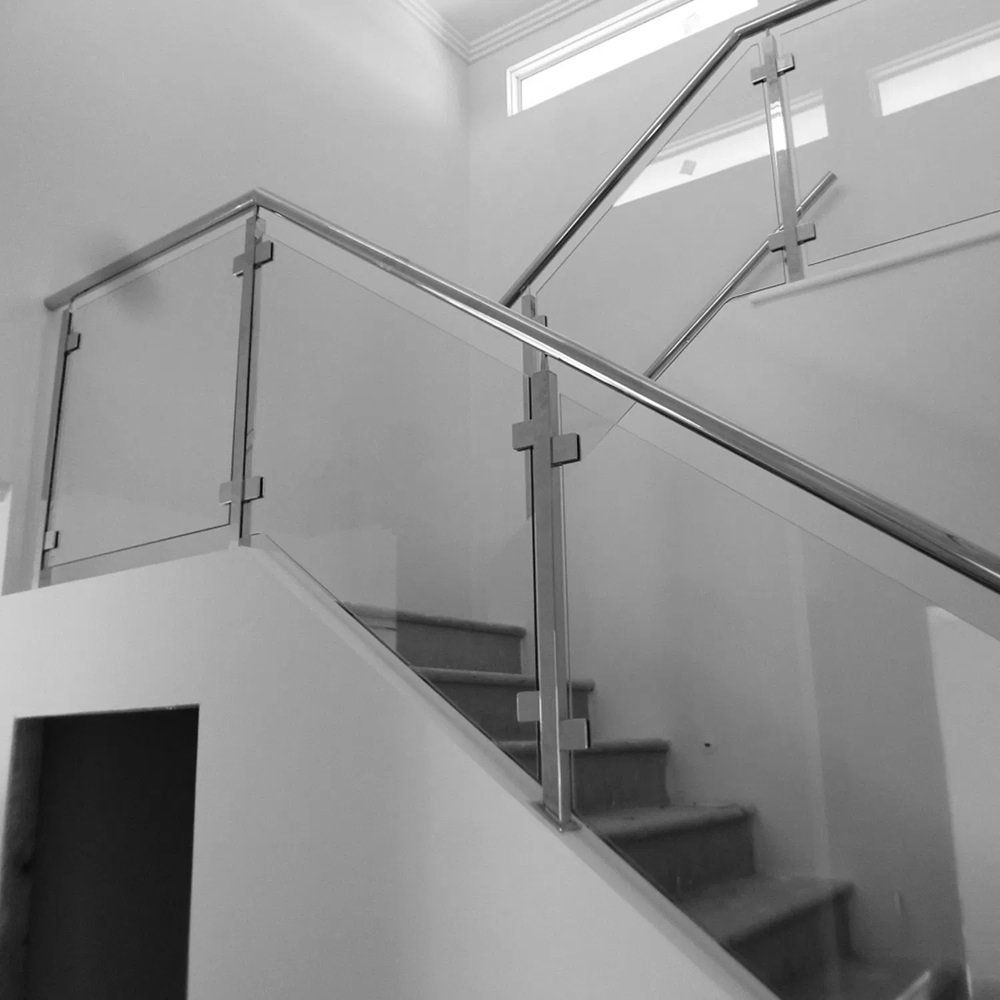
They are ideal for modern designs, pool edges, and luxury homes.
Advantages:
- Ultimate transparency
- Sleek, minimalist look
- Excellent for scenic views
Considerations:
- Typically more expensive
- Requires precise installation
For hardware options that support these designs, you can explore Glass Balustrade Adaptors for Indoor and Outdoor Use.
Semi‑Frameless Glass Balustrades
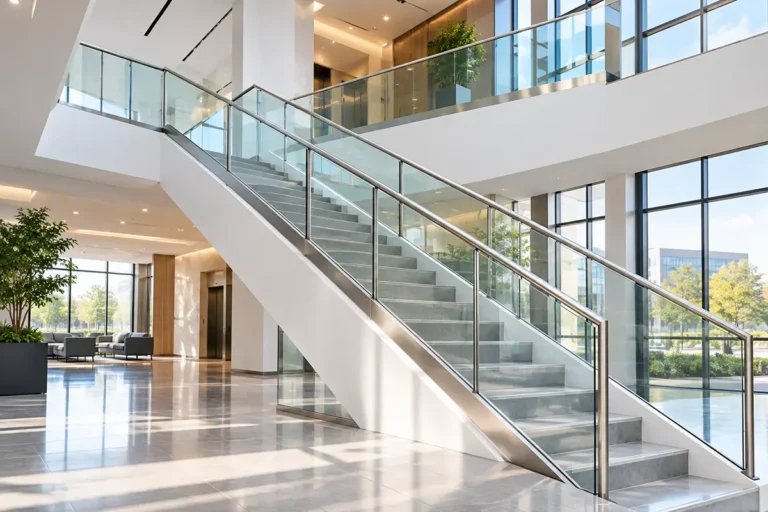
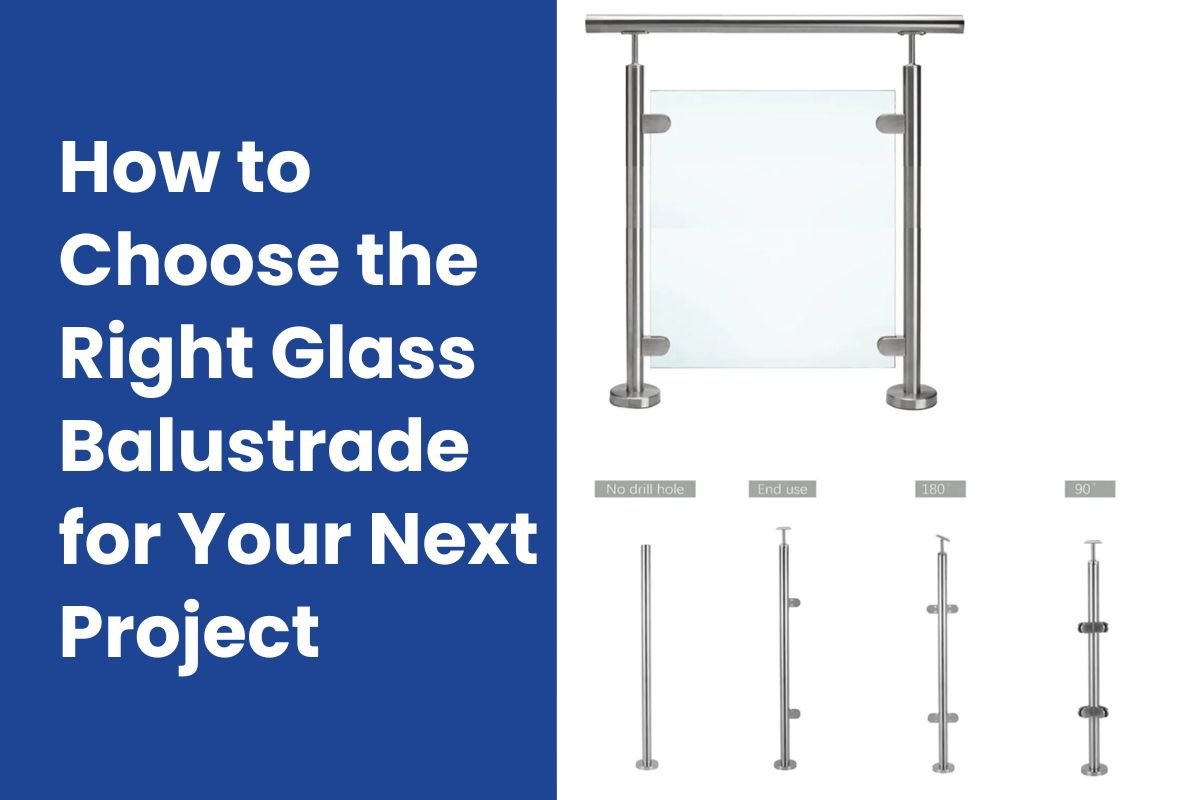
Semi‑framed designs have slim top or side rails with glass panels fitted between them. They balance affordability with style.
Benefits:
- Budget‑friendly
- Strong structural support
- Easy installation
These systems work well in residential staircases and balconies. For quality fittings, check Stainless Steel Through Bar Holder & Pipe Balustrade Railing Fittings.
Frameless Post‑less Balustrades
These ultra‑modern models eliminate posts between glass panels altogether. Brilliant for uninterrupted panoramas, they are ideal in coastal or scenic settings.
Although pricier, frameless post‑less systems make powerful architectural statements.
Top Material Choices for Glass Balustrades
Selecting the right materials for your glass balustrade system is essential for longevity and performance.
Tempered Glass
Tempered glass is heat‑treated to increase strength. If it breaks, it shatters into safe, small pieces rather than sharp shards.
Why it’s used:
Standards like ASTM E1300 specify load capacities that tempered glass must meet.
Laminated Glass
Laminated glass sandwiches a plastic interlayer between glass sheets. If broken, pieces stick to the layer.
Best for:
High‑traffic areas or children‑friendly environments.
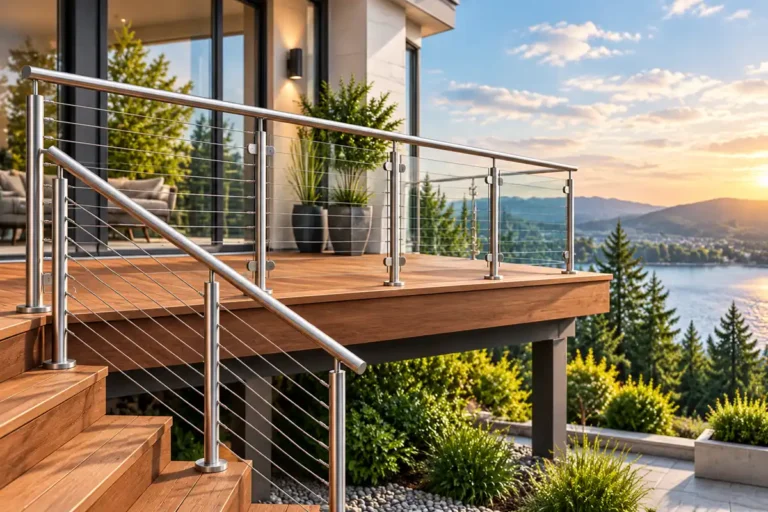
Stainless Steel Hardware
Stainless steel fittings resist corrosion and add strength to your system. For a premium selection, see Why Choose Unikims Inox Glass Balustrade Clamps for Your Balcony Railing.
Key Considerations Before Choosing Your Glass Balustrade
Selecting a glass balustrade is not only about looks. It requires a practical evaluation of safety, standards, and environmental conditions.
Safety Regulations and Standards
Different countries and regions have specific building codes related to balustrades. These often regulate:
- Minimum height
- Glass thickness
- Load resistance
Always consult a qualified engineer to ensure compliance. Regulatory standards reduce risk and guarantee reliability.
Glass Thickness and Strength
Glass thickness is crucial. Thinner glass may compromise safety in high‑stress areas. Generally:
- 10mm to 12mm for residential
- 15mm+ for heavy traffic or commercial areas
Each project’s requirements differ. Consult with a supplier like Unikim for exact specifications: Unikim Railings on Made‑in‑China.
Hardware Quality and Finish
Hardware such as clamps, adapters, and posts must prevent corrosion and withstand outdoor elements.
Stainless steel fittings (316 grade) offer superior outdoor performance. You can explore premium hardware on unikim
Budgeting and Long‑Term Value
Glass balustrades vary widely in price based on design, materials, and complexity of installation.
Investing in higher‑grade glass and stainless steel hardware often reduces long‑term maintenance costs.
A one‑time quality investment usually pays off in durability and aesthetics.
Installation: How Glass Balustrades Are Installed
A correct installation ensures safety, performance, and design execution.
Professional vs. DIY Installation
Installing glass balustrades yourself can be risky. Professional installers ensure:
- Accurate leveling
- Secure fittings
- Code compliance
Working with certified technicians reduces liability and mistakes.
Step‑by‑Step Installation Overview
- Measure and Plan: Precise measurements are crucial.
- Prepare Fixings: Drill and prepare anchor points in concrete or wood.
- Install Hardware: Posts, clamps, and adaptors are fitted.
- Fit Glass Panels: Glass is carefully placed and tightened.
- Secure and Seal: Final checks and seals complete the job.
If you want visual references, Unikim’s YouTube channel offers installation demos:
Glass Balustrade Cost Breakdown
Here’s a typical cost comparison for glass balustrade types:
| Type of System | Average Cost (USD/m) | Durability | Style Level |
|---|---|---|---|
| Frameless | $280‑$420 | High | Ultra Modern |
| Semi‑Frameless | $180‑$320 | Medium | Modern |
| Post‑less | $350‑$500 | Very High | Premium |
These costs vary by region and supplier. But they help you plan your budget effectively.
How to Maintain Your Glass Balustrade
Proper care extends lifespan and keeps your installation looking impeccable. For comprehensive guidelines, read: How to Maintain Stainless Steel Glass Balustrades.
Quick tips include:
- Clean with non‑abrasive cloths
- Use neutral pH cleaners
- Inspect hardware periodically
Regular care prevents staining and extends hardware life.
Some Mistakes to Avoid
Choosing the wrong glass balustrade can lead to costly repairs or safety issues.
Avoid these pitfalls:
- Underestimating glass thickness
- Using low‑grade hardware
- Ignoring local building codes
- Skipping professional installation
Always prioritize safety over aesthetics.
Summary
Selecting the right glass balustrade is a powerful way to elevate the look, safety, and functionality of your space. Whether you choose frameless, semi‑framed, or post‑less systems, focus on quality materials, professional installation, and compliance with safety codes. With proper care, your investment will last decades, bringing elegance and value to your project.
For expert assistance, high‑quality fittings, or to discuss your individual needs, visit unikim or get in touch at contact us.
FAQs
Here are some of the most uses questions people ask when choosing a glass balustrade system:
What makes a glass balustrade different from a regular railing?
A glass balustrade offers transparent panels with structural safety, unlike traditional railings that use balusters and bars.
Are glass balustrades safe for balconies?
Yes. Quality glass balustrades meet safety standards and provide the necessary resistance for balconies when installed correctly.
How long does a glass balustrade last?
With proper maintenance, most high‑quality systems last more than 20 years.
Can I install a glass balustrade outdoors?
Absolutely. Outdoor installations, However, you should use corrosion‑resistant hardware for longevity.
Do glass balustrades require special cleaning products?
No. Use mild, non‑abrasive cleaners to prevent scratches on the glass balustrade surface.
Is a DIY glass balustrade installation recommended?
Not usually. Installing a glass balustrade requires precision and safety expertise.