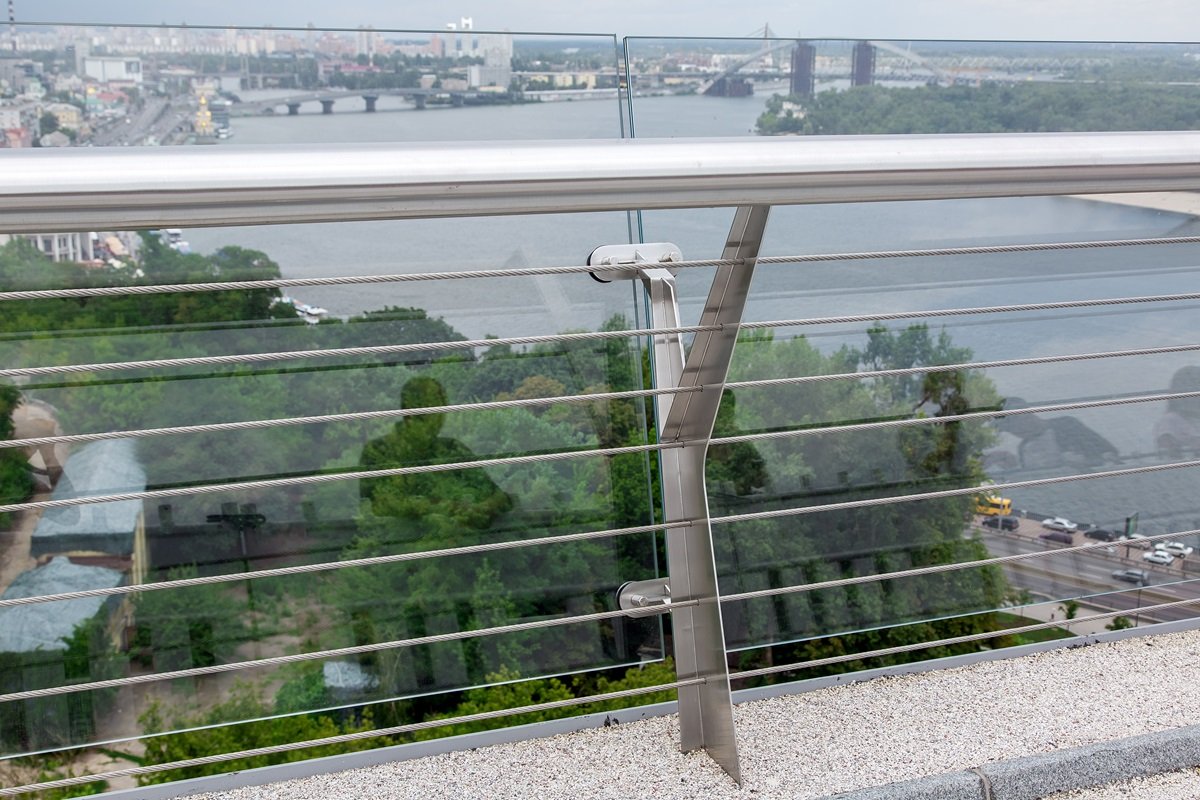
Outdoor spaces deserve materials that can handle harsh weather while still looking refined. That’s exactly why Stainless Steel Cable has become the top choice for modern railing systems. Whether you’re upgrading a deck, balcony, or staircase, stainless steel cable delivers durability, minimal maintenance, and a clean architectural look.
In this comprehensive guide, we’ll explore everything you need to know about Stainless Steel Cable for outdoor railings—from types and grades to installation best practices and long-term performance.
Why Stainless Steel Cable Is Ideal for Outdoor Railings

When designing outdoor railings, you need a material that balances strength, longevity, and aesthetics. Stainless Steel Cable checks all three boxes.
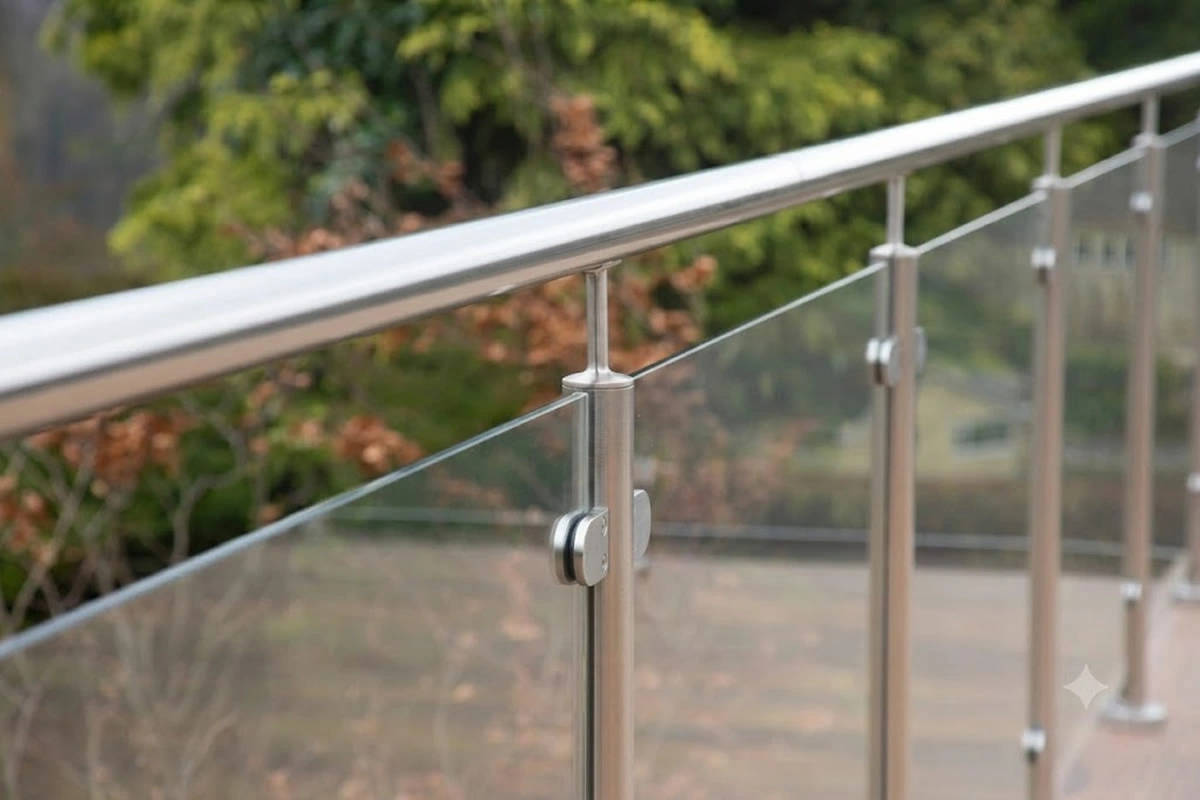
Unlike traditional wood or iron railings, stainless steel cables resist corrosion, require minimal upkeep, and maintain their appearance over time. They also allow for open views, making them perfect for scenic decks and balconies.
According to industry studies, high-quality stainless steel cables can retain structural integrity for 20+ years, even in demanding environments.
Stainless Steel Cable in Railing Systems
Before diving deeper, it helps to understand how Stainless Steel Cable fits into a railing system.
A typical cable railing system includes:
- Stainless steel cables
- Posts (metal or wood)
- Tensioning hardware
- Top rails
If you want a full breakdown, this guide on what is a railing system explains the structure in detail.
Cables act as horizontal infill, replacing bulky balusters while maintaining safety compliance.
Types of Stainless Steel Cable for Outdoor Use
1×19 Stainless Steel Cable
This is the most common type used in railing systems.
It consists of one strand with 19 wires, offering:
- High rigidity
- Minimal stretch
- Clean appearance
7×7 Stainless Steel Cable
More flexible than 1×19, this type is easier to handle but slightly less rigid.
It’s often used in applications requiring bending or curves.
7×19 Stainless Steel Cable
Highly flexible and durable, but less commonly used in railings due to its softer appearance.
Comparison Table
| Cable Type | Flexibility | Strength | Best Use |
|---|---|---|---|
| 1×19 | Low | High | Railings |
| 7×7 | Medium | Medium | General use |
| 7×19 | High | Medium | Industrial |
For most outdoor railing projects, 1×19 stainless steel cable is the preferred choice.
Stainless Steel Grades: 304 vs 316
Choosing the right grade is crucial for outdoor performance.
Grade 304 Stainless Steel
- Suitable for indoor or dry environments
- Lower cost
- Moderate corrosion resistance
Grade 316 Stainless Steel (Recommended)
- Designed for outdoor and marine environments
- Superior corrosion resistance
- Ideal for humid or coastal areas
Studies show that 316 stainless steel provides up to 40% better corrosion resistance compared to 304, making it the best option for outdoor railings.
Key Components of a Stainless Steel Cable Railing System
A successful installation depends on more than just cables.
Cable Assemblies
These include the cable itself and end fittings used for tensioning.
Posts and Frames
Posts can be made from stainless steel, aluminum, or wood. They provide structural support for the cables.
Tensioning Hardware
Proper tensioning ensures cables remain tight and safe. This includes:
- Turnbuckles
- Swage fittings
- Threaded terminals
You can explore ready-to-install systems like the stainless steel cable deck railing set for convenience.
Installation Best Practices for Stainless Steel Cable
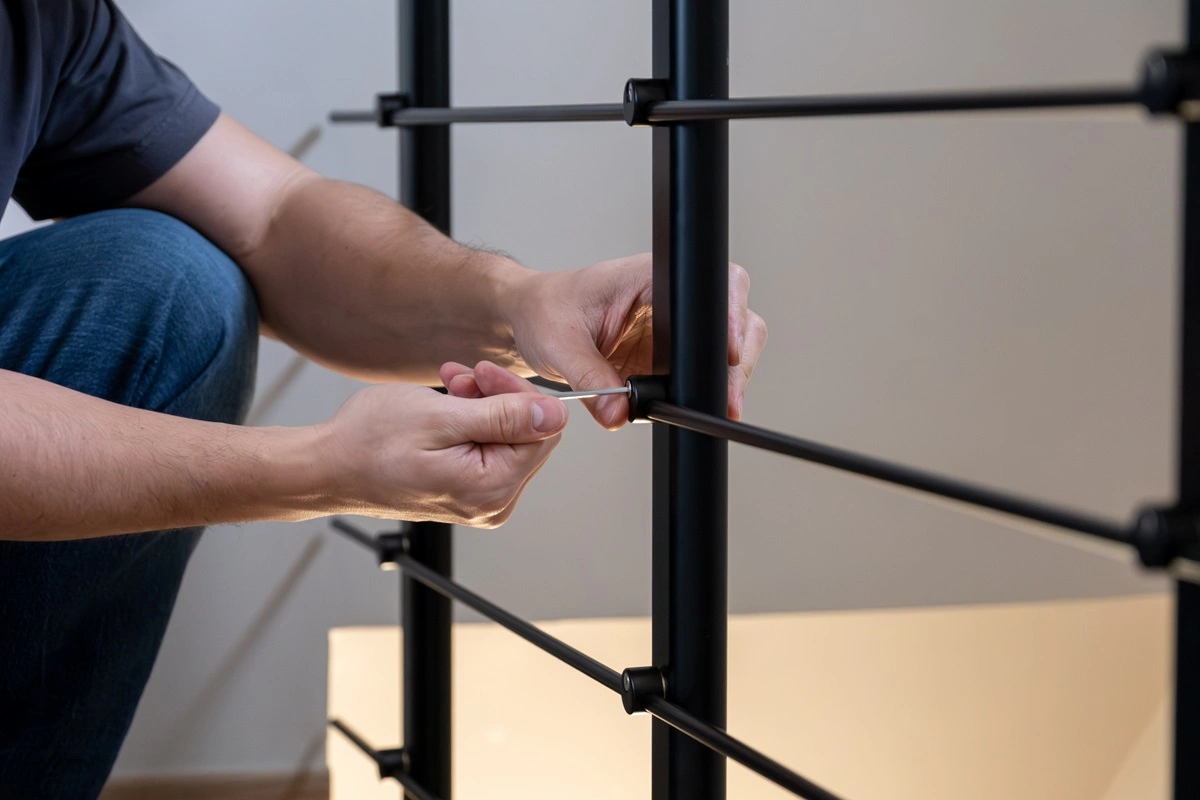
Installing Stainless Steel Cable requires precision and planning.
Proper Post Spacing
Posts should be spaced no more than 4 feet apart to prevent cable deflection.
Correct Cable Spacing
Most building codes require cables to be spaced so that a 4-inch sphere cannot pass through.
Accurate Tensioning
Tension cables evenly. Uneven tension can lead to sagging or structural issues.
Use High-Quality Tools
Invest in cable cutters, crimping tools, and tension gauges to achieve professional results.
For detailed product solutions, check out stainless steel cable railing systems.
Safety Standards and Compliance
Safety is critical when installing outdoor railings.
Typical requirements include:
- Minimum railing height of 36–42 inches
- Proper cable spacing
- Secure anchoring
Meeting these standards ensures your Stainless Steel Cable system is both safe and code-compliant.
Cost Breakdown of Stainless Steel Cable Railings
| Component | Cost Range (USD) |
|---|---|
| Stainless Steel Cable | $1–$3 per foot |
| Posts | $50–$150 each |
| Hardware | $5–$25 per piece |
| Installation | $50–$100 per hour |
On average, a complete system costs between $80 and $200 per linear foot.
While the upfront investment may be higher than wood, the long-term savings on maintenance make it cost-effective.
Stainless Steel Cable vs Traditional Railing Materials
| Feature | Stainless Steel Cable | Wood/Metal |
|---|---|---|
| Durability | High | Medium |
| Maintenance | Low | High |
| Aesthetic | Modern | Traditional |
| Lifespan | 20+ years | 10–15 years |
The comparison clearly shows why Stainless Steel Cable is gaining popularity.
Maintenance Tips for Long-Term Performance
Maintaining Stainless Steel Cable is straightforward.
- Clean cables with mild soap and water
- Inspect fittings periodically
- Re-tighten cables if needed
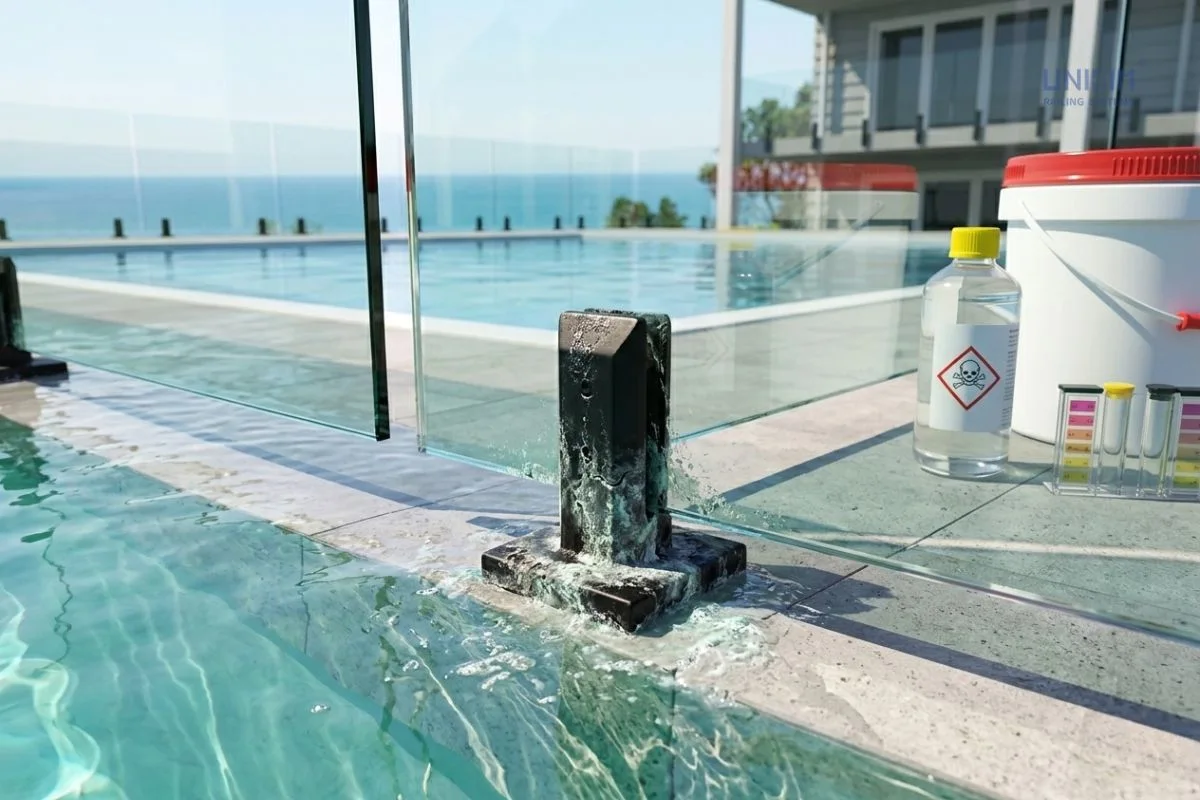
- Check for corrosion in harsh environments
With proper care, your system can last decades.
Summary
Stainless Steel Cable is one of the best materials for outdoor railing systems. It offers unmatched durability, modern aesthetics, and long-term value. By choosing the right cable type, grade, and installation method, you can create a railing system that is both safe and visually stunning.
If you’re planning a project or need expert advice, feel free to contact for support.
FAQs
Q. Is stainless steel cable suitable for outdoor use?
A. Yes, Stainless Steel Cable is ideal for outdoor use, especially when using grade 316 for corrosion resistance.
Q. What is the best cable type for railings?
A. The most recommended Stainless Steel Cable type for railings is 1×19 due to its strength and rigidity.
Q. How long does stainless steel cable last?
A. High-quality Stainless Steel Cable can last over 20 years with proper maintenance.
Q. Does stainless steel cable require maintenance?
A. Minimal maintenance is needed. Regular cleaning helps keep Stainless Steel Cable in top condition.
Q. Is stainless steel cable expensive?
A. While the upfront cost is higher, Stainless Steel Cable offers long-term value due to durability and low maintenance.