Choosing the right Glass Railing for Decks is no longer just about aesthetics. For contractors, architects, and builders, it’s about balancing design, safety, durability, and compliance. Glass railing systems have become a top choice in residential and commercial projects because they deliver clean lines, unobstructed views, and modern appeal.
However, specifying the wrong system—or overlooking key technical details—can lead to costly mistakes. From structural requirements to installation challenges, there’s a lot more involved than simply selecting glass panels.
In this comprehensive guide, we’ll walk through everything contractors need to know about Glass Railing for Decks, including materials, building codes, system types, and best practices. If you’re starting from the basics, this overview on what is a railing system provides a helpful foundation.
Why Glass Railing for Decks Is in High Demand
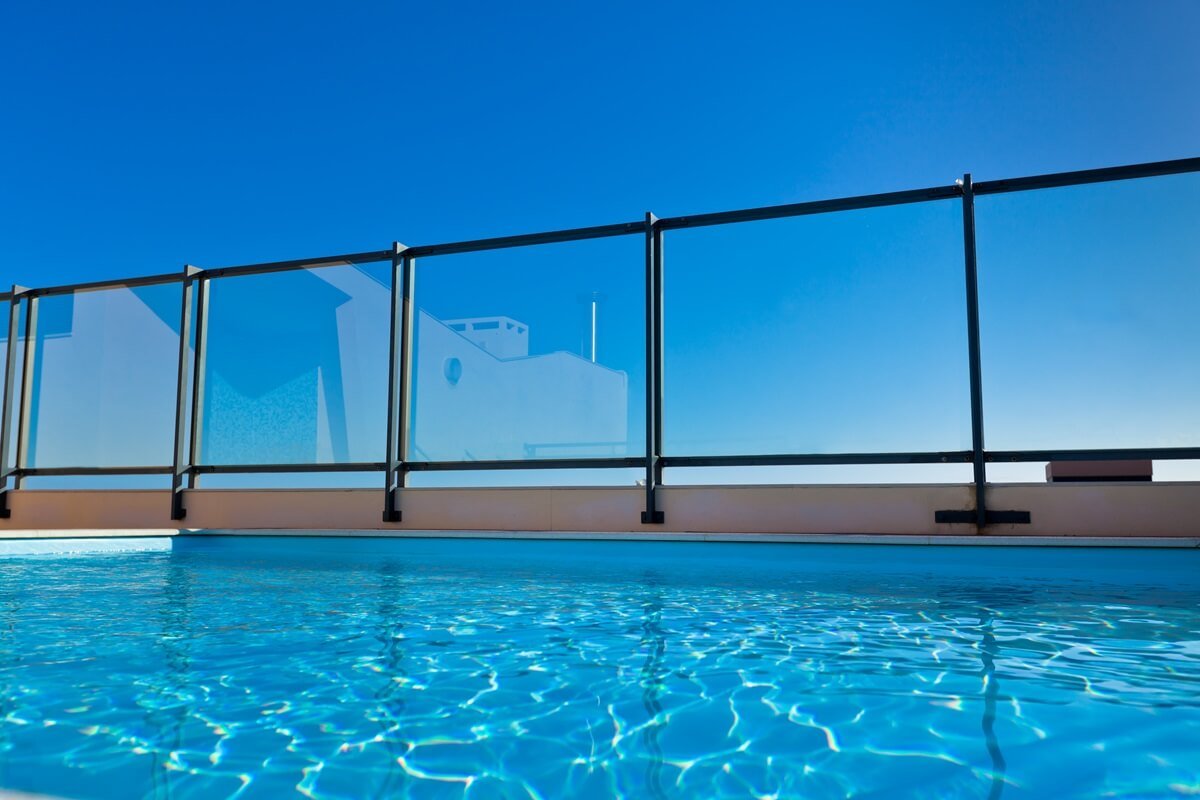
Over the past decade, Glass Railing for Decks has seen rapid growth in popularity. Homeowners want open views, especially for waterfront, mountain, or urban properties. Developers prefer systems that enhance property value without adding visual clutter.
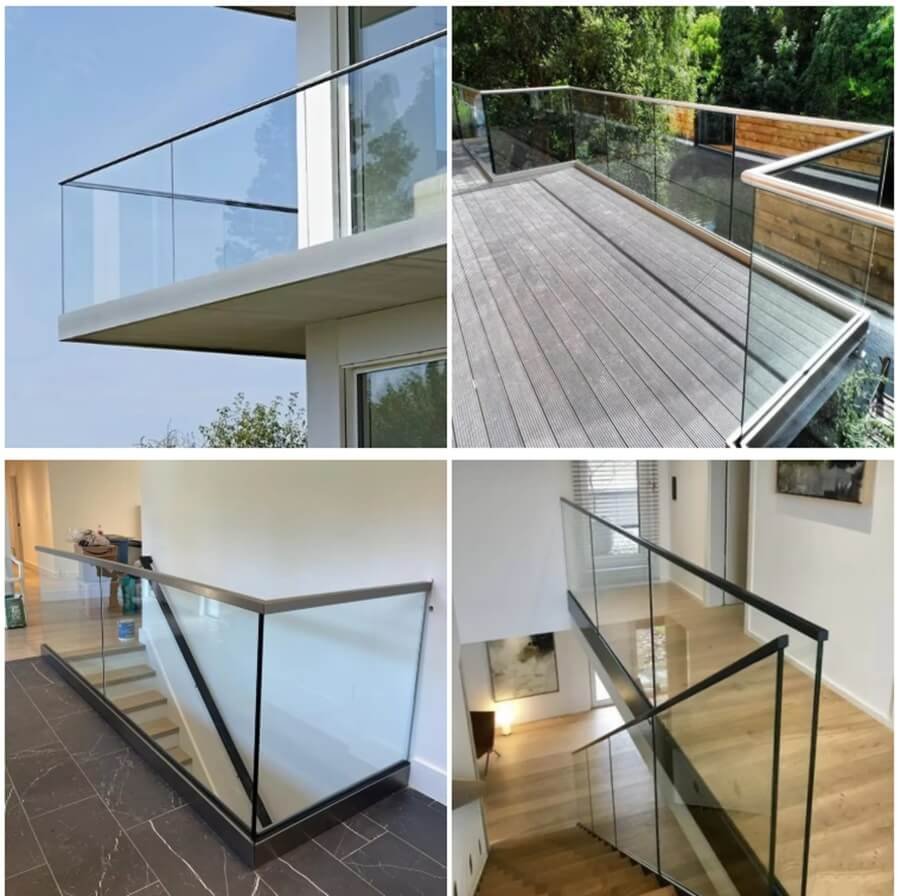
According to industry estimates, modern railing systems can increase perceived property value by up to 10–15%, especially when used in premium outdoor spaces.
Glass railing systems offer:
- A sleek, contemporary appearance
- Increased natural light flow
- Minimal visual obstruction
- Compatibility with various architectural styles
You can explore design inspiration here Frameless Glass Railings Modern Design
Glass Railing for Decks Systems
Before specifying a system, contractors must understand the different types of Glass Railing for Decks available.
Frameless Glass Railing Systems
Frameless systems use minimal hardware, typically base channels or side mounts. They provide a seamless, high-end look.
These systems are popular in luxury residential and commercial projects.
Semi-Frameless Glass Railing Systems
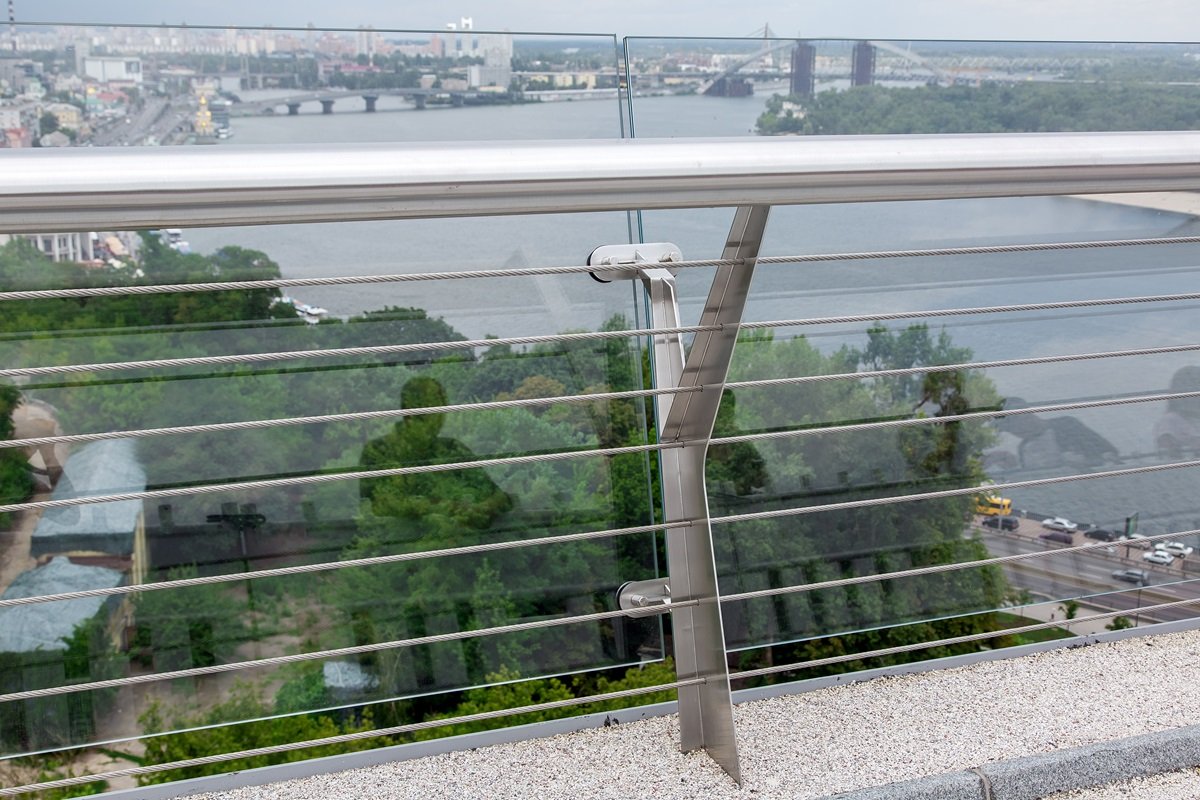
Semi-frameless systems use posts or clamps to secure the glass panels. They offer a balance between cost and aesthetics.
Framed Glass Railing Systems
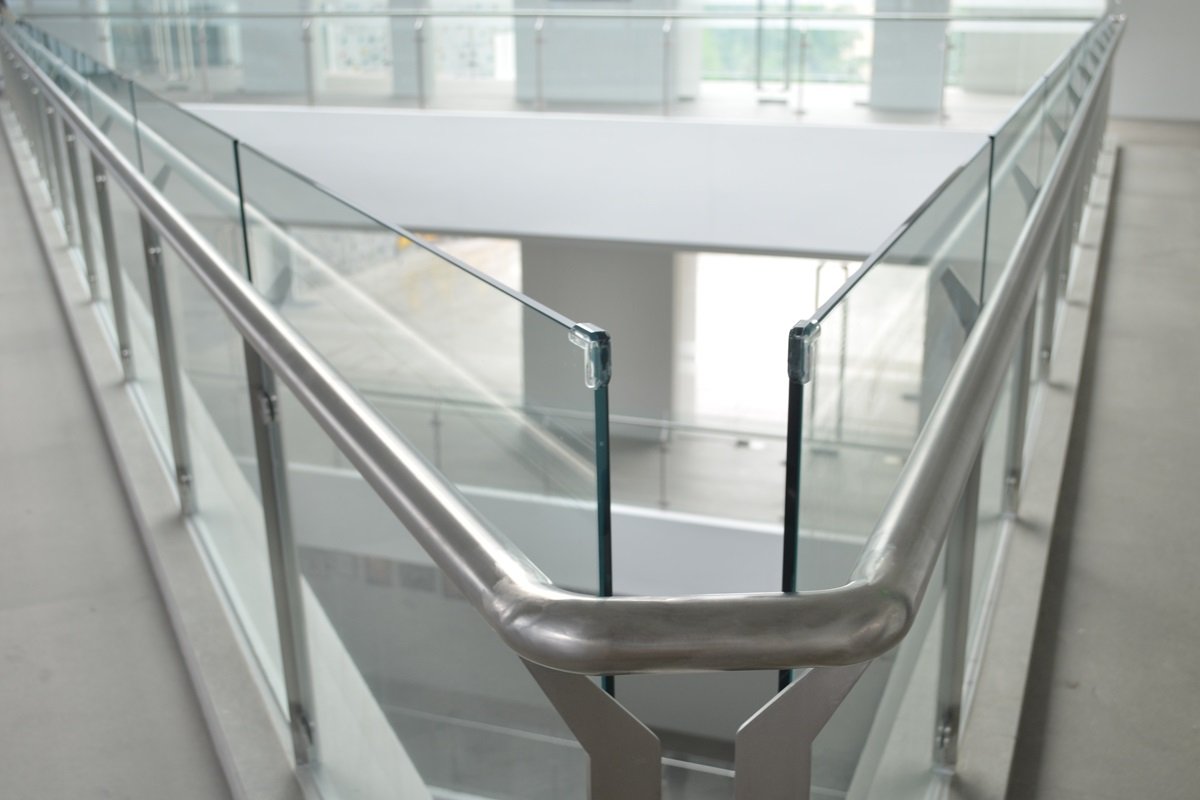
Framed systems include metal frames around the glass panels. While more traditional, they offer additional structural support.
Key Factors Contractors Must Evaluate
Glass Type and Safety Standards
The safety of any Glass Railing for Decks begins with the glass itself.
Contractors typically choose between:
- Tempered glass
- Laminated glass
- Tempered laminated glass
Tempered laminated glass is considered the safest option. It combines strength with a fail-safe design that holds together even if broken.
To understand durability in detail, visit Durability of Tempered Frameless Glass Railings
Glass Thickness Requirements
Thickness plays a crucial role in structural performance.
Typical guidelines include:
| Application | Recommended Thickness |
|---|---|
| Residential Deck | 10mm – 12mm |
| Commercial Deck | 12mm – 15mm |
| High Wind Areas | 15mm+ |
Choosing the correct thickness ensures that the Glass Railing for Decks can withstand both environmental and human loads.
Building Codes and Compliance
Every Glass Railing for Decks installation must meet local building codes.
These codes typically specify:
- Minimum railing height (usually 36–42 inches)
- Load requirements (horizontal and vertical forces)
- Glass type and thickness
- Spacing between panels
Failing to meet these standards can result in project delays or legal issues.
Load and Wind Resistance
Deck railings must withstand significant forces, especially in elevated or exposed areas.
Engineers calculate:
- Wind loads
- Impact resistance
- Structural deflection
A properly designed Glass Railing for Decks can handle these forces without compromising safety.
Mounting and Support Systems
The mounting system is just as important as the glass.
Common options include:
- Base-mounted systems
- Side-mounted systems
- Clamp systems
Each option has unique structural and aesthetic implications.
For installation guidance, refer to How to Install Frameless Glass Railings
Material Selection for Long-Term Durability
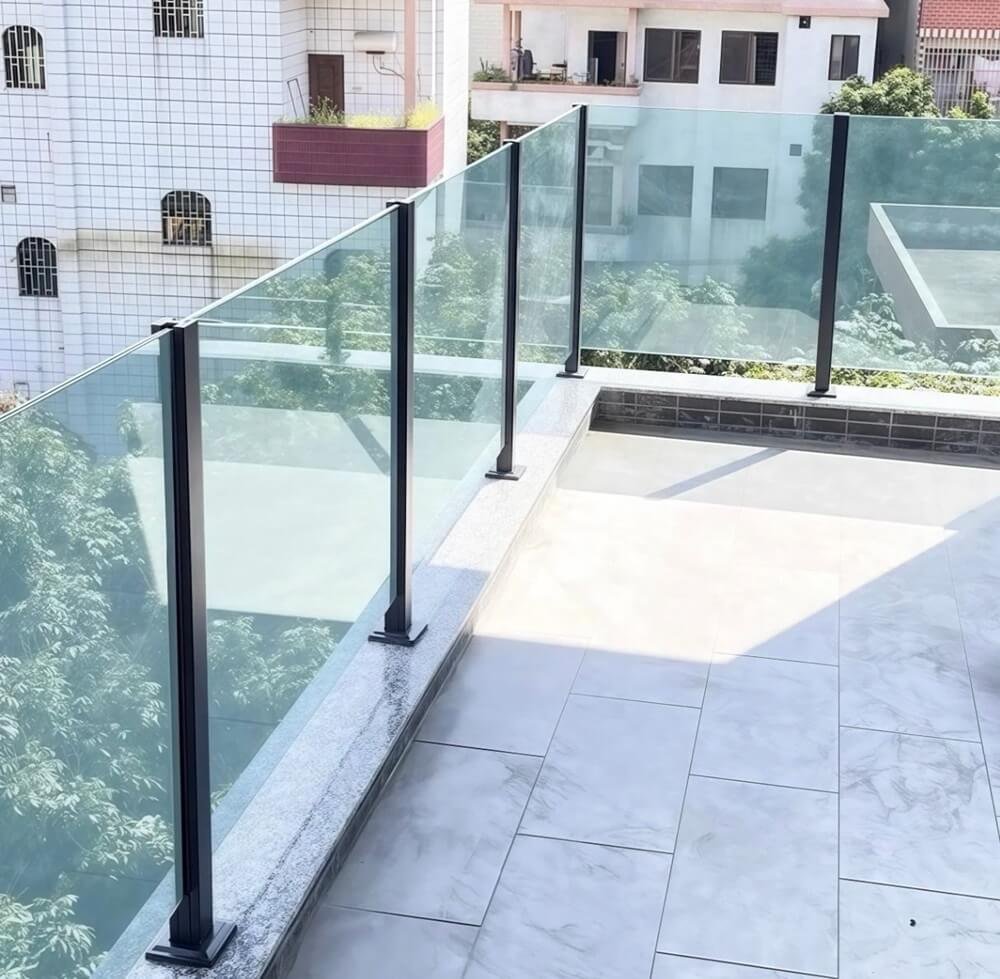
A high-quality Glass Railing for Decks depends on durable materials.
Contractors should prioritize:
- Stainless steel hardware
- Powder-coated aluminum
- Corrosion-resistant fasteners
Outdoor decks are exposed to moisture, UV rays, and temperature changes. Inferior materials can lead to rust, discoloration, and structural failure.
Design Considerations for Contractors
Design is not just about appearance. It directly affects performance.
When specifying Glass Railing for Decks, consider:
- Drainage and water management
- Expansion and contraction
- Integration with decking materials
- Visibility requirements
A well-designed system balances aesthetics with functionality.
Pros and Cons of Glass Railing for Decks
Understanding the advantages and limitations helps contractors make informed decisions.
Advantages
Glass railing systems provide unmatched visibility and a modern look. They require minimal visual maintenance and complement various architectural styles.
Limitations
They may require more frequent cleaning. Initial costs can be higher compared to traditional materials. Installation demands precision.
For a deeper analysis, read Pros and Cons of Frameless Glass Railing
Installation Challenges and Best Practices
Installing a Glass Railing for Decks requires careful planning.
Common challenges include:
- Achieving perfect alignment
- Handling heavy glass panels
- Ensuring secure anchoring
Best practices involve precise measurements, proper tools, and experienced installers.
Regional Considerations (Climate & Environment)
Different climates require different approaches.
In coastal areas, salt exposure increases corrosion risk. In colder regions, freeze-thaw cycles affect materials.
Contractors must adapt the Glass Railing for Decks design to local conditions.
For region-specific solutions, explore Best Glass Railing Systems for Decks Canada
Cost Factors Contractors Should Understand
Cost is always a key consideration.
The price of a Glass Railing for Decks depends on:
- Glass type and thickness
- Hardware quality
- Installation complexity
- Project size
While upfront costs may be higher, long-term durability often offsets the investment.
Working with Reliable Suppliers
Choosing the right supplier can make or break a project.
Reliable suppliers provide:
- Certified materials
- Engineering support
- Consistent product quality
You can explore global supply options here unikimchina.en.made-in-china
For installation demonstrations and insights, visit youtube@unikimrailings8270
You can also learn about logistics and distribution here Glass Railing Systems Door-to-Door
Why Contractors Choose URailing
For contractors seeking dependable solutions, unikim offers high-quality systems designed for durability and performance.
Their product range supports various project requirements, from residential decks to commercial installations.
If you need expert guidance, reach out through their
contact page.
Future Trends in Glass Railing for Decks
The future of Glass Railing for Decks is evolving with new technologies.
Emerging trends include:
- Smart glass with adjustable transparency
- Eco-friendly materials
- Advanced coatings for easier maintenance
These innovations will continue to shape the industry.
Summary
Specifying the right Glass Railing for Decks requires more than selecting a stylish design. Contractors must consider safety standards, material quality, installation methods, and environmental factors.
When done correctly, glass railing systems offer a perfect combination of strength, durability, and modern aesthetics. By understanding these key factors, contractors can deliver projects that meet both client expectations and industry standards.
FAQs
Q. Is glass railing for decks safe for residential use?
A. Yes, a properly installed Glass Railing for Decks is extremely safe when it meets building codes and uses tempered or laminated glass.
Q. What type of glass is best for deck railings?
A.Tempered laminated glass is ideal for a Glass Railing for Decks because it offers both strength and safety.
Q. How thick should glass be for deck railings?
A. The thickness of a Glass Railing for Decks typically ranges from 10mm to 15mm, depending on the application.
Q. Do glass railings require maintenance?
A. Yes, a Glass Railing for Decks requires regular cleaning and occasional inspection to maintain its appearance and safety.
Q. Are glass railings more expensive than traditional options?
A. A Glass Railing for Decks may have a higher upfront cost, but its durability and aesthetic value often justify the investment.