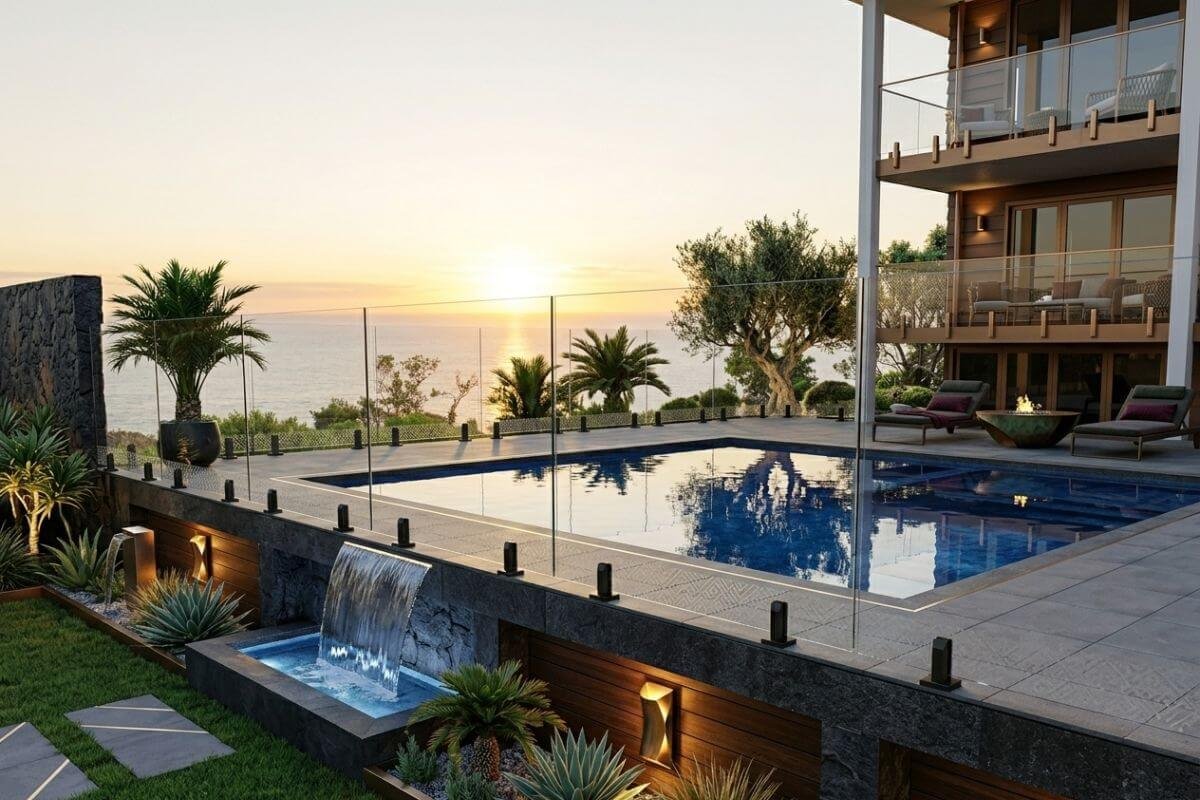
Pool fencing has evolved far beyond bulky metal bars and outdated wooden enclosures. Today, homeowners, architects, and contractors prefer sleek frameless glass systems that combine safety with modern design. Among the many installation methods available, Floor Mounted and side mount glass spigots remain the two most popular choices for contemporary pool fencing.
Choosing between these systems is not only about appearance. The mounting method affects structural strength, installation cost, maintenance, visibility, drainage, and long-term durability. A poor choice can lead to expensive repairs, unstable panels, or a fence that does not suit the surrounding architecture.
In this guide, we will compare Floor Mounted and side mount glass spigots in detail. You will learn how each system works, where it performs best, and which option fits your pool project more effectively.
If you are planning a frameless glass pool fence, this article will help you make an informed decision.
What Is a Floor Mounted Glass Spigot?
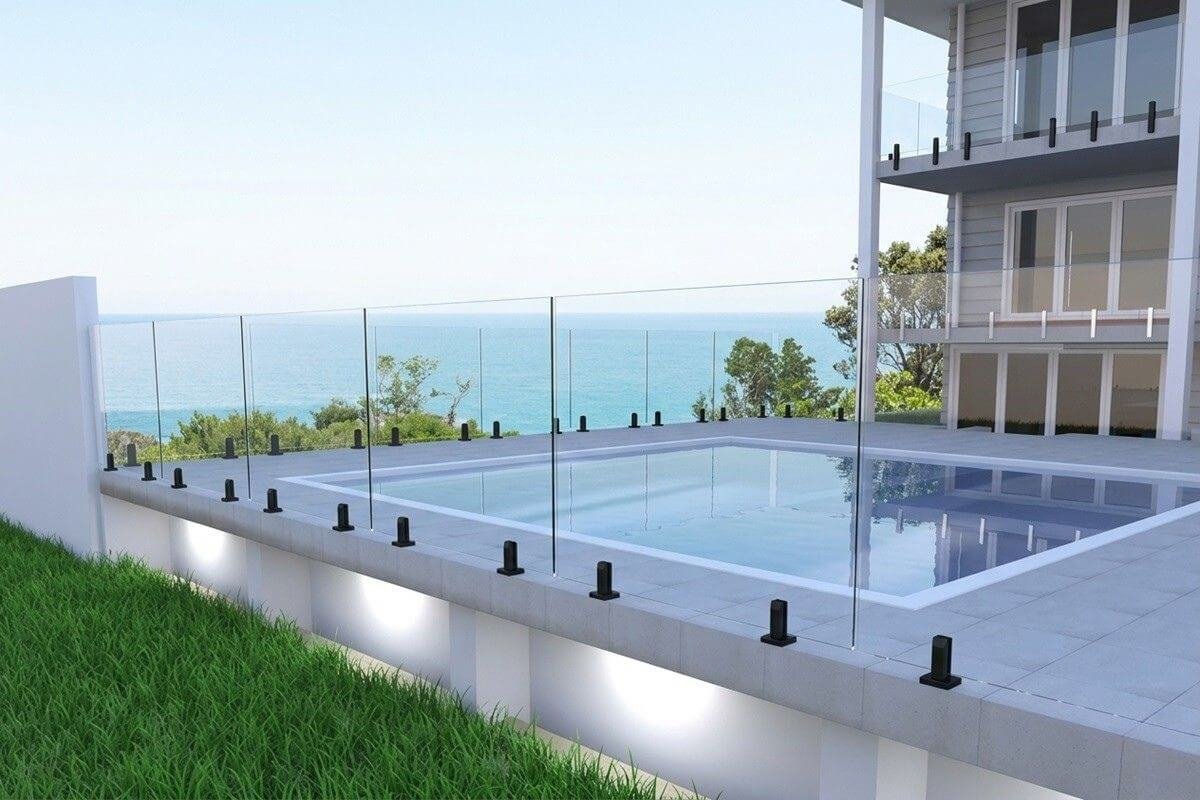
A Floor Mounted glass spigot is a stainless steel fixture installed directly onto the ground surface. It securely holds tempered glass panels upright without requiring bulky frames or posts.
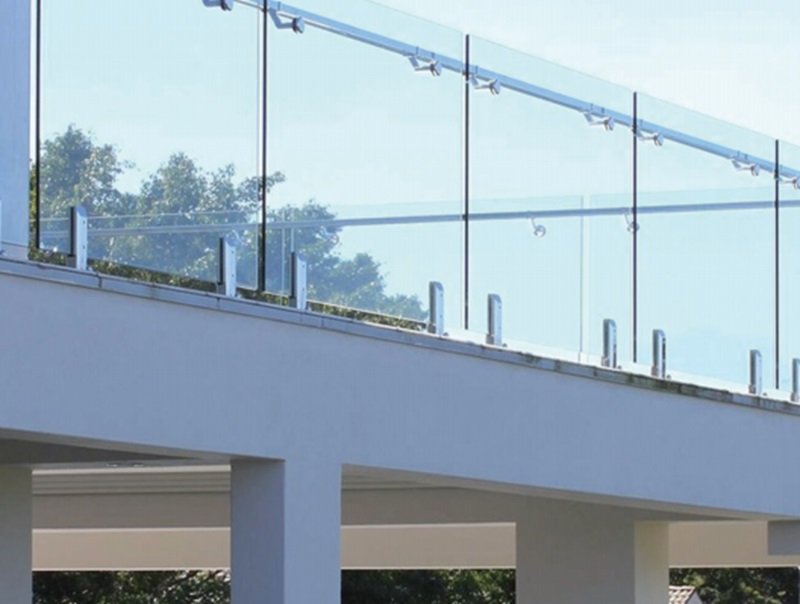
This mounting style is widely used in:
- Residential swimming pools
- Rooftop terraces
- Balcony glass railings
- Luxury outdoor spaces
- Commercial resorts and hotels
The spigot is anchored into concrete, timber decking, or tiled surfaces using expansion bolts or chemical anchors. Because the hardware sits on top of the floor, installers can position the glass precisely while maintaining a clean and minimalist appearance.
Many modern frameless systems featured on the official URailing website use this installation style because it creates a floating glass effect that homeowners prefer in contemporary architecture.
You can explore more railing system designs in this guide about URailing’s article on .
What Is a Side Mount Glass Spigot?
A side mount glass spigot attaches to the vertical edge or fascia of a deck, concrete slab, or balcony rather than the top surface.
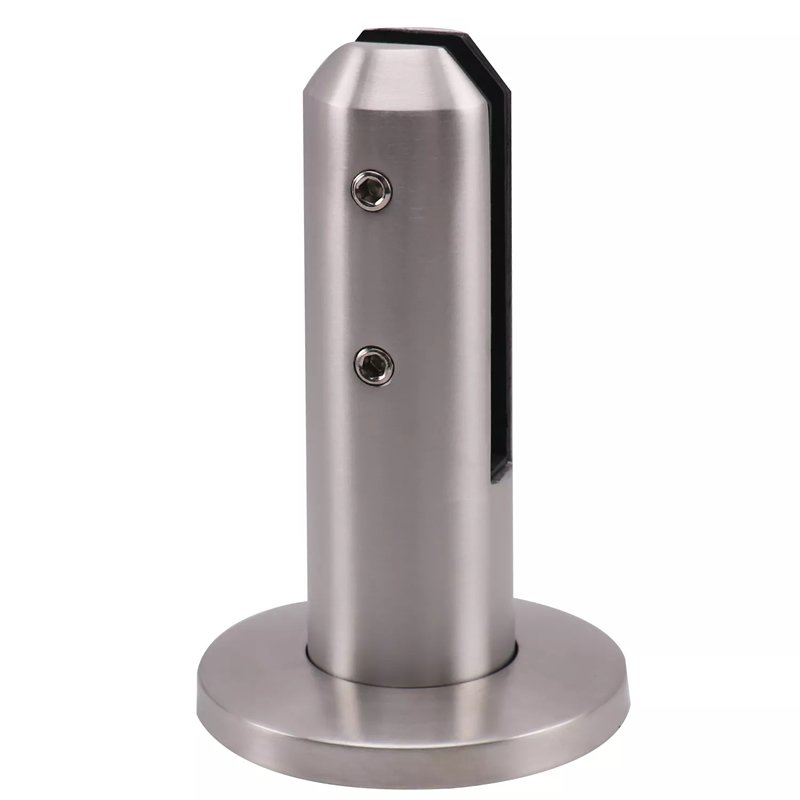
Instead of consuming floor space, the hardware remains fixed to the side structure. This creates a cleaner walking area around the pool and often delivers a more dramatic floating-glass appearance.
Side-mounted systems are common in:
- Elevated decks
- Infinity pool designs
- Balconies with limited surface area
- Luxury hotels
- Rooftop installations
Many installers choose side mount systems when preserving deck space matters more than installation simplicity.
For additional installation insights, explains the structural differences between mounting methods.
Floor Mounted vs. Side Mount Glass Spigot: Key Differences
Floor Mounted Installation
A Floor Mounted spigot sits directly on the walking surface. Contractors drill anchor holes into concrete or structural decking and fasten the spigot using heavy-duty bolts.
This method offers several advantages:
- Faster installation
- Easier alignment adjustments
- Strong structural support
- Lower labor complexity
Because installers work from the top surface, repairs and future adjustments also become easier.
For homeowners seeking straightforward installation, this method often provides the best balance between cost and performance.
You can also review for more technical details.
Side Mount Installation
Side mount systems require installers to work along the vertical fascia or edge beam. This process usually takes more time because the mounting points must align perfectly with structural supports.
Challenges may include:
- Limited access beneath decks
- Waterproofing concerns
- More complex engineering
- Higher labor costs
However, the finished appearance often looks more luxurious because no hardware interrupts the walking surface.
Appearance and Design Impact
Floor Mounted Visual Style
A Floor Mounted glass spigot system creates a clean and elegant look. The visible hardware provides a modern architectural detail while keeping the glass nearly frameless.
This style works especially well with:
- Contemporary homes
- Minimalist landscapes
- Large outdoor entertainment areas
- Family swimming pools
Matte black finishes have become increasingly popular in recent years. Products like the complement darker poolside aesthetics beautifully.
Side Mount Visual Style
Side mount systems create an even more seamless visual effect because the hardware stays hidden below or behind the deck edge.
This produces:
- Unobstructed flooring
- Cleaner deck lines
- Stronger floating-glass appearance
- More luxurious architectural styling
For upscale resorts or premium residential projects, side mounting often delivers a more dramatic result.
Structural Strength and Safety
Safety remains the top priority for pool fencing systems. According to the U.S. Consumer Product Safety Commission, proper barriers significantly reduce accidental drowning risks among children.
Both systems can provide excellent safety when installed correctly. However, structural conditions matter greatly.
Floor Mounted Strength
A Floor Mounted system transfers weight vertically into the ground structure. Because of this direct load path, it often delivers exceptional stability.
Advantages include:
- Excellent wind resistance
- Strong impact performance
- Reliable long-term support
- Easier engineering calculations
This makes floor mounting highly suitable for windy coastal regions or commercial pool environments.
Side Mount Strength
Side mount systems rely heavily on fascia integrity. Weak deck edges or poorly reinforced structures may struggle to support heavy glass loads.
Professional engineering becomes more important in these cases.
Still, when installed properly on reinforced concrete or steel framing, side mount systems remain extremely secure.
Space Efficiency
Floor Mounted Space Usage
Because the hardware sits on top of the deck surface, a Floor Mounted system uses a small amount of walking space.
In larger pool areas, this rarely creates problems. However, compact decks may feel slightly more crowded.
Side Mount Space Usage
Side mount spigots preserve every inch of floor area. This advantage matters greatly in smaller rooftop pools or narrow decks.
Architects often prefer side mounting when maximizing usable space becomes a design priority.
Maintenance Requirements
Floor Mounted Maintenance
A Floor Mounted system usually allows easier cleaning and maintenance access.
Owners can:
- Inspect anchors easily
- Replace hardware quickly
- Clean around fittings conveniently
- Tighten components without removing decking
Marine-grade stainless steel significantly improves corrosion resistance, especially in saltwater environments.
Products such as the help reduce long-term maintenance concerns.
Side Mount Maintenance
Side-mounted hardware may require more effort to inspect because components sit beneath or behind deck edges.
Water drainage also becomes critical. Poor drainage can eventually affect mounting integrity if moisture accumulates around fasteners.
Regular inspections help prevent hidden corrosion problems.
Cost Comparison
Budget considerations often influence the final decision between mounting systems.
Here is a general comparison:
| Feature | Floor Mounted | Side Mount |
|---|---|---|
| Installation Cost | Lower | Higher |
| Labor Complexity | Moderate | High |
| Structural Requirements | Standard | Advanced |
| Maintenance Access | Easier | Harder |
| Visual Minimalism | Excellent | Premium |
| Space Efficiency | Good | Excellent |
A Floor Mounted system typically costs less because installation remains simpler and requires fewer structural modifications.
Side mount systems often involve additional engineering, custom brackets, and more labor hours.
Which Option Is Better for Residential Pools?
For most homeowners, a Floor Mounted glass spigot system provides the best overall value.
Why?
Because it offers:
- Easier installation
- Strong safety performance
- Lower total project cost
- Excellent aesthetics
- Simplified maintenance
Residential pool owners usually prioritize reliability and practicality alongside appearance. Floor mounting balances these needs effectively.
Many modern homeowners also pair floor-mounted systems with stylish railing accessories such as the to enhance the overall visual appeal.
When Side Mount Systems Make More Sense
Despite the advantages of floor mounting, side mount systems excel in specific situations.
They work particularly well for:
- Luxury infinity pools
- Rooftop installations
- Compact deck spaces
- High-end architectural projects
- Elevated entertainment areas
When maximizing open floor space matters most, side mounting becomes a strong choice.
Architects also appreciate the uninterrupted tile or decking surface.
Best Materials for Glass Spigot Systems
Material quality directly affects durability and corrosion resistance.
Stainless Steel Grades
The best pool fencing systems typically use:
304 Stainless Steel
Suitable for:
- Inland residential pools
- Mild weather environments
- Lower humidity regions
316 Stainless Steel
Recommended for:
- Coastal properties
- Saltwater pools
- Humid climates
- Luxury outdoor projects
316 stainless steel contains molybdenum, which improves corrosion resistance significantly.
This is why many premium systems at use marine-grade stainless steel components.
Glass Thickness Recommendations
Most frameless pool fences use tempered safety glass between:
- 10mm
- 12mm
- 15mm
Thicker glass improves:
- Wind resistance
- Structural rigidity
- Safety performance
- Noise reduction
However, thicker glass also increases installation weight and hardware requirements.
A professional installer should always evaluate local building codes before selecting glass thickness.
Design Trends in Modern Pool Fencing
Pool fencing design trends continue evolving rapidly.
Today’s homeowners increasingly prefer:
- Frameless glass systems
- Matte black hardware
- Minimal visible fittings
- Wide uninterrupted views
- Integrated LED lighting
A Floor Mounted system aligns especially well with these modern preferences because it combines structural strength with contemporary styling.
The growing popularity of open-concept outdoor living has also increased demand for frameless systems worldwide.
According to architectural industry reports, glass railing demand continues rising due to its ability to improve property value and visual openness.
Installation Mistakes to Avoid
Even premium hardware can fail if installers make avoidable mistakes.
Incorrect Anchor Selection
A Floor Mounted system requires anchors designed for the substrate material. Weak anchors reduce safety dramatically.
Poor Waterproofing
Side-mounted systems especially require proper waterproof sealing around fasteners.
Using Low-Quality Stainless Steel
Cheap hardware corrodes quickly in outdoor environments.
Improper Glass Spacing
Incorrect spacing may create structural stress or violate local safety regulations.
Working with experienced professionals helps avoid these issues.
Choosing the Right Supplier Matters
Not all glass railing manufacturers deliver the same quality standards.
When evaluating suppliers, consider:
- Stainless steel certification
- Product testing standards
- Engineering support
- Installation guidance
- Product warranty
- Customization options
The extensive product catalog available through allows contractors and homeowners to explore various railing solutions for residential and commercial projects.
You can also review global stainless steel railing manufacturing trends through and technical installation demonstrations from .
Floor Mounted vs. Side Mount: Final Verdict
Choosing between a Floor Mounted and side mount glass spigot system ultimately depends on your project goals.
If you prioritize:
- Easier installation
- Lower cost
- Strong structural support
- Simplified maintenance
Then a Floor Mounted system remains the smarter option for most residential pool fencing projects.
However, if your project focuses heavily on luxury aesthetics and maximum deck space, side mounting may justify the additional complexity and cost.
Both systems can create stunning frameless glass pool fences when designed and installed correctly.
Summary
A Floor Mounted glass spigot system remains one of the most practical and visually appealing choices for modern pool fencing. It delivers strong structural performance, easier installation, lower maintenance demands, and elegant frameless aesthetics.
While side mount systems offer premium visual minimalism and better space efficiency, they often require more engineering and higher installation costs.
For most homeowners seeking a reliable, stylish, and long-lasting frameless pool fence, a Floor Mounted system provides the ideal balance between beauty, safety, and value. For more information, visit Unikim and explore reliable sourcing solutions or reach out via the contact page.
FAQs
Q. Is a Floor Mounted glass spigot stronger than a side mount system?
A. A Floor Mounted system often provides stronger direct load support because the force transfers vertically into the structural base. This makes it highly stable for residential and commercial pool fencing.
Q. Does a Floor Mounted glass fence cost less?
A. Yes. A Floor Mounted installation generally costs less because labor is simpler and fewer structural modifications are required compared to side-mounted systems.
Q. Which stainless steel grade is best for Floor Mounted pool fencing?
A. For most outdoor projects, 316 marine-grade stainless steel works best for a Floor Mounted pool fence because it resists corrosion in wet and coastal environments.
Q. Can Floor Mounted glass spigots work on timber decks?
A. Yes. A Floor Mounted system can work on timber decking when the substructure provides adequate reinforcement and proper anchoring support.
Q. Are side mount systems harder to maintain than Floor Mounted systems?
A. In many cases, yes. A Floor Mounted system allows easier access for cleaning, inspections, and hardware adjustments compared to side-mounted installations.
Q. What glass thickness is recommended for Floor Mounted pool fencing?
A. Most Floor Mounted frameless pool fences use 12mm tempered safety glass because it offers an excellent balance of strength, clarity, and durability