When it comes to enhancing the safety and aesthetics of your stairs, stainless steel cable railing systems are a top choice for homeowners, architects, and builders alike. Known for their durability, sleek design, and low maintenance, these systems have become a popular option for both indoor and outdoor applications. In this comprehensive guide, we’ll explore everything you need to know about the best stainless steel cable railing systems for stairs, including their benefits, components, installation tips, and more.
Understanding Stainless Steel Cable Railing Systems
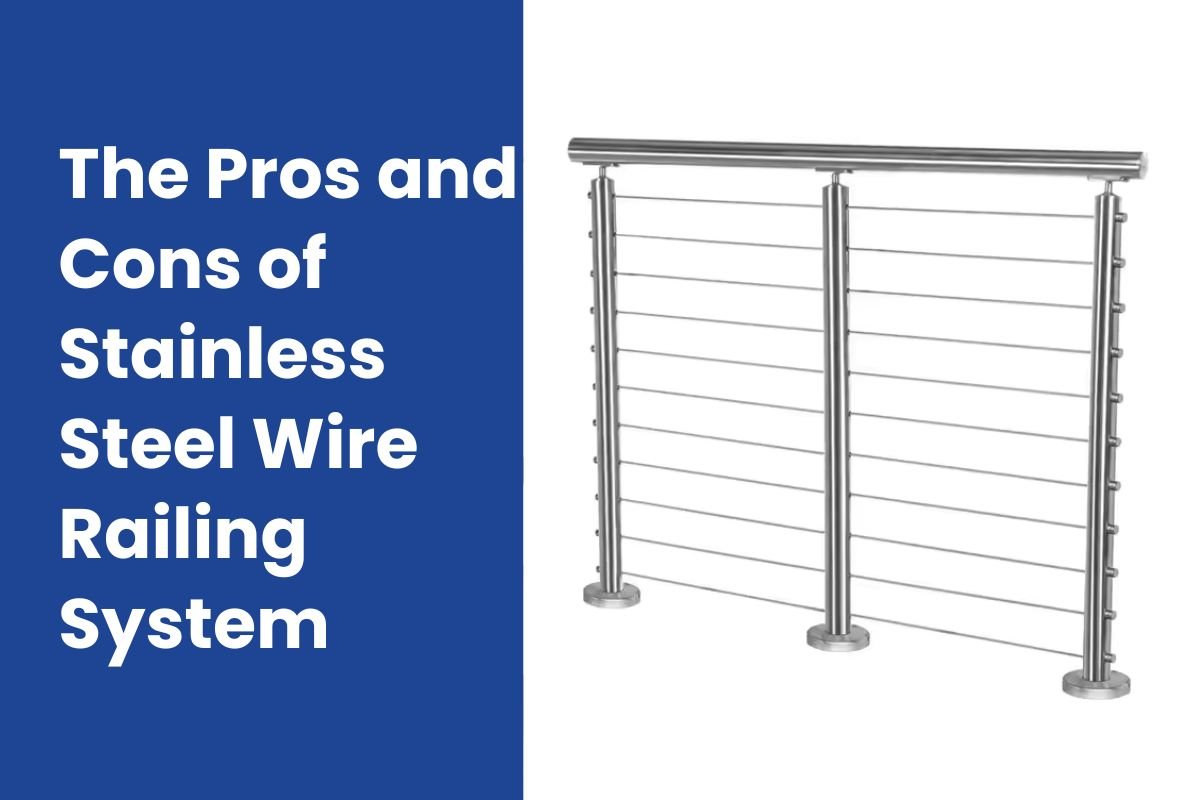
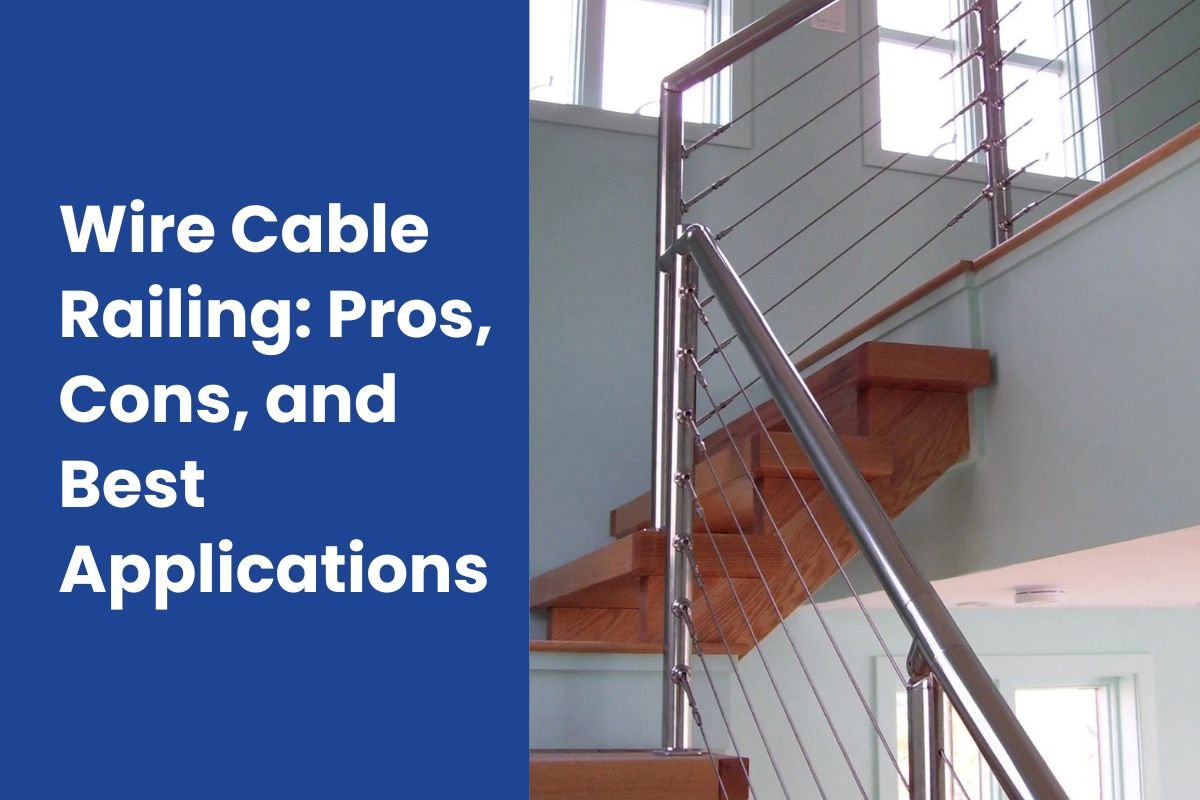
Stainless steel cable railing systems consist of horizontal or vertical cables tensioned between posts to create a protective barrier along stairs, decks, and balconies. Unlike traditional wood balusters or glass panels, cable railings offer a nearly transparent appearance that maintains sight lines while meeting building code requirements.
The fundamental components include stainless steel cables (typically 1/8″ or 3/16″ diameter), posts with tensioning hardware, intermediate fittings, and end terminations. The cables run parallel to each other with spacing that prevents small children or pets from slipping through, usually maintaining gaps of 3 inches or less between cables.
Marine-grade stainless steel (316 grade) provides superior corrosion resistance, particularly in coastal environments where salt air can damage lesser materials. Interior applications and dry climates often use 304 stainless steel, which offers excellent durability at a lower price point. Both grades maintain their appearance for decades with minimal cleaning.
The tensioning mechanism distinguishes quality systems from basic installations. Professional-grade cable railing systems use threaded terminals that allow precise tension adjustment, preventing cable sag over time. Proper tension keeps cables tight enough to meet code requirements while avoiding over-tensioning that could damage posts or fittings.
The Best Stainless Steel Cable Railing System for Stairs
Picking the Best Stainless Steel Cable setup means looking at more than just the cable. Staircases require a carefully chosen combination of cable diameter, tension hardware, railing posts, and fittings designed specifically for angled runs.
Here’s what matters most:
Cable Material and Grade
Most builders rely on 316 stainless steel, especially for staircases and outdoor areas.
316 stainless steel:
- Handles moisture better
- Resists rust
- Stays visually clean longer
- Works beautifully with tension fittings
You can explore stainless steel cable systems here: Stainless Steel Cable System – Urailing
Cable Thickness
The common options:
| Cable Diameter | Best Use | Notes |
|---|---|---|
| 1/8 inch | Residential stairs | Most popular; flexible and strong |
| 5/32 inch | Larger staircases | Slightly stronger; sleek look |
| 3/16 inch | Commercial stairs | Requires more tension force |
For most homes, 1/8 inch stainless steel cable works perfectly.
Stair-Specific Fittings
Stairs require angled hardware such as:
- Swage studs
- Tensioners
- Turnbuckles
- Angle washers
- End caps
These fittings help maintain equal spacing and tension along an angled stair run.
Check out compatible kits:
👉 Stainless Steel Cable Railing Kit – Urailing
👉 Cable Wire Railing Systems Hardware
Railing Posts
Posts must support tension load without bending.
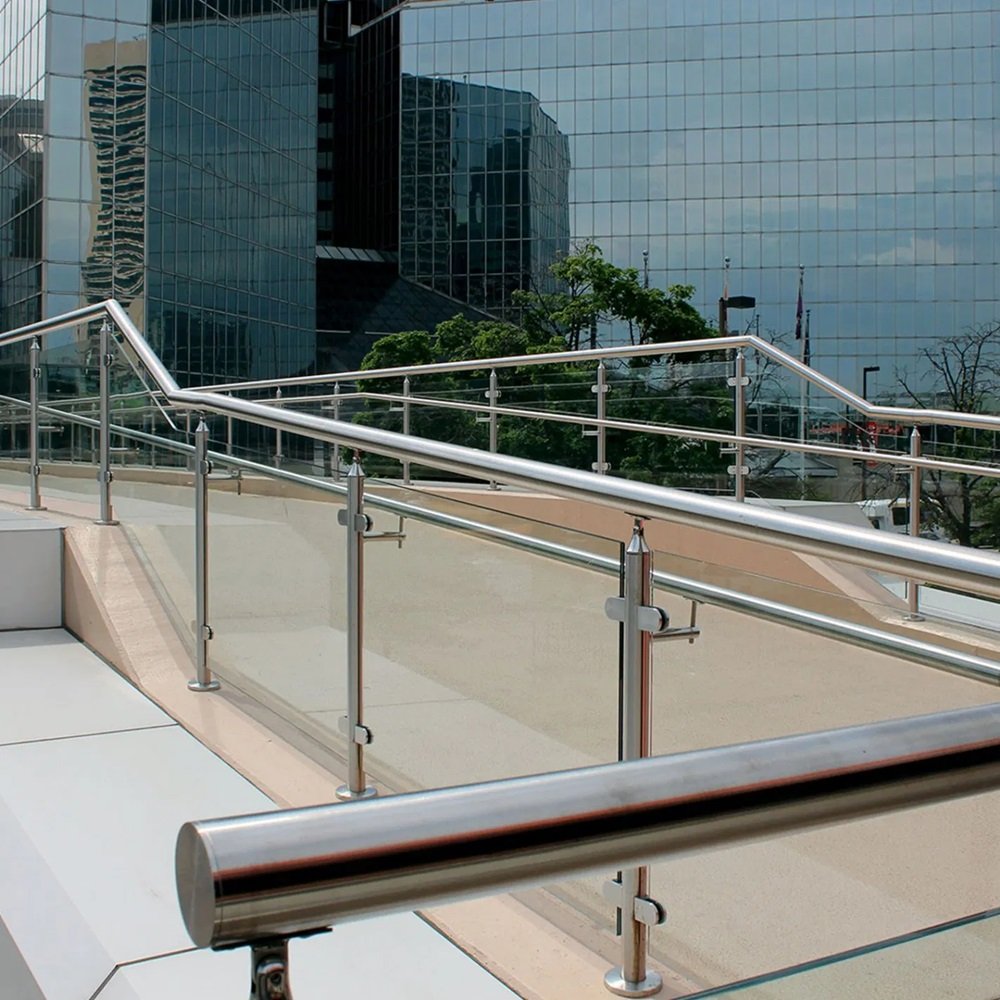
Types of stainless steel railing posts for stairs:
- Top mount posts
- Side mount posts
- Round posts
- Square posts
- Pre-drilled posts (best for DIY installation)
These help keep spacing consistent and the cables tight.
Choosing the Best Stainless Steel Cable Railing System for Stairs
Selecting the right system depends on the area, load requirements, and style. Let’s break down the key parts of a complete system.
A. Stainless Steel Cable
The heart of the system. Stainless steel cable is resilient, strong, and easy to tension.
Visit the full stainless steel cable railing page:
👉 Stainless Steel Cable Railing – Urailing
B. Stainless Steel Railing Posts
Posts hold everything together. The best posts include:
- Pre-drilled options
- 316 stainless steel
- Strong mounting base plates
Stainless posts from Urailing match modern interior and exterior stair styles beautifully.
C. Tension Hardware
Stair railings rely heavily on tension fittings like:
- Turnbuckles
- Jaw fittings
- Swage studs
- Angle washers
These ensure the cable remains stable even under weight.
D. Top Rail & Handrail
Materials you can pair with cable railing:
- Stainless steel
- Wood
- Aluminum
The top rail should be strong enough to handle body weight, especially on staircases.
Comparing the Best Stainless Steel Cable Railing Systems
Below is a helpful comparison to guide your decision:
| Feature | Stainless Steel Cable System | Wood Railing | Iron Railing |
|---|---|---|---|
| Durability | Excellent | Average | High |
| Maintenance | Low | High | Medium |
| Aesthetic | Modern | Traditional | Classic |
| Cost | Moderate | Moderate | High |
| Weather Resistance | High | Low | Medium |
| Lifespan | 30+ years | 10–15 years | 20–30 years |
The stainless steel cable system clearly stands out, especially for staircases requiring strong support and longevity.
Selecting the Right Cable Diameter and Grade
Cable diameter directly impacts both structural performance and visual appearance. The two standard sizes used in residential and light commercial applications are 1/8 inch and 3/16 inch diameter cables.
1/8 inch cables create an almost invisible railing system from even short distances. The thin profile works well for interior stairs where traffic remains moderate and aesthetic concerns outweigh heavy-duty requirements. These cables require closer post spacing (typically 3-4 feet maximum) to maintain proper tension without sagging.
3/16 inch cables provide greater structural capacity and longer spans between posts. Outdoor stairs and high-traffic commercial locations benefit from the increased strength. The slightly larger diameter remains visually unobtrusive while reducing the number of posts needed, potentially lowering installation costs.
Stainless steel grade determines corrosion resistance and longevity. Type 304 stainless steel contains 18% chromium and 8% nickel, offering excellent resistance to atmospheric corrosion in most environments. Interior stairs and applications in non-coastal regions perform well with 304 grade materials.
Type 316 stainless steel adds 2-3% molybdenum to the alloy composition, creating superior resistance to chloride corrosion. Coastal properties, pool areas, and marine applications require 316 grade stainless steel. The additional cost proves worthwhile in preventing rust staining and cable failure in harsh conditions.
Construction method also affects cable performance. 1×19 construction (one strand with 19 wires) provides maximum strength and minimal stretch. 7×7 construction (seven strands with seven wires each) offers greater flexibility for installations with multiple direction changes but requires more frequent tension adjustments.
Post Selection and Spacing Considerations
Post material forms the foundation of any cable railing system. Stainless steel posts match cable materials for a cohesive appearance, though wood and aluminum posts with cable infill also create attractive combinations. Stainless steel cable railing posts provide the strongest anchorage points and eliminate concerns about rot or galvanic corrosion between dissimilar metals.
Round posts with diameters from 1.5 to 2 inches suit most residential stairs. Square posts ranging from 2×2 inches to 3×3 inches offer a more substantial appearance appropriate for commercial installations or larger homes. The post profile should complement existing architectural elements while providing sufficient strength for cable tension loads.
Spacing between posts depends on cable diameter, post strength, and local building codes. Most residential installations place posts between 3 and 5 feet apart. Closer spacing (3-4 feet) works better with 1/8 inch cables, while 3/16 inch cables can span up to 5 feet when properly tensioned. Manufacturers provide load calculations to ensure code compliance.
Stairs require additional posts compared to straight runs because angled railings create different load distributions. Corner posts and direction changes need reinforcement to handle multi-directional cable tension. Professional installation guides from URailing detail these structural requirements.
Base mounting methods vary depending on the substrate. Surface mounting with base plates works for concrete, composite decking, and existing wood structures. Through-bolting provides maximum strength when post locations align with structural framing members. Core-mount posts insert into the stair stringer or deck frame, creating a clean appearance without visible base plates.
Complete Cable Railing Kit Components
A comprehensive stainless steel cable railing kit includes all necessary components for a complete installation. Understanding what comes in a kit helps buyers compare offerings and avoid surprise costs for additional hardware.
Cable assemblies typically come pre-cut to length with end fittings already attached. This factory preparation ensures consistent quality and saves installation time. Custom lengths accommodate specific stair dimensions, while standard lengths suit common deck and porch configurations.
Tensioning hardware includes threaded studs, swage fittings, and turnbuckles that allow cable adjustment. Threaded terminals thread into tapped posts or surface-mounted receivers, creating adjustable tension points. The ability to retension cables after initial installation proves valuable as cables settle and expand with temperature changes.
Intermediate supports hold cables at proper spacing on runs longer than 4 feet. These supports may consist of drilled posts, cable guides, or pass-through sleeves. Proper intermediate support prevents cable deflection when pressure applies between posts.
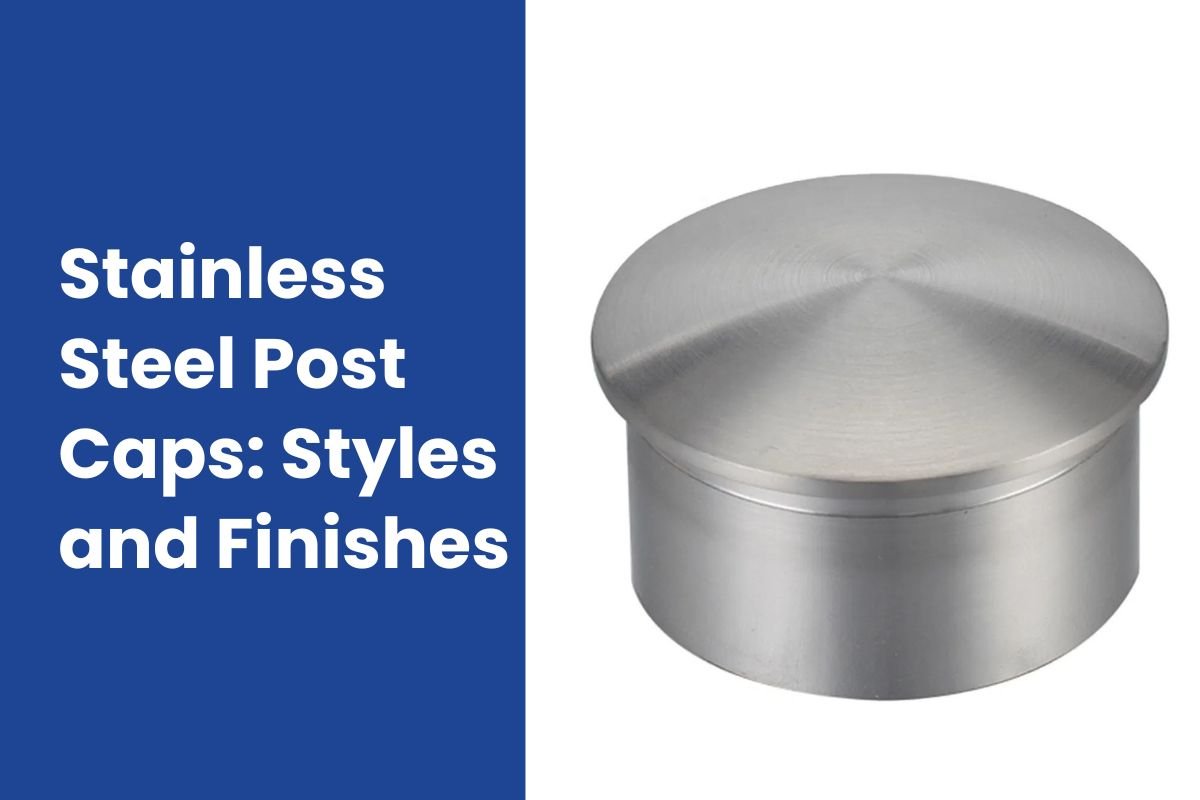
Posts, mounting brackets, and post caps complete most kits. Some manufacturers include installation tools like drill bits, wrenches, and tension gauges. Complete cable railing kits from URailing provide everything needed for professional results without hunting for compatible components.
Fasteners and adhesives should match the corrosion resistance of the cable and posts. Stainless steel mounting bolts prevent rust streaks on decking and posts. Marine-grade construction adhesive adds stability to post bases in certain mounting situations.
Top Features to Look for in Quality Systems
Adjustable tension systems separate professional-grade railings from basic installations. Quality systems include threaded terminals at one or both ends of each cable, allowing tension adjustment after installation and throughout the system’s life. Temperature changes, settling, and normal cable stretch require periodic retensioning.
Pre-drilled posts save installation time and ensure proper hole alignment. Manufacturers drill cable holes using computer-controlled equipment that maintains precise spacing and alignment. Field-drilling introduces potential errors that affect both appearance and function.
Corrosion-resistant hardware throughout the system prevents rust staining and structural failure. All metal components should match or exceed the corrosion resistance of the cables themselves. Mixing dissimilar metals creates galvanic corrosion that degrades the system over time.
Clear installation documentation with detailed drawings, cable measurements, and step-by-step instructions helps DIY installers achieve professional results. Video tutorials provided by manufacturers like URailing demonstrate techniques that prevent common mistakes.
Warranty coverage indicates manufacturer confidence in product quality. Look for warranties covering materials for 10-25 years and specifically addressing stainless steel components. Understand what the warranty excludes, such as damage from improper installation or failure to perform maintenance.
Load testing and code compliance certifications provide assurance that systems meet structural requirements. Manufacturers should provide engineering data showing their systems satisfy International Building Code (IBC) and International Residential Code (IRC) requirements for guardrails.
Finding Reliable Manufacturers and Suppliers
Manufacturer reputation influences both product quality and customer support. Established companies with years of experience provide proven systems with extensive installation track records. Newer manufacturers may offer lower prices but lack the engineering data and customer feedback that verify long-term performance.
URailing brings extensive manufacturing experience to cable railing systems, producing components at their China facility with strict quality control. Their systems undergo testing to verify code compliance and structural performance before reaching customers.
Product documentation separates professional manufacturers from importers relying on generic instructions. Detailed installation manuals, engineering drawings, and load calculations demonstrate manufacturer investment in customer success. Video installation guides supplement written instructions, showing techniques that prevent common mistakes.
Customer reviews and project galleries provide insight into real-world performance. Look for feedback addressing installation difficulty, component quality, and manufacturer responsiveness to questions or issues. Photo galleries showing completed projects demonstrate system versatility and appearance in various applications.
Warranty terms reveal manufacturer confidence in product longevity. Quality manufacturers offer 10-25 year warranties covering defects in materials and workmanship. Understand warranty limitations – most exclude damage from improper installation, failure to maintain proper tension, or use in environments exceeding component specifications.
Technical support availability helps DIY installers overcome obstacles during installation. Manufacturers should provide phone or email support to answer questions about component selection, installation techniques, and troubleshooting. URailing’s customer support assists customers from initial design through installation completion.
Availability and lead times affect project scheduling. Domestic stock of standard components allows quick shipment, while custom configurations may require several weeks for production. Understanding manufacturing and shipping timelines helps coordinate cable railing installation with other construction activities.
Where to Buy the Best Stainless Steel Cable Railing Systems
When it comes to purchasing high-quality stainless steel cable railing systems, Urailing is your trusted source. We offer a wide range of products, including:
For more information, visit our Contact page to get in touch with our team.
Summary
Stainless steel cable railing systems are a perfect blend of safety, durability, and modern design. Whether you’re upgrading your home or working on a new construction project, these systems offer a long-lasting and stylish solution for your stairs. By choosing high-quality products from Urailing, you can ensure a seamless installation and years of reliable performance.
For more information, explore our Stainless Steel Cable System collection or contact us directly at Urailing.
FAQs
Q: What is the best grade of stainless steel for cable railings?
A: 316-grade stainless steel is the best choice for its superior corrosion resistance, especially in coastal or humid environments.
Q: Can I install a stainless steel cable railing system myself?
A: Yes, with the right tools and instructions, DIY installation is possible. However, for complex designs, professional installation is recommended.
Q: How do I maintain stainless steel cable railings?
A: Regular cleaning with a damp cloth and mild detergent, along with periodic inspections, will keep your railings in top condition.
Q: Are stainless steel cable railings safe for children?
A: Yes, when installed with proper spacing (typically no more than 4 inches), they provide a safe barrier for children and pets.