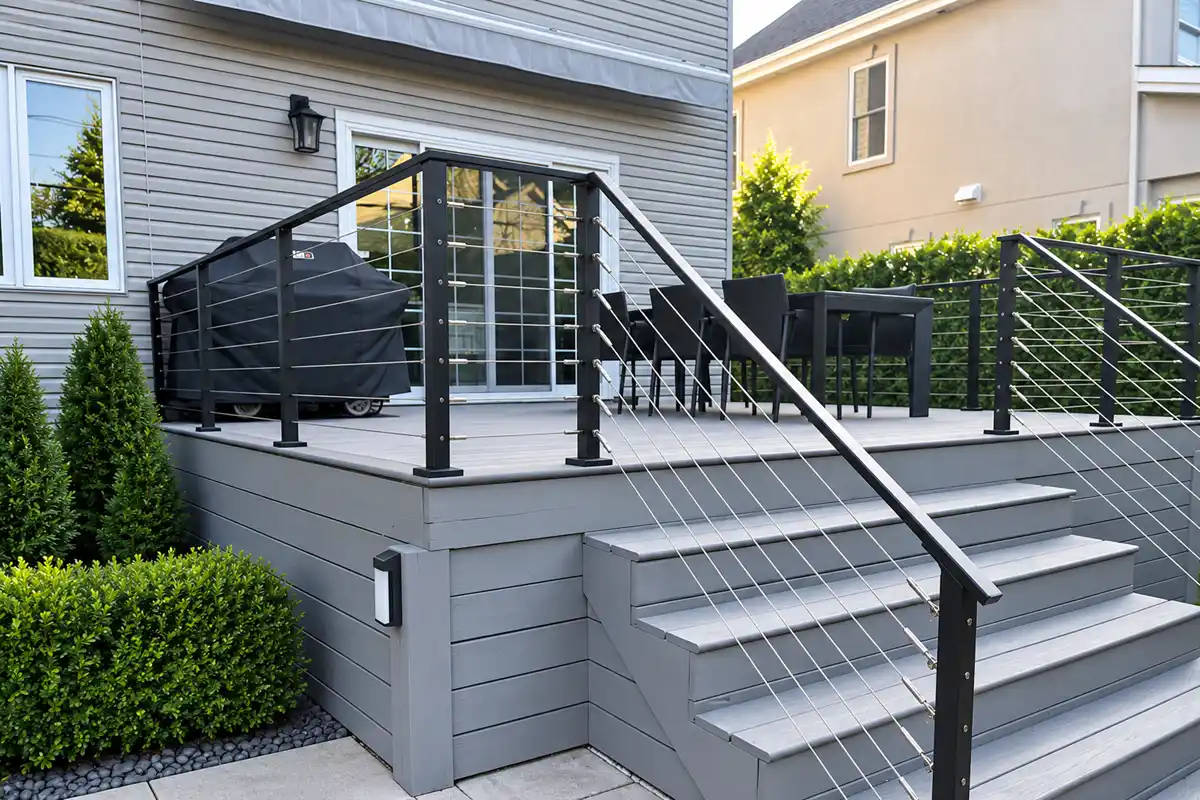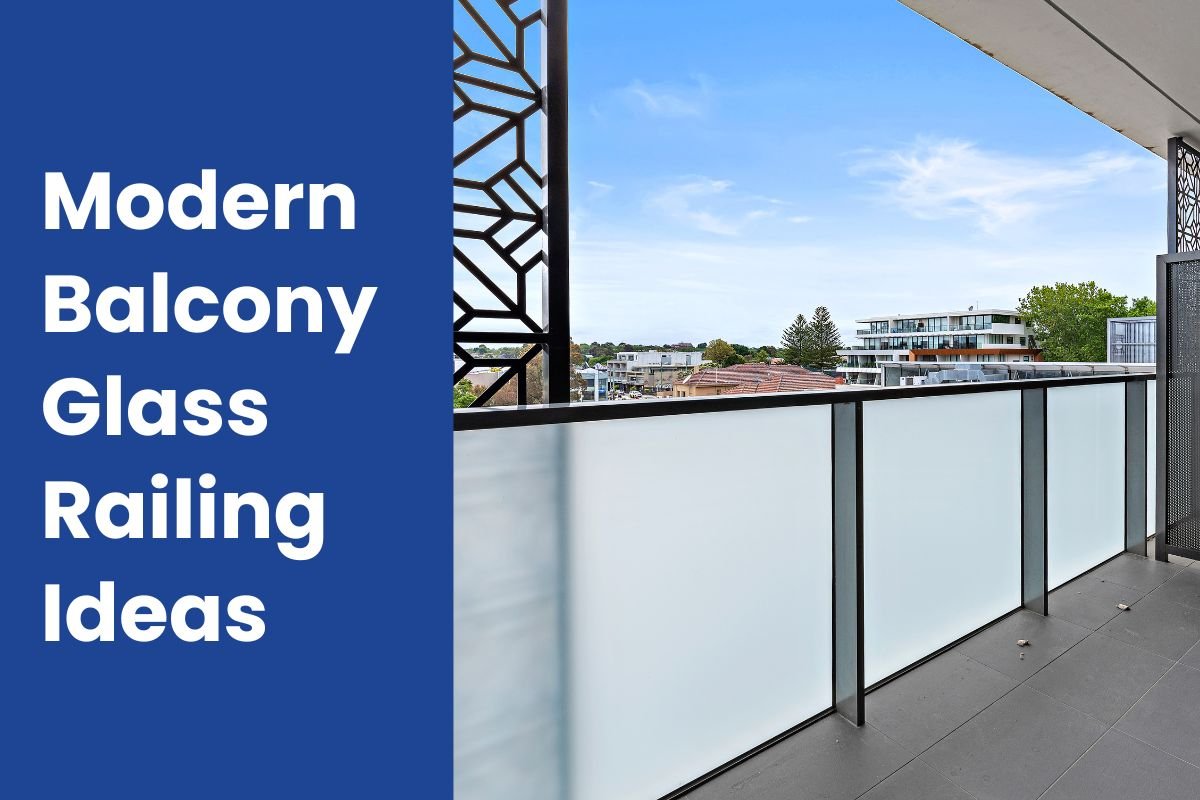
Glass railings are revolutionizing balcony designs, offering a seamless blend of aesthetics and functionality. Whether you’re working with a small urban balcony or a spacious outdoor area, glass railings provide unobstructed views, enhance natural light, and create a sleek, contemporary look. They’re ideal for anyone looking to combine elegance with practicality.
At Unikim Metals, we specialize in crafting high-quality glass railing systems tailored to your needs. From small modern balcony glass railing ideas to full glass balcony designs, our solutions are built to last, ensuring durability and style.
Why Glass Railings Work for Modern Balconies
Traditional metal and wood railings served their purpose for decades. Then architects and builders discovered glass changes everything.
First, visibility matters. Glass panels eliminate visual barriers. Residents enjoy uninterrupted sightlines. Property values increase when views aren’t compromised.

Second, maintenance drops significantly. Quality tempered or laminated glass resists weathering better than wood (no rot or warping) and outlasts powder-coated metals exposed to salt air or industrial environments.
Third, design flexibility expands. Glass adapts to curved layouts, angular corners, and mixed-material combinations. You can integrate stainless steel components or aluminum profiles depending on structural needs and aesthetic preferences.
Safety standards continue tightening globally. Modern glass railing systems meet international building codes through proper thickness specifications, mounting methods, and material certifications. When sourced from ISO 9001 manufacturers like Unikim Metals, these systems arrive with CE certification and detailed technical documentation.
Popular Balcony Glass Railing Ideas: From Minimalist to Statement Designs
Frameless Glass Systems: Maximum Transparency
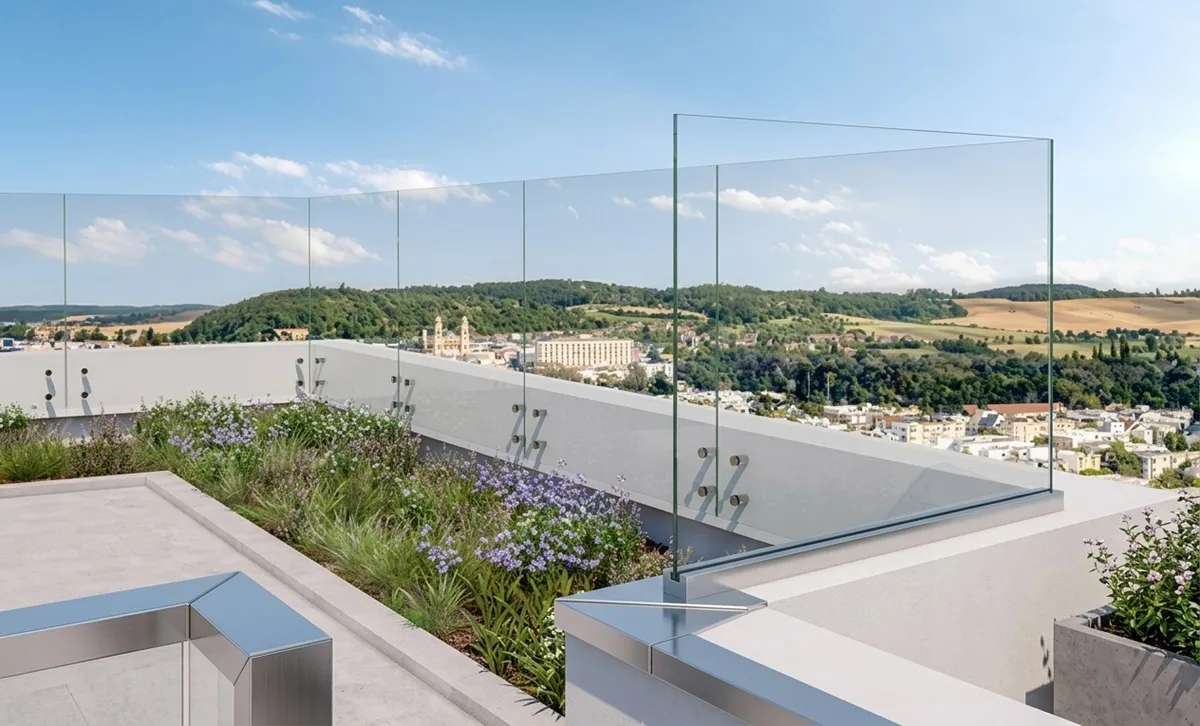
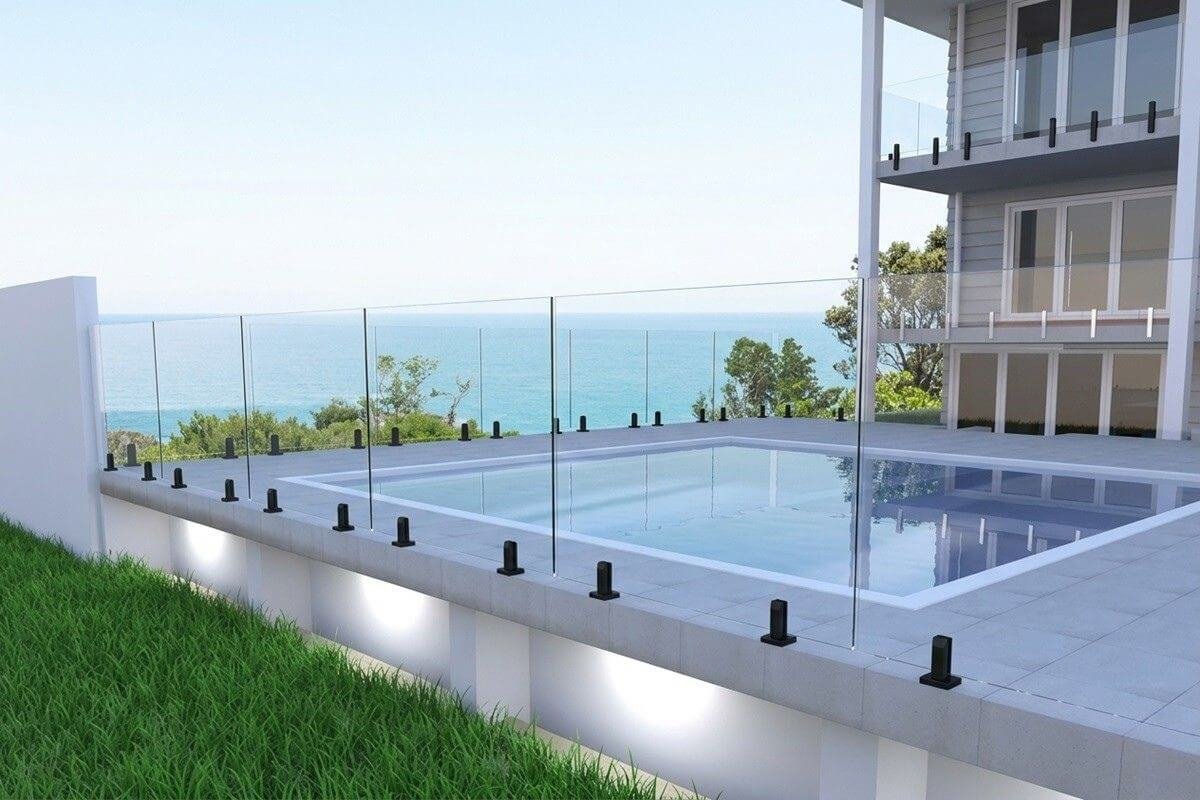
Frameless installations use minimal hardware. Glass panels mount directly to the floor or deck surface through discrete spigots or channels. No top rail blocks the view.
Key advantages:
- Clean sightlines from any angle
- Easier cleaning with fewer crevices
- Contemporary appearance that complements modern architecture
Best applications: High-rise balconies, waterfront properties, rooftop terraces where views drive property appeal. Also ideal when you want the glass itself to be the design feature.
Frameless glass railing systems require precise engineering. Panel thickness typically ranges from 10mm to 15mm tempered glass, depending on height and wind load calculations. Proper spigot selection ensures structural integrity while maintaining the floating appearance.
Semi-Framed Systems: Structure Meets Elegance
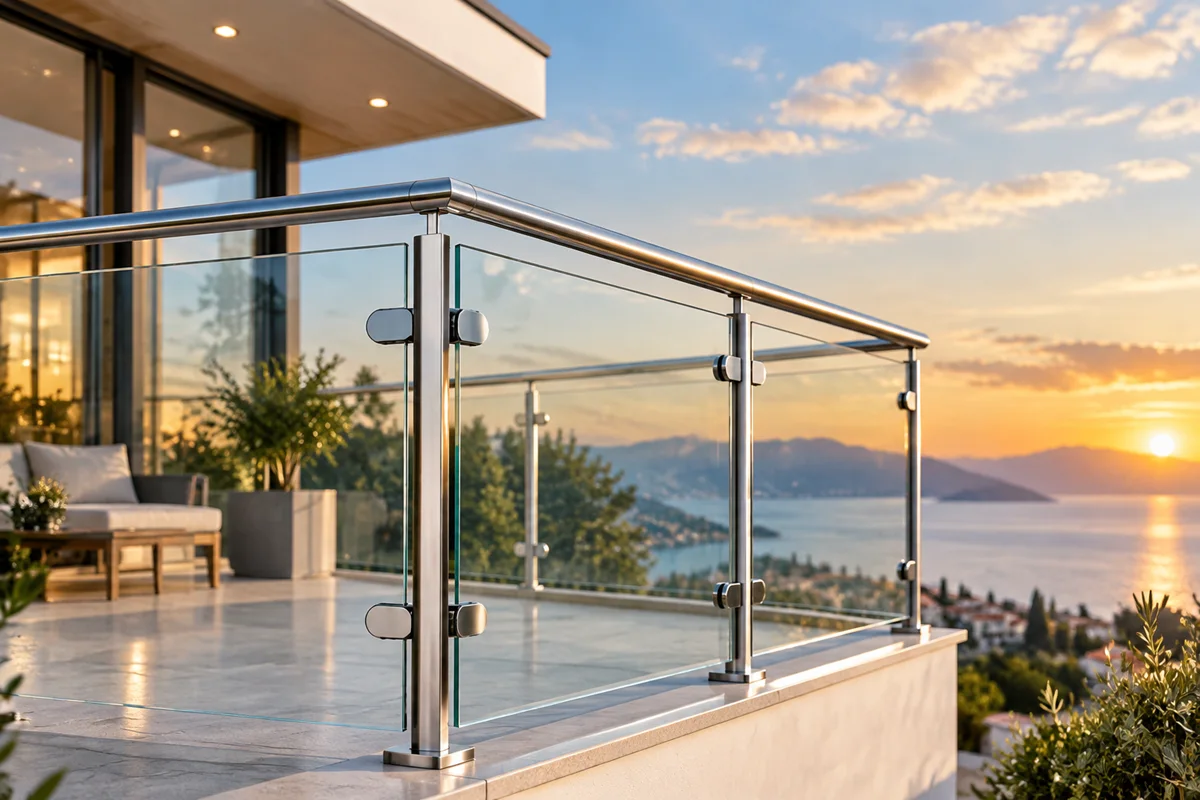
These systems use top handrails and minimal side posts. Glass panels fit into channels or mount with standoff brackets. You get structural support plus clear views.
The handrail adds functionality. People naturally grab railings when navigating stairs or balconies. A sturdy top rail made from stainless steel or aluminum provides that security while framing the glass panels.
Material combinations that work:
- Brushed stainless steel rails with clear glass
- Matte black powder-coated aluminum with tinted panels
- Wooden top rails paired with glass for hybrid aesthetic
This approach works well for glass railing design for stairs where handrails serve functional rather than purely decorative purposes. The side posts can be spaced widely, maintaining open views while meeting structural requirements.
Fully Framed Glass Panels: Traditional Structure, Modern Material
Full framing uses posts, top rails, and bottom channels to secure glass panels completely. This method provides maximum strength and works with thinner glass.
When to choose framed systems:
- Higher balconies requiring additional wind resistance
- Locations with seismic activity concerns
- Budget-conscious projects (allows thinner, less expensive glass)
- Retrofit applications where existing post locations determine layout
The frames themselves become design elements. Choose between industrial matte black finishes, warm bronze tones, or classic brushed stainless. Adjustable components accommodate slight variations in deck surface levels or post spacing.
Tinted and Frosted Glass: Privacy Without Walls
Clear glass isn’t your only option. Tinted panels reduce glare and add color depth. Frosted sections provide privacy while maintaining light transmission.
Small modern balcony glass railing ideas often incorporate partial frosting. The lower 30-40% gets frosted treatment for privacy when seated, while upper sections remain clear for views.
Color options include:
- Gray tints that complement urban architecture
- Bronze tones for warm, traditional exteriors
- Blue-green shades for coastal properties
- Custom acid-etched patterns for branding or decorative elements
Curved Glass Railings: Architectural Focal Points
Curved glass panels create flowing lines around circular balconies or softened corners. This design approach demands specialized fabrication but delivers striking visual results.
The curves require custom-bent tempered glass or small flat panels arranged in segmented curves. Engineering complexity increases costs, but the result transforms ordinary balconies into architectural features.
Best for: Luxury residential developments, boutique hotels, commercial spaces where design differentiation matters, penthouses with wrap-around terraces.
Glass Types and Material Specifications for Balcony Railings
Tempered Glass: Standard for Safety
Tempered glass undergoes heat treatment that increases strength four to five times over standard annealed glass. When broken, it shatters into small pebble-like pieces with dull edges.
Specifications to consider:
- Thickness: 10mm, 12mm, or 15mm based on panel height and span
- Edge work: Polished edges prevent chips and improve appearance
- Heat soak testing: Reduces spontaneous breakage risk from nickel sulfide inclusions
Most balcony applications use 12mm tempered glass. Heights above 1200mm or windy locations may require 15mm thickness. Your engineer and local building codes determine exact requirements.
Laminated Glass: Enhanced Safety and Performance
Laminated glass bonds two glass layers with a PVB (polyvinyl butyral) interlayer. If broken, glass fragments adhere to the interlayer instead of falling.
Additional benefits:
- UV filtering protects furniture and flooring from sun damage
- Sound dampening reduces noise transmission (valuable for urban balconies)
- Security improvement since panels resist forced entry better
For full glass balcony systems without top rails, laminated glass provides added security. The PVB interlayer also allows color customization and printed patterns between glass layers.
Hardware Components: The Hidden Engineering
Glass panels get the attention, but hardware determines longevity and performance. Quality accessories and fittings make the difference between a system lasting 5 years versus 25 years.
Spigots and Standoffs
These mounting brackets secure glass panels to floor surfaces. Marine-grade stainless steel (AISI 316) resists corrosion in coastal environments. Standard stainless steel (AISI 304) works for most inland applications.
Adjustable spigots compensate for uneven surfaces. Base plates spread loads across decking materials. Proper sizing depends on glass thickness and panel dimensions.
Handrail Systems
When codes require top rails, material selection affects maintenance and aesthetics. Stainless steel offers durability and works with various finishes. Aluminum provides lighter weight for easier installation and works well with powder coating.
Stainless steel handrails come in round, square, or rectangular profiles. Diameter typically ranges from 38mm to 50mm for comfortable gripping.
Gaskets and Spacers
Rubber or synthetic gaskets prevent glass-to-metal contact that could cause scratching or stress points. They also allow slight movement from thermal expansion without damaging panels.
Spacers maintain proper gaps between glass and mounting points. These small components prevent squeaking, rattling, and premature wear.
Installation Considerations for Different Balcony Types
Concrete Balconies
Concrete provides the strongest mounting surface. Expansion anchors or chemical anchors secure base plates and spigots directly into the deck.
Key steps:
- Verify concrete thickness and reinforcement location
- Use proper anchor depth (typically 75-100mm)
- Seal penetrations against water infiltration
- Check local wind load requirements for anchor spacing
Wood Deck Balconies
Wooden decking requires blocking between joists where posts or spigots mount. The blocking distributes loads and prevents deck board flexing.
Critical factors:
- Joist spacing influences mounting locations
- Treated lumber resists moisture under base plates
- Flashing prevents water damage at penetrations
- Structural fasteners rated for outdoor exposure
Steel Frame Balconies
Many commercial and industrial applications use steel-framed balconies. Glass railing systems adapt easily to these structures.
Mounting plates weld directly to steel framework or bolt through drilled holes. Galvanizing or protective coatings prevent corrosion at connection points. Coordination between steel fabricators and glass railing system suppliers ensures proper hole placement and dimensions.
Design Ideas for Small Modern Balcony Glass Railing
Urban apartments and compact outdoor spaces present unique challenges. Limited square footage makes every design choice critical.
Maximize Perceived Space
Glass naturally makes small areas feel larger. Frameless systems amplify this effect by removing visual boundaries. Your 4-square-meter balcony suddenly feels like an extension of interior living space.
Choose Slim Profiles
When framing is necessary, specify the thinnest profiles that meet structural requirements. Aluminum railing systems often provide sleeker profiles than steel while maintaining strength.
Integrate Lighting
LED strip lighting embedded in handrails or mounted at deck level creates ambiance without consuming precious floor space. Low-voltage systems offer safety and energy efficiency.
Multi-Functional Handrails
Some manufacturers offer handrail systems with integrated planters or beverage ledges. These features add functionality without additional floor footprint.
Color and Finish Options for Modern Glass Railing
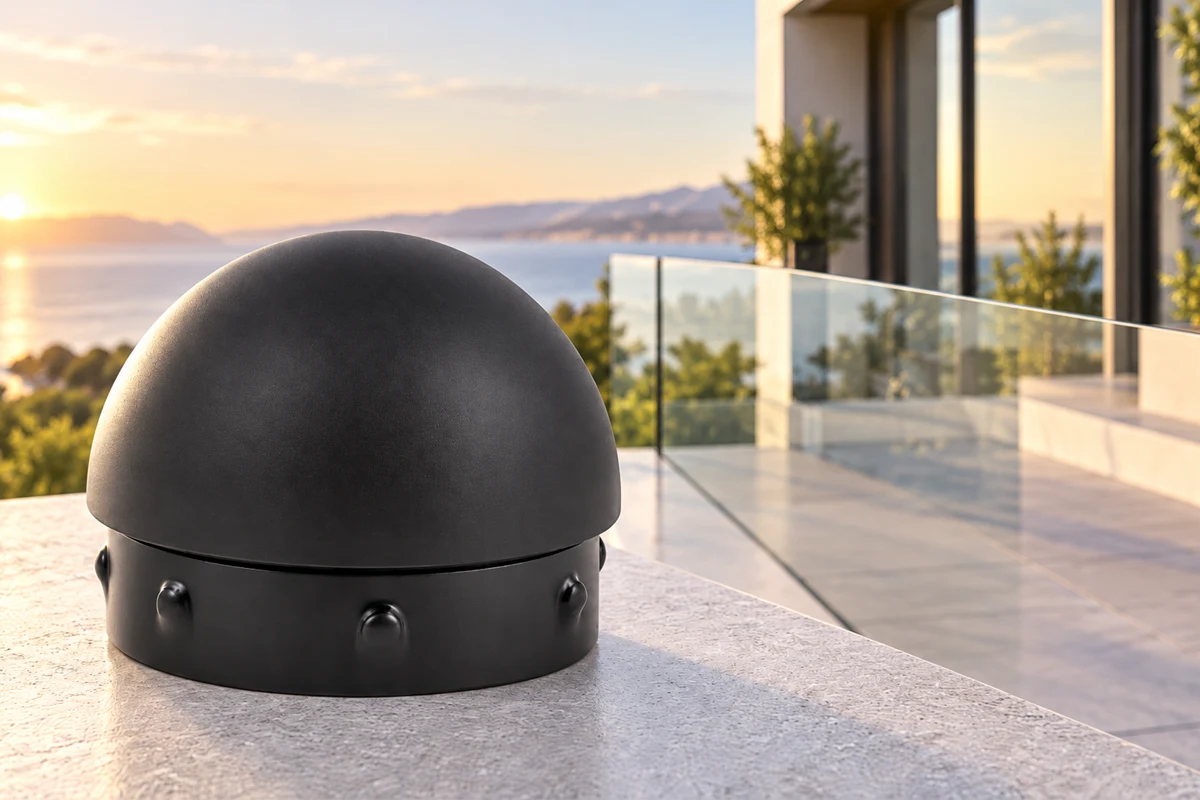
Balcony black glass design trends continue gaining popularity. Dark-tinted glass paired with matte black hardware creates sophisticated, contemporary looks that suit both residential and commercial projects.
Hardware Finishes
- Brushed stainless steel: Timeless appearance, hides fingerprints, easy maintenance
- Polished stainless steel: Mirror-like finish for luxury applications
- Matte black powder coat: Contemporary aesthetic, coordinates with modern architecture
- Bronze or copper tones: Warm accent that complements traditional or industrial design
- Anodized aluminum: Durable color that resists fading and corrosion
Glass Treatment Options
Beyond tint and frosting, consider:
- Low-iron glass: Enhanced clarity with reduced green tint
- Reflective coatings: Mirror effect from outside, clear view from inside
- Acid-etched patterns: Custom designs for branding or decorative elements
- Digital ceramic printing: Permanent graphics or patterns applied during tempering
Modern Balcony Glass Railing Ideas for Every Space
There’s no one-size-fits-all design when it comes to glass railings. Each project has unique demands, from structure and size to desired aesthetics. Let’s explore some modern balcony glass railing ideas that elevate spaces of all types.
1. Frameless Glass Railings
Perfect for luxury apartments and seaside homes, frameless systems create a “floating” illusion. They’re typically mounted using spigots or concealed channels that keep the view uninterrupted.
Check out Unikim’s spigot systems for sturdy, stylish options that hold the glass firmly without visible obstructions.
2. Aluminum-Framed Railings
Aluminum frames combine lightweight design with strong structural support. They’re ideal for windy areas or higher floors where stability is crucial.
→ Try the Aluminum Stairs Glass Railing System — a sleek solution offering durability and simple installation.
3. Tinted and Frosted Glass
Tinted glass adds privacy without losing the modern touch, while frosted glass softens light and adds texture. Both are perfect for urban homes and boutique hotels aiming for style and discretion.
4. Matte Black Details
The trend of balcony black glass design is here to stay. Matte black railings or handrails contrast beautifully with clear glass, creating a bold, contemporary look.
Explore Unikim’s Matte Black Stainless Steel 316/304 Glass Railing Handrail for a timeless finish that never fades.
Cost Factors and Budgeting for Glass Railing Projects
Understanding price drivers helps buyers make informed decisions and avoid surprises during procurement.
Material Costs
Glass type and thickness significantly impact pricing. Standard 12mm tempered glass costs less than laminated alternatives. Custom tints, low-iron glass, or special coatings add 15-30% to material costs.
Hardware quality matters more than many realize. Cheap zinc alloy components corrode quickly and fail prematurely. Stainless steel AISI 304 or 316 grades cost more upfront but eliminate replacement expenses.
Design Complexity
Straight runs with standard panel sizes cost less to fabricate and install. Curved glass, custom heights, or unusual layouts require engineering time and specialized fabrication.
Frameless systems typically cost 20-35% more than semi-framed alternatives due to thicker glass requirements and precision hardware.
Installation Variables
Labor costs depend on access difficulty, surface conditions, and project scope. High-rise installations require specialized equipment. Retrofit projects cost more than new construction due to existing condition variations.
Typical Price Ranges (USD per linear meter)
- Basic framed system: $180-$280
- Semi-framed with stainless steel rail: $250-$380
- Frameless tempered glass system: $320-$480
- Frameless laminated with custom features: $450-$650+
These ranges reflect material and labor from established manufacturers with proper certifications. Cheaper alternatives often lack quality control, proper documentation, or adequate warranties.
Maintenance Requirements for Long-Term Performance
Glass railings require minimal maintenance compared to wood or painted metal alternatives. However, proper care extends service life and preserves appearance.
Routine Cleaning
Standard glass cleaners work fine for most applications. Avoid abrasive cleaners that scratch glass surfaces. Soft cloths or squeegees prevent streaking.
Cleaning frequency depends on environment:
- Urban/industrial areas: Weekly to remove pollution and grime
- Coastal locations: Bi-weekly to eliminate salt residue
- Suburban/rural settings: Monthly for general maintenance
Hardware Inspection
Quarterly checks ensure mounting hardware remains tight and corrosion-free. Look for:
- Loose fasteners requiring tightening
- Gasket deterioration or displacement
- Corrosion on metal components
- Glass edge chips or cracks
Specialized Treatments
Hydrophobic coatings applied to glass surfaces repel water and reduce cleaning frequency. These treatments typically last 1-2 years before reapplication.
Stainless steel hardware benefits from periodic cleaning with stainless steel polish, which removes water spots and maintains luster.
Compliance and Safety Standards for Glass Balcony Railings
Professional buyers must verify that systems meet applicable building codes and safety regulations.
International Standards
- ASTM E2353: Standard Practice for Performance of Glass in Permanent Glass Railing Systems
- IBC (International Building Code): Specifies load requirements and height minimums
- EN 12600: European standard for impact resistance classification
- SGCC (Safety Glazing Certification Council): North American certification program
Common Requirements
Most jurisdictions mandate:
- Minimum railing height: 1066mm (42 inches) for residential, 1219mm (48 inches) for commercial
- Load resistance: 50 pounds per square foot applied horizontally
- Guard infill openings: Maximum 100mm (4 inches) to prevent child passage
- Tempered or laminated glass required for guard applications
Working with certified manufacturers ensures products arrive with proper documentation. CE marking and SGS certification indicate third-party testing and quality system compliance.
Sourcing Glass Railings: Direct Manufacturer vs. Distributors
Advantages of Direct Manufacturer Sourcing
Purchasing from manufacturers like Unikim Metals provides several benefits:
Cost efficiency: Eliminating distributor markups reduces project costs by 20-35%. This matters significantly on large-scale developments or multi-unit projects.
Customization capability: Manufacturers accommodate OEM and ODM requirements that distributors cannot. Custom dimensions, finishes, or integrated features become feasible.
Quality control: Direct relationships allow factory audits, production monitoring, and quality specification enforcement. You verify ISO 9001 processes firsthand rather than relying on distributor claims.
Technical support: Manufacturer engineering teams provide detailed drawings, load calculations, and installation guidance specific to your project requirements.
Consistent supply: Established production capacity ensures delivery schedules for phased construction or multiple project sites.
What to Look for in a Manufacturer
When evaluating glass railing suppliers, verify:
- Manufacturing experience: Look for 15+ years in railing system production
- Certifications: ISO 9001, CE marking, SGS testing reports
- Material grades: AISI 304, 316, or 2205 stainless steel specifications
- Production capacity: 4000+ SKUs indicate comprehensive product range
- Export expertise: English-speaking sales teams familiar with international standards
- Customization services: Logo application, custom packaging, detailed OEM drawings
Ningbo Unikim Metal Products Co., Limited exemplifies these criteria with 20+ years manufacturing experience, comprehensive certifications, and proven export capabilities. Their factory-direct model serves architects, contractors, and procurement teams requiring quality systems at competitive pricing.
Modern Glass Railing Design for Stairs: Extending the Concept
Glass railings work equally well for interior and exterior stairways. The same principles apply with additional considerations.
Stairway-Specific Requirements
Handrail continuity: Codes often require uninterrupted handrails along stair runs. Glass panels combine with continuous rails rather than post-mounted sections.
Tread nosing clearance: Glass mounting must not interfere with stair tread dimensions or create trip hazards.
Landing transitions: Corners and direction changes require careful planning for glass panel sizes and hardware placement.
Design Approaches
Side-mounted panels: Glass installs to the side of stair stringers, leaving treads fully visible. This approach maximizes visual lightness.
Tread-mounted posts: For open-riser stairs, posts mount directly to treads with glass panels between. Ensure structural capacity handles point loads.
Integrated balustrade systems: Combining stair and landing railings into unified designs creates cohesive appearance throughout multi-level spaces.
Glass railing systems for stairs require coordination between stair fabricators and railing suppliers. Provide stair shop drawings early in design process.
Environmental Considerations and Sustainability
Specification teams increasingly evaluate environmental impacts alongside performance and cost factors.
Material Sustainability
Glass: Infinitely recyclable without quality degradation. Recycled content available in standard float glass production.
Stainless steel: Contains 60-80% recycled content. Fully recyclable at end of service life. Durability reduces replacement frequency and associated environmental costs.
Aluminum: Highly recyclable with 95% energy savings versus primary production. Lightweight reduces transportation impacts.
Longevity Factor
Glass railing systems lasting 25+ years avoid replacement cycles that generate waste and consume resources. This durability represents significant sustainability advantage over shorter-lived alternatives requiring replacement every 5-10 years.
Local vs. Imported Materials
Transportation impacts must be weighed against manufacturing efficiency and quality. Established Asian manufacturers often demonstrate lower total environmental impact than local producers due to scale efficiency, despite shipping distances.
Verify manufacturer environmental management systems (ISO 14001) and request EPD (Environmental Product Declaration) data for LEED projects or sustainability reporting requirements.
Partnering with a Certified Manufacturer: Quality and Compliance
When your business relies on delivering high-quality, compliant components to market, the choice of manufacturer is the most important decision. A true manufacturing partner offers more than just product; they offer certification, customization, and logistical support.
Ensuring International Compliance
For importers, certification is proof that the product meets necessary safety and quality benchmarks. We operate under stringent quality controls, holding ISO 9001 Quality management certification. Furthermore, our products are CE certified and our facility is SGS certified. These stamps of approval confirm that the railings and components are ready for the global market, simplifying your importation and compliance process.
The Value of OEM and ODM Capabilities
Many wholesalers and brand owners need more than a generic catalog item. They require products tailored to their specific market, climate, or regulatory standards. This is where our decades of manufacturing experience shine.
- OEM (Original Equipment Manufacturing): We produce products according to your precise designs and specifications. We provide detailed drawings for OEM products and can ensure your Logo can be made on the items.
- ODM (Original Design Manufacturing): We can help you design a brand-new system from the ground up, combining your market insight with our manufacturing expertise to create a unique product line.
We handle everything from using high-grade materials like AISI 304, 316, and 2205, aluminum, and zinc, to providing custom solutions like a color box custom made for retail branding. A key benefit of working with us is our commitment to logistics, offering Door-to-Door on time delivery to streamline your supply chain.
Product Sourcing Comparison: Materials and Certification
| Component/Feature | Best Use Case | Key Professional Specification | Unikim Offerings |
| Frameless Railing | Luxury projects, maximum view. | Laminated or SGP glass, minimum 12mm thickness. | Base shoe channel, Spigot systems, structural standoffs. |
| Coastal/Pool Hardware | Salt air, high corrosion risk. | AISI 316 or 2205 marine-grade stainless steel. | Stainless steel glass railing accessories in marine-grade alloys. |
| Standard Railing | Interior stairs, sheltered balconies. | AISI 304 stainless steel, standard tempered glass. | Glass railing systems with 304 posts and rails. |
| Wholesale Partnership | Brand expansion, custom specifications. | ISO 9001, CE Certified, OEM/ODM capable. | Detailed drawings, custom logo/packaging, 4000+ items. |
By choosing a dedicated and certified glass railing systems supplier, you ensure you are purchasing premium goods where style, quality, and competitive pricing are paramount. We invite you to learn more about our company, which has been established since 2008.
Final Thoughts – Finding the Perfect Balance of Safety and Style
A well-designed glass railing isn’t just about looks—it’s about confidence. Whether it’s a small balcony, a full glass terrace, or an indoor staircase, the right railing system blends safety, style, and enduring strength.
At Unikim Metals, we make sure that every panel, connector, and finish reflects our decades of engineering experience. You get elegance, functionality, and peace of mind—all in one system.
FAQs
1. Can Unikim customize glass railing designs for specific architectural needs?
Yes. Our team provides full OEM/ODM services, including detailed drawings, logo engraving, and tailored packaging.
2. Which type of glass is best for outdoor balconies?
Tempered or laminated glass is ideal due to its strength, impact resistance, and weather durability.
3. Are black glass balcony designs more expensive?
They can be slightly higher in cost due to tinting and coating, but they offer unmatched style and privacy.
4. How does Unikim ensure product quality?
Every product is produced under ISO 9001 and CE certification, with strict QC inspection before shipment.
5. Can Unikim supply railing systems for large-scale projects?
Absolutely. With 20+ years of manufacturing experience and global logistics support, we handle both bulk and custom orders efficiently.