When homeowners and architects look for a railing option that feels open, modern, and durable, Stainless Steel Cable Wire Railing Systems often top the list. These systems combine strength, minimal visual obstruction, and long-term corrosion resistance. As a result, they have become a preferred choice for decks, balconies, stairs, and commercial spaces.
In this complete guide, we will explore how Stainless Steel Cable Wire Railing Systems work, why they are growing in popularity, how to choose the right components, and what makes them a smart investment for modern construction.
If you’re planning a new build or renovation, this article will help you make an informed decision.
What Are Stainless Steel Cable Wire Railing Systems?
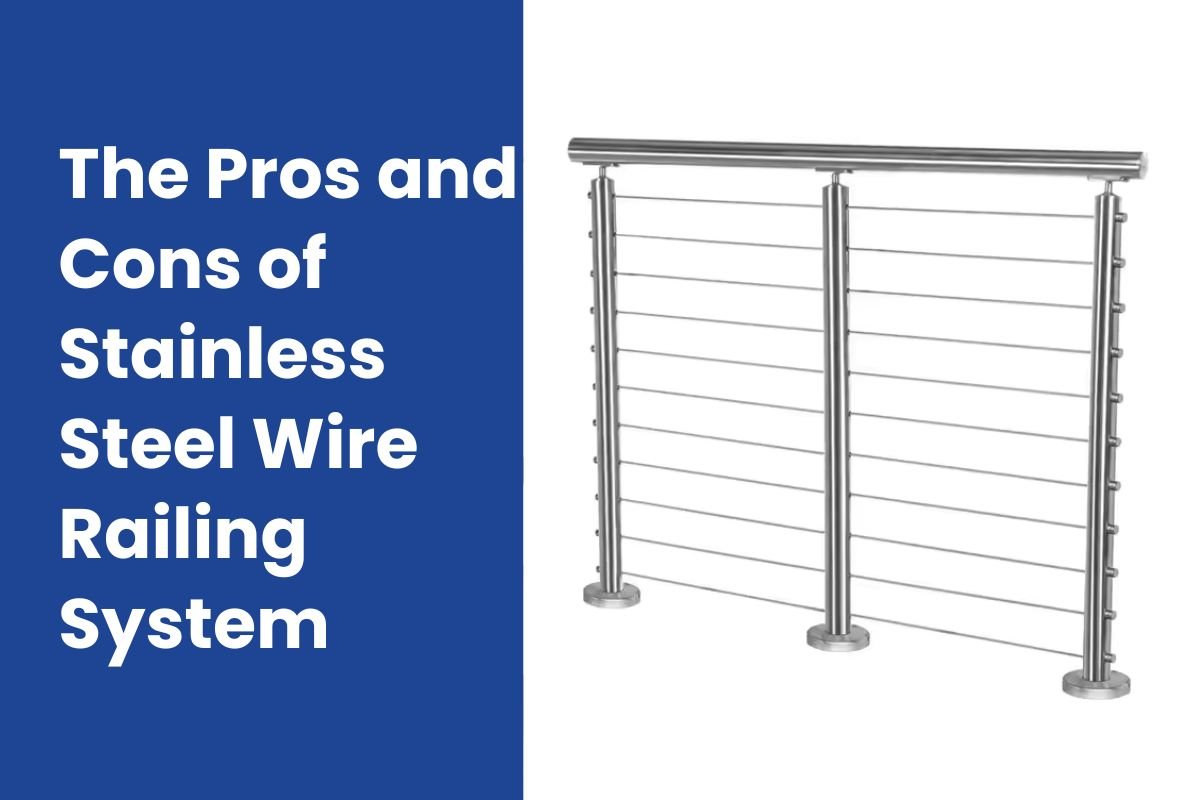
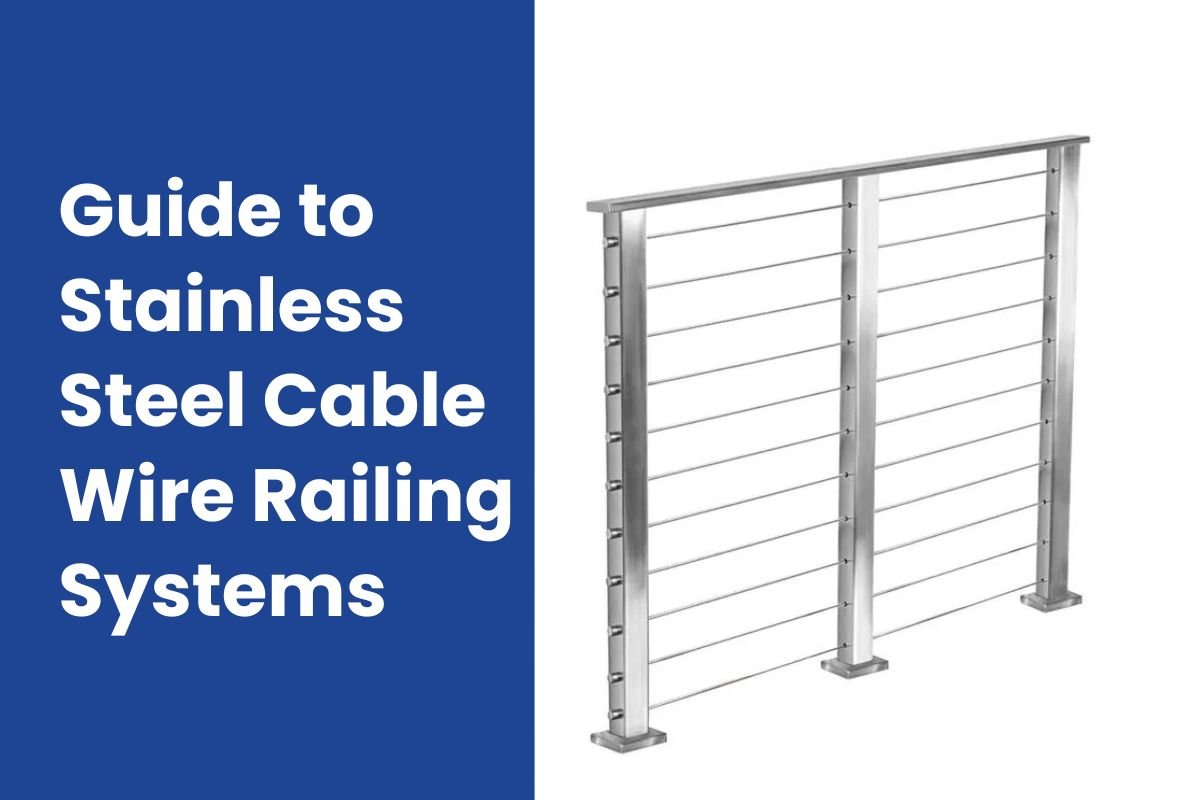
Stainless Steel Cable Wire Railing Systems are railing structures that use horizontal or vertical stainless steel cables instead of traditional balusters. The cables run between posts and are tensioned to create a secure barrier while maintaining clear sightlines.
The key material behind these systems is stainless steel, a corrosion-resistant alloy made primarily of iron, chromium, and nickel. According to the detailed explanation on Wikipedia’s stainless steel page, chromium content gives stainless steel its protective oxide layer, which prevents rust and corrosion.
That corrosion resistance makes Stainless Steel Cable Wire Railing Systems ideal for:
- Coastal homes
- Outdoor decks
- Rooftop terraces
- Staircases
- Commercial buildings
Unlike wood or painted metal, stainless steel does not chip or warp easily. It maintains a sleek appearance with minimal maintenance.
Why Stainless Steel Cable Wire Railing Systems Are So Popular
Over the last decade, the demand for Stainless Steel Cable Wire Railing Systems has grown steadily. Modern architecture emphasizes openness and light. Cable railings support that trend perfectly.
Unobstructed Views
Traditional railings use thick vertical balusters. These can block scenic views. In contrast, cable systems use thin wires spaced according to safety codes. The result is a nearly invisible barrier.
For homes overlooking oceans, gardens, or city skylines, this feature makes a huge difference.
Exceptional Strength
Despite their slim appearance, Stainless Steel Cable Wire Railing Systems are extremely strong. Marine-grade stainless steel cables can withstand significant tension and environmental stress.
When properly installed, they meet residential and commercial building codes.
Modern Aesthetic
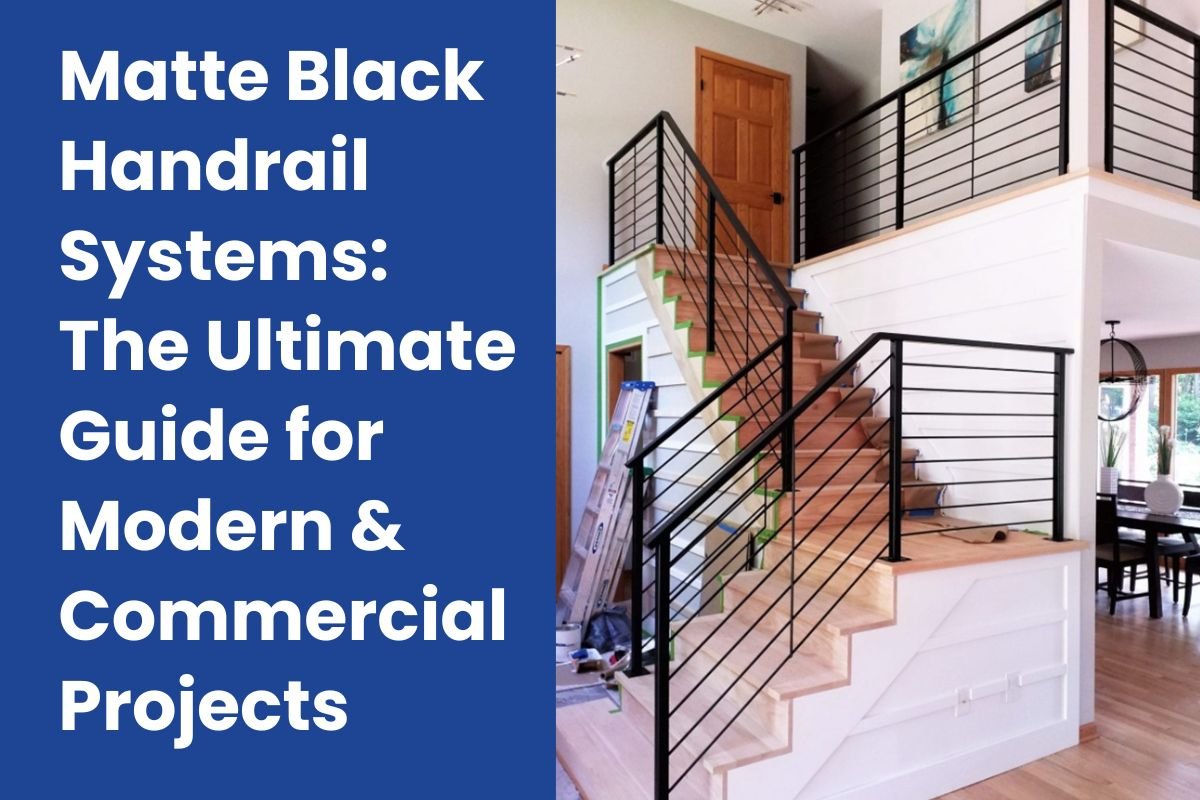
Minimalist design continues to dominate residential and commercial architecture. Stainless steel pairs well with wood, glass, and concrete. For a bold look, some homeowners combine cable systems with darker finishes like the modern matt black railing for stairs.
Low Maintenance
Unlike wood railings that require regular staining, stainless steel only needs occasional cleaning. For maintenance guidance, you can read this helpful article on how to maintain your cable railing fence kit on stairs.
Main Components of Stainless Steel Cable Wire Railing Systems
Understanding the structure helps you select the right system.
Posts
Posts provide structural support. They can be stainless steel, aluminum, or wood. Stainless steel posts offer the highest durability and corrosion resistance.
Cables
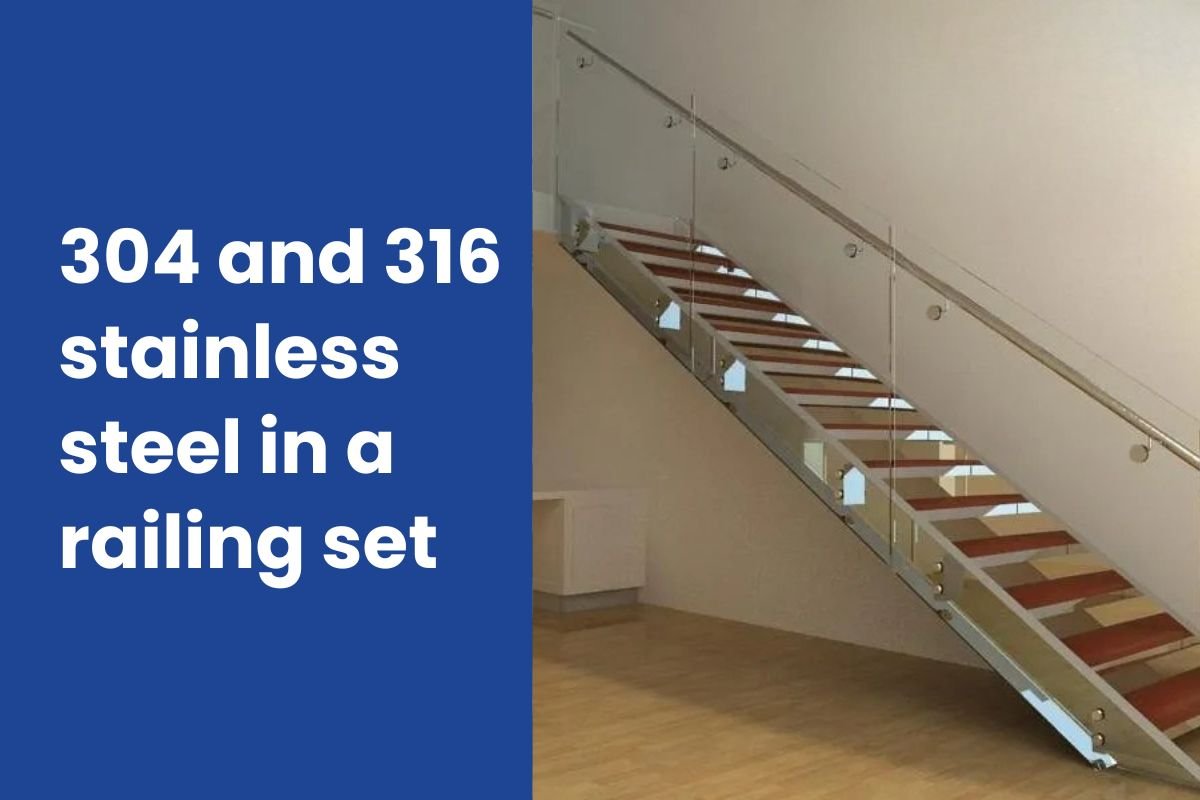
Most Stainless Steel Cable Wire Railing Systems use 316 marine-grade stainless steel cables for outdoor installations. This grade performs especially well in coastal environments.
Tensioners and Fittings
Tensioners secure and tighten cables. Precision hardware ensures proper cable tension and safety compliance.
Handrails
A sturdy handrail completes the system. Options include stainless steel, wood, or composite materials. For compatible options, check out these stainless steel handrail brackets for stairs.
Comparing Stainless Steel Cable Wire Railing Systems with Other Railing Types
To understand the value of Stainless Steel Cable Wire Railing Systems, it helps to compare them with alternatives.
| Feature | Cable Railing | Glass Railing | Wood Railing |
|---|---|---|---|
| View Clarity | Excellent | Excellent | Moderate |
| Maintenance | Low | Moderate | High |
| Durability | Very High | High | Moderate |
| Cost Range | Medium | High | Low–Medium |
| Modern Appearance | Strong | Strong | Traditional |
Glass railings offer clear views but require frequent cleaning. Wood railings are affordable but need ongoing maintenance. Stainless Steel Cable Wire Railing Systems strike a balance between aesthetics, durability, and cost.
Indoor vs Outdoor Applications
Stainless Steel Cable Wire Railing Systems work in both indoor and outdoor settings. However, material selection and finishing matter.
Outdoor Use
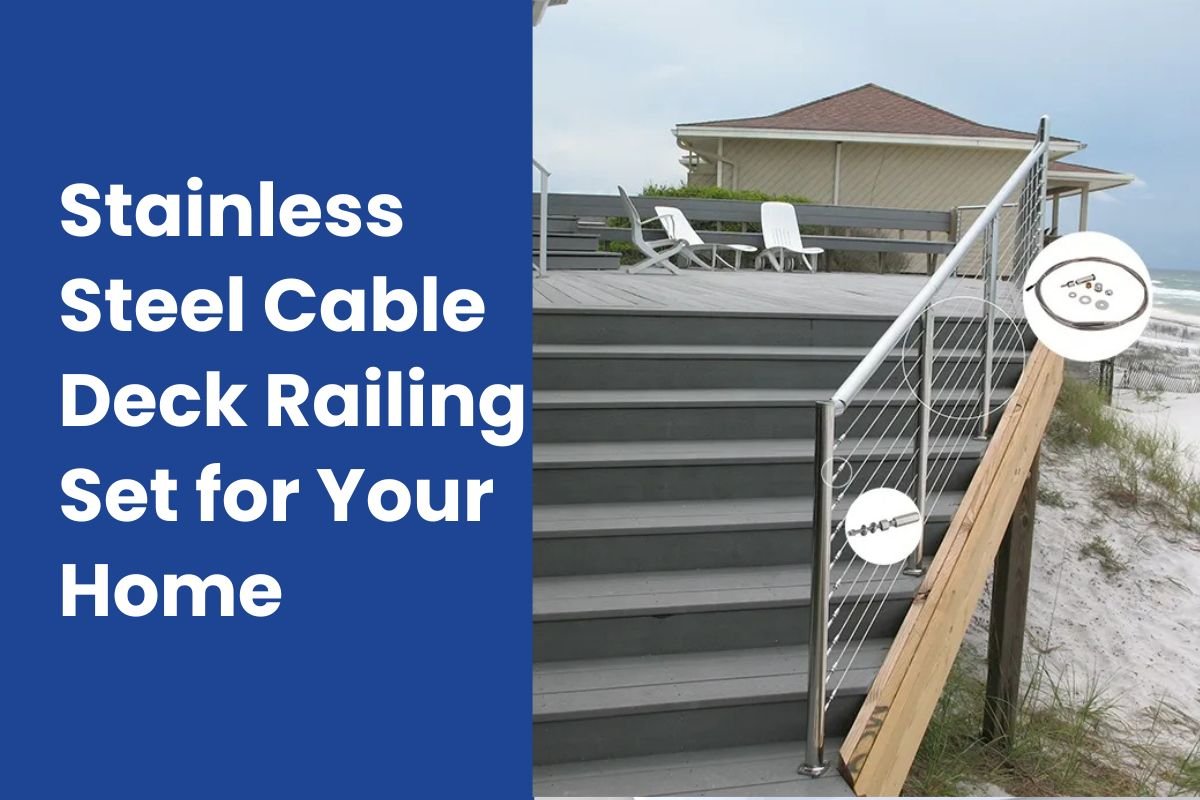
For decks and balconies, marine-grade 316 stainless steel is recommended. It resists salt air and moisture effectively.
A popular option for outdoor stairs is the Stainless Steel Deck Cable Railing System for Stairs, designed for long-term durability.
Indoor Use
Indoors, cable railings enhance open-concept spaces. They allow natural light to flow between levels.
For DIY homeowners, the Unikim DIY Interior Black Stainless Steel Stair Cable Deck Railing System offers a stylish and accessible solution.
Design Considerations for Stainless Steel Cable Wire Railing Systems
Choosing Stainless Steel Cable Wire Railing Systems involves more than aesthetics.
Cable Spacing
Building codes usually require cable spacing that prevents a 4-inch sphere from passing through. Always check local regulations.
Post Spacing
Most systems recommend post spacing between 3 to 4 feet. Closer spacing increases rigidity and reduces cable deflection.
Tensioning
Proper tension ensures safety. Loose cables can compromise compliance. Professional installers use calibrated tools to achieve optimal tension.
Installation: DIY or Professional?
Many homeowners choose DIY installation for Stainless Steel Cable Wire Railing Systems. However, precision matters.
If you feel confident with tools and measurements, a pre-engineered kit simplifies the process. Detailed instructions are often available through manufacturers.
For complex staircases or commercial projects, hiring professionals ensures code compliance and structural integrity.
You can explore system options directly through the official website at unikim for additional resources and support.
Maintenance and Longevity
One of the greatest advantages of Stainless Steel Cable Wire Railing Systems is longevity.
According to corrosion studies, stainless steel structures can last 50+ years in moderate environments. Even in coastal areas, proper maintenance significantly extends lifespan.
Maintenance tips include:
- Cleaning cables with mild soap and water
- Inspecting tension annually
- Checking fittings for corrosion
- Avoiding harsh chemicals
Detailed care instructions are available here:how to maintain your cable railing fence kit on stairs.
Cost Breakdown of Stainless Steel Cable Wire Railing Systems
Costs vary based on design complexity and materials.
On average:
- Basic DIY kits: Moderate range
- Custom stainless systems: Higher range
- Glass alternatives: Often more expensive
Although initial investment may be higher than wood, Stainless Steel Cable Wire Railing Systems offer lower lifetime maintenance costs.
Long-term value often outweighs upfront expense.
Why Choose a Trusted Manufacturer?
Quality matters. Inferior cables may stretch or corrode prematurely.
Reputable manufacturers use certified materials and precision engineering. You can learn more about stainless steel railing production through trusted industrial sources such as unikim china.
Additionally, product demonstrations and installation examples are available on the official YouTube channel.
For project inquiries or customized solutions, visit contact.
Environmental Benefits of Stainless Steel Cable Wire Railing Systems
Sustainability is becoming a priority in construction.
Stainless steel is 100% recyclable. According to industry data, more than 60% of new stainless steel products come from recycled material.
This makes Stainless Steel Cable Wire Railing Systems an environmentally responsible choice compared to treated wood.
Their long lifespan also reduces replacement frequency, lowering overall resource consumption.
Safety Standards and Compliance
Building codes regulate railing height, spacing, and load resistance.
Typical requirements include:
- Minimum height of 36 inches (residential)
- Ability to withstand specific lateral loads
- Proper cable tension
Always verify local regulations before installation.
Summary
Stainless Steel Cable Wire Railing Systems offer a rare combination of strength, style, durability, and sustainability. They provide unobstructed views, modern aesthetics, and long-term value.
Whether you are upgrading a deck, designing a staircase, or planning a commercial project, Stainless Steel Cable Wire Railing Systems deliver reliable performance and timeless appeal.
To explore high-quality options, installation resources, and custom solutions, visit unikim and connect with experienced professionals.
FAQs
Are Stainless Steel Cable Wire Railing Systems safe for children?
Yes. When properly installed with correct cable spacing, Stainless Steel Cable Wire Railing Systems meet safety codes and prevent children from slipping through openings.
Do Stainless Steel Cable Wire Railing Systems rust?
High-quality 316 stainless steel resists rust very effectively. With basic maintenance, Stainless Steel Cable Wire Railing Systems perform well even in coastal climates.
How often should I tighten cables?
Most Stainless Steel Cable Wire Railing Systems require tension checks once or twice per year. Temperature changes may slightly affect cable tension.
Can I install Stainless Steel Cable Wire Railing Systems myself?
Yes. Many homeowners successfully install Stainless Steel Cable Wire Railing Systems using DIY kits. However, professional installation ensures perfect alignment and compliance.
Are Stainless Steel Cable Wire Railing Systems expensive?
Initial costs may be higher than wood, but Stainless Steel Cable Wire Railing Systems offer better durability and lower maintenance costs over time.