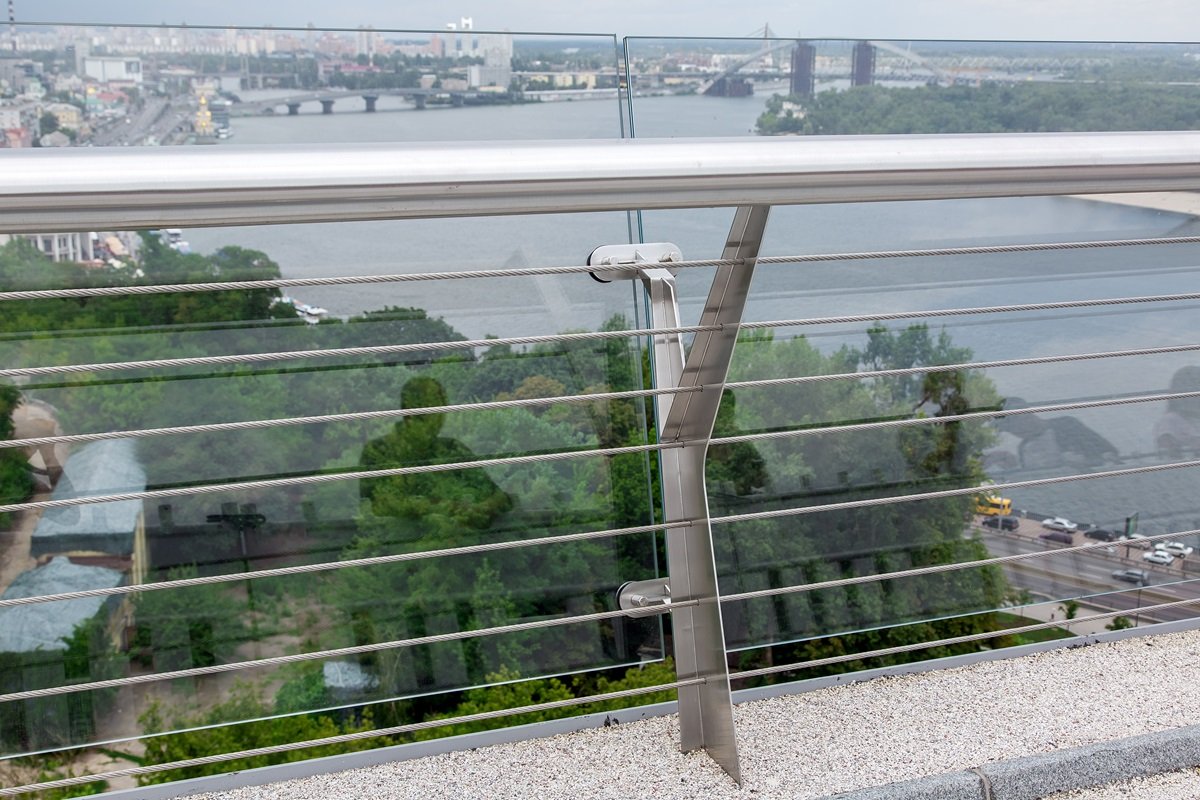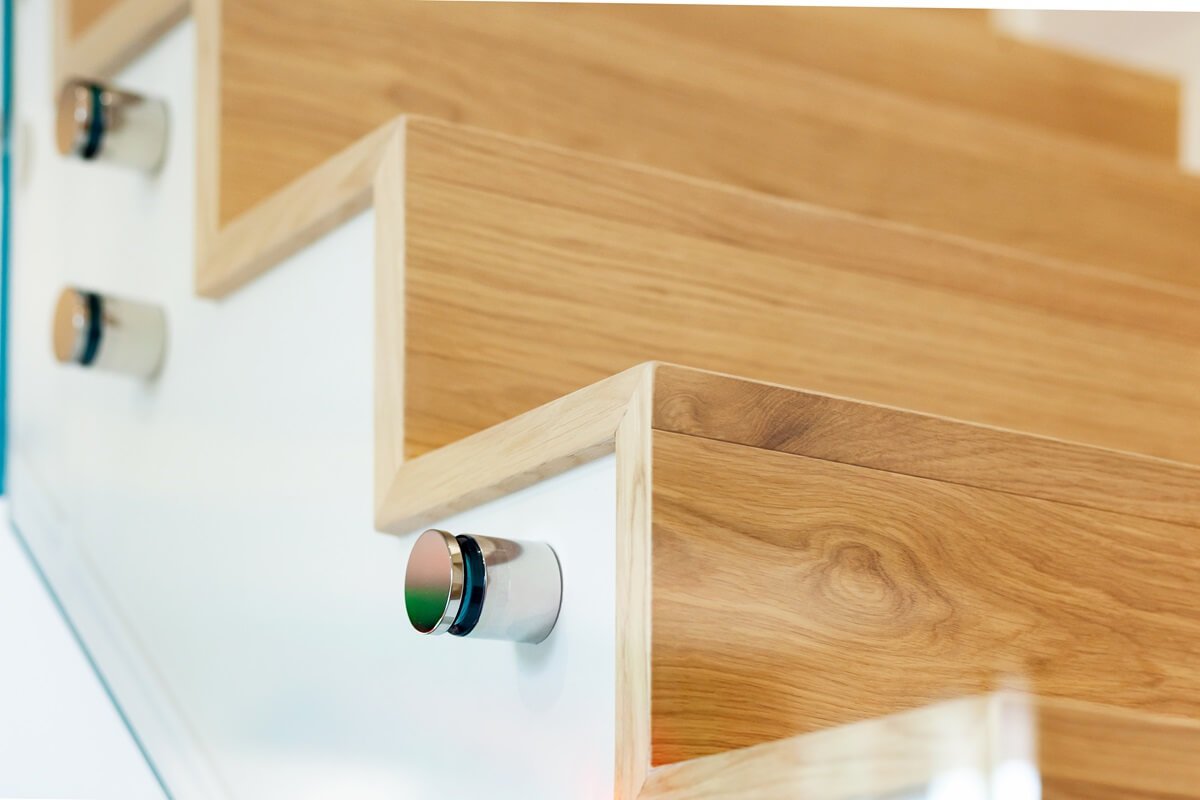
Modern architecture thrives on clean lines, open spaces, and minimal visual obstruction. That’s exactly why Wall Mounted Glass Standoff have become a go-to solution for designers, homeowners, and contractors alike. These small yet powerful components allow glass panels to appear as if they’re floating—securely anchored while maintaining a sleek, contemporary aesthetic.
Whether you’re designing a balcony, staircase, or commercial facade, understanding the best practices for Wall Mounted Glass Standoff is essential. This guide walks you through everything—from materials and installation techniques to safety standards and cost considerations—so your project looks exceptional and performs flawlessly.
What Are Wall Mounted Glass Standoffs?
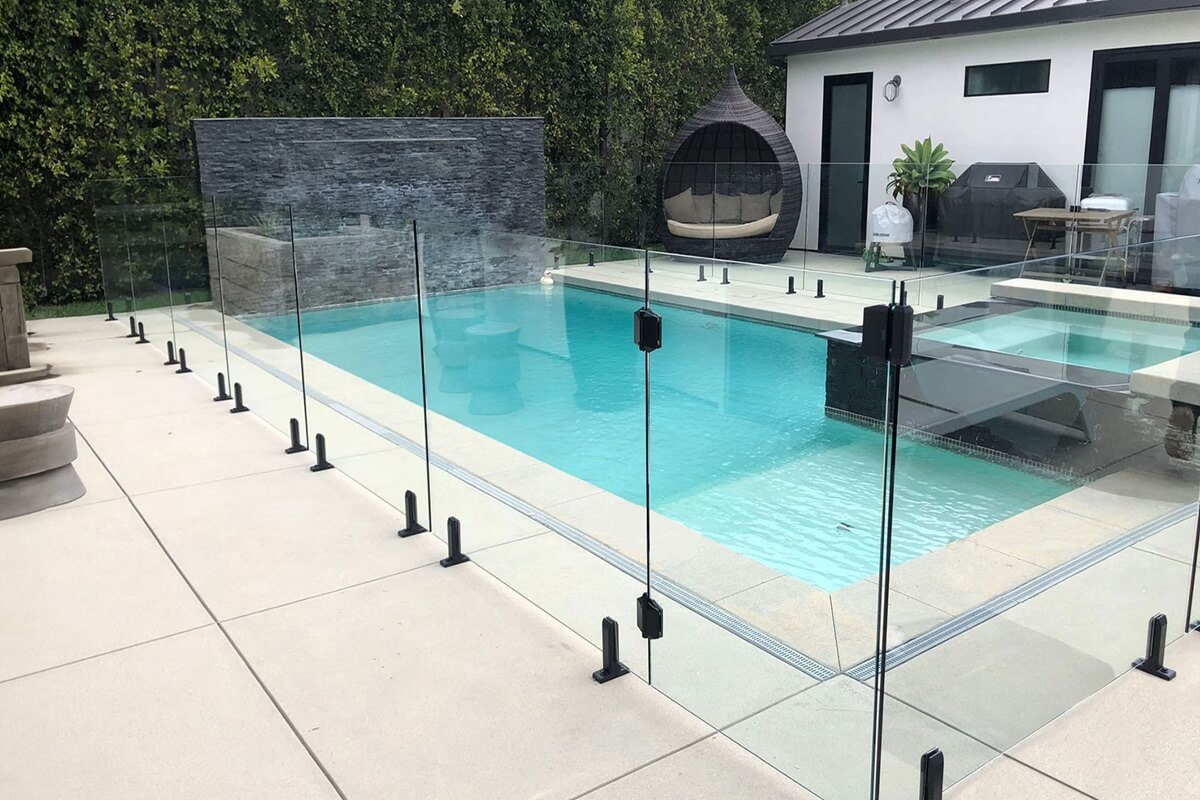
Wall mounted glass standoffs are cylindrical hardware components used to fix glass panels to walls or structural surfaces. Unlike traditional railing posts, they hold glass in place using point-fix mounting, creating a frameless, modern appearance.
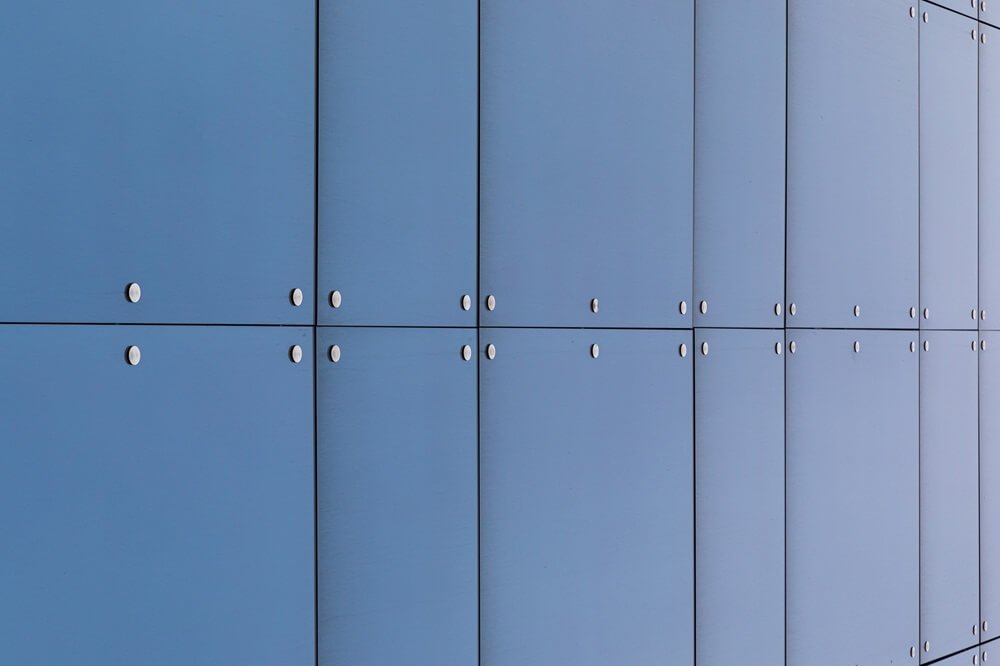
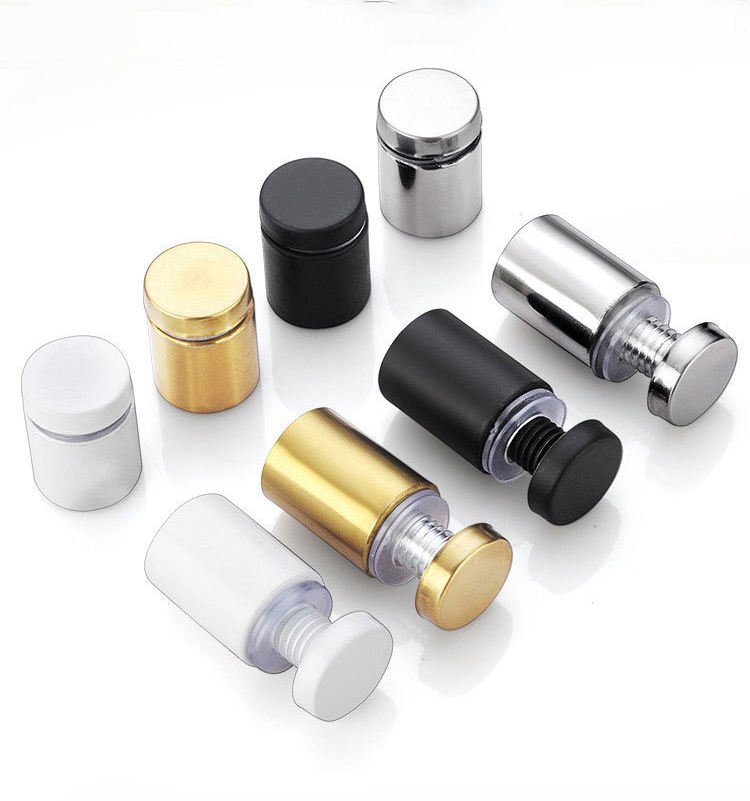
Typically made from stainless steel or aluminum, these standoffs consist of:
- A base (anchored into the wall)
- A cap (holds the glass panel)
- A rubber gasket (protects the glass)
If you’re new to railing systems, you can explore the basics in this detailed guide on what is a railing system.
Why Choose Wall Mounted Glass Standoffs?
Aesthetic Appeal Meets Structural Strength
One of the biggest reasons people choose Wall Mounted Glass Standoffs is their ability to combine beauty with performance. Unlike bulky frames, they create a seamless glass look.
Here’s why they stand out:
- Minimalist design enhances modern architecture
- Unobstructed views for balconies and decks
- High strength when paired with tempered or laminated glass
- Versatile applications in residential and commercial settings
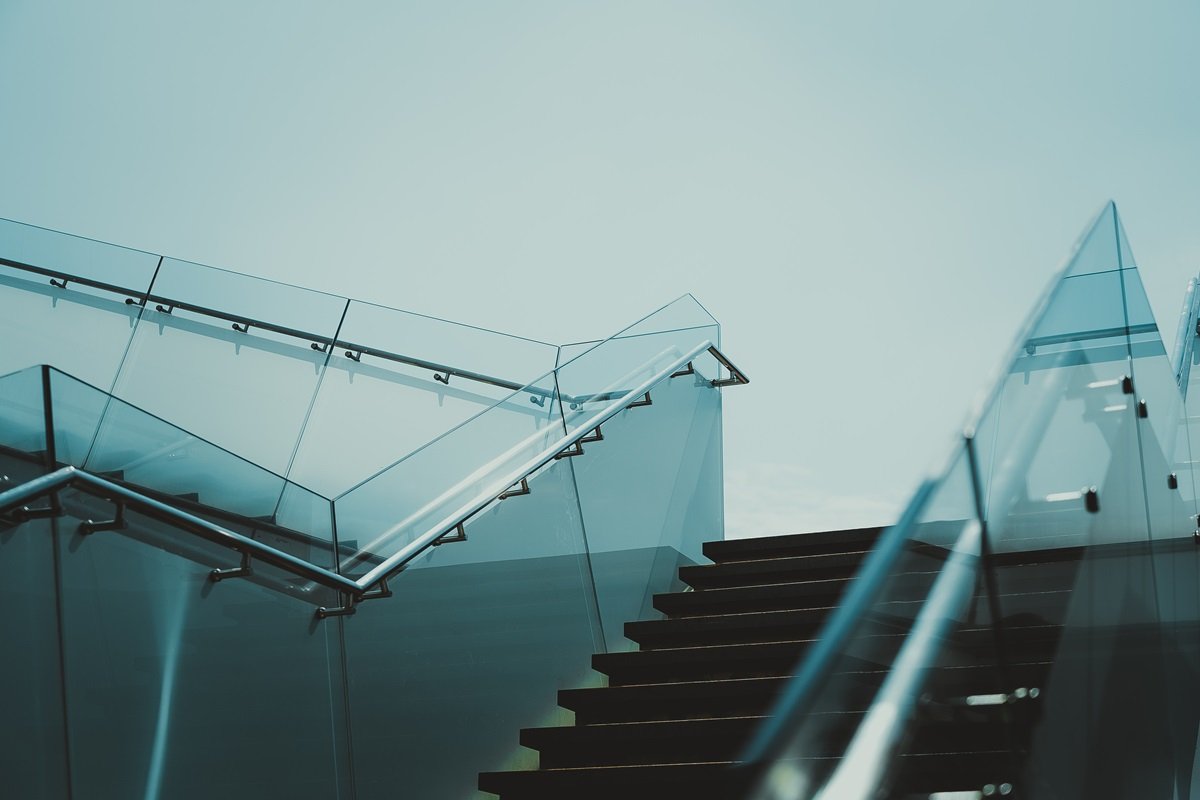
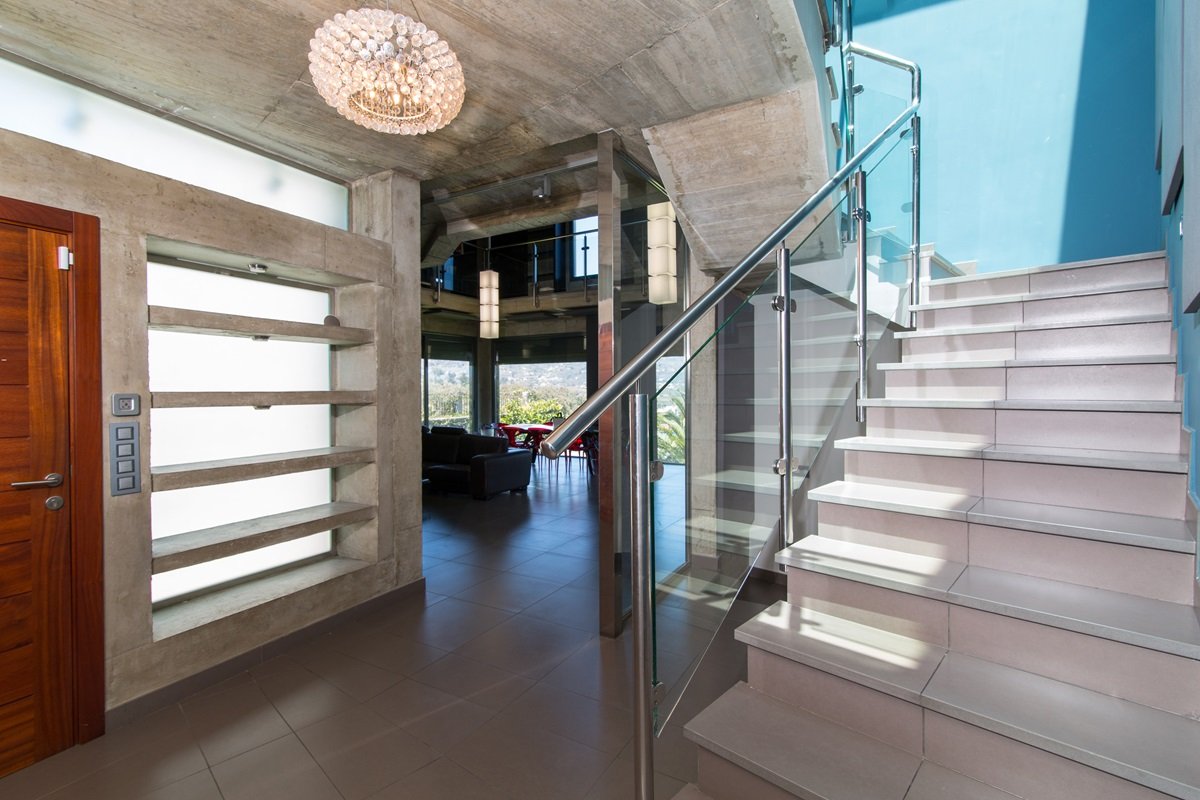
For example, frameless glass systems supported by standoffs are increasingly used alongside stainless railing systems for staircases for a hybrid design.
Types of Wall Mounted Glass Standoffs
Understanding different types helps you choose the right option for your project.
Flush Mount Standoffs
These sit close to the wall, offering a clean and compact look. Ideal for interior spaces where space is limited.
Offset Standoffs
Offset versions extend the glass away from the wall. They are perfect for creating depth and enhancing visual appeal.
Adjustable Standoffs
These allow minor adjustments during installation, making alignment easier.
Each type has its own application, and selecting the right one ensures both safety and aesthetics.
Materials Matter: Choosing the Right Standoff
Material selection directly impacts durability and maintenance.
Stainless Steel (Best Choice)
304 vs. 316 stainless steel:
- 304: Suitable for indoor use
- 316: Ideal for outdoor or coastal environments
According to industry data, 316 stainless steel offers up to 40% better corrosion resistance, making it the preferred option for exterior installations.
Explore durable options at standoffs for glass railings.
Aluminum Standoffs
Aluminum is lightweight and cost-effective, but it lacks the strength and corrosion resistance of stainless steel.
Glass Requirements for Standoff Systems
Not all glass is suitable for standoff mounting.
Recommended Glass Types
- Tempered glass (minimum 10–12 mm thick)
- Laminated glass for enhanced safety
Laminated glass is especially important for elevated applications like balconies. If it breaks, it stays bonded instead of shattering.
Installation Best Practices for Wall Mounted Glass Standoffs
Proper installation is where many projects succeed—or fail.
Plan Your Layout Carefully
Measure spacing precisely. Standard spacing between standoffs ranges from 300mm to 600mm, depending on glass thickness and load requirements.
Use the Right Anchors
The wall type determines your anchor choice:
- Concrete: Expansion bolts
- Wood: Lag screws
- Steel: Threaded inserts
Incorrect anchoring is one of the leading causes of system failure.
Drill with Precision
Always use high-quality drill bits. Misaligned holes can cause uneven stress on glass panels.
Install Rubber Gaskets
Gaskets prevent direct metal-to-glass contact, reducing stress points and protecting the glass.
Tighten Carefully
Over-tightening can crack the glass. Use a torque-controlled approach for consistent results.
For product-ready solutions, consider glass clamp stainless steel standoff systems.
Load Capacity & Safety Considerations
Safety is not optional when working with glass systems.
Key Safety Standards
- Most systems must withstand 200 lbs (approx. 90 kg) of force
- Glass panels must comply with local building codes
- Edge distances should be carefully maintained
Failure to follow these standards can result in structural issues or safety hazards.
Mistakes to Avoid
Even experienced installers can overlook small details.
- Using low-quality hardware
- Incorrect spacing between standoffs
- Ignoring thermal expansion
- Skipping safety checks
Avoiding these mistakes ensures your Wall Mounted Glass Standoffs perform as expected.
Cost Breakdown of Wall Mounted Glass Standoffs
| Component | Average Cost (USD) |
|---|---|
| Standoffs | $10–$50 each |
| Glass Panels | $50–$150 per sq. ft |
| Installation Tools | $100–$300 |
| Labor (optional) | $50–$100 per hour |
Overall, a complete system typically ranges from $150 to $300 per linear foot, depending on design complexity.
Comparing Standoff Systems vs Traditional Railings
| Feature | Standoff System | Traditional Railing |
|---|---|---|
| Visual Appeal | High | Moderate |
| Maintenance | Low | Medium |
| Installation Complexity | Moderate | Easy |
| Cost | Higher | Lower |
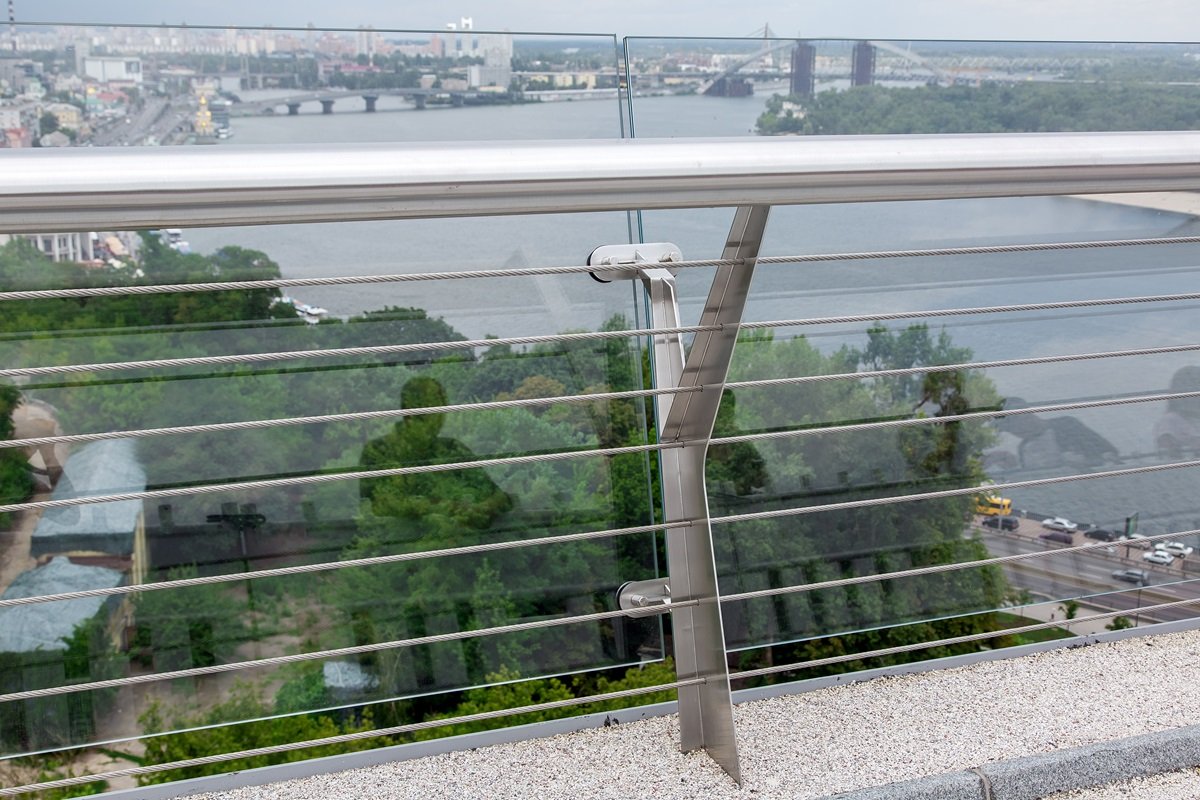
For a broader comparison, you can also explore stainless steel cable wire railing systems.
Where to Source High-Quality Standoffs
Choosing the right supplier makes a huge difference. For manufacturing insights, visit Unikim’s industrial profile or watch real installations on their YouTube channel.
Maintenance Tips for Long-Term Performance
Maintaining Wall Mounted Glass Standoffs is simple but important.
- Clean regularly with mild soap
- Inspect fittings every 6 months
- Tighten loose components
- Check for corrosion in outdoor environments
Proper maintenance can extend system life beyond 20 years.
Summary
Wall Mounted Glass Standoffs offer a perfect balance of modern aesthetics and structural reliability. By choosing high-quality materials, following best installation practices, and maintaining your system regularly, you can create a stunning, long-lasting glass railing solution.
Whether you’re upgrading a balcony, staircase, or commercial space, investing in the right standoff system ensures both safety and visual impact.
If you need expert guidance or customized solutions, feel free to contact the team for professional support.
FAQs
Are wall mounted glass standoffs safe for balconies?
Yes, Wall Mounted Glass Standoffs are safe when installed correctly with laminated glass and proper anchors.
What thickness of glass is required?
Most Wall Mounted Glass Standoffs require glass thickness between 10mm and 12mm, depending on design.
Can wall mounted glass standoffs be used indoors?
Absolutely. Wall Mounted Glass Standoffs are widely used for staircases and interior partitions.
How far apart should standoffs be spaced?
For optimal performance, Wall Mounted Glass Standoffs should be spaced between 300mm and 600mm.
Do wall mounted glass standoffs require maintenance?
Yes, but minimal. Regular cleaning and inspection keep Wall Mounted Glass Standoffs in top condition.