Stainless steel stands as one of the most versatile and widely used materials in modern engineering and design. At U Railing,, we recognize its unparalleled combination of corrosion resistance, mechanical strength, and aesthetic versatility that makes it indispensable across industries. While often perceived as completely rust-proof, stainless steel’s true advantage lies in its extended resistance to corrosion compared to ordinary steel.
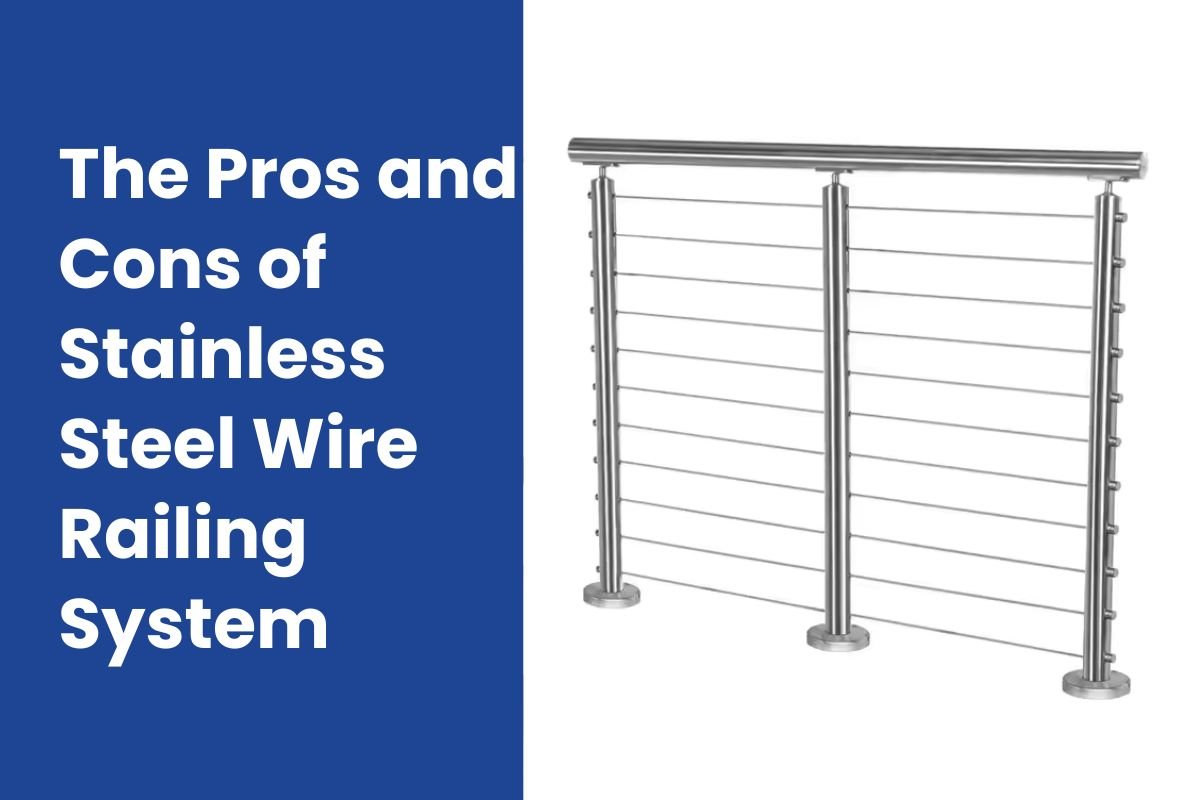
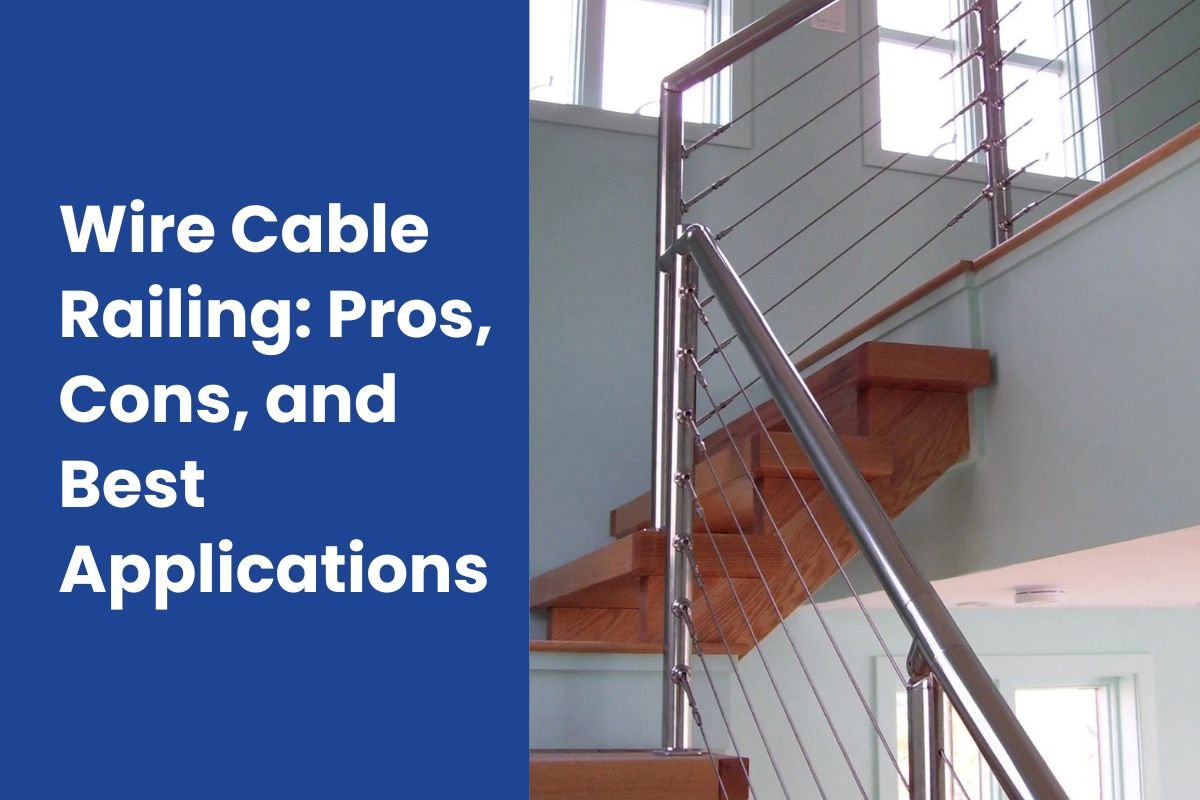
The secret to stainless steel’s performance lies in its composition – primarily iron alloyed with chromium (minimum 10.5%) which forms a self-repairing passive oxide layer. This chromium-rich surface protects the underlying metal from oxidation and corrosion damage. Additional elements like nickel, molybdenum, and nitrogen further enhance specific properties for different stainless steel cable system or other railing applications.
The Two Champions: 304 and 316 Stainless Steel
Among the numerous stainless steel grades available, 304 and 316 dominate industrial applications. Both belong to the austenitic family, characterized by:
- Excellent formability and weldability
- Good mechanical properties across temperature ranges
- Superior corrosion resistance compared to ferritic grades
- Non-magnetic or weakly magnetic characteristics
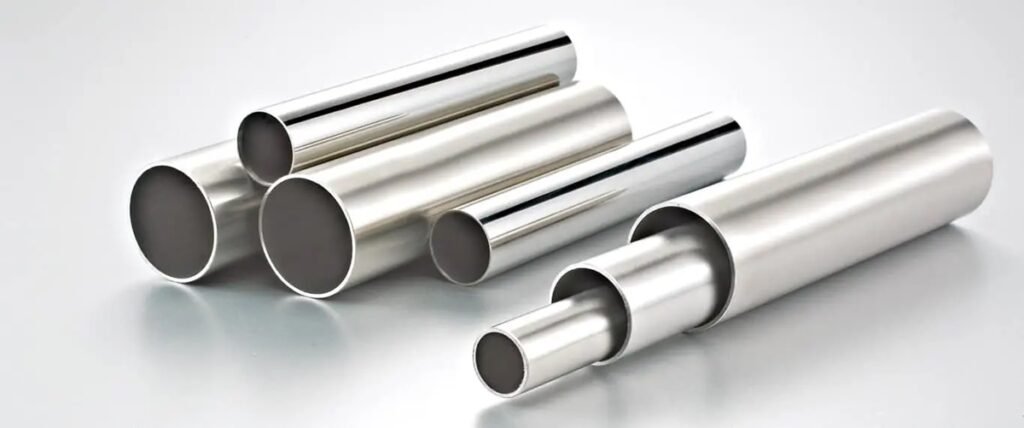
At UNIKIM, we’ve found these two alloys account for over 50% of stainless steel applications worldwide, each serving distinct purposes based on their unique compositions.
304 Stainless Steel: The Workhorse Alloy
Composition and Key Properties
304 stainless steel, often called 18/8 stainless (containing 18% chromium and 8% nickel), represents the most versatile and economical choice for general applications. Its balanced composition delivers:
- Excellent corrosion resistance in most environments
- Good mechanical properties with tensile strength around 515-620 MPa
- Superior formability for complex fabrication
- Ease of welding without post-weld heat treatment
Advantages at a Glance
- Cost-effectiveness: More affordable than specialty grades while offering good performance
- Fabrication flexibility: Easily formed, welded, and machined
- Hygienic surface: Ideal for food processing and medical applications
- Aesthetic appeal: Maintains bright finish with proper maintenance
Common Applications
- Food processing equipment and kitchen appliances
- Architectural components and decorative trim
- Chemical containers and storage tanks
- Automotive trim and exhaust components
- Industrial equipment for non-corrosive environments
For projects requiring reliable performance without extreme conditions, our stainless steel cable railings often utilize 304 grade for its optimal balance of cost and performance.
316 Stainless Steel: The Corrosion Warrior
Enhanced Composition
316 stainless steel builds upon 304’s foundation by adding 2-3% molybdenum, creating what’s often called “marine grade” stainless. This crucial addition provides:
- Superior chloride resistance (critical for marine environments)
- Enhanced pitting and crevice corrosion resistance
- Better performance in acidic conditions
- Increased strength at elevated temperatures
Performance Advantages
- Marine environment durability: Withstands saltwater corrosion significantly better than 304
- Chemical resistance: Ideal for pharmaceutical and chemical processing
- High-temperature stability: Maintains strength up to 870°C (1600°F)
- Long-term value: Reduced maintenance costs in harsh environments
Typical Uses
- Marine hardware and coastal architecture
- Medical implants and surgical instruments
- Chemical processing equipment
- Pharmaceutical manufacturing systems
- Heat exchangers and boiler components
Our expertise at UNIKIM shows that for coastal railing systems, 316 stainless steel delivers unparalleled longevity despite higher initial costs.
Head-to-Head Comparison
| Property | 304 Stainless Steel | 316 Stainless Steel |
|---|---|---|
| Composition | 18% Cr, 8% Ni | 16% Cr, 10% Ni, 2-3% Mo |
| Corrosion | Good for mild environments | Excellent, especially for chlorides |
| Temperature | Up to 425°C (800°F) | Up to 870°C (1600°F) |
| Cost Factor | More economical | 30-50% more expensive |
| Fabrication | Easier to machine | Slightly harder to machine |
| Magnetism | Weakly magnetic when worked | Weakly magnetic when worked |
Making the Right Choice: Key Considerations
At UNIKIM, we guide clients through these critical decision factors:
- Environmental Exposure
- Indoor/mild environments: 304 sufficient
- Coastal/chemical/harsh: 316 recommended
- Budget Constraints
- Initial cost vs long-term maintenance
- 316’s durability often justifies higher upfront cost
- Aesthetic Requirements
- Both offer similar appearance when polished
- 316 maintains finish longer in corrosive settings
- Regulatory Compliance
- Certain industries mandate specific grades
- FDA requirements for food contact surfaces
- Expected Service Life
- Short-term projects may not need 316
- Permanent installations benefit from 316
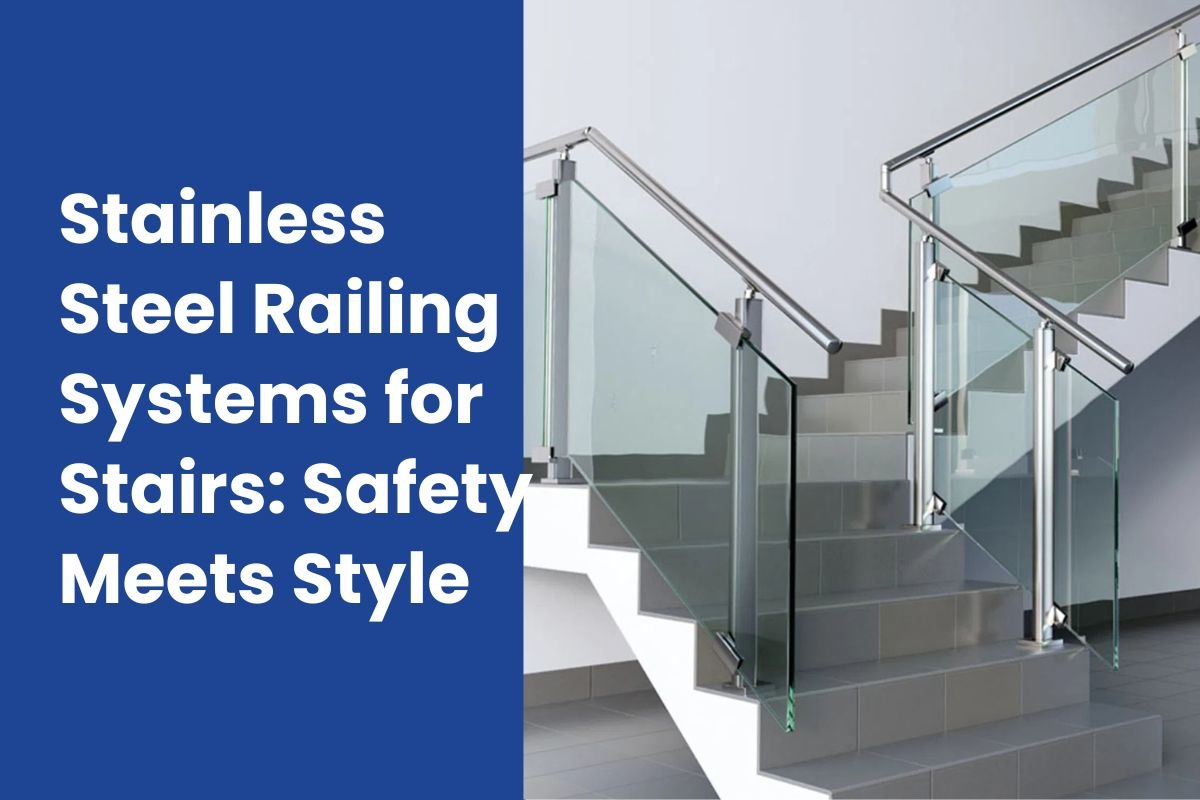
For architectural applications like glass railing systems, the choice depends on location and exposure factors.
Durability & Strength: Which One Lasts Longer?
Both 304 and 316 stainless steel are incredibly durable. You won’t bend them easily, they don’t warp, and they stay structurally strong for decades.
But remember:
- Corrosion weakens steel over time, even if the material is strong.
- The environment determines which one lasts longer.
So:
- Indoor railings → Both 304 and 316 last equally long
- Outdoor inland railings → 304 works great
- Coastal railings → Only 316 maintains long-term structural integrity
Why uRailing Stainless Steel Systems Deliver the Best Performance
If you’re planning to install railings, you need a trusted supplier. That’s where uRailing stands out.
Why?
Because their railing systems use precision-engineered stainless steel designed for long-term beauty and structural safety.
Their product categories include:
And for expert guidance, their team is always ready:
✔ Contact uRailing
Conclusion
The 304 vs 316 decision ultimately depends on your specific application requirements and environmental factors. While 304 serves excellently for general purposes, 316’s enhanced corrosion resistance makes it indispensable for demanding environments.
At UNIKIM, we’re committed to helping you make the optimal material choice. Our team of experts can evaluate your project’s unique needs and recommend the most cost-effective stainless steel solution. Contact us today to discuss your requirements and discover how our stainless steel expertise can benefit your project.
For premium stainless steel components, explore our partners at UNIKIM China and our instructional resources on UNIKIM Railings YouTube.
FAQs
What is the main difference between 304 and 316 stainless steel?
The primary difference between 304 and 316 stainless steel is that 316 contains 2-3% molybdenum while 304 does not. This molybdenum addition significantly enhances 316’s resistance to chloride corrosion and pitting, making it superior for marine environments, pool areas, and locations exposed to de-icing salts.
Can you tell the difference between 304 and 316 by looking at them?
No, 304 and 316 stainless steel are visually identical. Both have the same silvery-gray color and can be finished identically with brushed, polished, or other surface treatments. The only way to reliably distinguish between grades is through chemical testing, positive material identification (PMI) testing, or by reviewing certified mill test reports from the supplier.
What grade of stainless steel is best for coastal railings?
Grade 316 stainless steel is best for coastal railings due to its superior resistance to saltwater corrosion. The molybdenum content in 316 provides excellent protection against the chloride-rich spray and humid air common in coastal environments. Learn more about why 316 stainless steel dominates coastal railings in our detailed guide.
Where can I buy quality 304 or 316 stainless steel railings?
Quality 304 and 316 stainless steel railing systems are available from U Railing, a leading supplier of premium railing solutions. We offer comprehensive stainless steel cable systems, glass railing systems, and complete railing components in both grades. Contact our team to discuss your project requirements and receive professional guidance on selecting the optimal grade for your specific environment and application.