When designing modern architectural systems—especially sleek glass railings—material selection is more than a technical decision. It directly impacts durability, safety, and long-term maintenance. Among the most commonly debated options are 316L and 304 stainless steel standoffs, particularly in coastal environments where corrosion is a real concern.
If you’re considering 304 Stainless Steel Standoffs for your next project, this guide will walk you through everything you need to know. We’ll compare both grades in detail, explore real-world applications, and help you determine which one performs best in coastal conditions.
What Are Stainless Steel Standoffs?
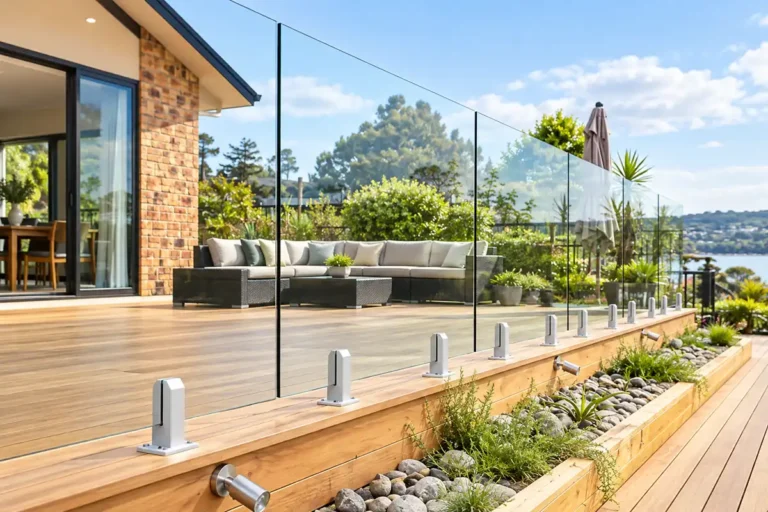
Before diving into material grades, it’s important to understand what standoffs actually do. Stainless steel standoffs are mounting components used to secure glass panels in systems like railings, partitions, and facades. They create a floating effect by holding the glass slightly away from the mounting surface.
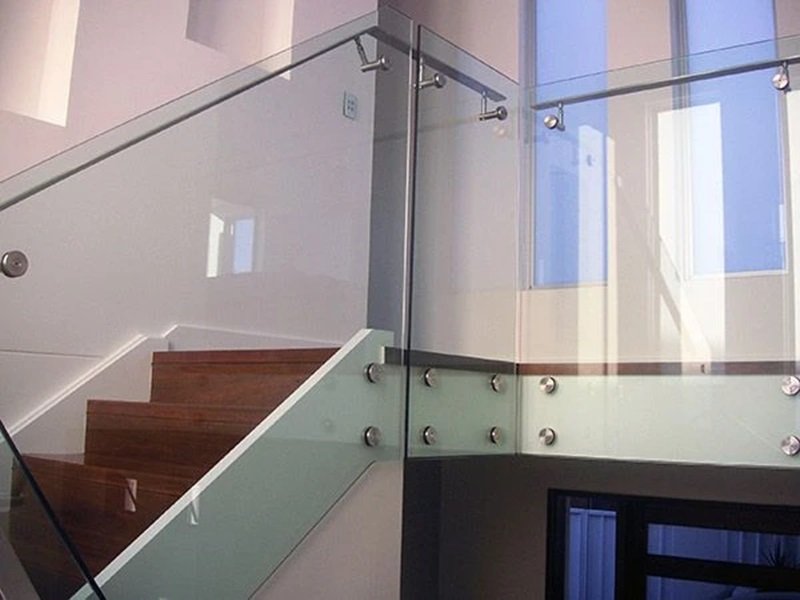
You’ll commonly see them used in frameless glass railing systems, a design approach explained in detail on the unikim homepage and further expanded in this guide to what is a standoff glass railing system.
These systems are popular for their minimalist aesthetics and unobstructed views—especially in coastal homes, resorts, and commercial buildings.
Why Material Grade Matters in Coastal Environments
Coastal environments are harsh. Saltwater, humidity, and airborne chlorides accelerate corrosion—even in metals that are considered “rust-resistant.”
According to corrosion studies published by the National Association of Corrosion Engineers (NACE), coastal structures can experience corrosion rates up to 5–10 times higher than inland structures.
That’s why choosing between 304 Stainless Steel Standoffs and 316L alternatives is critical.
304 Stainless Steel Standoffs
Composition and Characteristics
304 stainless steel is the most widely used stainless steel grade. It contains:
- 18% chromium
- 8% nickel
This composition provides excellent corrosion resistance under normal conditions.
Advantages of 304 Stainless Steel Standoffs
304 Stainless Steel Standoffs offer several benefits:
- Cost-effective compared to higher grades
- Strong and durable for most indoor and outdoor uses
- Resistant to oxidation and general corrosion
- Easy to fabricate and polish
Because of these qualities, they are widely used in applications like wall-mounted glass standoffs and decorative installations.
Limitations in Coastal Projects
Despite its strengths, 304 stainless steel has a weakness—it lacks molybdenum. This makes it more vulnerable to:
- Pitting corrosion
- Crevice corrosion
- Chloride attack from saltwater
In coastal regions, these issues can lead to rust spots and structural degradation over time.
316L Stainless Steel Standoffs
Composition and Key Difference
316L stainless steel includes:
- 16–18% chromium
- 10–14% nickel
- 2–3% molybdenum
That molybdenum content is the game-changer. It significantly enhances resistance to chlorides.
Why 316L Performs Better Near the Ocean
The “L” in 316L stands for “low carbon,” which improves weldability and reduces corrosion risks at welded joints.
In coastal environments, 316L offers:
- Superior resistance to saltwater corrosion
- Reduced maintenance requirements
- Longer lifespan in humid and marine conditions
This makes it a popular choice for premium installations like frameless glass railings.
304 vs. 316L Stainless Steel Standoffs: Side-by-Side Comparison
| Feature | 304 Stainless Steel Standoffs | 316L Stainless Steel Standoffs |
|---|---|---|
| Corrosion Resistance | Moderate | Excellent |
| Chloride Resistance | Low | High |
| Cost | Lower | Higher |
| Maintenance | Moderate | Low |
| Ideal Environment | Indoor / inland outdoor | Coastal / marine |
| Lifespan in Coastal Areas | Shorter | Longer |
When Should You Choose 304 Stainless Steel Standoffs?
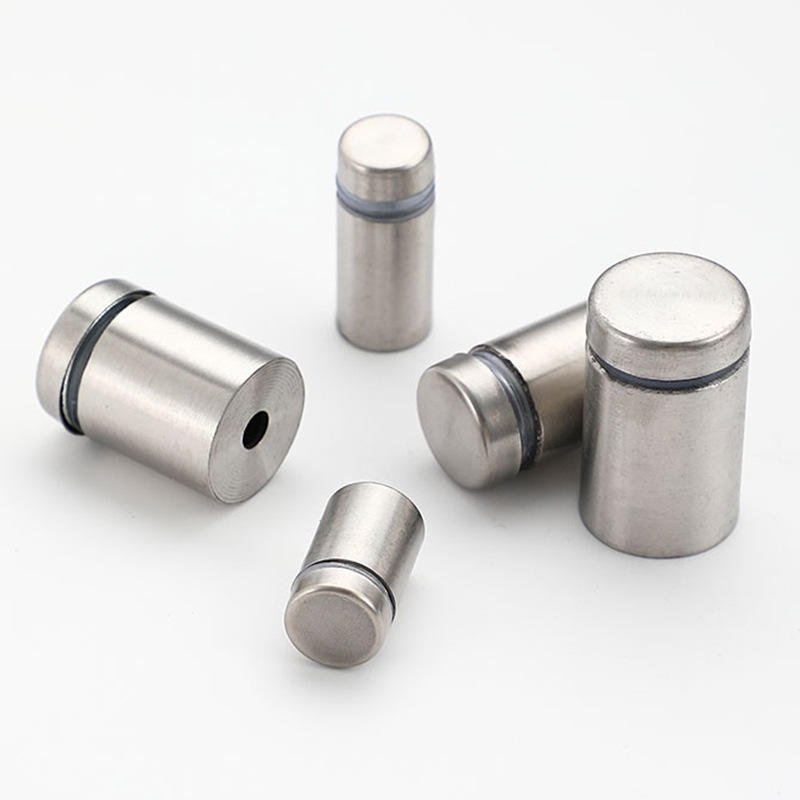
Despite the hype around 316L, 304 Stainless Steel Standoffs are still an excellent choice in many scenarios.
You should consider 304 if:
- Your project is located inland
- The structure is protected from direct salt exposure
- Budget constraints are a concern
- The application is primarily decorative
For example, installations like standoffs for glass railings in urban environments perform perfectly well with 304.
When Is 316L Worth the Investment?
If your project is near the ocean, skipping 316L can be a costly mistake.
You should choose 316L when:
- The structure is within 1–2 km of the coastline
- There is frequent exposure to salt spray
- The installation is long-term or high-value
- Maintenance access is limited
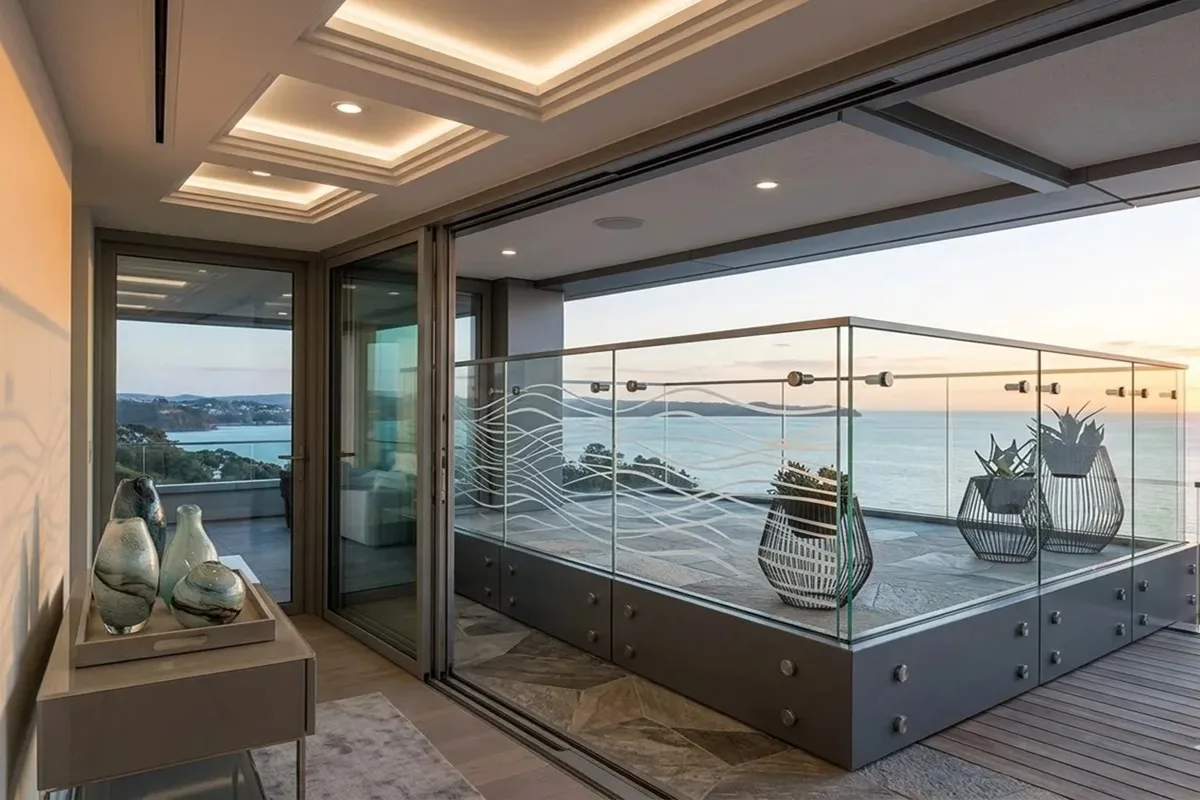
Luxury resorts, beachfront villas, and commercial properties often rely on 316L for durability.
Real-World Application: Glass Railing Systems
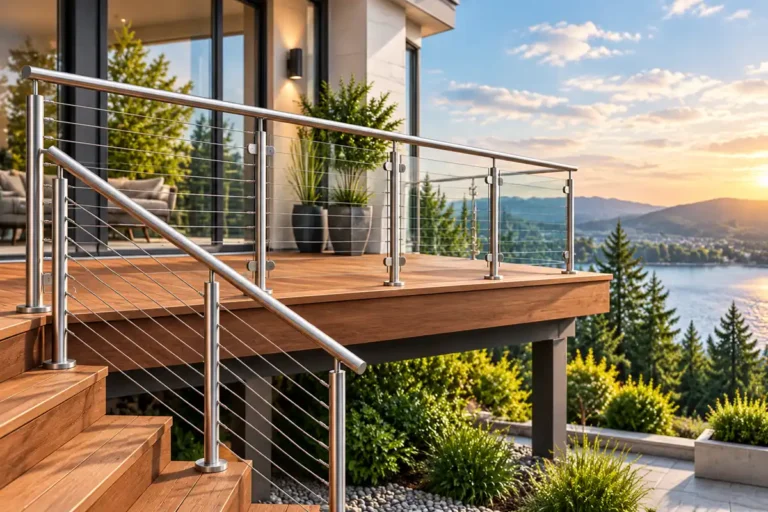
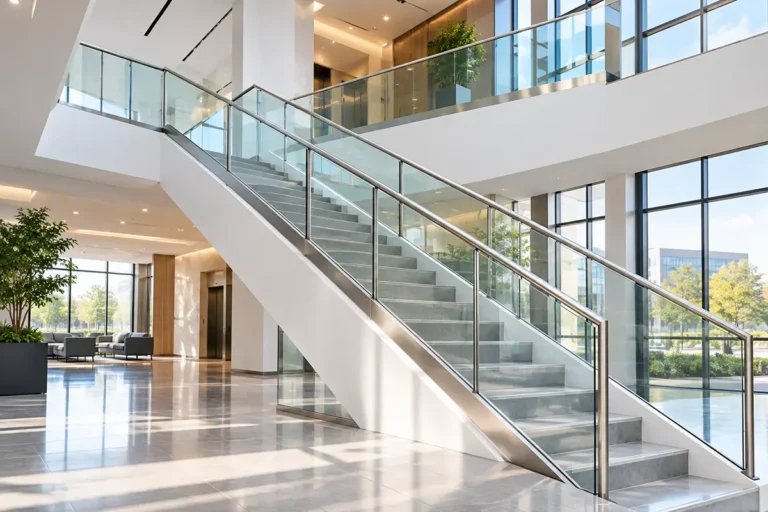
Modern railing systems demand both aesthetics and resilience. Products like glass clamp stainless steel standoff and stainless steel glass adaptor standoff holder are commonly used in these setups.
When installed in coastal environments, the choice between 304 and 316L directly affects:
- Structural integrity
- Visual appeal over time
- Maintenance frequency
You can explore installation techniques in this detailed guide on how to install frameless glass railings.
Cost vs. Longevity: A Practical Perspective
At first glance, 304 Stainless Steel Standoffs may seem like the smarter financial decision. However, coastal exposure changes the equation.
Let’s break it down:
- 304 may cost 20–30% less initially
- But maintenance and replacement costs can exceed savings
- 316L lasts significantly longer with minimal upkeep
In long-term coastal projects, 316L often delivers better ROI.
Maintenance Considerations
Even the best materials require care.
For 304 Stainless Steel Standoffs:
- Regular cleaning to remove salt deposits
- Frequent inspections for corrosion
- Protective coatings may be required
For 316L Stainless Steel:
- Occasional cleaning is usually enough
- Lower risk of visible corrosion
- Minimal maintenance overall
If you’re weighing pros and cons, this article on the pros and cons of frameless glass railing provides useful context.
Industry Standards and Recommendations
Many architectural guidelines recommend 316-grade stainless steel for marine environments.
Organizations like ASTM and ISO highlight that:
- 304 is suitable for general use
- 316 is preferred for chloride-rich environments
Manufacturers listed on platforms like Made-in-China industrial suppliers often specify 316L for coastal applications.
For visual demonstrations and installation insights, you can also explore industry videos on YouTube railing systems.
Design Trends: Aesthetic Meets Performance
Modern architecture prioritizes clean lines and transparency. Options like matte finishes and black coatings—seen in products such as matte black stainless steel glass standoff—are gaining popularity.
However, coatings alone cannot replace the corrosion resistance of 316L. In coastal areas, the base material still matters more than surface treatment.
Environmental Impact and Sustainability
Stainless steel is highly recyclable, making it an environmentally responsible choice.
Interestingly:
- 316L’s longer lifespan reduces replacement frequency
- This lowers overall environmental impact
While 304 Stainless Steel Standoffs are also sustainable, their shorter lifespan in harsh environments can offset that advantage.
Summary
Choosing between 316L and 304 Stainless Steel Standoffs ultimately comes down to environment and expectations.
If your project is inland or sheltered, 304 offers excellent value and performance. However, for coastal applications, 316L is the smarter long-term investment due to its superior resistance to salt-induced corrosion.
By understanding the differences and evaluating your project conditions, you can make a confident, cost-effective decision that ensures durability and design excellence. For more information, visit Unikim and feel free to contact us for expert assistance and product inquiries.
FAQs
Q. Are 304 Stainless Steel Standoffs suitable for outdoor use?
A. Yes, 304 Stainless Steel Standoffs are suitable for outdoor use in non-coastal areas. However, they may corrode faster in marine environments.
Q. How long do 304 Stainless Steel Standoffs last near the ocean?
A. In coastal conditions, 304 Stainless Steel Standoffs may show signs of corrosion within a few years, depending on exposure and maintenance.
Q. Is 316L always better than 304?
A. Not necessarily. While 316L offers superior corrosion resistance, 304 Stainless Steel Standoffs are sufficient for inland or low-exposure environments.
Q. Can coatings improve 304 performance in coastal areas?
A. Coatings can help, but they don’t fully replace the inherent resistance of 304 Stainless Steel Standoffs compared to 316L.
Q. Are 304 Stainless Steel Standoffs cheaper?
A. Yes, 304 Stainless Steel Standoffs are generally more affordable, making them a popular choice for budget-conscious projects.