A Frameless Glass Railing System has become a defining feature in modern architecture. From luxury balconies to commercial spaces, these sleek systems offer uninterrupted views and a clean, contemporary look. However, many homeowners and builders still ask an important question: Are frameless glass railings truly safe?
The short answer is yes—but only when designed, manufactured, and installed correctly. In this detailed guide, we’ll explore what makes a Frameless Glass Railing System structurally safe. We’ll break down materials, engineering principles, installation techniques, and industry standards to help you make an informed decision.
If you’re new to the concept, you may want to start with this overview on what is a railing system
A Frameless Glass Railing System
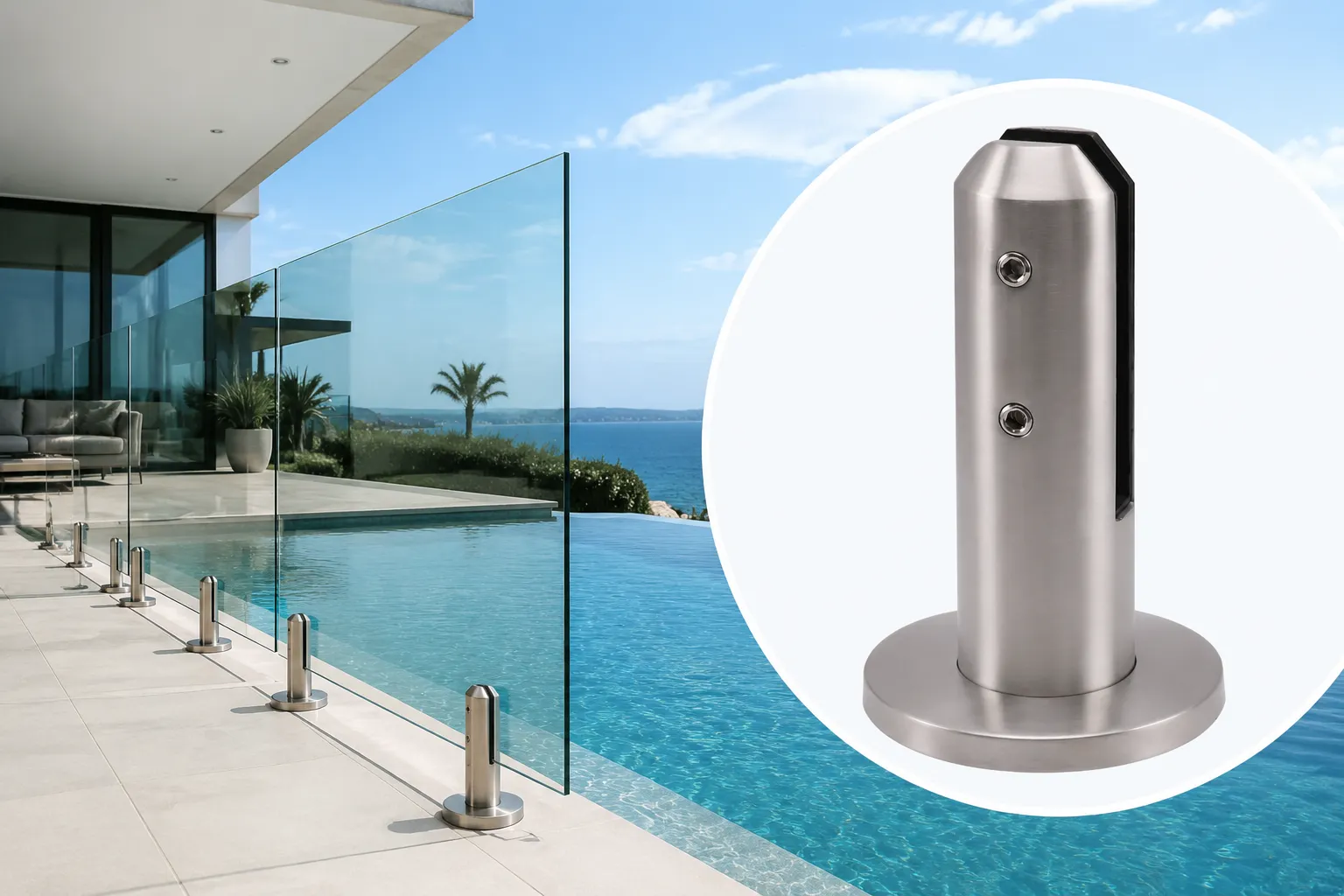
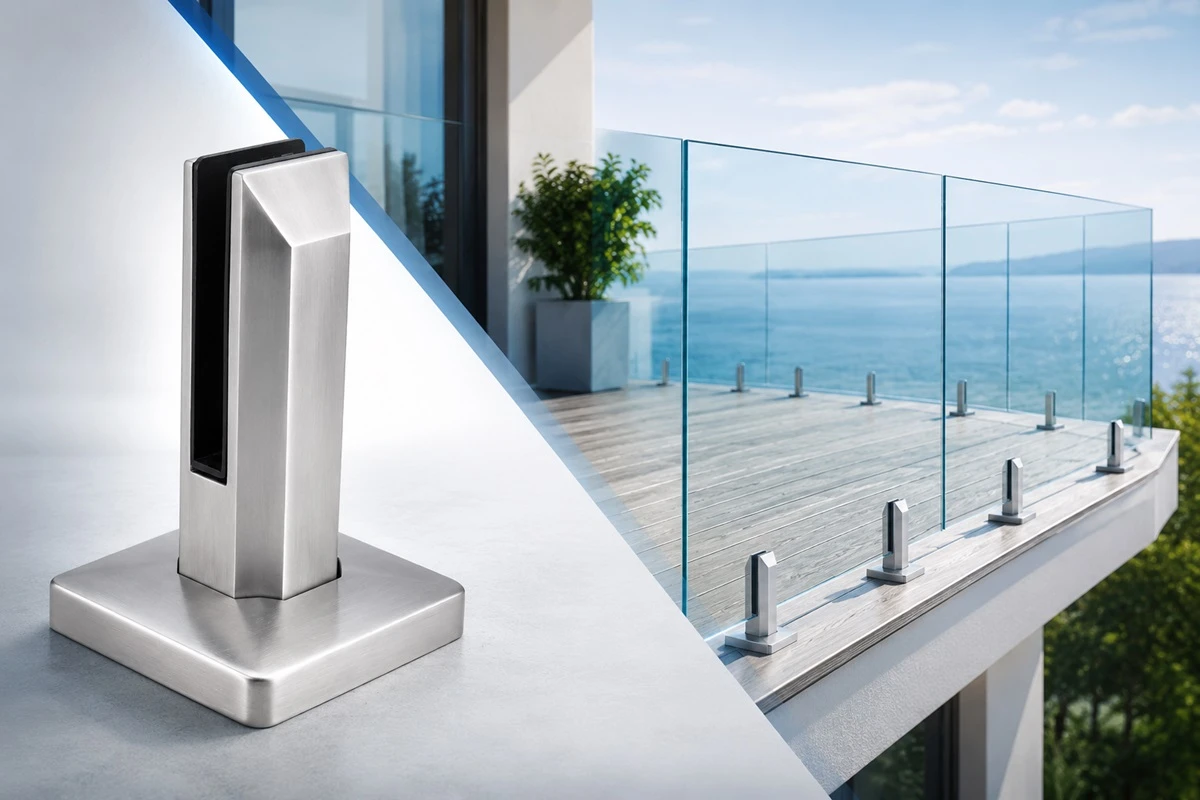
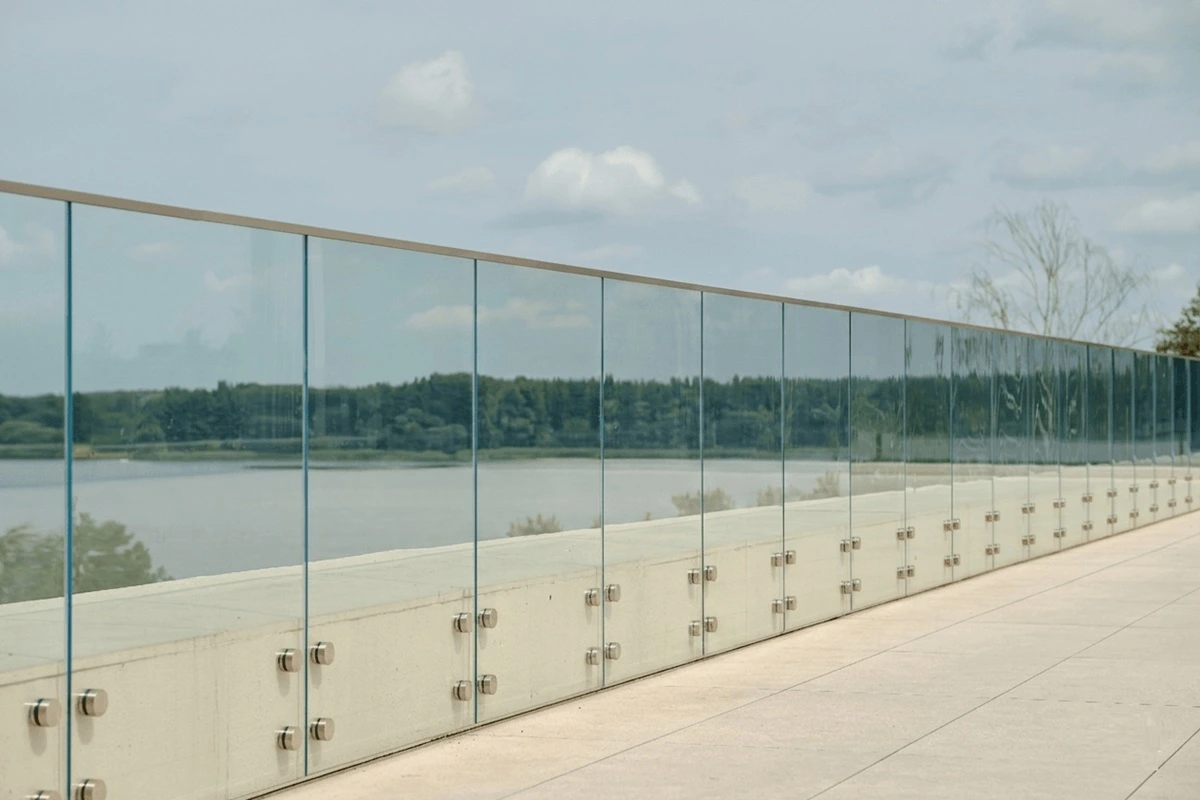
A Frameless Glass Railing System uses thick, tempered or laminated glass panels secured with minimal hardware. Unlike traditional railings, it eliminates bulky frames, allowing for a seamless appearance.

These systems typically include:
- Tempered or laminated safety glass
- Base channels or clamps
- Stainless steel hardware
- Optional handrails for added support
You can explore modern designs here Frameless Glass Railings Modern Design
Why Structural Safety Matters
Structural safety is not just about preventing accidents. It ensures long-term durability, resistance to environmental stress, and compliance with building codes.
A properly engineered Frameless Glass Railing System must withstand:
- Wind loads
- Human impact
- Temperature fluctuations
- Long-term wear and tear
According to international building standards, railings must handle horizontal loads of at least 0.5 to 1.0 kN/m, depending on the application. This requirement ensures that the system remains stable even under pressure.
That Make a Frameless Glass Railing System Structurally Safe
Glass Type and Strength
The most critical component of any Frameless Glass Railing System is the glass itself.
Tempered Glass
Tempered glass is heat-treated to increase strength. It is approximately 4–5 times stronger than regular glass. When it breaks, it shatters into small, blunt pieces instead of sharp shards.
Learn more about durability here Durability of Tempered Frameless Glass Railings
Laminated Glass
Laminated glass consists of two or more layers bonded with an interlayer. Even if the glass cracks, it remains intact.
For maximum safety, most modern systems use tempered laminated glass, combining both benefits.
Glass Thickness
Thickness directly impacts the strength of a Frameless Glass Railing System.
Common thickness ranges:
| Application | Glass Thickness |
|---|---|
| Residential | 10mm – 12mm |
| Commercial | 12mm – 15mm |
| High-rise | 15mm – 19mm |
Thicker glass provides better resistance to bending and impact forces.
Mounting System and Hardware
The mounting system plays a crucial role in structural integrity.
Base Channel Systems
These systems anchor the glass at the bottom using aluminum or stainless steel channels. They provide strong support and even load distribution.
Glass Clamps
Clamps hold the glass panels in place at intervals. While visually appealing, they require precise installation.
You can learn more about proper installation here How to Install Frameless Glass Railing Clamps
Engineering Design and Load Calculations
A safe Frameless Glass Railing System is never based on guesswork. Engineers calculate loads based on:
- Location (indoor vs outdoor)
- Height of the railing
- Expected foot traffic
- Wind exposure
These calculations ensure the system meets safety codes and performs reliably over time.
Proper Installation Techniques
Even the best materials can fail if installed incorrectly.
Professional installation ensures:
- Correct alignment
- Secure anchoring
- Proper spacing between panels
- Compliance with local building codes
For a detailed guide, visit: How to Install Frameless Glass Railings
Use of High-Quality Materials
A Frameless Glass Railing System relies on more than just glass.
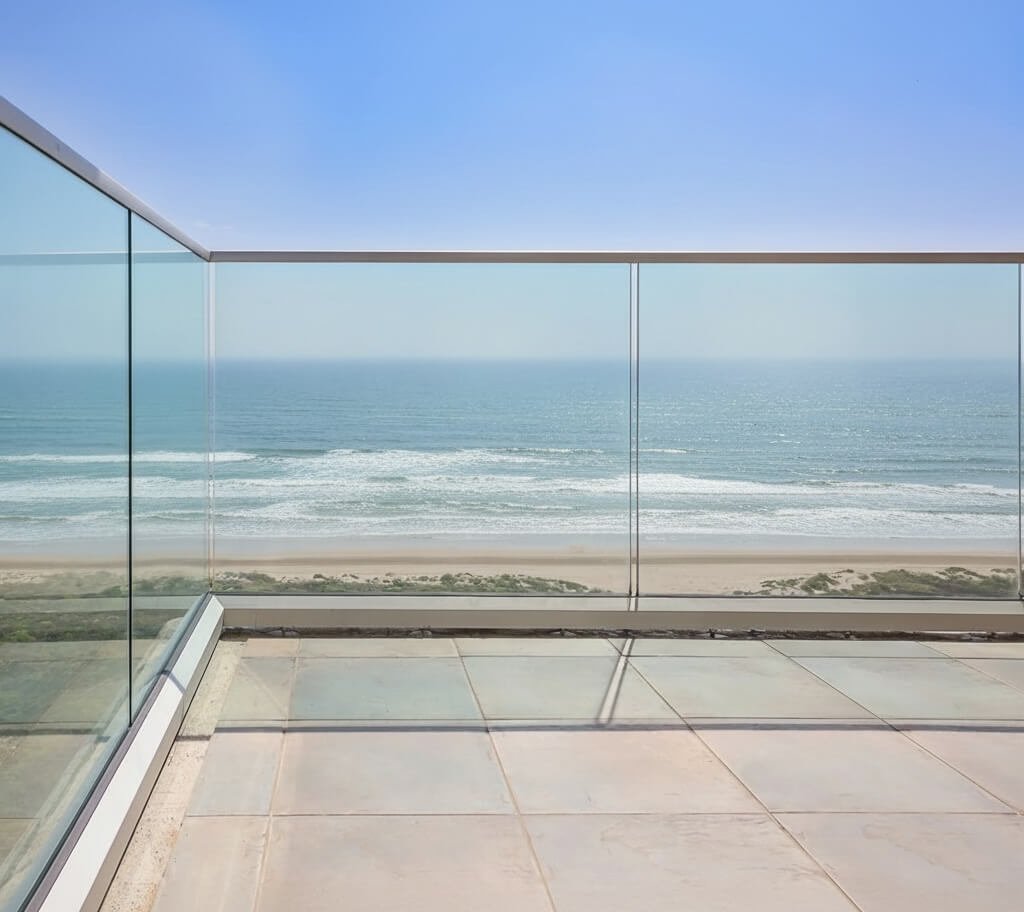
High-quality systems use:
- Marine-grade stainless steel
- Corrosion-resistant aluminum
- UV-resistant seals
Cheap materials may compromise safety over time.
Compliance with Building Codes
Every safe Frameless Glass Railing System must comply with local and international standards.
These regulations define:
- Minimum height requirements
- Load resistance
- Glass specifications
- Installation guidelines
Ignoring these standards can lead to serious safety risks.
Comparison: Frameless vs Traditional Railing Systems
| Feature | Frameless Glass Railing | Traditional Railing |
|---|---|---|
| Visibility | Maximum | Limited |
| Material Strength | High (tempered glass) | Varies |
| Maintenance | Moderate | Low to Moderate |
| Aesthetic Appeal | Modern | Classic |
| Structural Safety | High (if installed well) | High |
While both systems can be safe, a properly designed Frameless Glass Railing System offers superior aesthetics without compromising strength.
Misconceptions About Frameless Glass Railings
Many people assume that glass is fragile. In reality, modern safety glass is incredibly strong.
Another misconception is that frameless systems are less secure due to the lack of visible support. However, the strength lies in the engineering and materials, not just appearance.
For a balanced view, check: Pros and Cons of Frameless Glass Railing
Real-World Applications of Frameless Glass Railing Systems
A Frameless Glass Railing System is used in:
- Residential balconies
- Staircases
- Swimming pools
- Commercial buildings
- Rooftop terraces
These systems are especially popular in high-end architecture due to their ability to blend safety with design.
Maintenance and Long-Term Safety
Maintaining a Frameless Glass Railing System is simple but important.
Regular inspections help identify:
- Loose fittings
- Glass chips or cracks
- Corrosion in hardware
Cleaning the glass also ensures visibility and prevents buildup that may affect performance.
Industry Trends and Innovations
The future of the Frameless Glass Railing System is driven by innovation.
Manufacturers are now focusing on:
- Smart glass technology
- Improved lamination techniques
- Eco-friendly materials
You can explore industry insights and suppliers through platforms like unikimchina.en.made-in-china and video demonstrations on youtube@unikimrailings8270
Why Choose a Professional Supplier
Choosing a trusted supplier ensures that your Frameless Glass Railing System meets safety standards.
At unikim, you’ll find high-quality solutions designed for durability and performance.
If you need expert guidance, feel free to reach out through their contact page.
Summary
A Frameless Glass Railing System is not just about aesthetics—it is a carefully engineered solution designed for safety and durability. From high-strength glass to precision installation, every component plays a vital role.
When built with quality materials and installed correctly, these systems offer unmatched beauty without compromising structural integrity. Whether for residential or commercial use, investing in a reliable Frameless Glass Railing System ensures long-term safety and performance.
FAQs
Q. Is a frameless glass railing system safe for homes?
A. Yes, a properly installed Frameless Glass Railing System is extremely safe for residential use, especially when using tempered laminated glass.
Q. How strong is a frameless glass railing system?
A. A Frameless Glass Railing System can withstand significant pressure, often meeting strict building codes for load resistance.
Q. Does frameless glass break easily?
A. No, the glass used in a Frameless Glass Railing System is specially treated to resist impact and break safely if damaged.
Q. What is the best glass type for safety?
A. Tempered laminated glass is ideal for a Frameless Glass Railing System because it combines strength and safety.
Q. How long does a frameless glass railing system last?
A. With proper maintenance, a Frameless Glass Railing System can last decades without losing its structural integrity.