When it comes to modern glass railing systems, choosing the right mounting method is just as important as selecting the glass itself. Among the most debated options are side-mounted systems and the increasingly popular Wall Mount Standoff solution.
For installers, this decision affects everything—from structural integrity to installation time and final aesthetics. While both systems can deliver excellent results, they differ significantly in load handling, installation complexity, and design flexibility.
In this in-depth guide, we will break down the technical differences between side mount systems and Wall Mount Standoff installations. You will learn how each method works, where they perform best, and how to choose the right solution for your project.
If you’re new to railing systems, start with this overview What is a railing system
Wall Mount Standoff Systems
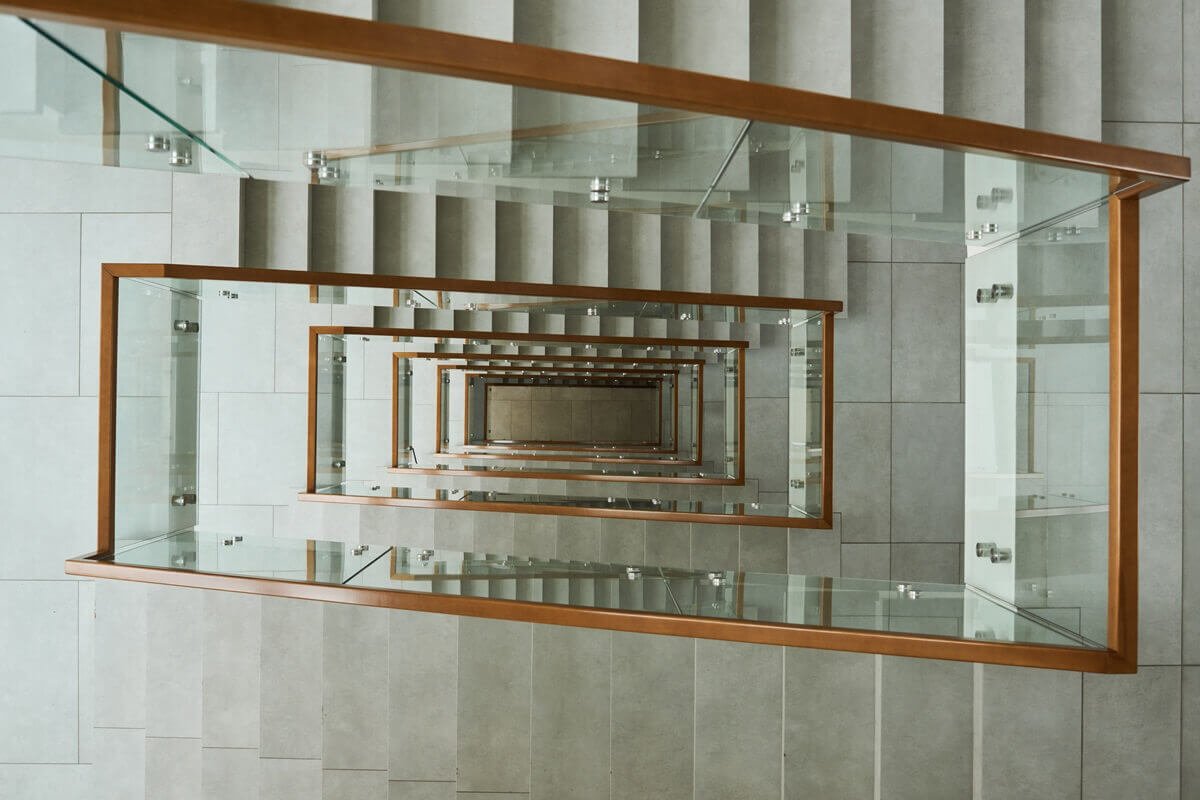
A Wall Mount Standoff system uses stainless steel spacers (standoffs) to secure glass panels directly to a vertical surface, such as a concrete wall or structural beam.
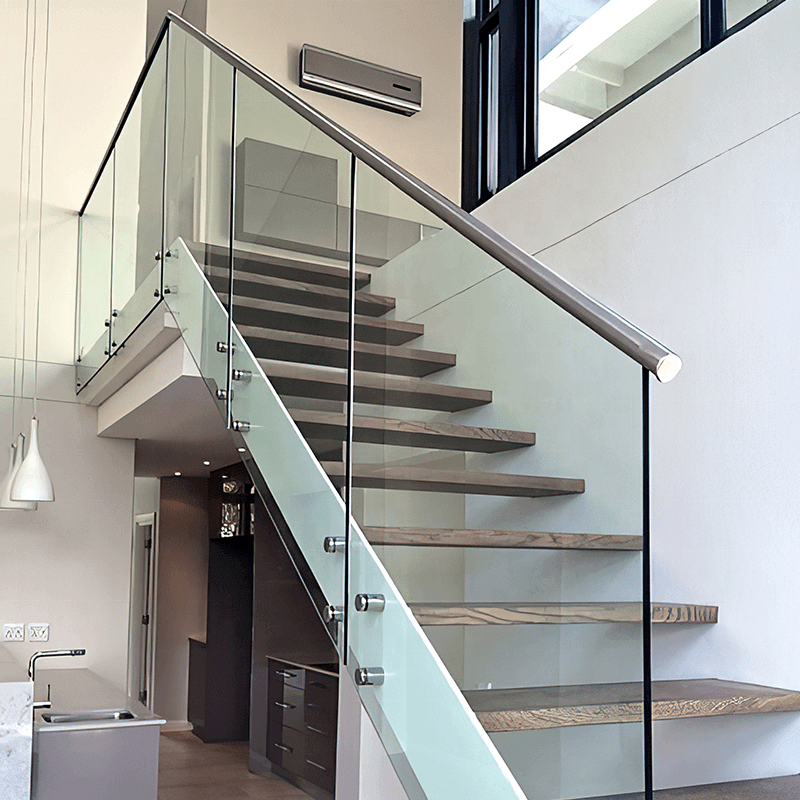
These standoffs hold the glass slightly away from the surface, creating a floating, frameless appearance.
To explore system details, visit Wall Mounted Glass Standoffs
How Wall Mount Standoff Systems Work
The installation involves drilling anchor points into a structural surface. The Wall Mount Standoff hardware is then fixed using bolts, and glass panels are secured through pre-drilled holes.
This method creates a strong and visually clean installation.
Understanding Side Mount Systems
Side mount systems attach glass panels or railing structures to the side of a deck or slab. Instead of using individual standoffs, they rely on continuous brackets or base profiles.
These systems are often used where top surface space must remain clear. To understand related systems, explore What is a standoff glass railing system
Key Differences Between Side Mount and Wall Mount Standoff
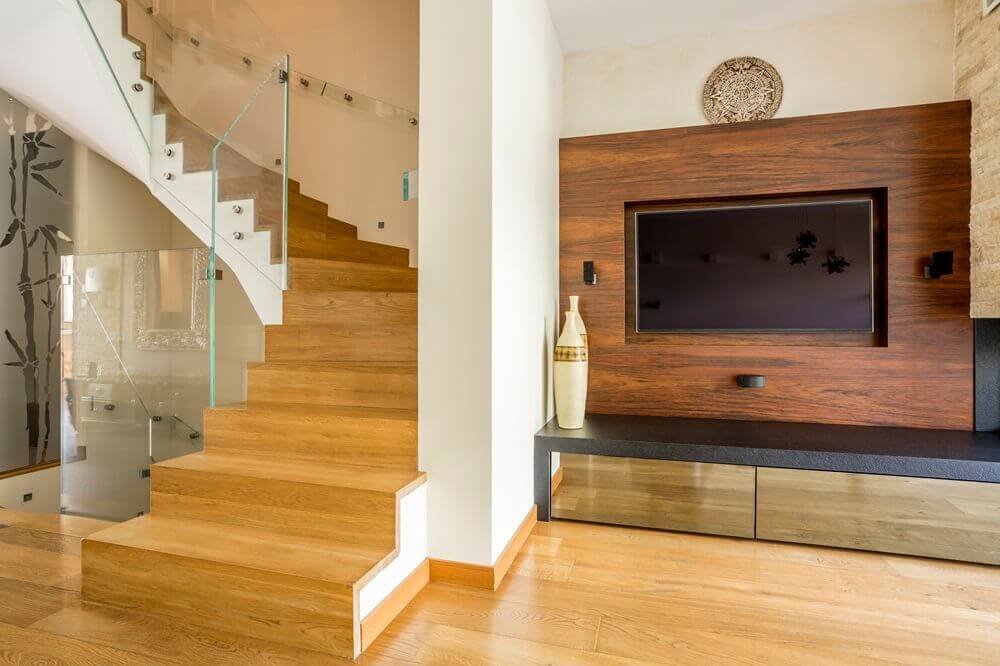
Structural Load Distribution
One of the most important differences lies in how loads are handled.
A Wall Mount Standoff distributes loads at discrete anchor points. Each standoff must handle a portion of the load, making proper spacing and anchoring critical.
Side mount systems, on the other hand, often distribute loads along a continuous bracket or channel. This can provide more uniform load distribution.
Installation Complexity
Installation varies significantly between the two methods.
A Wall Mount Standoff system requires precise drilling and alignment. Each hole must match the glass panel perfectly.
Side mount systems may allow more flexibility during installation, especially when using adjustable brackets.
For installation insights, see How to Install Frameless Glass Railings
Aesthetic Appeal
From a design perspective, the Wall Mount Standoff offers a more minimal and high-end look.
The visible hardware creates a modern industrial aesthetic. Meanwhile, side mount systems often appear more structured and less “floating.”
For design inspiration, visit Frameless Glass Railings Modern Design
Space Utilization
Space efficiency is another key factor.
A Wall Mount Standoff keeps the top surface completely clear. This is ideal for balconies, decks, and terraces where space is limited.
Side mount systems also preserve top space but may require more lateral clearance.
Material Requirements
Both systems require high-quality materials, but Wall Mount Standoff systems demand especially strong anchors.
Installers must ensure that the mounting surface can handle concentrated loads at each standoff point.
For durability considerations, read Durability of Tempered Frameless Glass Railings
Technical Comparison Table
| Feature | Wall Mount Standoff | Side Mount System |
|---|---|---|
| Load Distribution | Point-based | Continuous/Distributed |
| Installation Precision | High | Moderate |
| Aesthetic Appeal | Premium, minimal | Structured |
| Space Efficiency | Excellent | Good |
| Structural Requirement | Strong anchoring needed | Moderate |
When to Choose Wall Mount Standoff
A Wall Mount Standoff is ideal when:
- You want a clean, frameless appearance
- The structure can support concentrated loads
- Visual design is a priority
- You need maximum openness and light flow
These systems are often used in high-end residential and commercial projects.
When to Choose Side Mount Systems
Side mount systems work best when:
- Structural support is limited
- Installation speed is important
- Budget constraints exist
- The design does not require a fully frameless look
Installation Best Practices for Wall Mount Standoff
Installing a Wall Mount Standoff system requires careful planning.
Start by verifying the structural integrity of the mounting surface. Concrete and steel are ideal. Avoid weak substrates.
Next, ensure accurate drilling. Misalignment can lead to improper glass fitting.
Finally, use high-quality hardware, such as those found her Glass Clamp Stainless Steel Standoff
Mistakes Installers Should Avoid
Even experienced installers can make errors.
Common issues include:
- Incorrect spacing between standoffs
- Poor anchor selection
- Misaligned drilling
- Using low-quality materials
These mistakes can compromise the performance of a Wall Mount Standoff system.
Cost Considerations
Cost varies depending on materials, labor, and project complexity.
A Wall Mount Standoff system may have higher installation costs due to precision requirements. However, it often delivers higher visual value.
Side mount systems can be more cost-effective, especially for large-scale projects.
Durability and Maintenance
Both systems offer excellent durability when installed correctly.
However, a Wall Mount Standoff system may require periodic inspection of individual anchor points.
Using corrosion-resistant materials, such as stainless steel, ensures long-term performance.
Pros and Cons of Wall Mount Standoff Systems
Before making a decision, it’s important to evaluate the advantages and limitations.
A Wall Mount Standoff provides unmatched aesthetics and a modern look. However, it demands precise installation and strong structural support.
For a broader perspective, read Pros and Cons of Frameless Glass Railing
Regional Considerations
Environmental conditions can affect system performance.
In coastal areas, corrosion resistance becomes critical. In colder climates, freeze-thaw cycles can impact anchors.
Contractors should adapt the Wall Mount Standoff design accordingly.
Working with Reliable Suppliers
Choosing the right supplier ensures quality and consistency. Explore global supply options here unikimchina.en.made-in-china. Watch installation examples here youtube@unikimrailings8270. For logistics solutions, visit Door-to-Door Glass Railing Systems
Why Installers Choose URailing
For high-quality systems, unikim provides reliable solutions tailored for professional installers.
Their range includes premium Wall Mount Standoff systems designed for durability and performance.
For expert support, visit Contact Page
Future Trends in Standoff Systems
The future of Wall Mount Standoff systems includes smarter materials and improved installation techniques.
Innovations such as adjustable standoffs and advanced coatings will enhance both performance and ease of use.
Summary
Choosing between side mount and Wall Mount Standoff systems depends on your project’s structural, aesthetic, and budget requirements.
While side mount systems offer simplicity and cost efficiency, the Wall Mount Standoff stands out for its clean design and modern appeal. With proper installation and high-quality materials, it delivers both durability and visual impact.
For installers aiming to create premium glass railing systems, understanding these differences is essential for achieving the best results.
FAQs
Q. What is a wall mount standoff system?
A. A Wall Mount Standoff system uses spacers to secure glass panels directly to a vertical surface, creating a frameless look.
Q. Is wall mount standoff stronger than side mount?
A. A properly installed Wall Mount Standoff can be very strong, but it depends on anchor quality and structural support.
Q. Where are wall mount standoff systems used?
A. A Wall Mount Standoff is commonly used in balconies, staircases, and modern architectural designs.
Q. Are wall mount standoff systems expensive?
A. A Wall Mount Standoff system may cost more due to precision installation and high-quality materials.
Q. Do wall mount standoff systems require maintenance?
A. Yes, a Wall Mount Standoff should be inspected regularly to ensure anchors and hardware remain secure.