Modern architecture is all about clean lines, durability, and open visibility—and that’s exactly what Glass Clamp Systems bring to the table. Whether you’re upgrading a balcony, designing a staircase, or planning a frameless outdoor railing, glass clamps make everything look sleek, secure, and up-to-date.
From residential homes to commercial skyscrapers, the rise of stainless steel glass railing systems has transformed the railing industry. Companies like uRailing have made it easier than ever to design safe and sophisticated architectural spaces using high-quality clamp systems.
What Are Glass Clamp Systems?
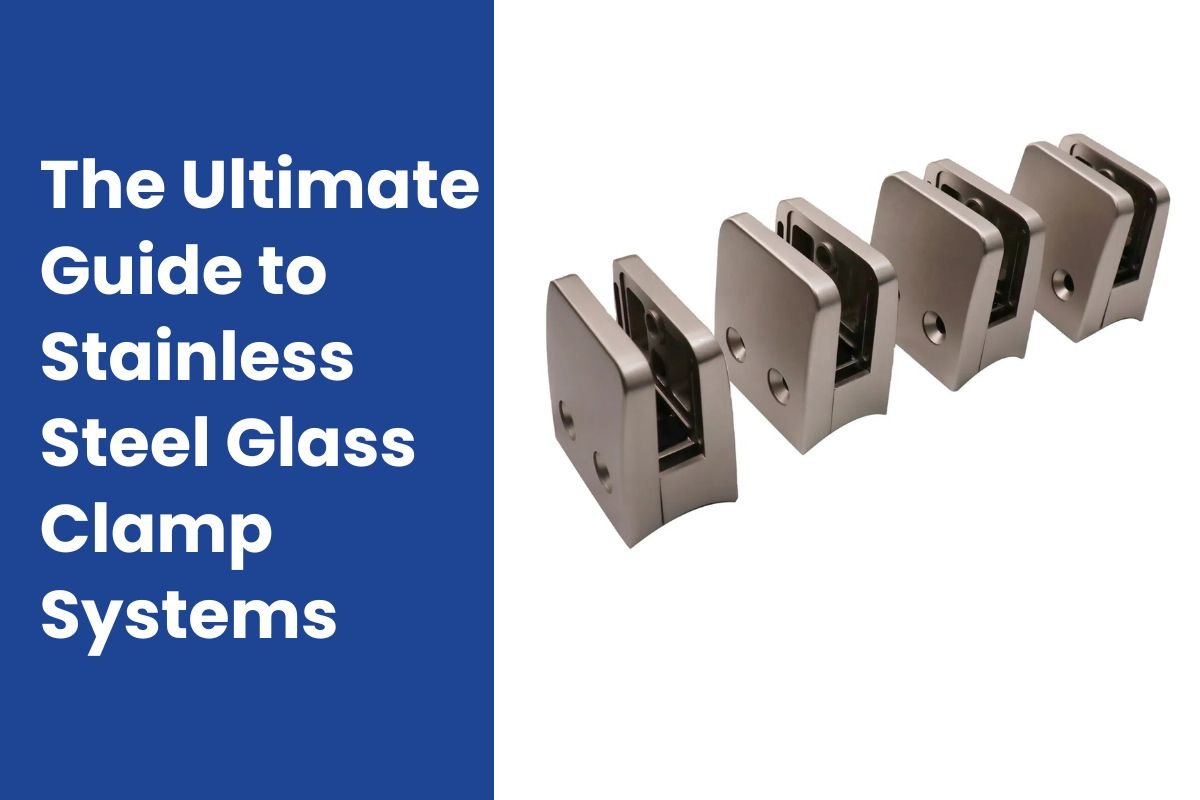
Glass Clamp Systems are hardware components used to securely grip, hold, and support glass panels in railing systems, pool fences, staircases, patios, balconies, and partition walls.
They’re commonly made of stainless steel (304 or 316 grade) because of its corrosion resistance, strength, and mirror-finish aesthetic.
These systems eliminate bulky frames and allow for frameless or semi-frameless designs, offering a clearer view and more modern appearance.
To browse professional options, check out uRailing’s Glass Clamp Collection.
What Are Stainless Steel Glass Clamp Systems?
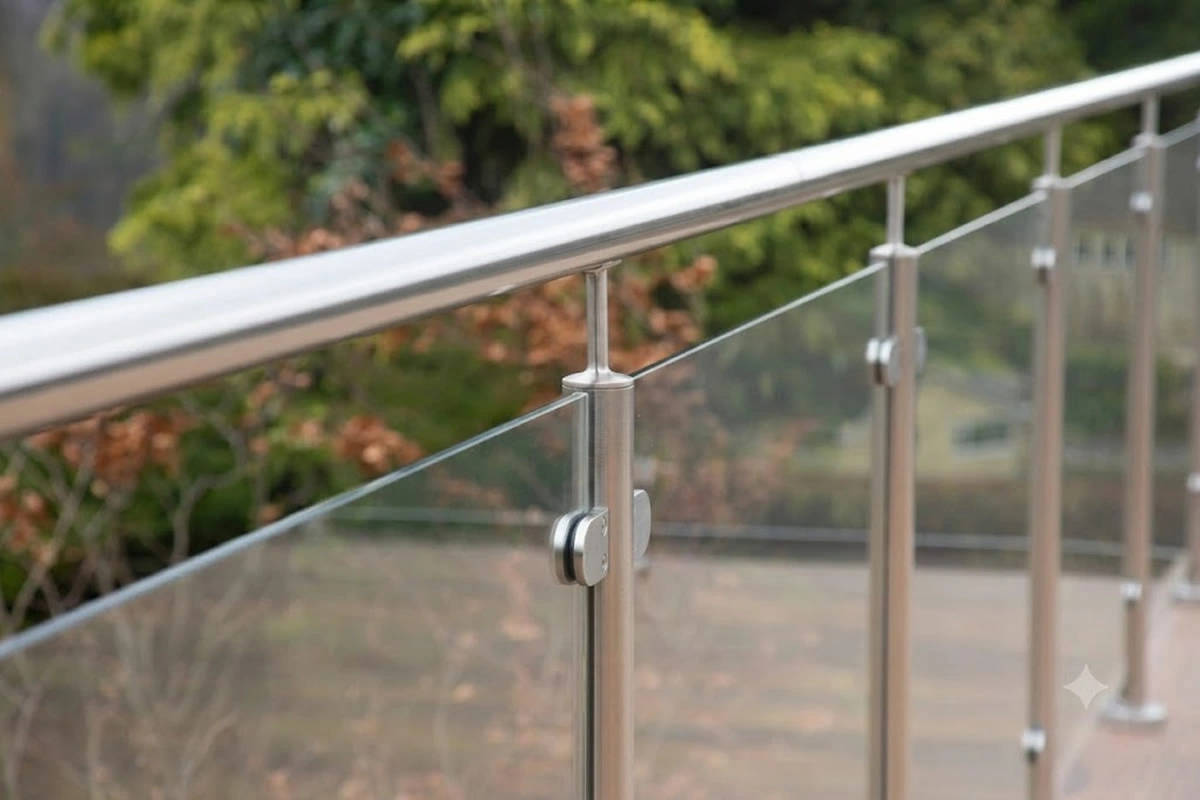
Stainless steel glass clamp systems are hardware components designed to secure glass panels in place without the need for frames or posts. These systems consist of stainless steel clamps, brackets, and fittings that hold the glass panels firmly, ensuring safety and stability while maintaining a minimalist appearance.
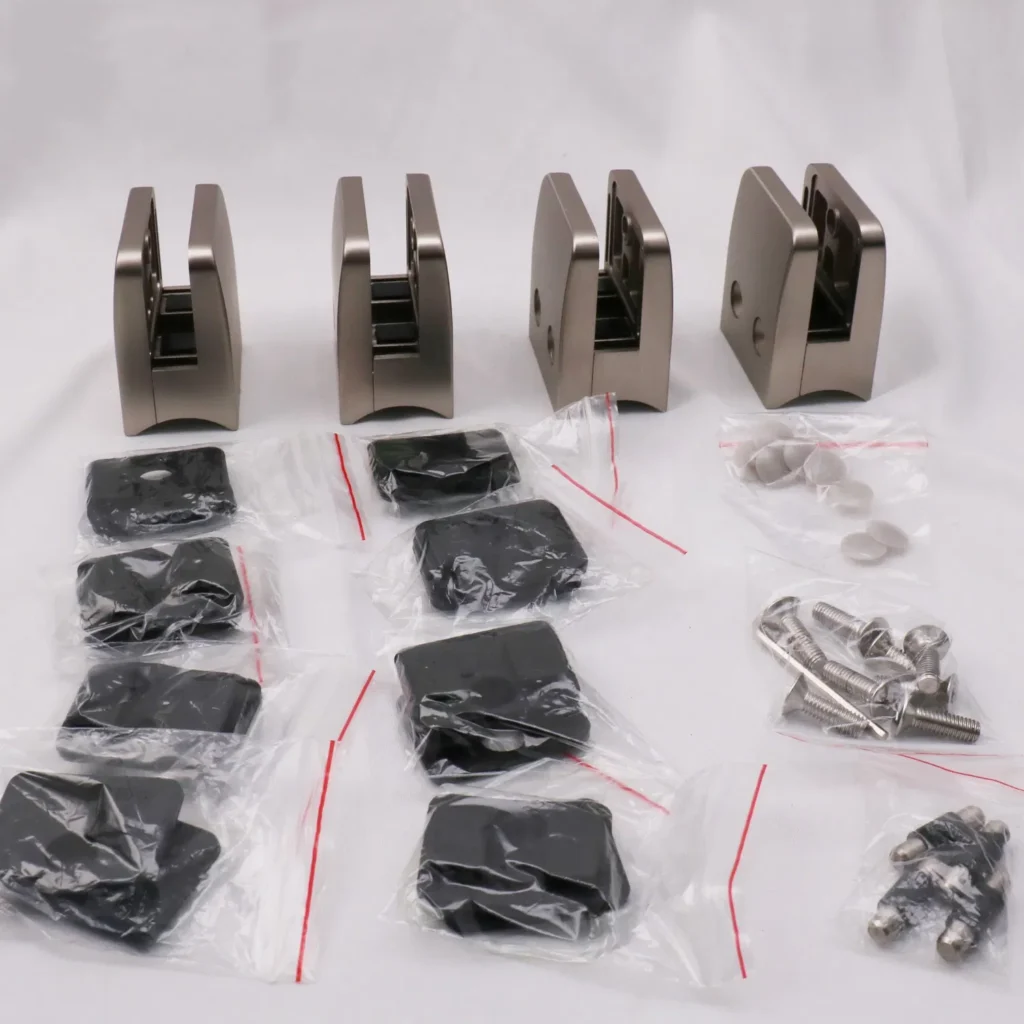
The primary components of a glass clamp system include:
- Clamps: These grip the glass panels securely and are often adjustable to accommodate different glass thicknesses.
- Brackets: These attach the clamps to the supporting structure, such as a wall, floor, or railing post.
- Fittings: These include screws, bolts, and other fasteners that ensure the system is securely installed.
Stainless steel is the preferred material for these systems due to its corrosion resistance, durability, and aesthetic appeal. It complements the transparency of glass, creating a modern and sophisticated look.
The Anatomy of Stainless Steel Glass Clamps
Understanding the individual components of glass clamp systems is essential for anyone involved in specification, installation, or maintenance. The primary component is the clamp body itself, typically manufactured from high-grade stainless steel—most commonly grades 304 or 316. These materials are chosen for their exceptional corrosion resistance, particularly important in coastal environments or areas with harsh weather conditions.
The clamp body consists of two main sections that work together to secure the glass panel. The base plate attaches directly to the mounting surface, whether that’s a floor, post, or handrail. This base provides the structural foundation for the entire assembly and must be securely fastened using appropriate fixings. The quality of this connection directly impacts the overall stability and safety of the installation.
The top section of the clamp, often called the cap or cover, creates the gripping mechanism. When tightened, it compresses rubber or polymer gaskets against the glass surface, creating friction that prevents the glass from sliding or rotating. These gaskets play a crucial role in the system’s functionality—they must be soft enough to distribute pressure evenly across the glass surface yet firm enough to maintain a secure grip over time.
Additional components include fastening bolts, typically made from stainless steel to match the clamp body, and various adjustment mechanisms. Some advanced systems incorporate spring-loaded features that maintain consistent pressure on the glass even when subject to thermal expansion or minor structural movement. Understanding how these components work together helps ensure proper installation and long-term performance.
Types and Configurations of Glass Clamp Systems
The market offers a diverse range of glass clamp systems, each designed for specific applications and aesthetic preferences. Flat-back clamps represent the most common configuration, featuring a flat mounting surface that attaches directly to posts or walls. These clamps are ideal for frameless glass railing systems where the glass panels are supported at their edges.
Round-back clamps, also known as tube clamps or post clamps, are specifically designed to attach to cylindrical posts or handrails. These clamps feature a curved mounting surface that wraps around the post, distributing the load evenly around its circumference. This configuration is particularly popular for stainless steel handrail systems where the posts themselves become a design feature.
Corner clamps serve the specialized purpose of connecting glass panels at right angles, commonly used in balcony corners or stairwell applications. These clamps must accommodate two glass panels simultaneously while maintaining the structural integrity of both. The engineering behind corner clamps is particularly sophisticated, as they must manage loads from multiple directions while preserving the clean, minimalist aesthetic that makes glass railings so appealing.
Mini-post systems represent a hybrid approach where small-diameter posts are combined with clamps to create a semi-frameless appearance. In these systems, the clamps attach to slender posts that provide additional support points along the glass span. This configuration offers increased structural stability for longer runs or applications with higher load requirements while maintaining much of the visual lightness associated with fully frameless systems.
Material Selection: Why Stainless Steel Dominates
Stainless steel has become the material of choice for glass clamp systems for numerous compelling reasons. The primary advantage lies in its exceptional corrosion resistance, which stems from the chromium content in the alloy. When exposed to oxygen, chromium forms a thin, transparent oxide layer on the steel’s surface that protects against rust and degradation. This passive layer is self-healing, meaning that if the surface is scratched, it automatically reforms when exposed to oxygen.
Grade 304 stainless steel is the most commonly specified material for interior applications and mild outdoor environments. This austenitic stainless steel contains approximately 18% chromium and 8% nickel, providing excellent corrosion resistance for most applications. It offers an ideal balance of performance, workability, and cost-effectiveness, making it the standard choice for residential and light commercial installations.
Grade 316 stainless steel elevates corrosion resistance to the next level by incorporating molybdenum into the alloy. This addition provides superior protection against chloride corrosion, making 316 stainless steel the preferred choice for coastal environments, pool areas, or any application where the hardware will be exposed to salt water or aggressive chemicals. While more expensive than grade 304, the extended lifespan and reduced maintenance requirements often justify the additional investment.
Surface finishes play an important role in both aesthetics and performance. Mirror-polished finishes offer maximum visual appeal and are easiest to clean, though they show fingerprints readily. Brushed or satin finishes provide a more subdued appearance and better hide minor scratches and handling marks. Some manufacturers offer specialized coatings or treatments that enhance corrosion resistance even further or provide unique aesthetic effects.
Installation Process and Technical Considerations
Proper installation of glass clamp systems is critical to ensuring both safety and longevity. The process begins with careful planning and measurement, as even small errors can compromise the entire installation. Professional installers typically create detailed shop drawings that specify exact glass dimensions, clamp locations, and mounting details before any physical work begins. These drawings serve as a roadmap during installation and help identify potential issues before they become costly problems.
Surface preparation forms the foundation of a successful installation. Mounting surfaces must be clean, level, and structurally sound. For floor-mounted applications, installers often use laser levels to ensure that base plates are positioned at precisely the correct height and alignment. Any deviation from level can create visible gaps or place uneven stress on the glass panels, potentially leading to premature failure.
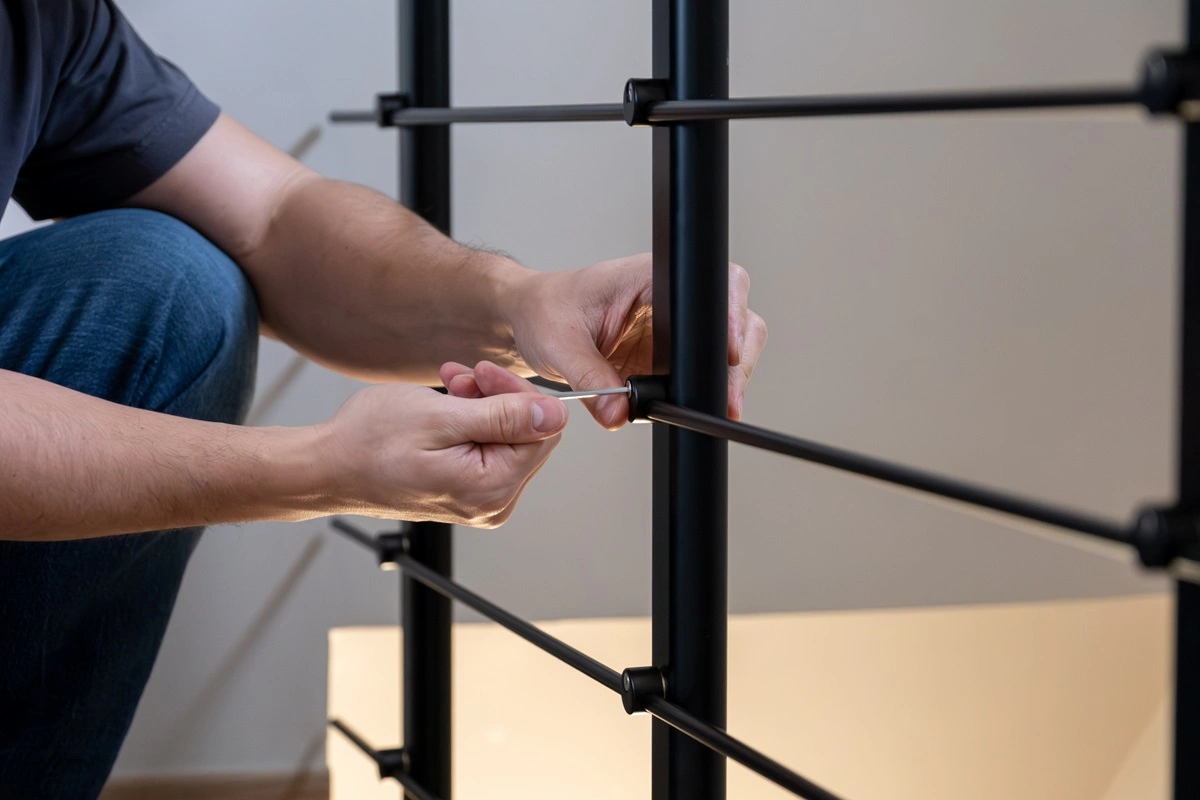
The actual installation sequence typically proceeds from bottom to top and from one end to the other. Base clamps are installed first, often with the bolts loosely tightened to allow for minor adjustments. Once all base clamps are in position and verified for alignment, the glass panels are carefully positioned. This stage requires particular attention to safety, as large glass panels can be heavy and awkward to handle. Professional installers use specialized suction cup lifters and other equipment to position glass safely and precisely.
Final tightening of clamps must follow manufacturer specifications carefully. Over-tightening can create stress concentrations in the glass that may lead to immediate or delayed fracture. Under-tightening compromises the system’s structural integrity. Most manufacturers provide specific torque values for their systems, and professional installers use calibrated torque wrenches to ensure accurate tightening. After initial installation, a final inspection verifies that all clamps are properly seated and all fasteners are adequately secured.
Safety Standards and Building Code Compliance
Building codes and safety standards govern the use of glass clamp systems in architectural applications, and compliance is not optional. In the United States, the International Building Code (IBC) sets forth requirements for guardrail and handrail systems, including specifications for height, load resistance, and infill panel requirements. These regulations exist to protect building occupants and visitors from falls and injuries.
Load requirements for glass railing systems vary depending on the application and occupancy type. Residential applications typically require guardrails to withstand a concentrated horizontal load of 200 pounds applied to the top rail or at any point along the top of the guard. Commercial and public buildings often face more stringent requirements, particularly in areas of high occupancy or where crowds may gather.
Glass specifications are equally important from a code compliance perspective. Most jurisdictions require tempered safety glass for guardrail applications to ensure that if breakage occurs, the glass shatters into small, relatively harmless pieces rather than large, dangerous shards. Minimum thickness requirements typically specify 1/2-inch tempered glass for most residential applications, with thicker glass required for taller panels or more demanding applications.
Testing and certification provide assurance that glass clamp systems meet applicable safety standards. Reputable manufacturers subject their products to rigorous testing that simulates real-world loads and stress conditions. These tests verify that clamps maintain adequate grip strength, that fasteners don’t fail under specified loads, and that the complete system performs as intended when subjected to impacts or sustained pressure. Working with certified systems from established manufacturers provides legal protection and peace of mind.
Applications Across Residential and Commercial Spaces
Residential applications of glass clamp systems have expanded dramatically as homeowners seek to create open, light-filled spaces that blur the boundaries between indoor and outdoor living. Balcony railings represent one of the most popular uses, allowing residents to enjoy panoramic views without visual obstruction. The sleek appearance of glass barriers complements contemporary architectural styles while providing essential fall protection.
Staircase railings benefit enormously from the minimalist aesthetic of glass clamp systems. Traditional wooden or metal balusters can make staircases feel closed-in and dark, particularly in split-level homes or multi-story townhouses. Glass panels supported by carefully positioned clamps create a sense of openness while still fulfilling safety requirements. This application is particularly effective when combined with stainless steel handrails that provide a sleek, continuous gripping surface.
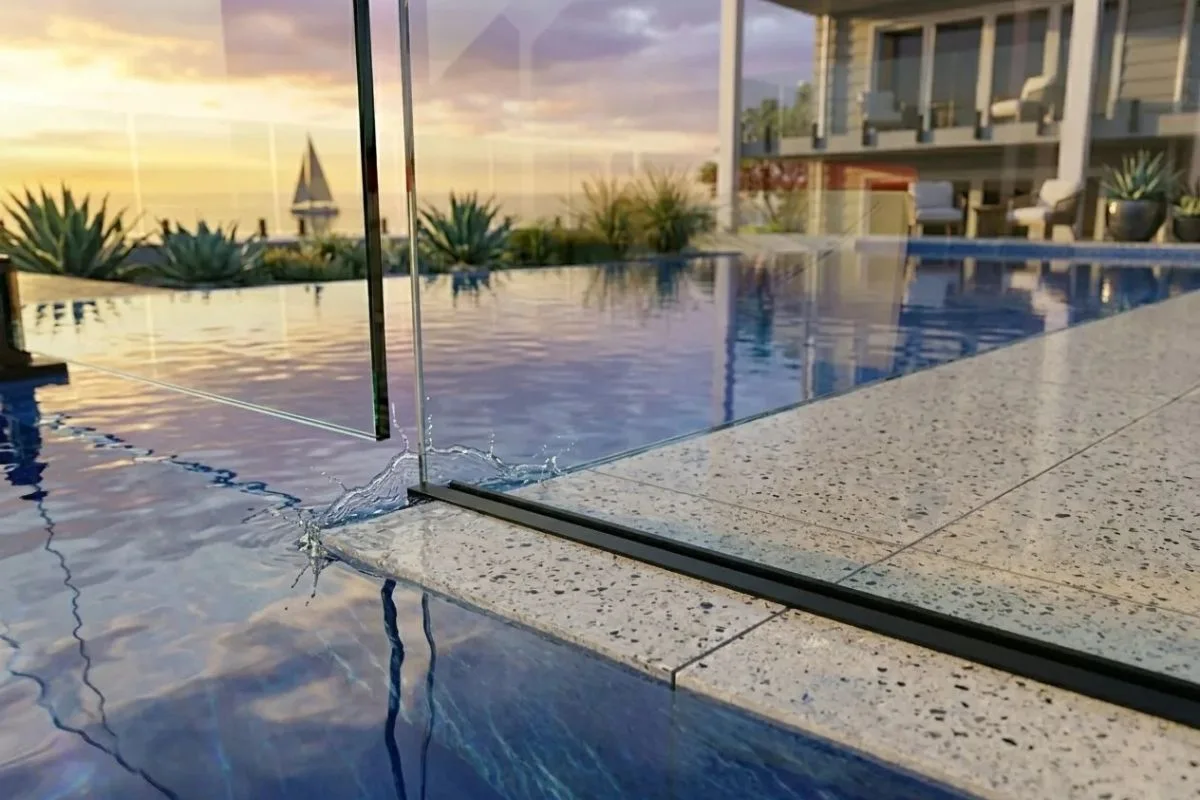
Pool fencing represents a critical safety application where glass clamp systems excel. Pool safety regulations in many jurisdictions require barriers that prevent unsupervised access by young children while allowing visual supervision from adjacent areas. Glass fencing meets these requirements perfectly—providing a secure barrier that enables caregivers to monitor pool areas from inside the home or from other parts of the yard. The corrosion resistance of stainless steel clamps is particularly valuable in this chlorine-rich environment.
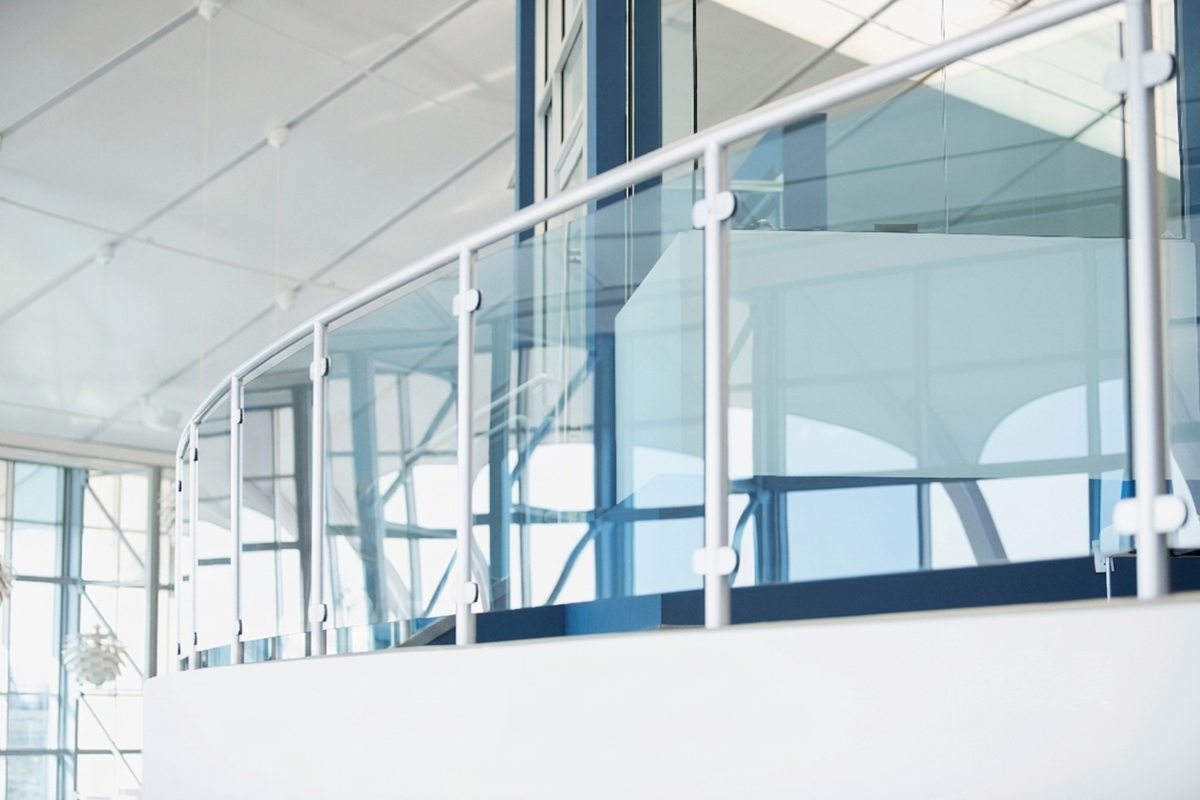
Commercial applications range from retail storefronts to corporate office buildings. Shopping centers use glass barrier systems to create safe walkways along upper-level corridors while maintaining the open atmosphere that encourages browsing and movement. Office buildings incorporate glass partitions and barriers in lobbies, mezzanines, and rooftop terraces, projecting a modern, professional image while meeting stringent commercial building codes.
Selecting the Right System for Your Project
Project requirements should drive system selection rather than aesthetic preferences alone. Begin by clearly defining the application’s functional needs, including required height, span length, and load resistance. Residential balcony railings have different requirements than commercial stairwell barriers or pool fences. Understanding these distinctions helps narrow the field of suitable products and prevents costly specification errors.
Environmental factors play a crucial role in determining appropriate materials and configurations. Coastal installations demand grade 316 stainless steel to resist salt-induced corrosion. Projects in extreme cold climates should consider how thermal contraction might affect glass and hardware. High-wind areas may require thicker glass or reduced span lengths between support points. Professional suppliers can provide guidance on environmental considerations specific to your location.
Aesthetic goals become the tie-breaker when multiple systems meet functional requirements. Consider how the hardware finish will coordinate with other architectural elements. Evaluate whether flat-back or round-back clamps better suit the overall design concept. Think about whether the glass should be completely clear or whether tinting or frosting would enhance the space. Visit completed installations using similar systems to see how they look and function in real-world conditions.
Working with suppliers who specialize in glass clamp systems provides access to technical expertise and comprehensive product knowledge. Established suppliers can recommend appropriate systems for specific applications, provide engineering support for complex projects, and offer installation guidance or referrals to qualified contractors. Many suppliers maintain showrooms where you can examine products firsthand and see various configurations and finishes. At URailing, we provide comprehensive support throughout your project, from initial selection through installation and beyond.
Quality Indicators and Manufacturer Evaluation
Manufacturer reputation serves as a primary indicator of product quality and reliability. Established manufacturers with long track records typically maintain consistent quality standards and stand behind their products with comprehensive warranties. Research potential suppliers thoroughly, reading reviews, examining completed projects, and seeking references from architects or contractors who have specified their products. At Unikim, we maintain rigorous quality standards backed by decades of manufacturing experience.
Certifications and testing documentation provide objective evidence of product performance. Look for manufacturers who subject their products to third-party testing by recognized laboratories. Load testing, corrosion resistance testing, and accelerated aging tests help verify that products perform as claimed. Manufacturers should provide documentation of these tests and make technical specifications readily available to specifiers and installers.
Material specifications warrant careful examination. Not all stainless steel is created equal, and some manufacturers cut corners by using inferior grades or thinner materials than appropriate. Reputable manufacturers clearly specify the grade of stainless steel used, material thickness, and finish type. Be wary of products lacking detailed specifications or manufacturers unwilling to provide technical documentation upon request.
Customer support distinguishes excellent manufacturers from mediocre ones. Quality manufacturers provide comprehensive technical support, including product selection assistance, engineering calculations for complex applications, and installation guidance. They maintain adequate inventory to support prompt delivery and stock replacement parts for installed systems. Good manufacturers stand behind their products with meaningful warranties and responsive service when issues arise. Visit our YouTube channel to see product demonstrations and installation guidance.
Environmental and Sustainability Considerations
Material sustainability favors stainless steel and glass, both of which are highly recyclable. Stainless steel can be recycled indefinitely without quality degradation, and significant percentages of stainless steel production utilize recycled feedstock. Glass similarly can be recycled or repurposed at end-of-life, though practical recycling rates vary by location. Specifying these materials supports circular economy principles and reduces environmental impact compared to less recyclable alternatives.
Durability and longevity represent perhaps the most important sustainability attributes of quality glass clamp systems. Products that last decades without requiring replacement conserve embodied energy and material resources. While initial costs for premium systems may exceed budget alternatives, their extended service life typically results in lower environmental impact over time. This perspective aligns with sustainable design principles that favor durable, long-lasting solutions over disposable products.
Energy performance benefits from glass railing systems in certain applications. Interior glass barriers allow natural light penetration deeper into buildings, potentially reducing artificial lighting requirements and associated energy consumption. Exterior glass railings can be integrated with glazed balcony enclosures that provide solar heat gain in cold climates while maintaining views and visual openness. These passive solar strategies can contribute to overall building energy efficiency.
Local sourcing reduces transportation-related environmental impacts when possible. Some regions have local stainless steel fabricators or glass suppliers that can provide quality products without lengthy shipping distances. Balancing local sourcing against product quality and cost requires careful consideration, as inferior products that fail prematurely may generate greater environmental impact than higher-quality products shipped from distant locations. Evaluate the full lifecycle environmental impact rather than focusing narrowly on a single factor like transportation distance.
Maintenance and Troubleshooting for Stainless Steel Clamps
Stainless steel is revered for its durability, but it is not maintenance-free. To ensure your investment in stainless steel glass clamp systems lasts for decades, particularly the SS 316 marine grade used in coastal and pool environments, a proactive maintenance routine is essential.
Routine Cleaning: Preventing “Tea Staining” and Preserving Passivity
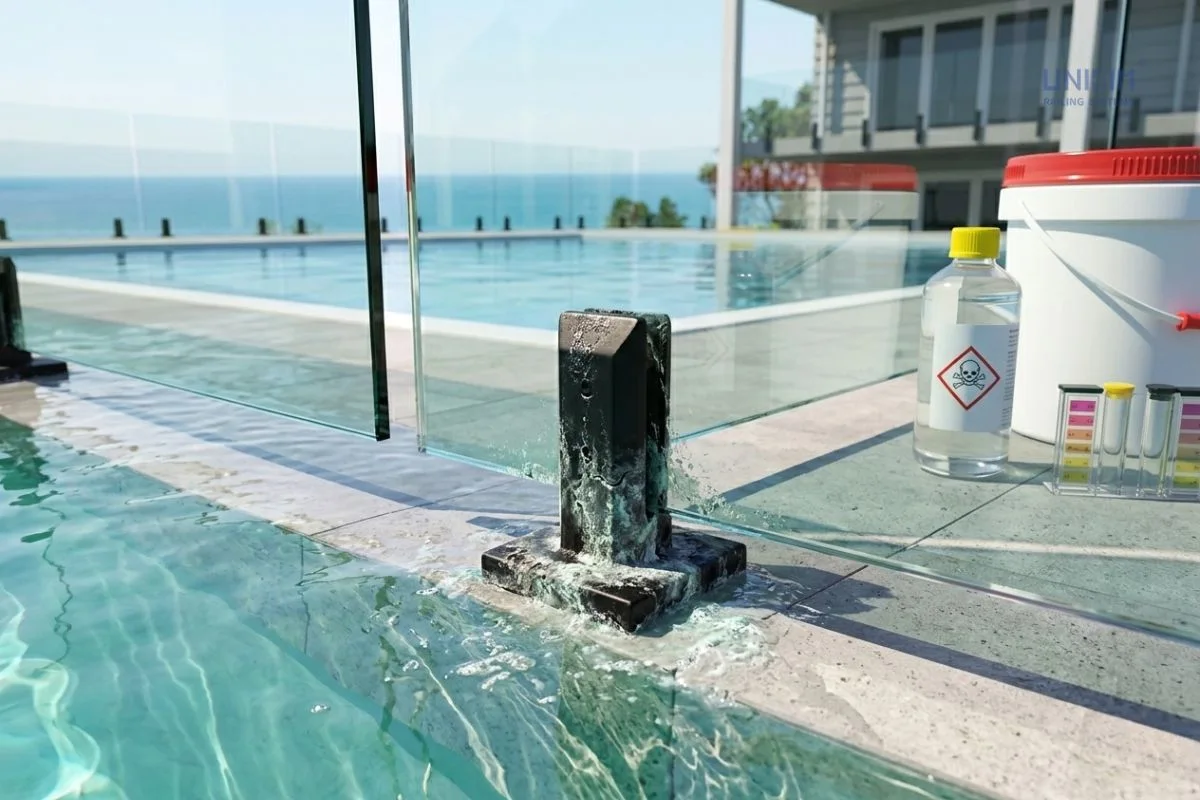
The corrosion resistance of stainless steel comes from a microscopically thin, self-healing chromium oxide layer called the passive layer. This layer can be compromised by the buildup of contaminants, especially chlorides (from salt spray or pool chemicals) and industrial pollution.
- The Problem: Contaminant buildup can prevent oxygen from reaching the surface, inhibiting the self-healing process and leading to a reddish-brown discoloration known as “tea staining” or surface rust. While this is rarely a structural problem, it is unsightly.
- The Solution: Regular cleaning is key to restoring and maintaining the passive layer.
- Use a mild detergent (like dish soap) and warm water.
- Wipe down the clamps with a soft, non-abrasive cloth.
- Crucially, rinse thoroughly with fresh, clean water after cleaning to remove all detergent residue and dissolved contaminants.
- For light tea staining, use a specialised stainless steel cleaner or a non-abrasive scouring pad (such as a Scotch-Brite pad) to gently scrub in the direction of the metal’s grain (the brush lines).
- NEVER use cleaning products containing chlorine bleach, strong acids, or abrasive steel wool, as these will permanently damage the passive layer.
For an in-depth look at ensuring your product is sourced from the highest quality manufacturer, you can explore partners like https://unikimchina.en.made-in-china.com/.
Common Troubleshooting: What to Check if a Panel is Slipping
If a glass panel secured by your glass clamp systems shows any sign of movement, it must be addressed immediately for safety reasons.
| Issue | Probable Cause | Corrective Action |
| Glass Panel Slippage | Incorrect gasket thickness (too thin) or insufficient torque. | Check the clamp model number against the glass thickness. Ensure the correct gasket is used. Re-tighten the friction screws with an Allen key until the panel is rock-solid. |
| Uneven Gaps | Uneven post-to-post spacing or post settling. | Loosen the friction screws, re-adjust the panel for uniform spacing, and re-tighten. Do not use the clamps to pull a glass panel into a position that is too far out of alignment. |
| Tea Staining on Clamps | Exposure to salt/chlorides without adequate cleaning (especially SS 304 outdoors). | Clean with a soft cloth and specialised stainless steel cleaner. Increase the frequency of cleaning. Consider a clear protective coating for future prevention. |
The Power of Routine Inspection
At least once per year, conduct a thorough inspection of your entire glass railing system:
- Check all Anchor Points: Visually inspect the base of the posts and the anchor bolts for any signs of loosening or movement.
- Panel Wiggle Test: Gently but firmly push and pull each glass panel. There should be zero noticeable movement within the clamps.
- Examine the Rubber: Ensure the rubber gaskets are still intact and not cracking or degrading from UV exposure.
Taking these proactive steps will ensure your glass clamp systems maintain their structural integrity and sleek appearance for years to come.
Summary
Stainless steel glass clamp systems strike the perfect balance between minimalist aesthetics, uncompromising safety, and practical installation. The ability to achieve a near-frameless look with the inherent stability of structural posts, all while relying on the proven strength and corrosion resistance of SS 316 marine-grade stainless steel, makes them the go-to solution for architects and designers worldwide.
Choosing the right clamps and posts, understanding the vital difference between SS 304 and SS 316, and rigorously adhering to global safety standards are the keys to a successful, long-lasting installation. For those new to the space, we encourage you to start with foundational knowledge on design and safety: Read our detailed insights on 10 things you should know about glass railing systems for further guidance.
Ready to transform your space with a sleek, safe, and durable glass railing?
View our full selection of Glass Clamp Systems here or Contact our experts for technical support and custom quotes on your next project.
FAQs
Q1: Do glass clamp systems require holes to be drilled in the glass panels?
A: Generally, no, most modern glass clamp systems use a friction-fit design, which secures the glass panels using highly compressive rubber gaskets without requiring any holes in the glass. This simplifies manufacturing and installation. However, for maximum safety in commercial, high-traffic, or high-wind areas, building codes often mandate the use of a security pin. If a security pin is required, a small hole must be pre-drilled in the glass panel for the pin to pass through, adding a secondary anti-slip measure.
Q2: How many glass clamps do I need per panel for a safe railing?
A: The number of clamps depends on the panel size and the load requirement. As a rule of thumb, you should use a minimum of four clamps per standard residential panel (two on the bottom, two on the top) for a typical panel size of up to 1.5 meters (5 feet) wide. For longer panels (up to 1.8 meters/6 feet) or any commercial application, six clamps (three on the bottom, three on the top) are strongly recommended to meet higher load-bearing requirements and ensure safety.
Q3: Can I use SS 304 stainless steel glass clamps in a coastal area to save money?
A: We strongly advise against it. While SS 304 is durable, it lacks the Molybdenum element found in SS 316 grade stainless steel. Molybdenum provides superior resistance to chlorides (salt) and other corrosive agents. Using SS 304 in a coastal environment, near a saltwater pool, or in a heavily polluted industrial area will almost certainly lead to rapid “tea staining” (surface rust) and premature material degradation, significantly increasing your maintenance and long-term replacement costs. SS 316 is the required, cost-effective choice for any outdoor or corrosive environment.
Q4: What is the maximum thickness of glass that a standard clamp can hold?
A: Most high-quality glass clamp systems are designed to accommodate glass thicknesses ranging from 8mm to 12mm (approx. 5/16″ to 1/2″), which covers the vast majority of residential and light commercial railing requirements. Specialised heavy-duty clamps and base-shoe systems are available for thicker, structural glass panels (up to 19mm or 21.5mm), often used for tall, fully frameless wind barriers or high-load commercial applications.