If you’ve ever installed a railing—whether for a deck, staircase, balcony, or a modern glass railing setup—you already know how important bracket quality is. But what many homeowners, contractors, and builders overlook is that the material of the handrail post brackets can dramatically affect the railing’s safety, stability, maintenance, longevity, and even visual appeal.
And trust me—this isn’t something you want to decide casually.
Brackets are the backbone of your railing system. They hold weight, resist lateral forces, battle harsh weather, and keep your railing compliant with building codes. So the question becomes:
Which material performs better: stainless steel or aluminum?
That’s exactly what this deep-dive article will cover. And to help you further, we’ll guide you using real-world data, engineering insights, and premium railing products from uRailing—a leading manufacturer specializing in glass railing systems, stainless steel handrails, and heavy-duty architectural hardware.
Before we dig deeper, feel free to explore internal resources like:
- Glass Railing Systems Supplier
- Handrail Bracket Category
- Stainless Steel Handrail System
- Safety Standards Guide for Handrail Post Brackets
Alright—let’s roll up our sleeves and dive into the comparison.
Understanding Handrail Post Brackets
A handrail post bracket is a structural connector that secures the handrail to posts, walls, glass panels, or metal support systems. They distribute weight evenly and prevent rail movement, making them crucial for safety compliance.
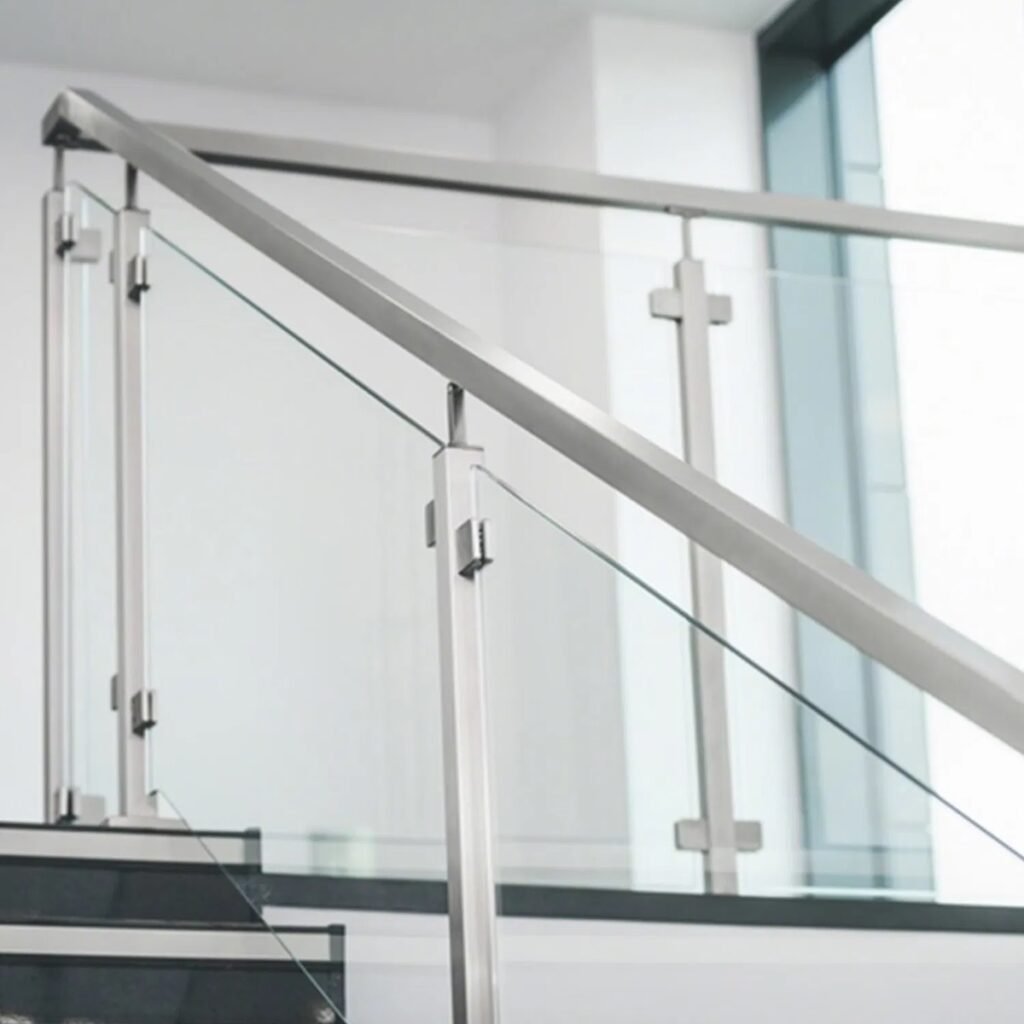
Modern railing installations—like cable railings, stainless steel railings, and glass systems—demand brackets that are both strong and corrosion-resistant.
Railing applications requiring high-performance brackets include:
- Commercial staircases
- Residential decks and balconies
- Glass railing systems
- Cable railing systems
- Indoor and outdoor architectural railings
- Marine and coastal environments
With so much at stake, choosing the right material isn’t a suggestion—it’s a must.
Stainless Steel Handrail Post Brackets: Pros and Cons
Pros
- Durability: Stainless steel is renowned for its strength and resistance to corrosion. It can withstand harsh weather conditions, making it ideal for both indoor and outdoor applications.
- Aesthetic Appeal: Stainless steel offers a sleek, modern look that complements various architectural styles. It’s available in finishes like matte black, brushed, and polished, allowing for customization.
- Low Maintenance: Unlike other metals, stainless steel requires minimal upkeep. It doesn’t rust or tarnish, ensuring long-term performance.
- Safety Compliance: Stainless steel brackets meet stringent safety standards, making them a reliable choice for residential and commercial projects.
Explore our Stainless Steel Handrail System for premium options.
Cons
- Cost: Stainless steel is more expensive than aluminum, which can impact your project budget.
- Weight: It’s heavier than aluminum, which may require additional structural support.
Aluminum Handrail Post Brackets: Pros and Cons
Pros
- Lightweight: Aluminum is significantly lighter than stainless steel, making it easier to handle and install.
- Cost-Effective: It’s more affordable, making it a budget-friendly option for large-scale projects.
- Corrosion Resistance: Aluminum naturally resists corrosion, especially when treated with protective coatings.
- Versatility: It’s available in various finishes and can be powder-coated to match your design preferences.
Check out our Handrail Bracket Collection for aluminum options.
Cons
- Durability: While aluminum is durable, it’s not as strong as stainless steel and may dent or bend under heavy impact.
- Aesthetic Limitations: It may not offer the same premium look as stainless steel, especially in high-end designs.
Stainless Steel vs Aluminum Handrail Post Brackets: Full Comparison
Let’s compare both materials across categories that matter most: strength, durability, corrosion resistance, cost, installation, maintenance, and overall longevity.
Below is a research-backed breakdown.
Strength & Load-Bearing Capacity
Stainless Steel:
Stainless steel brackets—especially grades 304 and 316—are incredibly strong and ideal for high-traffic installations.
- High tensile strength
- Excellent rigidity
- Minimal flex
- Perfect for commercial & industrial railings
Products like the Stainless Steel Post Support Metal Stair Deck Rail Post Bracket prove how powerful stainless steel can be in high-load applications.
Aluminum:
Aluminum is lighter and softer than stainless steel. While still capable for residential projects, it’s not recommended for heavy-load environments.
- Moderate strength
- More prone to bending
- Better for indoor or low-pressure setups
Verdict:
Stainless steel wins for structural strength and safety.
Durability & Impact Resistance
Stainless Steel:
This material handles impacts extremely well thanks to its rigidity and density. It doesn’t deform easily and maintains its structural integrity even after years of use.
Aluminum:
Easier to dent or deform. Not suitable for high-impact areas like commercial staircases.
Verdict:
Stainless steel remains the durability champion.
Corrosion Resistance
This is one of the biggest deciding factors.
Stainless Steel (especially 316):
- Highly corrosion-resistant
- Excellent for coastal, humid, or rainy environments
- Withstands saltwater exposure
- Ideal for outdoor and marine settings
Products like the Matte Black Stainless Steel 316/304 Glass Railing Handrail showcase rust-proof performance backed by strong engineering.
Aluminum:
- Naturally corrosion-resistant
- Forms a protective oxide layer
- Performs well outdoors
- But vulnerable to pitting corrosion in saltwater environments
Verdict:
For harsh, wet, or coastal environments—stainless steel is the superior choice.
Weight & Handling
Aluminum:
- Lightweight
- Easy to work with
- Perfect for DIY installations
- Less strain on structures
Stainless Steel:
- Heavy
- Requires stronger posts and supports
- Professional installation recommended
Verdict:
Aluminum wins for ease of handling.
Aesthetics & Finish Options
Both materials offer beautiful finishes, but stainless steel stands out for premium modern designs.
Stainless steel finishes available at uRailing:
- Mirror polish
- Brushed satin
- Matte black
- Custom finishes
Aluminum is often powder-coated but doesn’t achieve the same luxurious appearance.
Verdict:
For premium aesthetics—stainless steel dominates.
Maintenance Requirements
Stainless Steel:
Low maintenance, but not maintenance-free.
Needs occasional cleaning to maintain shine, especially near the coast.
Aluminum:
Almost zero maintenance.
Doesn’t rust—but finish can fade.
Verdict:
Aluminum wins for lowest upkeep.
Cost Comparison
Aluminum:
Budget-friendly.
Lower purchase and installation cost.
Stainless Steel:
More expensive upfront, but lasts significantly longer.
Better long-term value.
Comparison Table: Stainless Steel vs Aluminum Handrail Post Brackets
| Feature | Stainless Steel | Aluminum |
|---|---|---|
| Strength | Very High | Moderate |
| Corrosion Resistance | Excellent (304/316) | Good |
| Weight | Heavy | Lightweight |
| Maintenance | Low | Very Low |
| Cost | Higher | More Affordable |
| Lifespan | 25–50 Years | 10–20 Years |
| Best Use | Commercial, outdoor, coastal | Indoor, light-duty |
The Battle of the Elements: Corrosion, Weathering, and Longevity
The most crucial factor differentiating these two metals, and the key reason to choose one over the other, is how they perform under long-term environmental stress.
Coastal Environments: Why Grade 316 Stainless Steel is the Clear Winner
The Achilles’ heel of nearly all metals is the chloride ion, which is abundant in sea spray and road salt.
- The Molybdenum Difference: As noted, Grade 316 stainless steel includes Molybdenum. This element is the secret weapon that allows the chromium oxide layer to repair itself quickly and effectively even in the presence of chlorides, preventing pitting corrosion—small, deep holes that compromise the metal’s strength and appearance.
- Aluminum’s Vulnerability: While aluminum is non-ferrous and cannot rust like iron, it is susceptible to two types of corrosion:
- Pitting: In saltwater environments, the chloride can penetrate the aluminum oxide layer, leading to pitting and the formation of a tell-tale white, powdery residue.
- Galvanic Corrosion: Crucially, aluminum must never be placed in direct contact with stainless steel components without a physical barrier (like a plastic washer or gasket). Because aluminum is a less noble metal than stainless steel, the presence of an electrolyte (like rainwater or sea spray) will accelerate the corrosion of the aluminum dramatically.
Conclusion for Coastal Use: For any railing system within five miles of a coastline, along a busy road where road salt is used, or surrounding a chlorinated pool, investing in Grade 316 stainless steel (like our Stainless Steel Post Support Metal Stair Deck Rail Post Bracket) is the only choice for maximum longevity and minimal maintenance. While the initial cost is higher, the extended lifespan—often exceeding 50 years—offers a superior return on investment.
Inland Applications: Where Aluminum Finds Its Footing
For projects far from the ocean and away from industrial pollution or heavy road salting, the environment is considered benign. This is where the advantages of aluminum truly shine.
- Cost-Effectiveness and Finish: In a dry, inland residential setting, a high-quality, powder-coated aluminum bracket will resist atmospheric moisture and UV exposure exceptionally well. It offers a much wider range of custom colors than raw stainless steel and provides a significant cost advantage and lower shipping/installation labor costs due to its lightweight nature.
- Aesthetics and Design: For projects prioritizing complex shapes, matte black finishes, or rapid installation on lighter deck structures, powder-coated aluminum delivers a modern, robust, and low-maintenance solution.
Best Stainless Steel Cable Railing System
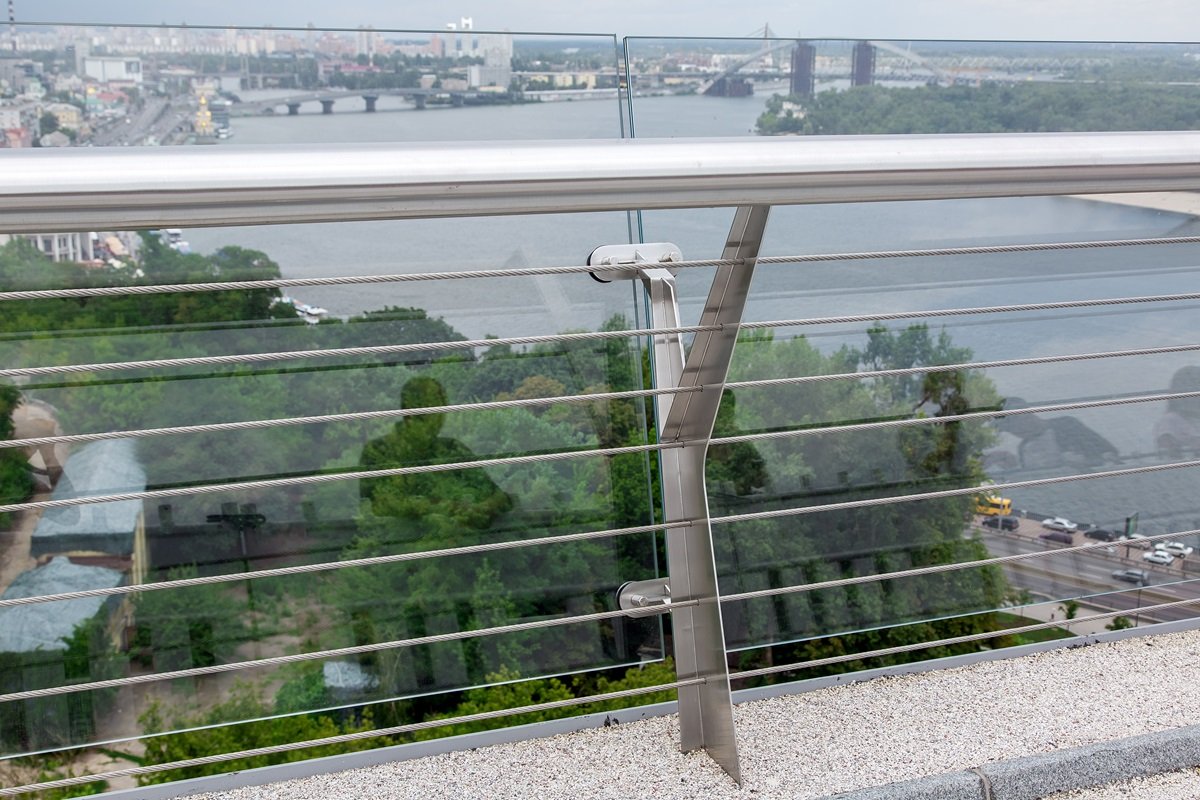
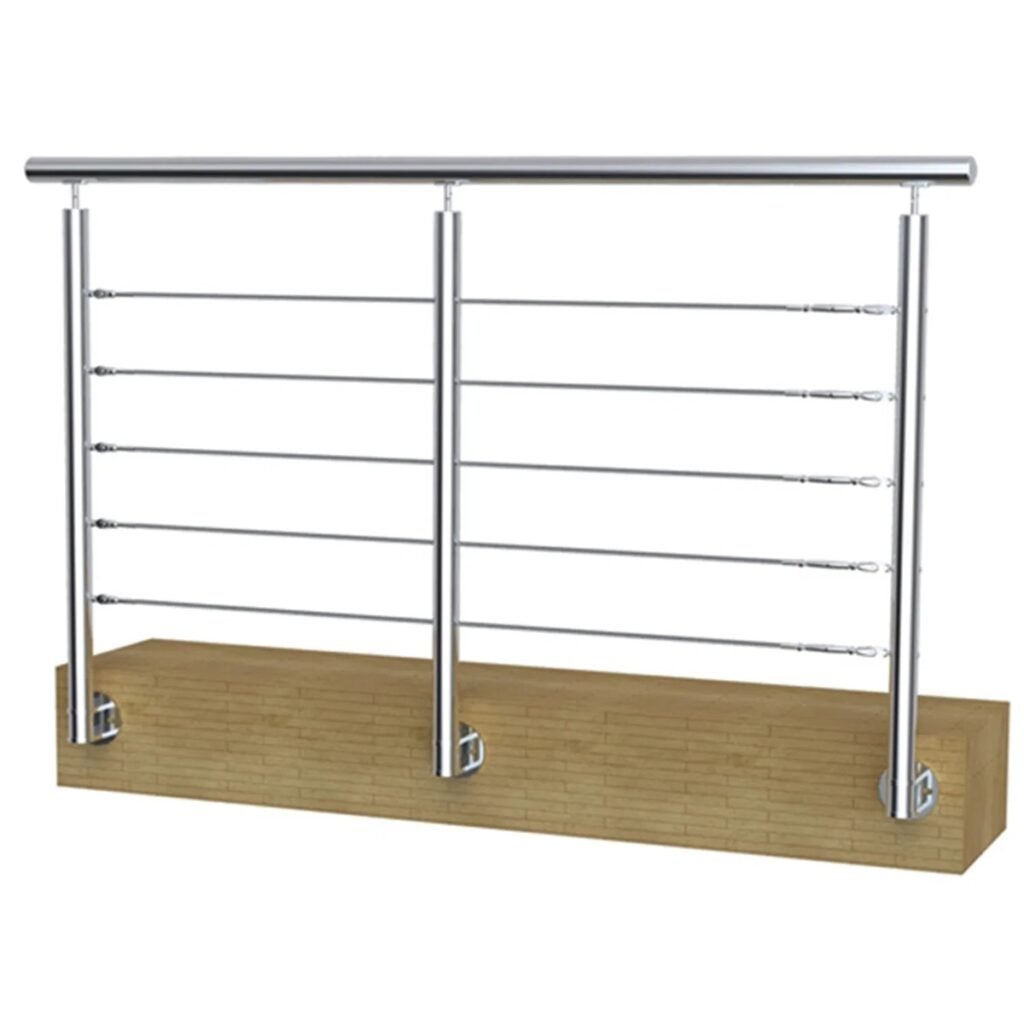
For those seeking a combination of strength and elegance, a stainless steel cable railing system is an excellent choice. These systems are known for their durability, minimalistic design, and ability to blend seamlessly with various architectural styles.
At Urailing, we offer the Best Stainless Steel Cable Railing Systems, designed to enhance safety and aesthetics. Our products are crafted from high-grade stainless steel, ensuring long-lasting performance.
Choosing the Right Handrail Post Brackets for Your Project
When selecting handrail post brackets, consider the following factors:
- Project Type: For high-traffic areas or commercial spaces, stainless steel is often the better choice due to its durability. For residential projects, aluminum may suffice.
- Budget: If cost is a concern, aluminum offers a more affordable solution without compromising on functionality.
- Aesthetic Preferences: Stainless steel provides a premium look, while aluminum offers versatility in finishes.
- Environmental Conditions: For outdoor projects, stainless steel’s corrosion resistance makes it a superior option.
For more guidance, refer to our Handrail Post Bracket Safety Standards Guide.
Summary
Choosing between stainless steel and aluminum handrail post brackets depends on your project’s specific needs. Stainless steel offers unmatched durability and a premium look, making it ideal for high-end and outdoor projects. Aluminum, on the other hand, is lightweight, cost-effective, and versatile, suitable for residential and budget-conscious applications.
At Urailing, we provide top-quality railing solutions tailored to your requirements. Explore our Glass Railing Systems and Handrail Bracket Collection to find the perfect fit for your project.
For further assistance, feel free to contact us. Let us help you create a safe and stylish railing system that stands the test of time.
FAQs
1. Which is stronger—stainless steel or aluminum handrail post brackets?
Stainless steel. It offers significantly higher tensile strength and is suitable for heavy-duty use.
2. Is aluminum good for outdoor railing installations?
It is—but not ideal for coastal or high-moisture environments.
3. Which material lasts longer?
Stainless steel can last 30–50 years, while aluminum lasts around 10–20 years.
4. Is stainless steel worth the extra cost?
Absolutely—especially for commercial, outdoor, or safety-critical applications
5. Are aluminum brackets safe for commercial buildings?
Not recommended. Stainless steel is the standard for commercial safety.
6. Can stainless steel rust?
Only if not maintained, but 316 stainless steel is extremely resistant.
7. Which bracket is better for cable railing systems?
Stainless steel—due to its strength and tension resistance.
8. Are both materials suitable for glass railing systems?
Stainless steel performs much better for supporting glass panels.
9. What bracket material is best for coastal homes?
316-grade stainless steel