When architects, contractors, and homeowners choose glass railing systems for outdoor spaces, the conversation often revolves around design, transparency, and safety. Yet one critical factor quietly determines whether that beautiful installation will still look and perform well years later: material grade. In particular, 316 Stainless Steel Glass Spigots have become the gold standard for outdoor and coastal applications, and for good reason.
Outdoor environments are unforgiving. Rain, humidity, UV exposure, temperature swings, and airborne salts all work against metal components. If the wrong material is selected, corrosion can appear faster than expected, compromising both appearance and structural integrity. That is why understanding why 316 Stainless Steel Glass Spigots matter is not just a technical detail; it is a long-term investment decision.
This in-depth guide explains what makes 316 stainless steel different, how it performs compared to other grades, and why it is the preferred choice for outdoor glass railing, pool fencing, balconies, decks, and commercial projects. Along the way, we will reference real-world data, industry standards, and practical installation insights to help you choose with confidence.
What Are 316 Stainless Steel Glass Spigots?
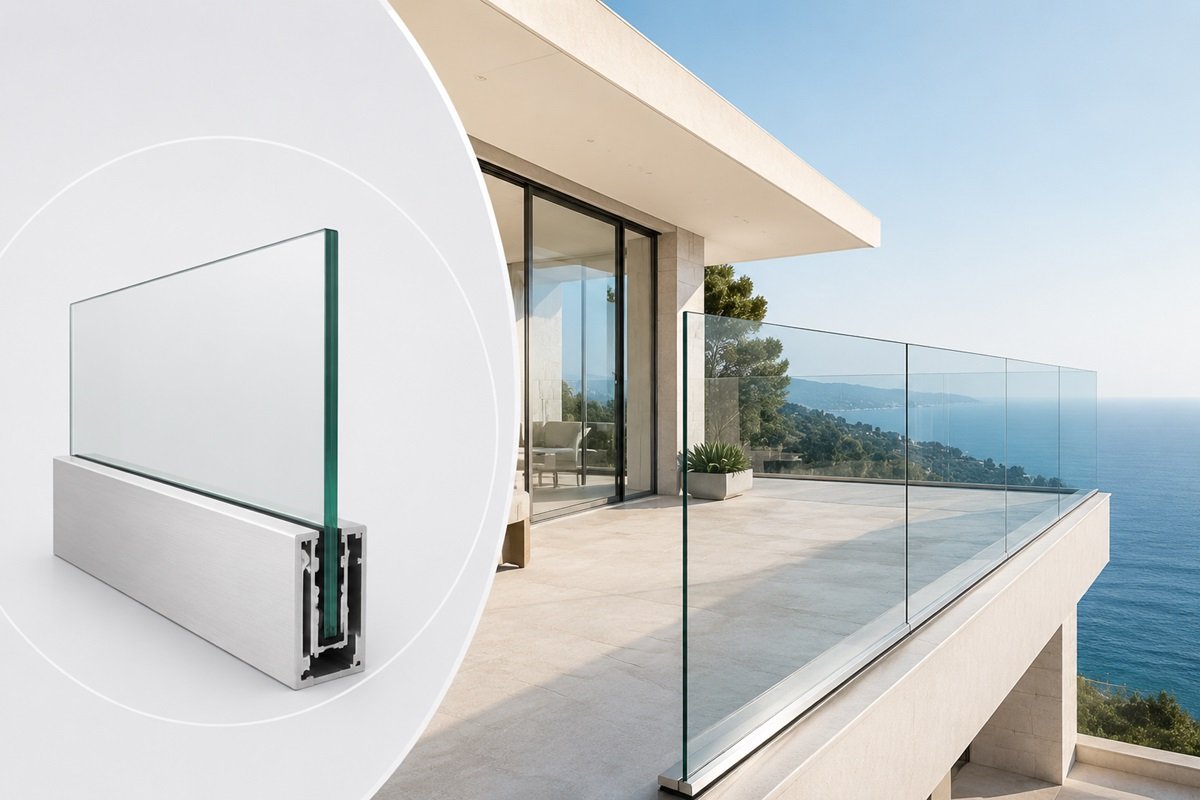
Glass spigots are compact but essential components in frameless glass railing systems. They clamp or secure tempered glass panels at the base, transferring loads safely into the substrate while maintaining a clean, minimal look. Because spigots sit at floor level, they are often exposed to standing water, cleaning chemicals, and environmental debris.
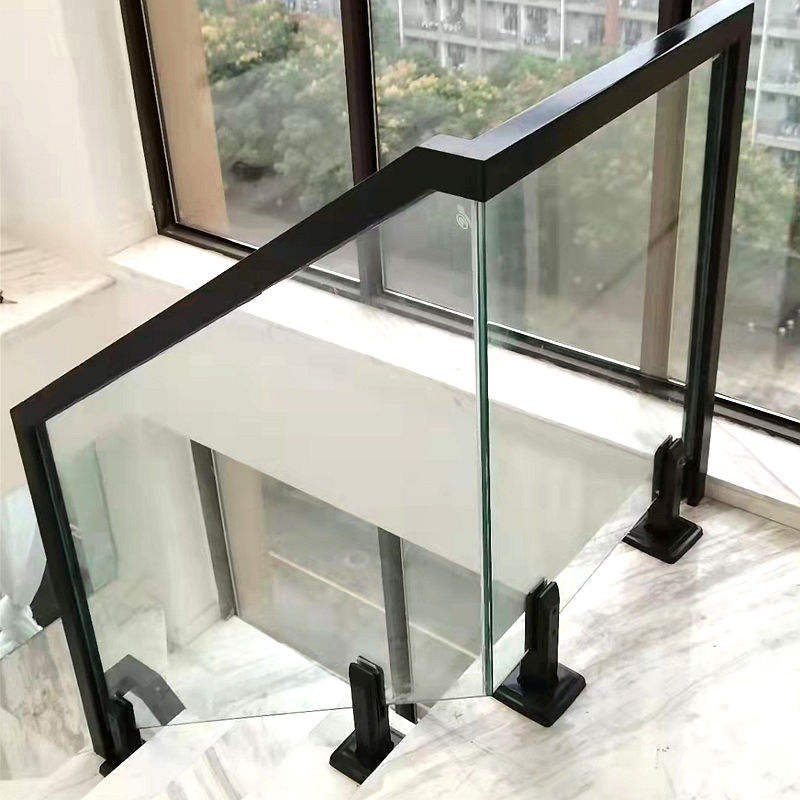
316 Stainless Steel Glass Spigots are manufactured from a specific stainless steel alloy that includes chromium, nickel, and a small but crucial addition of molybdenum. This composition gives the material superior resistance to corrosion, especially in chloride-rich environments such as coastal regions or poolside installations.
If you explore modern railing systems at unikim, you will notice that premium outdoor products consistently rely on 316-grade stainless steel for critical load-bearing components like spigots. The reason is simple: durability without compromise.
Stainless Steel Grades: 304 vs 316
Not all stainless steel is created equal. The two most common grades used in architectural hardware are 304 and 316. On the surface, they look nearly identical. In performance, however, the difference is significant.
Chemical Composition Differences
According to data summarized on Wikipedia’s stainless steel overview, the key distinction lies in molybdenum content. Grade 316 typically contains 2–3% molybdenum, while 304 contains none. This small addition dramatically improves resistance to pitting and crevice corrosion.
Performance in Outdoor Conditions
Grade 304 performs well indoors or in dry environments. However, when exposed to moisture, salt, or pollutants, it can develop surface rust or tea staining over time. 316 Stainless Steel Glass Spigots, by contrast, are engineered specifically to withstand these harsh conditions.
In practical terms, this means fewer maintenance headaches, longer service life, and a consistently premium appearance for outdoor railing systems.
Why Outdoor Installations Demand 316 Stainless Steel Glass Spigots
Outdoor installations present a unique combination of challenges that indoor hardware never faces. Rainwater alone is not the problem; it is what rainwater carries with it. Airborne salts, industrial pollutants, and organic debris all accelerate corrosion.
Coastal and Poolside Environments
Chlorides are the main enemy of stainless steel. In coastal regions, salt-laden air can travel miles inland. Around swimming pools, chlorine-based chemicals create a similar effect. Studies referenced by marine hardware manufacturers show that chloride exposure can increase corrosion rates by several times compared to inland conditions.
This is why 316 Stainless Steel Glass Spigots are standard for glass pool fencing, such as the solutions highlighted in U-Railing’s stainless steel glass pool fencing spigot collection.
Temperature Fluctuations and Moisture Retention
Outdoor decks and balconies experience constant thermal movement. Metal expands during the day and contracts at night. Lower-grade materials fatigue faster under these cycles. Grade 316 maintains structural stability while resisting micro-cracking that can allow corrosion to start beneath the surface.
Structural Strength Meets Corrosion Resistance
One common misconception is that corrosion resistance comes at the expense of strength. With 316 Stainless Steel Glass Spigots, that trade-off simply does not exist.
316 stainless steel offers excellent tensile strength and impact resistance, making it ideal for safety-critical applications. Glass railing systems must comply with local building codes that specify load requirements. Spigots must resist lateral forces from wind, crowd pressure, and accidental impacts.
U-Railing designs its glass spigot railing systems with these requirements in mind, as explained in their detailed guide on glass spigot railing systems and installation benefits. The choice of material grade directly supports long-term compliance and safety.
Aesthetic Longevity: Why Appearance Matters
Outdoor architecture is as much about visual impact as it is about performance. Rust stains, pitting, or discoloration can quickly undermine an otherwise elegant design.
316 Stainless Steel Glass Spigots maintain their finish far longer than lower grades. Whether polished, brushed, or powder-coated, the underlying material resists corrosion from within. This is especially important for high-visibility projects such as hotels, commercial terraces, and luxury residences.
For designers seeking a darker aesthetic, options like the black color glass balustrade spigot combine visual appeal with the corrosion resistance of a properly treated stainless steel base.
Real-World Comparison: 304 vs 316 in Outdoor Use
To put the difference into perspective, consider the following comparison based on industry data and long-term field observations.
| Feature | 304 Stainless Steel | 316 Stainless Steel |
|---|---|---|
| Corrosion resistance | Moderate | High |
| Chloride resistance | Low | Excellent |
| Coastal suitability | Not recommended | Ideal |
| Poolside use | Risk of staining | Highly suitable |
| Maintenance needs | Frequent cleaning | Minimal upkeep |
| Typical lifespan outdoors | 5–10 years | 15–25+ years |
While initial costs for it may be slightly higher, the total cost of ownership is often lower due to reduced maintenance and replacement needs.
Compliance With Building Codes and Safety Standards
Safety codes do not always specify material grade explicitly, but they do require performance outcomes. Load resistance, durability, and resistance to environmental degradation are all implicit requirements.
In regions like Canada, where freeze-thaw cycles add another layer of stress, material choice becomes even more critical. U-Railing discusses these considerations in its resource on the best glass railing systems for decks in Canada.
Choosing 316 Stainless Steel Glass Spigots helps ensure compliance not just at installation, but throughout the lifespan of the railing system.
Sustainability and Lifecycle Value
Sustainability is no longer optional in modern construction. Stainless steel is already known for being recyclable, but longevity is just as important as recyclability.
By lasting decades in outdoor conditions, 316 Stainless Steel Glass Spigots reduce material waste and the environmental impact associated with replacement and repairs. From a lifecycle assessment perspective, higher-grade materials often outperform cheaper alternatives despite higher upfront costs.
Manufacturers such as those showcased on Unikim’s industrial profile emphasize long-term durability as a core value, aligning with global trends toward sustainable construction.
Integration With Modern Railing Systems
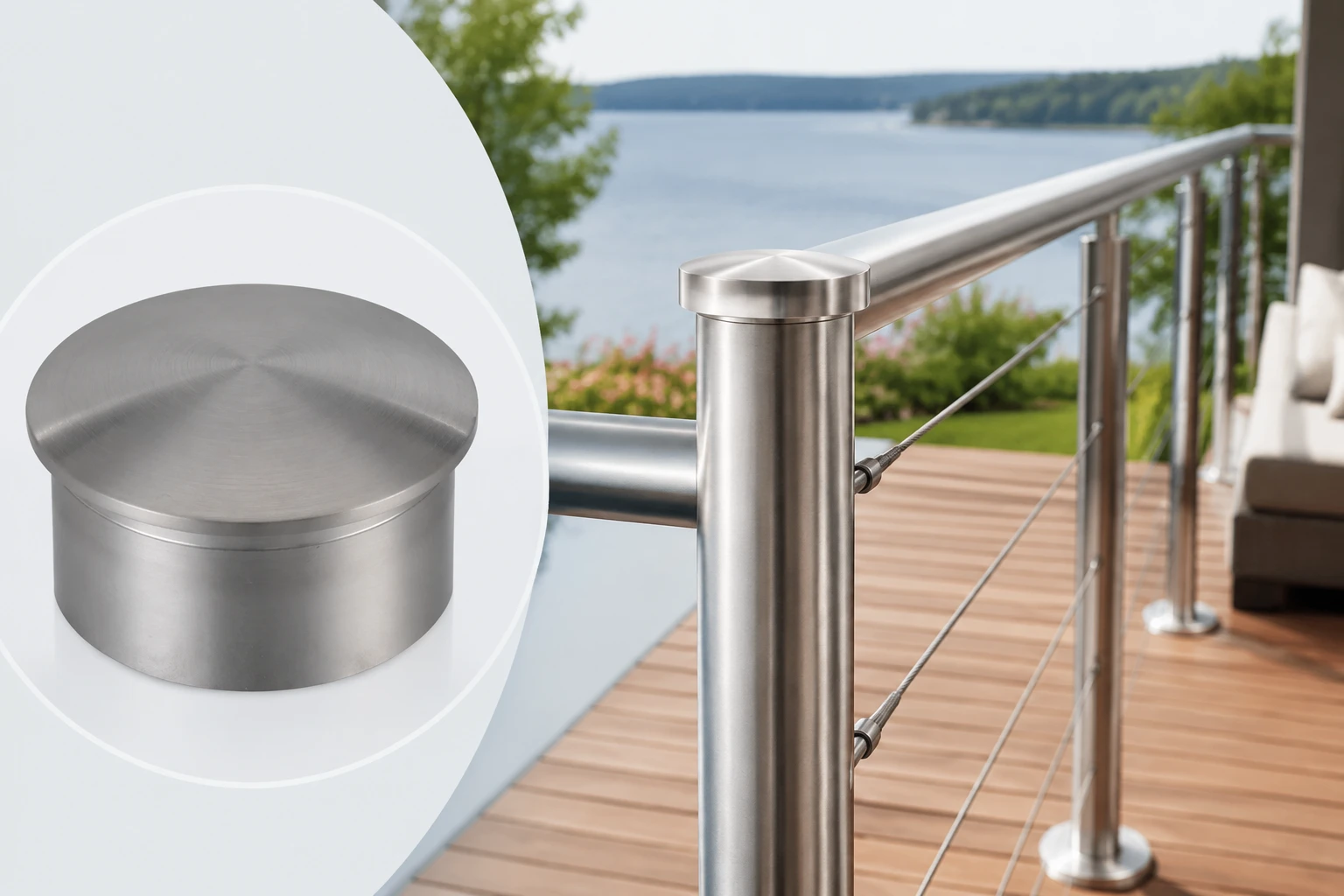
Glass spigots rarely stand alone. They are part of a broader system that may include cable railings, handrails, and posts. Material compatibility matters.
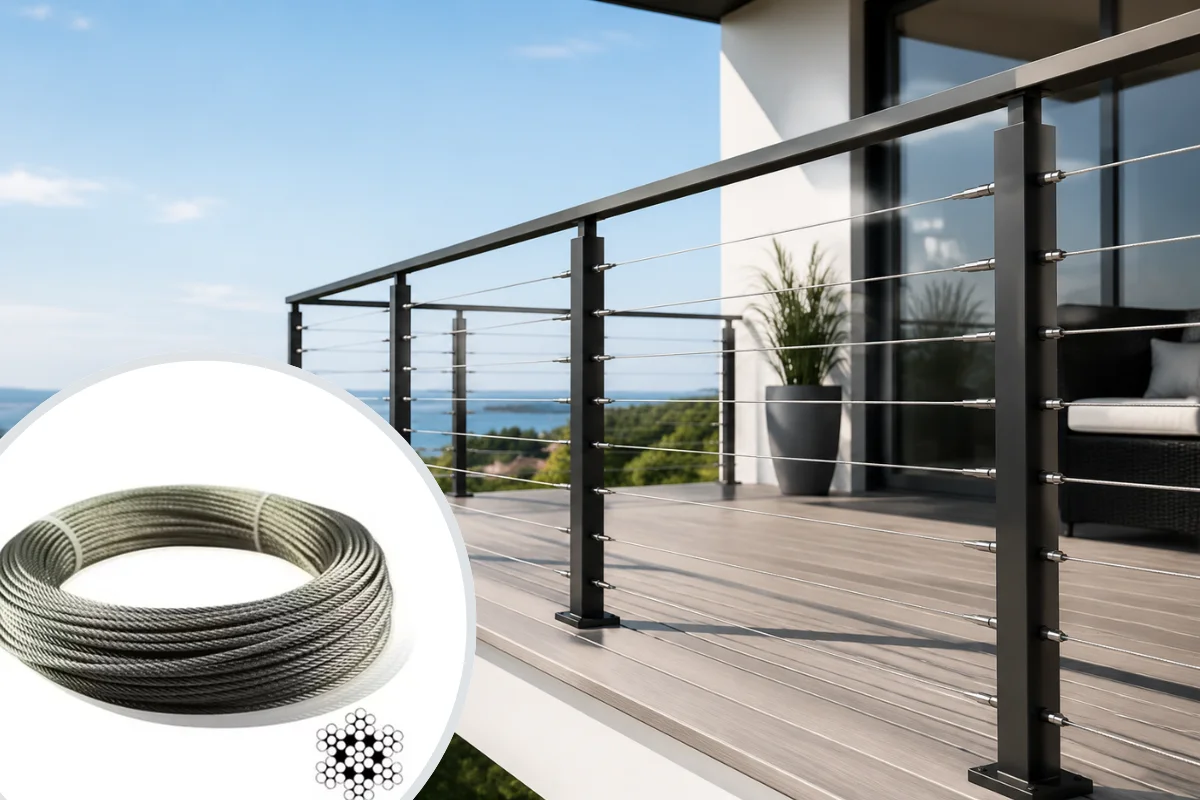
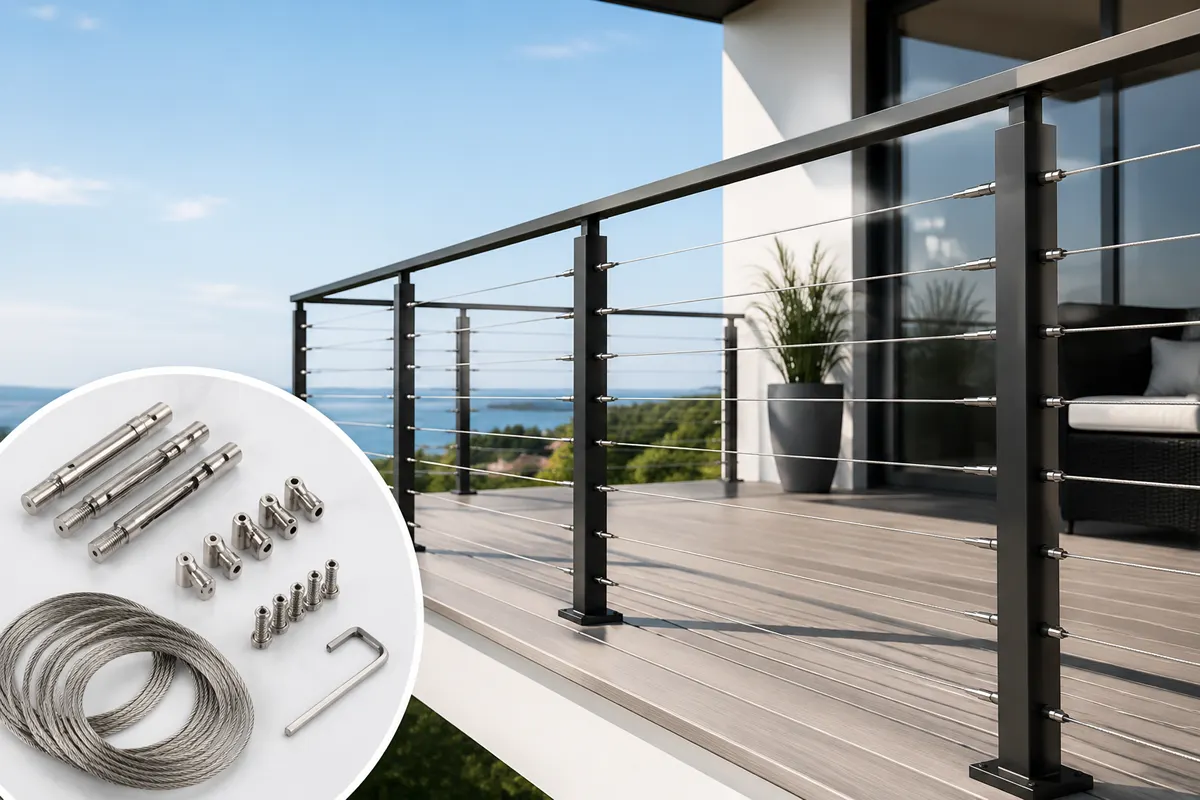
Stainless steel cable systems, for example, pair naturally with 316 Stainless Steel Glass Spigots, ensuring consistent corrosion resistance across the entire installation. U-Railing explores this synergy in its articles on top benefits of stainless steel cable systems and top trends in stainless steel cable railing systems for 2026.
When all components share similar material properties, the system ages uniformly, preserving both safety and aesthetics.
Installation Quality Still Matters
Even the best material can fail if installed incorrectly. Proper drainage, correct torque settings, and compatible fasteners all contribute to long-term performance.
High-quality this are designed with precision tolerances that simplify installation and reduce stress points. Product-specific guidance, such as that provided with U-Railing’s top-quality stainless steel glass balustrade spigot, helps installers achieve optimal results.
For visual learners, manufacturers also provide technical demonstrations through platforms like Unikim Railings’ YouTube channel, which showcases installation techniques and product features.
Long-Term Maintenance Expectations
One of the biggest advantages of 316 Stainless Steel Glass Spigots is reduced maintenance. Routine cleaning with mild soap and water is usually sufficient. In contrast, lower-grade materials often require specialized cleaners and frequent attention to prevent staining.
In high-traffic commercial settings, this difference translates into measurable operational savings over time. Facility managers increasingly prioritize materials that look good with minimal intervention.
Why U-Railing Emphasizes 316 Stainless Steel Glass Spigots
U-Railing’s product philosophy centers on performance, safety, and design longevity. By focusing on 316 Stainless Steel Glass Spigots for outdoor applications, the company aligns with best practices in modern architecture and construction.
From residential decks to large-scale commercial projects, the consistent use of premium materials reinforces brand trust and customer satisfaction. If you are planning a project or need expert guidance, U-Railing’s team is always available through their contact page.
Summary
Choosing the right material for outdoor railing systems is not a minor detail; it is a defining decision that affects safety, appearance, and long-term value. this stand out because they combine exceptional corrosion resistance, structural strength, and aesthetic durability.For anyone investing in outdoor glass railings, especially in coastal, poolside, or harsh weather environments, 316 stainless steel is not an upgrade. It is the benchmark. By selecting quality components from trusted suppliers like U-Railing, you ensure that your project remains secure, compliant, and visually striking for years to come and get more information visit,unikim and contact us.
FAQs
Are 316 Stainless Steel Glass Spigots necessary for all outdoor projects?
While not legally required everywhere, this are strongly recommended for outdoor environments because they resist corrosion far better than lower grades.
Can 316 Stainless Steel Glass Spigots rust over time?
Under normal outdoor conditions, this resist rust effectively, especially when maintained with basic cleaning routines.
Do 316 Stainless Steel Glass Spigots cost significantly more than 304?
The upfront cost is slightly higher, but it often save money long-term by reducing maintenance and replacement expenses.
Are 316 Stainless Steel Glass Spigots suitable for pool fencing?
Yes, this are ideal for pool fencing because they withstand chlorine exposure and constant moisture.
How long do 316 Stainless Steel Glass Spigots last outdoors?
With proper installation and minimal care, 316 Stainless Steel Glass Spigots can last 15 to 25 years or more in outdoor settings.