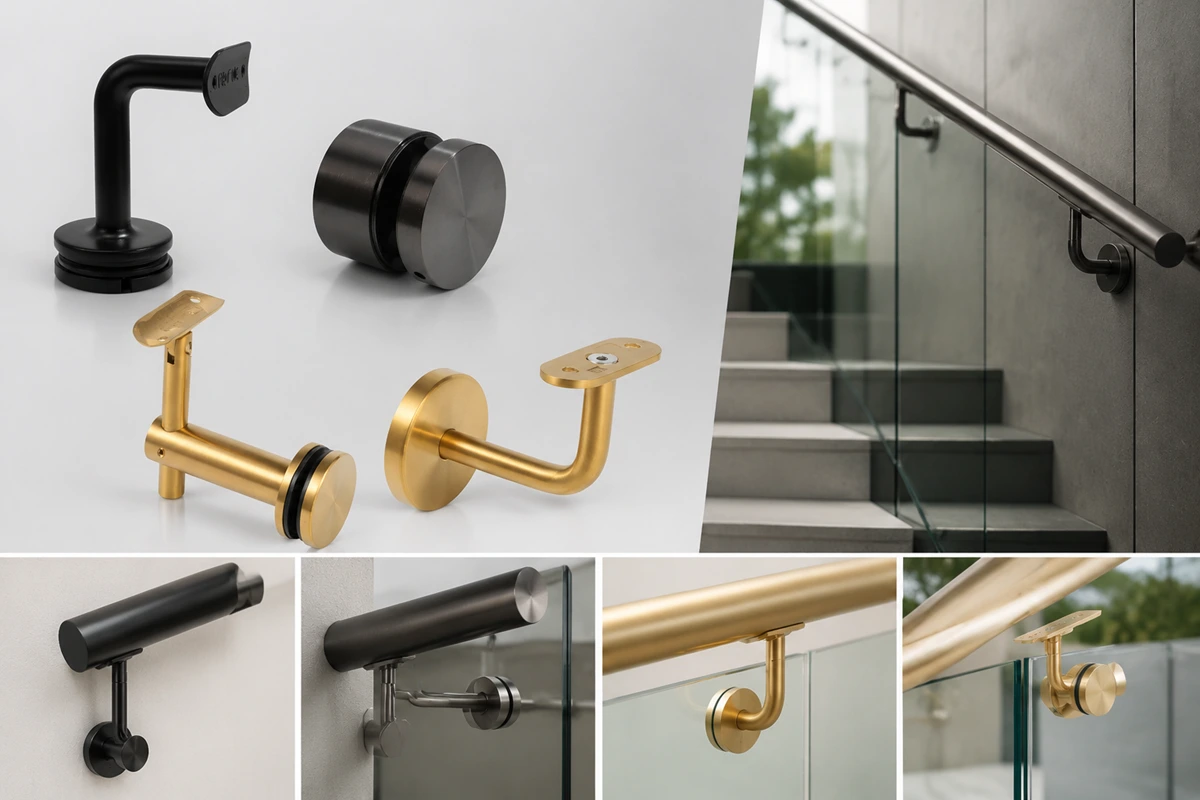
When architects, builders, or homeowners plan a modern glass railing system, material selection often becomes the quiet decision that determines long-term success or failure. Glass spigots may look minimal on the surface, but the stainless steel grade inside them decides how they age, how they resist corrosion, and how much maintenance they demand over time.
This is where the debate between 304 and 316 stainless steel becomes important. Both are widely used in architectural hardware, yet they behave very differently once installed outdoors, near water, or in harsh environments. For anyone sourcing 316 Stainless Steel for Glass Spigots, understanding these differences is not optional—it is essential.
In this in-depth guide, we break down how 304 and 316 stainless steel compare in real-world glass spigot applications, why marine-grade steel matters, and how to make the right material choice for safety, durability, and long-term value.
Stainless Steel in Glass Spigot Systems
Stainless steel is not a single material. It is a family of iron-based alloys, each engineered with different chromium, nickel, and molybdenum content. These variations directly affect corrosion resistance, strength, and lifespan.
According to the stainless steel overview, corrosion resistance mainly comes from chromium forming a passive oxide layer on the surface. When exposed to oxygen, this layer repairs itself, protecting the metal beneath.
Glass spigots rely heavily on this property. They are load-bearing components that must remain structurally sound while exposed to moisture, UV radiation, and temperature changes year after year.
Why Glass Spigots Demand Higher Material Standards
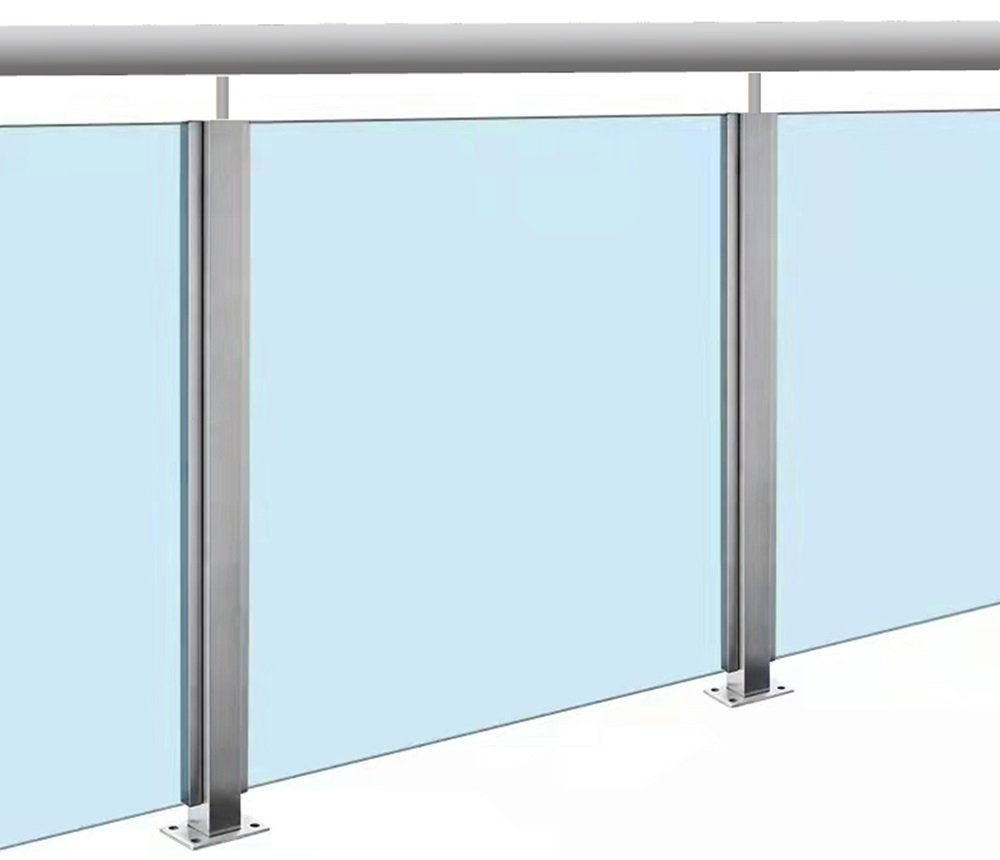
Glass spigots serve a structural role, not a decorative one. They anchor tempered or laminated glass panels and transfer loads into decks, balconies, or concrete slabs.
When corrosion occurs inside a spigot base, it is often invisible until performance is compromised. Rust expansion can weaken fasteners, distort alignment, and eventually reduce safety margins. That is why premium railing systems increasingly specify 316 Stainless Steel for Glass Spigots in demanding environments.
On platforms like unikim, material grade is treated as a core engineering decision rather than a cosmetic choice.
What Is 304 Stainless Steel?
304 stainless steel is the most commonly used stainless alloy worldwide. It contains approximately 18% chromium and 8% nickel, offering good corrosion resistance in dry, indoor, or low-humidity conditions.
In glass spigot applications, 304 is often used for:
Indoor balustrades
Covered balconies
Interior staircases
Low-moisture architectural projects
For cost-sensitive projects, 304 can appear attractive. It machines well, polishes beautifully, and performs reliably in controlled environments.
However, the limitations of 304 appear quickly once chlorides enter the picture.
What Is 316 Stainless Steel?
316 stainless steel builds upon the base formula of 304 by adding 2–3% molybdenum. This small change has a massive impact on corrosion resistance, especially against chlorides and salt exposure.
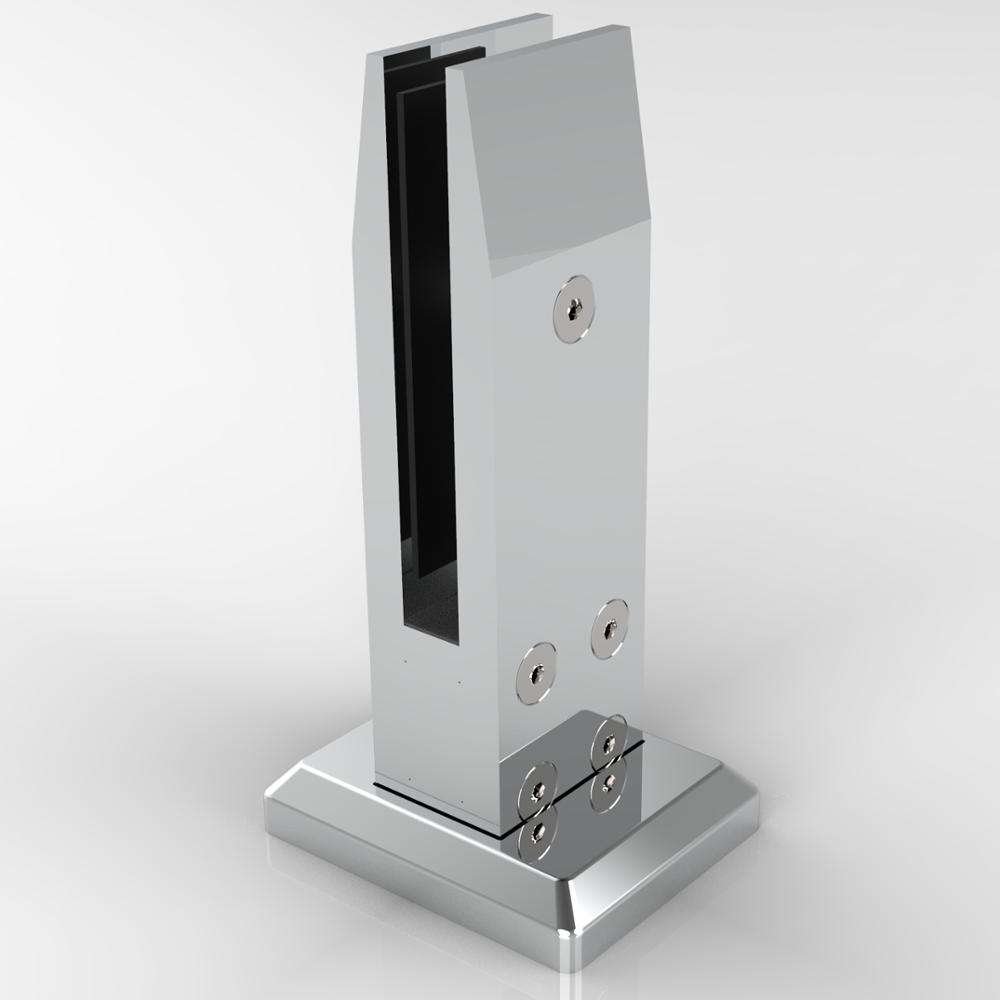
That is why 316 is often called marine-grade stainless steel. It resists pitting and crevice corrosion far better than 304, particularly in coastal, poolside, or high-humidity installations.
For modern railing systems, 316 Stainless Steel for Glass Spigots has become the preferred standard for outdoor use.
Chemical Composition Comparison: 304 vs. 316
| Element | 304 Stainless Steel | 316 Stainless Steel |
|---|---|---|
| Chromium | 18–20% | 16–18% |
| Nickel | 8–10.5% | 10–14% |
| Molybdenum | None | 2–3% |
| Chloride Resistance | Moderate | High |
| Marine Suitability | Limited | Excellent |
This molybdenum content is the main reason why 316 survives where 304 fails.
Corrosion Resistance in Real Environments
Corrosion is rarely uniform. In railing hardware, it usually appears as pitting around fasteners, base plates, or water-trap zones.
In coastal environments, airborne salt can travel several kilometers inland. Even in urban settings, cleaning chemicals and pool water introduce chlorides that attack lower-grade stainless steel.
Studies cited in materials engineering journals show that 316 stainless steel can resist chloride concentrations up to five times higher than 304 before pitting begins. That difference alone explains why building codes and specifiers increasingly recommend 316 Stainless Steel for Glass Spigots in outdoor installations.
Outdoor Applications: Where 316 Clearly Wins
If your project involves any of the following conditions, 316 is not an upgrade—it is a necessity:
Coastal decks and balconies
Rooftop terraces
Pool fencing systems
Lakefront or riverside properties
High-rainfall regions
This is why suppliers offering 316 stainless steel glass clamps for outdoor glass railings emphasize marine-grade material in their specifications.
Cost Differences: Short-Term Savings vs. Long-Term Value
One reason 304 remains popular is price. On average, 316 stainless steel costs 20–35% more than 304 at the raw material level.
However, cost analysis changes when maintenance and replacement enter the equation. Replacing corroded glass spigots often requires removing glass panels, disrupting finished surfaces, and re-certifying safety compliance.
In lifecycle cost studies, systems built with 316 Stainless Steel for Glass Spigots consistently show lower total ownership costs over 10–20 years.
Strength and Load Performance
From a structural standpoint, 304 and 316 stainless steel have very similar tensile strength. Both easily meet load requirements for glass balustrades when properly engineered.
The difference lies in strength retention over time. Corrosion weakens metal locally, reducing effective cross-section. In corrosive environments, 316 maintains its strength far longer than 304.
For high-end residential and commercial projects, this durability is a key reason engineers specify 316 as standard.
Aesthetic Longevity and Surface Finish
New stainless steel always looks impressive. The challenge is keeping it that way.
304 stainless steel can develop tea staining or surface discoloration outdoors. While not always structural, this affects perceived quality.
In contrast, 316 Stainless Steel for Glass Spigots retains its finish longer, especially when paired with proper surface polishing and drainage design.
This matters in luxury projects where visual consistency is non-negotiable.
Compliance with Building Standards
Many regional building codes and architectural guidelines now recommend or require marine-grade stainless steel for exterior glass railings.
If you are sourcing components for international projects, especially in North America or Europe, suppliers like those featured in best glass railing systems for decks in Canada frequently highlight 316 as the default outdoor option.
Manufacturing Quality Matters Too
Material grade alone is not enough. Precision casting, welding quality, and surface treatment all influence corrosion resistance.
Reputable manufacturers such as those showcased on platforms like unikimchina and educational channels like this stainless railing YouTube resource demonstrate how proper production methods extend the performance of 316 stainless components.
Choosing the Right Grade for Your Project
The choice between 304 and 316 should be driven by environment, not budget alone.
If the installation is indoors or fully sheltered, 304 may perform adequately. But for any exposed installation, 316 Stainless Steel for Glass Spigots delivers peace of mind, longer lifespan, and better long-term value.
When in doubt, consulting experienced suppliers through resources like the unikim contact page can prevent costly mistakes.
Summary
Choosing between 304 and 316 stainless steel is not about which material is stronger on paper. It is about which one survives your environment with minimal maintenance and maximum safety.
For outdoor glass railing systems, 316 Stainless Steel for Glass Spigots stands out as the reliable, future-proof choice. Its superior corrosion resistance, long-term strength retention, and aesthetic durability make it the preferred option for architects, builders, and homeowners who value quality beyond initial cost and get more information visit unikim.
FAQs
Is 316 stainless steel always better than 304 for glass spigots?
For outdoor or high-moisture environments, 316 Stainless Steel for Glass Spigots performs significantly better due to higher corrosion resistance.
Can 304 stainless steel rust outdoors?
Yes. In chloride-rich environments, 304 can develop pitting corrosion, which is why 316 Stainless Steel for Glass Spigots is recommended outdoors.
Does 316 stainless steel require maintenance?
Minimal maintenance is still required, but 316 Stainless Steel for Glass Spigots needs far less cleaning and inspection than 304 outdoors.
Is the price difference worth it?
Over the lifespan of a railing system, 316 Stainless Steel for Glass Spigots usually costs less due to reduced replacement and repair needs.
Are there visual differences between 304 and 316?
Visually they look identical when new, but 316 Stainless Steel for Glass Spigots retains its finish longer in harsh conditions.