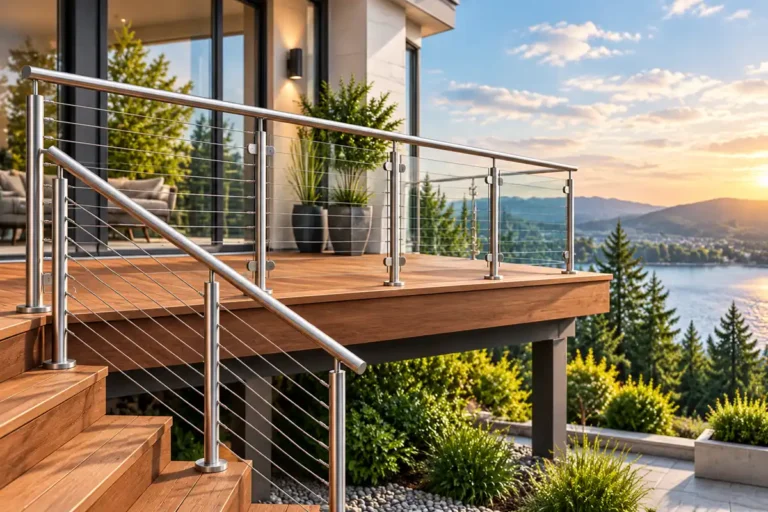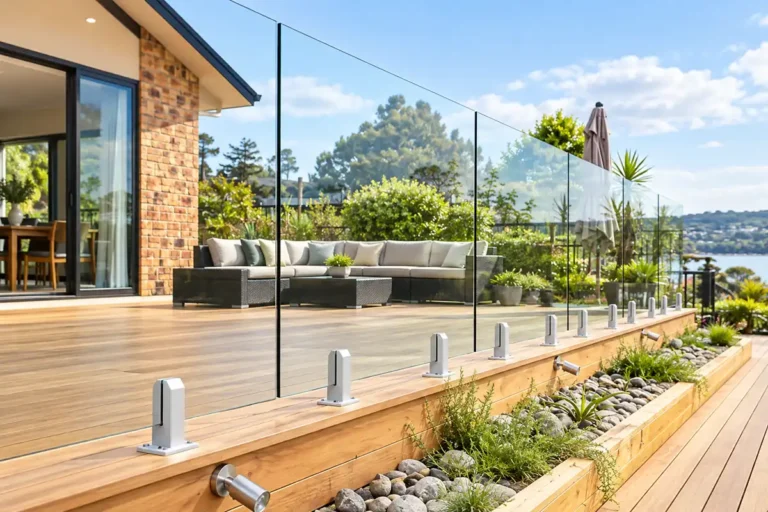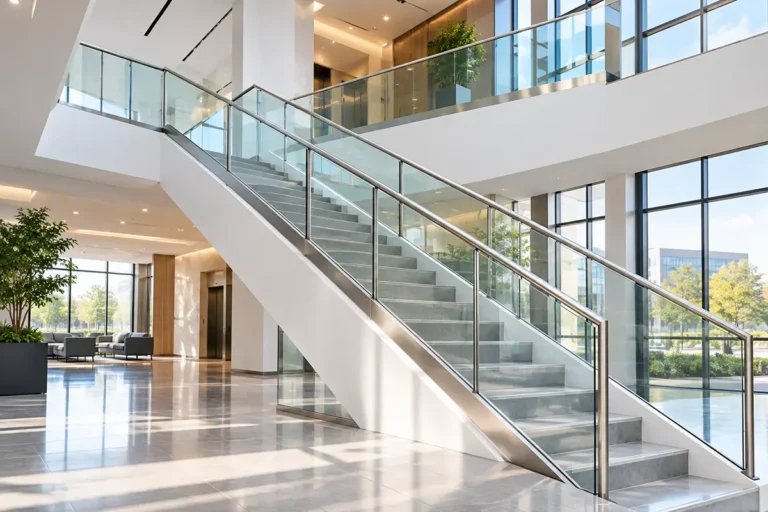
Modern architecture now focuses heavily on clean lines, open spaces, and uninterrupted outdoor views. Because of this trend, frameless railing systems have become one of the most popular choices for residential and commercial projects. From luxury balconies to pool fencing and rooftop terraces, glass railing systems create a sleek and modern appearance that traditional railings cannot easily match.
However, choosing the right safety glass matters just as much as selecting the railing hardware itself. Many homeowners compare tempered glass with Laminated Glass before installing a frameless system. Both materials offer strength and durability, but they perform very differently under pressure, impact, and long-term environmental exposure.
In recent years, architects and contractors have increasingly preferred Laminated Glass for premium railing systems because it provides stronger post-breakage protection, improved durability, and better long-term safety. For homeowners planning modern railing installations, the official Unikim website offers a wide range of frameless railing solutions and stainless steel accessories.
What Is Laminated Glass?
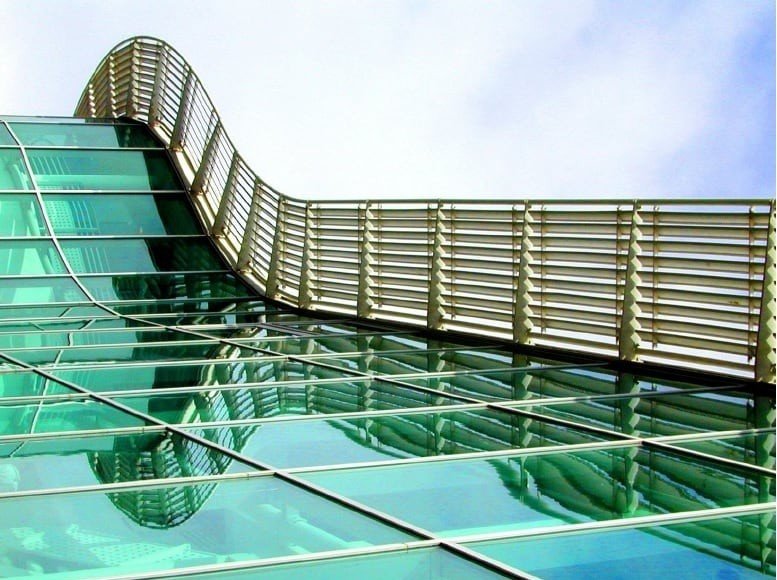
Laminated Glass is a safety glass product made by bonding multiple glass layers together using a durable interlayer. Manufacturers commonly use PVB or SGP materials between the glass sheets. This internal layer plays a major role in the glass performance.
When laminated panels experience impact, the interlayer keeps broken fragments attached together instead of allowing the glass to collapse instantly. Because of this feature, laminated systems are widely used in applications where safety is extremely important.
Today, architects use Laminated Glass in:
- Frameless railing systems
- Balcony barriers
- Glass pool fencing
- Commercial facades
- Skylights
- Hurricane-resistant windows
If you want a deeper comparison between glass types, you can explore Laminated vs Tempered Glass: Which Is Better?.
Tempered Glass
Tempered glass goes through a special heat treatment process. During manufacturing, producers heat the glass to extremely high temperatures and then cool it rapidly. This process creates internal compression strength that makes the glass much stronger than ordinary annealed glass.
Tempered glass performs well under normal pressure and impact conditions. When it breaks, it shatters into many small blunt fragments instead of dangerous sharp shards.
Because of its affordability and strength, tempered glass remains common in:
- Residential windows
- Shower doors
- Glass tables
- Basic railing systems
- Interior partitions
Still, tempered glass behaves differently from Laminated Glass after breakage. Once shattered, tempered panels usually lose their structural support immediately.
Why Glass Performance Matters in Frameless Railings
Frameless railing systems rely heavily on the structural strength of the glass panel itself. Unlike traditional railings that depend on large metal frames, frameless systems use minimal hardware. This creates a modern floating appearance, but it also means the glass must handle continuous stress safely.
Outdoor railings face several environmental challenges every day. Wind pressure, temperature changes, UV exposure, and moisture all affect long-term performance. Pool fencing systems also experience constant humidity and frequent human contact.
As a result, selecting the right safety glass becomes one of the most important decisions in the entire installation process.
Many contractors now prefer Laminated Glass because it provides better security and stability in demanding environments.
How Laminated Glass Performs in Frameless Railing Systems
Better Safety After Breakage
One of the biggest advantages of Laminated Glass is its ability to stay partially intact after damage occurs.
If laminated panels crack due to impact, the interlayer holds the fragments together. Instead of collapsing immediately, the glass often remains standing long enough for safe replacement.
This safety feature becomes extremely important for:
- High-rise balconies
- Stair railings
- Rooftop terraces
- Commercial walkways
- Public buildings
In elevated locations, post-breakage retention can help prevent serious falls and injuries.
Improved Impact Resistance
Frameless railings regularly experience accidental force from furniture movement, heavy foot traffic, and outdoor activity. In some situations, strong wind pressure also creates additional stress on large glass panels.
Because Laminated Glass contains multiple bonded layers, it distributes impact energy more effectively than single-layer tempered glass. This design improves resistance against sudden shocks and structural pressure.
Luxury residential projects often choose laminated systems specifically for this reason.
Superior Noise Reduction
Another major advantage of Laminated Glass involves sound control. The interlayer inside the glass absorbs vibrations and reduces external noise transmission.
This feature benefits homes and hotels located near:
- Busy roads
- Beaches
- Entertainment areas
- Commercial districts
- Urban environments
Tempered glass alone does not provide the same level of acoustic insulation.
Better UV Protection
Long-term sunlight exposure can damage furniture, flooring, fabrics, and decorative materials. Many laminated systems block a large percentage of harmful ultraviolet radiation.
Because of this, Laminated Glass helps protect interior spaces while still maintaining excellent outdoor visibility.
This advantage becomes especially valuable for homes with large balcony openings or poolside seating areas.
How Tempered Glass Performs in Frameless Railings
Strong Surface Durability
Tempered glass remains popular because it offers impressive surface strength for its price range. Under standard conditions, tempered panels tolerate daily use very well.
Many residential homeowners choose tempered systems for smaller projects where budget matters more than maximum safety performance.
Lower Initial Cost
Compared with Laminated Glass, tempered glass usually costs less. The manufacturing process is simpler, which helps reduce production expenses.
For homeowners working with limited budgets, tempered systems may appear more attractive initially.
However, lower upfront cost does not always mean better long-term value.
Clean and Modern Appearance
Tempered glass delivers excellent visual clarity and minimal distortion. Frameless railing systems built with tempered panels still create a sleek and luxurious appearance.
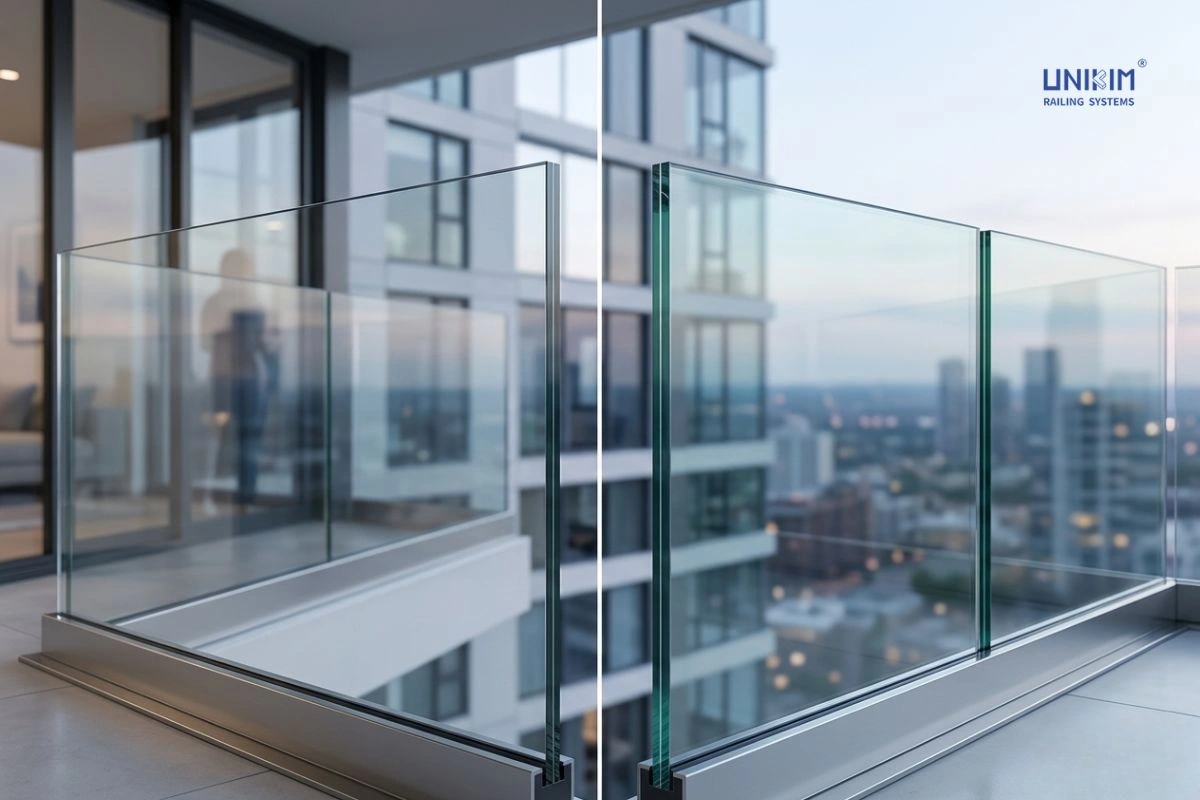
Modern laminated systems also provide excellent transparency, although thicker laminated edges may appear slightly more visible depending on the design.
The Biggest Difference Between Tempered and Laminated Glass
The most important difference appears after breakage.
When tempered glass shatters, the entire panel usually collapses immediately. Although the fragments are safer than sharp glass shards, the railing opening becomes exposed instantly.
With Laminated Glass, the internal interlayer continues holding the fragments together. Even after heavy cracking, the panel may still provide temporary structural support.
For this reason, many architects now recommend laminated safety systems for elevated frameless railings and commercial projects.
Why Laminated Glass Is Popular for Pool Fencing
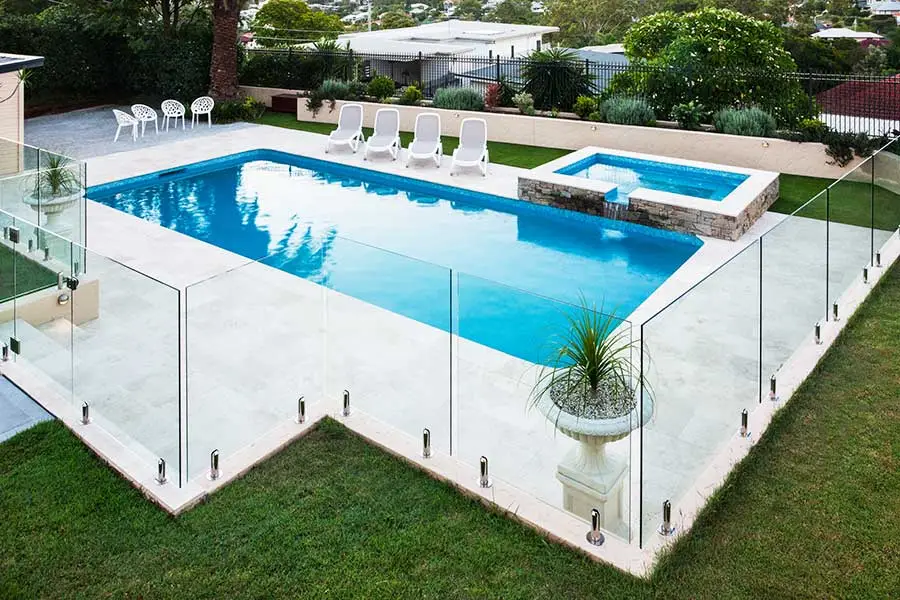
Pool areas require extremely reliable safety systems because surfaces often become slippery. Children and guests move around constantly, increasing the chance of accidental impact against railing panels.
As a result, many contractors now install Laminated Glass for modern pool fencing systems.
The material offers:
- Better impact protection
- Improved structural retention
- Excellent outdoor durability
- Clear visibility around pools
- Long-term weather resistance
Homeowners looking for premium pool systems can explore Glass Railing for Pool Fencing and Frameless Pool Fencing Glass Railing.
Stainless Steel Hardware and Glass Compatibility
High-quality railing hardware plays a critical role in frameless systems. Even the strongest glass panels require reliable support components.
Most premium frameless installations use marine-grade stainless steel fittings because they resist corrosion and maintain structural stability outdoors.
Popular hardware options include:
- Spigots
- Side-mount clamps
- Glass brackets
- Stainless steel posts
For modern installations, many contractors choose Stainless Steel Glass Swimming Pool Fence Spigot and Stainless Steel Pool Fence Installation Systems.
Weather Resistance in Outdoor Environments
Outdoor railing systems face continuous environmental exposure throughout the year. Rain, wind, humidity, salt air, and UV radiation gradually affect structural materials.
Modern Laminated Glass performs very well in these environments when manufacturers use high-quality interlayers and proper sealing methods.
Coastal properties especially benefit from laminated safety systems because strong winds create higher structural demands.
Tempered glass also performs well outdoors, but it lacks the same post-breakage security found in laminated systems.
Tempered Laminated Glass: The Best of Both Technologies
Many modern railing systems now combine both technologies into one product known as tempered laminated glass.
This design uses multiple tempered glass panels bonded together with safety interlayers. The result combines:
- High impact strength
- Excellent structural performance
- Better safety retention
- Strong weather resistance
- Improved durability
Because of these advantages, tempered laminated systems are increasingly common in luxury architecture and commercial construction.
The Growing Demand for Laminated Glass
The global market for Laminated Glass continues growing rapidly as modern architecture focuses more on safety and minimal design.
Several trends drive this demand:
- Increased use of frameless railings
- Stricter building safety codes
- Rising demand for luxury outdoor spaces
- Growth in modern pool fencing
- Better awareness of post-breakage safety
Manufacturers continue developing stronger interlayers and clearer glass technology to improve overall performance.
For advanced railing hardware solutions, many contractors also explore UNIKIM Glass Railing Products.
Choosing the Right Glass for Your Project
Every project has different safety requirements, environmental conditions, and budget limitations.
Tempered glass works well for many smaller residential installations. It provides strength, affordability, and modern aesthetics.
However, Laminated Glass delivers higher overall safety performance. It offers stronger impact resistance, better sound control, improved UV protection, and post-breakage stability.
Property owners planning long-term installations often consider laminated systems a smarter investment.
If you need professional guidance for frameless railing systems, you can contact Unikim Support Team.
Summary
Modern frameless railing systems demand materials that combine safety, durability, and visual appeal. While tempered glass remains a practical option for many residential applications, Laminated Glass provides a much higher level of protection and long-term reliability.
Its ability to remain intact after breakage makes it especially valuable for balconies, staircases, pool fencing, and elevated outdoor areas. In addition, laminated systems offer better sound insulation, UV protection, and impact resistance.
As architectural trends continue moving toward minimalist open designs, Laminated Glass will likely remain one of the most trusted solutions for premium frameless railing systems worldwide.
FAQs
Is Laminated Glass stronger than tempered glass for frameless railings?
Yes. Laminated Glass offers better overall safety performance because the interlayer holds broken fragments together after impact.
Why do luxury homes prefer Laminated Glass railings?
Luxury properties often choose Laminated Glass because it improves safety, reduces noise, and provides better long-term durability.
Can Laminated Glass survive harsh outdoor weather?
High-quality Laminated Glass performs very well in outdoor environments, including coastal areas with strong wind and moisture exposure.
Is Laminated Glass more expensive than tempered glass?
Yes. Laminated Glass generally costs more because of its multi-layer structure and advanced manufacturing process.
Does Laminated Glass work well for pool fencing?
Absolutely. Many contractors install Laminated Glass around swimming pools because it combines clear visibility with strong impact resistance.
Can Laminated Glass reduce outside noise?
Yes. The interlayer inside Laminated Glass helps absorb sound vibrations and improves acoustic insulation.