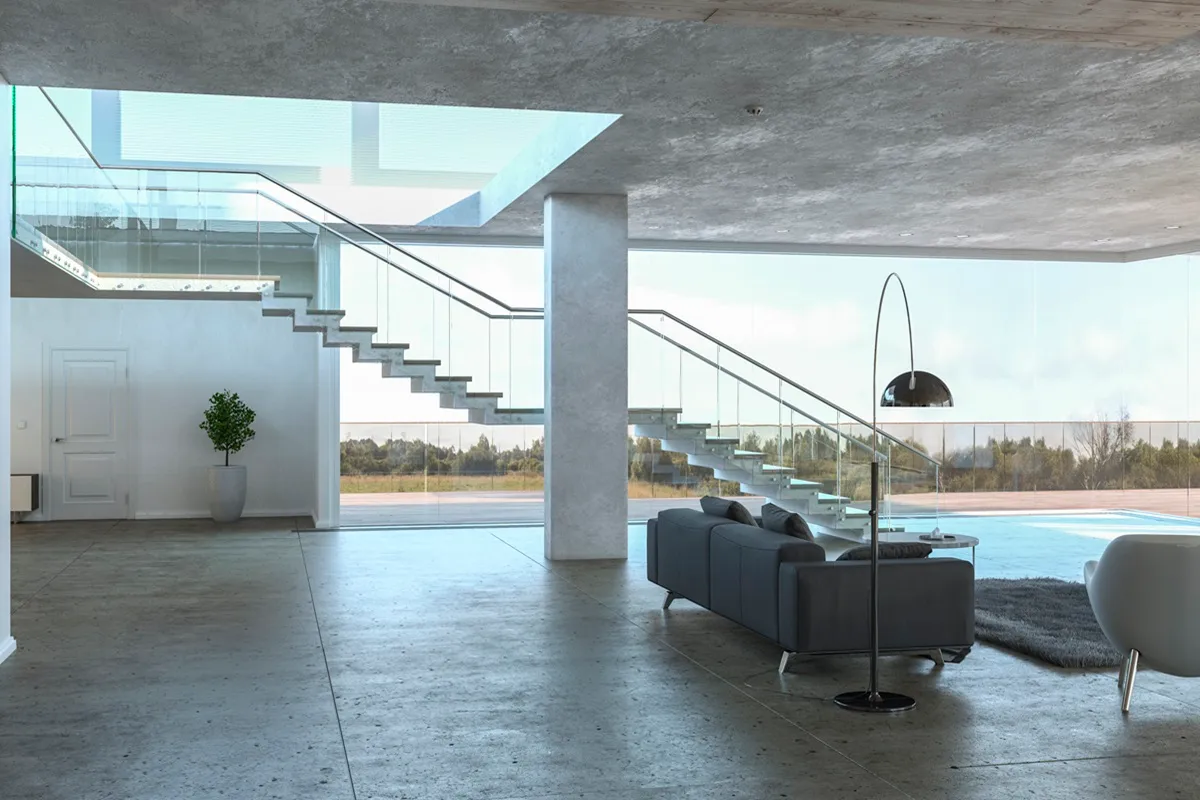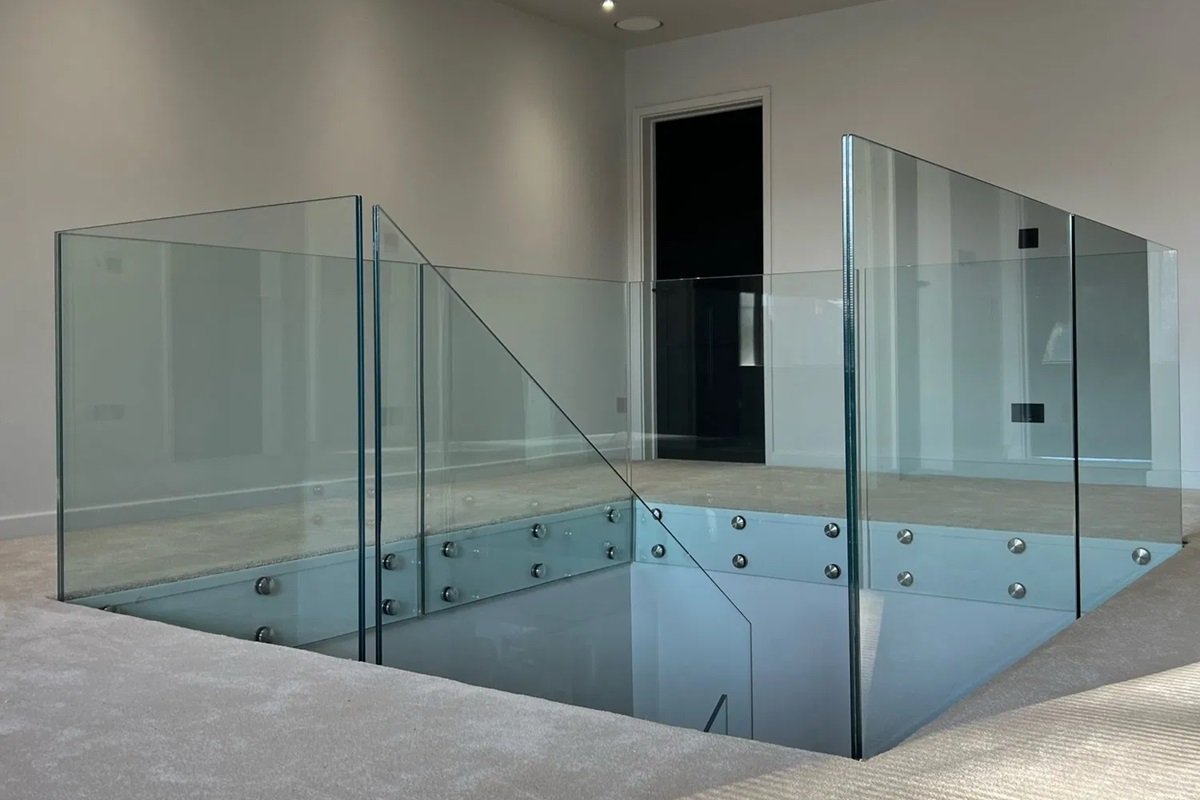
Glass railings have become a cornerstone of modern commercial architecture, seamlessly blending high-end elegance with structural functionality. When it comes to contemporary design, a commercial glass deck railing is one of the premier choices for architects and developers looking to elevate a property’s value. These systems deliver clean, sophisticated aesthetics while meeting the rigorous safety standards required in public and high-traffic spaces.
Whether installed on luxury hotel rooftop lounges, high-rise condominium balconies, or corporate office terraces, commercial glass deck railing systems provide uninterrupted panoramic views. They help make open-air spaces more comfortable and usable year-round by acting as a windbreak without sacrificing the visual connection to the horizon. In this guide, we will explore the innovation behind these systems and how UNIKIM is leading the way in providing durable, stylish hardware for global projects.
What is Commercial Glass Deck Railing?
A Commercial Glass Deck Railing is a safety barrier system made primarily of tempered or laminated glass panels, designed specifically for high-traffic environments such as hotels, offices, retail spaces, and public venues.
Unlike traditional railings, these systems prioritize:
- Transparency
- Modern design
- Structural integrity
- Low maintenance
They can be frameless, semi-frameless, or fully framed depending on the project requirements.
To explore premium solutions, you can visit the official platform: https://urailing.com/
Why Choose Glass Deck Railings for Commercial Projects
When designing commercial spaces, the choice of railing system plays a crucial role in both safety and aesthetics. Commercial glass deck railing systems offer unique advantages that make them stand out in today’s competitive architectural landscape. Unlike traditional railing materials, glass provides an unparalleled sense of openness while maintaining the structural integrity required in commercial settings.
The primary appeal of glass railings lies in their ability to preserve views and natural light. In hotel rooftop lounges, restaurant patios, or corporate terraces, these systems allow patrons to enjoy panoramic vistas without visual obstruction. This transparency creates an illusion of expanded space, making even compact areas feel more open and inviting.
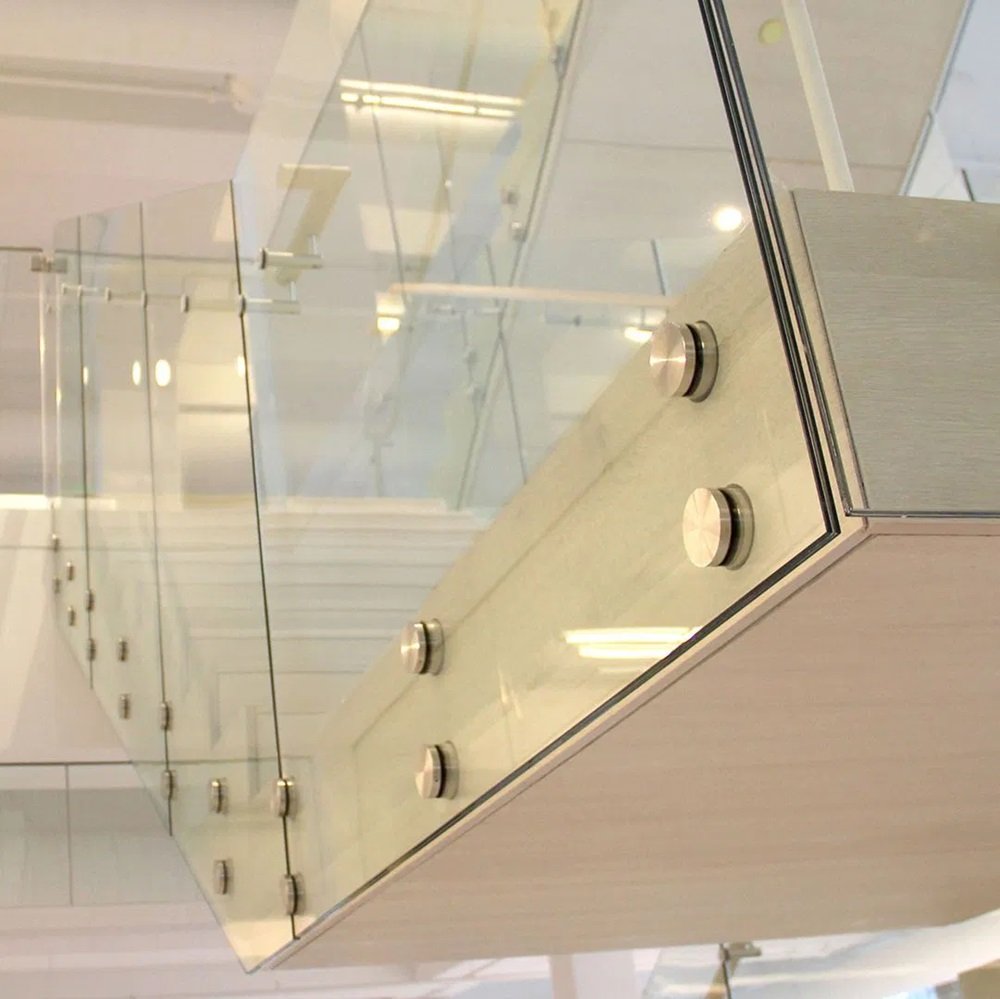
Beyond aesthetics, glass railings provide practical benefits for commercial spaces. They serve as effective wind barriers, extending the usability of outdoor areas throughout different seasons. In hospitality settings, this means longer operating seasons for rooftop venues and increased guest satisfaction. For corporate environments, glass railings create comfortable outdoor meeting spaces that can be utilized year-round.
The Evolution of Commercial Glass Deck Railing Innovation
The journey of commercial glass deck railing systems from simple safety barriers to sophisticated architectural elements has been remarkable. Early glass railing systems were often bulky and utilitarian, with visible hardware that detracted from their aesthetic appeal. Today’s systems showcase engineering marvels with minimalistic designs that maximize transparency while exceeding safety requirements.
Recent innovations have focused on several key areas:
- Frameless Systems: The development of frameless glass railings represents one of the most significant advancements in the industry. These systems use specialized mounting hardware that creates the illusion of floating glass panels, offering uninterrupted views and a sleek, modern appearance.
- Material Science: Advances in tempered and laminated glass technology have improved both safety and durability. Modern glass panels can withstand significant impact while maintaining clarity and resisting weathering.
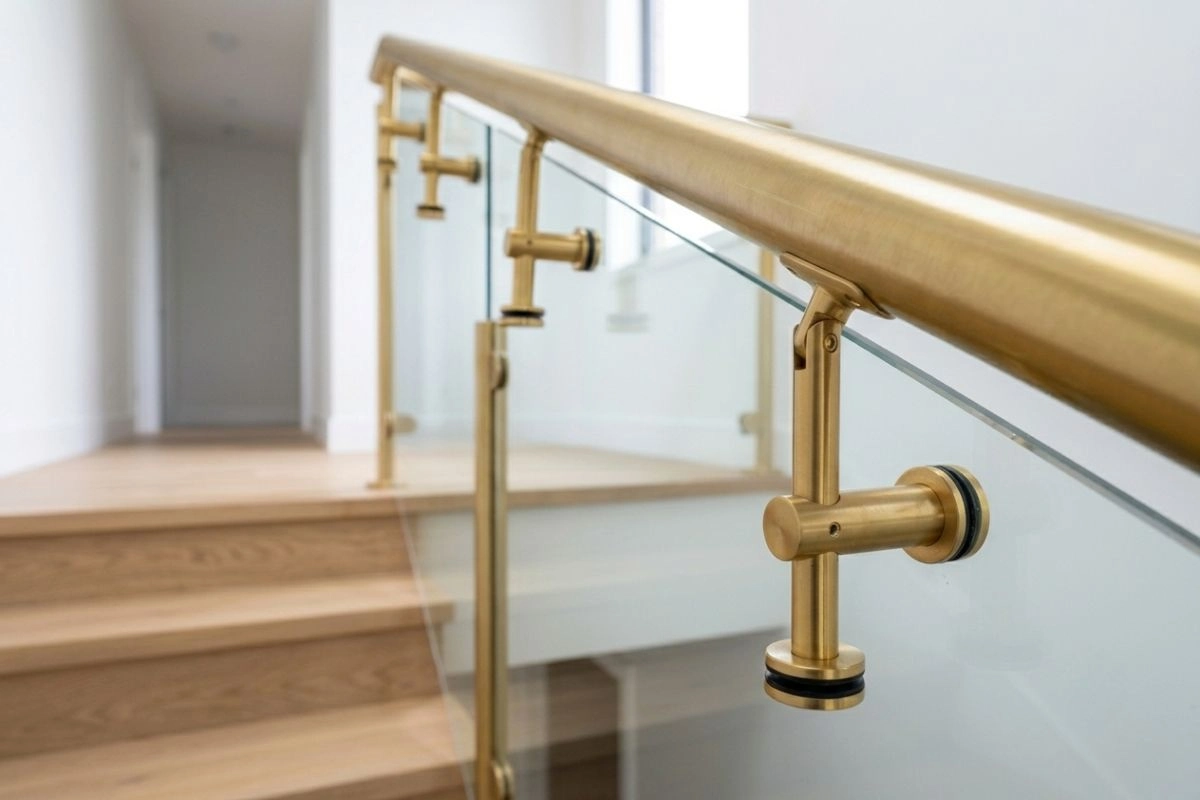
- Hardware Design: Today’s mounting systems are engineered for both strength and subtlety. Stainless steel and aluminum components with specialized coatings resist corrosion while remaining visually minimal.
- Installation Methods: Unitized systems have revolutionized the installation process, reducing on-site labor and ensuring consistent quality. These pre-assembled panels arrive ready for installation, significantly cutting project timelines.
The integration of smart technology represents the next frontier in glass railing innovation. From embedded LED lighting to self-cleaning glass coatings, these advancements continue to expand the possibilities for commercial applications.
How Glass Railings Modernize Commercial Architecture
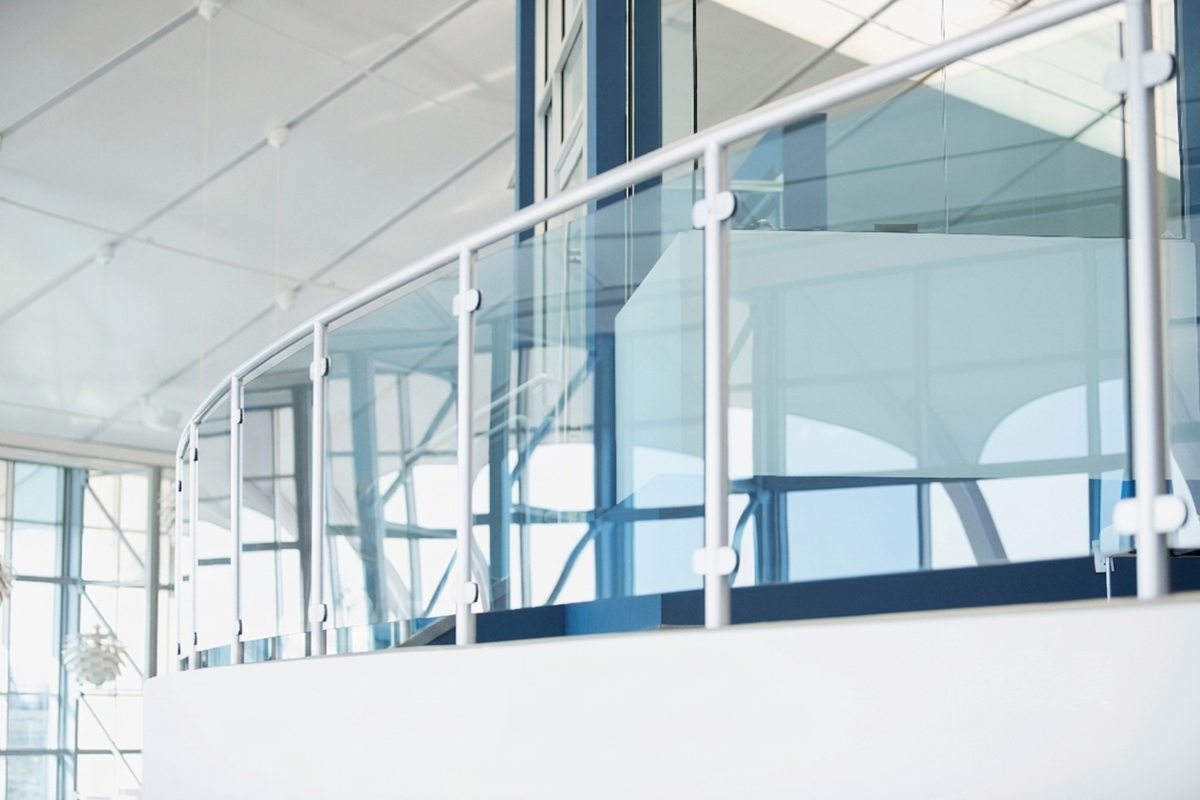
For spaces that prioritize scenic views or easy indoor-outdoor transitions, a commercial glass deck railing makes the area more functional and safe. With minimal hardware and clean lines, these glass balustrades and windscreen systems complement contemporary architecture while meeting high-performance standards.
These systems are often engineered to meet strict commercial code considerations, such as the International Building Code (IBC). This offers peace of mind for designers, developers, and property owners who must balance aesthetic desires with legal safety requirements. Using high-quality glass railing systems from a trusted supplier ensures that the glass thickness and tempered strength meet these heavy-duty demands.
Key Advantages at a Glance
| Feature | Benefit for Commercial Properties |
| Expansive Views | Preserves sightlines to skylines and landscapes, increasing property value. |
| Modern Aesthetic | Sleek profiles complement materials like steel, concrete, and stone. |
| Weather Protection | Acts as a windscreen, making patios usable in breezy conditions. |
| Durability | High-grade stainless steel from UNIKIM resists rust and UV damage. |
| Safety | Provides a solid barrier that is difficult for children to climb compared to pickets. |
Innovative Design Ideas for Modern Deck Railings
Modern and contemporary deck railing systems combine visual simplicity with standout architectural detail. From frameless designs to post-supported options, the right commercial glass deck railing balances stability with beauty.
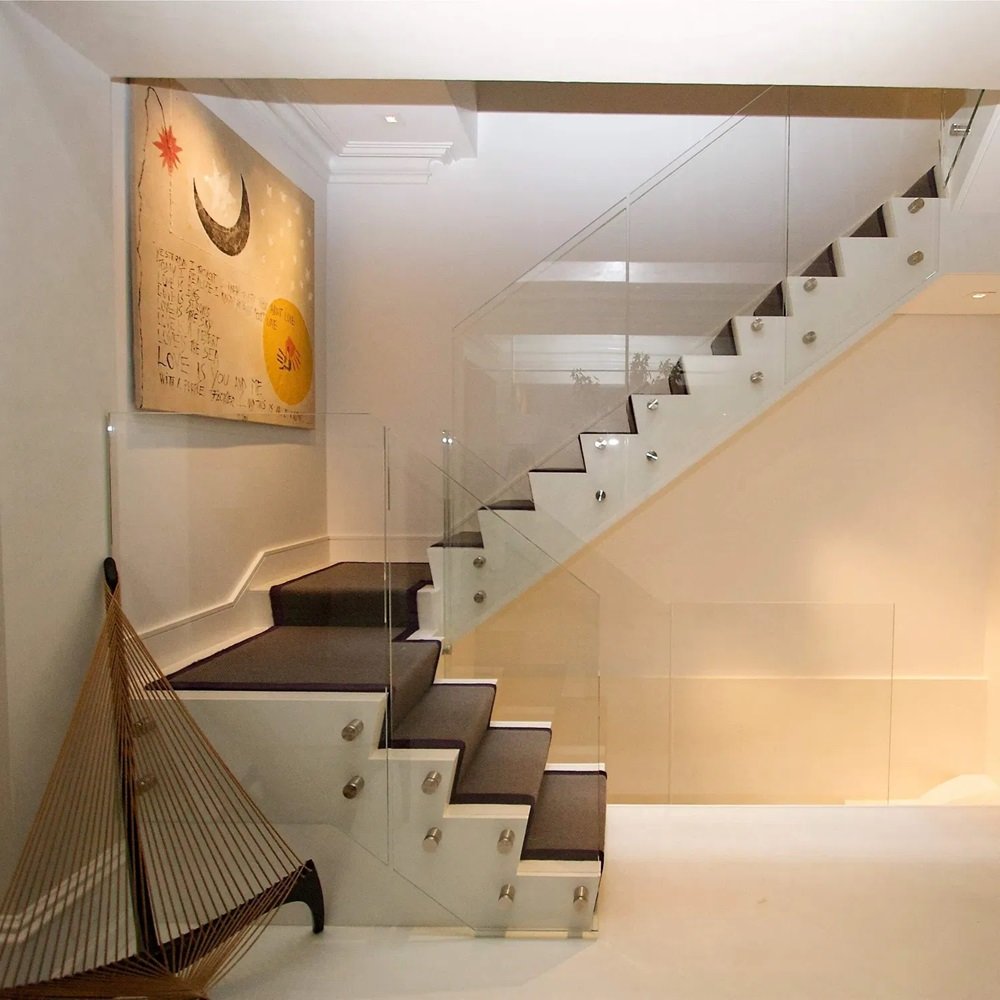
1. Frameless Glass Systems
These systems provide the most “invisible” look possible. By using a base shoe or heavy-duty glass railing spigots, the glass appears to rise directly from the floor. This is the gold standard for premium builds like coastal resort terraces or five-star hotel bars.
2. Post-Supported Glass
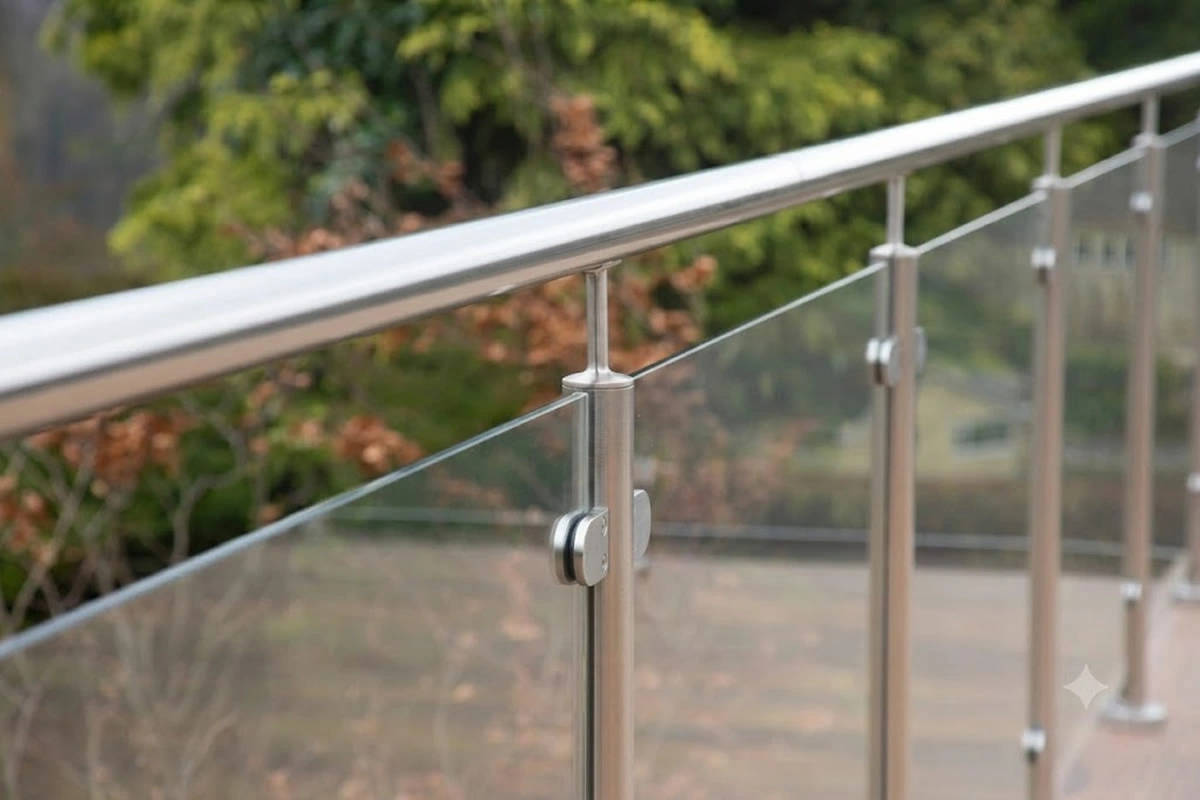
For projects where structural definition is preferred, post-supported systems are excellent. These feature stainless steel or aluminum posts that hold the glass panels in place using glass clamps and connectors. These are frequently found in stadium boxes and multi-level retail decks.
3. LED-Integrated Railings
A cutting-edge trend involves integrating LED strips into the handrail brackets or the base channel. This provides ambient lighting for nighttime safety in restaurants and rooftop lounges, creating a high-end “glow” effect.
4. Privacy and Tinting
While transparency is usually the goal, some commercial spaces require privacy. Frosted or tinted glass is a great way to combat this challenge. It maintains light transmission while obscuring the view into private cabanas or VIP office sections.
Installation and Maintenance Best Practices
Proper installation is critical to the performance and longevity of any commercial glass deck railing system. Even the highest quality materials will fail to perform as expected if not installed correctly, making professional installation a worthwhile investment for commercial projects.
Installation Considerations
The installation process begins with thorough planning and precise measurements. Glass panels must be ordered to exact specifications, as custom cutting after manufacturing is typically not feasible. Working with experienced installers ensures that all measurements are accurate before fabrication begins.
For complex projects, unitized systems offer significant advantages. These pre-assembled panels arrive ready for installation, reducing on-site labor and ensuring consistent quality. This approach can be particularly valuable for projects with tight timelines or those in locations where on-site fabrication is challenging.
The mounting surface must be properly prepared to ensure secure attachment. Whether mounting to concrete, wood, or metal structures, the substrate must be sound and capable of supporting the loads imposed by the railing system. In some cases, additional structural reinforcement may be necessary.
Maintenance Guidelines
While glass railings require less maintenance than many alternatives, regular care ensures they maintain their appearance and performance. Establishing a maintenance schedule helps prevent minor issues from becoming significant problems.
For exterior applications, regular cleaning is essential to maintain the pristine appearance of glass panels. Using appropriate cleaning solutions prevents streaking and avoids damaging any specialized coatings on the glass. In coastal environments, more frequent cleaning may be necessary to remove salt deposits that can degrade hardware over time.
Periodic inspection of all mounting hardware ensures that components remain secure and functioning as intended. Checking for loose fasteners, signs of corrosion, or other issues allows for timely repairs before more significant problems develop.
Why Partner with UNIKIM for Your Glass Railing Needs?
UNIKIM (often searched as U-railing) offers a wide range of commercial-grade hardware designed for both beauty and extreme performance. We understand that a commercial glass deck railing is an investment in a building’s future. That is why our products are tested for durability and ease of installation.
From frameless glass railing systems to specialized matte black tube elbows, we provide the components that architects trust. Our global presence, including our Made-in-China store, allows us to support large-scale developments with high-volume, high-quality supplies.
Final Summary
The rise of Commercial Glass Deck Railing reflects a broader shift in architecture toward openness, elegance, and user-centric design. These systems do more than provide safety—they redefine how commercial spaces look and function.
From rooftop lounges to corporate terraces, glass railings offer unmatched visibility, durability, and modern appeal. With innovative designs, customizable materials, and trusted manufacturers like UNIKIM, investing in a Commercial Glass Deck Railing is a smart, future-proof decision.
FAQs
Q. Is a commercial glass deck railing safe for high-traffic areas?
A. Yes, a commercial glass deck railing is incredibly safe. These systems use tempered or laminated safety glass that is specifically designed to withstand significant impacts. When held in place by high-quality UNIKIM hardware, they meet or exceed international safety codes for public spaces.
Q. How much wind can a commercial glass deck railing withstand?
A. A properly engineered commercial glass deck railing can act as an effective windscreen. Depending on the thickness of the glass and the mounting system (such as heavy-duty base shoes), these railings can be designed to withstand high-velocity winds, making them ideal for coastal resorts and skyscrapers.
Q. Does a commercial glass deck railing require a lot of cleaning?
A. While glass shows smudges more than wood, it is actually easier to maintain long-term. A commercial glass deck railing does not require staining, painting, or sealing. A simple routine of wiping the glass with a mild detergent and checking the handrail brackets keeps the system looking new for decades.
Q. Can I customize the hardware color for my commercial glass deck railing?
A. Absolutely. While brushed stainless steel is the standard, modern commercial glass deck railing projects often utilize PVD coatings or powder coating. Popular choices include matte black, gold, and bronze finishes to match the specific branding or architectural style of the building.
Q. Are frameless systems better than post-supported commercial glass deck railings?
A. Neither is “better”; it depends on the project goals. Frameless systems offer the most “wow” factor for views. However, post-supported commercial glass deck railing systems are often more cost-effective for extremely long runs and provide a physical sense of security that some users prefer in very high elevations.