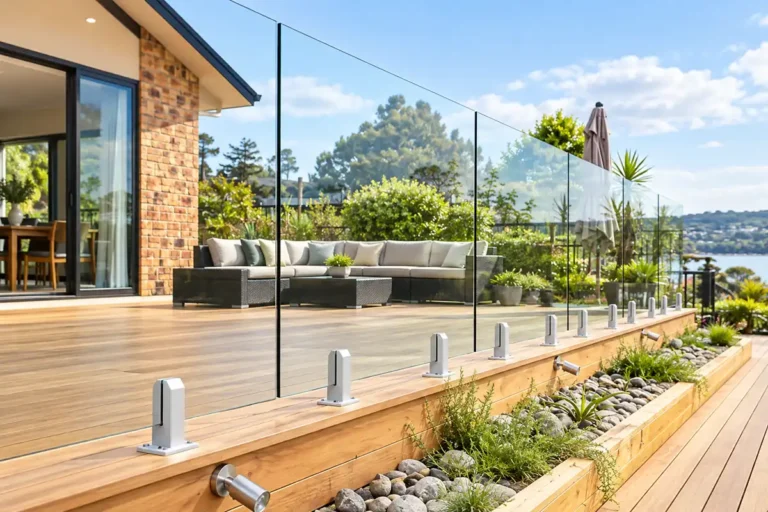
As modern architecture continues to prioritize open views, minimalist aesthetics, and long-lasting durability, SS Cable Railing Kits have become a preferred choice for residential, commercial, and industrial projects. Whether you’re designing a balcony, deck, staircase, terrace, or commercial property, stainless steel cable railing systems provide a sleek appearance while maintaining high safety standards.
For contractors, distributors, wholesalers, architects, and project managers, selecting the right SS Cable Railing Kits is crucial to ensuring project success. With numerous options available in the market, understanding the key features, materials, specifications, and installation requirements can help buyers make informed decisions.
This comprehensive buyer’s guide explores everything you need to know about SS Cable Railing Kits, including their benefits, applications, components, and factors to consider before purchasing.
Why Choose SS Cable Railing Kits for Modern Architecture?
Selecting the right railing system can be overwhelming. Standard wood balusters can rot, and bulky vinyl obstructions can completely block a beautiful view. This is where Steel Cable Railing System step in as the premier modern alternative.
The Benefits of Stainless Steel (SS) Hardware
Stainless steel is the gold standard for architectural rigging, and for good reason. Choosing premium SS Cable Railing Kits guarantees several key advantages:
- Unmatched Corrosion Resistance: Stainless steel contains chromium, which forms an invisible, self-healing passive layer of chromium oxide. This prevents rust, pitting, and staining, even when exposed to harsh rain, snow, and coastal air.
- Minimalist Aesthetic: The slim profile of thin steel cables preserves panoramic vistas, making your backyard, deck, or patio feel significantly larger and more open.
- Unrivaled Strength: Unlike wood or glass, high-tensile steel cables will not warp, crack, snap under heavy pressure, or require constant scrubbing to remove water spots.
Key Components of Premium Steel Cable Railing Kits
A standard kit isn’t just a spool of wire; it is a meticulously engineered system of components designed to secure, tension, and anchor your perimeter safely. When evaluating different Cable Railing Kits on the market, you will typically find the following essential hardware elements enclosed:
1. The Cable Wire Rope
The backbone of any system is the aircraft-grade wire rope. The industry standard for residential and commercial decks is a 1/8-inch or 3/16-inch diameter cable. The internal construction matters immensely:
- 1×19 Configuration: This configuration features 19 single wires twisted together into a rigid, smooth strand. It has very little stretch and a smooth exterior texture, making it the absolute best choice for structural tensioning.
- 7×7 Configuration: Composed of 7 strands of 7 wires each, this rope is much more flexible. While great for wrapping around tight corners or specific industrial pulleys, it is generally prone to more sagging over time compared to 1×19 wire.
2. Tensioners and Turnbuckles
Cables must remain perfectly taut to comply with safety regulations and structural codes. Tensioners act as the adjustable anchoring mechanism that pulls the cable tight during installation and allows for easy micro-adjustments years down the road if minor settling occurs.
3. Terminals and End Fittings
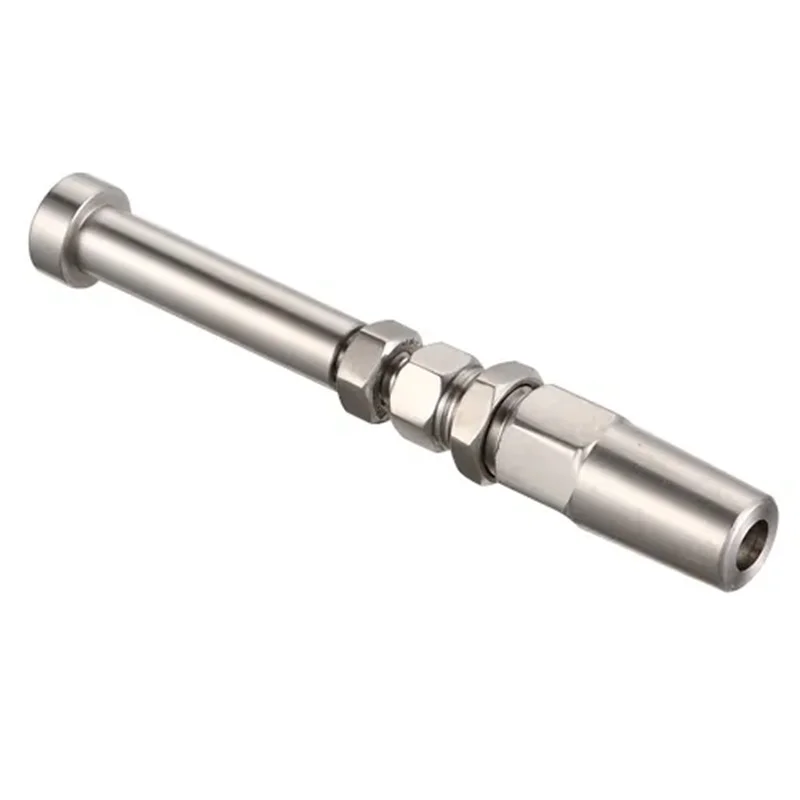
These are the static anchors mounted on your starting and ending posts. Depending on your design preferences, you can choose between swage fittings (which require a specialized hydraulic tool to crimp the metal sleeve permanently onto the wire) or swageless fittings (which utilize internal mechanical jaws to grip the cable securely without expensive dedicated tools).
Choosing the Right SS Cable Railing Kits for Your Project Type
Not all structural layouts are built the same way. To ensure your hardware performs flawlessly, match your specific structural scenario to the correct variant of SS Cable Railing Kits.
Cable Stair Deck Railing Systems
Installing lines on a flat, horizontal backyard patio is straightforward. However, configuring a Cable Stair Deck Railing system introduces complex geometric angles.
When ordering your hardware, look specifically for kits designated for angled or multi-pitch stair sections. These kits feature specialized adjustable beveled washers, pivoting ball-joint terminals, or articulated toggle fittings. These components allow the tensioner to exit your wooden or metal structural posts at angles varying anywhere from 30 to 45 degrees without bending the hardware or causing dangerous structural stress.
       Horizontal Deck Post                      Angled Stair Post
         ┌───┐                                     ┌───┐
         │   │═══ Cable                            │   │ ◣ Beveled Washer
         │ █ │═══════════                          │ █ │  ╲
         │   │═══                                  │   │   ╚═════ Cable (Angled)
         └───┘                                     └───┘
Material Compatibility: Wood vs. Metal Posts
Before completing your purchase, evaluate the core material of your structural posts:
- For Wood Posts: You will need kits featuring deep, coarse-threaded lag screws or heavy-duty through-bolts backed by wide washers to distribute tension evenly without crushing or stripping the soft wood fibers.
- For Metal Posts (Aluminum/Steel): You will want kits with fine machine-threaded blind fasteners or compact rivet nuts that thread cleanly into pre-drilled metal walls, providing a neat, low-profile finish.
Marine Grade 316 vs. 304 Stainless Steel: What is the Difference?
One of the most critical decisions you will make when investing in Steel Cable Railing Kits is choosing between the two primary metallurgical grades of stainless steel: Grade 304 and Grade 316.
| Feature / Metric | Grade 304 Stainless Steel | Grade 316 (Marine Grade) Stainless Steel |
| Chemical Composition | Contains 18% Chromium, 8% Nickel | Contains 16% Chromium, 10% Nickel + 2% Molybdenum |
| Corrosion Resistance | Excellent for standard environments | Maximum; completely immune to chloride pitting |
| Best Suited For | Inland decks, interior stairs, dry climates | Costal homes, pool surrounds, urban industrial zones |
| Cost Profile | Economical / Budget-friendly | Coastal homes, pool surrounds, urban industrial zones |
Installation Process of SS Cable Railing Kits
Step-by-Step System Assembly
Step-1: Post Preparation and Alignment
Measure and mark your structural posts accurately. To satisfy international residential building codes, vertical cable spacing must never exceed 3 inches. Drill clean, straight pilot holes completely through your intermediate posts using a specialized drilling guide to ensure true, level alignment across the perimeter.
Step-2: Anchor Terminal Installation
Mount your fixed end-terminals securely onto your starting post. If working with wood, drive your lag receiver screws deep into the wood grain. If setting up a Cable Stair Deck Railing, slip your specialized angled beveled washers over the fittings before seating them firmly against the face of the post.
Step-3: Threading the Cable Lines
Unspool your premium wire rope carefully. Thread the raw, uncut end smoothly through the pre-drilled intermediate posts. Take care not to kink or bend the high-tensile wire during this process, as kinks permanently compromise structural integrity.
Step-4: Swaging and Tensioning
Insert the raw cable edge into your adjustable turnbuckle tensioner. Secure it firmly using your swaging tool, or lock it into your swageless mechanical fitting. Trim away any excess wire using specialized cutters. Hand-tighten all turnbuckles smoothly from the center out to evenly distribute structural load across your deck.
Common Mistakes to Avoid When Purchasing SS Cable Railing Kits
Buyers should avoid several common purchasing mistakes.
Choosing Price Over Quality
Low-cost products often use inferior materials that compromise durability and safety.
Ignoring Material Grades
Not all stainless steel is equal. Always confirm whether the product uses 304 or 316-grade stainless steel.
Overlooking Installation Requirements
Complex installation systems can increase labor expenses and project delays.
Not Verifying Supplier Credentials
Always request certifications, testing reports, and customer references.
Maintenance Tips
While SS Cable Railing Kits are fundamentally low-maintenance, “maintenance-free” is a common industry myth. Implementing a quick, simple upkeep routine will protect your investment for decades.
Periodic Rinsing: Spritz your outdoor cables with clean fresh water every few months to clear away accumulated environmental dirt, industrial soot, or salt residues.
Gentle Chemical Cleansing: If you notice small brown specks (surface tea-staining), do not use steel wool or harsh wire brushes, as these embed carbon particles that accelerate rusting. Instead, clean the hardware using a soft microfiber cloth and a dedicated marine-grade stainless steel cleaner or phosphoric acid-based solution.
Tension Inspections: Check your turnbuckles once a year. If structural wood posts settle over time, simply use a wrench to rotate the internal bodies of the tensioners a few turns to restore crisp, clean tension.
Final Summary
Choosing the right SS Cable Railing Kits requires careful consideration of material quality, design flexibility, corrosion resistance, supplier reliability, and installation requirements. Whether you’re sourcing Steel Cable Railing Kits for residential projects, commercial developments, or large-scale construction applications, investing in high-quality systems delivers long-term value, safety, and aesthetic appeal.
For distributors, contractors, architects, and project managers, partnering with an experienced manufacturer ensures access to Premium Cable Railing Kits, customization options, competitive pricing, and dependable supply chain support. By understanding the key factors outlined in this guide, buyers can confidently select the best SS Cable Railing Kits for their specific project requirements and business goals.
FAQs
How long do SS Cable Railing Kits typically last?
When sourced from high-quality suppliers, premium SS Cable Railing Kits are engineered to last upwards of 25 to 30 years or more. Choosing marine-grade 316 stainless steel ensures the hardware will withstand extreme weather, UV exposure, and coastal salt spray without structurally degrading or losing its metallic luster.
Can I install SS Cable Railing Kits myself, or do I need a contractor?
Many modern SS Cable Railing Kits are designed specifically with DIY installation in mind, particularly “swageless” systems that lock onto the wire mechanically using basic hand tools. However, if your project involves complex geometries—such as a multi-flight Cable Stair Deck Railing—or if you lack specialized tools like a hydraulic swager, hiring a professional contractor ensures code compliance and perfectly balanced tension across your posts.
How many cable runs do I need for a standard 36-inch residential deck?
To comply with the strict 4-inch sphere safety rule mandated by residential building codes, you will typically need 10 rows of cable for a standard 36-inch high framework. If you are constructing a taller 42-inch commercial framework, you will generally require 12 rows of cable. This layout guarantees that the vertical gap between your lines stays at a safe, unyielding 3 inches on center.