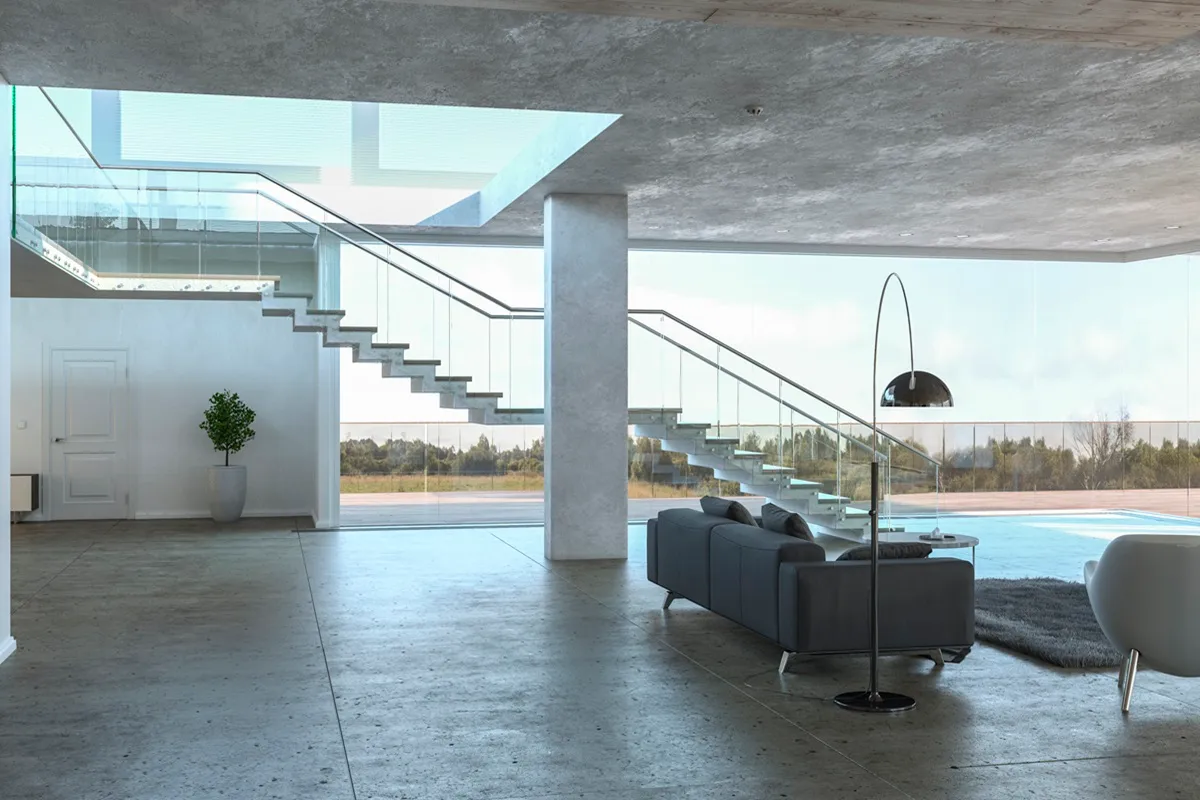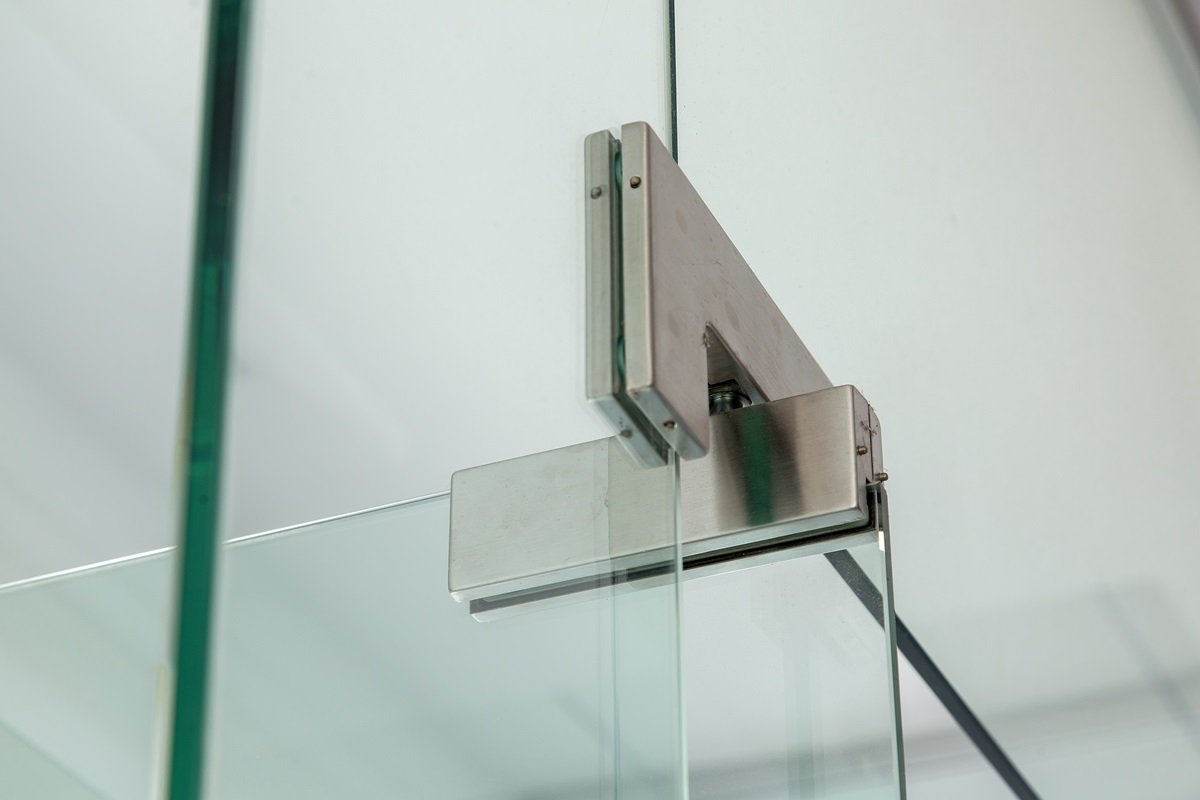
Frameless glass has become a symbol of modern architectural elegance. Whether in residential balconies, commercial staircases, or luxury terraces, frameless glass provides uninterrupted views and a clean aesthetic. However, the beauty of frameless glass is paired with precision engineering, particularly when it comes to holding the glass securely in place. This is where the glass profile channel plays a crucial role.
A glass profile channel, often made of aluminum or stainless steel, serves as the structural backbone for frameless glass installations. It allows architects and designers to achieve minimalistic designs without compromising safety. Unlike traditional framed glass railings, frameless glass relies on precise fitment in channels, base shoes, or clamps to maintain stability. About aluminum base shoes for glass railings.
In this comprehensive guide, we will explore the mechanics, materials, and installation techniques of glass profile channels for frameless glass. We’ll also examine design benefits, safety factors, and real-world applications, providing you with everything you need to know for a successful frameless glass installation.
What Is a Glass Profile Channel?
A glass profile channel, also called a U-channel or base shoe, is a metal extrusion that securely holds the bottom edge of frameless glass panels. It is typically installed along floors, staircases, or balcony edges, and provides both structural support and aesthetic continuity.
Key Components of a Glass Profile Channel
- Channel Body: Usually aluminum or stainless steel, offering corrosion resistance and durability.
- Rubber Gasket or Silicone Liner: Cushions the glass and prevents direct contact with metal, reducing the risk of breakage.
- Anchoring System: Bolts, screws, or adhesive fix the channel securely to the substrate.
These components work together to create a rigid yet flexible support system. The glass fits snugly, while the channel absorbs vibrations, wind pressure, and minor impacts.
For a deeper dive, see What Is a Aluminum Glass Railing System.
How Frameless Glass Fits Into the Profile Channel
The installation of frameless glass into a profile channel requires precision and careful planning. The process generally follows these steps:
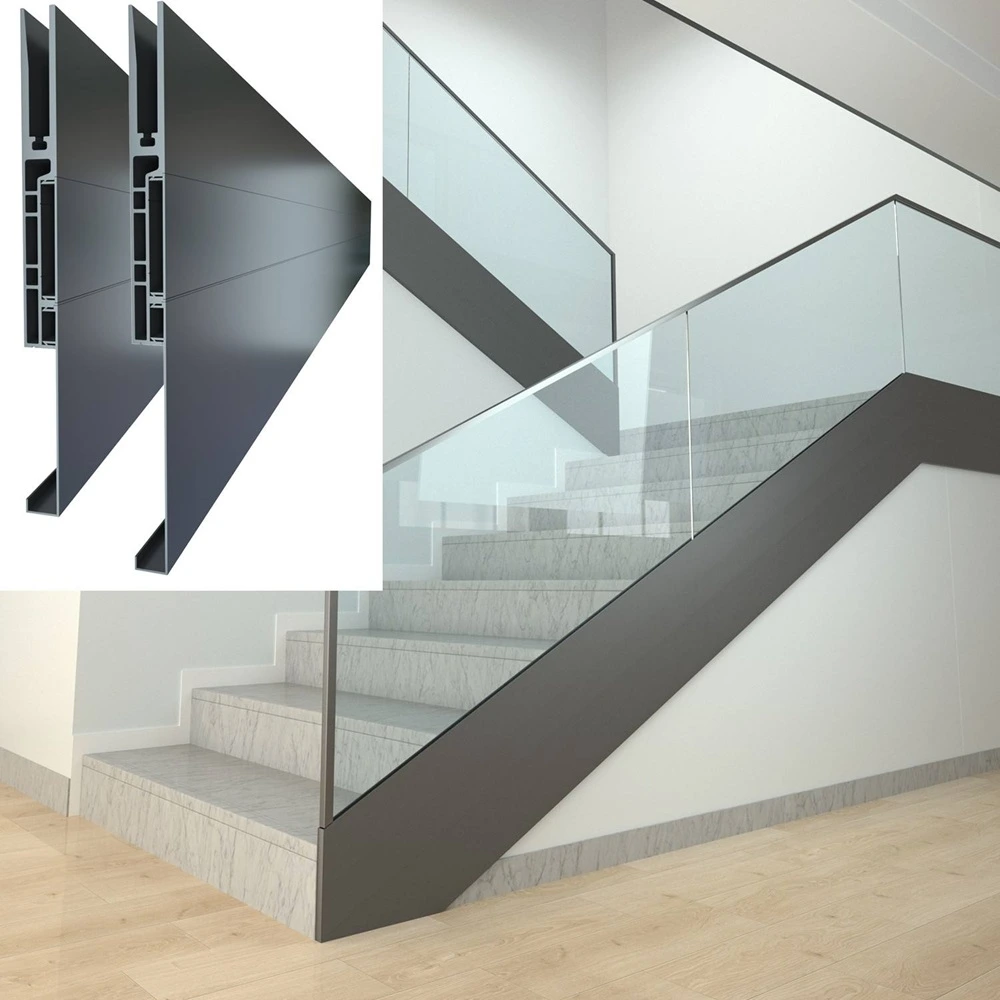
- Measuring the Channel: Ensure the channel width matches the glass thickness (commonly 10-12mm for residential railings).
- Inserting the Rubber Gasket: A high-quality gasket is placed inside the channel for shock absorption.
- Sliding the Glass Panel: Glass panels are gently lowered into the channel.
- Securing With Screws or End Caps: To prevent lateral movement, anchors or end caps are used.
This system eliminates the need for bulky posts or frames, creating a seamless visual experience. For installation guidance, refer to How to Install Frameless Glass Railings.
Materials Used for Glass Profile Channels
The choice of material impacts durability, aesthetics, and safety. The most common materials include:
Aluminum
- Lightweight yet strong
- Corrosion-resistant, ideal for outdoor settings
- Easy to cut and shape for custom installations
Stainless Steel
- Exceptional strength and load-bearing capacity
- Resistant to scratching and dents
- Preferred in high-traffic commercial areas
Comparison Table: Aluminum vs Stainless Steel Channels
| Feature | Aluminum Channel | Stainless Steel Channel |
|---|---|---|
| Weight | Lighter | Heavier |
| Corrosion Resistance | High | Very High |
| Cost | Moderate | Higher |
| Aesthetic Finish | Matte/Polished | Polished/Brushed |
| Maintenance | Low | Very Low |
Get about Durability of Tempered Frameless Glass Railings.
Benefits of Using Glass Profile Channels for Frameless Glass
The popularity of frameless glass railings stems from the combination of aesthetics and functionality. Using a glass profile channel enhances these benefits:
Minimalistic Design
By eliminating bulky frames, channels provide a clean, uninterrupted glass surface, ideal for modern architecture.
Safety and Stability
A well-installed profile channel prevents wobbling, keeping glass panels secure under high winds or foot traffic.
Versatility
Channels can be installed on stairs, balconies, pool edges, or terraces, adapting to various glass sizes and thicknesses.
Easy Maintenance
Unlike framed glass railings, channels accumulate less dirt, making cleaning and maintenance simpler.
Explore more in Frameless Glass Railings Modern Design.
Installation Considerations for Glass Profile Channels
Proper installation is crucial for both safety and aesthetics. Key considerations include:
Glass Thickness
Channels must match the glass panel thickness. Common sizes: 10mm, 12mm, 15mm. Incorrect sizing can lead to movement or breakage.
Substrate Type
Concrete, wood, or steel surfaces require different anchoring methods. Engineers must evaluate load-bearing capacity.
Waterproofing and Drainage
Outdoor installations should consider drainage channels to prevent water pooling, which could degrade the channel over time.
End Caps and Seals
End caps secure the glass and add a polished finish. Rubber or silicone seals prevent chipping.
Step-by-step guidance at How to Install Frameless Glass Railing Clamps.
Safety Standards and Load Testing
Frameless glass installations must comply with international building codes. Profile channels are often tested for:
- Wind Load Resistance: Ensuring panels withstand high gusts
- Impact Resistance: Using tempered or laminated glass
- Slip and Fall Safety: Proper channel anchoring to prevent toppling
Get more about materials and safety testing from Unikim China.
Comparing Frameless Glass Channels with Traditional Railings
| Feature | Frameless Glass with Channel | Traditional Glass with Posts |
|---|---|---|
| Visual Appeal | Sleek, uninterrupted | Framed, segmented |
| Installation Complexity | Moderate | Simple but bulky |
| Maintenance | Easy | Higher (dust & dirt) |
| Cost | Moderate | Lower upfront, higher maintenance |
| Safety | High with proper installation | High but visually heavier |
For more pros and cons, see The Pros and Cons of Frameless Glass Railing.
Cost Factors for Glass Profile Channels
The price varies depending on:
- Material choice (aluminum vs stainless steel)
- Length and customization
- Installation complexity
- Glass thickness
Average cost for a frameless glass railing with aluminum channel ranges between $150–$300 per linear foot, whereas stainless steel channels cost $200–$400 per linear foot.
Design Ideas and Applications
Frameless glass channels are highly versatile and ideal for:
- Balcony Railings: Uninterrupted outdoor views
- Staircase Railings: Modern and minimalist look
- Pool Fencing: Safety with visual clarity
- Commercial Spaces: Hotels, offices, and shopping malls .See more ideas at What Is a Railing System.
Summary
The glass profile channel is a critical component in holding frameless glass securely while maintaining a minimalist design. Its role extends beyond structural support, enhancing safety, aesthetics, and long-term durability. By understanding material options, installation methods, and design considerations, architects and homeowners can create modern, elegant, and safe frameless glass railings. Proper planning ensures a timeless look with exceptional functionality, making profile channels the preferred choice for contemporary railing solutions. Explore more about frameless glass solutions at Frameless Glass Railings Modern Design.
FAQs
Q: What thickness of frameless glass works best with profile channels?
A: Typically, 10-12mm tempered glass fits most aluminum or stainless steel channels, providing safety without bulkiness.
Q: Can glass profile channels be used outdoors?
A: Yes, aluminum and stainless steel channels are corrosion-resistant, making them ideal for balconies, terraces, and pool areas.
Q: How do you maintain a frameless glass railing?
A: Clean with mild soap and water; inspect the channel regularly for debris or loose anchors to maintain safety and clarity.
Q: Are frameless glass channels safe in high-traffic areas?
A: Yes, properly installed channels meet international safety codes and provide rigid support for heavy foot traffic.
Q: Can channels accommodate curved or angled glass?
A: Custom extrusions allow installation of curved or angled frameless glass, adding design flexibility. For installation help, check Contact Us.