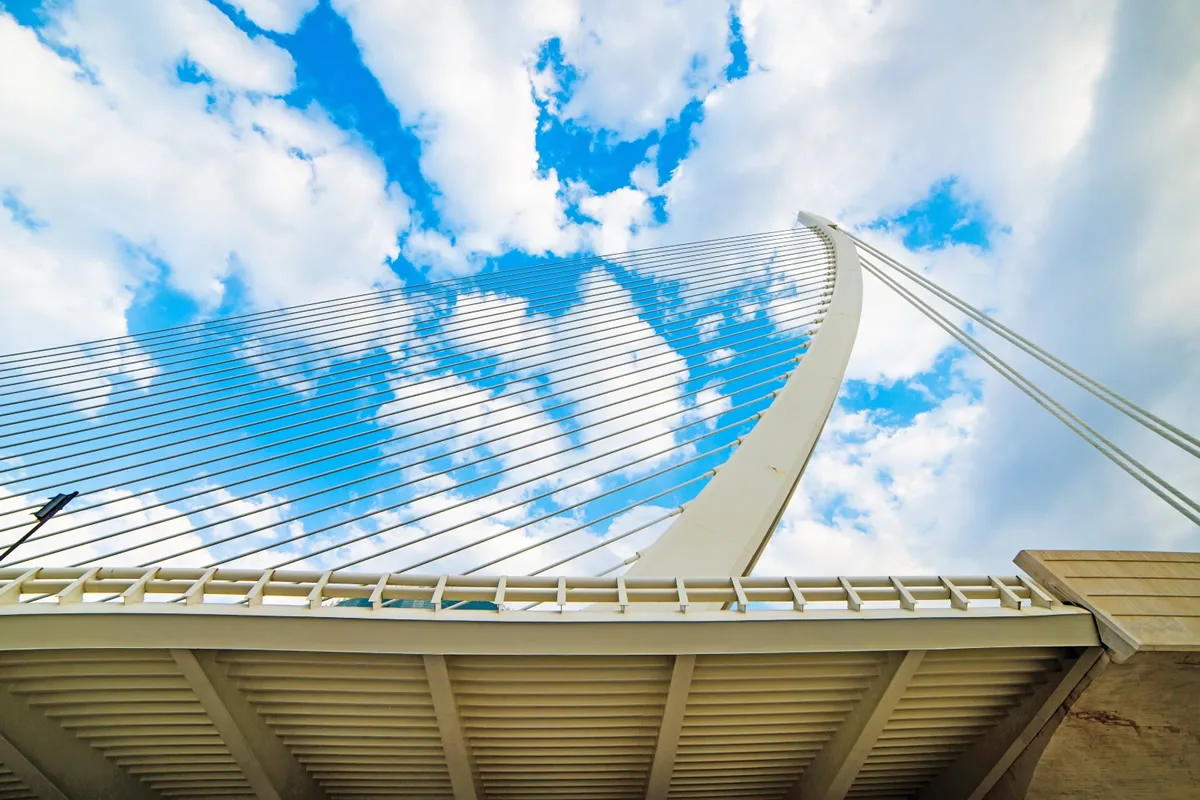
Within the high-stakes sectors of industrial production and commercial building, material selection is far more than a stylistic choice; it is a strategic pivot point that dictates a project’s durability, safety profile, and bottom-line efficiency. Whether you are engineering tension-heavy structures, sophisticated architectural balustrades, or heavy-duty rigging systems, the specific Stainless Steel Cable you implement determines if your installation will endure for decades or succumb to premature failure.
This deep-dive guide offers a technical analysis of how to identify the optimal stainless steel cable grade for your manufacturing specifications. By aligning material properties with environmental demands, you can protect your project margins and uphold the rigorous quality standards your clients expect.
Why Stainless Steel Cable Grade Matters
It is a common misconception that all stainless steel is identical. In reality, stainless steel describes a diverse group of iron-chromium alloys, each meticulously formulated to offer a specific balance of mechanical strength, corrosion resistance, and cost-effectiveness.
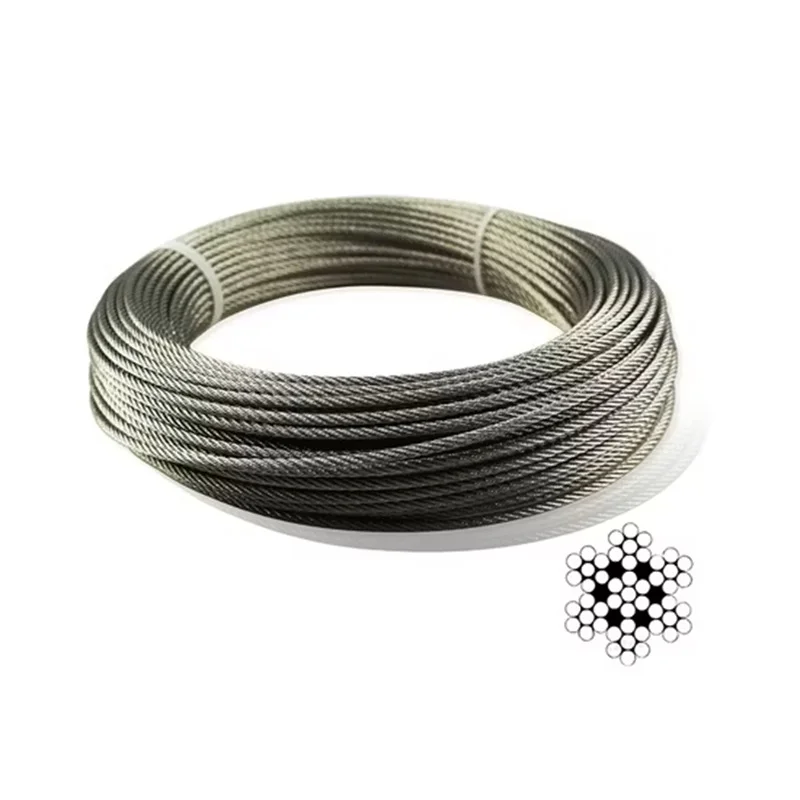
When specifying Stainless Steel Cable for architectural balustrades, industrial rigging, or structural tension systems, your choice of grade directly dictates:
- Environmental Longevity: How the material resists degradation in its specific atmospheric conditions.
- Regulatory Compliance: Whether the installation adheres to international standards and local building mandates.
- Structural Performance: The cable’s ability to maintain its Tensile Strength under sustained loads.
- Lifecycle Economy: The true total cost of ownership over the project’s entire lifespan.
Prioritizing a lower initial purchase price is a frequent and costly oversight in procurement. Opting for a budget-grade cable that fails or corrodes within 24 months will inevitably result in replacement costs that far exceed the initial investment in a high-performance, Marine Grade Stainless Steel solution.
Most Common Stainless Steel Cable Grades: 304 vs 316
304 Stainless Steel Cable
Grade 304 is the most widely used stainless steel in the world, and it’s a popular choice for stainless steel cable railing in low-to-moderate corrosion environments. Its composition includes approximately 18% chromium and 8% nickel, giving it excellent oxidation resistance and good mechanical strength.
Best for:
- Interior staircases and indoor railings
- Dry or semi-protected outdoor environments
- Urban commercial and residential projects away from the coast
- Budget-sensitive projects where long-term corrosion risk is low
Limitations:
Grade 304 is vulnerable to chloride-induced corrosion. In environments with heavy salt exposure, such as ocean air, swimming pool surroundings, or de-icing salt on roads. It can develop pitting and surface rust over time, compromising both aesthetics and structural integrity.
316 Stainless Steel Cable
Grade 316 (also called marine-grade stainless steel cable) adds approximately 2–3% molybdenum to the 304 formula, dramatically improving its resistance to chloride and acid corrosion. This makes it the go-to choice for any cable railing system exposed to harsh environments.
Best for:
- Coastal and waterfront installations
- Swimming pool and spa surrounds
- Industrial and chemical processing environments
- High-humidity tropical climates
- Any project where longevity and minimal maintenance are priorities
Why it matters:
The molybdenum content in 316 cable forms a more stable passive oxide layer on the steel’s surface, resisting the pitting corrosion that chloride ions cause. In seaside environments, the performance difference between 304 and 316 stainless steel wire rope is dramatic, often measured in years of additional service life.
At Urailing (Ningbo Unikim Metal Products), our stainless steel cable products are manufactured to meet international quality standards, with 316-grade options available for demanding marine and architectural applications.
Understanding Cable Construction
Beyond the alloy grade, the construction of your stainless steel cable significantly affects its performance characteristics. The numbers refer to the number of strands and wires per strand.
1×19 Construction (Single Strand, 19 Wires)
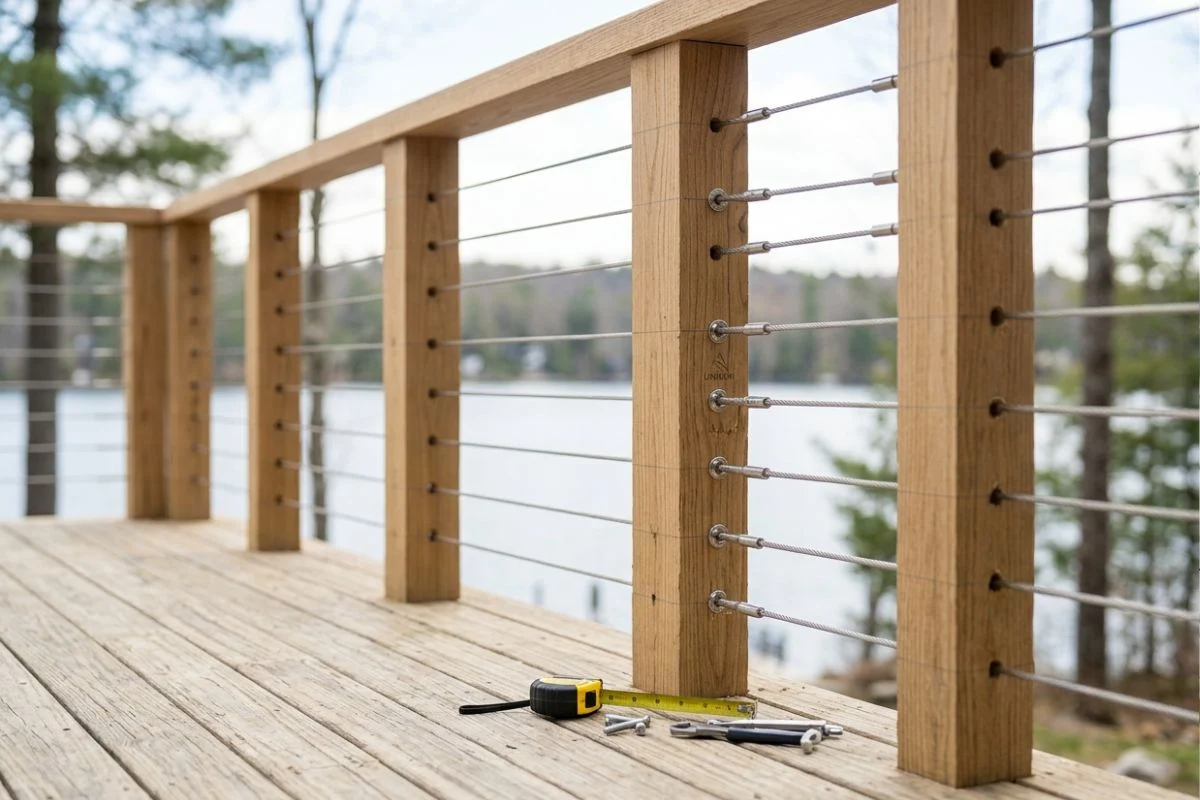
This is the stiffest cable configuration. Nineteen individual wires are wound together into a single strand, creating a very rigid cable with minimal stretch. It’s the preferred specification for architectural cable railing where a clean, taut horizontal line is required.
- High break strength relative to diameter
- Minimal elongation – maintains tension with less adjustment
- Less flexible; best for straight runs
- Ideal for cable balustrade systems with long horizontal spans
7×7 Construction (Seven Strands, Seven Wires Each)
Seven strands, each made of seven wires, wound together. More flexible than 1×19 but still fairly rigid.
- Good balance of flexibility and strength
- Suitable for moderate-length runs and gentle curves
- Often used in marine and rigging applications
7×19 Construction (Seven Strands, Nineteen Wires Each)
The most flexible configuration. Seven strands of nineteen wires each create a highly pliable cable.
- Maximum flexibility for tight bends and mechanical systems
- Common in winches, pulleys, and lifting equipment
- Not typically used for static architectural cable railing
For most cable railing systems, 1×19 construction in 316 stainless is the industry standard recommendation.
How to Match Stainless Steel Cable Grade to Your Project Environment
Coastal and Marine Environments
Always specify 316 stainless steel cable with a 1×19 construction. The combination of molybdenum-enhanced corrosion resistance and rigid single-strand construction gives you the best durability and aesthetic performance. Budget for quality cable end fittings and cable tensioners in matching 316 grade, mixing grades at the termination points undermines the corrosion resistance of the whole system.
Inland Urban and Suburban Projects
Grade 304 is usually sufficient for covered or sheltered environments. For open exterior railings in non-coastal cities, consider 316 as a precaution, especially if the project is near roads treated with de-icing salts in winter.
Industrial and Chemical Environments
Consult a materials engineer. Standard 316 may not be sufficient near strong acids or industrial chemicals. Specialty grades like 316L (low carbon) or duplex stainless steels offer enhanced resistance in aggressive industrial conditions.
Swimming Pools and Spas
Chlorinated water is harsh on stainless steel. Always use marine grade stainless steel cable (316 or better) for poolside cable railing systems. Verify that all hardware, including posts, cable end fittings, and tensioners, shares the same grade to avoid galvanic corrosion between dissimilar metals.
Key Specifications to Check When Sourcing Stainless Steel Cable
When you request quotes from suppliers or review product data sheets, these are the core specifications to verify:
Alloy Grade — Confirm 304 or 316 (not generic “stainless steel” without a grade number).
Wire Rope Tensile Strength — Listed in kN or lbs. For cable railing, typical minimum breaking loads for 3/16″ (4.8mm) cable range from 3,700 to 4,200 lbs, depending on construction.
Working Load Limit (WLL) — Generally one-fifth to one-sixth of the minimum breaking load. This is the figure used for code compliance calculations.
Diameter Tolerance — Cable that runs undersized will affect your fittings’ grip and the system’s load rating.
Surface Finish — Bright finish (1×19) is standard for architectural applications. Make sure finish consistency is guaranteed across a bulk order.
Certifications — For commercial projects, ask for mill test certificates, CE marking, or SGS certification where applicable. Unikim’s cable products come with CE certification and ISO 9001-compliant quality management.
The Role of Cable End Fittings and Tensioners in System Performance
A premium-grade stainless steel cable is only as good as its termination hardware. Undersized or mismatched cable end fittings are a leading cause of premature failure in cable railing systems.
Cable End Fittings
These secure the cable to the post or frame structure. Types include:
- Swage fittings compressed mechanically onto the cable end; clean, permanent, high strength
- Threaded stud fittings allow adjustment during installation
- Fork and eye fittings used for structural cable applications with clevis connections
Match the fitting grade to your cable grade. Using 304 fittings on 316 cable in a marine environment creates a galvanic corrosion risk at the most stress-critical point of the system.
Cable Tensioners
Cable tensioners allow you to apply and maintain the correct tension in horizontal cable runs. Over time, cables can relax slightly due to the seating of the fittings, so tensioners with threaded adjustability are important for long-term system performance.
Urailing’s range of cable tensioners and end fittings is engineered to pair directly with our stainless steel cable products, ensuring matched material grades and precise dimensional compatibility.
Stainless Steel Cable for Architectural and Commercial Projects
Beyond railings, stainless steel cable finds application in a broad range of architectural and structural contexts:
- Canopy and tension structure cables supporting glass or fabric canopies
- Facade netting perimeter safety nets on commercial buildings
- Staircase balustrades, both vertical and horizontal cable configurations
- Bridge and elevated walkway handrails where the open aesthetic of cable railings is preferred
In all these applications, the same principle holds: grade selection should be driven by environment, load requirements, and expected service life — not by the lowest line-item cost.
Common Mistakes to Avoid When Specifying Stainless Steel Cable
Specifying grade without verifying the environment
Many buyers default to 304 without fully assessing moisture exposure, proximity to salt air, or pool chemicals. When in doubt, upgrade to 316.
Mixing grades across the system
Posts in one grade, fittings in another, cable in a third — this creates galvanic corrosion risk. Always match grades throughout a system.
Ignoring elongation in long runs
Long horizontal cable spans will stretch slightly under load. Choose 1×19 construction and specify appropriate tensioning hardware to account for this.
Overlooking local building codes
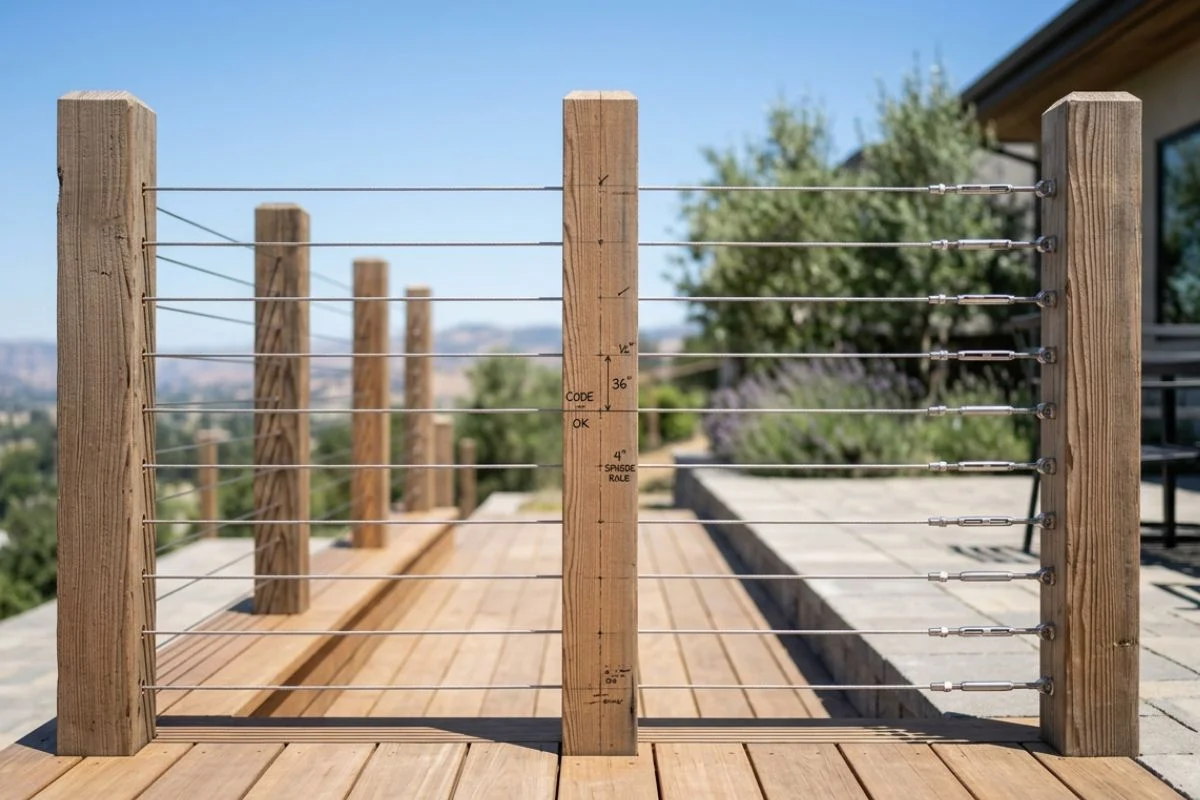
Cable railing systems are subject to building regulations in most markets. In the US, IBC and IRC codes specify maximum cable spacing and minimum post strengths. In Europe, EN 1337 and local standards apply. Always confirm your specification meets the applicable code.
Summary
In the sectors of industrial production, structural engineering, and modern architecture, Stainless Steel Cable serves as a premier, multi-functional material. Selecting the appropriate alloy, most commonly narrowed down to Grade 304 vs 316 Stainless, is a decision driven by atmospheric conditions, structural stress, required elasticity, and lifecycle budgeting. For manufacturers aiming for resilient, low-maintenance outcomes, it is vital to grasp the technical nuances of these grades and how they interface with specific cable configurations and hardware.
When you synchronize your Stainless Steel Cable selection with the precise rigors of your operational environment, the results are clear: heightened structural safety, minimized maintenance-related downtime, and a sleek, contemporary finish that stands the test of time.
FAQs
What is the primary difference between Grade 304 and Grade 316 stainless steel cable?
The fundamental difference lies in chemical composition. Grade 304 contains 18% chromium and 8% nickel. Grade 316 contains similar amounts but adds 2–3% molybdenum. This addition significantly enhances resistance to chlorides and industrial solvents, making Grade 316 the superior choice for coastal or high-pollution environments where Corrosion Resistant Cable is mandatory.
Can I use 304 Stainless Steel Cable for outdoor applications?
Yes, but with caveats. Grade 304 is highly effective for outdoor projects located inland, away from salt spray or heavy industrial runoff. However, if the project is within 10 miles of a coastline, Grade 304 may develop “tea staining” or surface rust. For coastal longevity, we always recommend upgrading to Marine Grade Stainless Steel.
Which cable construction is best for architectural railing systems?
For most Industrial Cable Railing Components, the 1×19 construction is preferred. Because the 19 individual wires are twisted into a single, rigid strand, the cable is less prone to stretching and offers a sleek, reflective finish that is aesthetically ideal for modern architecture.
Does a higher grade of stainless steel mean the cable has a higher breaking strength?
Not necessarily. The Tensile Strength of Steel Cable is largely determined by the diameter and the construction (e.g., 7×7 vs. 1×19) rather than the alloy grade. Grade 304 and 316 have very similar mechanical properties; the “upgrade” to 316 is for environmental durability, not increased weight-bearing capacity.
What certifications should I look for when sourcing cable for manufacturing?
To ensure safety and material integrity, always source from manufacturers with ISO 9001 and CE certification. These standards guarantee that the cable has undergone rigorous testing for chemical consistency and load-bearing performance, ensuring your project meets international building codes.