Choosing the right railing material shapes both the safety and style of a building. Whether you are designing a balcony, terrace, staircase, or commercial walkway, your choice affects durability, maintenance costs, and visual impact for years to come.
Among today’s most popular materials, stainless steel and aluminum stand out. However, when homeowners and contractors compare options, one question appears repeatedly: Is an Aluminum Railing System better than stainless steel?
In this in-depth guide, we will explore performance, cost, corrosion resistance, aesthetics, maintenance, and long-term value. By the end, you will clearly understand which solution fits your project best — and why many architects now prefer an Aluminum Railing System for residential and commercial applications.
What Is an Aluminum Railing System?
An Aluminum Railing System is a modular railing solution made from high-grade aluminum alloys. It is commonly used for balconies, decks, staircases, glass railings, and exterior platforms.
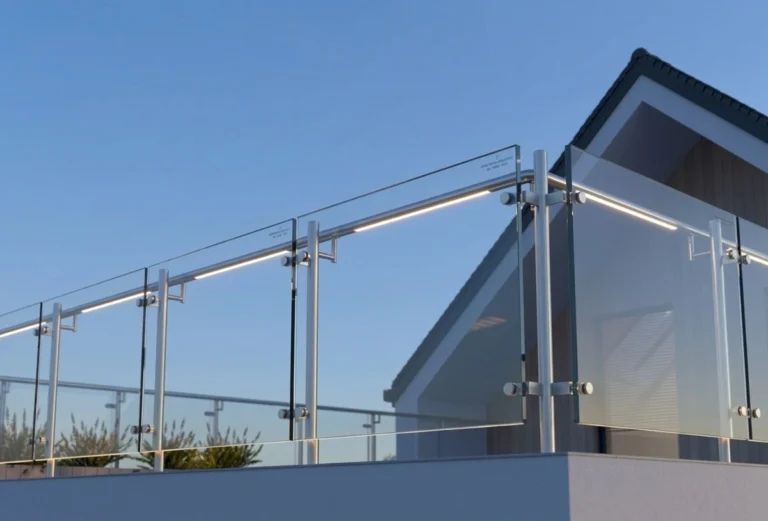
Modern systems often combine aluminum posts, handrails, and U-channels with tempered glass panels or cable infill. If you want a detailed explanation of how glass integrates with aluminum frames, you can read this comprehensive guide on what is an aluminum glass railing system.
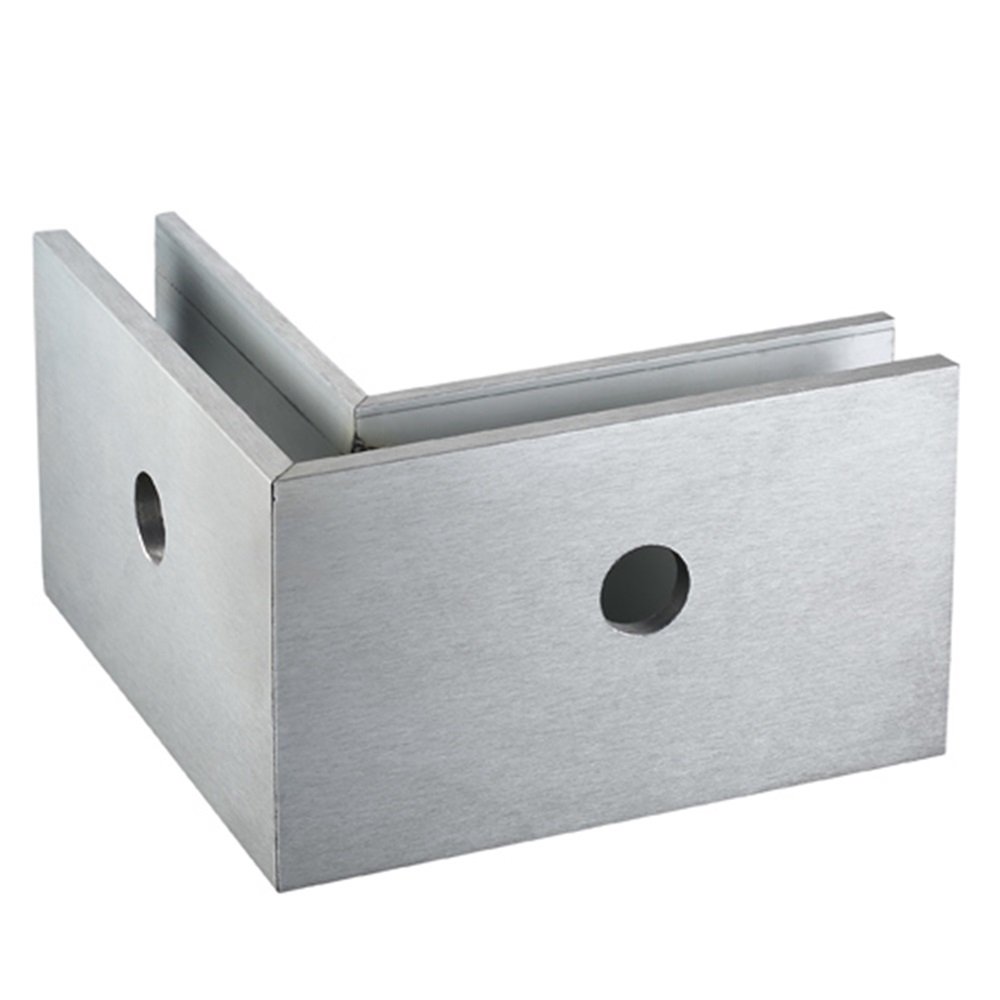
Unlike traditional welded steel systems, an Aluminum Railing System usually features precision-engineered components. This reduces installation time and ensures consistent performance.
What Is Stainless Steel Railing?
Stainless steel railings are made from corrosion-resistant steel alloys containing chromium. According to the technical overview on stainless steel composition and properties, chromium forms a protective oxide layer that prevents rust.
Stainless steel railings are popular in industrial, coastal, and commercial settings where strength and structural rigidity matter most.
However, material performance depends heavily on grade, environment, and maintenance routines.
Stainless Steel vs. Aluminum Railing System: A Detailed Comparison
Let’s compare both materials across critical decision factors.
Strength and Structural Performance
Stainless steel is stronger in raw tensile strength. It handles heavy loads and impact forces effectively. That’s why many public infrastructure projects still rely on stainless steel for structural framing.
However, strength does not automatically make it better.
An Aluminum Railing System uses reinforced alloys engineered specifically for architectural applications. Aluminum weighs about one-third of steel but still offers impressive load-bearing capacity when properly designed.
Because aluminum is lighter, it reduces structural load on balconies and decks. This matters especially in high-rise buildings and renovation projects.
For most residential applications, aluminum provides more than enough strength without the excess weight of steel.
Corrosion Resistance and Weather Durability
Corrosion resistance often determines long-term value.
Stainless steel resists rust due to chromium content. However, in coastal areas with salt exposure, lower-grade stainless steel can still develop pitting corrosion if not maintained.
An Aluminum Railing System naturally forms a protective oxide layer. Additionally, powder coating or anodizing enhances its resistance to moisture, UV rays, and pollution.
In humid climates or marine environments, aluminum often performs more consistently with less maintenance.
Weight and Installation Efficiency
Installation efficiency affects labor costs and timelines.
Stainless steel components are heavy. Transporting and installing them requires more manpower and structural support.
An Aluminum Railing System is lightweight. Installers can handle components easily, which reduces labor time. Modular designs simplify alignment and anchoring.
For example, products like the Slot Tube Handrail High Quality Aluminium Round Pipi Tube for Balustrade System demonstrate how engineered aluminum profiles improve installation speed.
This efficiency makes aluminum especially attractive for contractors managing multiple projects.
Maintenance Requirements
Maintenance directly affects lifecycle cost.
Stainless steel requires periodic cleaning to maintain its shine. In polluted or salty environments, regular maintenance prevents staining and corrosion.
In contrast, an Aluminum Railing System with powder coating needs minimal upkeep. Simple cleaning with water and mild detergent is usually sufficient.
If you want practical maintenance insights, you can review this helpful article on maintaining railing systems properly.
Lower maintenance often translates into lower long-term expenses.
Aesthetic Flexibility
Design matters just as much as performance.
Stainless steel offers a sleek, industrial appearance. It pairs well with modern architecture and minimalist interiors.
However, an Aluminum Railing System offers greater design flexibility. Manufacturers can powder coat aluminum in virtually any color. Matte black, white, bronze, and wood-look finishes are popular choices.
Moreover, aluminum integrates seamlessly with frameless glass systems using products such as the Balcony U Channel Aluminium Profile for Glass Railing.
For contemporary residential projects, aluminum often delivers a cleaner and more customizable finish.
Cost Comparison
Cost is always a deciding factor.
Stainless steel generally costs more in raw material and fabrication. Welding and polishing add additional labor costs.
An Aluminum Railing System usually offers a more budget-friendly option. The lighter weight reduces shipping expenses. Modular components lower installation labor.
While premium aluminum systems may approach stainless pricing, overall lifecycle cost often remains lower due to reduced maintenance.
Environmental Impact
Sustainability has become a major consideration in construction.
Aluminum is highly recyclable. In fact, recycled aluminum uses up to 95% less energy than primary production.
Stainless steel is also recyclable, but its production process consumes more energy due to higher density and melting temperature.
If environmental efficiency matters, an Aluminum Railing System often presents a more sustainable solution.
Performance Comparison Table
| Feature | Aluminum Railing System | Stainless Steel Railing |
|---|---|---|
| Weight | Lightweight | Heavy |
| Installation | Easy & fast | Labor intensive |
| Corrosion Resistance | Excellent | Excellent (grade-dependent) |
| Maintenance | Low | Moderate |
| Cost | Generally lower | Higher |
| Design Flexibility | High | Moderate |
| Sustainability | Highly recyclable | Recyclable |
Where Stainless Steel Still Excels
Stainless steel remains ideal for:
Heavy industrial facilities
High-traffic public infrastructure
Projects demanding maximum structural strength
When ultimate rigidity matters more than weight or cost, stainless steel performs exceptionally well.
For a deeper look at component comparisons, explore this detailed guide on stainless steel vs aluminum handrail post brackets.
Why Modern Architects Prefer Aluminum Railing System
Architectural trends favor minimalism, glass integration, and concealed framing.
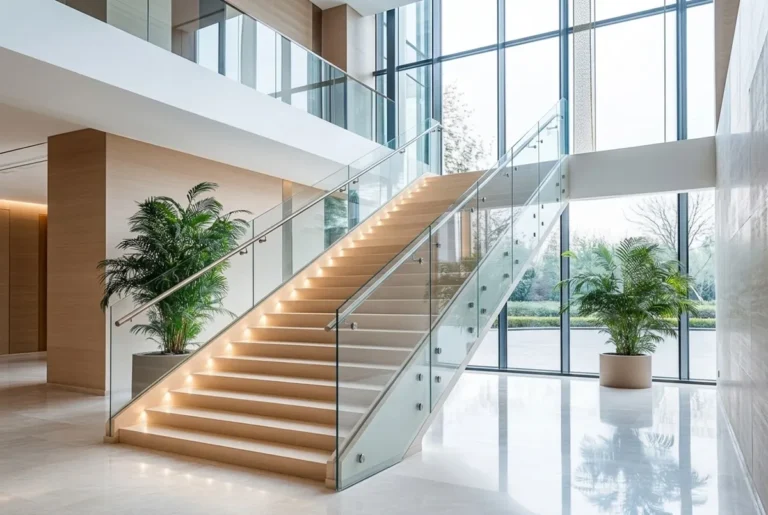
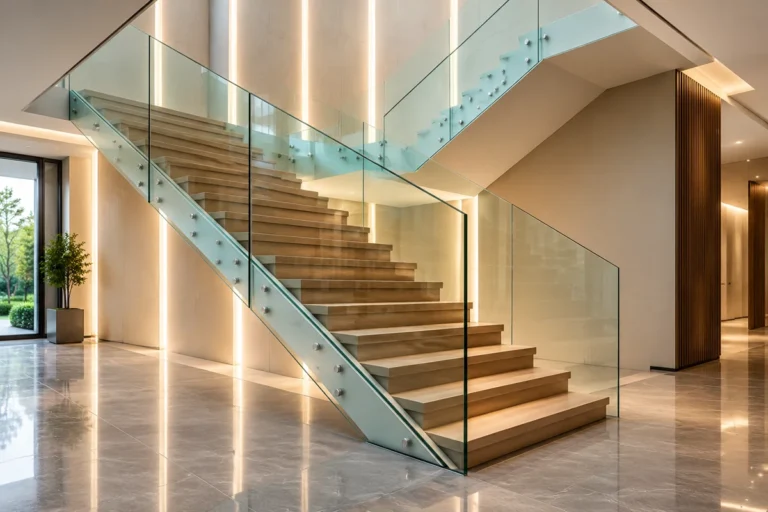
An Aluminum Railing System complements these trends perfectly. It supports large glass panels, clean sightlines, and modern exterior aesthetics.
Many global manufacturers focus heavily on aluminum solutions. You can explore industry suppliers like professional railing manufacturers and even see installation examples on the official railing project channel.
If you are planning a new project, visiting the official Unikim homepage can provide product inspiration and specifications.
Real-World Applications
Residential balconies benefit from lightweight aluminum structures. Commercial staircases appreciate quick installation. Coastal villas need corrosion resistance.
In each scenario, an Aluminum Railing System balances strength, cost, and appearance.
Meanwhile, airports, subway systems, and industrial plants may still rely on stainless steel for extreme durability.
The key is matching material performance with project demands.
Long-Term Value Considerations
When evaluating railing materials, think beyond purchase price.
Factor in:
Installation cost
Maintenance frequency
Replacement risk
Environmental exposure
Design flexibility
In many modern residential and mixed-use developments, an Aluminum Railing System delivers the best balance of performance and affordability.
For tailored recommendations, contacting a railing specialist through the Unikim contact page ensures expert guidance.
Summary
The debate of Stainless Steel vs. Aluminum, the “better” material depends on your priorities. Stainless steel provides industrial-grade strength and a high-end polished look, but it comes with a higher price tag and maintenance needs. An aluminum railing system offers a perfect balance of durability, affordability, and style, making it the ideal choice for coastal homes and residential projects where low maintenance is a top priority.
Ready to start your project? Explore our full range of high-quality products at unikim or contact our expert team today for a custom quote on your next aluminum railing system.
FAQs
Is an Aluminum Railing System strong enough for balconies?
Yes. A properly engineered Aluminum Railing System meets residential and commercial safety standards. It provides excellent strength while remaining lightweight.
Does an Aluminum Railing System rust?
No. Aluminum forms a natural oxide layer that resists corrosion. With powder coating, an Aluminum Railing System performs well even in humid or coastal environments.
Is stainless steel more durable than an Aluminum Railing System?
Stainless steel offers higher raw strength. However, an Aluminum Railing System provides sufficient durability for most architectural applications with lower maintenance needs.
Which costs more: stainless steel or Aluminum Railing System?
In most cases, stainless steel costs more due to heavier material and labor. An Aluminum Railing System often delivers better overall value.
Can an Aluminum Railing System support glass panels?
Yes. Many modern designs integrate tempered glass using aluminum U-channels and handrails, making an Aluminum Railing System ideal for contemporary architecture.