Choosing the right Cable Railing Systems for a property requires more than selecting a modern-looking design. A railing system must provide safety, durability, weather resistance, and a clean architectural appearance. Whether you are designing a residential deck, commercial building, balcony, staircase, or outdoor entertainment area, the right railing solution can completely change the look and value of a space.
Modern homeowners, architects, and contractors increasingly prefer Stainless Steel Cable Railing because it offers a combination of strength and minimal visual obstruction. Unlike traditional wooden or bulky metal railings, cable systems create an open view while maintaining reliable protection.
UNIKIM provides professionally designed Cable Railing Systems, including stainless steel cables, posts, fittings, and complete hardware solutions for different architectural applications. With proper material selection and installation, a high-quality cable railing system can deliver decades of performance.
This complete buying guide explains everything you need to know before purchasing Cable Railing Systems, including cost factors, specifications, components, installation considerations, and important safety codes.
What Are Cable Railing Systems?
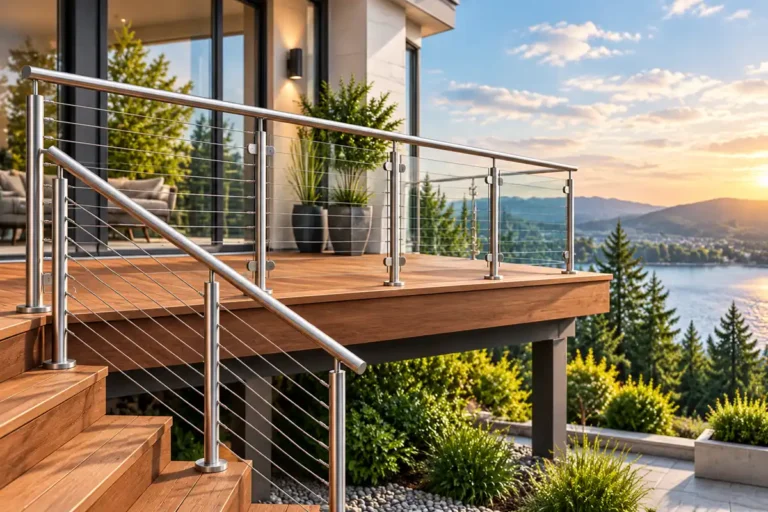
Cable Railing Systems are modern railing solutions that use horizontal stainless steel cables instead of traditional balusters or solid panels. The cables are tensioned between posts to create a secure barrier while maintaining an open and contemporary appearance.
These systems are widely used in:
- Residential decks
- Balconies
- Outdoor terraces
- Staircases
- Commercial buildings
- Hotels and restaurants
- Waterfront properties
The main advantage of cable railing is visibility. The thin stainless steel cables allow natural light to pass through and preserve surrounding views.
For architects and designers, this makes cable railings an ideal choice for modern construction projects where aesthetics and safety must work together.
Why Modern Cable Railings Are Becoming Popular
The demand for Modern Cable Railings continues to grow because they match contemporary architectural trends. Many property owners want spaces that feel larger, brighter, and more connected with outdoor surroundings.
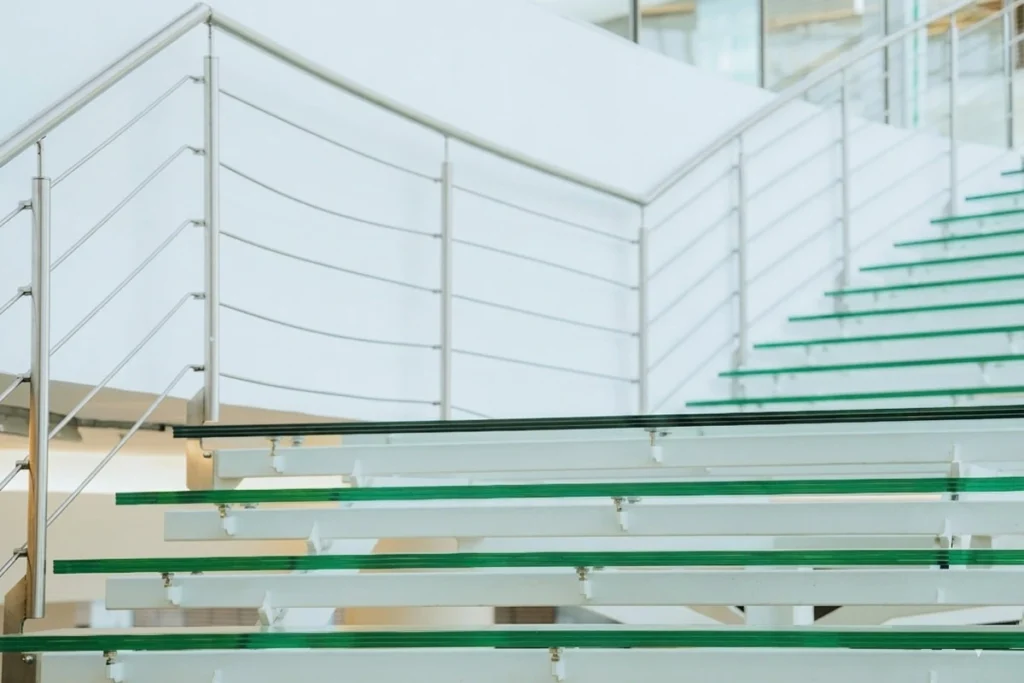
Traditional railing systems often block views. Cable railings solve this problem by using slim cables that create a nearly invisible barrier.
Several factors make cable railing systems popular:
Clean architectural appearance:
The simple lines create a premium and modern look.
Long-lasting durability:
High-quality stainless steel components resist corrosion and environmental damage.
Low maintenance:
Unlike wooden railings, stainless steel systems do not require regular painting or sealing.
Flexible applications:
They work well for residential and commercial projects.
Improved outdoor experience:
They are especially valuable for properties with scenic views.
UNIKIM specializes in manufacturing railing components designed for modern architectural applications. You can explore different railing solutions through the official UNIKIM website:
https://urailing.com/
Main Components of Cable Railing Systems
A complete railing system depends on several important parts working together. Understanding these components helps buyers select the correct solution.
Stainless Steel Cable
The cable is the main structural element of the system. Most premium systems use stainless steel because it provides excellent strength and corrosion resistance.
For outdoor projects, Marine Grade Stainless Steel Railing components are preferred because they perform better in challenging environments such as coastal areas.
Common stainless steel options include:
- 304 stainless steel for general indoor and outdoor applications
- 316 stainless steel for marine and high-moisture environments
UNIKIM offers stainless steel cable solutions designed for different railing applications:
https://urailing.com/product-category/stainless-steel-cable/
Cable Railing Posts
Posts provide the structural support needed to hold the tensioned cables. They are available in different designs, including:
- Stainless steel posts
- Square posts
- Round posts
- Surface-mounted posts
- Side-mounted posts
The spacing and strength of posts directly affect the safety and performance of the railing system.
High-quality Cable Railing Posts should have excellent corrosion resistance and enough strength to handle cable tension.
UNIKIM provides stainless steel post options for various architectural requirements:
https://urailing.com/product-category/stainless-steel-posts/
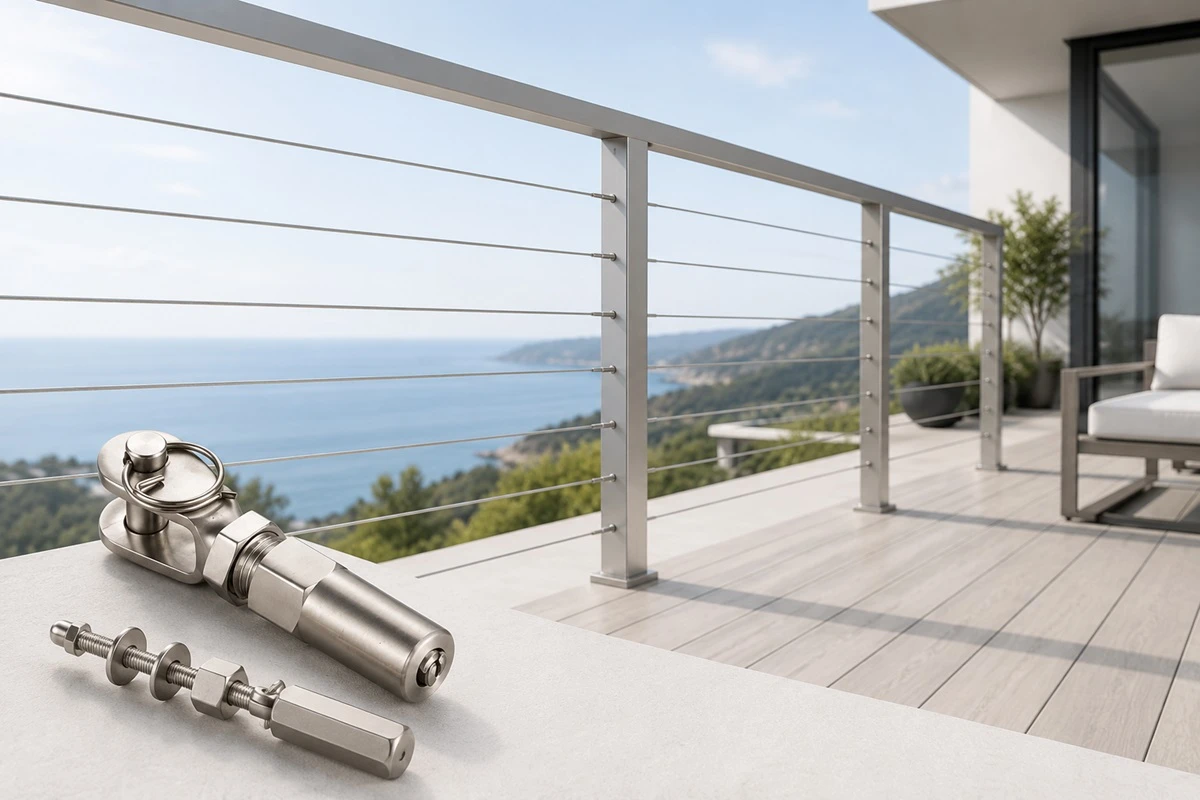
Cable Tensioners
Cable tensioners are essential hardware components that keep cables tight and secure. Without proper tension adjustment, cables may become loose over time.
Professional Cable Tensioners allow installers to adjust cable pressure easily during installation and maintenance.
Important features include:
- Corrosion resistance
- Precise adjustment
- Strong mechanical performance
- Easy installation
UNIKIM supplies cable tensioner solutions for different railing designs:
https://urailing.com/product-category/cable-tensioner/
Cable Railing Fittings
Cable fittings connect cables with posts and provide secure attachment points.
Common fittings include:
- Cable terminals
- End fittings
- Threaded connectors
- Mounting accessories
Using compatible Cable Railing Hardware ensures better performance and improves the lifespan of the complete system.
You can view UNIKIM cable end fitting options here:
https://urailing.com/product-category/cable-end-fittings/
Types of Cable Railing Systems
Different projects require different railing designs. Selecting the right type depends on location, building requirements, budget, and design goals.
Stainless Steel Cable Railing
Stainless Steel Cable Railing remains one of the most popular choices because it combines strength, beauty, and durability.
It is commonly installed in:
- Luxury homes
- Commercial buildings
- Rooftop terraces
- Outdoor decks
Stainless steel provides a clean appearance that matches modern architecture.
Outdoor Cable Railing
Outdoor environments expose railings to sunlight, rain, humidity, and temperature changes. Therefore, outdoor systems require corrosion-resistant materials.
Outdoor Cable Railing systems made from stainless steel are ideal for:
- Garden decks
- Patios
- Pool areas
- Balconies
For extreme environments, choosing 316 stainless steel provides additional protection against corrosion.
Deck Cable Railing
A Deck Cable Railing system creates a safe boundary without blocking views. It is especially popular for homes overlooking gardens, lakes, mountains, or open landscapes.
Compared with traditional wood railing, cable systems require less maintenance and provide a more modern appearance.
UNIKIM offers complete railing solutions suitable for different deck applications:
https://urailing.com/product-category/cable-railing-systems/
Cable Railing Systems Cost Breakdown
Understanding the cost of Cable Railing Systems helps buyers create a realistic project budget. The final price depends on several factors, including material quality, design complexity, installation requirements, and project size.
Unlike traditional railing options, cable railing systems use precision-engineered components. The cost may seem higher initially, but premium stainless steel materials usually provide better long-term value because they require less maintenance.
Average Cable Railing Systems Cost
The average cost of a cable railing project can vary depending on location and specifications.
| Component | Estimated Cost Range |
|---|---|
| Stainless steel cable | $1.50–$5 per linear foot |
| Cable railing posts | $100–$500+ per post |
| Cable fittings and hardware | $50–$200 per section |
| Complete cable railing system | $150–$300+ per linear foot installed |
These prices are general estimates. Large commercial projects may receive different pricing because of volume requirements.
The final investment depends on:
- Stainless steel grade
- Number of railing sections
- Custom design requirements
- Installation complexity
- Hardware quality
- Local labor costs
For contractors and distributors, choosing a reliable supplier helps maintain consistent quality and reduce replacement costs.
UNIKIM provides professional railing components and custom solutions for different project requirements:
https://urailing.com/contact/
Material Specifications: Choosing the Right Stainless Steel
Material quality determines how long a railing system will perform. The most important factor is selecting the correct stainless steel grade.
304 Stainless Steel
304 stainless steel is widely used for residential and standard commercial applications.
Advantages include:
- Excellent durability
- Good corrosion resistance
- Easy maintenance
- Attractive surface finish
It works well for indoor spaces and normal outdoor environments.
316 Stainless Steel
316 stainless steel contains molybdenum, which improves corrosion resistance.
It is recommended for:
- Coastal properties
- Pool areas
- Marine environments
- High-humidity locations
For premium projects, Marine Grade Stainless Steel Railing provides stronger protection against saltwater and harsh weather conditions.
The right material choice ensures your Cable Railing Systems maintain their appearance and strength for many years.
Cable Railing Code Requirements and Safety Rules
Safety regulations are one of the most important considerations when installing Cable Railing Systems.
Building codes may vary depending on location, but many regions follow similar safety principles.
Cable Spacing Requirements
One of the most common rules is maintaining safe cable spacing.
Many building standards require openings to prevent a 4-inch sphere from passing through the railing system.
This requirement helps improve safety, especially in homes with children.
Height Requirements
Typical railing height requirements include:
- Residential balconies and decks: around 36 inches minimum
- Commercial applications: often around 42 inches minimum
Always check local building regulations before installation.
Structural Strength
A professional cable railing system should withstand expected loads from:
- People leaning against the railing
- Wind pressure
- Outdoor environmental conditions
Using certified Cable Railing Hardware and correctly tensioned cables improves overall safety.
For general information about railing terminology and balusters, you can also review:
https://en.wikipedia.org/wiki/Baluster
Residential vs Commercial Cable Railing Systems
Different applications require different levels of performance.
Residential Cable Railing
Residential Cable Railing systems are commonly used for:
- Private homes
- Backyard decks
- Balconies
- Staircases
Homeowners usually prioritize appearance, easy maintenance, and affordability.
Modern homeowners often choose cable railings because they create a luxury appearance without making outdoor areas feel closed.
Commercial Cable Railing
Commercial Cable Railing systems are designed for heavier usage environments.
Common locations include:
- Hotels
- Restaurants
- Office buildings
- Public spaces
- Apartment complexes
Commercial projects often require stronger materials, larger quantities, and customized engineering support.
UNIKIM supplies durable railing solutions suitable for both residential and commercial applications.
Frameless Cable Railing Systems: Minimal Design With Maximum Visibility
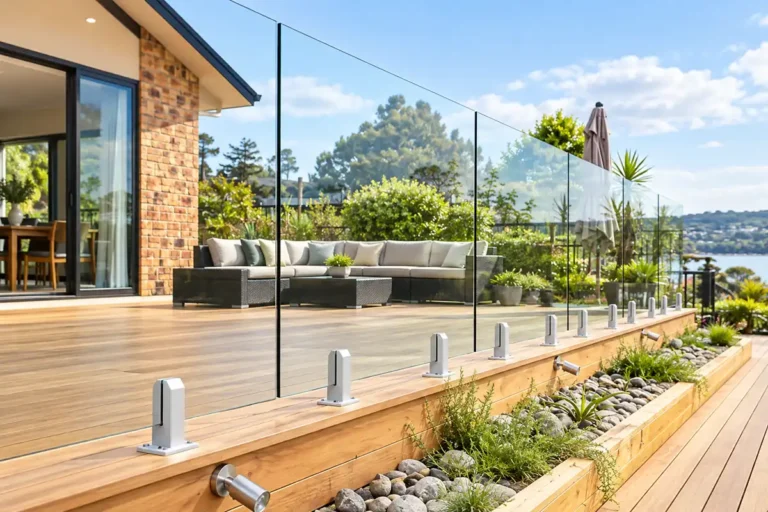
A Frameless Cable Railing design focuses on creating a nearly invisible safety barrier.
These systems reduce visual obstruction and create a clean architectural appearance.
They are popular in:
- Luxury homes
- Modern villas
- Rooftop terraces
- Premium commercial spaces
Frameless designs are especially valuable where maintaining a beautiful view is important.
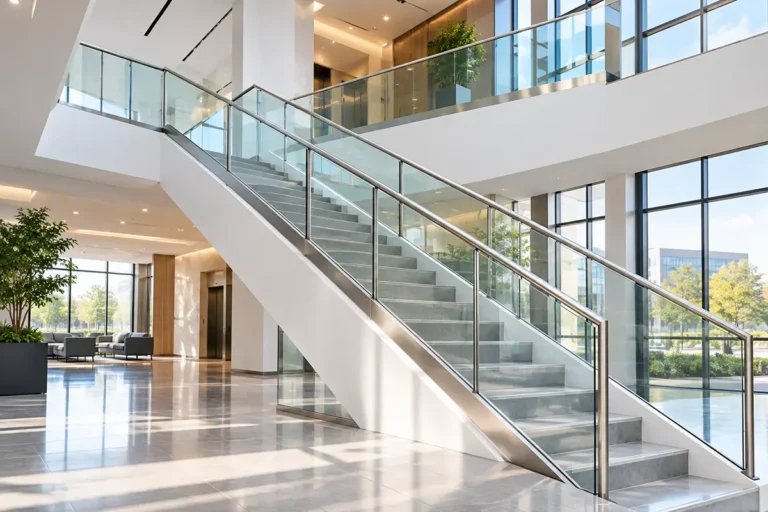
UNIKIM also provides modern railing solutions including glass railing systems:
https://urailing.com/glass-railing-systems-supplier/
For customers interested in frameless designs:
https://urailing.com/product-category/frameless-glass-railing-systems/
Custom Cable Railing Systems for Unique Projects
Every construction project has different requirements. Standard railing designs may not always fit complex spaces.
Custom Cable Railing Systems allow architects and contractors to create solutions based on:
- Unique layouts
- Different angles
- Special dimensions
- Specific architectural styles
Customization options may include:
- Different post designs
- Custom finishes
- Special mounting solutions
- Different cable arrangements
UNIKIM works with customers who need customized railing components for residential and commercial projects.
You can explore more product options including post handrail systems:
https://urailing.com/product-category/post-handrail-system/
How to Choose the Best Cable Railing System
Before purchasing a railing system, consider these important factors.
1. Check Material Quality
Always verify stainless steel grade and manufacturing quality.
A cheaper product may reduce initial costs but create higher maintenance expenses later.
2. Select the Right Design
Choose a style that matches your property.
For example:
- Outdoor decks work well with stainless steel cable designs.
- Luxury properties may benefit from frameless solutions.
- Commercial buildings may require stronger systems.
3. Evaluate Hardware Quality
The cable, fittings, and tensioning system must work together.
Reliable Cable Railing Components improve safety and durability.
4. Consider Installation Requirements
Professional installation ensures:
- Correct cable tension
- Proper spacing
- Secure connections
- Long-term performance
Why Choose UNIKIM Cable Railing Solutions?
UNIKIM focuses on providing reliable and modern railing solutions for global customers.
The company offers:
Complete product solutions:
From cables and posts to fittings and accessories.
Quality stainless steel materials:
Designed for durability and professional applications.
Modern architectural designs:
Suitable for residential and commercial projects.
Customization support:
Helping customers develop unique railing solutions.
Final Summary
Choosing the right Cable Railing Systems requires careful attention to material quality, design, safety standards, and long-term performance.
A high-quality system combines stainless steel cables, strong posts, reliable fittings, and proper tensioning hardware to create a safe and attractive railing solution.
Whether you need a residential deck railing, commercial installation, balcony system, or architectural project, UNIKIM provides durable cable railing solutions designed for modern construction needs.
With the right specifications and professional installation, Cable Railing Systems can improve both the safety and visual appeal of any property.
FAQs
1. What are Cable Railing Systems made of?
Most modern Cable Railing Systems use stainless steel cables, posts, fittings, and tensioning hardware. Stainless steel provides strength, corrosion resistance, and a clean architectural appearance.
2. How much do Cable Railing Systems cost?
The cost of Cable Railing Systems depends on material grade, design, installation, and project size. Premium stainless steel systems usually provide better long-term value.
3. Are Cable Railing Systems safe for residential decks?
Yes, properly installed Cable Railing Systems meet common safety requirements when cable spacing, height, and structural strength follow local building codes.
4. Which stainless steel is best for outdoor railing?
For outdoor projects, many professionals recommend 316 stainless steel because it offers excellent corrosion resistance. Quality Cable Railing Systems with marine-grade materials perform well in harsh environments.
5. Can Cable Railing Systems be customized?
Yes. Many manufacturers provide custom Cable Railing Systems with different post styles, finishes, dimensions, and installation options.