Today’s modern construction landscape, Frameless Glass Railing Systems have become a defining feature for balconies and decks. Contractors, architects, and developers increasingly choose these systems for their sleek appearance, durability, and ability to maximize views. Whether you’re working on a residential project or a large commercial build, understanding how these systems function—and how to choose the right one—is essential.
This complete buyer’s guide breaks down everything contractors need to know. From materials and installation methods to cost considerations and performance factors, you’ll gain practical insights that help you make confident decisions on every project.
If you’re exploring high-quality systems, platforms like
Unikim offer a wide range of engineered solutions designed for both performance and aesthetics.
What Are Frameless Glass Railing Systems?
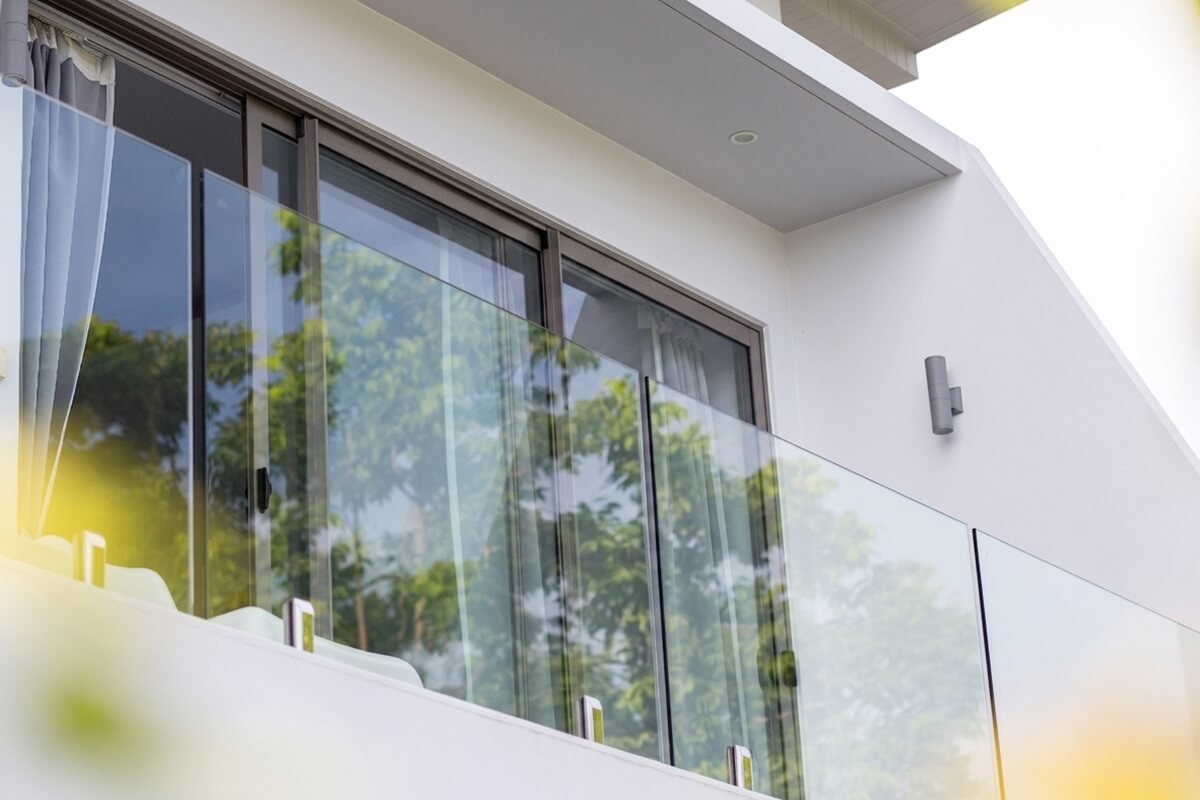
Frameless Glass Railing Systems are safety barriers made of tempered or laminated glass panels without visible frames or posts. Instead of traditional metal or wood railings, these systems use minimal hardware—often aluminum base shoes or stainless steel clamps—to secure the glass.
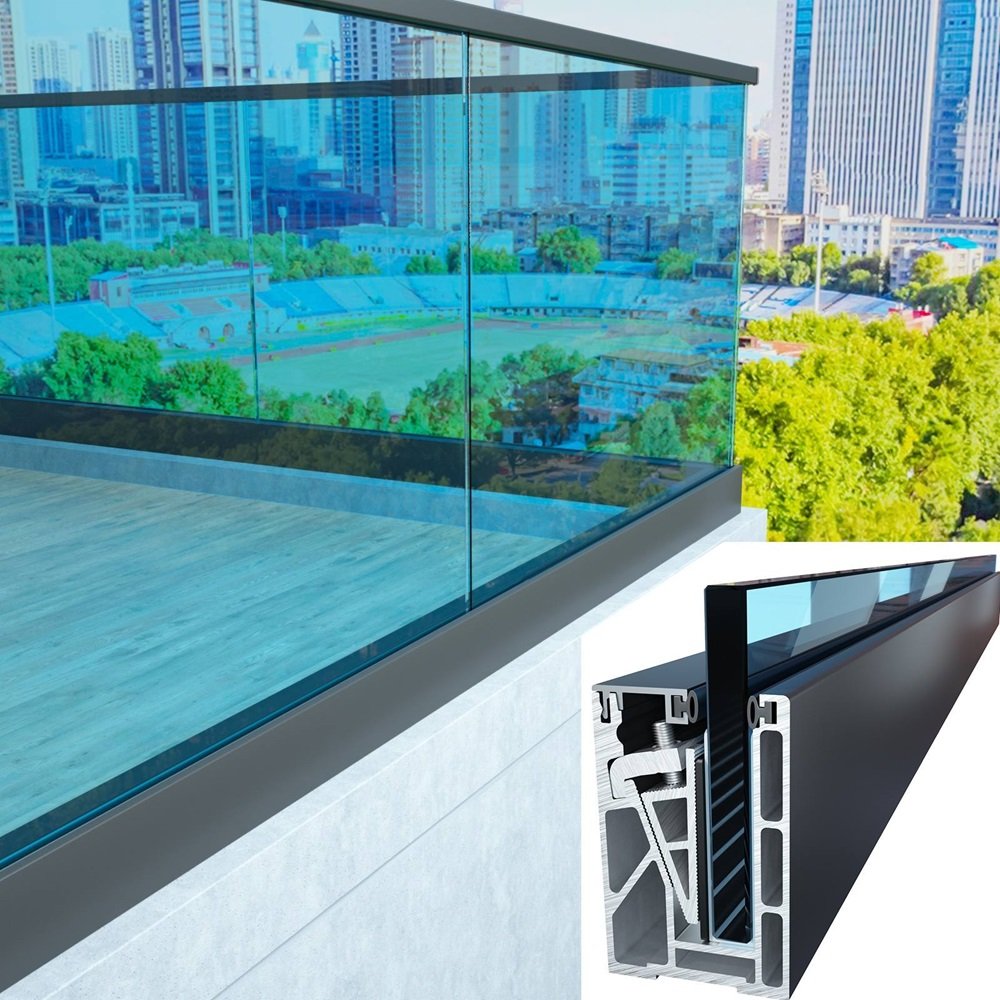
The result is a clean, uninterrupted view that enhances both indoor and outdoor spaces.
For a deeper understanding of railing fundamentals, you can explore: what is a railing system
Why Contractors Prefer Frameless Glass Railing Systems
Aesthetic Appeal Meets Functionality
Modern clients demand more than safety—they want elegance. Frameless systems deliver both. The transparency of glass allows natural light to flow freely, making spaces feel larger and more open.
Increased Property Value
According to real estate trend analyses, properties with modern architectural elements such as glass railings often command higher resale values. Buyers associate them with luxury and contemporary design.
Durability and Strength
High-quality Frameless Glass Railing Systems use tempered or laminated glass. These materials are designed to withstand impact, weather, and temperature changes.
To understand durability in detail: durability of tempered frameless glass railings
Types of Frameless Glass Railing Systems
Base Shoe System
This is the most common option. An aluminum channel (base shoe) anchors the glass panels to the floor. It provides strong support and a seamless appearance.
Clamp System
Glass panels are held using stainless steel clamps. This method works well for smaller installations and retrofits.
Learn installation techniques here: how to install frameless glass railing clamps
Standoff System
Glass panels are mounted using circular standoffs attached to the side of the structure. This creates a floating visual effect.
Spigot System
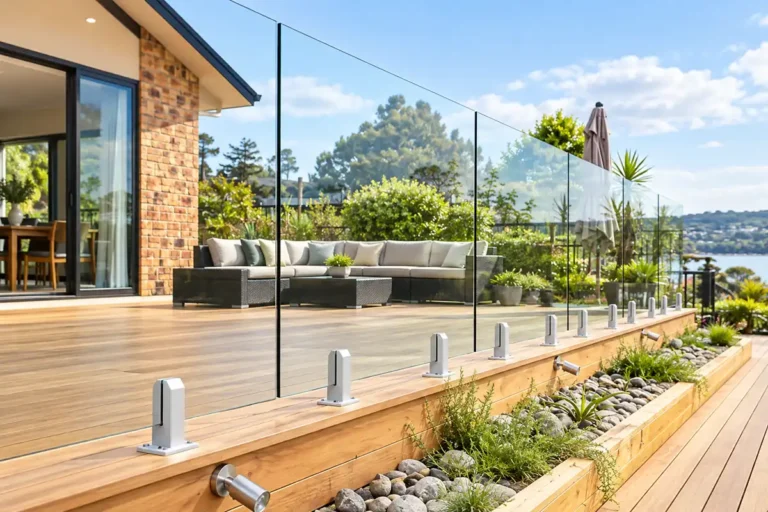
Spigots are compact mounting fixtures that hold the glass panels at the base. They are popular for pool areas and decks.
Materials Used in Frameless Glass Railing Systems
Understanding materials helps contractors ensure long-term performance.
Tempered Glass
Tempered glass is heat-treated for strength. If it breaks, it shatters into small, blunt pieces rather than sharp shards.
Laminated Glass
Laminated glass includes a plastic interlayer that holds fragments together even when broken. This makes it ideal for high-rise buildings.
Aluminum and Stainless Steel Hardware
Corrosion-resistant metals are essential for outdoor applications. Aluminum base shoes and stainless steel clamps provide structural integrity and longevity.
Key Buying Factors for Contractors
Safety Standards and Compliance
Every project must meet local building codes. Glass thickness, height, and load requirements vary by region.
Installation Method
Ease of installation can significantly impact labor costs. Some systems are modular and contractor-friendly.
For full installation guidance: how to install frameless glass railings
Wind Load Resistance
High-rise balconies and exposed decks require systems tested for wind pressure.
Maintenance Requirements
Glass railings are easy to maintain but require regular cleaning to retain clarity.
Cost vs. Value
While initial costs may be higher than traditional railings, Frameless Glass Railing Systems provide long-term value through durability and aesthetics.
Cost Breakdown of Frameless Glass Railing Systems
| Component | Average Cost (USD) |
|---|---|
| Tempered Glass Panels | $50 – $150 per sq ft |
| Aluminum Base Shoe | $100 – $300 per linear ft |
| Installation Labor | $50 – $100 per hour |
| Hardware (Clamps, etc.) | $20 – $80 each |
Prices vary depending on project size, location, and customization.
Pros and Cons of Frameless Glass Railing Systems
Advantages
The biggest advantage is visual appeal. These systems create a modern, high-end look. They also provide unobstructed views, which is crucial for scenic properties.
Another key benefit is durability. High-quality glass and hardware can last decades with proper maintenance.
Disadvantages
Cost remains the primary drawback. Installation requires precision, which increases labor expenses.
Additionally, glass surfaces can show fingerprints and smudges, requiring regular cleaning.
For a balanced view: the pros and cons of frameless glass railing
Applications: Where Frameless Glass Railings Work Best
Residential Balconies
Homeowners love the open view and modern feel.
Outdoor Decks
Decks benefit from wind resistance and durability.
Commercial Buildings
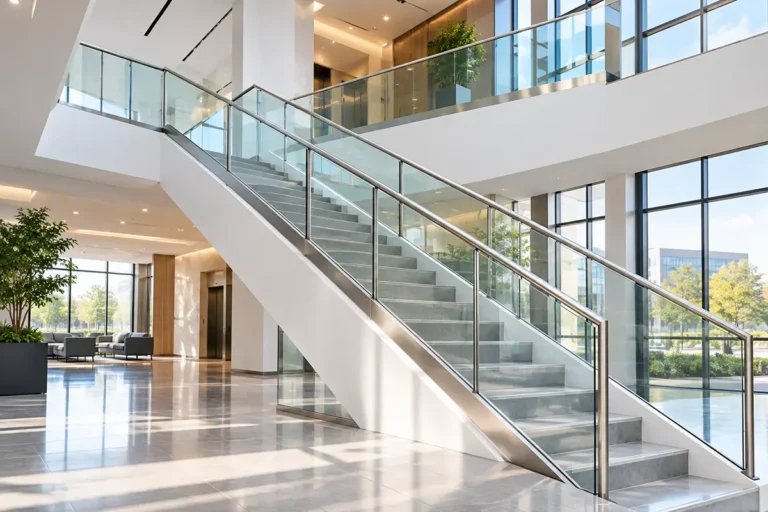
Hotels, offices, and shopping centers use glass railings to create premium aesthetics.
Explore balcony solutions: glass railing system for balcony wholesale
Installation Tips for Contractors
Installing Frameless Glass Railing Systems requires attention to detail.
First, ensure the base surface is level and structurally sound. Any unevenness can compromise alignment.
Next, measure accurately. Even small errors can lead to costly adjustments.
Use high-quality anchors and fasteners. Poor hardware can reduce system strength.
Finally, always follow manufacturer guidelines. This ensures safety and warranty compliance.
Choosing the Right Supplier
Selecting a reliable supplier is just as important as choosing the system.
Look for suppliers with:
- Proven industry experience
- High-quality materials
- Certification compliance
- Technical support
For additional sourcing insights, platforms like unikimchina.en.made-in-china
can provide manufacturer-level information and product comparisons.
You can also explore installation and product demonstrations here: youtube@unikimrailings8270
For direct inquiries or custom solutions: Unikim contact
Summary
Frameless Glass Railing Systems are a top choice for contractors seeking modern, durable, and high-value solutions for balconies and decks. They combine aesthetics with strength, offering unobstructed views and long-term performance.
Although the upfront investment is higher, the benefits—enhanced property value, client satisfaction, and design flexibility—make them a smart choice for today’s construction projects.
If you’re planning your next project, investing in high-quality Frameless Glass Railing Systems will ensure both structural integrity and visual excellence.
FAQs
Q. Are frameless glass railing systems safe for high-rise buildings?
A. Yes, Frameless Glass Railing Systems are designed to meet strict safety standards. When installed correctly with laminated glass, they provide excellent protection even in high-rise environments.
Q. How long do frameless glass railing systems last?
A. With proper maintenance, Frameless Glass Railing Systems can last over 20 years. High-quality materials resist corrosion and weather damage.
Q. Are frameless glass railing systems expensive?
A. While initial costs are higher, Frameless Glass Railing Systems offer long-term value through durability, low maintenance, and increased property appeal.
Q. Can contractors install frameless glass railing systems easily?
A. Yes, modern Frameless Glass Railing Systems are designed for efficient installation. However, precision and proper tools are essential.
Q. Do frameless glass railing systems require maintenance?
A. Yes, but maintenance is minimal. Regular cleaning keeps Frameless Glass Railing Systems clear and visually appealing.