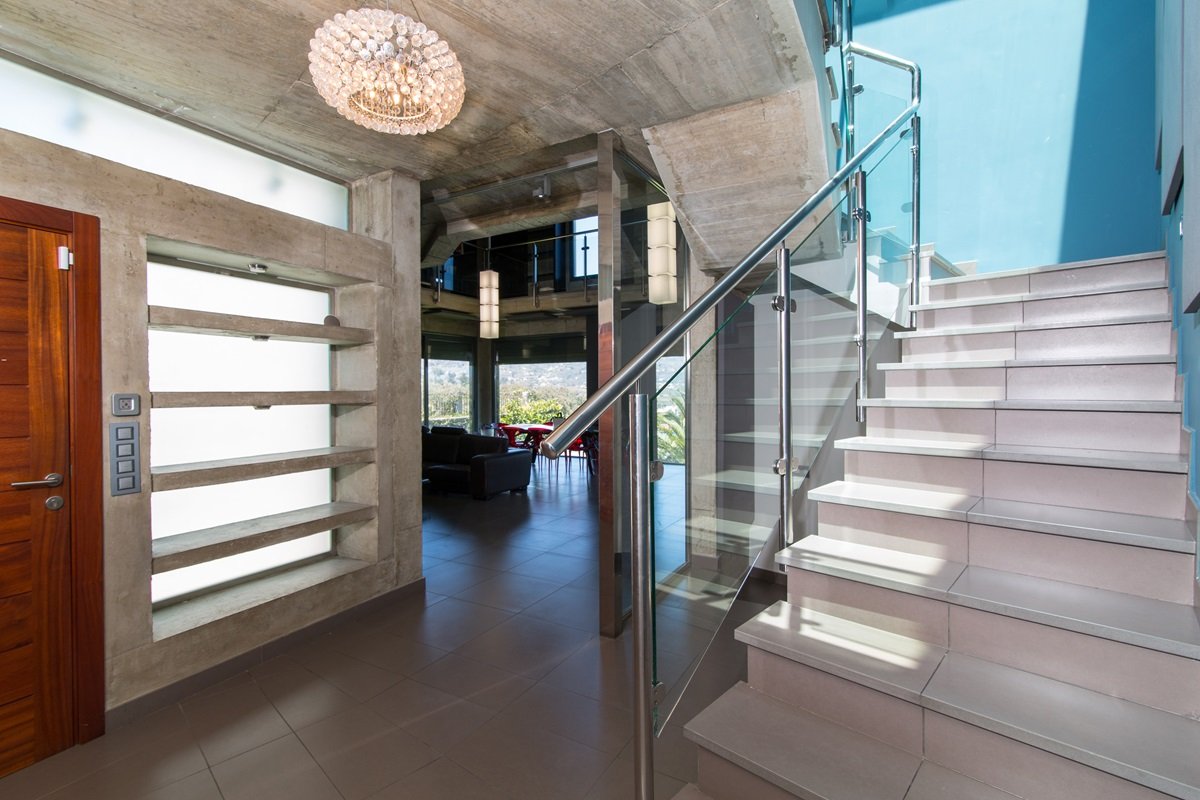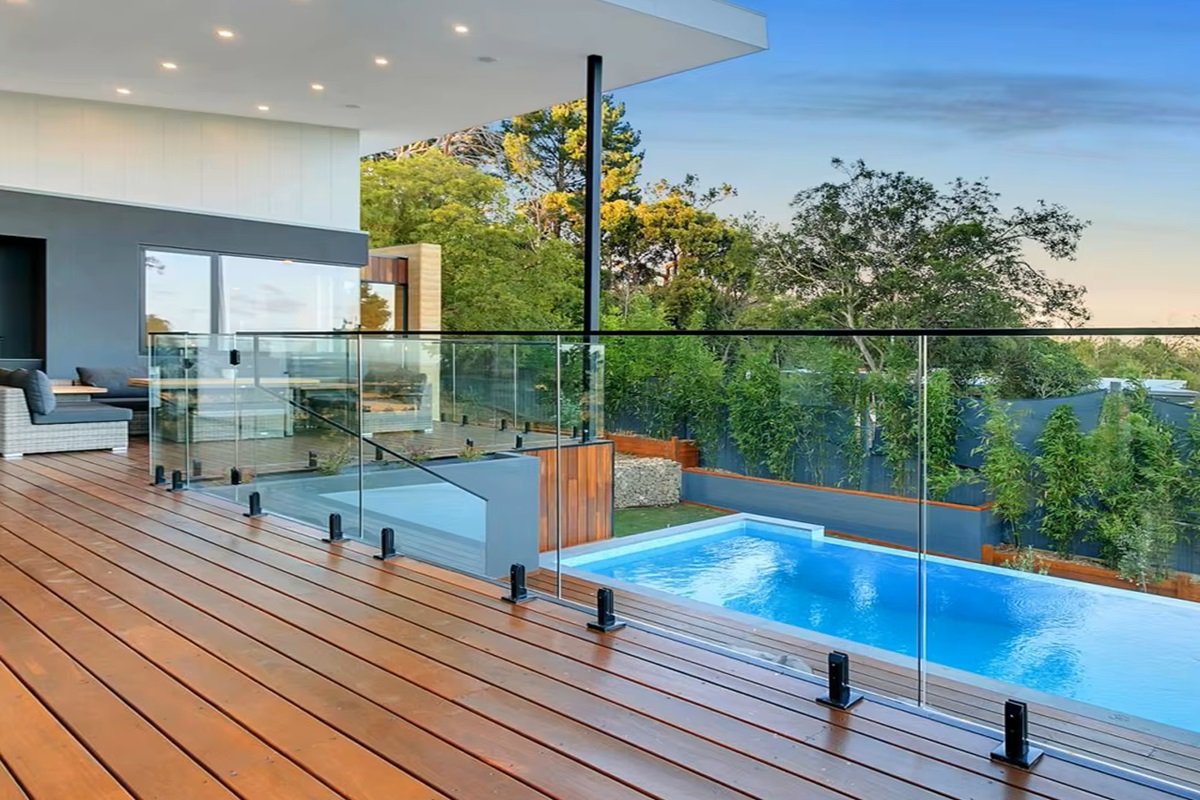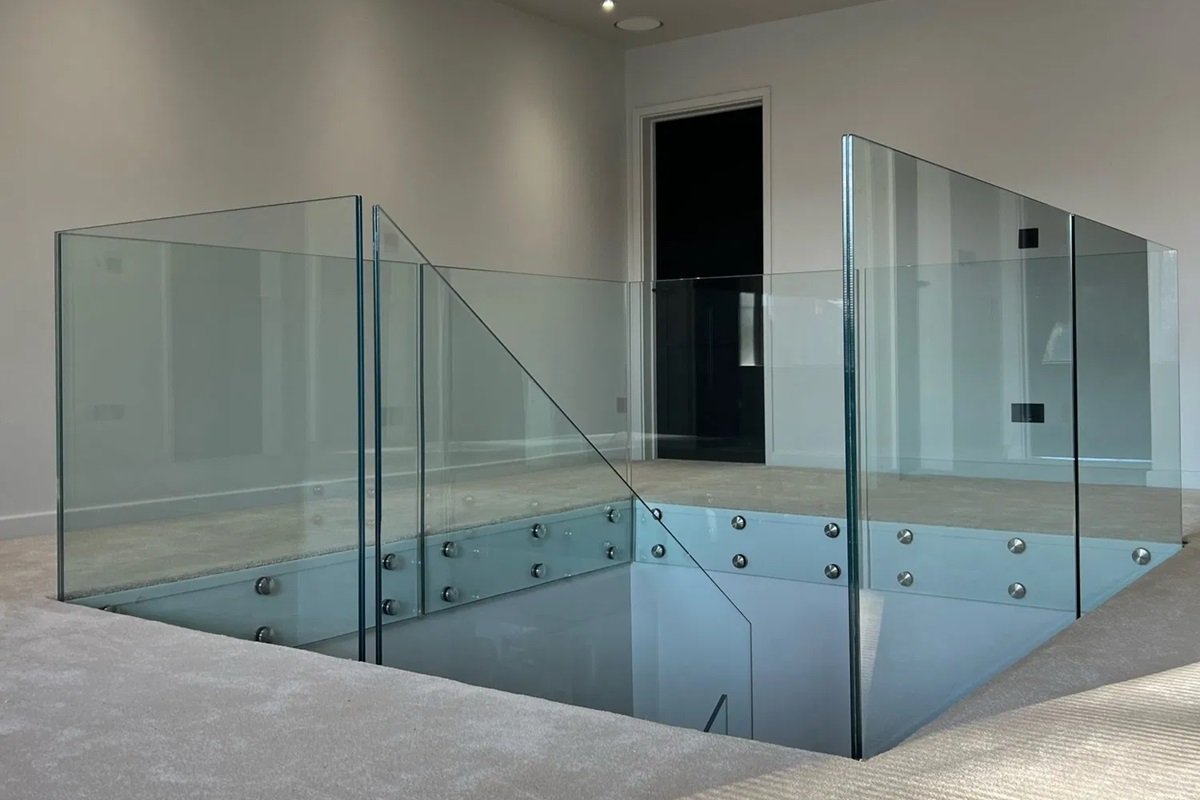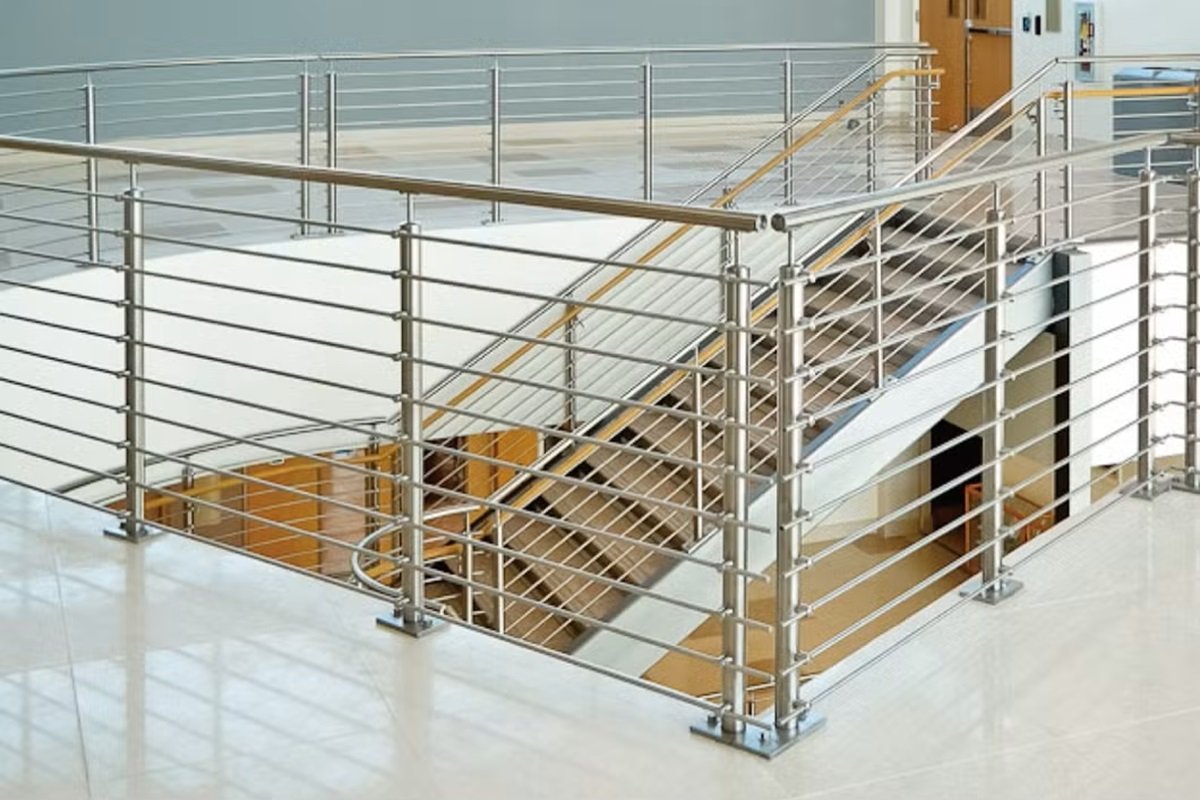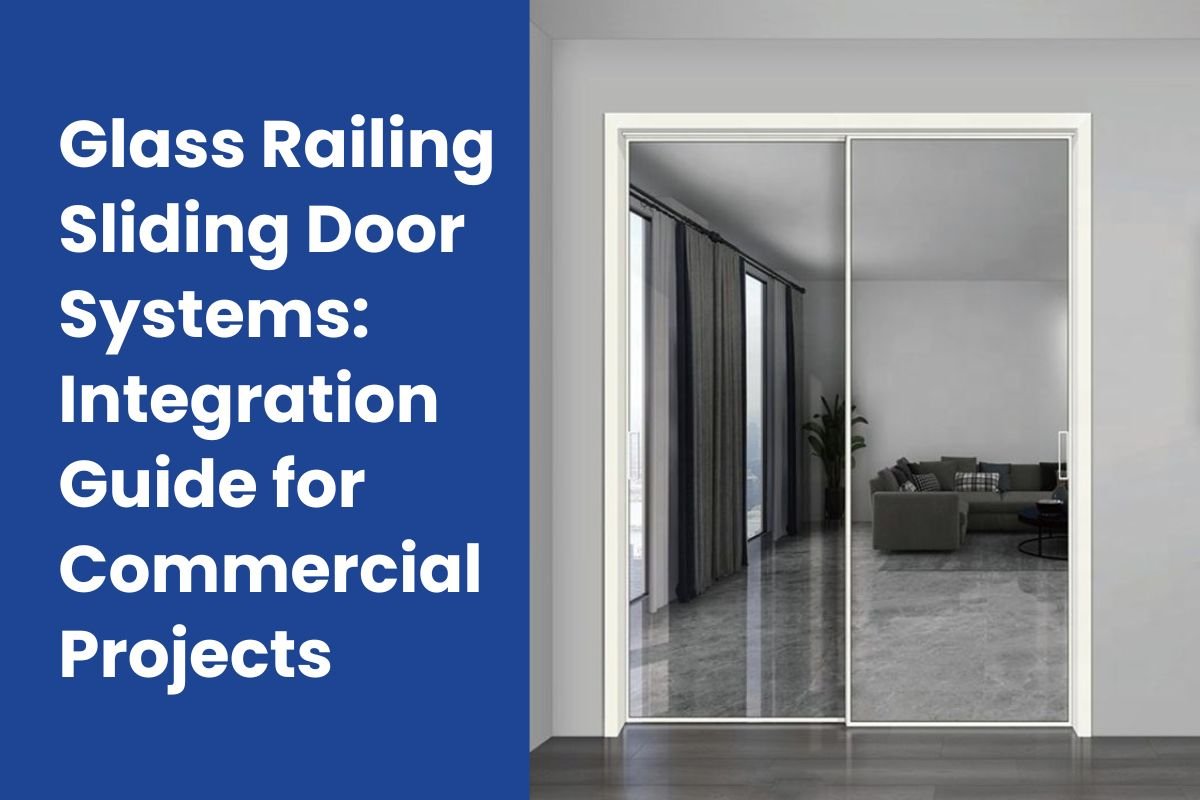
Modern commercial architecture no longer treats railings and doors as separate design elements. In high-traffic environments like hotels, office towers, retail centers, and mixed-use developments, Glass Railing Sliding Door Systems have become an integrated solution—merging safety, transparency, circulation efficiency, and architectural continuity into a single, cohesive system.
Instead of visual barriers, today’s designers favor seamless transitions. Glass railings guide movement and protect occupants, while sliding glass doors maintain openness without sacrificing control. When thoughtfully integrated, these systems elevate the user experience, simplify compliance, and reinforce a premium brand image.
This guide explores how Glass Railing Sliding Door Systems are specified, engineered, and installed in commercial projects, with a practical focus on performance, compliance, materials, and long-term value.
Why Glass Railing Sliding Door Systems Are Redefining Commercial Spaces
Commercial buildings face pressures that residential projects rarely encounter. Higher occupant loads, stricter safety codes, continuous operation, and brand perception all influence material decisions. Glass systems respond to these demands by offering clarity, durability, and flexibility in a single architectural language.
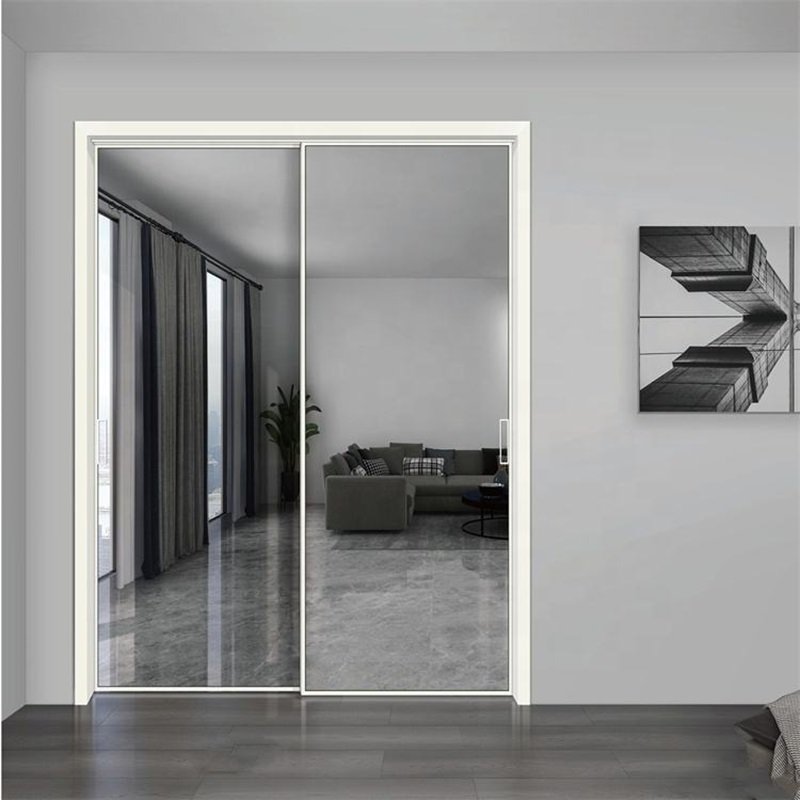
Unlike traditional framed partitions, integrated glass railing and sliding door systems preserve sightlines across floors, corridors, balconies, and transitional zones. This openness improves wayfinding, enhances natural daylight penetration, and reduces the visual clutter common in commercial interiors.
According to data published by architectural daylighting studies, increased daylight access can improve occupant satisfaction and productivity by over 15 percent in commercial environments. This is one reason architects increasingly specify systems that combine glass railing protection with sliding access control.
For a deeper background on sliding glass door evolution and usage, the historical overview on sliding glass doors offers helpful context.
Glass Railing Sliding Door Systems in Commercial Architecture
At a functional level, Glass Railing Sliding Door Systems combine two structural components that traditionally operate independently. The railing provides fall protection and code compliance, while the sliding door manages access, airflow, and spatial separation.
In modern commercial design, these systems often share hardware, alignment tolerances, finishes, and structural support strategies. This unified approach reduces installation complexity and ensures consistent performance across large projects.
In practice, designers frequently integrate sliding doors within glass balustrade lines on terraces, sky bridges, mezzanines, and perimeter walkways. When executed correctly, the transition between fixed railing glass and operable door panels becomes nearly invisible.
Manufacturers like unikim specialize in providing system-level solutions rather than isolated components, allowing architects and contractors to maintain visual and technical consistency throughout the project.
Key Commercial Applications and Use Cases
Commercial applications for Glass Railing Sliding Door Systems continue to expand as materials and hardware improve. Hospitality projects frequently use these systems to connect indoor lounges with outdoor terraces, creating flexible spaces that adapt to weather and occupancy.
In office buildings, glass railing sliding door integrations appear in stairwells, breakout balconies, and shared amenity floors. Retail developments use them to define storefront boundaries while preserving transparency and foot traffic visibility.
Transportation hubs and public buildings rely on these systems to maintain controlled access while meeting strict safety and durability requirements. In all cases, the goal remains the same: guide movement without interrupting visual flow.
URailing explores these use cases further in its detailed comparison of sliding door systems for indoor vs outdoor applications, which is especially useful for mixed-environment projects.
Structural Integration: Where Railing Meets Sliding Door
Successful integration begins at the structural level. Glass railing systems are typically designed to resist horizontal loads, while sliding doors must accommodate dynamic movement, wind pressure, and repetitive operation.
When these systems intersect, load paths must remain independent yet coordinated. For example, railing glass panels are often fixed into base channels or spigots, while sliding door panels require track systems that allow smooth motion without compromising safety.
Commercial architects increasingly favor slot tube railing systems because they allow precise alignment between fixed and operable glass. Products such as URailing’s stainless steel glass railing fitting slot tube provide a clean interface between railing and door zones.
The result is a continuous glass line that meets structural demands without visual interruption.
Material Selection for High-Traffic Commercial Environments
Material choice plays a critical role in the longevity of Glass Railing Sliding Door Systems. Commercial projects demand resistance to corrosion, impact, temperature fluctuations, and daily wear.
Stainless steel remains the preferred material for hardware and fittings due to its strength and corrosion resistance. Grades like 304 and 316 stainless steel are commonly specified depending on indoor or coastal exposure conditions.
Aluminium framing also plays a growing role, especially in projects requiring lightweight strength and design flexibility. URailing’s analysis of aluminium-framed sliding glass doors highlights how modern aluminium systems now meet commercial durability standards while offering slimmer profiles.
For doors and railing glass, tempered and laminated safety glass are mandatory in most jurisdictions. Laminated glass adds redundancy, ensuring that even if breakage occurs, the panel remains intact.
Hardware Compatibility and System Performance
Hardware compatibility often determines whether an integrated system succeeds or fails. Sliding door rollers, tracks, locking mechanisms, and railing fittings must work together under continuous use.
Commercial projects typically require heavy-duty rollers rated for tens of thousands of cycles. Stainless steel hardware with precision bearings ensures consistent movement even under large glass panel weights.
URailing’s OEM and ODM stainless steel glass sliding door hardware solutions are designed specifically for this purpose, allowing custom configurations that align with railing systems already in place.
When hardware is engineered as a system rather than assembled from mixed suppliers, long-term performance improves and maintenance costs decrease.
Safety Codes, Compliance, and Load Requirements
Safety compliance is non-negotiable in commercial projects. Glass Railing Sliding Door Systems must meet local and international building codes related to fall protection, impact resistance, and accessibility.
Most commercial railings must resist horizontal loads ranging from 0.75 to 1.5 kN/m, depending on occupancy type. Sliding doors must also comply with egress requirements, ensuring occupants can exit safely during emergencies.
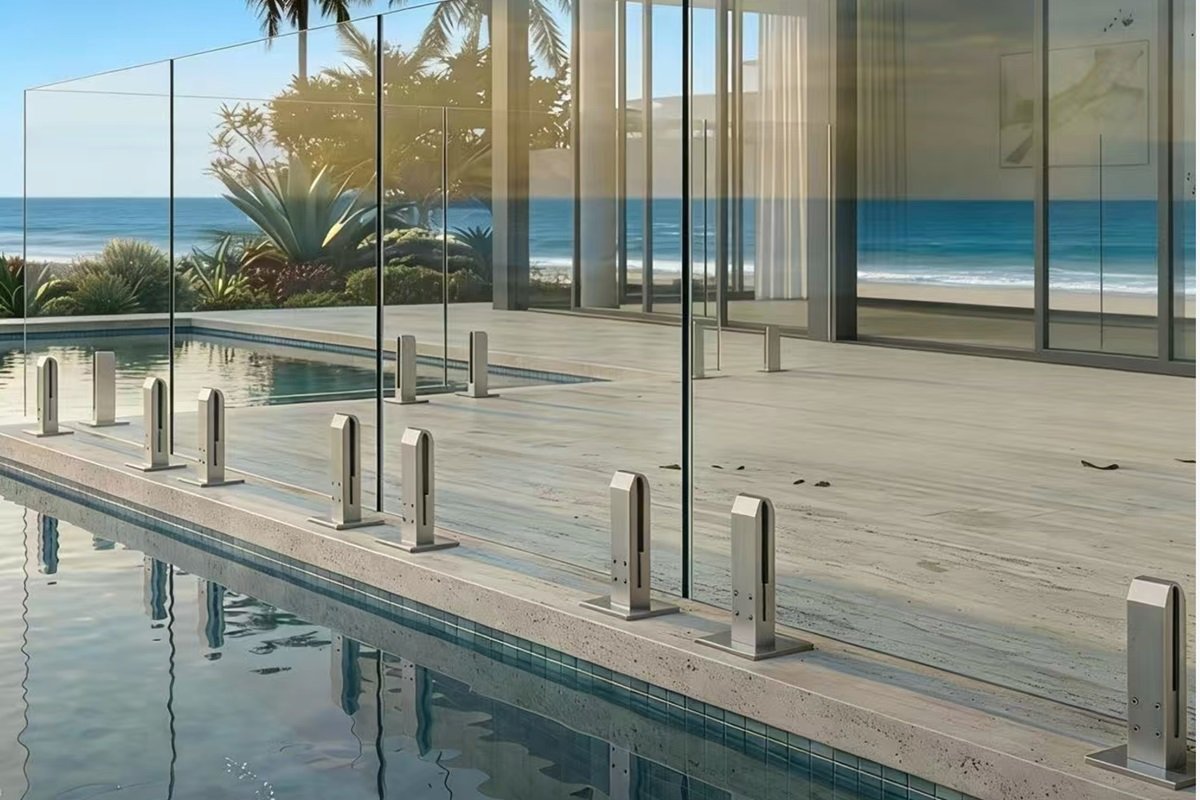
Glass spigot systems are often used to meet these standards while maintaining visual clarity. URailing provides installation insights in its guide to glass spigot railing systems, which explains how spigots distribute loads effectively without bulky framing.
Design teams must coordinate early with code consultants to ensure that integrated systems meet both railing and door regulations simultaneously.
Visual Consistency and Architectural Branding
In commercial environments, visual consistency reinforces brand identity. Hotels, corporate offices, and retail chains often require uniform finishes and detailing across multiple locations.
Integrated it support this goal by allowing matching finishes, hardware profiles, and glass specifications throughout a project. Stainless steel spigots, for example, can be used across balconies, staircases, and sliding door zones.
URailing offers a wide range of spigot designs, including glass balustrade spigots, pool fencing spigots, and black-finished staircase spigots, allowing designers to maintain a consistent aesthetic across diverse applications.
Integration with Cable and Hybrid Railing Systems
Not all commercial projects rely solely on glass. Hybrid solutions combining glass panels, cable railings, and sliding doors are increasingly popular in industrial-inspired or outdoor commercial spaces.
Cable railing systems offer ventilation and visual lightness while maintaining safety. When paired with glass sliding doors, they create layered transparency and texture.
URailing’s exploration of stainless steel cable railing trends and the benefits of cable systems provides insight into how these systems complement glass door integrations in modern commercial architecture.
Installation Planning and Project Coordination
Installation planning often determines project success more than product selection. Integrated systems require precise coordination between structural engineers, façade consultants, and installers.
Glass railing base channels and sliding door tracks must align within tight tolerances. Any deviation can affect door operation or compromise railing stability.
Experienced suppliers like URailing support contractors through detailed shop drawings, pre-assembly options, and technical consultation. For international reference, manufacturers such as Unikim China and educational resources from Unikim’s YouTube channel provide visual guidance on installation best practices.
Maintenance, Durability, and Lifecycle Value
Commercial owners increasingly evaluate systems based on lifecycle cost rather than initial price. Glass Railing Sliding Door Systems perform well in this regard due to their durability and ease of maintenance.
Stainless steel hardware resists corrosion and staining, while tempered and laminated glass require minimal upkeep. Regular inspection of rollers and seals ensures smooth operation over time.
Compared to framed partitions or solid barriers, integrated glass systems reduce long-term refurbishment costs by maintaining their appearance and functionality for decades.
Global Design Trends Influencing Commercial Integration
Globally, commercial architecture continues to move toward transparency, flexibility, and modular construction. Integrated glass systems align perfectly with these trends.
In regions like Canada, where climate considerations are critical, designers rely on robust glass railing and sliding door systems for outdoor decks and terraces. URailing’s overview of glass railing systems for decks in Canada illustrates how these principles translate across markets.
As sustainability and occupant wellness gain importance, systems that maximize daylight and visual connection will continue to dominate commercial design.
Choosing the Right Partner for Your Project
Selecting the right supplier is just as important as choosing the right system. Commercial projects benefit from partners who understand code compliance, customization, and large-scale coordination.
URailing works closely with architects, contractors, and developers to deliver integrated solutions tailored to project requirements. For consultation or project-specific support, the unikim contact page provides direct access to technical assistance.
Summary
Glass Railing Sliding Door Systems offer a rare combination of safety, elegance, and performance. By integrating railings and sliding access into a unified system, designers create spaces that feel open, efficient, and future-ready. With proper planning, material selection, and experienced partners like Unikim, these systems deliver long-term value across a wide range of commercial applications.
FAQs
What makes Glass Railing Sliding Door Systems suitable for commercial projects?
Glass Railing Sliding Door Systems are designed to handle high traffic, meet strict safety codes, and maintain visual openness in commercial environments.
Can Glass Railing Sliding Door Systems be customized for different building types?
Yes, it is can be customized in terms of glass thickness, hardware finishes, and configurations to suit hotels, offices, and retail spaces.
Are Glass Railing Sliding Door Systems compliant with international safety standards?
Properly engineered this Systems meet international building codes when specified with certified glass and tested hardware.
How do Glass Railing Sliding Door Systems perform in outdoor commercial areas?
With corrosion-resistant materials and laminated glass, Glass Railing Sliding Door Systems perform reliably in outdoor and semi-exposed environments.
Do Glass Railing Sliding Door Systems require frequent maintenance?
Glass Railing Sliding Door Systems require minimal maintenance, mainly periodic cleaning and inspection of rollers and fittings.