A safe railing doesn’t start with the rail. It starts with the Handrail Post Bracket—the small piece of hardware holding the entire system together. When that bracket bends, pulls loose, or corrodes, the whole railing becomes a hazard. Many low-quality brackets fail long before they should, especially outdoors or on stairways. That puts installers, suppliers, and property owners at serious risk. But with the right safety standards and testing guidelines, you can avoid weak components and choose brackets that stand up to real pressure, real loads, and real environments.
A loose or improperly installed handrail post bracket can turn a safe railing into a hazard. Whether you’re designing a staircase, balcony, or pool deck, the stability of your railing system hinges on the quality and installation of its handrail post brackets. These small but crucial components ensure safety, durability, and compliance with building codes. At Unikim Metals, we’ve been manufacturing premium handrail post brackets for over 20 years, ensuring they meet the highest safety standards. In this blog, we’ll explore the safety standards, materials, and installation tips you need to know to ensure your railings are secure and reliable.
Why Handrail Post Bracket Safety Matters
Handrail post brackets are the unsung heroes of any railing system. They connect the handrail to the post, ensuring stability and load-bearing capacity. A poorly designed or installed bracket can lead to accidents, injuries, and costly repairs. This is especially critical in high-traffic areas like staircases, balconies, and public spaces.
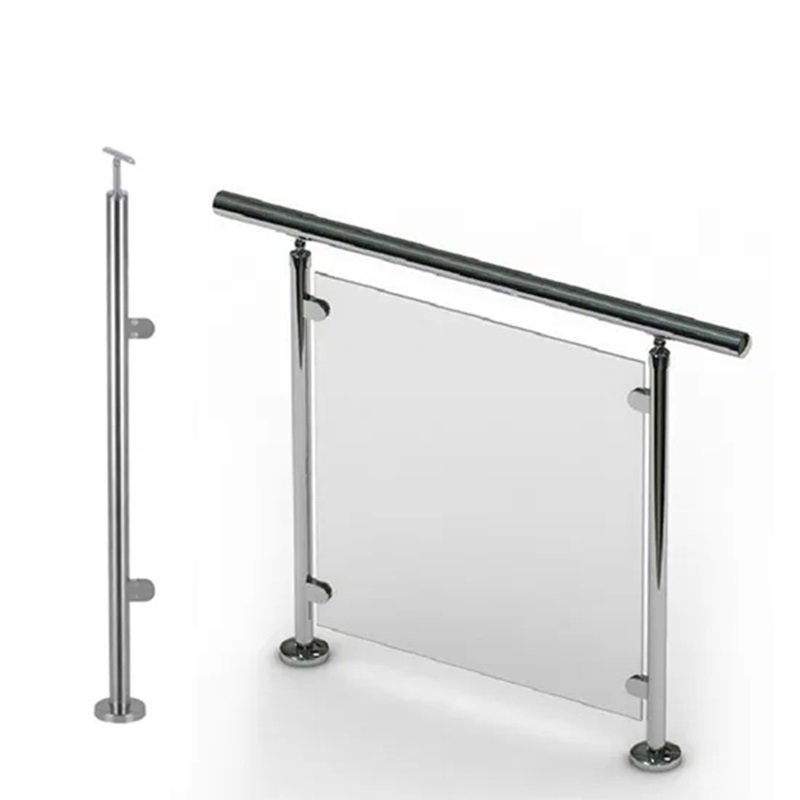
Safety standards for handrail post brackets vary by region but generally adhere to guidelines like the International Building Code (IBC) and OSHA requirements. These standards specify load-bearing capacity, material durability, and installation methods. For example, a wooden handrail post bracket must resist warping and decay, while a metal handrail post bracket should be corrosion-resistant, especially for outdoor use.
Why Safety Standards Matter After Every Installation
Railings look simple, but the engineering behind them is serious. Each Handrail Post Bracket acts as a structural anchor point. If even one bracket fails, the entire railing becomes compromised.
What railings experience daily:
- Downward force from people leaning
- Outward force when someone stumbles
- Vibrations from foot traffic
- Environmental damage
- Load from the hand pulling up or sideways
Codes like IRC and IBC treat these brackets as major safety components. That means they must withstand strict load tests and long-term durability checks. Weak brackets lead to injuries, legal issues, and avoidable replacement costs.
Material Selection and Its Impact on Handrail Post Bracket Safety
The material you choose directly affects safety performance. Each material brings advantages and limitations that influence where and how you can use it.
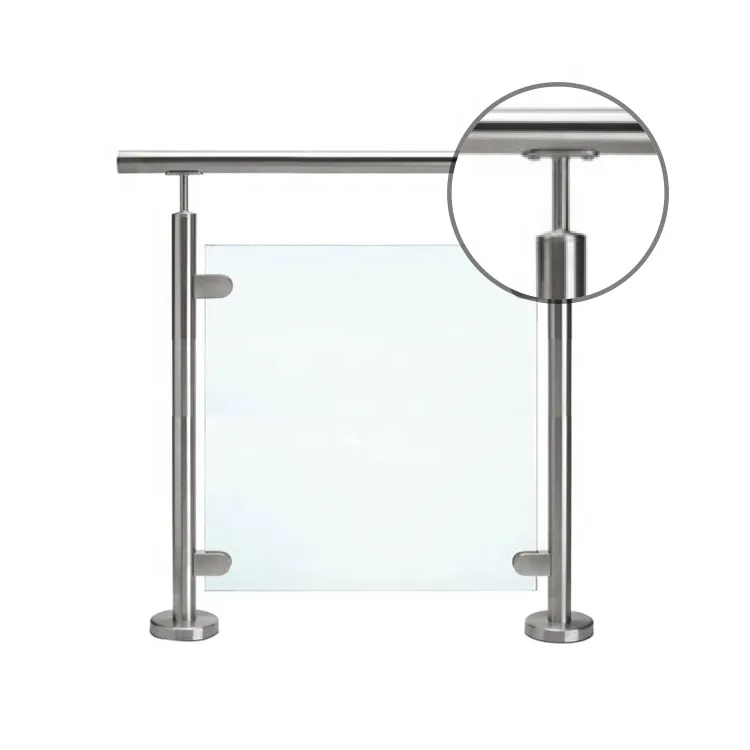
Stainless steel brackets dominate commercial applications for good reason. Grade 304 stainless offers excellent corrosion resistance for indoor environments. Grade 316 adds molybdenum for superior performance in coastal or chemical exposure settings. A metal handrail post bracket in 316-grade stainless can handle both the load requirements and environmental challenges of seaside boardwalks or industrial facilities.
Load capacity depends on material thickness and design. A stamped steel bracket might use 14-gauge metal, while a cast bracket could be substantially thicker. Thicker materials handle higher loads but cost more. Your specification should match the application—residential decks need less robust brackets than public stadium stairs.
Aluminum brackets offer a lightweight alternative with good corrosion resistance. Marine-grade aluminum alloys work well for outdoor applications where weight matters. However, aluminum’s lower tensile strength compared to steel means you need larger brackets or closer post spacing to achieve the same load capacity. When specifying aluminum brackets, verify that the design compensates for the material’s properties.
Wood brackets serve specific aesthetic purposes but require careful engineering. A wooden handrail post bracket might use laminated hardwood or engineered lumber to achieve necessary strength. The grain orientation, moisture content, and fastener schedule all affect safety. Wood brackets need protection from weather exposure. Most codes require additional inspections for wooden structural components.
Zinc alloy brackets appear in some residential applications. They’re economical and suitable for light-duty indoor use. However, zinc lacks the strength and durability for demanding commercial projects. Experienced specifiers reserve zinc brackets for decorative applications where structural loads are minimal.
Material certifications matter as much as material type. Reputable manufacturers provide mill certificates documenting chemical composition and mechanical properties. This documentation proves compliance during inspections and provides liability protection if issues arise later.
Design Features That Enhance Bracket Safety
Beyond material choice, specific design elements improve bracket performance and safety.
Base plate size distributes loads across the mounting surface. Larger base plates reduce stress concentration and improve pullout resistance. A bracket with a 4-inch square base plate performs better than one with a 2-inch base when mounted to wood framing. For 4×4 handrail post brackets, the base plate should extend beyond the post dimensions to fully capture the member.
Fastener configuration affects how well the bracket transfers loads. Multiple fasteners distributed across the base plate prevent rotation and improve shear resistance. Brackets designed for concrete mounting typically include expansion anchors sized for the expected loads. Those designed for wood framing specify lag screws with minimum embedment depths. Never substitute smaller or fewer fasteners than the manufacturer specifies.
Gussets and bracing strengthen the connection between the post socket and base plate. Right-angle connections without reinforcement create stress concentrations that can lead to failure. Quality brackets include internal or external gussets that triangulate loads. This design principle applies equally to wooden, metal, and composite brackets.
Post socket depth determines how well the bracket restrains the post. Shallow sockets allow more post movement, which stresses the connection over time. Deep sockets—typically 4 inches or more—provide better stability. The socket should also include set screws or through-bolts that positively lock the post in place. Friction alone doesn’t provide adequate security for safety-critical applications.
Corrosion protection extends bracket service life in challenging environments. Powder coating adds a protective barrier to steel brackets. Anodizing protects aluminum. Hot-dip galvanizing provides heavy-duty protection for outdoor industrial settings. An outdoor handrail post bracket without proper surface treatment will corrode, losing strength over time. Match the corrosion protection to the environment’s severity.
Explore our complete range of handrail bracket options designed for various applications and environments.
Material Selection: Choosing the Right Metal Handrail Post Bracket
The durability and longevity of a Handrail Post Bracket start with its material. For professional-grade railing systems, stainless steel, aluminum, and zinc are the primary choices, each suited for different applications and environments.
Unikim Metals applies its 20+ years of manufacturing experience to offer premium goods in high-grade AISI 304, 316, and 2205 stainless steel, aluminum, and zinc.
Stainless Steel Grades for Longevity
For outdoor handrail post bracket applications or high-traffic interior spaces, stainless steel is often unmatched. However, not all stainless steel is created equal.
- AISI 304: This is the most common grade. It offers excellent resistance to corrosion from atmospheric conditions and is ideal for dry, indoor, or mild outdoor environments. It provides great strength for a standard Handrail Post Bracket.
- AISI 316: Known as “marine grade,” 316 is essential for any installation near saltwater, industrial pollution, or areas frequently exposed to de-icing salts. The added molybdenum ensures superior resistance to chloride pitting. When supplying https://urailing.com/product/matte-black-stainless-steel-316-304-glass-railing-handrail/ components, we emphasize the correct 316 usage for exterior applications.
- AISI 2205 (Duplex): This grade provides extremely high strength and superior corrosion resistance. It is often specified for structural components or heavily exposed areas, offering a substantial margin of safety.
| Material Grade | Key Feature | Best Application |
| AISI 304 | Good strength, general corrosion resistance | Interior stairs, mild exterior, dry climates |
| AISI 316 | Excellent chloride resistance (Marine Grade) | Coastal areas, pool decks, near high-salt roads |
| AISI 2205 (Duplex) | High strength, supreme corrosion resistance | Structural support, demanding industrial settings |
Choosing the right grade minimizes the risk of component failure due to corrosion, a common cause of structural weakening over time.
Installation Best Practices for Code Compliance
Even the best bracket fails if installed incorrectly. Following proper installation procedures ensures your railing system performs as designed.
Substrate evaluation comes first. The bracket only performs well if the mounting surface can handle the loads. Concrete should be at least 2,500 PSI compressive strength. Wood framing needs adequate size and condition—attaching to rotten or undersized lumber compromises everything. When mounting to hollow metal posts or thin walls, through-bolting distributes loads more effectively than surface mounting alone.
Layout and spacing must follow the design specifications. Posts spacing typically ranges from 4 to 6 feet depending on the handrail material and bracket strength. Wider spacing increases the forces on each bracket. Building codes often specify maximum spacing. Verify your layout meets both the product specifications and local code requirements before starting installation.
Anchor installation requires precision. For concrete mounting, drill holes to the specified depth and diameter. Clean out debris before installing expansion anchors. Torque fasteners to manufacturer specifications—under-tightening reduces capacity while over-tightening can damage anchors. For wood mounting, drill pilot holes to prevent splitting. Use washers under bolt heads to prevent pull-through.
Plumb and level aren’t just aesthetic concerns. Out-of-plumb posts create uneven load distribution across brackets. Use a quality level to verify each post before final tightening. For handrail brackets for stairs, maintaining consistent angle and height ensures smooth handrail installation and proper load transfer.
Infill attachment affects the overall system performance. If you’re installing glass panels, cable rails, or balusters between posts, their connection method influences bracket loads. Rigid infills transfer more load to intermediate brackets. Flexible infills concentrate loads at end posts. Consider the complete system when specifying bracket strength.
Inspection checkpoints during installation catch problems early. Check that base plates sit flat against mounting surfaces with no gaps. Verify that all fasteners are present and properly tightened. Confirm post sockets fully engage the posts with no wobble. These simple checks prevent callbacks and ensure safety.
Check out our stainless steel post support brackets engineered for reliable mounting and long-term performance.
Focusing on Stairs: Specialized Handrail Brackets for Stairs
Stairways present one of the most demanding environments for railing components. The movement is constant, the forces are angled, and the consequences of failure are high. Specifying handrail brackets for stairs requires attention to slope, adjustability, and anchoring.
The Challenge of the Sloping Load
On a staircase, a person often pulls up and forward on the handrail, applying a complex compound load to the bracket. A rigid, non-adjustable bracket can lead to stress points, particularly if the stair pitch is slightly off-standard.
- Adjustability: High-quality handrail post bracket designs for stairs often feature a pivot or adjustable elbow. This allows the installer to perfectly match the bracket angle to the stair pitch, preventing the bending of the bracket or excessive stress on the fasteners. This is a critical factor for safety and code adherence.
- Anchor Reliability: Whether the bracket mounts to a post or a wall, the anchor must be reliable. For wall mounts, a thorough understanding of the wall material (concrete, drywall over stud, brick) is required to specify the correct fastener. The ultimate load-bearing capacity of the system is often limited by the anchor.
Our range includes specialized https://urailing.com/product-category/handrail-bracket/ options that are designed with precise adjustability and robust fastening mechanisms, ensuring structural integrity even under constant angled stress. We also offer https://urailing.com/product-category/stainless-steel-handrail-system/ components engineered to handle dynamic stair loads.
OEM/ODM and Quality Control: The Unikim Guarantee
As a professional decision-maker—a wholesaler, importer, or brand OEM—your choice of manufacturer is a critical business decision. Safety is non-negotiable, and neither is quality consistency.
Established in 2008, Unikim Metals provides that assurance. We are an ISO 9001 Manufacturer with CE certificate and SGS certified products. This isn’t just a label; it’s a commitment to a managed, repeatable process that ensures every Handrail Post Bracket meets the same high standard.
Why Our Manufacturing Standards Matter
- Process Consistency (ISO 9001): Our ISO 9001 Quality management system guarantees that the product you approve today will be the product you receive in every shipment. This eliminates the risk of fluctuating quality, which can lead to compliance issues and costly recalls down the line.
- Certified Performance (CE & SGS): Our CE certification confirms that our components meet the demanding safety standards of the European Economic Area. This provides a universally recognized baseline of safety and performance. Our https://urailing.com/best-removable-handrail-brackets-residential-commercial/ options are tested to these certified standards.
- OEM & Custom Capability: We provide detailed drawings for OEM and can custom-make your logo on the items. This means you get a component designed to your exact structural and aesthetic needs, ensuring perfect integration into your proprietary railing system, such as a removable bracket https://urailing.com/removable-handrail-brackets-for-glass-railing-systems/.
- Supply Chain Reliability: With a professional sales team fluent in English and a commitment to Door -to-Door on time delivery, we simplify your procurement process, allowing you to stock and distribute with confidence.
When you partner with us, you are leveraging over 20 years of expertise and a professional QC team dedicated to factory-price quality.
Unikim advantages
- ISO 9001 manufacturing
- CE-certified and SGS-tested
- Over 4000 railing components
- AISI 304, 316, 2205 stainless, aluminum, zinc
- ODM/OEM capability with drawings
- Custom logo services
- Color box packaging
- Professional English-speaking sales team
- Door-to-door global delivery
Types of Handrail Post Brackets
Handrail post brackets come in various materials and designs to suit different applications. Here’s a quick comparison:
| Type | Material | Best Use | Key Features |
|---|---|---|---|
| Wooden Handrail Bracket | Hardwood or Treated Wood | Indoor railings, rustic designs | Natural look, easy to customize |
| Metal Handrail Bracket | Stainless Steel, Aluminum | Outdoor railings, high-traffic areas | Corrosion-resistant, durable |
| 4×4 Handrail Bracket | Metal or Wood | Heavy-duty applications | Supports thicker posts, high load capacity |
For outdoor handrail post brackets, stainless steel is a popular choice due to its resistance to rust and weathering. Aluminum is lightweight yet sturdy, making it ideal for commercial spaces. Wooden brackets, on the other hand, offer a classic aesthetic but require regular maintenance to prevent rot and insect damage.
Key Safety Standards for Handrail Post Brackets
When selecting handrail post brackets, it’s crucial to ensure they meet industry safety standards. Here are the key factors to consider:
- Load-Bearing Capacity: Brackets must support at least 200 pounds of force, as per OSHA guidelines.
- Material Durability: Outdoor brackets should resist corrosion, while indoor brackets must withstand wear and tear.
- Installation Guidelines: Proper spacing and secure fastening are essential for stability.
- Certifications: Look for CE, SGS, or ISO 9001 certifications to ensure quality and compliance.
At Unikim Metals, our handrail post brackets are rigorously tested to meet these standards. Whether you need wooden handrail post brackets for a cozy home or metal brackets for a commercial project, we’ve got you covered.
Partner with an ISO 9001 Certified Manufacturer You Can Trust
Ready to specify brackets for your next project? Unikim Metals has been manufacturing premium railing components since 2008, combining 20+ years of expertise with CE and SGS certification. As an ISO 9001 certified original manufacturer, we produce over 4,000 items in high-grade AISI 304, 316, and 2205 stainless steel, aluminum, and zinc.
Why professional buyers choose Unikim:
- Direct factory pricing without middleman markup
- Complete technical documentation and detailed OEM drawings
- Professional English-speaking sales team ready to assist
- Custom branding, color box packaging, and logo engraving available
- Door-to-door delivery that meets your project timeline
- Full compliance with international safety standards
We don’t just sell components—we provide complete solutions. Whether you’re a wholesaler, importer, contractor, or property manager, our team helps you select the right brackets for your specific application. We understand that your reputation depends on quality installations, and we’re committed to supplying products that meet the highest safety standards.
Visit our website to explore our complete product range, or contact our sales team today for technical specifications, pricing, and custom OEM solutions. You can also view our manufacturing capabilities on Made-in-China or watch installation tutorials on our YouTube channel.
When safety, quality, and competitive pricing matter, specify the manufacturer that professional builders trust. Contact Unikim Metals today.
Conclusion
The integrity of a railing system rests on the strength and certification of its components. The Handrail Post Bracket is a key component that should never be underestimated or underspecified. Choosing a certified, high-grade metal handrail post bracket ensures compliance, reduces long-term liability, and delivers the durability your clients expect.
At Unikim Metals, our 20+ years in manufacturing railing systems, coupled with our ISO 9001 and CE certification, make us the ideal partner for discerning purchasers. We provide over 4000 premium items and offer full ODM & OEM capabilities to match your exact demands for style, quality, and competitive factory pricing.
FAQs
1. What material certification and testing data can you provide for your metal Handrail Post Bracket products?
We provide full material test certificates (MTCs) for all stainless steel grades (304, 316, 2205) confirming their chemical composition. Additionally, we hold CE certification and can provide stress analysis reports and load-testing data that demonstrate the adherence of our Handrail Post Bracket designs to international standards, including specific load requirements for uniform and concentrated forces.
2. How do your Handrail Post Brackets ensure safety compliance when integrated with wood or 4×4 posts?
For wooden handrail post bracket and 4×4 handrail post brackets applications, our designs prioritize proper load distribution and corrosion protection. We specify wide base plates and non-reactive metal finishes (e.g., high-grade stainless steel) to prevent wood crushing and reaction corrosion from treated lumber. Our designs maximize the engagement depth of structural fasteners, which is crucial for safety and long-term stability in wood.
3. Can Unikim Metals customize a Handrail Post Bracket design to fit my existing proprietary railing system dimensions?
Yes, as an OEM and ODM capable manufacturer, customization is a core part of our service. Our professional QC team can work from your detailed specifications and provide drawings for OEM production. This allows us to manufacture a custom Handrail Post Bracket that perfectly integrates with your existing system’s dimensions, finish, and load requirements, all while providing you with factory pricing and the option for custom branding and packaging.