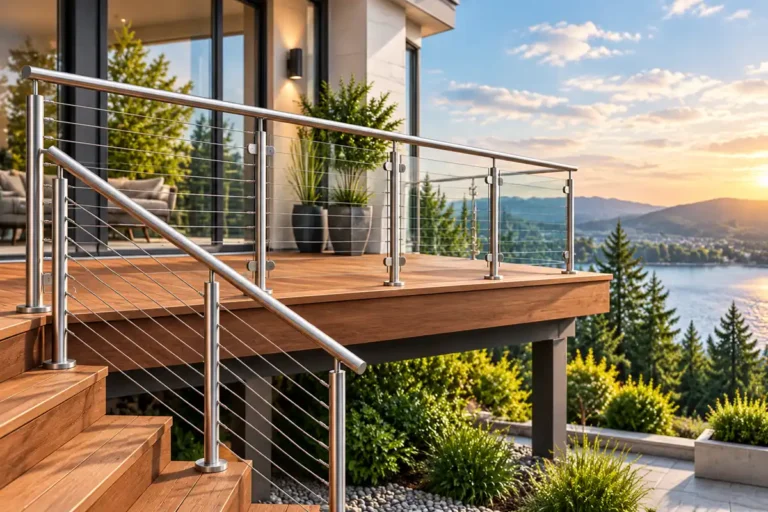
Cable railing looks clean, modern, and open. Yet most buyers ask the same question first: what is the real Cable Railing Cost per linear foot? The answer changes based on material, hardware, and who installs it.
In this guide, we break down every part of the price. You will see costs by material, by component, and by install method. We also compare cable railing against glass and rod systems. So by the end, you can budget your project with confidence.
Prices below reflect typical 2026 market ranges in North America. Your final quote may shift with local labor rates and shipping. Still, these numbers give you a solid starting point.
Average Cable Railing Cost in 2026
Most homeowners pay between $60 and $250 per linear foot for a finished cable railing. That figure includes posts, cable, tensioners, and labor. However, the spread is wide because materials and install choices matter a lot.
A simple deck project sits at the low end. Meanwhile, a stainless steel system on a curved staircase reaches the high end. Labor alone often adds $30 to $100 per linear foot when a pro handles the job.
Here is a quick overview of the Cable Railing Cost by project type:
| Project Type | Cost Per Linear Foot (Installed) |
|---|---|
| Basic DIY deck railing | $30 – $80 |
| Mid-range aluminum + cable | $70 – $150 |
| Premium stainless steel system | $150 – $250 |
| Custom stair or curved railing | $200 – $300+ |
As the table shows, material and design drive the biggest swings. Next, let’s look at each material in detail.
Cost by Material
The frame material sets the base price for your railing. Posts, in particular, carry most of the material cost. Cable and fittings stay fairly steady across systems. So your choice of post metal or wood shapes the total budget more than anything else.
Below, we cover the three most common material paths. Each one balances price, looks, and durability in a different way.
Stainless Steel Cable Railing Cost
Stainless steel is the premium option. Buyers love it for its strength and rust resistance. As a result, the stainless steel cable railing cost runs higher than other setups.
Expect to pay $50 to $150 per linear foot for stainless materials alone. Installed, the total often reaches $150 to $250. The grade matters here. Marine-grade 316 stainless costs more than 304, yet it resists coastal salt air far better.
You can source posts, cable, and fittings from the stainless steel cable railing systems range at UNIKIM. For raw cable by the spool, the stainless steel cable category offers several gauges. Because these parts ship direct, you avoid heavy retail markups.
Aluminum Post + Cable Cost
Aluminum posts offer a lighter, cheaper frame. They resist rust well and hold powder-coat finishes nicely. Therefore, many deck owners pick aluminum to save money without losing a modern look.
Aluminum post systems with stainless cable cost about $70 to $150 per linear foot installed. The posts themselves are lighter to handle, so DIY installs go faster too. Matte black finishes stay popular right now. If that style appeals to you, browse the matte black railing design collection.
One trade-off exists, though. Aluminum is softer than steel, so it dents more easily under heavy impact. For most home decks, however, that risk stays low.
Wood Post + Cable Cost
Wood posts give a warm, traditional feel. They pair well with cedar decks and rustic homes. In addition, wood is often the cheapest post material to buy up front.
A wood post and cable setup runs about $30 to $90 per linear foot for materials. Yet wood needs more care over time. It can warp, crack, or rot without regular sealing. So while the starting price looks low, upkeep costs add up across the years.
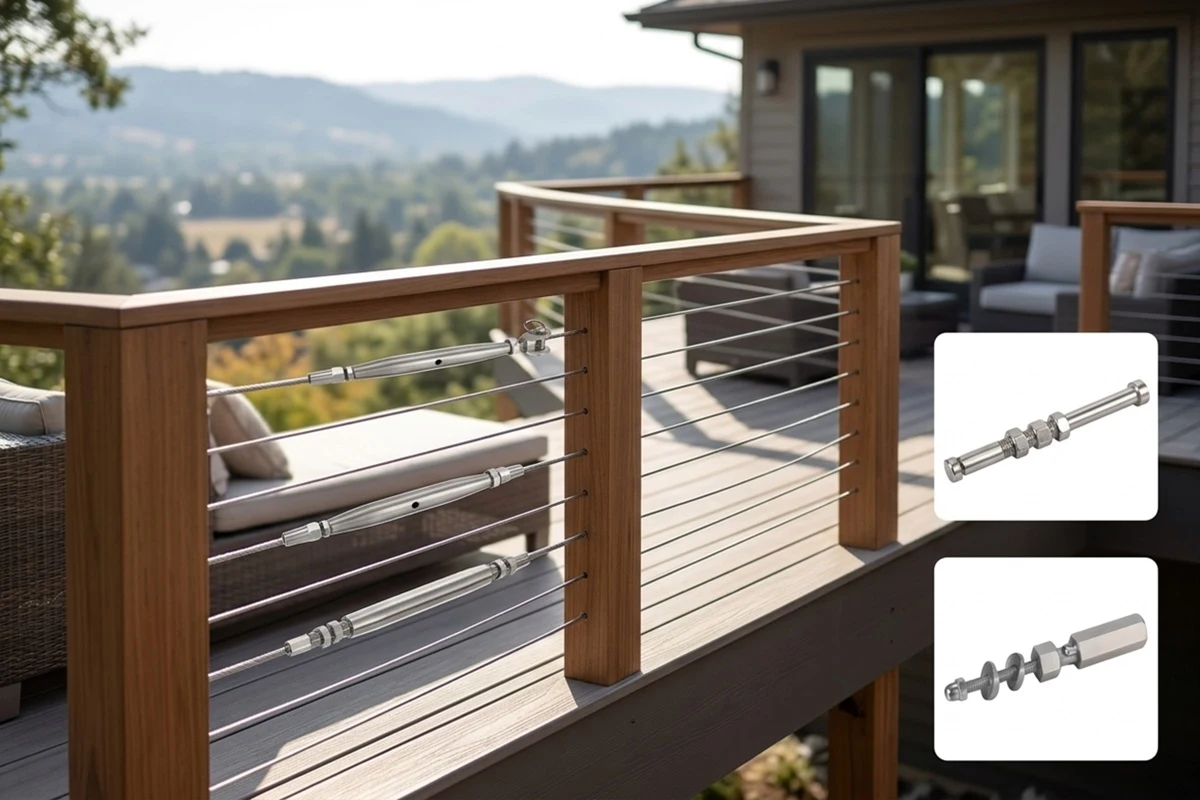
Many builders combine wood posts with stainless steel cable and fittings. That mix keeps the frame affordable while the hardware stays weatherproof. It also blends classic charm with a clean, low-profile infill.
Cost by Component
To budget well, you should price each part on its own. A cable railing has three main cost drivers: the cable, the tensioners and fittings, and the posts. Below, we cover each one so nothing surprises you later.
Cable Wire Cost per Foot
Stainless steel cable is the visible star of the system. Yet it is one of the cheapest parts by the foot. Most 1/8-inch and 3/16-inch cable costs $0.40 to $1.50 per foot.
The gauge and construction change the price. A 1×19 cable, for example, looks sleeker and costs a bit more than 7×7 cable. Thicker cable also carries higher tension, so it suits longer runs. You can compare gauges in the stainless steel cable product line.
Remember that each run of railing uses many cable lines. A 36-inch high rail may hold 10 or more horizontal cables. Therefore, cable adds up faster than the per-foot price suggests.
Tensioner and Fitting Cost
Tensioners keep each cable tight and safe. They also give the railing its crisp, straight look. As a result, the cable railing hardware cost often surprises first-time buyers.
Individual tensioners and end fittings cost $8 to $35 each. Quality matters a lot here, since cheap hardware loosens over time. For reliable tension, shop the cable tensioner range and pair it with matching cable end fittings.
Now do the math across a full project. A single railing section may need dozens of fittings. So hardware can easily become 30% to 40% of your total material bill.
Post Cost
Posts anchor the whole system, and they carry most of the cost. A stainless steel post runs $50 to $200 each, depending on height and finish. Aluminum posts cost less, while wood posts sit at the bottom.
Post spacing changes your count directly. Closer spacing means more posts and higher tension support. Building codes usually cap spacing near 4 feet, so plan accordingly. For durable options, view the stainless steel posts and the full post and handrail system.
Corner posts and end posts often cost more, too. They handle the highest tension in the run. Because of that, you should never skimp on these key anchor points.
DIY vs Hired Installation — Cost Difference
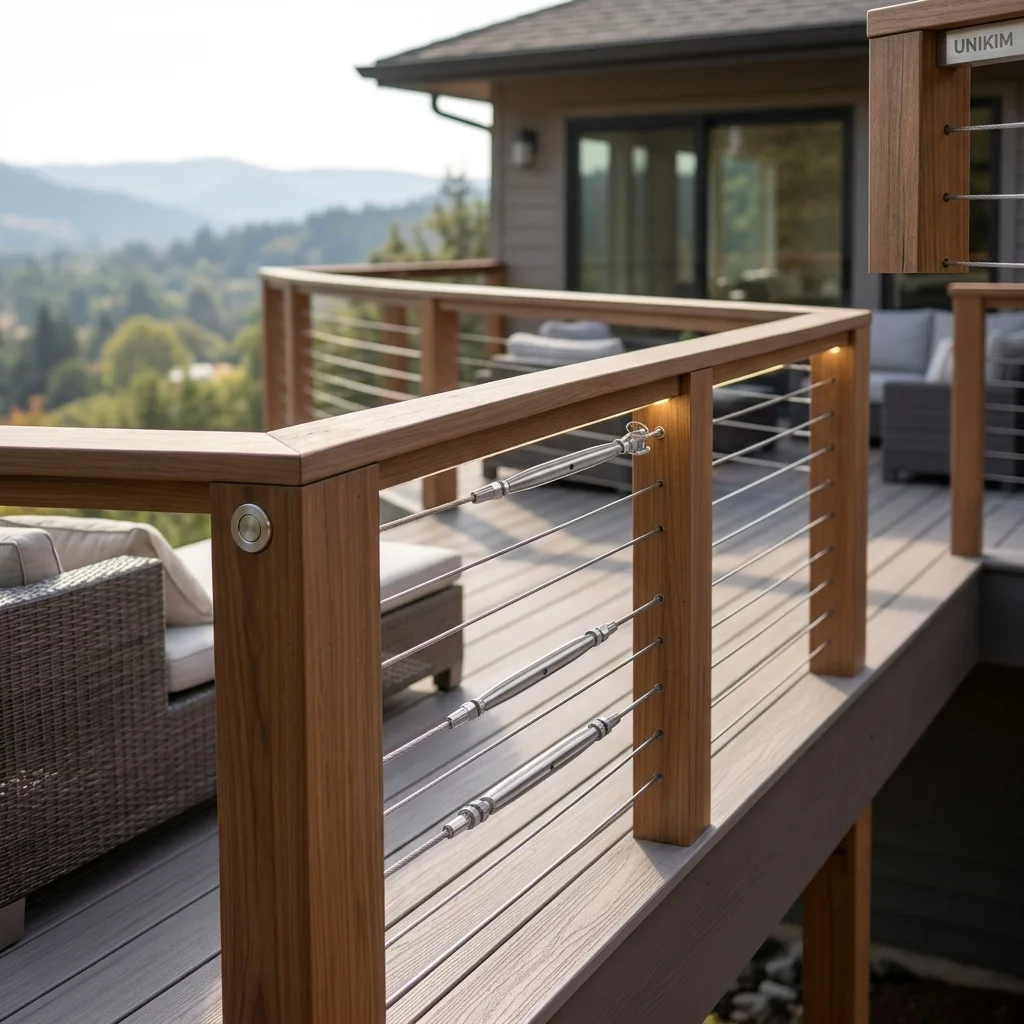
Labor is the single biggest variable in your budget. So the choice between DIY and a pro changes everything. A DIY cable railing cost can be less than half of a hired install.
When you install it yourself, you pay only for materials and tools. That keeps your total near $30 to $150 per linear foot. A pre-packaged cable railing fence kit for stairs makes the DIY route much easier, since it includes matched parts.
Hiring a contractor adds skilled labor to the bill. Pros usually charge $30 to $100 per linear foot for the work alone. Combined with premium materials, the installed total can hit $250. The upside is speed, clean cable tension, and code-compliant spacing.
Here is a side-by-side look at the two paths:
| Factor | DIY Install | Hired Install |
|---|---|---|
| Cost per linear foot | $30 – $150 | $70 – $250 |
| Time to complete | Slower | Faster |
| Skill required | Moderate | Handled by pro |
| Code compliance | Your responsibility | Usually guaranteed |
If you feel handy and patient, DIY saves real money. Otherwise, a pro removes the stress and the guesswork.
Cable Railing vs Glass Railing vs Rod Railing Cost
Buyers often weigh cable against other open railing styles. Each option carries a different look and price. Below, we compare the cable railing vs glass cost question and add rod railing for context.
Cable railing gives a nearly invisible barrier at a mid-range price. Glass railing offers a full clear panel, yet it costs the most. Rod railing, meanwhile, sits close to cable in both price and style.
| Railing Type | Cost Per Linear Foot (Installed) | Best For |
|---|---|---|
| Cable railing | $60 – $250 | Open views, modern decks |
| Glass railing | $150 – $600 | Wind blocking, luxury look |
| Rod railing | $70 – $220 | Sleek horizontal lines |
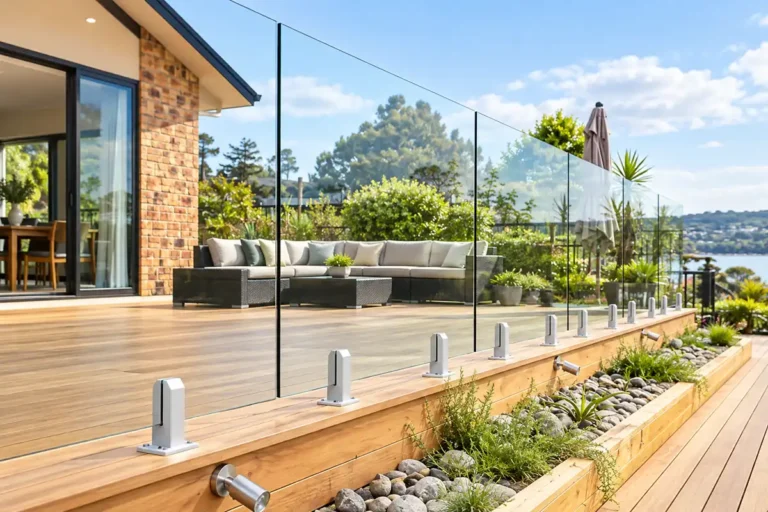
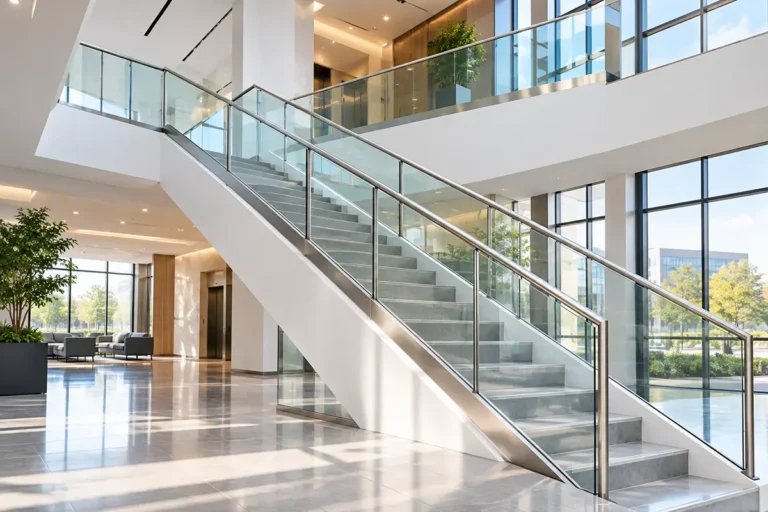
Glass wins on wind protection and clean sightlines. However, it needs frequent cleaning and costs far more. Explore the glass railing systems and the frameless glass railing systems if that style fits your home.
For a hybrid look, some projects mix glass and metal hardware. A matte black glass bracket or a stainless steel glass handrail cap blends both worlds. So you can match your railing to nearly any design goal.
Factors That Increase or Decrease Cost
Several details push your Cable Railing Cost up or down. Knowing them helps you plan a smarter budget. Below are the biggest swing factors to watch.
Railing height matters first. A 42-inch commercial rail needs more cable lines than a 36-inch home rail. Therefore, taller railings cost more per foot.
Post material and spacing come next. Closer posts and stainless steel raise the price fast. Wider spacing with aluminum lowers it.
Cable runs and corners also add cost. Each corner needs extra fittings and tension points. Long straight runs stay cheaper per foot than short, choppy sections.
Stairs and curves raise labor the most. Angled cable cuts take longer and demand more skill. As a result, a staircase can cost 20% to 40% more than a flat deck.
Finally, finish and grade shift the total. Marine-grade 316 stainless and matte black powder coats cost more than basic options. Yet they last longer, so the extra spend often pays off.
How to Save Money — Buying Direct from Manufacturer
The smartest way to cut cost is to skip the middleman. Retail stores mark up railing parts heavily. So buying direct from a factory can save 20% to 50% on materials.
UNIKIM ships cable railing hardware straight from the source. You can view the full catalog on the UNIKIM homepage and order by category. Direct sourcing also means better bulk pricing on large orders.
Wholesale buyers gain even more. Contractors and dealers can request volume quotes through the UNIKIM contact page. In addition, you can browse verified factory listings on the UNIKIM Made-in-China store for extra assurance.
Want to see the products in action first? The UNIKIM YouTube channel shows real installs and hardware demos. Watching these clips helps you plan parts before you buy.
UNIKIM Cable Railing Pricing Advantages
UNIKIM manufactures its own cable railing systems and glass hardware. Because of that, prices stay lower than most resellers. You get factory-direct rates without the retail markup.
The company offers full systems, so you match every part correctly. Posts, cable, tensioners, and fittings all come from one source. That reduces fit problems and saves you return shipping headaches.
Quality stays high across the range, too. UNIKIM uses grade 304 and marine-grade 316 stainless steel for lasting strength. These railings resist rust, hold tension, and meet common code standards. To learn how railing infill systems evolved, you can also read about the classic baluster that cable railing now replaces.
For custom projects, UNIKIM supports OEM and bulk orders. So whether you build one deck or fifty, the pricing scales with you. That flexibility makes it a strong pick for both homeowners and contractors.
FAQ
How much does cable railing cost per linear foot on average? Most projects land between $60 and $250 per linear foot installed. The Cable Railing Cost depends on material, height, and who installs it. DIY decks sit at the low end, while stainless steel stairs reach the top.
Is cable railing cheaper than glass railing? Yes, cable railing usually costs less than glass. The Cable Railing Cost ranges from $60 to $250 per foot, while glass runs $150 to $600. So cable is the budget-friendly choice for open views.
Can I install cable railing myself to save money? Absolutely, and it saves a lot. A DIY Cable Railing Cost often stays under $150 per linear foot. Pre-matched kits make the job easier, though you must follow local code for spacing and tension.
What is the biggest part of the cable railing cost? Posts and labor drive most of the total. Together, they make up the largest share of the Cable Railing Cost. Cable itself is cheap by the foot, while hardware adds up across a full project.
Does stainless steel raise the cable railing cost a lot? It does add to the price, yet it lasts far longer. Stainless raises the Cable Railing Cost to around $150 to $250 per foot installed. Marine-grade 316 costs more but resists coastal salt air best.
How can I lower my cable railing cost? Buy direct from a manufacturer like UNIKIM to cut the markup. Choosing aluminum posts and doing your own install lowers the Cable Railing Cost further. Bulk orders unlock even better rates.
Summary
The Cable Railing Cost falls between $60 and $250 per linear foot for most projects. Material, height, and install method drive the biggest price swings. Stainless steel systems cost the most, while DIY aluminum builds save the most.
To stretch your budget, buy factory-direct and match all parts from one source. UNIKIM offers full cable and glass railing systems at wholesale rates. So you get lasting quality, correct fit, and a fair price on every linear foot.