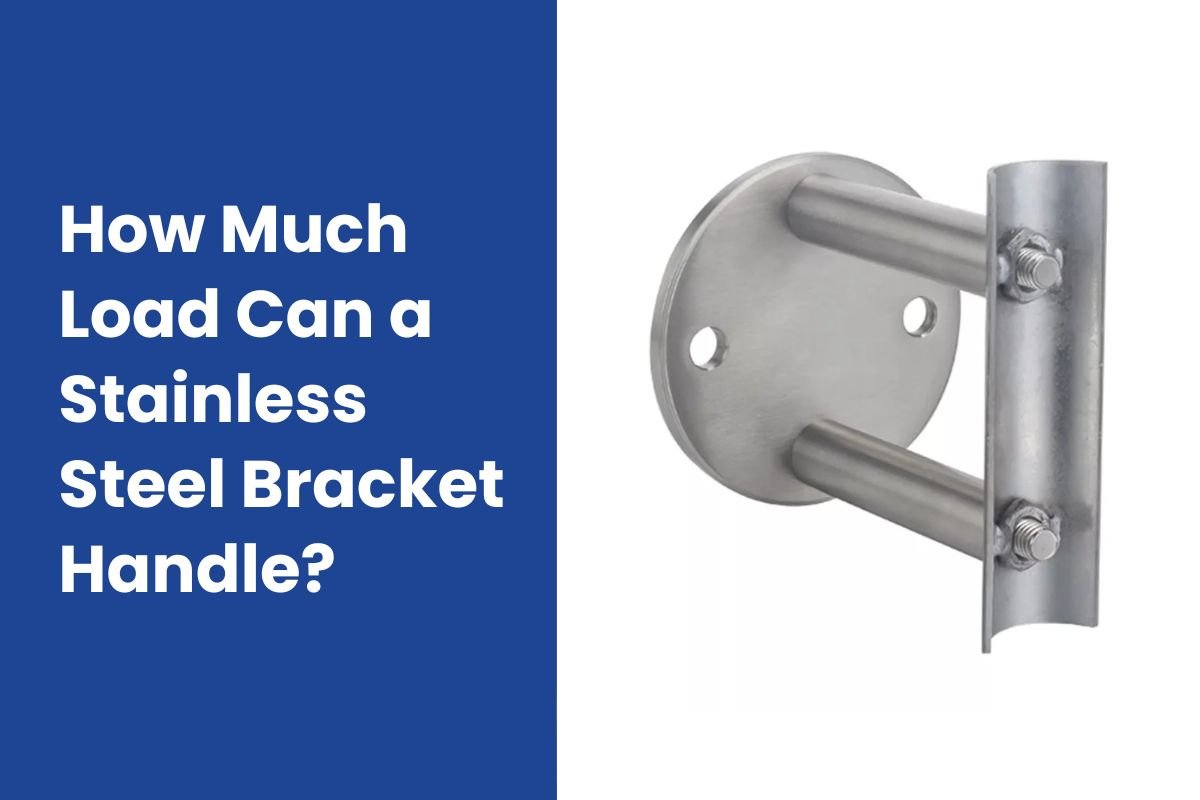
When homeowners, architects, and contractors choose railing components, one question always comes up first: how much load can a stainless steel bracket actually handle?
It sounds simple, but the real answer depends on material grade, bracket design, installation method, and safety standards.
At UNIKIM, this is one of the most common questions we hear from customers designing staircases, balconies, decks, and glass railing systems. A stainless steel bracket may look small, but it plays a critical role in safety, durability, and long-term performance.
This in-depth guide explains load capacity in clear, real-world terms—without engineering jargon—so you can choose the right stainless steel bracket with confidence.
Understanding What a Stainless Steel Bracket Does
A stainless steel bracket acts as a load transfer point. It takes force from the handrail, baluster, or glass panel and distributes it into the post, wall, or structural surface.
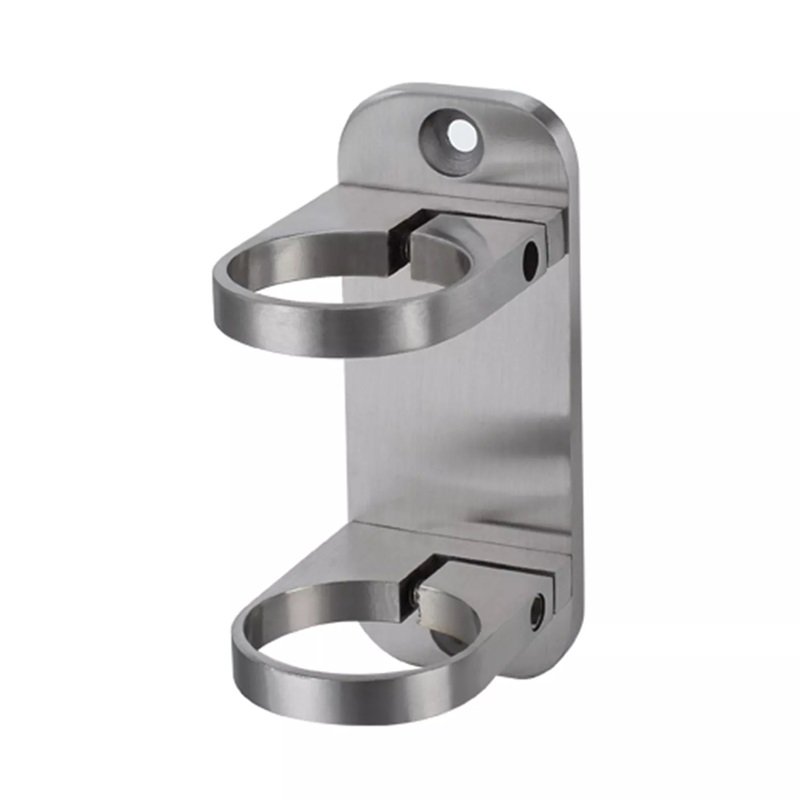
In railing systems, brackets are not decorative accessories. They are structural components designed to handle:
• Vertical loads from people leaning
• Horizontal forces from crowd pressure
• Dynamic loads from movement and vibration
• Environmental stress such as wind or corrosion
This is why professional-grade systems from UNIKIM focus on tested load ratings rather than appearance alone. You can explore full railing systems directly on the official UNIKIM stainless steel handrail system collection.
What Does “Load Capacity” Really Mean?
Load capacity refers to the maximum force a stainless steel bracket can safely support without bending, cracking, or failing. Manufacturers typically express it in kilograms (kg) or pounds (lbs).
There are three key types of load to understand.
Static Load
This is a constant force, such as a person resting their arm on a handrail.
Dynamic Load
This includes movement—people pulling, leaning suddenly, or vibration from stairs and decks.
Impact Load
This comes from sudden force, such as someone falling against a railing.
A properly designed stainless steel bracket must handle all three, not just static weight.
Stainless Steel Brackets to Other Materials
Stainless steel brackets are often compared to alternatives like aluminum, carbon steel, and plastic. Here’s how they stack up:
- Stainless Steel: Offers superior strength, corrosion resistance, and longevity.
- Aluminum: Lightweight and corrosion-resistant but lacks the load-bearing capacity of stainless steel.
- Carbon Steel: Stronger than stainless steel but prone to rust unless treated with protective coatings.
- Plastic: Lightweight and affordable but unsuitable for heavy-duty applications.
Typical Load Capacity of a Stainless Steel Bracket
While exact capacity varies, well-manufactured brackets generally fall within these ranges when correctly installed:
| Bracket Type | Average Load Capacity |
|---|---|
| Wall-mounted handrail bracket | 120–180 kg |
| Baluster bracket | 90–150 kg |
| Glass clamp bracket | 100–200 kg |
| Heavy-duty post bracket | 200–300 kg |
These values assume grade 304 or 316 stainless steel, solid anchors, and professional installation.
You can find tested baluster options in the UNIKIM baluster bracket category.
How Stainless Steel Grade Affects Load Strength
Not all stainless steel brackets are equal. Material grade directly impacts strength and durability.
304 Stainless Steel Brackets
Grade 304 offers excellent strength for indoor and low-corrosion environments. It handles most residential railing loads comfortably and is widely used for staircases.
316 Stainless Steel Brackets
Grade 316 contains molybdenum, which improves corrosion resistance and maintains structural strength under harsh conditions. It is ideal for coastal areas, outdoor balconies, and commercial spaces.
UNIKIM specializes in both grades, including heavy-duty options like.
Bracket Design Matters More Than Most People Think
Even the strongest stainless steel can fail if the bracket design is weak.
Thickness and Cross-Section
A thicker stainless steel bracket distributes force more evenly. Thin brackets concentrate stress at connection points, increasing failure risk.
Weld Quality
Poor welding is one of the leading causes of bracket failure in low-quality products.
Mounting Base Size
A larger mounting plate spreads force across more surface area, reducing stress on fasteners and walls.
This is why UNIKIM handrail brackets are designed with reinforced bases and precision welding, which you can see in the handrail bracket category:
Installation Surface and Anchoring Strength
The strongest stainless steel bracket will fail if installed incorrectly.
Concrete walls, steel posts, and solid wood beams provide the highest load-bearing potential. Drywall or hollow surfaces require reinforced anchors or backing plates.
According to construction guidelines referenced by international building codes, improper anchoring can reduce load capacity by up to 60%.
For a detailed safety overview, see the handrail post bracket safety standards guide:
https://urailing.com/handrail-post-bracket-safety-standards-guide/
How Building Codes Influence Load Ratings
Most residential and commercial railing systems follow standards derived from International Building Code (IBC) and local regulations.
Typical requirements include:
• Minimum horizontal load of 90 kg applied at handrail height
• Uniform load distribution along railing length
• Safety factor of at least 4:1
This means a stainless steel bracket rated for 150 kg should not fail until forces exceed 600 kg under test conditions.
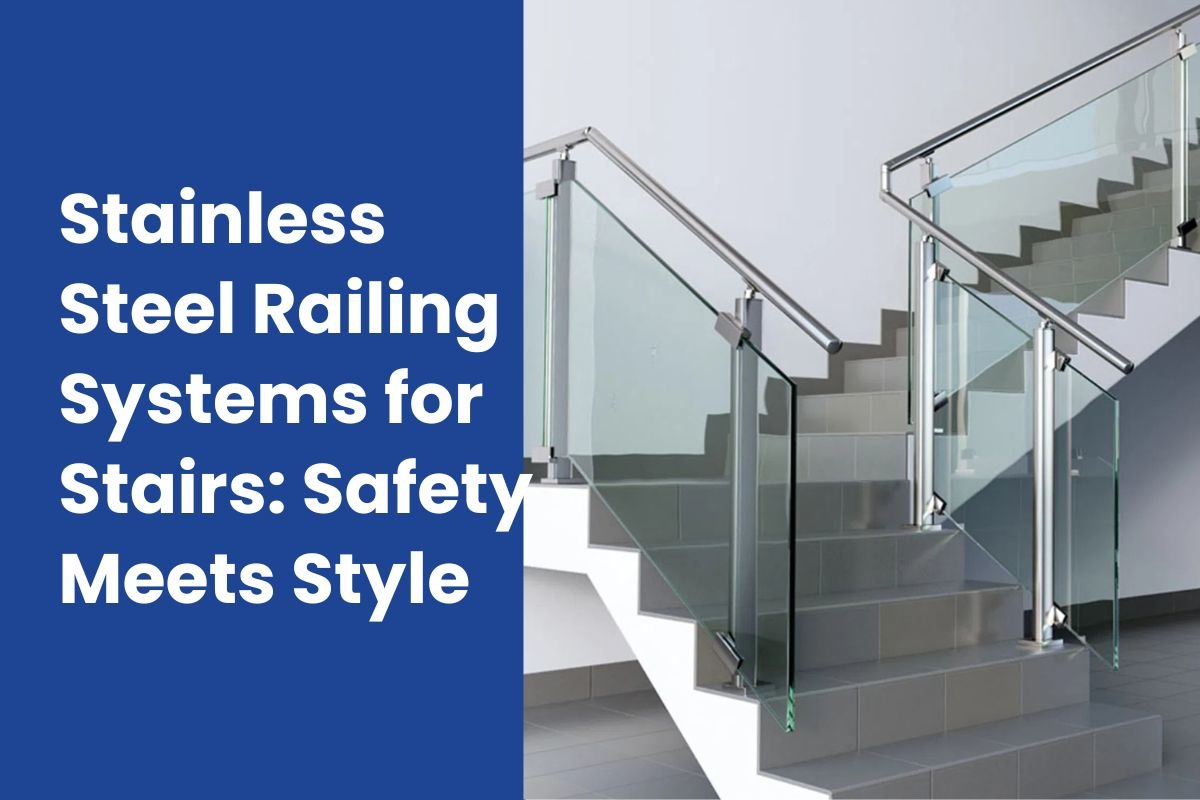
Stainless Steel Brackets in Glass Railing Systems
Glass railing systems place unique stress on brackets.
This makes bracket quality especially critical. Poor brackets may cause glass movement or even shattering under load.
To understand these systems better, read:
UNIKIM Product Proven Load Performance
UNIKIM designs brackets to exceed standard load requirements.
Examples include:
- Stainless Steel Round Tube Handrail Brackets
- Golden Handrail Bracket for Modern Balustrades
- Stainless Steel Handrail Fittings for Balustrade Systems
- UNIKIM Handrail Post Tube Bracket
Each product undergoes strict quality control to ensure real-world load reliability.
Why Load Ratings Alone Are Not Enough
Some manufacturers list load numbers without context. That can be misleading.
True performance depends on:
• Installation accuracy
• Environmental exposure
• Maintenance over time
• Compatibility with railing materials
UNIKIM focuses on system-level strength, not isolated component claims.
You can learn more about baluster design fundamentals on Wikipedia.
Choosing the Right Stainless Steel Bracket for Your Project
The best stainless steel bracket is not always the strongest one. It is the one correctly matched to your application.
Indoor stairs require different solutions than outdoor balconies. Glass railings demand precision clamps. Commercial buildings need higher safety margins.
If you are unsure, the UNIKIM team is always available for consultation Contact us.
Final Summary
A stainless steel bracket may look simple, but its load capacity determines the safety of your entire railing system. Material grade, design, installation, and compliance with standards all play essential roles.
When chosen correctly, a stainless steel bracket from UNIKIM delivers exceptional strength, corrosion resistance, and long-term reliability—whether for staircases, balconies, or modern glass railings.
FAQs
Q1: What is the maximum load a stainless steel bracket can handle?
A: The maximum load depends on the bracket’s design, material grade, and installation. Heavy-duty stainless steel brackets can handle over 1000 lbs.
Q2: Are stainless steel brackets suitable for outdoor use?
A: Yes, especially grade 316 stainless steel brackets, which offer excellent corrosion resistance.
Q3: How do I choose the right bracket for my railing system?
A: Consider factors like load capacity, environment, and design. UNIKIM’s Selecting Baluster Brackets Guide can help.
Q4: Can stainless steel brackets be used with glass railings?
A: Absolutely. UNIKIM offers stainless steel brackets compatible with glass railing systems here.