Selecting the right glass canopy system for buildings is a crucial decision for architects, builders, and homeowners. A canopy system not only enhances the aesthetic appeal of a structure but also provides functional protection against rain, sunlight, and debris. With modern designs incorporating stainless steel fittings and tempered glass, these systems have become a hallmark of contemporary architecture.
In this article, we’ll explore the key factors to consider when choosing a glass canopy system, compare different materials, and highlight the benefits of SS304 and SS316 stainless steel options. By the end, you’ll have a clear understanding of how to select the perfect canopy system for your building.
What Is a Glass Canopy System for Buildings?
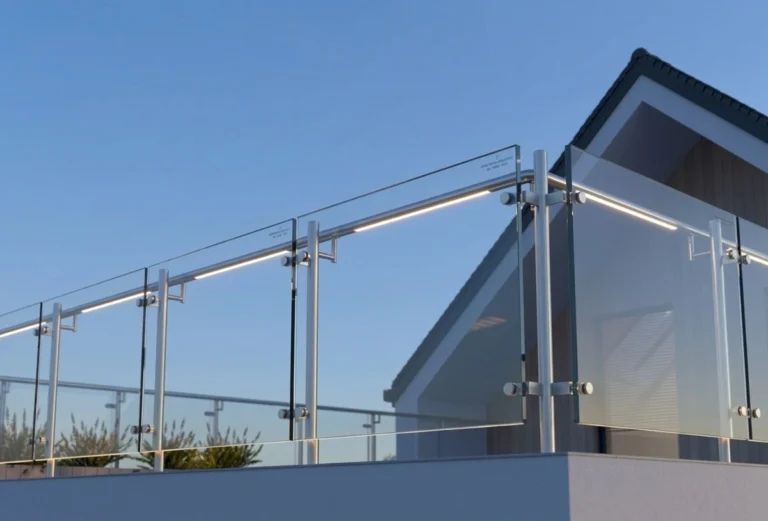
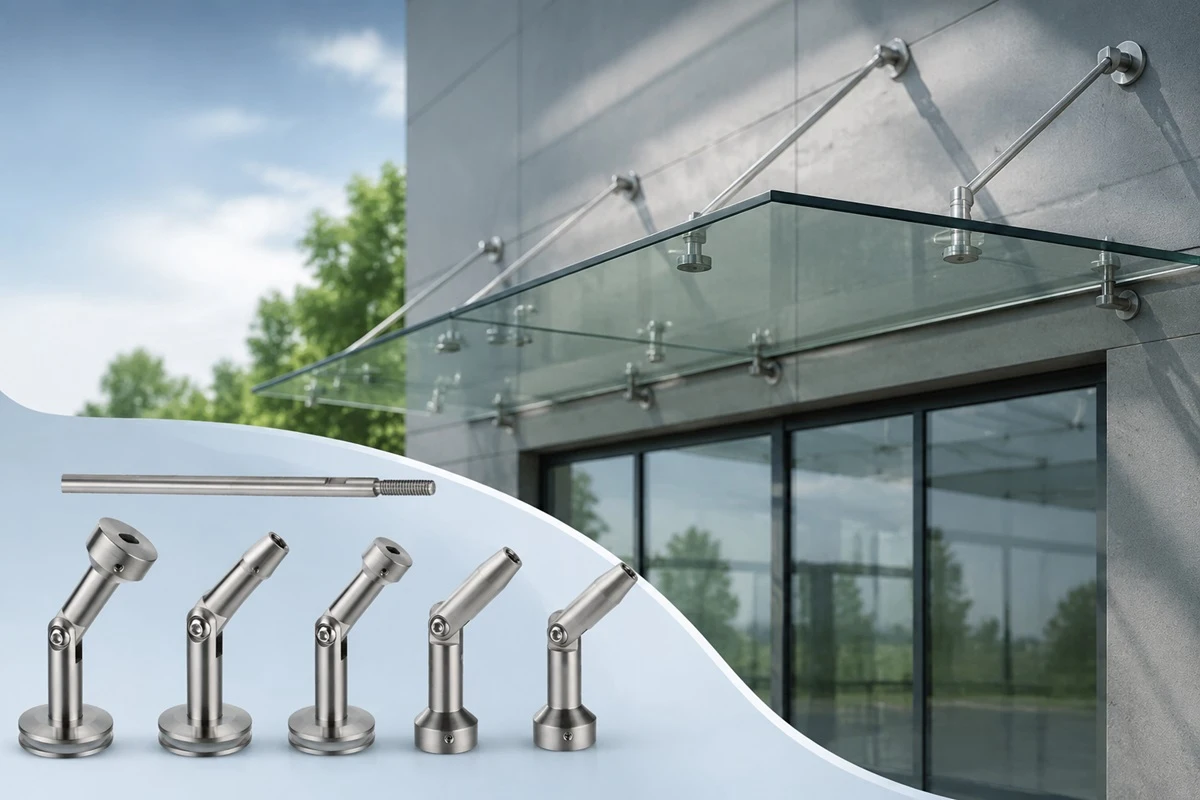
A glass canopy system for buildings is a modern architectural feature designed to provide both protection and style. It combines tempered or laminated glass panels with durable stainless steel fittings to create overhead coverings for entrances, walkways, terraces, or outdoor living spaces. Unlike traditional awnings, glass canopy systems are sleek, minimalistic, and long-lasting, making them a popular choice in contemporary construction.
The stainless steel components—often made from SS304 or SS316 grades—serve as the structural backbone. SS304 is suitable for mild environments, while SS316, with its added molybdenum, offers superior resistance to corrosion in coastal or industrial settings. The glass panels provide transparency and elegance while ensuring safety, as tempered glass is designed to withstand impact and pressure.
These canopy systems are widely used in residential homes, commercial complexes, and industrial facilities. They protect against rain, sunlight, and falling debris while enhancing the building’s architectural appeal. For example, industrial canopy systems showcase how durability meets design in large-scale projects.
Why Glass Canopy Systems Are Popular
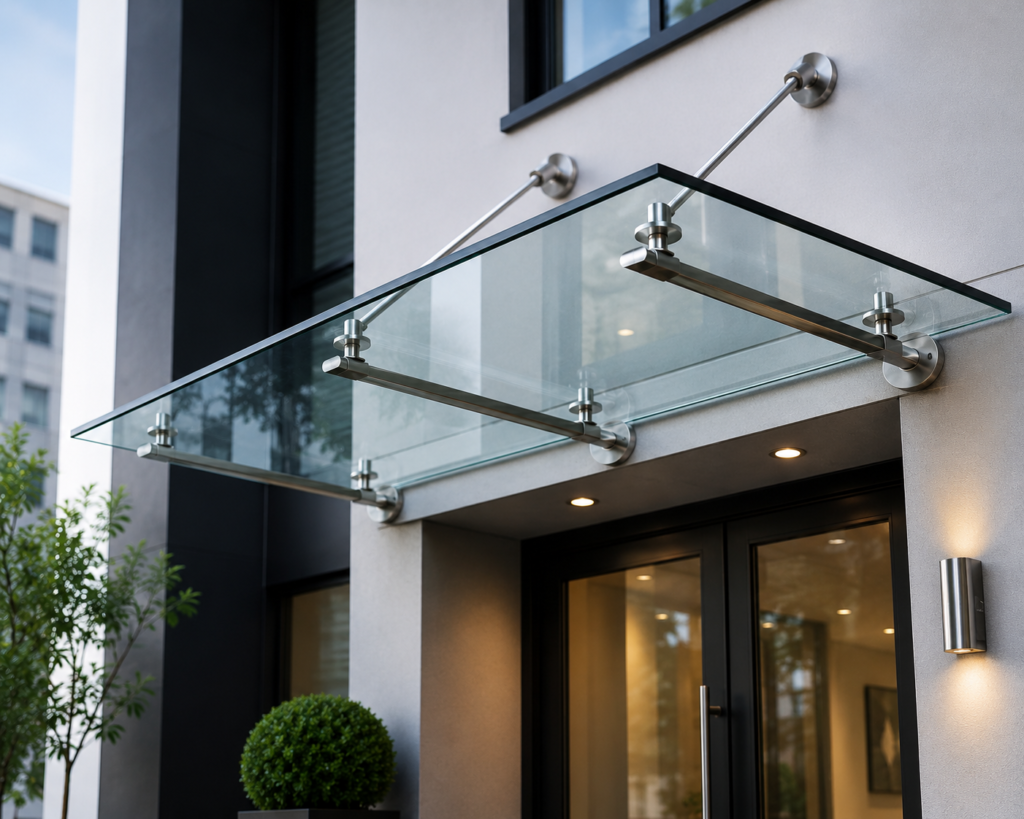
A glass canopy system for buildings has become a sought-after architectural feature because it blends functionality with modern design. Unlike traditional awnings, these systems use tempered glass supported by stainless steel fittings, creating a sleek and minimalistic look that enhances the overall appeal of a structure.
One of the main reasons for their popularity is aesthetic versatility. Glass canopy systems complement both residential and commercial buildings, adding elegance while maintaining transparency that allows natural light to flow. This makes entrances, terraces, and walkways feel open and inviting.
Another factor is durability. With stainless steel grades like SS304 and SS316, these systems resist corrosion and withstand harsh weather conditions. SS316, in particular, is ideal for coastal or industrial environments due to its superior resistance to chloride corrosion. For more insights, see industrial canopy systems.
Glass canopy systems are also valued for their safety. Tempered or laminated glass ensures strength and impact resistance, while stainless steel fittings provide reliable structural support.
Finally, their low maintenance and long lifespan make them a cost-effective investment. For product options, explore stainless steel canopy systems and glass canopy fittings.
Factors to Consider When Choosing a Glass Canopy System
Material Selection
The choice of stainless steel grade is critical. SS304 is cost-effective and suitable for mild environments, while SS316 offers superior resistance to corrosion, making it ideal for coastal or industrial areas.
Glass Type
Tempered or laminated glass is recommended for safety. These types resist breakage and provide strength under pressure.
Design and Aesthetic Appeal
Consider the architectural style of the building. Glass canopy systems can be customized to complement modern or traditional designs.
Installation and Maintenance
Choose systems that are easy to install and require minimal upkeep. Stainless steel fittings ensure longevity and reduce maintenance costs.
For reliable options, explore glass canopy fittings and stainless steel canopy systems.
SS304 vs SS316 Glass Canopy Systems
| Property | SS304 | SS316 |
|---|---|---|
| Chromium Content | 18% | 16–18% |
| Nickel Content | 8% | 10–14% |
| Molybdenum | None | 2–3% |
| Corrosion Resistance | Good | Excellent |
| Cost | Lower | Higher but long-term value |
| Best Use | Mild environments | Harsh, coastal, industrial environments |
Learn more about manufacturers in how to find reliable stainless steel canopy manufacturers.
Benefits of Choosing Glass Canopy Systems
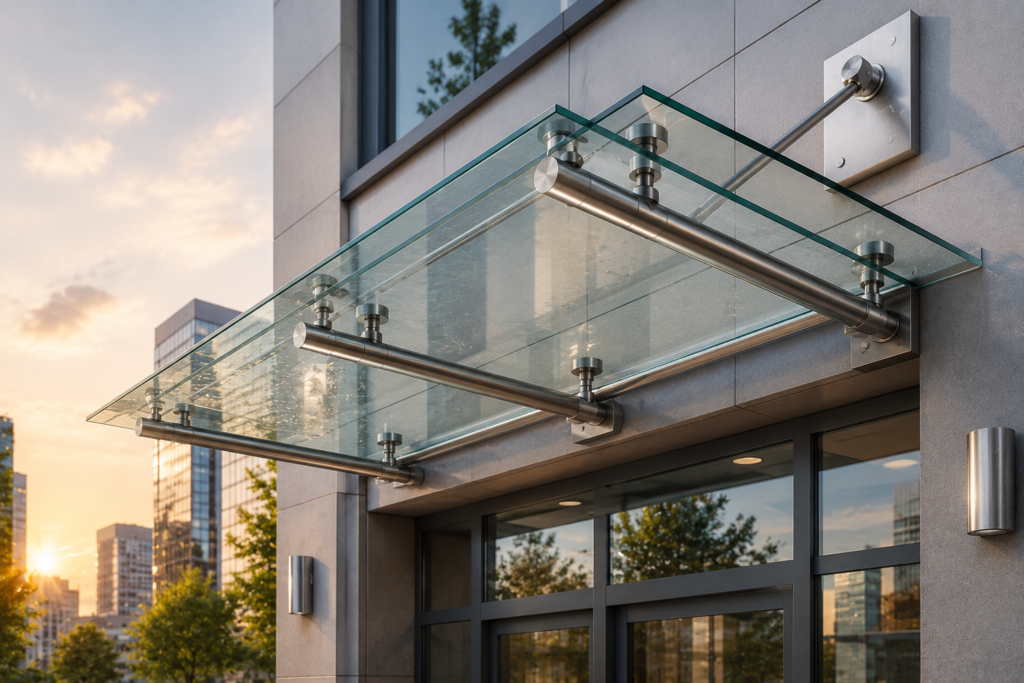
A glass canopy system for buildings offers a unique combination of practicality and modern design, making it a preferred choice in both residential and commercial architecture. One of the most significant benefits is durability. With stainless steel fittings—often SS304 or SS316—these systems resist corrosion and withstand harsh weather conditions, ensuring long-term performance. SS316, in particular, is ideal for coastal or industrial environments thanks to its superior resistance to chloride corrosion.
Another advantage is aesthetic appeal. The sleek combination of tempered glass and polished stainless steel creates a contemporary look that enhances the architectural style of any building. Unlike traditional awnings, glass canopy systems allow natural light to pass through, keeping spaces bright while still offering protection from rain and debris.
Safety is also a key benefit. Tempered or laminated glass panels are designed to withstand impact, while stainless steel fittings provide strong structural support. This makes glass canopy systems reliable for high-traffic areas such as commercial entrances or public walkways.
Finally, these systems are low maintenance and cost-effective over time. Their long lifespan reduces the need for frequent repairs or replacements. For product options, explore stainless steel canopy systems and glass canopy fittings, or learn more from the unikim blog.
Applications of Glass Canopy Systems
A glass canopy system for buildings is highly versatile, serving both functional and aesthetic purposes across residential, commercial, and industrial projects. In residential applications, glass canopies are often installed above entrances, patios, and balconies. They provide protection from rain and sunlight while maintaining a bright, open atmosphere. Homeowners appreciate the modern design that complements contemporary architecture and adds value to the property.
In commercial buildings, glass canopy systems are used to enhance storefronts, office complexes, and hotel entrances. They create a welcoming environment for visitors while offering practical coverage. The sleek combination of tempered glass and stainless steel fittings adds sophistication, making businesses stand out. For examples of durable solutions, see industrial canopy systems.
In industrial facilities, especially those in coastal or chemical-rich environments, SS316 stainless steel glass canopy systems are preferred. Their superior resistance to corrosion ensures long-term performance even under harsh conditions. These canopies protect walkways and loading areas while reducing maintenance costs.
Finally, glass canopy systems are popular in outdoor living spaces, such as gardens, terraces, and recreational areas. They provide shade and shelter without blocking natural light. For product options, explore stainless steel canopy systems and glass canopy fittings.
Summary
Choosing the right glass canopy system for buildings involves considering materials, design, safety, and maintenance. SS304 offers affordability for mild environments, while SS316 provides superior durability in coastal and industrial settings. With tempered glass panels and stainless steel fittings, these systems deliver both protection and elegance.
Whether for residential entrances, commercial complexes, or industrial facilities, a glass canopy system enhances architecture while ensuring long-term performance. For more resources, visit the unikim blog or connect via Contact.
FAQs
Q: What is the best material for a glass canopy system for buildings?
A: SS316 stainless steel is the best material for a glass canopy system for buildings in harsh environments due to its superior corrosion resistance.
Q: Can SS304 be used in a glass canopy system for buildings?
A: Yes, SS304 is suitable for mild climates and indoor applications, making it a cost-effective choice for a glass canopy system for buildings.
Q: How safe is a glass canopy system for buildings?
A: With tempered glass and stainless steel fittings, a glass canopy system for buildings provides reliable safety and durability.
Q: What are the maintenance requirements for a glass canopy system for buildings?
A: Minimal maintenance is needed. Regular cleaning and inspection ensure the longevity of a glass canopy system for buildings.
Q: Where can I buy a glass canopy system for buildings?
A: You can explore options directly from unikim for high-quality glass canopy systems for buildings.