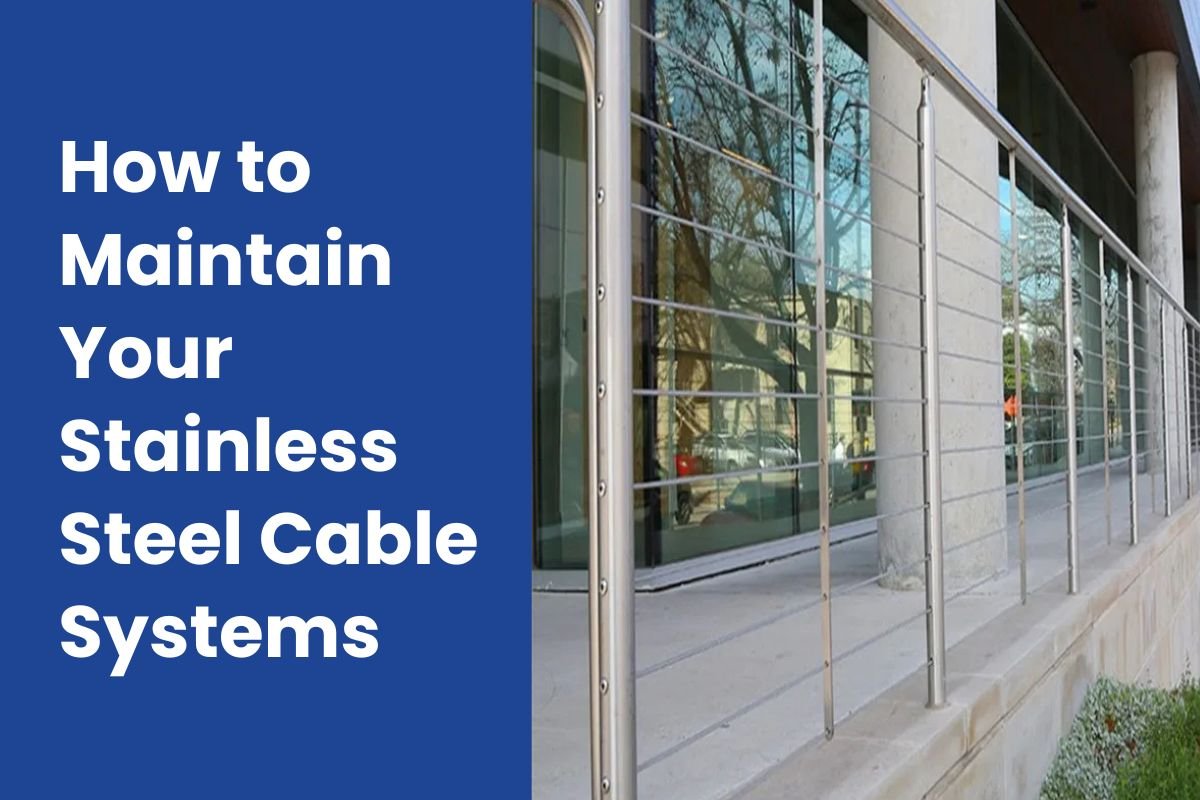
Stainless steel cable systems offer durability, strength, and a sleek modern aesthetic, making them a popular choice for railings, decks, and industrial applications. However, without proper maintenance, even the highest-quality stainless steel can degrade over time. This guide covers essential maintenance practices to keep your stainless steel cable systems in top condition. At unikim, we specialize in high-performance stainless steel railing solutions. Whether for residential or commercial use, maintaining your system ensures safety, longevity, and visual appeal.
Stainless Steel Cable Systems
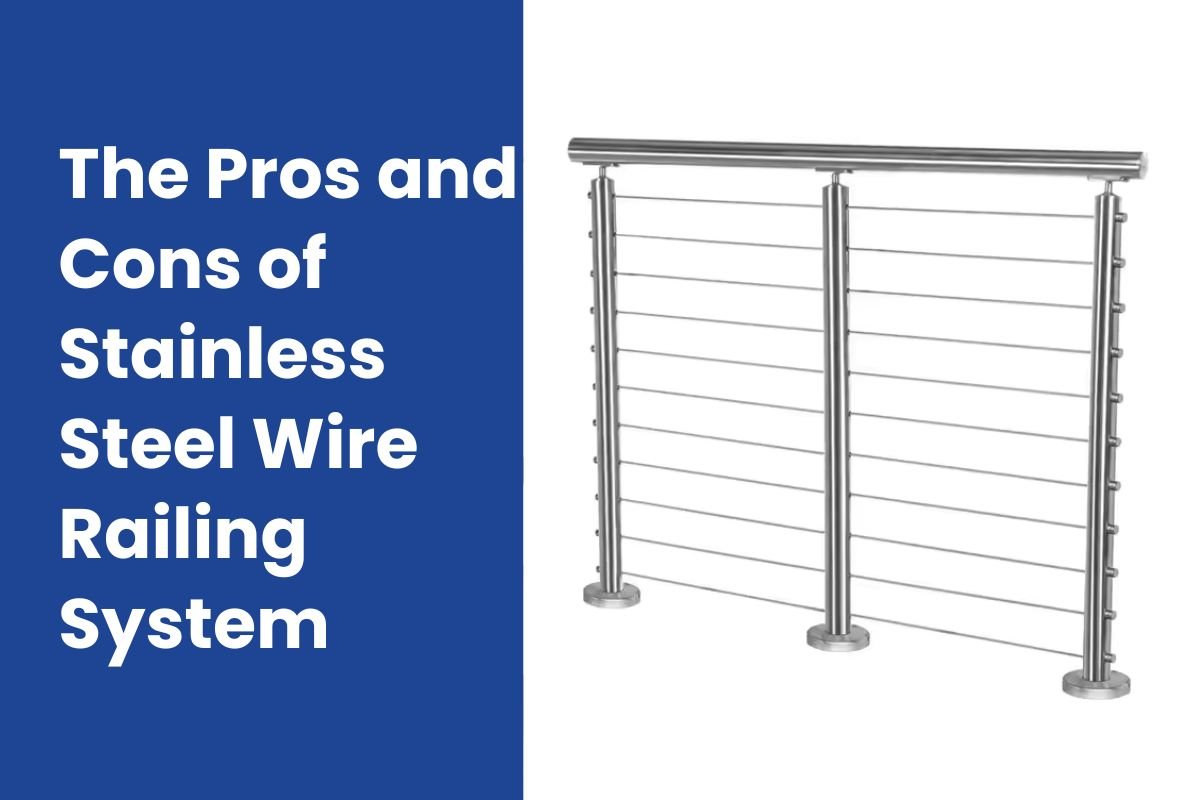
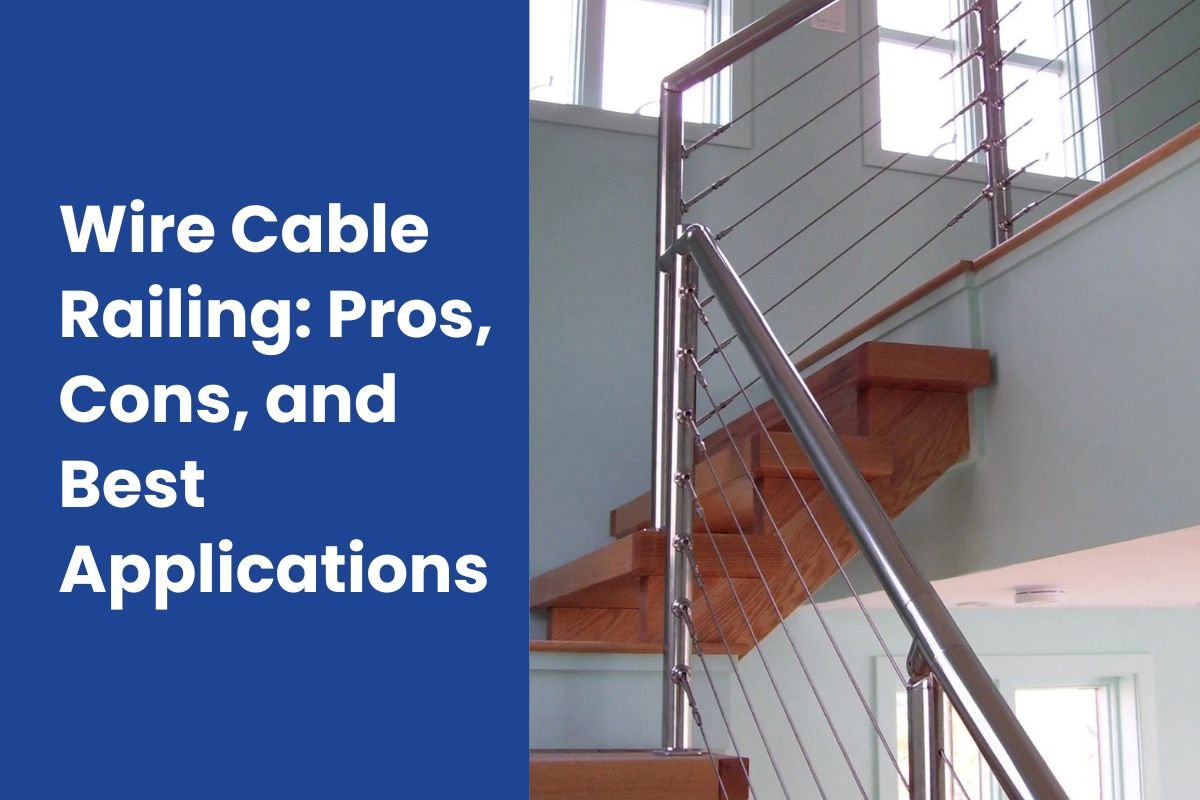
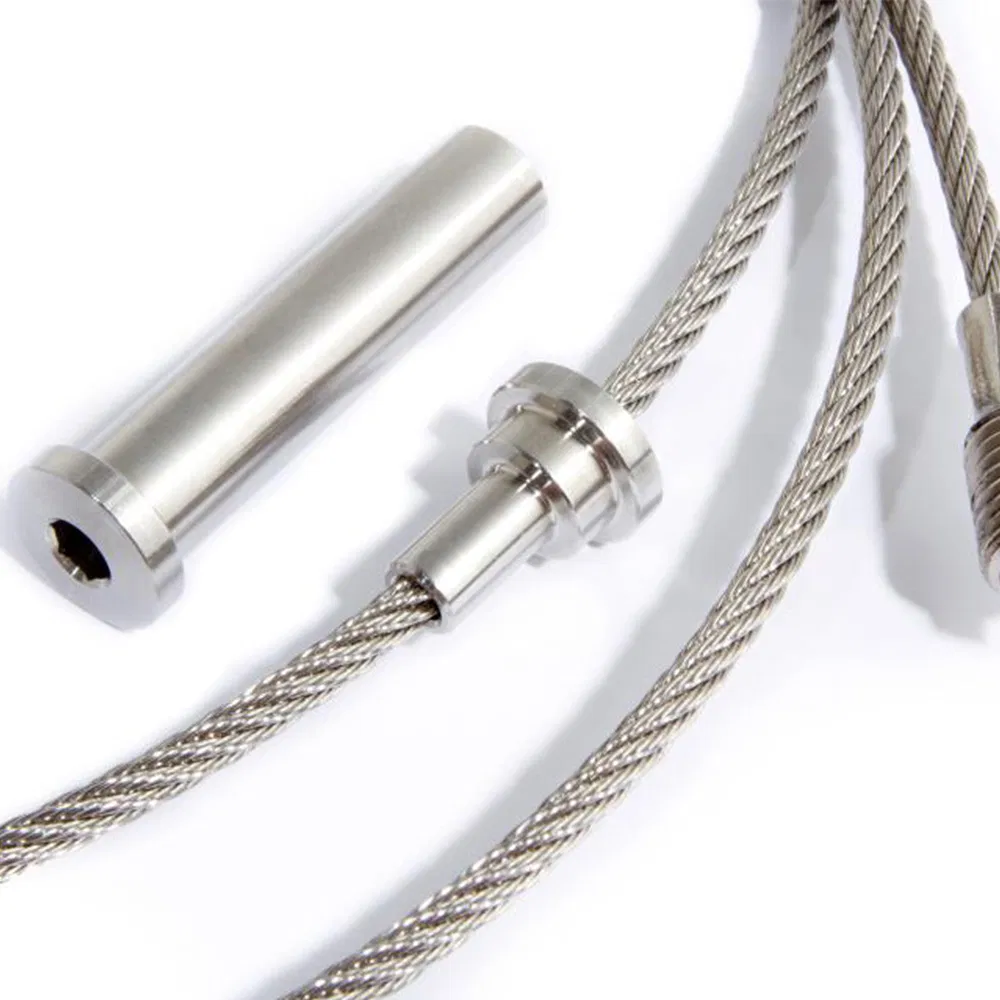
Stainless Steel Cable Systems are composed of stainless steel wires, fittings, and posts that form a tensioned railing solution. They provide sleek visibility, withstand harsh weather, and support safety requirements. The stainless steel component resists corrosion, but environmental factors, installation quality, and usage frequency can influence lifespan.
For a deeper insight into the material, refer to Stainless Steel and its corrosion-resistant properties.
Types of Stainless Steel Used in Cable Systems
- 304 Stainless Steel: Ideal for indoor and moderate outdoor environments. Offers excellent corrosion resistance.
- 316 Stainless Steel: Used in coastal areas or locations exposed to high salt content. Known for superior corrosion protection.
Choosing the appropriate stainless steel type ensures that the Stainless Steel Cable Systems remain strong and visually appealing.
Routine Cleaning Techniques
Regular cleaning prevents staining, oxidation, and dirt accumulation. Begin by assessing the environmental exposure of your cable systems.
Mild Soap and Water Method:
Mix warm water with a gentle soap. Using a soft cloth or sponge, wipe down cables, fittings, and posts. Rinse thoroughly with clean water and dry with a microfiber cloth to avoid water spots.
Removing Stains and Fingerprints:
Use a mixture of vinegar and water or a commercial stainless steel cleaner. Apply gently using a soft cloth following the grain of the steel to maintain the finish.
Avoid Abrasives:
Never use steel wool, brushes with metal bristles, or harsh chemicals, as these can scratch or damage the stainless steel surface. For additional cleaning guides, check this youtube video resource.
Inspection and Maintenance Routines
Frequent inspections identify wear or damage early, allowing timely repairs. Perform the following checks:
Tension Assessment:
Ensure cables remain taut. Loose cables can compromise safety and aesthetic appeal.
Fitting and Post Check:
Examine all fittings, turnbuckles, and posts for rust, corrosion, or loose connections. Replace damaged components promptly. You can find high-quality fittings at Stainless Steel Glass Railing Fitting Slot Tube.
Hardware Lubrication:
Apply a silicone-based lubricant to moving parts such as turnbuckles to maintain smooth adjustments. Avoid petroleum-based products that may degrade stainless steel.
Preventive Care for Longevity
Preventive care extends the life of your Stainless Steel Cable Systems significantly.
Protect Against Corrosive Environments:
If installed in coastal or industrial locations, rinse cables regularly to remove salt, debris, and pollutants.
Apply Protective Coatings:
A clear protective sealant specifically designed for stainless steel can help resist surface staining and environmental damage.
Monitor for Rust Spots:
Even high-grade stainless steel can develop minor rust spots. Use a non-abrasive stainless steel polish to remove these early signs of corrosion.
Seasonal and Deep Maintenance
In addition to routine cleaning, seasonal maintenance ensures that cable systems perform optimally.
Winter Maintenance:
Snow and ice can accumulate on cables, causing added stress. Carefully remove snow using a soft brush. Avoid de-icing chemicals that contain chlorides, as these can accelerate corrosion.
Summer Maintenance:
Heat and UV exposure can impact tension and fittings. Inspect all turnbuckles and cable tension regularly to prevent slack and deformation.
Annual Inspection:
Schedule a comprehensive inspection yearly, checking for wear on cables, fittings, posts, and any protective coatings.
Troubleshooting and Issues
Loose Cables:
Tighten turnbuckles gradually to maintain uniform tension across all cables.
Corrosion on Fittings:
Replace affected fittings immediately. Using industrial-grade systems ensures higher durability.
Cable Fraying:
Cut frayed sections and install end caps to prevent further unraveling.
Advantages of Proper Maintenance
Maintaining your stainless steel cable systems provides multiple benefits:
- Enhanced Safety: Ensures structural integrity, preventing accidents.
- Aesthetic Appeal: Preserves sleek, polished surfaces that complement modern design.
- Cost Savings: Prevents premature replacement due to corrosion or damage.
- Environmental Resistance: Maintains performance in coastal, industrial, or high-humidity areas.
About the installation benefits in Outdoor Metal Sliding Door System.
DIY Tips for Homeowners
Homeowners installing or maintaining stainless steel cable railings can implement these practices:
Regular Cleaning Schedule:
Create a bi-weekly cleaning routine using mild soap and water.
Inspect During Routine Activities:
Incorporate inspections during seasonal activities like gardening or deck cleaning.
Replacement Strategy:
Maintain a small inventory of spare cables and fittings for immediate replacement when needed. Explore high-quality materials at Unikim China.
Professional Consultation:
Even for DIY enthusiasts, consulting experts occasionally ensures your cable system maintains both safety and aesthetics. Contact professionals via Unikim Contact.
Industry Applications Beyond Residential Use
Stainless steel cable systems are versatile and suitable for commercial and industrial applications:
- Industrial Canopies: Durable and stylish support for outdoor structures.
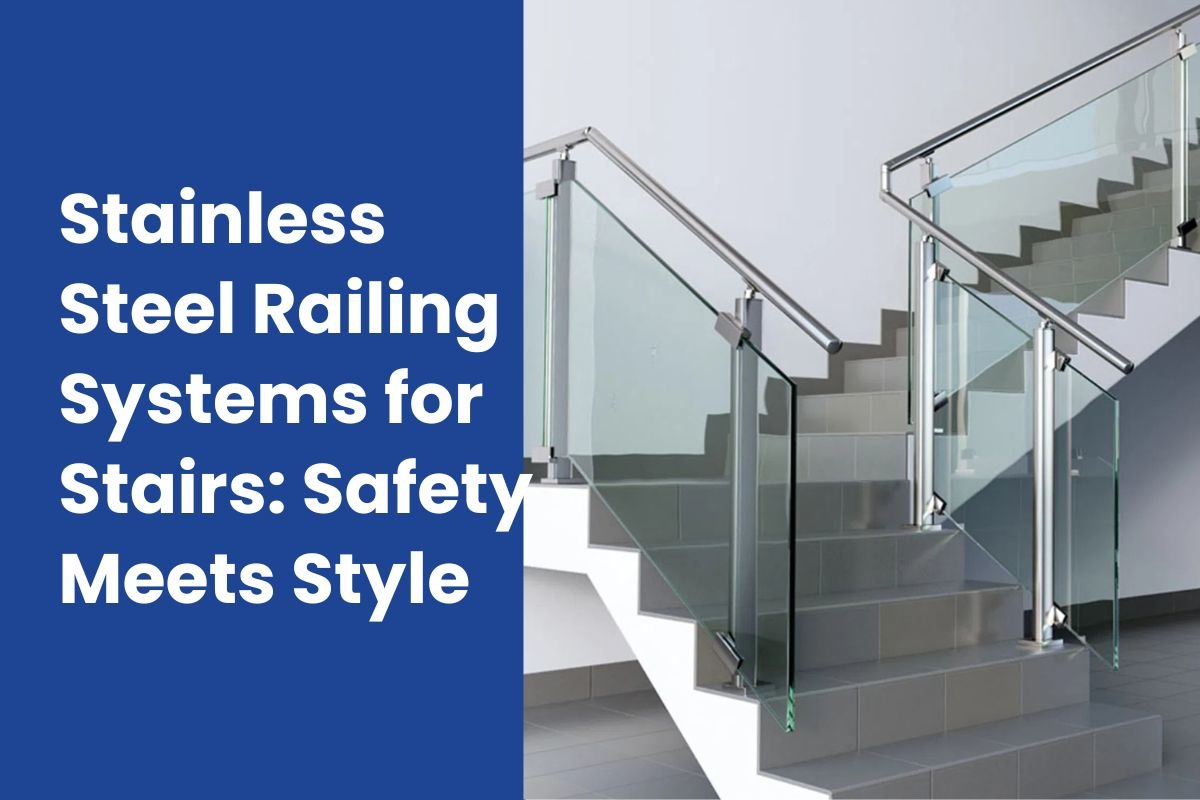
- Public Stairs and Decks: Ensures safety while maintaining visibility.
- Retail and Hospitality: Enhances aesthetic appeal in high-traffic areas.
Detailed examples are available in Industrial Canopy Systems.
Choosing the Right System for Your Needs
Assess Environmental Factors:
Consider exposure to moisture, salt, and chemicals.
Select Appropriate Stainless Steel Grade:
304 for moderate conditions, 316 for aggressive environments.
Evaluate Aesthetic Preferences:
Decide between brushed, polished, or matte finishes depending on design goals.
DIY vs Professional Installation:
Complex installations may require professional expertise to ensure correct tensioning and fitting installation.
Further guidance is available in Stainless Steel Cable Railings for DIY Decks.
Safety Considerations
Load-Bearing Capacity:
Ensure cables and fittings meet structural requirements. Check with local building codes for compliance.
Post and Fitting Integrity:
Securely anchor posts and fittings. Loose or damaged hardware compromises safety.
Regular Monitoring:
Integrate periodic checks into your maintenance routine to prevent accidents.
Sustainable Maintenance Practices
Eco-Friendly Cleaning:
Use biodegradable soaps and avoid harsh chemicals.
Longevity Over Replacement:
Proper maintenance reduces waste and the environmental footprint of replacing corroded systems.
Recycling Stainless Steel:
End-of-life cables and fittings can often be recycled, reducing environmental impact.
Summary
Proper maintenance of Stainless Steel Cable Systems involves regular cleaning, inspection, tension adjustments, and preventive care. Selecting the correct stainless steel grade, performing seasonal checks, and addressing issues promptly enhances safety, aesthetics, and longevity. Whether for residential decks, stairs, or industrial applications, maintaining your cable systems ensures they remain a functional and stylish component of your space.
For more installation and maintenance guidance, explore Best Stainless Steel Cable Railing System for Stairs.
FAQs
How often should I clean stainless steel cable systems?
A: Cleaning should occur at least every two weeks in moderate environments and weekly in coastal or industrial areas.
Can I use any stainless steel cleaner?
A: Use cleaners specifically formulated for stainless steel. Avoid abrasive products that can scratch or damage the finish.
How do I maintain cable tension?
A: Inspect and adjust turnbuckles periodically to ensure cables remain taut and evenly tensioned.
Are 304 and 316 stainless steel cables interchangeable?
A: 304 is suitable for indoor or moderate outdoor use, while 316 is preferred for high-salt or coastal environments.
Where can I find replacement fittings or cables?
A: High-quality replacements are available at Unikim or Unikim China.