In modern construction, cable railing systems deliver massive visual impact and long-term profitability for contractors, developers, and builders. They’re exploding in popularity for their strength, sleek look and low maintenance, yet many still opt for pricier traditional balusters or glass.
This guide shows why they outperform alternatives, what to specify for pro projects, and how partnering with suppliers like Urailing’s cable railing systems turns them into a competitive edge.
What Are Cable Railing Systems and Why Do Builders Choose Them?
At their core, cable railing systems consist of horizontal or vertical stainless steel cables tensioned between posts, typically made of stainless steel or aluminum. The cable runs are secured with end fittings and tensioners that keep the assembly taut, safe, and visually clean.
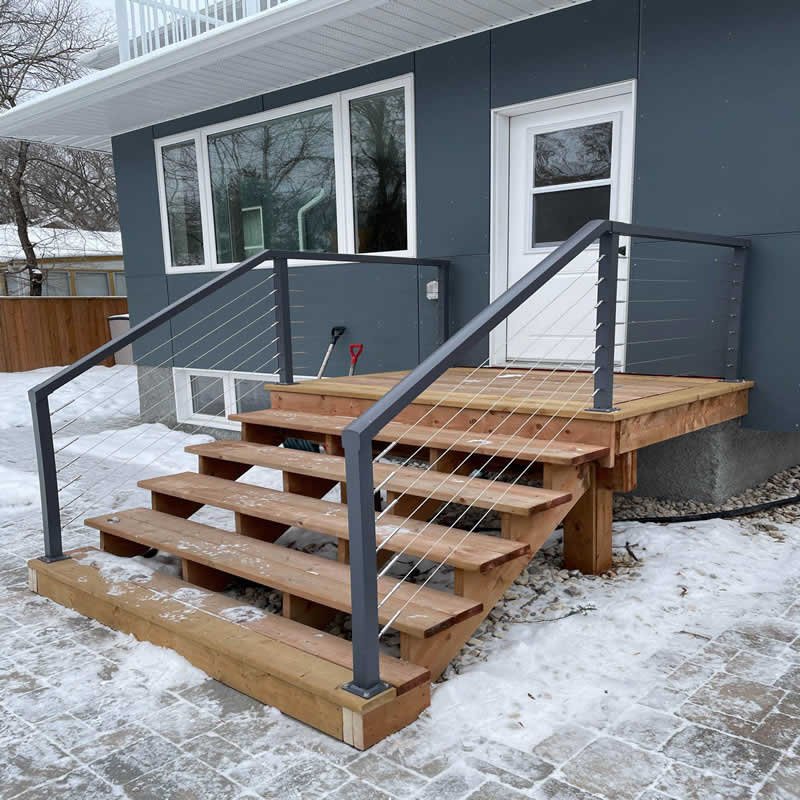
The design philosophy behind a cable railing system is deceptively simple: maximum transparency, minimum material, maximum strength. Unlike solid glass panels or traditional spindle balusters, cable runs allow wind to pass through — a critical advantage on elevated decks, coastal properties, and hillside homes where wind load calculations can dramatically affect engineering costs.
For builders, the appeal goes deeper than aesthetics. The global architectural hardware market — which includes railing systems — is projected to reach significant growth in the coming years, according to market research published by Grand View Research. Cable railings represent one of the highest-margin subcategories within that segment, particularly when sourced through manufacturer-direct suppliers rather than local distributors.
How Cable Railing Systems Maximize Project Margins
Lower Material Cost, Higher Perceived Value
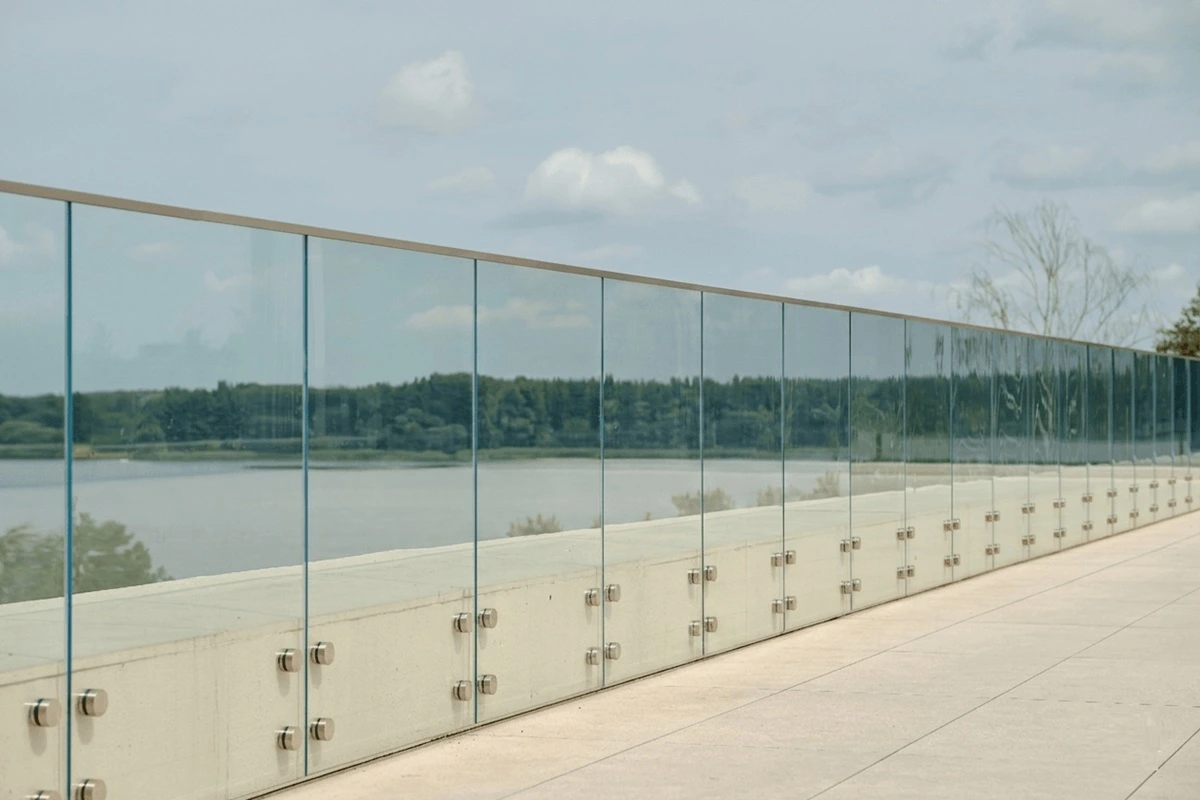
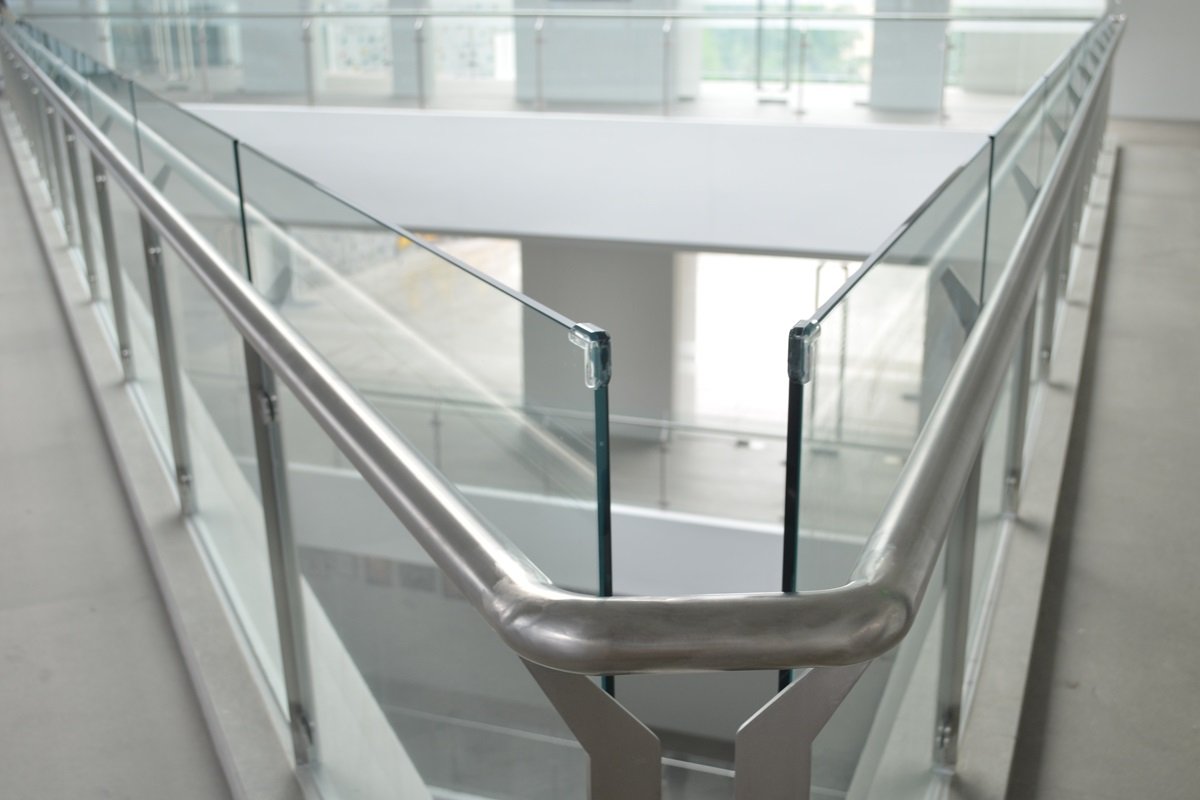
Cable railing systems offer a superior cost-to-value ratio for builders. While clients perceive the sleek aesthetic as a premium alternative to high-end glass, cable assemblies are significantly cheaper to procure, ship, and install.
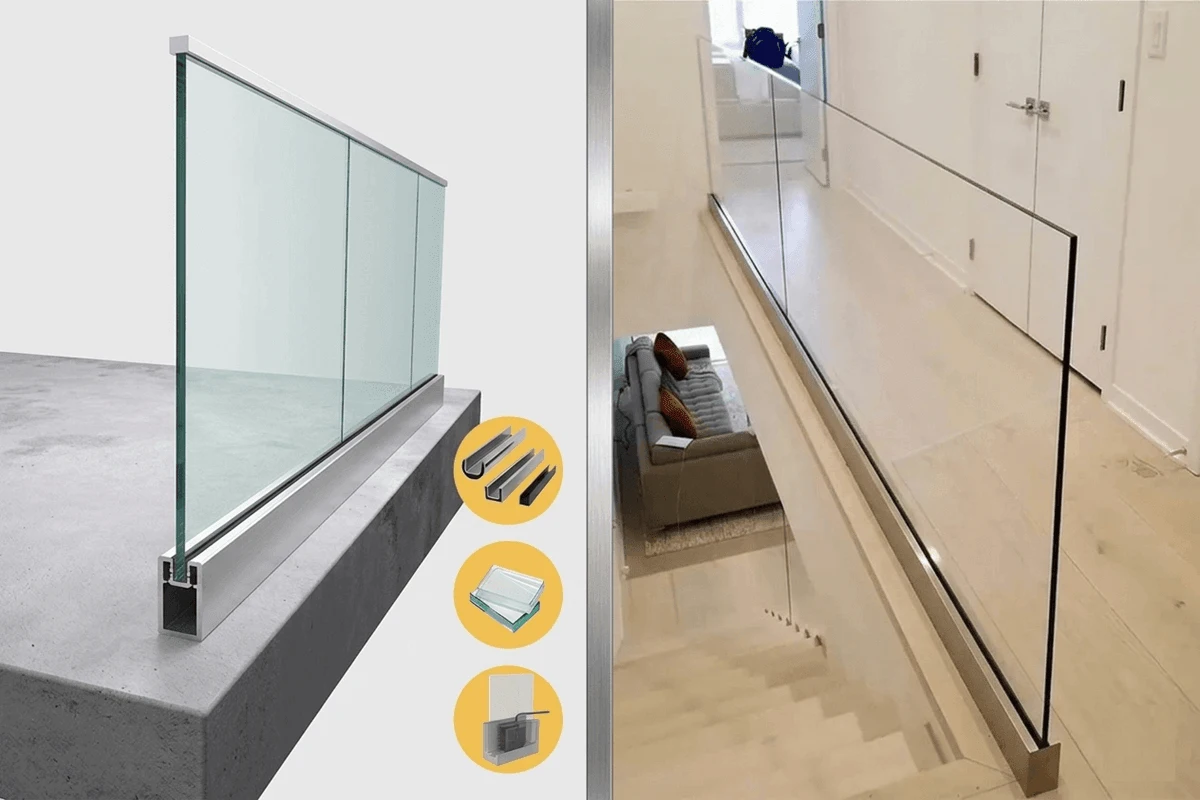
In fact, frameless glass can cost up to four times more per linear foot. On a 300-foot commercial project, switching to cable can save tens of thousands of dollars without sacrificing design quality. This creates a massive margin opportunity: builders can source components at wholesale prices and apply a 30–50% markup while still undercutting glass-based bids.
Faster Installation Means Lower Labor Costs
Time is money on every job site. Cable railing systems are widely regarded by experienced contractors as faster to install than glass panel systems. There’s no need for crane lifts, specialized glass-handling equipment, or meticulous panel alignment tolerances measured in millimeters.
A skilled two-person crew can typically install 80–120 linear feet of cable railing per day, depending on the post spacing and site conditions. The same crew working with frameless glass might cover 40–60 linear feet in the same time. That speed differential compounds across large projects, directly improving your labor efficiency ratio.
Minimal Callbacks and Warranty Claims
Properly installed 316-grade stainless steel cable is virtually maintenance-free, resisting corrosion, chipping, and peeling far better than wood or aluminum. For builders, this durability translates to fewer costly callbacks and warranty claims, protecting both your project margins and your professional reputation.
Key Components of a High-Performance Cable Railing System
Understanding what goes into a professional-grade cable railing system helps builders specify correctly and avoid costly errors.
The Cable Itself: Grade and Diameter
The backbone of any system is the cable. For residential and commercial projects, 1×19 strand stainless steel (in 3/16″ or 1/4″ diameters) is the industry standard. Its rigid construction prevents sagging over long horizontal runs. Always specify 316-grade stainless steel for outdoors to prevent corrosion; 304-grade is best reserved for interior use.
End Fittings and Tensioners
End fittings transfer the structural load from the cable to the posts. Swage fittings are mechanically crimped for maximum tensile strength and a flush look, making them ideal for code-heavy commercial jobs. Alternatively, threaded studs or push-lock fittings allow for tool-free field adjustments, making them a favorite for fast-paced residential installs.
Posts: The Structural Foundation
Posts must withstand significant horizontal tension—often reaching hundreds of pounds. Stainless steel square or round posts (1.5″ to 2″) are the commercial standard for durability. For rooftops or weight-sensitive applications, structural aluminum posts offer a lightweight yet robust alternative that simplifies handling without sacrificing safety.
Handrails: The Finishing Touch
The top rail provides essential structural stability. While wood cap rails add warmth to residential decks, continuous aluminum or stainless steel tubes are preferred for low-maintenance commercial runs. Using modular slot tubes and fittings allows builders to create seamless, high-end transitions across even the longest spans.
Comparing Cable Railing Systems to Alternative Options
To appreciate the full value of cable railing systems, it helps to see how they stack up against the alternatives builders most commonly consider.
| Feature | Cable Railing | Frameless Glass | Traditional Baluster |
|---|---|---|---|
| Cost per Linear Foot (supply) | $$ | $$$$ | $$ |
| Installation Speed | Fast | Slow | Moderate |
| View Preservation | Excellent | Excellent | Poor |
| Maintenance Required | Very Low | Low-Moderate | Moderate-High |
| Wind Load Performance | Excellent | Poor (solid panels) | Good |
| Coastal/Marine Suitability | Excellent (316 SS) | Good | Fair |
| Design Versatility | High | Moderate | High |
| Code Compliance | Yes (when specified correctly) | Yes | Yes |
The table makes the case clearly. For most commercial and residential applications where unobstructed views and low long-term maintenance are priorities, cable railing systems deliver superior value across virtually every dimension.
How to Choose the Right Cable Railing System Supplier
Manufacturing Certifications
Prioritize suppliers with ISO 9001, CE marking, and SGS testing documentation. These certifications are vital for permit approvals and architectural sign-offs. U-Railing holds all three, ensuring your cost-effective modern cable railing solutions for contractors meet international safety and quality standards.
Product Range and Customization
A one-size-fits-all approach doesn’t work in construction. Choose a supplier that offers a full ecosystem—cables, posts, and handrails—with custom finishes like matte black or mirror-polished. U-Railing’s extensive range provides the flexibility needed to adapt to any project’s specific geometry and design aesthetic.
Consistency at Volume
For large-scale commercial rollouts, production capacity is as important as quality. Ensure your supplier can maintain tight tolerances and reliable lead times across thousands of units. A consistent supply chain prevents costly project delays and ensures that cost-effective modern cable railing solutions for contractors remain profitable at scale.
Technical Support
The best suppliers act as partners, offering installation guidance and load calculation support. This technical assistance reduces field errors and streamlining the specification process. Expert support transforms a simple hardware purchase into a strategic partnership that builds long-term project confidence.
Versatile Applications of Cable Railing Systems for Modern Builders
Cost-effective modern cable railing solutions for contractors excel across diverse project types:
Residential Decks: Perfect for high-value properties where unobstructed views of water or cityscapes are a primary selling point.
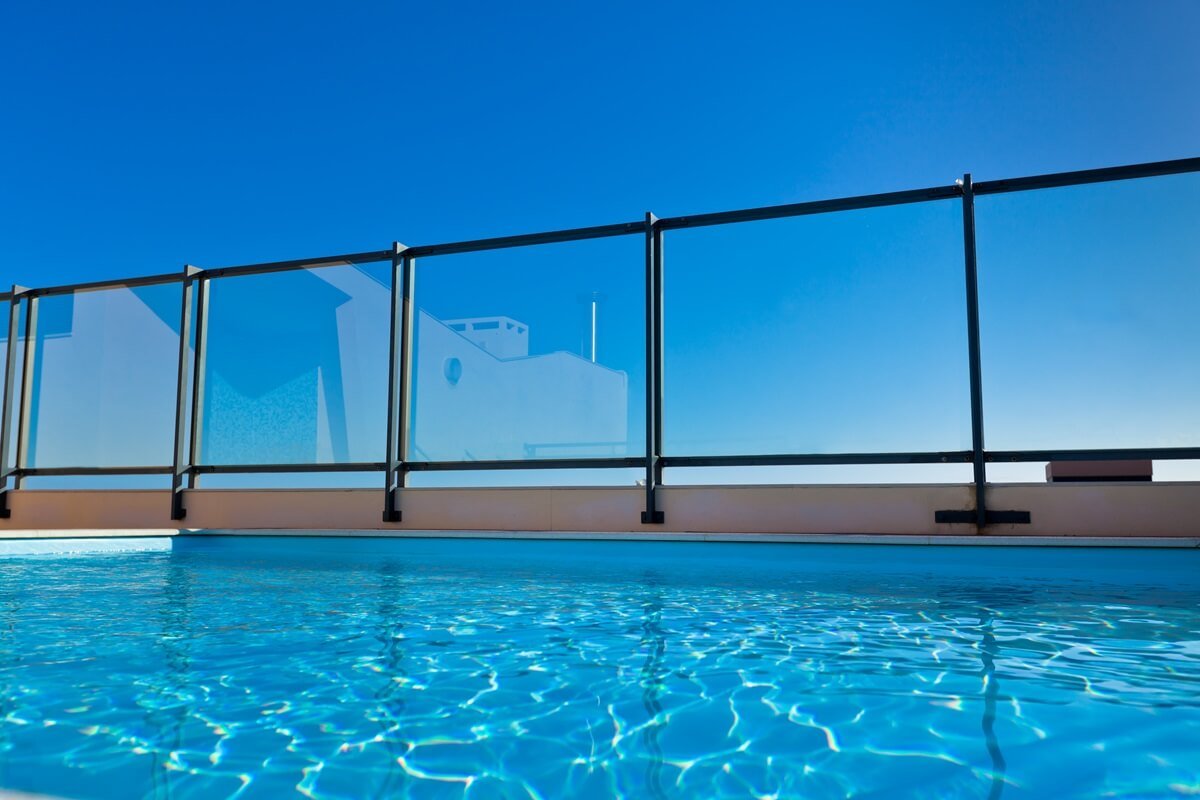
Hospitality: Hotels and resorts benefit from the sleek aesthetic and low maintenance required for high-traffic pool decks and mezzanines.
Urban Mixed-Use: The contemporary look complements glass facades on rooftop amenities and elevated walkways.
Coastal Environments: In salt-air regions, the corrosion resistance of 316 stainless steel is a functional necessity for docks and beachfront homes.
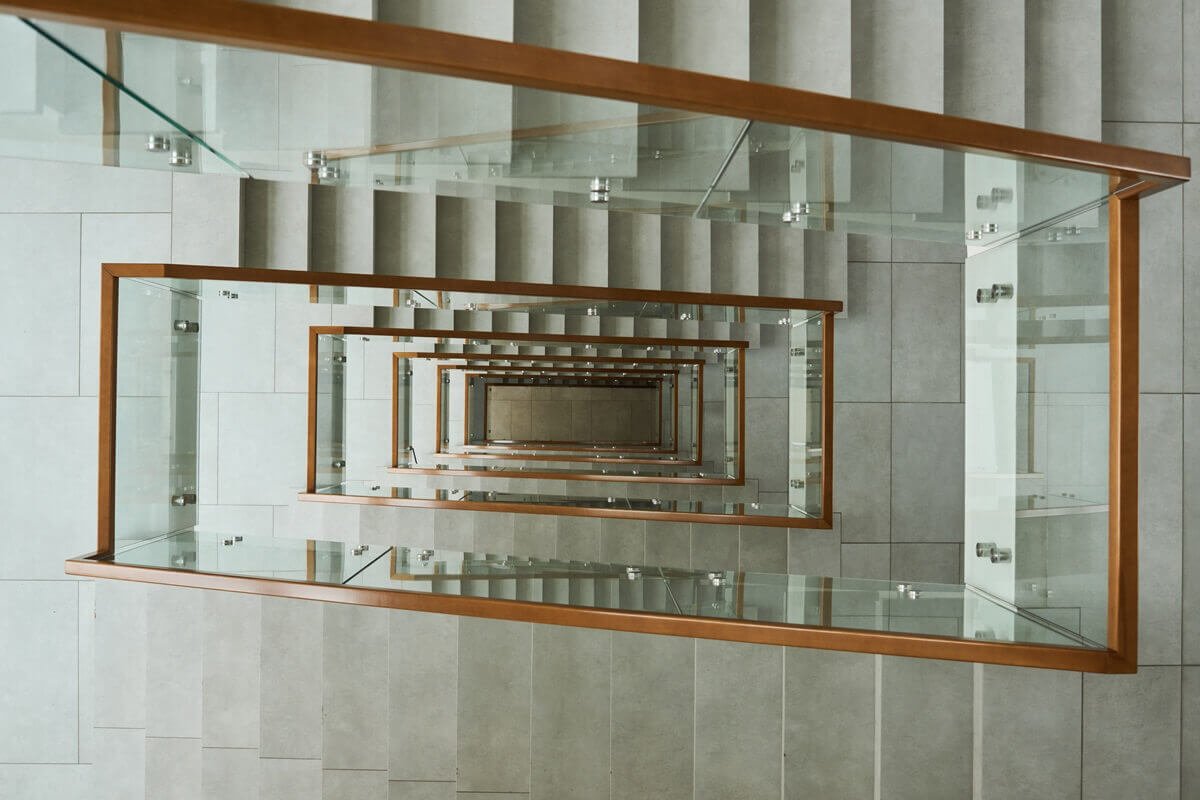
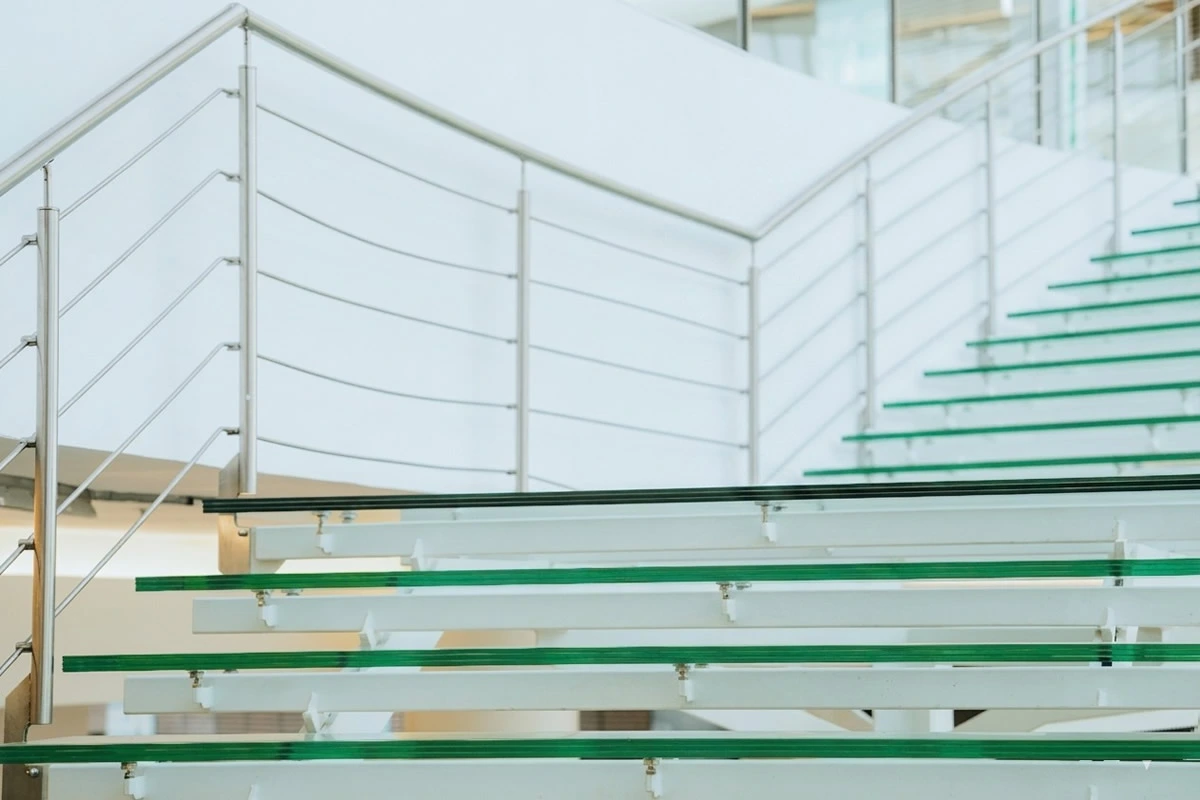
Staircases: Both interior and exterior cable installations turn standard stairways into high-end architectural features.
Summary
Cost-effective modern cable railing solutions for contractors represent a premier opportunity to elevate design while reducing labor and material costs. By combining structural performance with a high-end aesthetic, these systems deliver the strong margin potential that builders need in today’s competitive market.
The foundation of a successful project lies in selecting high-quality components—marine-grade stainless steel, precision fittings, and engineered posts. Partnering with a certified manufacturer like URailing ensures you have the 20+ years of expertise and technical support necessary to turn every installation into a profitable, long-term success.
FAQS
Q: How do cable railing systems compare to glass in terms of total project cost?
A: While both provide a luxury “open-view” look, cable railing systems are significantly more cost-effective because material and shipping costs are much lower than heavy glass panels. This allows builders to offer a premium aesthetic at a fraction of the price, leading to much healthier project margins.
Q: Are cable railing systems compliant with international building codes?
A: Yes, high-quality cable railing systems meet IRC and IBC standards when cables are spaced and tensioned to prevent a 4-inch sphere from passing through. Using engineered tensioning hardware ensures the system remains rigid and safe for both residential and commercial use.
Q: What maintenance is required for outdoor cable railing systems?
A: When using 316-grade stainless steel, cable railing systems are nearly maintenance-free and only require an occasional rinse with fresh water to remove surface debris. Unlike wood or aluminum, they won’t rot, warp, or chip, which virtually eliminates the need for costly warranty callbacks.