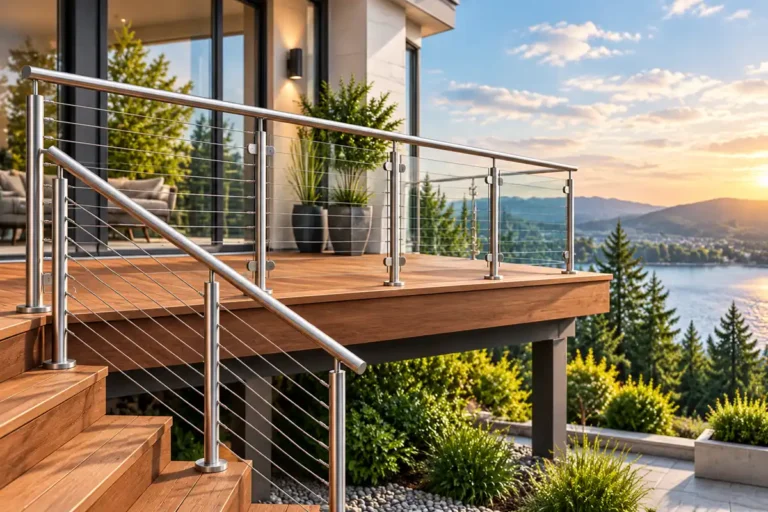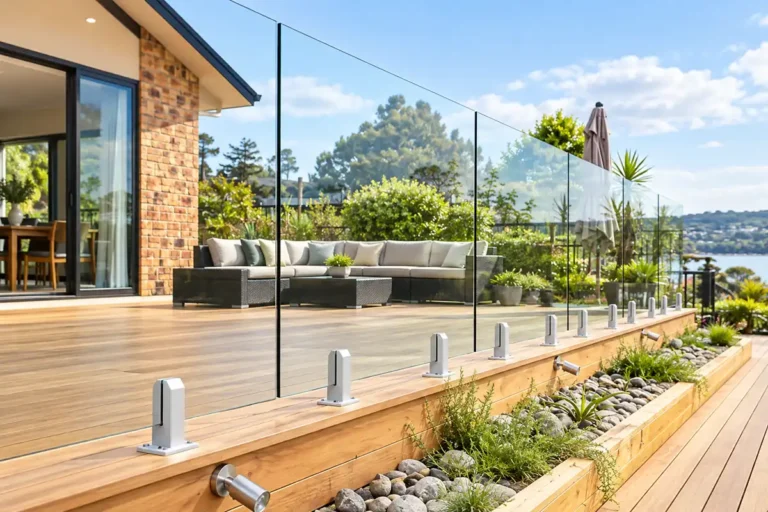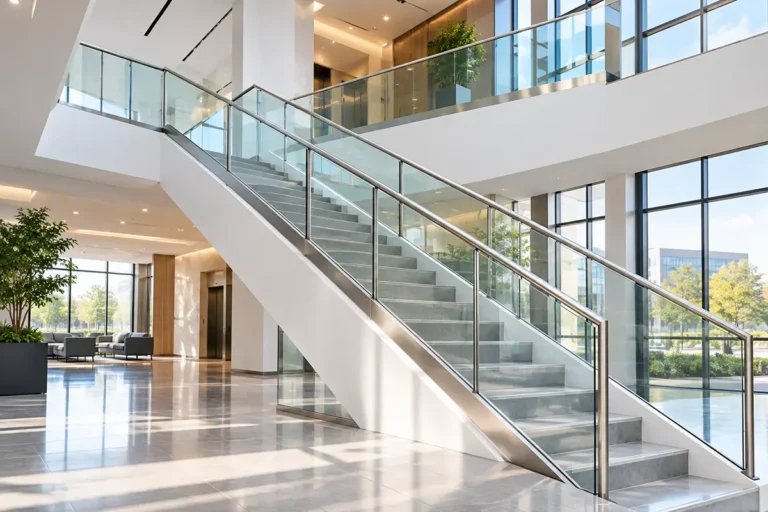
Designing, specifying, and installing architectural balustrades requires a deep understanding of component compatibility, safety standards, and material science. Selecting the correct hardware ensures structural integrity, long-term durability, and compliance with local building codes. This comprehensive guide details everything you need to know about selecting, planning, and installing premium modular handrail systems.
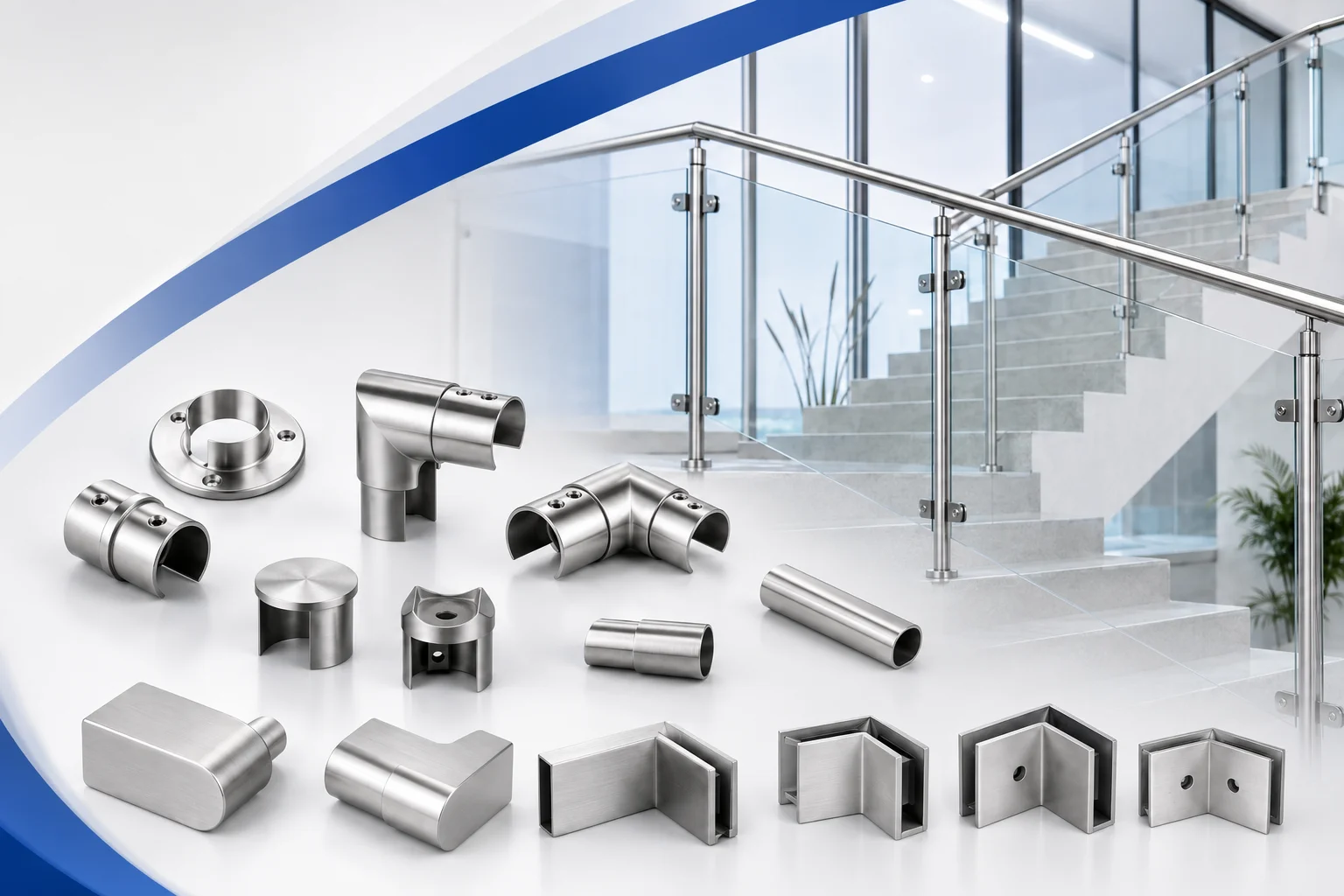
Stainless steel handrail fittings are modular mechanical components—such as elbows, brackets, connectors, and end caps—used to join, support, and terminate handrail tubing without the absolute necessity of on-site welding. To choose the correct fittings, you must match your tubing’s outer diameter (typically 38.1mm, 42.4mm, or 50.8mm) and wall thickness (usually 1.5mm to 2.0mm) with the appropriate material grade: Grade 304 for dry indoor environments, and Grade 316 for outdoor, humid, or coastal installations.
Key Takeaways
- Material Grade Matters: Use Grade 304 indoors and Grade 316 for outdoor or high-moisture applications to prevent tea-staining and pitting corrosion [1].
- Modular vs. Welded: Modular slip-fit systems using high-strength structural adhesives or blind rivets save significant installation time compared to traditional on-site welding.
- Size Compatibility: Always verify both the Outer Diameter (OD) and the wall thickness (gauge) of your tubing before purchasing fittings.
- Code Compliance: Ensure your handrail height, grasp ability, and load-bearing capacity meet local building regulations, such as IBC/ADA in the US or Building Regs Document K in the UK .
- Finish Consistency: Match your finishes carefully; satin/brushed (typically 320 grit) is standard, while mirror-polished is ideal for marine environments.
- Proper Maintenance: Regular cleaning with specialized stainless steel cleaners preserves the passive chromium oxide layer that prevents rust.
What Are Stainless Steel Handrail Fittings?
Stainless steel handrail fittings are specialized hardware components engineered to connect, redirect, support, and terminate metal handrail tubes. Instead of requiring complex, highly skilled on-site TIG welding and subsequent grinding, these fittings allow for a modular assembly process. They are designed to slip inside or over standard architectural tubing, creating clean, flush joints.
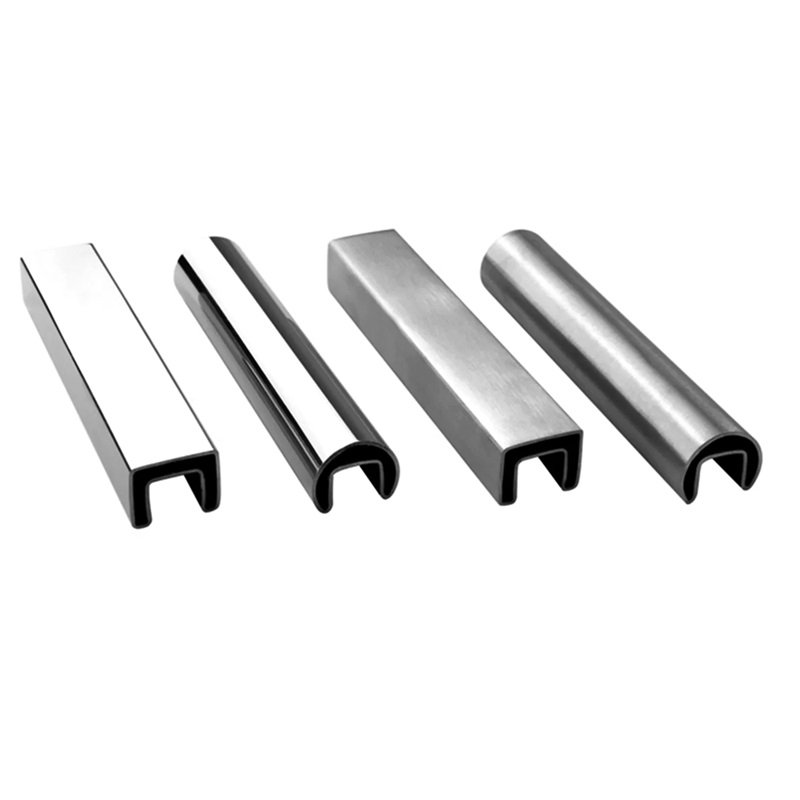
These components are widely used in commercial office buildings, residential decks, public transit hubs, and industrial facilities. Because they are manufactured in controlled factory environments, they offer highly precise angles, consistent surface finishes, and predictable load-bearing capacities. This modularity allows architects and contractors to build complex, multi-directional railing systems with basic hand tools and specialized structural adhesives.
Why Material Grade Selection Is Critical for Durability
Selecting the wrong grade of stainless steel is the leading cause of premature handrail failure and aesthetic degradation. While stainless steel is highly resistant to corrosion, it is not completely stain-proof. Its resistance comes from a microscopic, self-healing chromium oxide film on the surface of the metal.
Grade 304 (1.4301)
Grade 304 contains approximately 18% chromium and 8% nickel. It is the most common and cost-effective grade of stainless steel. It performs exceptionally well in dry, climate-controlled indoor environments. However, if exposed to outdoor elements, road salts, or coastal air, it will quickly develop “tea-staining”—a light brown surface discoloration that compromises the look of the installation.
Grade 316 (1.4401) and 316L
Grade 316 contains approximately 16% chromium, 10% nickel, and the crucial addition of 2% to 3% molybdenum. The molybdenum significantly increases the material’s resistance to pitting and crevice corrosion, especially in chloride-rich environments. Grade 316L (low carbon) is preferred if any welding is required, as it prevents carbide precipitation during heating. This grade is mandatory for outdoor installations, swimming pool enclosures, and coastal areas.
How Modular Handrail Systems Work
Modular stainless steel handrail systems function on a male-to-female slip-fit connection principle. The fittings feature internal or external sleeves (spigots) that slide precisely into or over the handrail tubing.
[Handrail Tube] —> [Internal Connector / Spigot of Fitting] —> [Adhesive / Rivet Joint]
Once aligned, the joint is secured using one of three primary methods:
- High-Strength Structural Adhesives: Anaerobic structural adhesives (such as Loctite 638 or specialized single-part polyurethane activators) are applied to the mating surfaces. Once cured, these adhesives provide a shear strength that often exceeds the mechanical strength of the tubing itself.
- Blind Rivets or Grub Screws: Some systems utilize countersunk rivets or small hex-head grub screws to mechanically lock the fitting to the tube. This is common in industrial settings where immediate load-bearing capability is required.
- Friction Fit: Precision-engineered internal spring-loaded sleeves expand inside the tube, locking the fitting in place without glues or fasteners.
Key Types of Stainless Steel Handrail Fittings
A functional balustrade system requires a variety of specialized fittings to navigate corners, changes in elevation, and structural terminations.
Handrail Brackets
Brackets secure the handrail to walls, glass panels, or vertical baluster posts. They are available in fixed configurations (90-degree rigid stems) or adjustable configurations, which allow the installer to set custom angles for stairways and ramps.
Flush Elbows and Connectors
Flush elbows allow the handrail to change direction smoothly. They are available in fixed 90-degree angles, fixed 135-degree angles (for octagonal bay windows), and adjustable variations that can pivot from 90 to 180 degrees to accommodate custom stair pitches.
End Caps and Terminations
End caps seal the open, sharp ends of the handrail tubing. They range from simple flat knock-in caps to decorative domed, tapered, or scroll-style terminations. Beyond aesthetics, they prevent debris, moisture, and pests from entering the interior of the tubing.
Base Plates and Canopies
Base plates are heavy-duty structural flanges bolted directly to the floor, concrete slab, or stair tread to support vertical posts. Decorative cover canopies (or escutcheons) slide down the post to hide the anchor bolts and raw mounting hardware, providing a clean, finished appearance.
Understanding Tubing Dimensions and Tolerances
When ordering stainless steel handrail fittings, you must match the exact dimensions of your architectural tubing. A common industry mistake is confusing nominal pipe sizes with actual tube outer diameters.
- Tube vs. Pipe: Architectural handrails almost exclusively use tubing, which is measured by its actual Outer Diameter (OD). Pipe is measured by its Nominal Pipe Size (NPS) and schedule, which do not match the actual physical dimensions.
- Wall Thickness (Gauge): The internal spigot of a flush fitting is machined to fit a specific wall thickness. The most common wall thicknesses for architectural handrails are 1.5mm (16 gauge) and 2.0mm (14 gauge). If you attempt to insert a fitting designed for a 1.5mm wall into a 2.0mm wall tube, it will not fit. Conversely, using a 2.0mm fitting in a 1.5mm tube will result in a loose, structurally unsafe joint.
Comparing Modular Systems vs. Traditional Welded Systems
Deciding between a modular slip-fit system and a traditional welded handrail depends on your project budget, labor availability, and aesthetic requirements.
| Feature / Metric | Modular Slip-Fit Systems | Traditional Welded Systems |
|---|---|---|
| Installation Speed | Extremely fast; assembled on-site with basic hand tools. | Slow; requires cutting, jigging, welding, and grinding. |
| Labor Skill Required | Moderate; basic carpentry or mechanical skills. | High; certified TIG welder and metal finisher required. |
| Hot Work Permits | Not required; ideal for occupied buildings or high-risk areas. | Mandatory in most commercial construction zones. |
| On-Site Adjustability | High; components can be adjusted or replaced easily. | Low; modifications require cutting and re-welding. |
| Joint Aesthetics | Clean, visible hairline joints at connection points. | Seamless, monolithic appearance after professional polishing. |
| Corrosion Risk | Low, provided correct grades and adhesives are used. | Moderate at weld zones if not properly passivated [3]. |
Step-by-Step Installation Planning Guide
Proper planning prevents material waste and ensures your handrail assembly meets safety standards. Follow this systematic approach to design your layout.
Step 1: Measure and Map the Run
Measure the total length of the handrail run, noting all changes in elevation, stair pitches, and wall returns. Draw a detailed overhead plan and elevation view. Mark the exact locations of all structural mounting points (wall studs, concrete floor joists, or steel stringers).
Step 2: Determine Post and Bracket Spacing
To prevent handrail deflection under load, installers should space support brackets and vertical posts no more than 1.2 to 1.5 meters (approximately 4 to 5 feet) apart, depending on local building codes and the tube diameter
Step 3: Calculate Tube Cuts
When calculating your tube cuts, remember to subtract the “take-out” dimensions of your fittings. Flush elbows and connectors add a small amount of length to the overall run. Consult the manufacturer’s technical data sheets for the exact dimensions of each fitting to avoid cutting your tubes too short.
Step 4: Prepare the Metal
Cut the stainless steel tubing using a high-quality pipe cutter or a cold saw with a blade rated for stainless steel. Do not use standard carbon steel abrasive wheels, as they can embed iron particles into the stainless steel, leading to localized rusting. Deburr the inside and outside of the cut edges thoroughly using a deburring tool or file.
Surface Finishes: Satin vs. Mirror Polished
The surface finish of your handrail fittings affects both the visual design and the corrosion resistance of the system.
Satin / Brushed Finish (320 Grit)
Satin is the most popular finish for commercial and residential interiors. It features a fine, directional grain that diffuses light and helps hide fingerprints, minor scratches, and dust. It provides a modern, industrial aesthetic that blends well with contemporary architecture.
Mirror Polished Finish
Mirror polishing creates a smooth, reflective surface. Because there are no microscopic grain lines or crevices for salt crystals, moisture, or airborne pollutants to settle in, mirror-polished stainless steel offers the highest level of corrosion resistance. This finish is highly recommended for marine environments, beachfront boardwalks, and outdoor swimming pool areas.
Crucial Building Codes and Safety Standards
Before purchasing or installing any handrail fittings, you must verify compliance with your local building codes. In the United States, the International Building Code (IBC) and the Americans with Disabilities Act (ADA) dictate strict dimensional and structural requirements
Height Requirements: You must generally position residential handrails between 34 and 38 inches (864mm to 965mm) vertically above the stair nosing or walking surface.
- Height Requirements: Height Requirements: You must generally position residential handrails between 34 and 38 inches (864mm to 965mm) vertically above the stair nosing or walking surface.
- Load Capacity: Handrails and guardrails must be capable of withstanding a concentrated load of 200 pounds (0.89 kN) applied in any downward or outward direction at any point along the top rail .
- Grasp ability: For ADA compliance, the outer diameter of a circular handrail must be between 1.25 inches (32mm) and 2.0 inches (51mm) to ensure users can maintain a secure, continuous grip
- Wall Clearance: There must be a minimum clear space of 1.5 inches (38mm) between the handrail and the wall surface to prevent hand trapping .
How to Maintain and Clean Stainless Steel Fittings
While stainless steel is highly durable, environmental exposure will eventually dull the finish if you do not maintain it. Implementing a simple preventative maintenance schedule will keep the system looking pristine for decades.
Regular Cleaning
For general maintenance, wash the handrail and fittings with warm water, a mild soap or dish detergent, and a soft microfiber cloth. Rinse thoroughly with clean water and dry with a towel to prevent water spots.
Removing Stubborn Stains or Light Rust
If light tea-staining or surface rust appears, use a specialized, non-abrasive stainless steel cleaner or a phosphoric acid-based gel. Apply the cleaner gently in the direction of the satin grain. Never use steel wool, carbon steel wire brushes, or harsh abrasive powders, as these will scratch the surface and contaminate the metal with iron, accelerating rust.
Passivation Treatments
For outdoor installations exposed to harsh winter road salts or coastal air, applying a commercial citric or phosphoric acid passivation solution once a year helps rebuild the protective chromium oxide layer, ensuring long-term resistance to pitting .
Mistakes to Avoid When Installing Handrail Fittings
Avoiding these common installation errors will save time, reduce material waste, and prevent structural failures.
- Using Carbon Steel Tools: Using tools, files, or cutting blades that have previously been used on carbon steel will transfer microscopic iron particles to your stainless steel fittings, causing rapid localized rusting. Always use dedicated stainless steel tools.
- Neglecting Wall Thickness Compatibility: If you purchase fittings based solely on the tube’s outer diameter without verifying its wall thickness (such as 1.5mm vs. 2.0mm), you will get fittings that either won’t insert or will remain structurally loose.
- Inadequate Adhesive Curing Time: Applying structural adhesive and immediately subjecting the handrail to physical loads or vibration will ruin the chemical bond. Allow the adhesive to cure fully according to the manufacturer’s instructions (typically 24 hours).
- Mixing Material Grades: Mixing Grade 304 fittings with Grade 316 tubing in an outdoor environment will lead to rapid galvanic corrosion and unsightly rusting of the lower-grade components.
- Insecure Wall Anchoring: A handrail is only as strong as its connection to the building. Mounting brackets to drywall or thin wood paneling without securing them directly into solid wood studs, steel framing, or concrete anchors will lead to structural failure under load.
Frequently Asked Questions
What is the difference between Grade 304 and Grade 316 stainless steel fittings?
Grade 304 contains chromium and nickel, making it ideal and cost-effective for dry indoor environments. Grade 316 contains added molybdenum, which provides superior resistance to chlorides, salt spray, and moisture, making it essential for outdoor, coastal, or pool-side installations.
Can I install modular stainless steel handrails without welding?
Yes, engineering teams specifically design modular systems for installation without welding. Workers join components using high-strength structural adhesives, blind rivets, or internal mechanical expansion sleeves, which allows them to assemble the system cleanly and rapidly using basic hand tools.
What adhesive should I use to join stainless steel handrail fittings?
We highly recommend high-strength anaerobic retaining compounds, such as Loctite 638 or specialized single-part structural adhesives designed for cylindrical metal joints. These adhesives cure in the absence of air between close-fitting metal surfaces, creating a permanent, vibration-resistant bond.
How do I prevent my outdoor stainless steel handrail from rusting?
To prevent rust outdoors, always use Grade 316 or 316L stainless steel, opt for a mirror-polished finish if you are near the ocean, and clean the handrail periodically with fresh water and mild soap to remove accumulated salts and environmental pollutants.
What is the standard height for a residential handrail?
In most jurisdictions, residential handrail regulations require a height between 34 and 38 inches (864mm to 965mm) measured vertically from the leading edge of the stair tread or walking surface. Always check your local building codes to confirm specific regional requirements.
Conclusion
Stainless steel handrail fittings offer a highly durable, aesthetically clean, and structurally sound solution for modern architectural designs. By understanding the differences between material grades, ensuring precise dimensional compatibility with your tubing, and adhering strictly to local safety codes, you can design and install a professional-grade balustrade system that stands the test of time. Whether you choose a brushed satin finish for a modern interior or a mirror-polished finish for a coastal deck, proper planning and maintenance will ensure your handrail remains safe and beautiful for decades.
References
- Specialty Steel Industry of North America (SSINA): Selection of Stainless Steels — Technical guide detailing the chemical composition, corrosion resistance, and appropriate application environments for Grade 304 and Grade 316 stainless steels.
- International Code Council (ICC): International Building Code (IBC) Chapter 10 — Official regulatory standards governing handrail heights, load capacities, and structural requirements for commercial and residential buildings.
- Euro Inox: Cleaning and Maintenance of Stainless Steel — Industry best practices guide for preserving the passive layer, cleaning surface contaminants, and preventing tea-staining on architectural stainless steel.
- U.S. Access Board: ADA Accessibility Guidelines (ADAAG) Chapter 5 — Federal standards detailing graspability, clearance, height, and continuity requirements for accessible handrails.