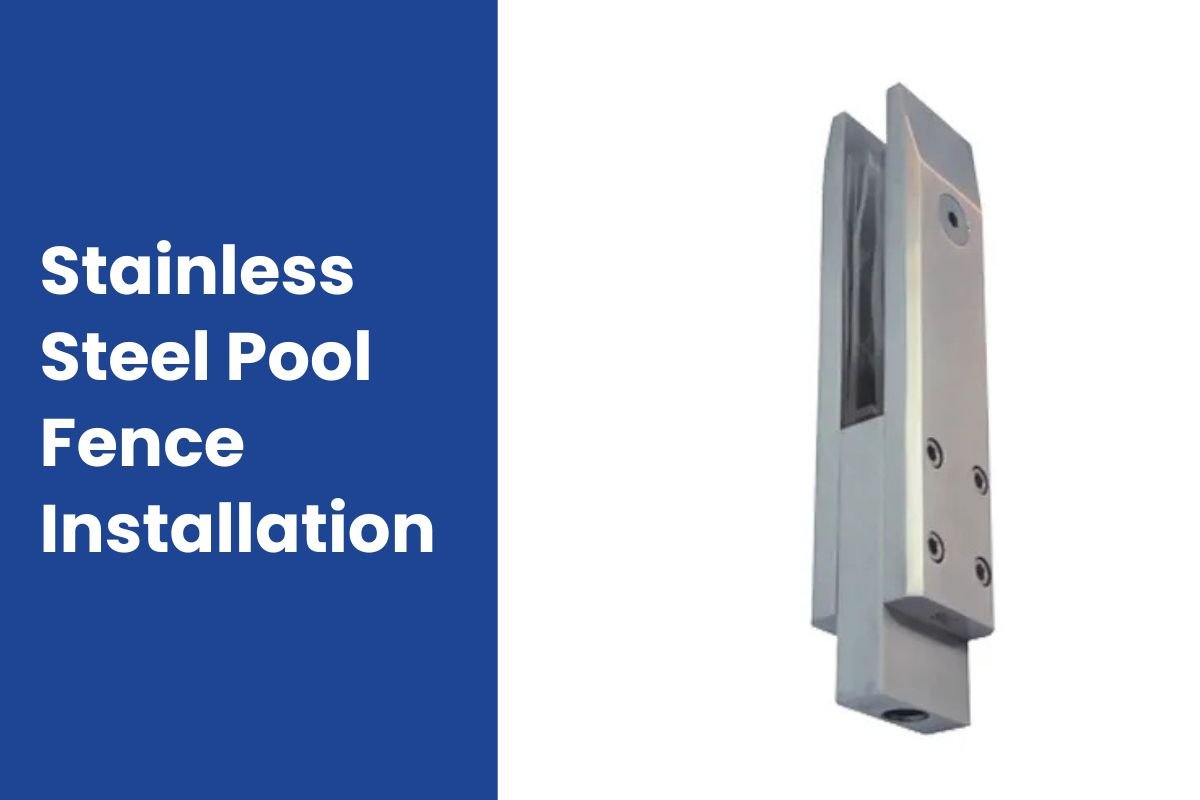
A Stainless Steel Pool Fence is one of the most effective ways to elevate your pool area, increase safety, and add an elegant, modern look that lasts for decades. Whether you’re designing a new pool environment or upgrading an older one, stainless steel fencing stands out because of its exceptional durability, corrosion resistance, and sleek architectural appeal. It blends beautifully with glass railing systems, tile decks, modern landscaping, and contemporary backyard designs.
At URailing, we specialize in high-quality glass and stainless steel railing systems, including glass railing systems and frameless pool fencing.
What Is a Stainless Steel Pool Fence and Why It Matters
A Stainless Steel Pool Fence is a barrier designed to secure a pool area using corrosion-resistant steel, often combined with tempered glass panels for a clean, frameless look. It meets strict safety codes while maintaining an upscale aesthetic.
To understand how railing structures function as a system, you can explore What Is a Railing System? on uRailing’s website. It explains how posts, spigots, clamps, and connectors work together to form a secure barrier.
The main reasons stainless steel is preferred include:
- Exceptional rust resistance, even around saltwater pools
- Strength that lasts for decades
- Compatibility with modern glass railing systems (such as those from uRailing)
- Minimal maintenance requirements
- Luxurious, modern poolside appearance
The combination of stainless steel and tempered glass provides both safety and style, making it the first choice for luxury homes, hotels, and residential pool areas.
Why Choose a Stainless Steel Pool Fence?
When considering a pool barrier, the material choice is fundamental. While wood, aluminum, and mesh fences offer various benefits, stainless steel components—particularly when paired with glass—provide an unmatched combination of long-term durability, minimal maintenance, and modern sophistication.
Unmatched Corrosion Resistance: The Power of Stainless Steel
A pool environment is notoriously harsh on materials. Constant exposure to moisture, chlorine, saltwater, and UV rays can cause lesser metals to rust and degrade quickly. This is where stainless steel truly shines.
- Superior Material Composition: Stainless steel is an iron alloy containing a minimum of 10.5% chromium. This chromium layer reacts with oxygen to form a thin, stable, self-healing chromium oxide film on the surface. This protective film is what makes the metal “stainless,” providing exceptional resistance to rust and corrosion, even in the highly corrosive environment near a swimming pool.
- Ideal for Poolside Applications: For pool fences, marine-grade stainless steel (like 316-grade) is often recommended, especially in coastal areas or for saltwater pools. This particular alloy offers a higher resistance to pitting and crevice corrosion caused by chlorides, ensuring your investment retains its structural integrity and aesthetic appeal for decades. Learn more about premium railing solutions at URailing.
Aesthetic Brilliance: Modern, Minimalist Design
The days of bulky, intrusive pool fences are over. Stainless steel pool fence systems—especially those utilizing frameless glass—are the epitome of modern architectural design.
- Seamless Integration with Glass: Stainless steel components like spigots (posts or clamps) are often used to secure tempered glass panels (you can explore our top-of-the-line options like the Stainless Steel Glass Swimming Pool Fence Spigo). This configuration provides a virtually unobstructed view of your pool and surrounding landscape, creating a sense of openness and luxury. This is the hallmark of a frameless pool fencing glass railing system.
- Sleek and Contemporary Look: The clean lines and polished or brushed finish of stainless steel hardware, such as a stainless steel glass pool fence side mount glass fitting spigot, offer a minimalist elegance that complements any modern home architecture. It transforms the safety barrier from a necessary evil into a beautiful design feature.
Safety and Durability that Lasts
A pool fence is only as good as its weakest link. Stainless steel provides a level of strength and longevity that ensures the safety barrier remains robust and compliant over time.
- Exceptional Strength: Stainless steel provides high tensile strength, making the fence extremely resilient against impact, wind, and general wear and tear. This structural stability is essential for maintaining the integrity of the barrier, especially when securing large, heavy glass panels.
- Compliance with Safety Codes: Properly designed and installed stainless steel pool fence systems easily meet stringent local and international pool safety regulations, which typically mandate a minimum fence height, self-closing, and self-latching gates. These systems are designed to be non-climbable, thanks to the smooth, vertical panels of glass secured by minimal stainless steel hardware.
| Feature | Stainless Steel Pool Fence | Aluminum Fence | Wood Fence |
| Corrosion Resistance | Excellent (Especially Marine Grade) | Very Good (Powder Coated) | Poor (Prone to Rot) |
| Aesthetic Value | High-End, Modern, Unobstructed View | Classic Picket Look | Traditional, Rustic |
| Durability/Lifespan | Very Long (Decades) | Long | Moderate (Requires Regular Sealing) |
| Maintenance | Low (Occasional Cleaning) | Low | High (Staining/Sealing/Repair) |
| Pool Safety Compliance | Meets Toughest Standards | Meets Standards | Meets Standards |
The Components of a Stainless Steel Pool Fence System
The structural integrity and visual appeal of this type of fence rely on a few key stainless steel components that secure the glass panels. Understanding these parts is crucial for a successful installation and choosing the right system for your needs.
Glass Panels: The Unobstructed Barrier
Typically made of 10mm or 12mm thick tempered safety glass, these panels form the core of the barrier. The edges are polished to eliminate sharp points. Their strength and rigidity are vital for pool safety, providing a clear line of sight for supervision.
Stainless Steel Spigots: The Essential Anchor
Spigots are the modern replacement for traditional vertical posts. They are arguably the most critical structural component.
- Design and Function: Spigots are small, heavy-duty stainless steel clamps that hold the glass panels firmly in place at the base. They offer a “frameless” look by eliminating the need for bulky vertical posts, making the glass appear to float. The Stainless Steel Glass Swimming Pool Fence Spigo is a prime example of this sleek design.
- Installation Types:
- Core Drill Spigots: Installed by drilling a hole (core-drilling) into the concrete deck and setting the spigot with non-shrink grout. This provides the strongest hold and the cleanest finish.
- Base Plated/Surface Mount Spigots: These are bolted directly onto the surface of the deck. Products like the stainless steel glass pool fence side mount glass fitting spigot or the glass railing clamp spigot stainless steel frameless glass baluster for pool fence are designed for this method, offering flexibility when core drilling is not an option.
Stainless Steel Gates and Latches: The Access Point
The gate must be the most secure part of the fence. Self-closing and self-latching hinges and latches are mandatory for code compliance.
Stainless Steel Hinges: High-quality stainless steel spring hinges ensure the gate automatically closes from any open position, preventing the possibility of the gate being accidentally left ajar.
Magnetic Latch: The industry standard is a magnetic latch system, positioned out of a child’s reach (typically 54 inches from the ground). When the gate swings shut, the magnetic force pulls the latch bolt into the keeper, ensuring a positive lock every time.
Planning Your Stainless Steel Pool Fence
Installing a Stainless Steel Pool Fence successfully starts with accurate planning and measurement. Here’s what to assess:
Pool Area Dimensions
Measure all sides of the pool area, including slopes, corners, and elevation changes.
Local Safety Codes
Most regions require:
- Minimum fence height
- Self-closing gates
- Gaps under 4 inches
- Non-climbable surfaces
Always verify your local regulations before purchasing materials.
Deck Surface Type
Installation methods differ for:
- Concrete
- Timber decking
- Composite surfaces
- Pavers
Different spigots and anchors are used depending on the base material.
Step-by-Step Stainless Steel Pool Fence Installation
Below is a fully detailed, easy-to-follow installation guide. This method works with most stainless steel spigot-based systems, such as those sold by uRailing.
Step 1: Mark the Installation Line
Use a chalk line or laser level to mark the exact location where the fence will be installed. This ensures symmetry and prevents misalignment.
Step 2: Position the Spigots
Place spigots along your marked line, ensuring equal spacing between them. Typically, spacing ranges from 900mm to 1200mm depending on panel size.
uRailing’s Stainless Steel Glass Swimming Pool Fence Spigot includes precise spacing recommendations.
Step 3: Drill Anchor Points
Using a hammer drill and masonry bits, create holes deep enough for anchor bolts. Maintain straight, vertical drilling for maximum holding strength.
Step 4: Secure the Spigots
Insert the anchor bolts and tighten them using a torque wrench. Spigots should feel solid and immovable before adding any glass.
Step 5: Insert the Glass Panels
Place the tempered glass panels into the spigots carefully. A suction handle helps with lifting and positioning.
Use a level to ensure the glass remains perfectly vertical.
Step 6: Tighten the Clamps
Adjust the stainless steel clamps to secure each panel. Avoid overtightening to prevent glass stress fractures.
Step 7: Install the Gate System
Pool gates require:
- Self-closing hinges
- Magnetic safety latches
- Reinforced mounting hardware
Ensure the gate swings outward from the pool area to meet safety regulations.
Step 8: Final Adjustments
Walk around the fence line and check alignment. Tighten any loose clamps, clean fingerprints, and inspect all joints.
Design Ideas for Stainless Steel Pool Fences
A Stainless Steel Pool Fence can be customized to match modern, minimalist, or luxury exterior designs.
Minimalist Frameless Look
Using uRailing’s frameless glass systems creates an invisible barrier that blends with the horizon.
Raised Platform Pools
Side-mount spigots like
Stainless Steel Glass Pool Fence Side Mount Glass Fitting Spigot
are perfect for suspended decks.
Resort-Style Aesthetics
Combine glass fencing with LED lighting and dark stone tiles for a luxury hotel look.
Summary
A stainless steel pool fence is a long-lasting, stylish, and safe choice for any pool area. From frameless glass designs to hybrid cable systems, urailing provides top-tier solutions.
For more inspiration, explore our YouTube channel or browse Made-in-China’s stainless steel products.
Ready to install? Get a quote today!
FAQs
Q1: Is 304 or 316 Stainless Steel better for a pool fence?
A: 316 Marine-Grade Stainless Steel is superior for a pool fence. While 304 is a good all-purpose stainless steel, 316 contains molybdenum, which provides significantly better resistance to pitting and crevice corrosion caused by chloride ions found in salt spray (coastal areas) and chlorine (pool water). Investing in 316 for your stainless steel pool fence hardware ensures the longest lifespan and minimal risk of rust spots.
Q2: Does a frameless glass pool fence meet safety codes?
A: Yes, absolutely, provided it is installed correctly. A frameless pool fencing glass railing secured with heavy-duty stainless steel spigots easily meets most international and local pool safety codes. The key requirements are that the fence is of a minimum height (typically 4-5 feet), the gaps are compliant, and it features a self-closing and self-latching gate with the latch release located out of a child’s reach (usually $\geq 54$ inches from the ground). Always consult your local authority for exact specifications.
Q3: How often do I need to clean my stainless steel pool fence?
A: Regular cleaning is essential, especially the stainless steel components. We recommend a routine wash with mild soap and fresh water at least once a month. In harsh environments, such as beachfront properties or areas with frequent chemical splashing, cleaning should be done every two weeks. Prompt rinsing and drying of the stainless steel hardware after cleaning is the most important step to prevent surface corrosion or “tea staining.”
Q4: Can I install a stainless steel pool fence myself?
A: While some components are DIY-friendly, the precision required for a frameless glass pool fence with stainless steel spigots makes professional installation highly recommended. Achieving the perfect alignment of glass panels and ensuring the structural integrity required to meet safety codes, especially the drilling and securing of spigots, requires specialized tools (like a core drill) and expertise. A faulty installation can lead to non-compliance and, more importantly, a safety hazard.