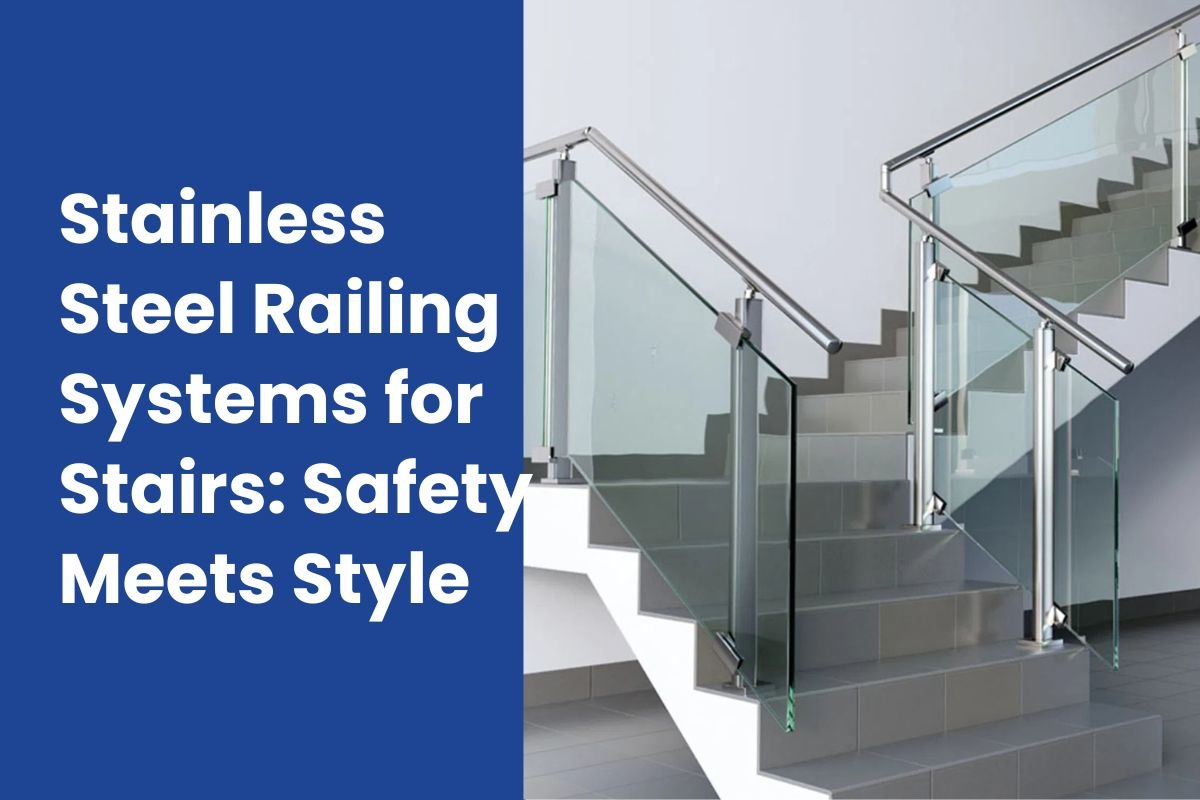
When designing or renovating a staircase, homeowners and builders often face a crucial question: how do you combine long-term safety with modern aesthetics? The answer increasingly points toward Stainless Steel Railing Systems for Stairs.
These systems offer strength, corrosion resistance, clean architectural lines, and minimal maintenance. At the same time, they enhance property value and visual appeal. Whether installed indoors or outdoors, they provide structural reliability without sacrificing style.
In this comprehensive guide, we explore everything you need to know about Stainless Steel Railing Systems for Stairs—from safety standards and material science to design trends and product recommendations.

Why Stainless Steel Railing Systems for Stairs Are Growing in Popularity
The demand for stainless steel stair railings has grown steadily over the past decade. According to global construction material trends, stainless steel remains one of the most widely used architectural metals due to its durability and recyclability.
As explained by the detailed overview on stainless steel composition and properties, the alloy contains chromium, which forms a protective oxide layer. This layer prevents rust and corrosion. That single feature makes it ideal for stair railings exposed to humidity, rain, or temperature fluctuations.
More importantly, Stainless Steel Railing Systems for Stairs meet modern building expectations:
- High structural strength
- Fire resistance
- Long-term durability
- Minimal maintenance
- Clean contemporary appearance
Unlike wood, which can warp, or painted steel, which can chip and rust, stainless steel maintains both integrity and finish for decades.
The Structure of Stainless Steel Railing Systems for Stairs
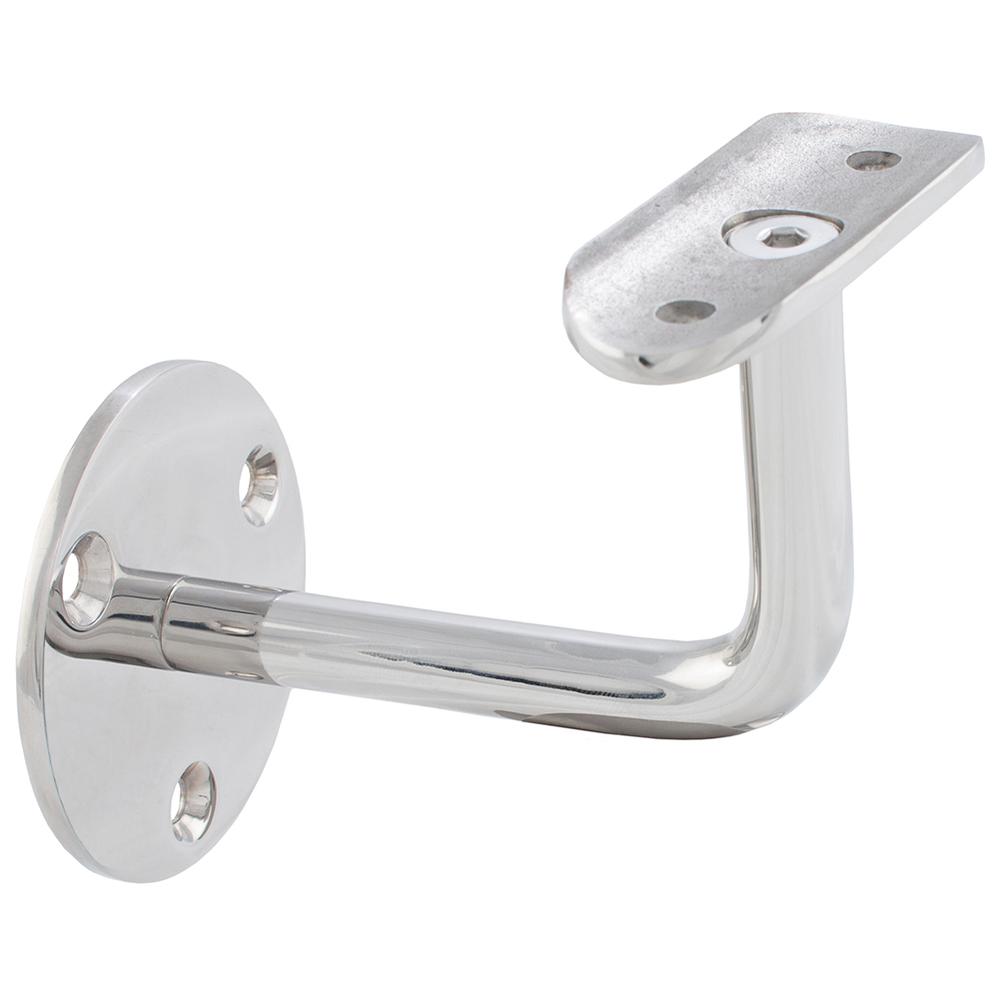
A complete stainless steel stair railing system includes several components working together:
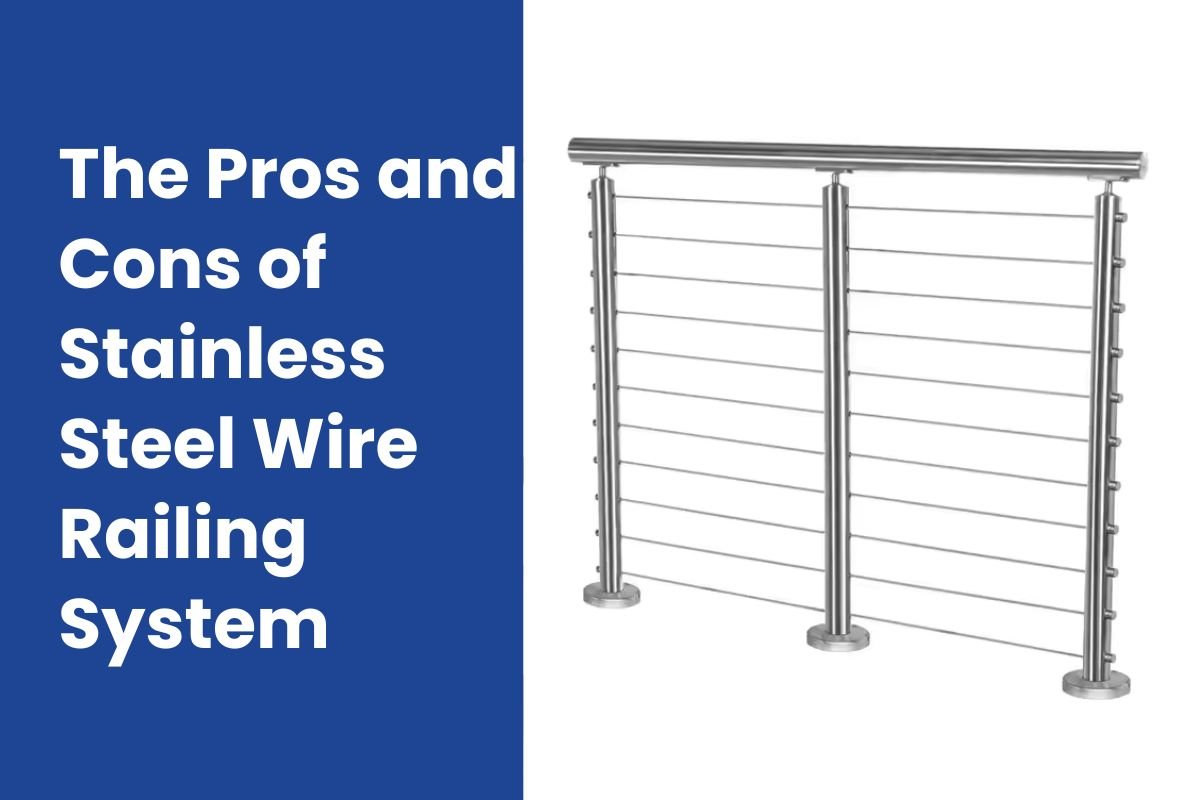
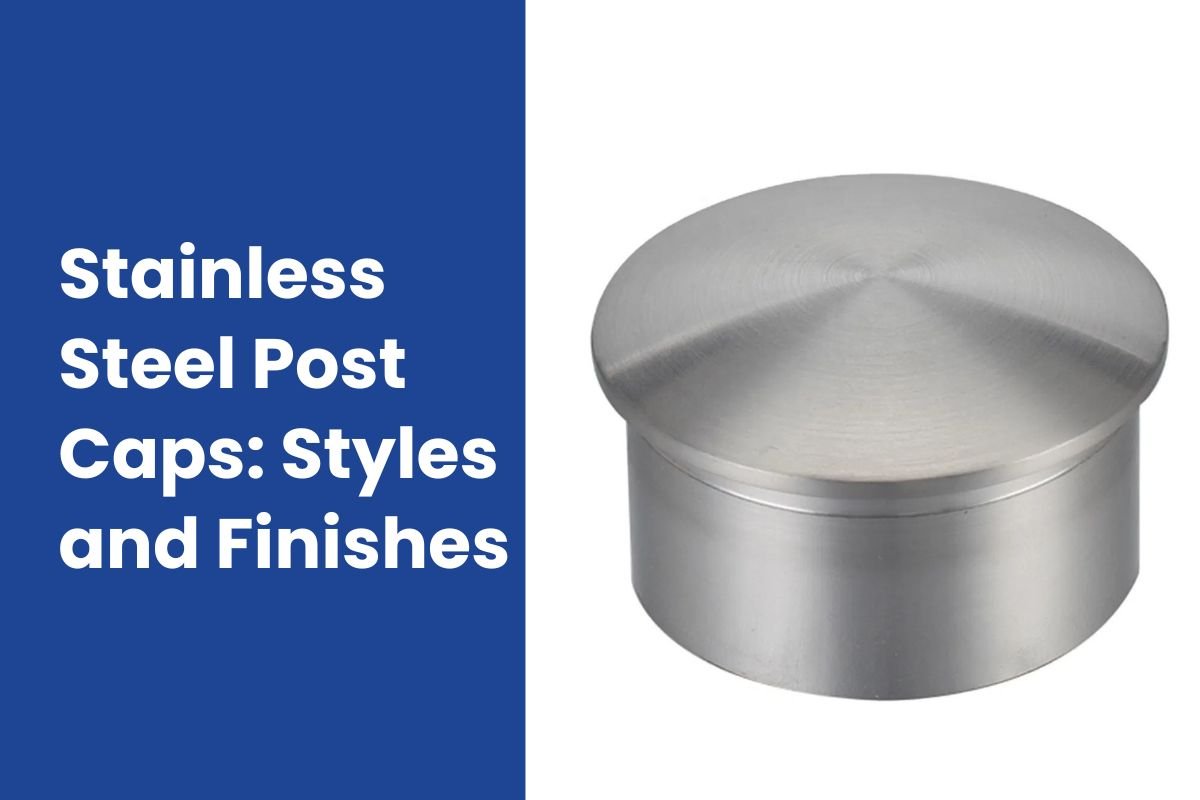
The vertical posts provide the primary structural support. The handrail offers grip and guidance. Infill panels—such as cable wires, rods, or glass—add safety while preserving openness. Mounting brackets secure everything firmly to the staircase structure.
High-quality systems, such as those available at unikim, use marine-grade stainless steel for superior corrosion resistance. This is particularly important for coastal or high-humidity environments.
For example, precision-engineered stainless steel handrail brackets for stairs ensure both safety and smooth alignment. Strong brackets prevent loosening over time, which is critical for stair safety.
Safety Standards and Building Code Compliance
Safety remains the primary function of any stair railing system. According to International Residential Code (IRC) guidelines:
- Stair handrails must be 34–38 inches high
- Guardrails should be at least 36 inches tall
- Openings must prevent a 4-inch sphere from passing through
Stainless Steel Railing Systems for Stairs easily meet these standards when properly designed.
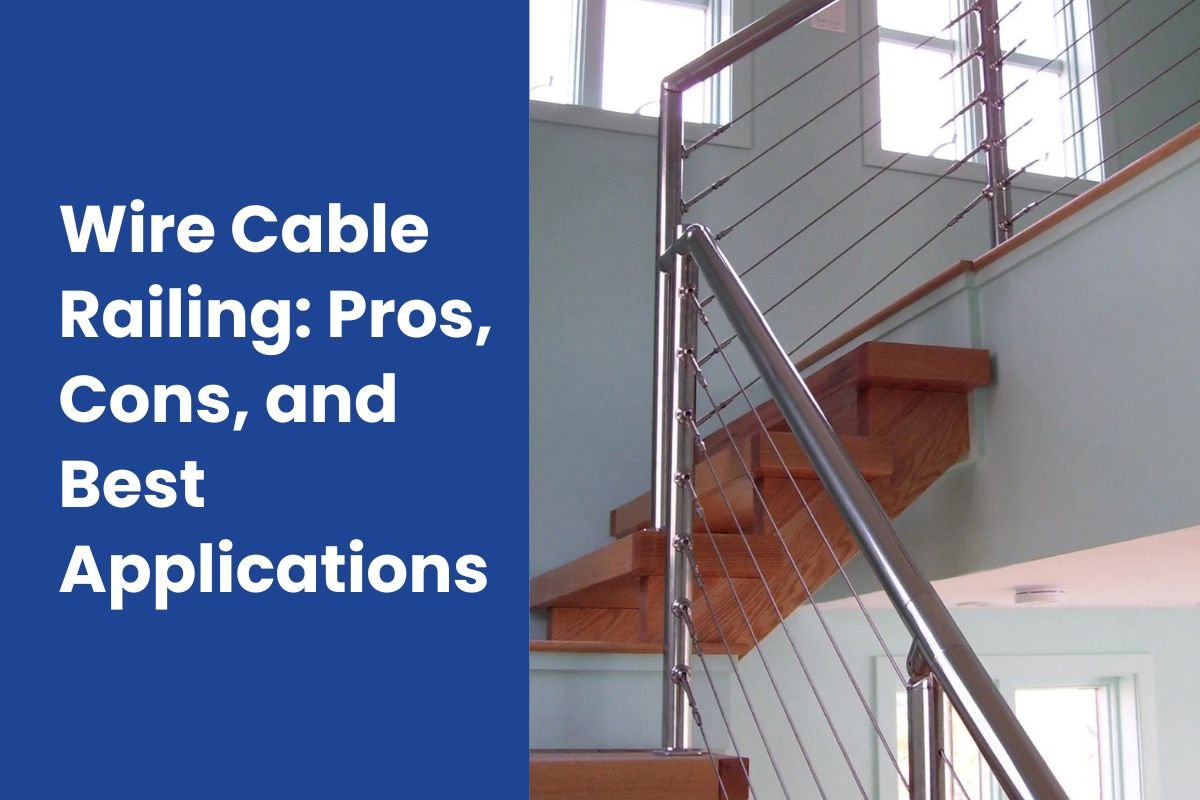
Cable railing systems, for instance, require proper tension to maintain code compliance. That is why high-quality kits such as the best stainless steel cable railing system for stairs include precision tensioners and heavy-duty posts.
When installed correctly, stainless steel systems deliver both fall protection and structural reliability.
Comparing Stainless Steel to Other Railing Materials
Choosing the right material impacts cost, maintenance, and lifespan. The table below compares common railing materials:
| Material | Durability | Maintenance | Modern Look | Corrosion Resistance | Lifespan |
|---|---|---|---|---|---|
| Wood | Moderate | High | Traditional | Low | 10–15 years |
| Painted Steel | Strong | Moderate | Industrial | Moderate | 15–20 years |
| Aluminum | Moderate | Low | Contemporary | Good | 20–25 years |
| Stainless Steel | Very High | Low | Modern & Premium | Excellent | 30+ years |
As the comparison shows, Stainless Steel Railing Systems for Stairs outperform most alternatives in longevity and corrosion resistance.
Design Versatility: Where Safety Meets Architectural Elegance

Modern architecture favors open spaces and clean lines. Stainless steel complements this design philosophy perfectly.
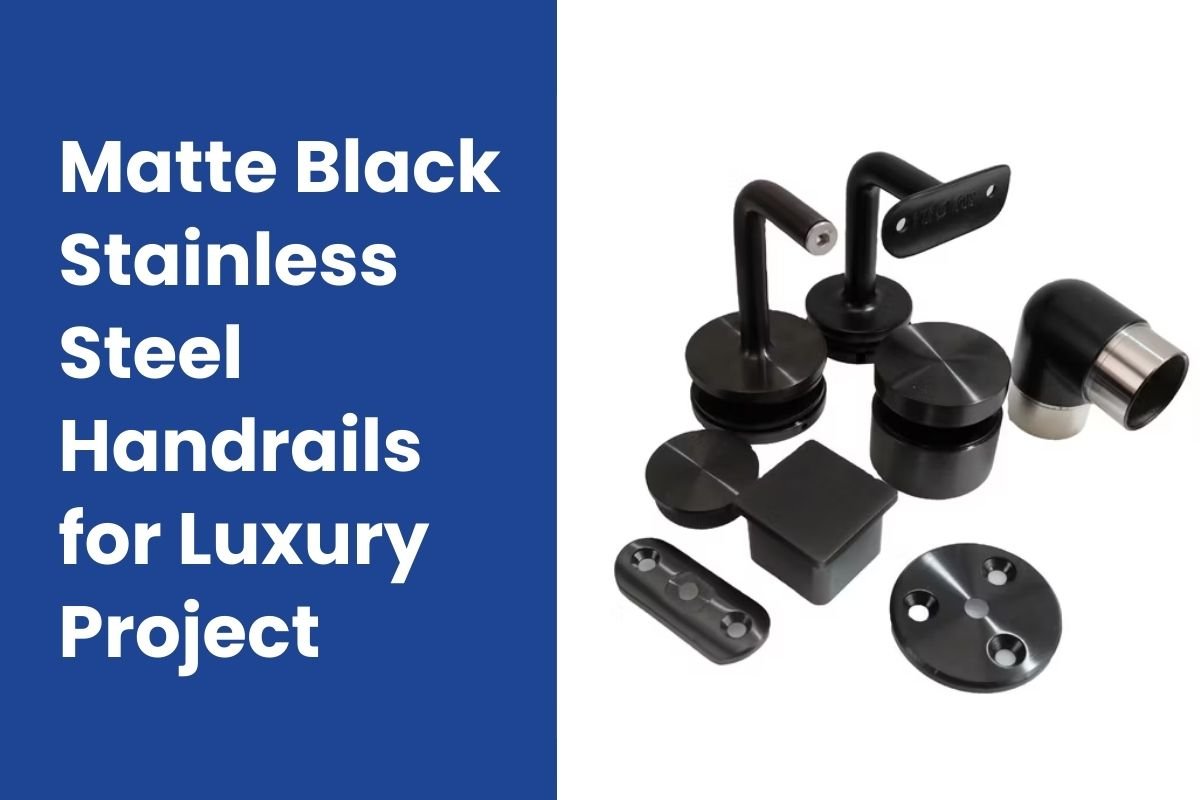
Cable railing systems create visual openness while maintaining safety. Glass infill systems combine transparency with durability. Matte black finishes introduce bold contrast in contemporary interiors.
For homeowners seeking a darker finish, the modern matt black railing for stairs offers a sleek alternative without compromising structural strength.
Meanwhile, DIY enthusiasts appreciate ready-to-install systems like the Unikim DIY interior black stainless steel stair cable deck railing system, which simplify installation without reducing quality.
Indoor vs Outdoor Stainless Steel Railing Systems for Stairs
Indoor installations emphasize aesthetics and ergonomic comfort. Outdoor systems must endure UV exposure, moisture, and temperature fluctuations.
For exterior staircases, marine-grade 316 stainless steel performs better than 304 in coastal areas. Its added molybdenum increases resistance to salt corrosion.
A strong example of an outdoor-ready solution is the stainless steel deck cable railing system for stairs, engineered for both residential decks and exterior stairways.
The key difference lies in finish selection and grade specification. Choosing the right grade ensures decades of reliable performance.
Maintenance: Why Stainless Steel Is a Low-Cost Long-Term Investment
Unlike wood, stainless steel does not require staining or sealing. Unlike iron, it does not rust easily.
Routine maintenance involves simple cleaning with mild soap and water. For cable systems, periodic tension checks ensure continued compliance.
For a complete maintenance guide, refer to how to maintain your cable railing fence kit on stairs. Regular inspection extends the lifespan of your Stainless Steel Railing Systems for Stairs significantly.
Over a 30-year span, maintenance costs remain dramatically lower compared to traditional materials.
Sustainability and Environmental Benefits
Stainless steel is 100% recyclable. In fact, many stainless steel products contain over 60% recycled material.
Because Stainless Steel Railing Systems for Stairs last for decades, they reduce material waste and replacement cycles. This aligns with green building certifications and sustainable construction practices.
Manufacturers such as Unikim Metal Products invest heavily in precision fabrication and environmentally responsible production.
Additionally, you can explore real installation demonstrations and system performance on the official Unikim Railings YouTube Channel.
Cost Considerations: Are Stainless Steel Railing Systems Worth It?
Initial installation costs for stainless steel railings may be higher than wood or aluminum. However, lifecycle cost tells a different story.
Let’s examine long-term financial comparison:
- Wood systems often require refinishing every 2–3 years
- Painted metal requires repainting and rust treatment
- Stainless steel requires minimal upkeep
Over 20–30 years, Stainless Steel Railing Systems for Stairs often prove more cost-effective due to reduced maintenance and replacement expenses.
Additionally, modern stainless steel stair railings increase resale value. Buyers perceive them as premium features.
Installation Flexibility and DIY Advantages
One reason for the rapid adoption of Stainless Steel Railing Systems for Stairs is modular design.
Pre-engineered kits simplify measurement and installation. Adjustable cable tensioners allow precision alignment. Surface-mounted posts eliminate complex structural modifications.
Professional installers value the efficiency. DIY homeowners appreciate clear instructions and pre-drilled components.
If you need guidance tailored to your project, the experts at unikim Contact Page provide direct assistance.
How to Choose the Right Stainless Steel Railing System
Before purchasing, consider:
Staircase layout
Indoor or outdoor use
Cable vs rod vs glass infill
Finish preference
Local building codes
Many homeowners start by browsing product collections directly at unikim’s homepage to compare styles and finishes.
Focus on material grade, structural thickness, and warranty. High-quality systems typically offer corrosion-resistant coatings and precision machining.
Some Mistakes to Avoid
Many installation problems result from incorrect spacing or improper tensioning. Always follow manufacturer specifications.
Avoid mixing incompatible metals, which may cause galvanic corrosion. Choose consistent stainless steel grades.
Do not overlook code compliance. Proper spacing ensures child safety and legal approval.
Summary
Stainless Steel Railing Systems for Stairs combine structural strength, modern elegance, and long-term durability. They meet strict safety standards while enhancing architectural aesthetics. Compared to wood or painted steel, stainless steel offers superior corrosion resistance and lower maintenance costs.
Whether installed indoors or outdoors, these systems provide lasting performance and premium visual appeal. If you’re planning a staircase upgrade, stainless steel remains one of the smartest long-term investments available today,For more information visit unikim and contact us.
FAQs
Are Stainless Steel Railing Systems for Stairs safe for homes with children?
Yes. When installed according to code, Stainless Steel Railing Systems for Stairs provide secure spacing and strong structural support that prevent falls and climbing hazards.
How long do Stainless Steel Railing Systems for Stairs last?
High-quality systems typically last 30 years or more. Marine-grade materials extend lifespan even in coastal environments.
Do Stainless Steel Railing Systems for Stairs require regular maintenance?
Maintenance is minimal. Occasional cleaning and cable tension checks keep the system performing optimally.
Can Stainless Steel Railing Systems for Stairs be installed outdoors?
Absolutely. Exterior-grade stainless steel performs exceptionally well in rain, humidity, and temperature changes.
Are Stainless Steel Railing Systems for Stairs customizable?
Yes. You can select cable infill, rod infill, glass panels, or matte finishes depending on your design goals.