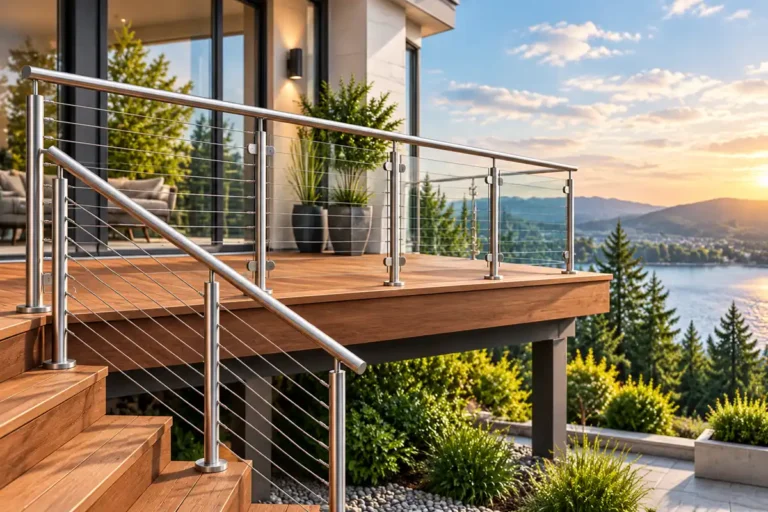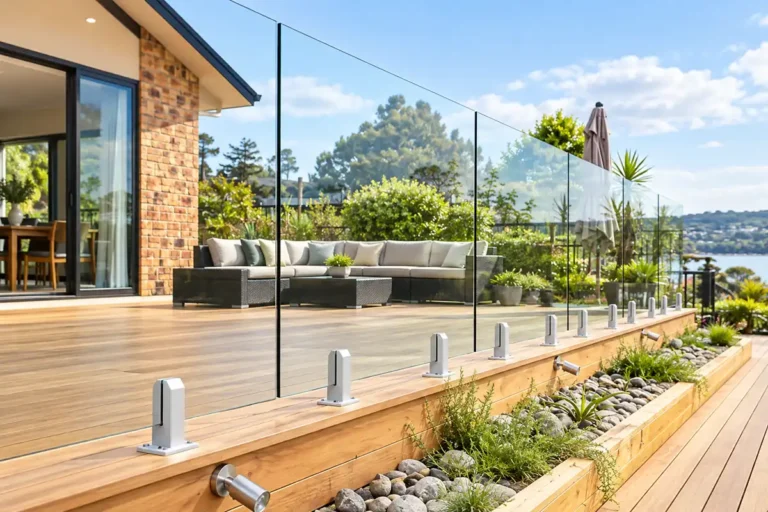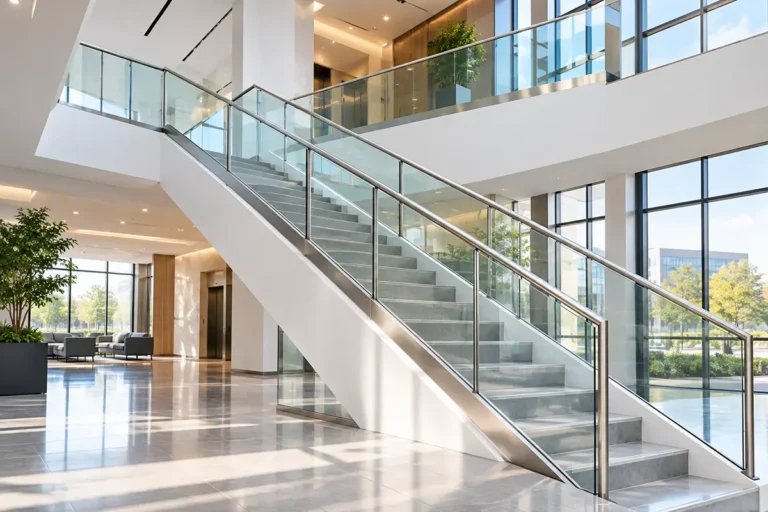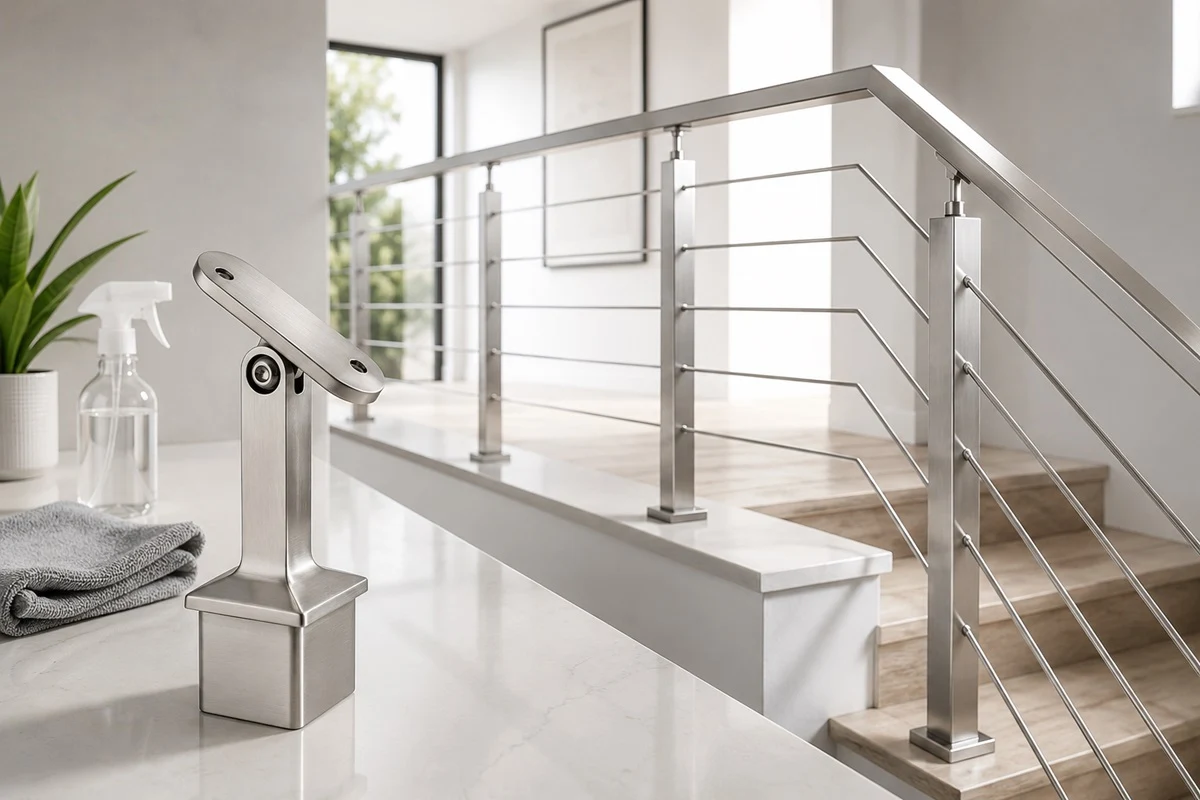
Imagine walking into a modern home or a stylish office lobby where the first thing that catches your eye is the stainless steel square line railings. Their sharp edges, clean lines, and mirror-like finish instantly elevate the space, making it feel both luxurious and contemporary. These railings are not just functional barriers; they are architectural statements that blend strength with elegance.
But here’s the catch—without proper care, even the most premium stainless steel can lose its sparkle. Dust, fingerprints, and environmental factors can dull the shine over time. That’s why cleaning and maintaining stainless steel square line railings is more than just a chore; it’s a way to preserve the beauty and longevity of your investment.
At Unikim, we believe that every railing system deserves to look as stunning as the day it was installed. Whether you’re a homeowner, architect, or contractor, understanding the right cleaning techniques and maintenance practices ensures your railings remain timeless.
Why Stainless Steel Square Line Railings Are Popular
Stainless steel square line railings have become a hallmark of modern architecture, blending durability with sleek aesthetics. Their popularity stems from the unique combination of strength, elegance, and low maintenance that few other materials can match. Unlike wood, which requires frequent varnishing, or iron, which is prone to rust, stainless steel offers long-lasting resilience against environmental factors.
One of the biggest reasons homeowners and architects prefer these railings is their corrosion resistance. When crafted from 316-grade stainless steel, they withstand coastal climates where saltwater exposure often damages other materials. This makes them ideal for both indoor and outdoor installations. Additionally, the square line design provides a minimalist, contemporary look that complements glass, stone, and wood finishes seamlessly.
Another factor driving their popularity is the ease of maintenance. A simple wipe with mild soap and water restores their shine, unlike painted railings that demand regular touch-ups. Accessories such as stainless steel post caps and railing end caps further enhance their polished appearance.
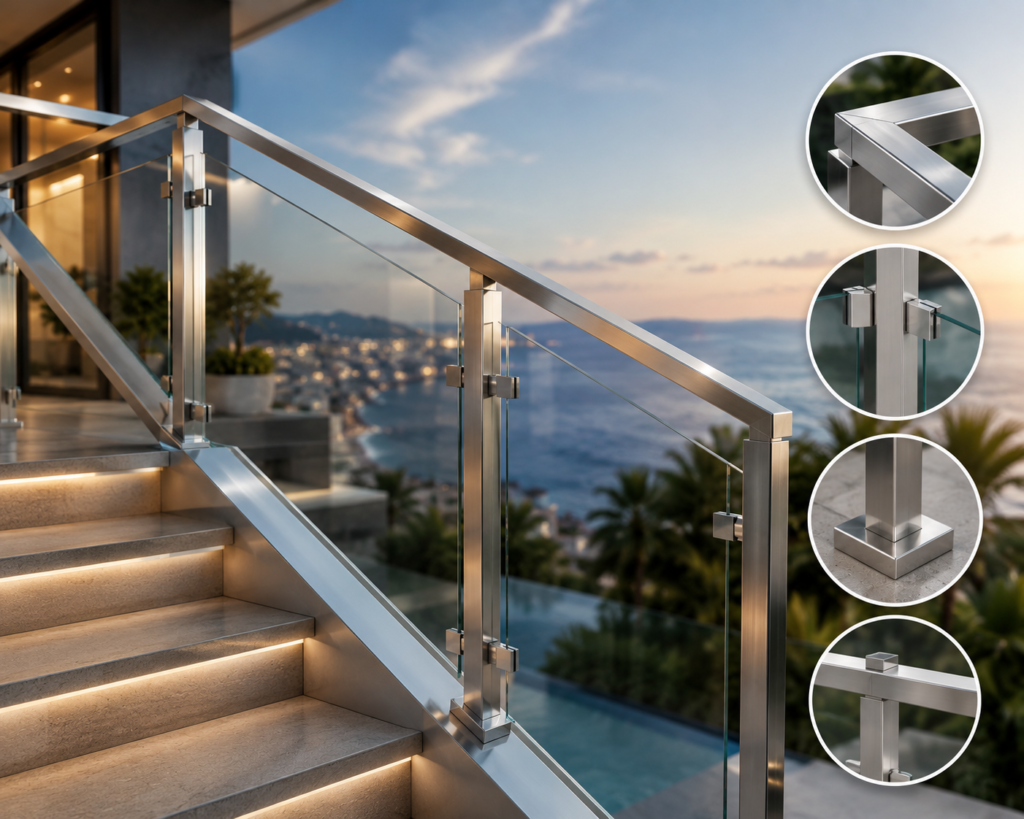
Step-by-Step Guide to Cleaning Stainless Steel Square Line Railings
Regular Dusting and Wiping
Dust and airborne particles can settle on railings, dulling their shine. Use a soft microfiber cloth to wipe down the railings weekly. Avoid abrasive materials that can scratch the surface.
Mild Soap and Warm Water
For routine cleaning, mix mild dish soap with warm water. Dip a cloth in the solution and gently wipe the railing. Rinse with clean water and dry thoroughly to prevent water spots.
Removing Fingerprints and Smudges
Fingerprints are common on polished stainless steel. A vinegar-water solution (1:1 ratio) works well to remove smudges. Spray lightly and wipe with a microfiber cloth.
Tackling Rust Spots
Although stainless steel resists rust, exposure to saltwater or harsh chemicals can cause minor spots. Use a non-abrasive stainless steel cleaner or baking soda paste to gently scrub affected areas.
Polishing for Shine
Apply a stainless steel polish once a month to maintain the glossy finish. Always follow the grain of the steel when polishing.
For accessories like stainless steel post caps and railing end caps, polishing ensures they match the brilliance of the main railing system.
Maintenance Tips for Long-Term Durability
Avoid Harsh Chemicals
Bleach, chlorine, and abrasive cleaners can damage stainless steel. Stick to pH-neutral cleaning agents.
Protect Against Coastal Exposure
If your property is near the ocean, salt deposits can accelerate corrosion. Rinse railings with fresh water weekly and consider upgrading to 316 stainless steel handrail systems.
Inspect Joints and Fittings
Check brackets, clamps, and connectors regularly. Products like stainless steel handrail brackets for stairs and glass balustrade connectors should be tightened to prevent loosening over time.
Combine with Glass for Easy Cleaning
Glass panels paired with stainless steel square lines create a modern look and are easier to clean. Explore inox stainless steel glass staircase railings for inspiration.
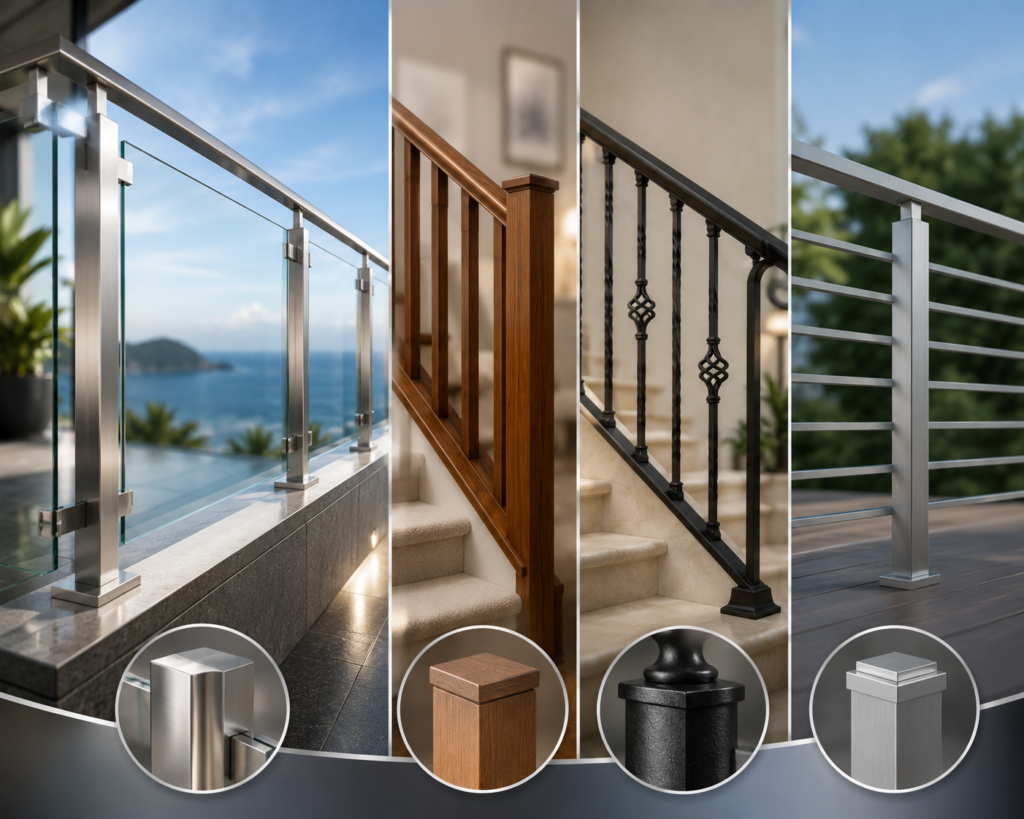
Comparison: Stainless Steel vs Other Railing Materials
| Material | Durability | Maintenance | Aesthetic Appeal | Cost |
|---|---|---|---|---|
| Stainless Steel Square Line Railings | High | Low | Modern, sleek | Moderate |
| Wood | Medium | High (requires varnish/paint) | Classic | Moderate |
| Iron | Medium | High (prone to rust) | Traditional | Low |
| Aluminum | Medium | Low | Lightweight, modern | Moderate |
Expert Insights
Industry experts consistently highlight the unmatched durability and design flexibility of stainless steel square line railings. According to architectural studies, stainless steel railings can last 20–30 years with minimal upkeep, making them a cost-effective choice compared to wood or iron. Coastal homeowners particularly benefit from 316 stainless steel handrail systems, which resist saltwater corrosion far better than lower-grade metals. Designers also emphasize the aesthetic appeal—square lines create a clean, modern look that pairs beautifully with glass, stone, or wood.
For more expert guidance, visit the Unikim or connect through the contact page.For more technical details, visit Unikim Railings or explore practical installation videos on Unikim’s YouTube channel.
Summary
Stainless steel square line railings are the perfect blend of durability and modern design. With proper cleaning and maintenance, they retain their shine and strength for decades, making them ideal for both residential and commercial spaces.
From accessories like post caps to complete railing systems, Urailing offers premium solutions tailored to every need. Explore more insights on the blog, learn about us on the about page, or reach out directly via the contact page for expert guidance.
FAQs
Q: How do stainless steel square line railings perform in coastal environments?
A: Coastal areas expose railings to saltwater and humidity, which can accelerate corrosion in lower-grade metals. That’s why 316 stainless steel handrail systems are highly recommended. They contain molybdenum, which enhances resistance to pitting and rust, making them ideal for balconies, terraces, and outdoor staircases near the ocean.
Q: What accessories improve the durability and aesthetics of stainless steel square line railings?
A: Accessories such as stainless steel post caps, railing end caps, and handrail brackets for stairs not only protect the railing ends from moisture but also add a polished finish. Using high-quality fittings ensures the entire system remains stable and visually appealing for years.
Q: How should stainless steel square line railings be cleaned for best results?
A: Routine cleaning with mild soap and water is sufficient for everyday maintenance. For fingerprints or smudges, a vinegar-water solution works well. Avoid harsh chemicals like bleach, which can damage the finish. Even fittings such as glass clamps and balustrade connectors should be cleaned gently to maintain their shine.
Q: Are stainless steel square line railings better than wood or iron railings?
A: Yes, stainless steel offers superior durability and lower maintenance compared to wood or iron. Wood requires regular varnishing, while iron is prone to rust. Stainless steel, especially when paired with inox glass staircase railings, provides a sleek, modern look that lasts decades with minimal upkeep.