A cable railing system is a type of barrier made up of horizontal or vertical stainless steel cables tensioned between posts. Unlike traditional railings that use balusters or glass panels, cable railings provide an unobstructed view while ensuring safety. These systems are commonly used in decks, staircases, balconies, and even highways as wire guardrails.
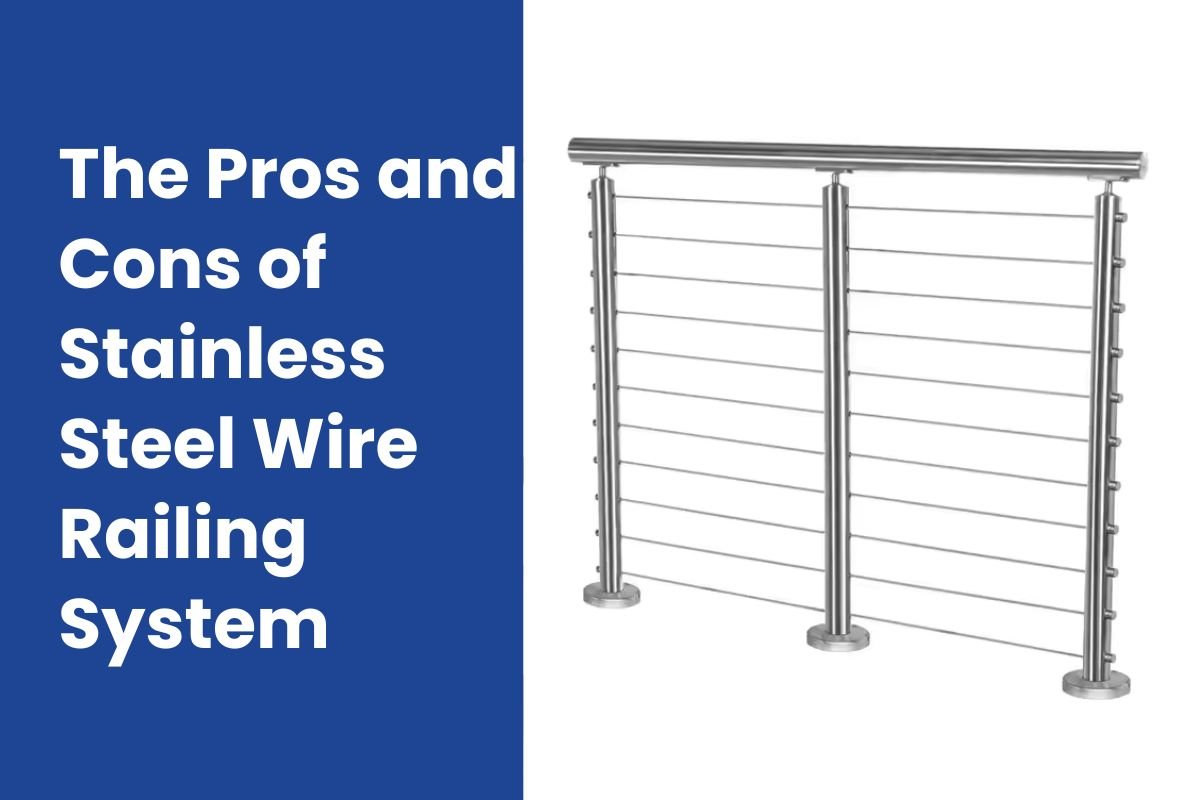
The components of a cable railing system typically include:
- Cables: High-quality stainless steel cables that are corrosion-resistant and durable.
- Posts: Wood, metal, or composite posts that anchor the cables.
- Fittings: Hardware like turnbuckles, tensioners, and end fittings to secure the cables.
- Top Rail: A horizontal rail that runs along the top of the posts, providing structural support.
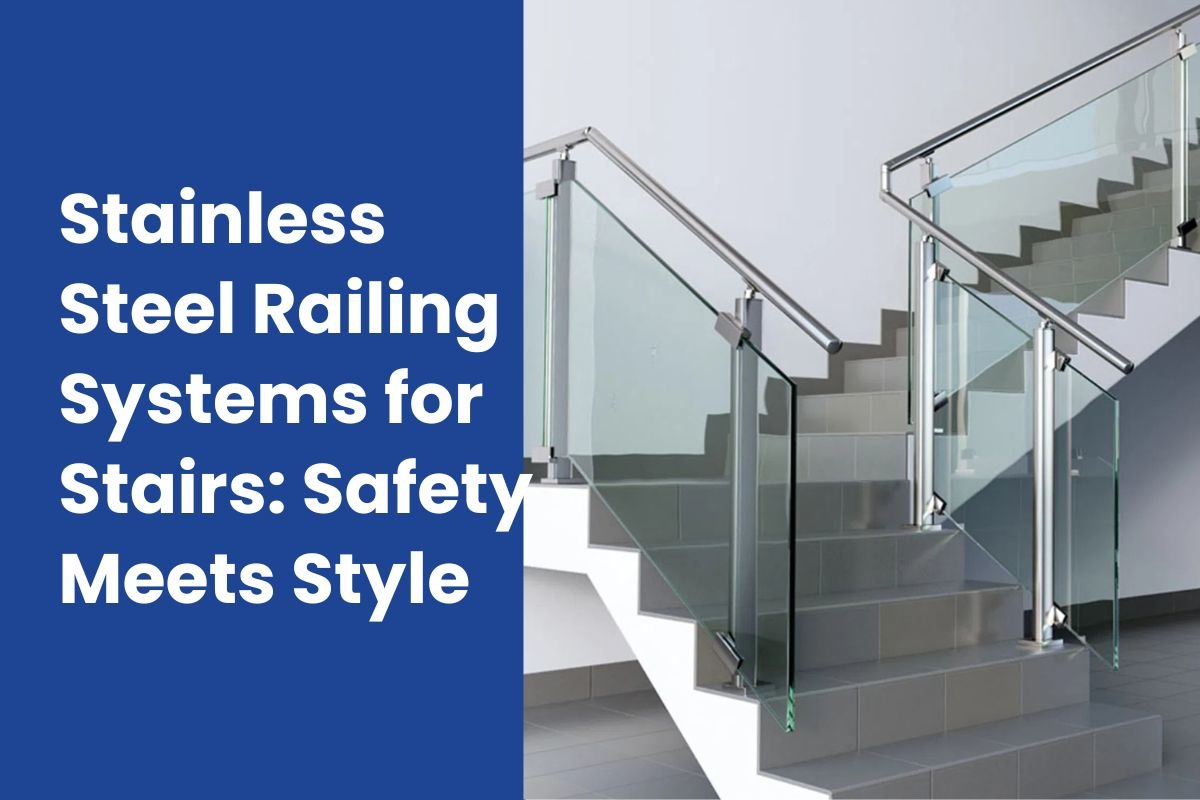
For more details on the best stainless steel cable railing systems for stairs, visit this guide.
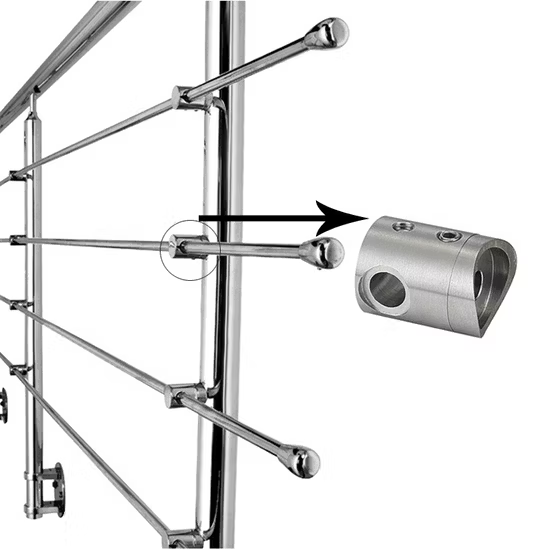
What is a Cable Railing System Used For?
Cable railing systems are incredibly versatile and can be used in various applications:
- Decks and Balconies: Cable railings are perfect for outdoor spaces, offering an open view while maintaining safety. They blend seamlessly with modern and rustic designs.
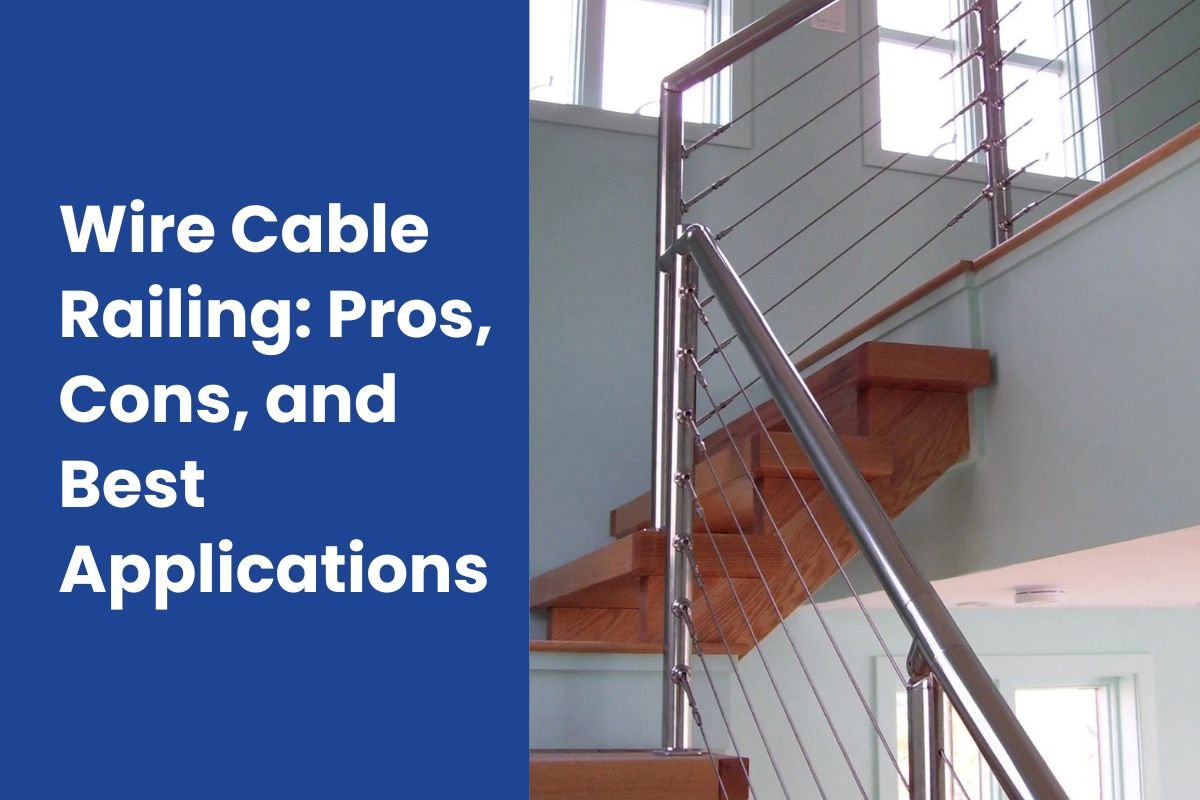
- Staircases: An interior cable stair railing kit provides a contemporary look while ensuring compliance with safety codes.
- Highways: Engineers design wire guardrails on highways to prevent vehicles from veering off the road. These guardrails provide durability and require minimal maintenance.
- Commercial Spaces: Architects and designers install cable railings in offices, restaurants, and public areas because they combine aesthetic appeal with practical functionality.
For inspiration on deck railing systems, check out this resource.
Types of Cable Railing Systems
Cable railing systems come in two main configurations:
- Horizontal Cable Railings: The most common type, where cables run horizontally between posts. This design offers a clean, modern look and is ideal for decks and balconies.
- Vertical Cable Railings: In this design, cables run vertically, often used in staircases or areas requiring additional rigidity.
Both types can customize to suit your specific needs, whether you work with wood posts or metal frames.
How to Install a Cable Railing System with Wood Posts
Step 1: Install and Secure the Wood Posts
The posts must be anchored firmly. Strong posts allow the cables to stretch under tension without bending or pulling.
Step 2: Drill Aligned Holes
Even spacing ensures the cables look balanced and remain easy to tension. Many installers prefer a 3″ to 3.5″ gap between cables.
Step 3: Run the Cable Through the Posts
The cable is threaded through each hole from one end to the other.
Step 4: Attach the Fittings
Fitters install fittings at both ends of each cable to create the tensioning mechanism.
Step 5: Tighten the Cable
Tensioners or turnbuckles are tightened gradually.
This prevents slack and keeps the railing strong over time.
For a detailed installation guide, visit this page.
Advantages of Cable Railing Systems
- Aesthetic Appeal: Cable railings offer a minimalist and modern look, enhancing the overall design of any space.
- Durability: Made from stainless steel, cable railings are resistant to rust, corrosion, and weather damage.
- Low Maintenance: Unlike wood or glass railings, cable systems require minimal upkeep.
- Unobstructed Views: The thin cables provide an open view, making them ideal for scenic locations.
Maintaining Your Cable Railing System
To ensure the longevity of your cable railing system, follow these maintenance tips:
- Regularly inspect the cables for signs of wear or loosening.
- Clean the cables with a mild detergent and water to remove dirt and debris.
- Check the fittings and tighten them if necessary.
For more maintenance tips, visit this guide.
Summary
A cable railing system is a versatile, durable, and aesthetically pleasing solution for various applications, from decks and staircases to highways. With its minimalist design and low maintenance requirements, it’s no wonder why cable railings are a popular choice among homeowners and designers alike. Whether you’re looking to install a new railing or upgrade an existing one, cable railings offer a perfect blend of form and function.
For more information or to explore our range of products, visit Urailing or contact us here.
FAQs
Q1: Are cable railings safe?
Yes, cable railings are safe when installed correctly and meet local building codes.
Q2: Can I install a cable railing system myself?
While you can install it yourself, hiring a professional ensures accurate tensioning and adherence to safety standards.
Q3: How long do cable railings last?
With proper maintenance, cable railings can last for decades due to their durable stainless steel construction.
Q4: What is the cost of a cable railing system?
The cost varies depending on the materials, design, and installation complexity.