Modern homes in 2026 look very different from those built just a decade ago. Clean lines, open views, and materials that feel both industrial and elegant now define contemporary design. One feature that perfectly reflects this shift is the Cable Railing DIY Kit. Homeowners, contractors, and architects are choosing cable railings because they are strong, minimal, and surprisingly simple to install without professional crews.
If you are planning a deck upgrade, a stair renovation, or a modern porch transformation, this guide will walk you through everything you need to know. From materials and safety standards to installation insights and long-term value, this article is written to help you make a confident, informed decision in 2026.
Why Cable Railing DIY Kits Are Dominating Modern Design in 2026
Design trends do not change randomly. They respond to how people live. In recent years, homeowners have wanted fewer visual barriers and more connection with outdoor views. Cable railing systems deliver exactly that.
Unlike bulky wood balusters or ornate iron spindles, cable railings use thin stainless steel cables stretched horizontally or vertically. This creates a nearly invisible barrier while still meeting safety codes. According to architectural trend research connected to modern architecture, minimal railing systems continue to grow in popularity due to their ability to blend structure with openness.
A Cable Railing DIY Kit also appeals to homeowners because it balances professional-level results with hands-on installation. You do not need welding tools or custom fabrication. Most kits arrive pre-engineered and ready to assemble with standard tools.
For homeowners browsing inspiration galleries on unikim, cable railing systems consistently stand out as both practical and stylish.
What Exactly Is a Cable Railing DIY Kit?
A Cable Railing DIY Kit is a complete railing system designed for self-installation. It typically includes stainless steel cables, tensioning hardware, end fittings, and installation guides. Some kits also include posts, while others are designed to integrate with wood or metal posts already in place.
The main advantage is control. You choose the layout, spacing, and finish while saving on labor costs. Compared to custom welded railings, DIY cable kits can reduce project expenses by up to 40 percent without sacrificing durability.
At stainless steel cable railing diy decks, you can see how these systems adapt easily to decks, balconies, porches, and staircases.
Understanding the Materials Behind High-Quality Cable Railing Kits
Not all cable railing kits are created equal. The material choice determines how long your railing will last, especially in outdoor environments.
Stainless Steel Grades Explained Simply
Most premium kits use 304 or 316 stainless steel. Grade 304 works well for interior spaces and mild climates. Grade 316 contains added molybdenum, which improves corrosion resistance. This makes it ideal for coastal regions, humid areas, and harsh winters.
A high-quality Cable Railing DIY Kit almost always uses marine-grade stainless steel for cables and fittings. This ensures resistance to rust, pitting, and discoloration over time.
You can explore professional-grade options directly through product stainless steel cable railing, where specifications clearly list steel grades and finishes.
Horizontal vs Vertical Cable Railing: Which One Fits Your Project?
Orientation matters more than most homeowners realize. Horizontal cable railing is the most popular choice due to its sleek appearance. It visually stretches space and works beautifully on decks with scenic views.
Vertical cable railing, however, has advantages. It reduces the “ladder effect” that some building codes discourage, especially for homes with children. Vertical layouts also require less tensioning over time.
At diy front porch vertical interior cable railing fence kit installation, you can see how vertical cable systems integrate seamlessly into both interior and exterior designs.
Choosing the right orientation depends on local building codes, aesthetics, and maintenance preferences.
Safety Codes and Regulations You Must Know in 2026
Cable railing systems are safe when installed correctly, but they must comply with local codes. Most regions require cable spacing that prevents a four-inch sphere from passing through. This rule exists to protect children and pets.
Post spacing also matters. For horizontal systems, posts are usually spaced no more than four feet apart to maintain cable tension. Failure to follow spacing rules can lead to sagging cables over time.
Before purchasing a Cable Railing DIY Kit, it is wise to review local code requirements or consult your building department. Many manufacturers, including those featured at unikim, design kits that already align with common North American standards.
Installation Experience: What DIY Homeowners Should Expect
One of the biggest concerns people have is installation difficulty. The truth is that modern cable railing kits are far more user-friendly than earlier versions.
Most installations follow a simple sequence. Posts are secured first. Holes are drilled accurately using templates. Cables are fed through, fitted with tensioners, and gradually tightened.
While the process requires patience, it does not require specialized skills. Many homeowners complete their installation over a weekend. Video guides from manufacturers, including practical demonstrations available on unikim youtube channel, make the learning curve manageable.
A Cable Railing DIY Kit rewards careful measuring and steady work. The result feels professional and satisfying.
Cost Comparison: DIY Cable Railing vs Traditional Railing Systems
Budget plays a major role in renovation decisions. Traditional wood railings may appear cheaper upfront, but long-term costs tell a different story.
Wood requires regular sealing, painting, and repairs. Iron railings often need rust treatment. Glass railings look elegant but carry higher material and installation costs.
Cable railing systems strike a balance. Initial investment may be slightly higher than basic wood, but maintenance costs remain low. Over ten years, many homeowners find cable railings cost less overall.
Comparisons between railing types are explored further at top benefits stainless steel cable systems, where durability and lifecycle value are explained clearly.
Cable Railing DIY Kits for Decks, Stairs, and Balconies
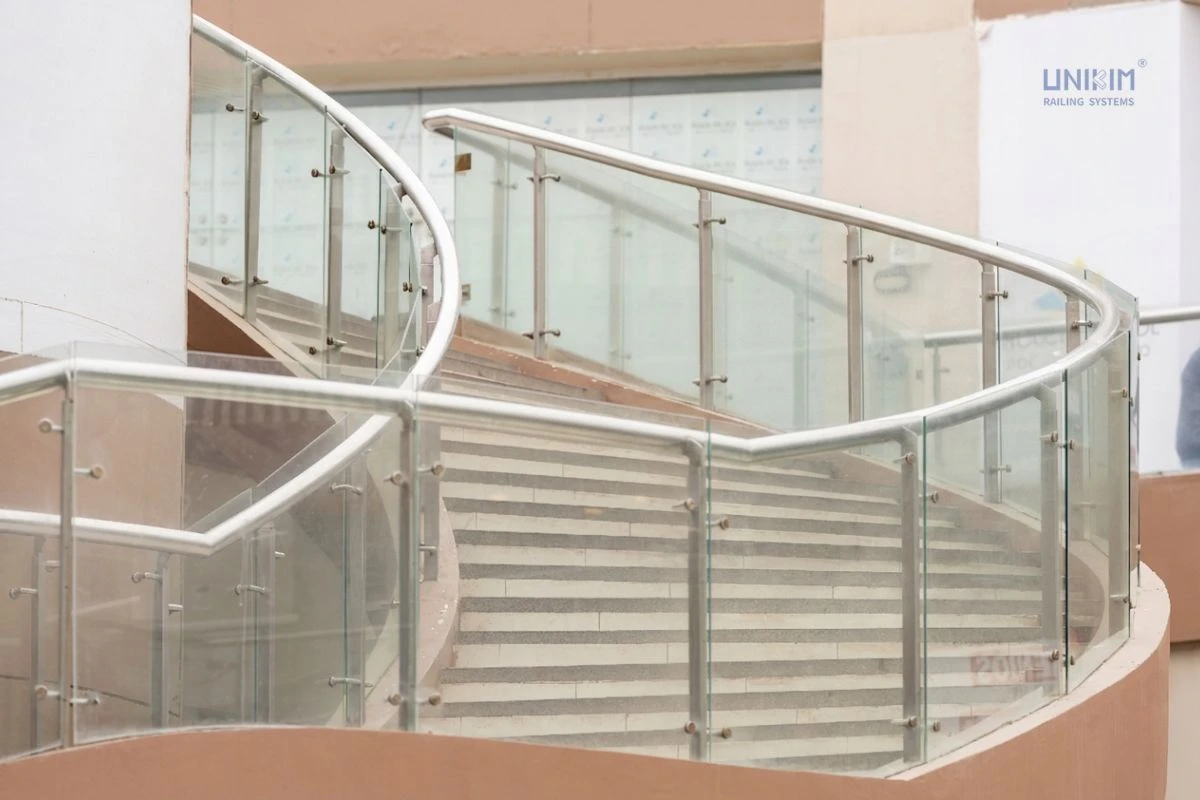
Versatility is one of the strongest advantages of cable railing kits. Decks benefit from unobstructed views, especially in elevated or waterfront homes. Staircases gain a floating, modern look without compromising safety.
Balconies, both residential and commercial, often choose cable systems because they comply with safety codes while preserving light flow. For stair-specific applications, detailed system options are discussed at best stainless steel cable railing system for stairs.
A single Cable Railing DIY Kit can often be adapted across multiple areas of a home, maintaining consistent design language throughout the property.
Comparing Cable Railing Kits to Glass Railing Systems
Glass railings are often seen as the only alternative for unobstructed views. While glass looks stunning, it comes with trade-offs. Glass panels are heavy, expensive, and require frequent cleaning to remove fingerprints and water spots.
Cable railing systems provide similar openness with less maintenance and lower costs. In cold climates, glass can also pose risks due to ice buildup.
For homeowners weighing both options, best glass railing systems for decks canada offers a helpful comparison that highlights climate considerations and budget differences.
Sourcing Reliable Cable Railing DIY Kits in 2026
Supply chain transparency has become more important than ever. Buyers want to know where materials come from and how they are manufactured.
Some reputable manufacturers operate internationally, combining advanced production with competitive pricing. For example, industry suppliers featured at unikim made in china showcase how global manufacturing supports modern railing systems without compromising quality.
When choosing a Cable Railing DIY Kit, always verify material certifications, warranty coverage, and customer support access.
Trends Shaping Cable Railing Design in 2026
Cable railing design continues to evolve. Black matte finishes, mixed-material posts, and thinner cable profiles are trending this year. Homeowners also favor concealed hardware for a cleaner appearance.
According to design insights shared at top trends stainless steel cable railing systems 2026, minimalist aesthetics combined with durable materials define the current market.
These trends reflect a broader move toward understated luxury. Cable railings do not dominate a space. They enhance it quietly.
Environmental Impact and Sustainability Benefits
Sustainability influences purchasing decisions more than ever. Stainless steel is recyclable and long-lasting, reducing replacement waste. Cable railing systems also use fewer raw materials compared to bulky wood or glass structures.
Choosing a Cable Railing DIY Kit aligns with environmentally conscious building practices. Its long lifespan reduces the need for frequent renovations, which lowers material consumption over time.
How to Choose the Right Cable Railing DIY Kit for Your Home
The best kit depends on location, climate, and design goals. Interior installations can use lighter hardware, while exterior projects benefit from marine-grade components.
Finish selection also matters. Brushed stainless steel works well in modern interiors. Black powder-coated posts create contrast against natural wood decks.
If you need expert guidance, contacting specialists through contact can help ensure your selection matches your project requirements.
Summary
In conclusion, a Cable Railing DIY Kit is an excellent investment for homeowners looking to enhance their outdoor or indoor spaces. With their modern aesthetic, durability, and ease of installation, these kits provide a practical solution for safety and style. Whether you’re building a new deck or upgrading an existing one, consider the benefits and options available in 2026. For more information, visit unikim.
FAQs
Is a Cable Railing DIY Kit safe for homes with children?
Yes, a properly installed Cable Railing DIY Kit meets safety codes when cable spacing and tension guidelines are followed carefully.
How long does a Cable Railing DIY Kit typically last?
High-quality stainless steel systems can last over 20 years, making a Cable Railing DIY Kit a long-term investment.
Can I install a Cable Railing DIY Kit on an existing deck?
Most decks can be retrofitted. A Cable Railing DIY Kit is often designed to integrate with existing posts or framing.
Do cable railings require ongoing maintenance?
Minimal maintenance is required. A Cable Railing DIY Kit usually needs occasional cleaning and tension checks.
Are cable railing systems allowed by building codes in 2026?
Yes, most regions approve them. A compliant Cable Railing DIY Kit follows spacing and height regulations.